Daichibanfudashoryozenji
Daichibanfudashoryozenji Movies


![[四国八十八ヶ所]一番札所 霊山寺に行ってみた! 徳島より鳴門から](https://i.ytimg.com/vi/GzUqbKVs5XE/mqdefault.jpg)


Basic Information
- Spot Name
- Daichibanfudashoryozenji
- Location
- 〒779-0230 126 Bandotsukahama, Oaza-cho, Naruto City
- Access
- From JR Kotoku Line "Bando Station" → about 800m
Get off at Tokushima Bus "Ryōzenji-mae" right in front
About 1km to the 2nd temple (bus services available)
About 5 minutes by car from Itano IC
Approximately 20 minutes on foot from the highway bus stop "Naruto West" - Parking
- Regular parking for 100 cars, and 10 to 20 buses.
- Business Hours
- Open for viewing at any time.
- Contact Information
- Phone Number:088-689-1111
- Official Website
Map
Detailed Information
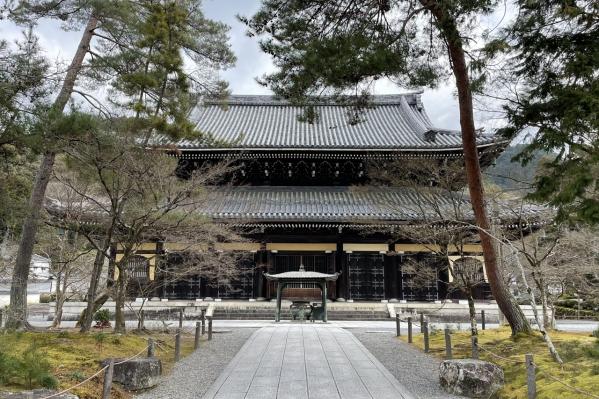
Temple No. 1, Ryozenji, is located in Naruto City, Tokushima Prefecture, and is the first temple of the Shikoku 88 Temple Pilgrimage. It is known as the “Temple of Initiation,” or the temple where one makes the initial vow to undertake the pilgrimage. As the starting point for those visiting the temples in numerical order, it is a historic temple where many pilgrims make their first visit. It is said to have been founded during the Tenpyo era (729–749) by Gyoki Bosatsu, a renowned Buddhist priest of the Nara period, at the imperial request of Emperor Shomu. Its official name is Chikuwazan Ichijoin Ryozenji, and it belongs to the Koyasan Shingon school of Buddhism.
According to temple tradition, in 815, when Kobo Daishi Kukai was traveling throughout Shikoku to teach Buddhism, he conducted Buddhist rituals at this site for 37 days. During that time, he is said to have experienced a vision of Shakyamuni Buddha preaching the Buddhist teachings before a large gathering of monks on Vulture Peak in India. Inspired by this vision, Kobo Daishi named the temple Chikuwazan Ryozenji, conveying the meaning of bringing the sacred mountain of India to Japan.
Kobo Daishi is also said to have prayed at this site for the establishment of a sacred place where the 88 worldly desires afflicting people could be purified, misfortunes removed, and both body and mind saved. Because Naruto, located in northeastern Shikoku, was designated as the place of “awakening to the Buddhist path” in Esoteric Buddhism, Ryozenji came to be established as Temple No. 1 of the Shikoku 88 Temple Pilgrimage.
The principal object of worship at Ryozenji is Shakyamuni Buddha. In front of the principal image is a statue of the Infant Buddha, said to have been used by Kobo Daishi as a personal devotional image during his Buddhist practices. This small bronze statue, approximately 14 centimeters tall, is believed to have been created during the Hakuho period and has been carefully preserved as one of the temple’s important treasures.
Ryozenji was once such a large and grand temple that it was counted among the three great monastic complexes of Awa Province. However, in 1582, many of its halls and pagodas were destroyed by fire during an attack by the forces of Chosokabe Motochika. Reconstruction proceeded with support from the Hachisuka family, the lords of the Awa domain, but the temple suffered another major fire in 1891, which destroyed most of the buildings except the Main Hall and the Tahoto Pagoda. Many of the buildings seen today were reconstructed through subsequent restoration and improvement efforts carried out over many years.
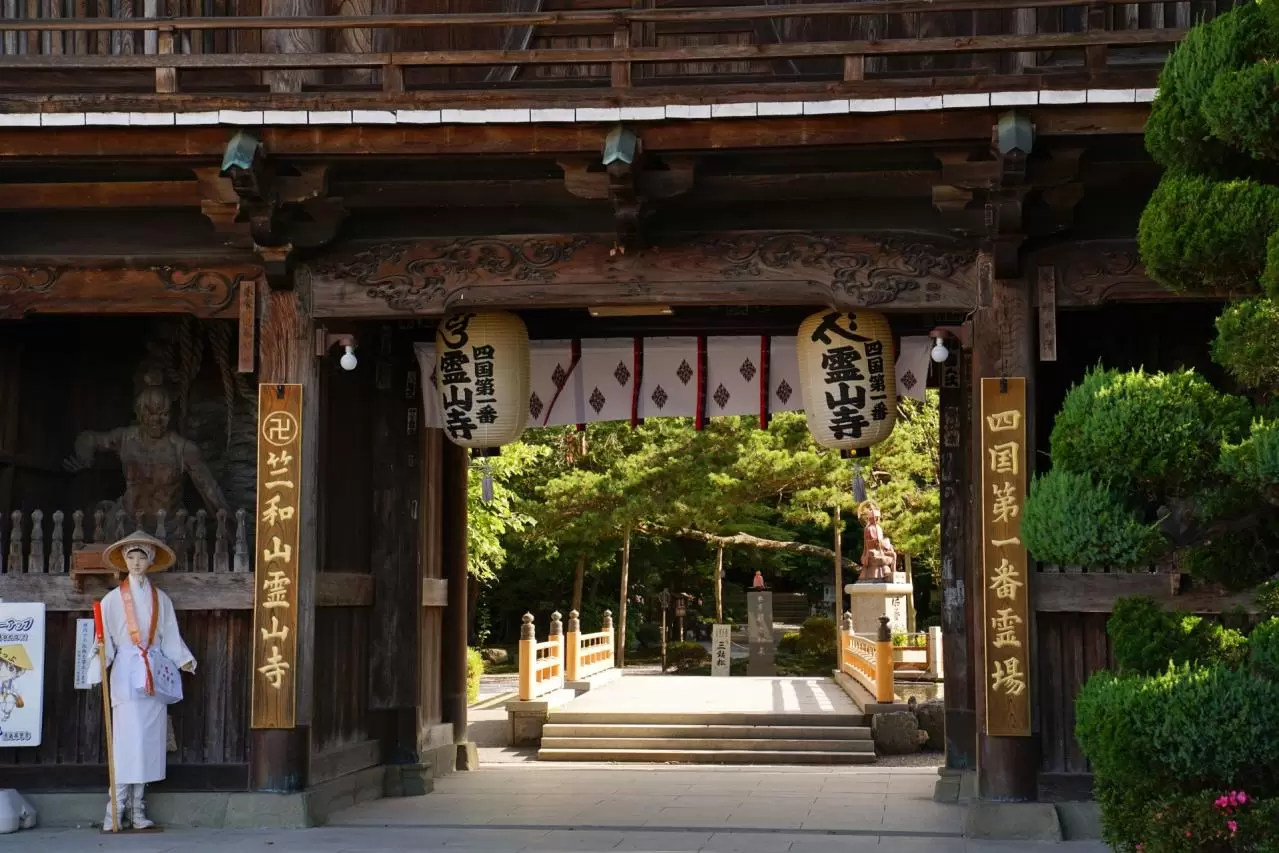
Upon passing through the dignified Niomon Gate, visitors will see a pond filled with colorful koi, crossed by an atmospheric stone bridge. The temple grounds include the Main Hall and the Daishido Hall, which enshrines Kobo Daishi. On the Shikoku pilgrimage, visitors generally pray at the Main Hall first and then at the Daishido Hall. They recite sutras, deposit paper prayer slips, and offer incense while praying for a safe journey and the fulfillment of their wishes.
One of the temple grounds’ most notable features is the Tahoto Pagoda, which is believed to have been built during the Oei era (1394–1428). This structure has a history of approximately 600 years, and inside are enshrined the Five Wisdom Buddhas, representing the five wisdoms of Esoteric Buddhism. The pagoda survived the fire of 1891 and remains a precious structure conveying Ryozenji’s long history. It continues to be admired by many worshippers.
Just inside the Niomon Gate stands the Enmusubi Kannon, a statue of Kannon associated with forming meaningful connections. It is believed to grant blessings not only for relationships between men and women and success in love, but also for connections with good health, work, other people, and happiness. Visitors are said to receive spiritual merit by purifying themselves with water as they pray, and many worshippers join their hands before the statue while offering their heartfelt wishes.
Ryozenji is also known as a temple where pilgrims can prepare for the Shikoku pilgrimage. At the Nokyojo office, visitors can receive calligraphic inscriptions and vermilion stamps in pilgrimage books and hanging scrolls. The temple also provides essential pilgrimage items, including white robes, sedge hats, kongozue staffs, Buddhist stoles, and paper prayer slips. As a result, even those undertaking the pilgrimage for the first time can obtain the necessary equipment and begin their journey.
The phrase “Dōgyō Ninin,” meaning “two traveling together,” holds special significance on the Shikoku pilgrimage. It expresses the belief that, even when a pilgrim appears to be walking alone, they are always traveling together with Kobo Daishi. The full route through all 88 temples in numerical order stretches approximately 1,460 kilometers. Ryozenji is the place where pilgrims take the first step of this long journey, preparing their minds and praying for a safe journey and the successful completion of their pilgrimage.
It is not necessary to visit all 88 temples in a single journey. Some pilgrims divide the route into sections, a practice known as “kugiri-uchi,” while others visit the temples without following the prescribed numerical order. For this reason, Ryozenji is cherished not only as the starting point for serious walking pilgrims, but also as a place where visitors can first encounter the history and culture of the Shikoku pilgrimage. Pilgrims dressed in white robes and wearing sedge hats visit throughout the year, and the temple is affectionately known as “Ichiban-san,” or “Number One.”
Ryozenji, Temple No. 1 of the Shikoku 88 Temple Pilgrimage, is a temple steeped in history and faith that symbolizes the beginning of the pilgrimage. Its grounds, which carry on a long tradition of devotion, feature many highlights, including the Main Hall, Daishido Hall, Tahoto Pagoda, Enmusubi Kannon, and the koi-filled pond. In addition to serving as the place where pilgrims take the first step of their journey, it is one of Tokushima Prefecture’s representative sacred sites, offering visitors the opportunity to experience the spirit of the Shikoku pilgrimage and Japan’s Buddhist culture.
Tokushima Tourist Attractions
View List
Otsuka International Museum of Art
The Otsuka Museum of Art is a museum that reproduces approximately 1,000 masterpieces from 26 countries around the world on ceramic plates in their actual size using...

Iya Kazura Bridge
The Kazurabashi Bridge in Iya is a stunning tourist spot that harbors the tragic tale of the Heike clan, standing in the hidden region of Iya. This suspension bridge...

Tokushima Prefectural Uzunomichi
The Tokushima Prefectural Uzunomichi is a sea walkway installed on the piers of the Ohnaruto Bridge. It is situated 45 meters above the sea and features a 450-meter-...

Miwa Town Udattsu no Machinami
Wakimachi Udatsu Townscape is a precious historic district that features about 430 meters of buildings from the mid-Edo period to the early Showa period. Blessed wit...

Ooboke Kiyotaki Line
The Oboke Gorge sightseeing cruise offers a scenic tour through the deep valleys and strange rock formations of the Yoshino River. During the approximately 30-minute...

Astamaland Tokushima
Astamland Tokushima is a large park designed to cultivate children's interest in science through play and hands-on experiences. Within the park, there is a "Children...

Awa Odori Hall
The Awa Odori Hall is a facility where you can enjoy Tokushima's renowned Awa Odori dance throughout the year. In the Awa Odori Hall, you can not only watch performa...

Naruto Whirlpools
The Naruto Whirlpools are one of the three great tidal currents in the world, occurring in the Naruto Strait. These whirlpools can be observed between Naruto City an...