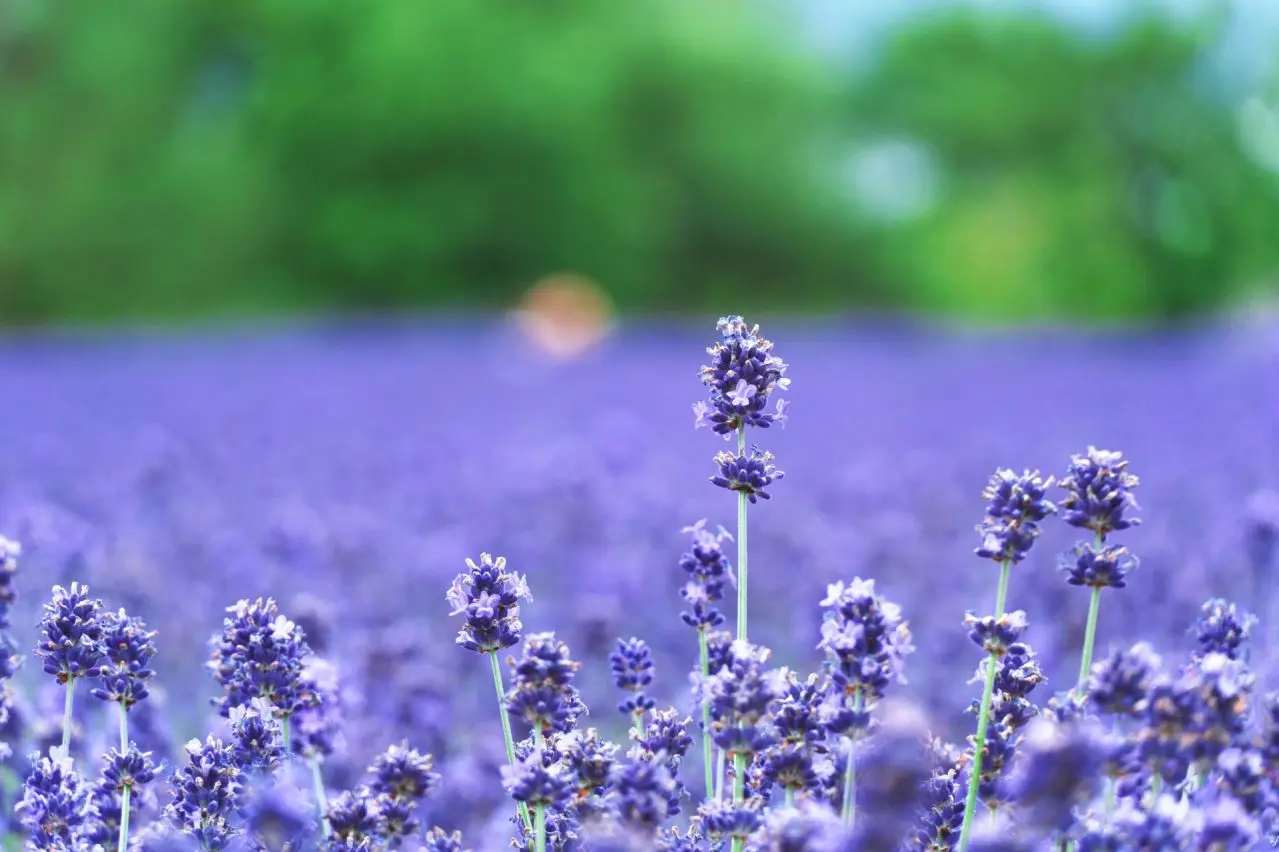
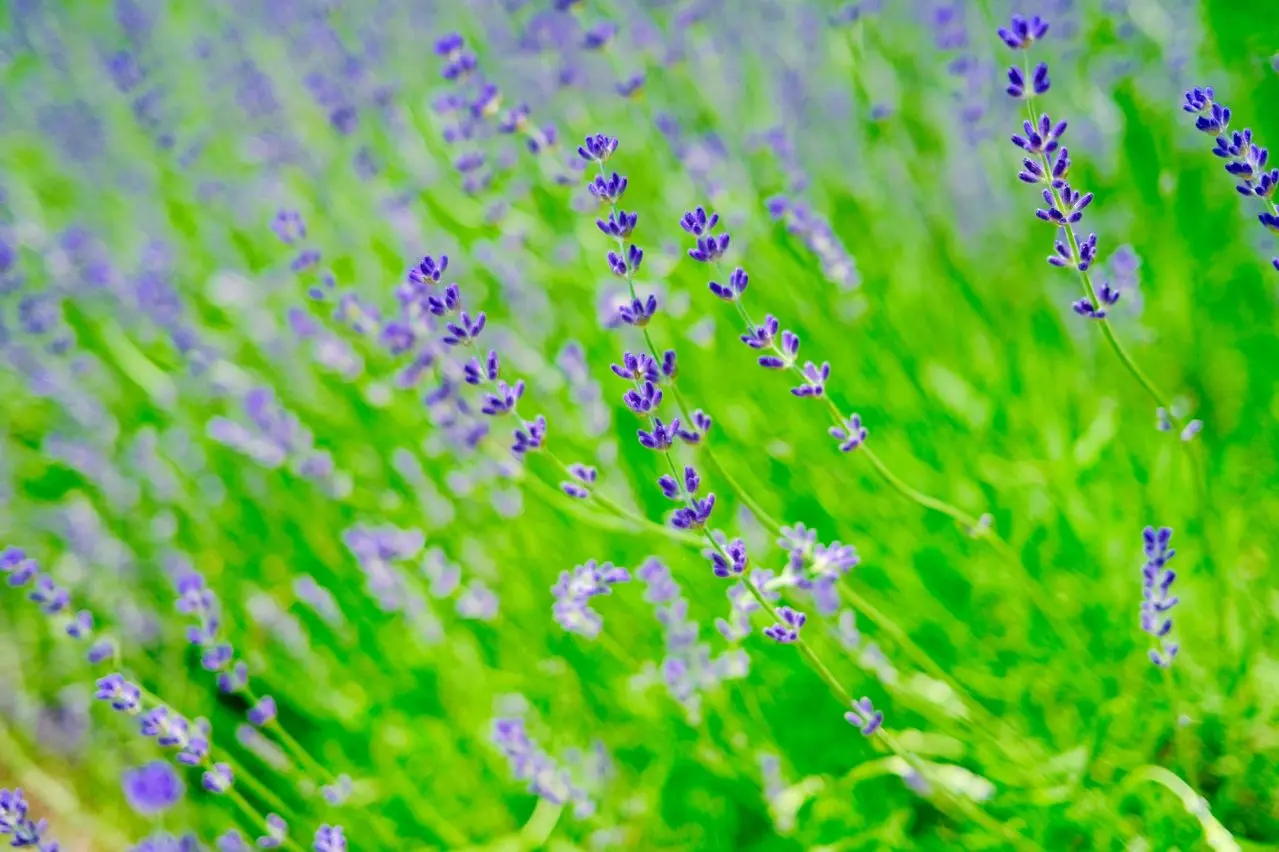
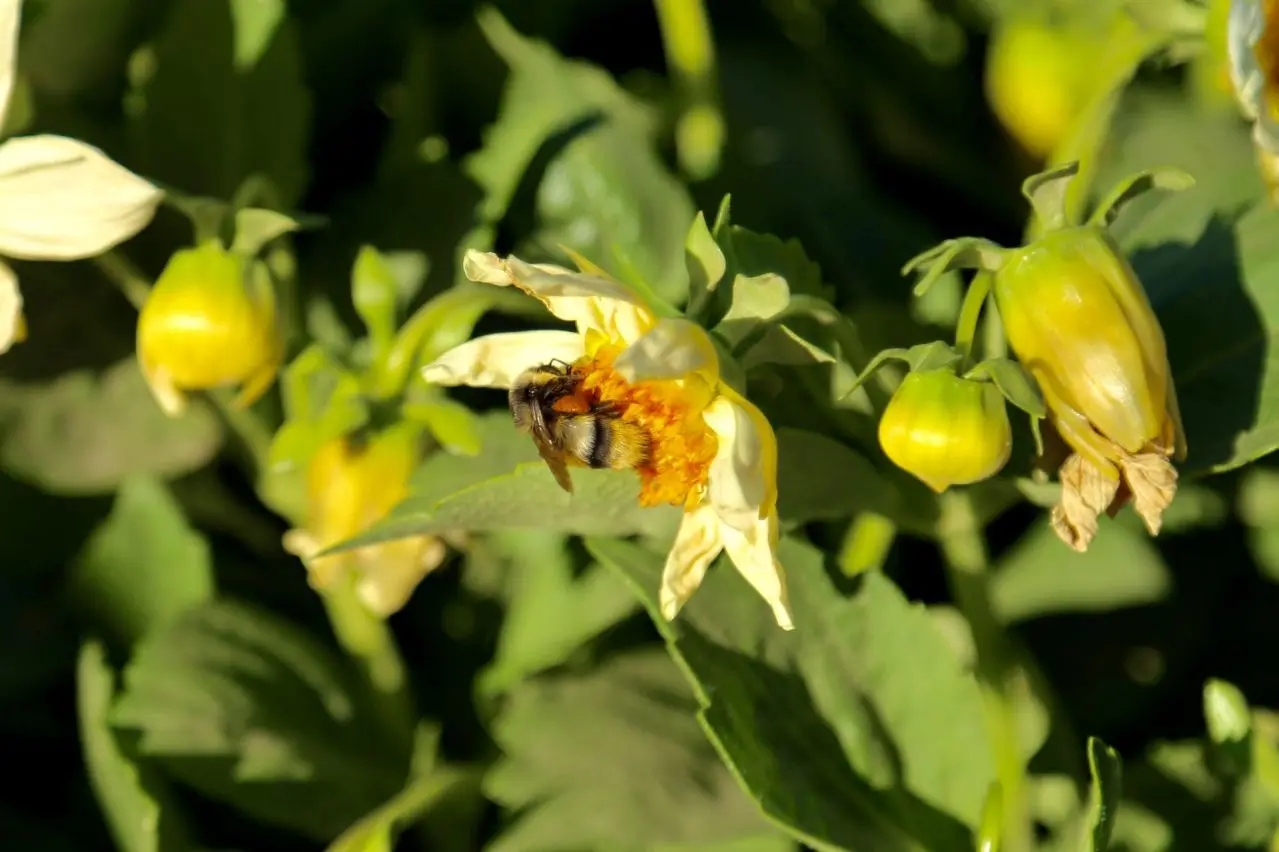
Lavender in full bloom
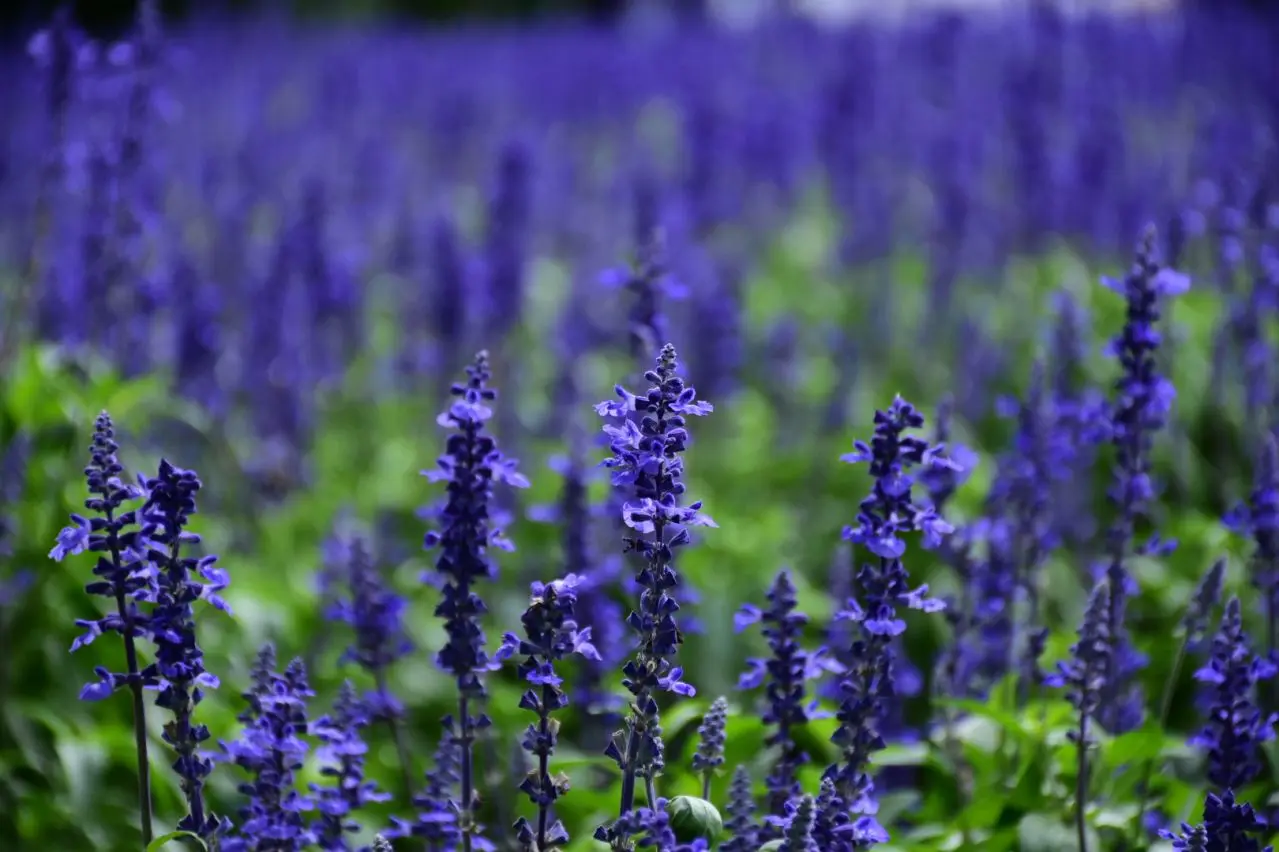
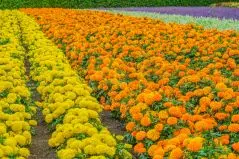
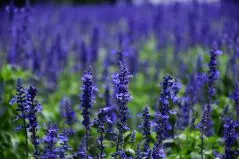
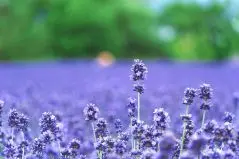
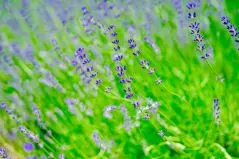
At peak season, enjoy sweeping views of fields blanketed in purple.



AI Summary
This is an AI-generated summary. Please check the official information for opening hours, fees, and closed days.
One of Furano’s best-known flower fields, with sweeping lavender and seasonal blooms.
Farm Tomita is one of Japan’s oldest tourist lavender farms. Around 80 varieties of flowers bloom from spring through autumn, with lavender usually at its best from late June to mid-August. Greenhouses, a museum, and a café make it enjoyable even on rainy days or when fewer flowers are in bloom.
At peak season, enjoy sweeping views of fields blanketed in purple.
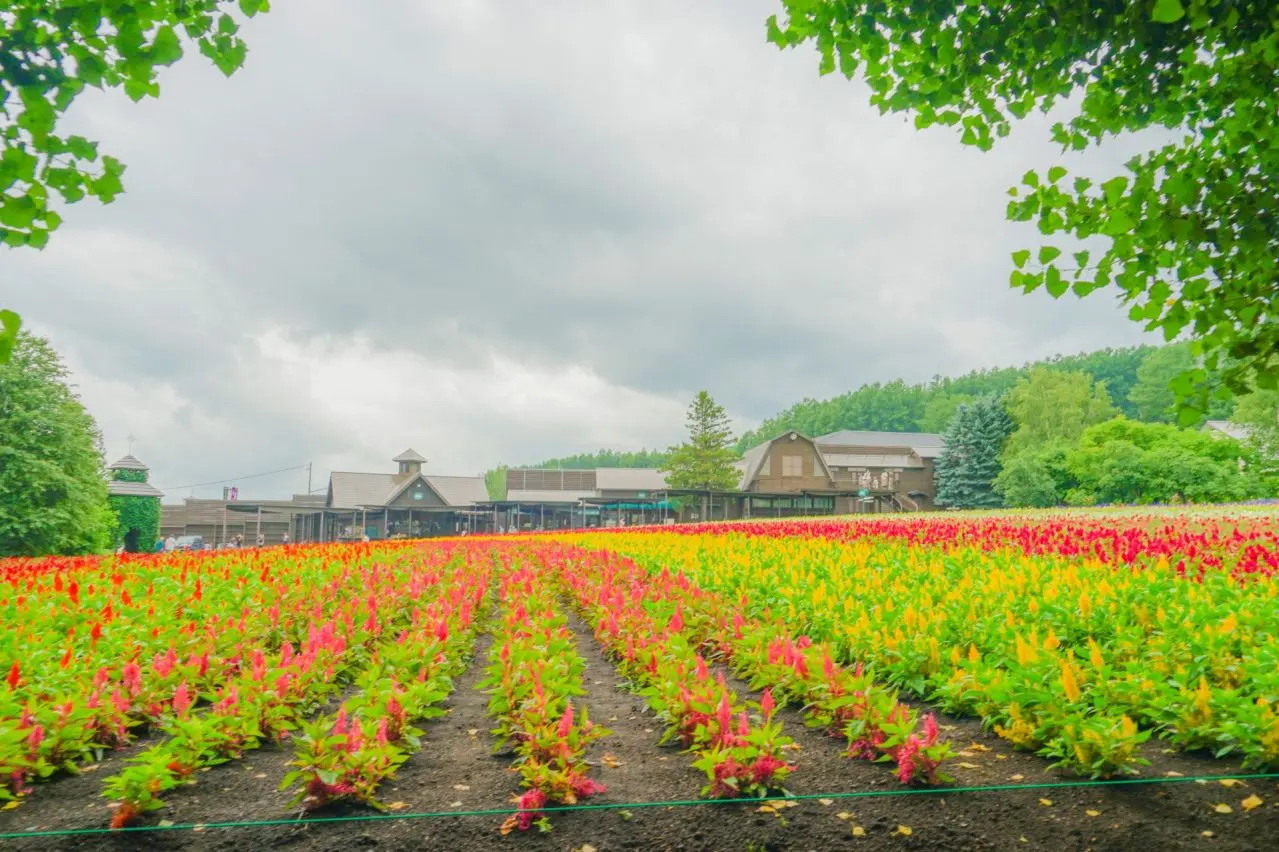
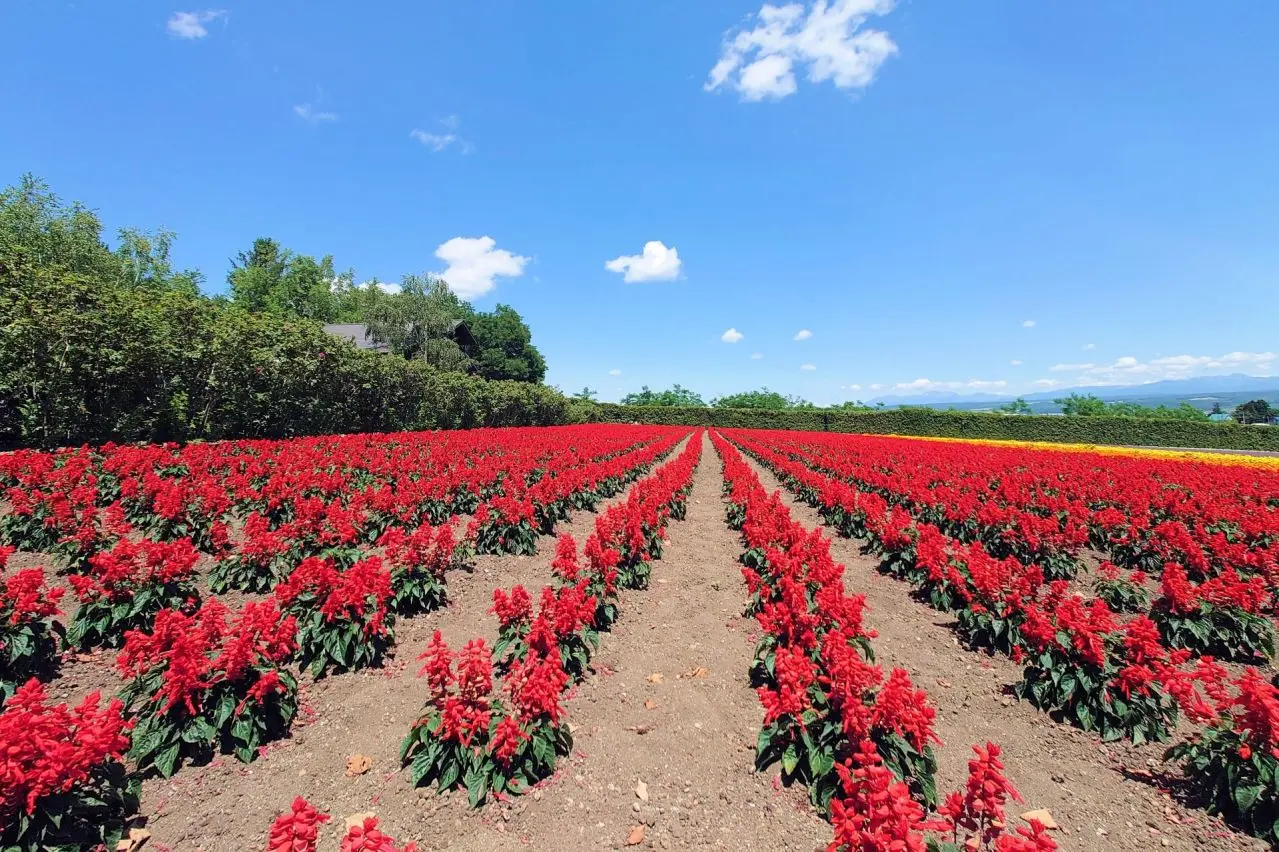
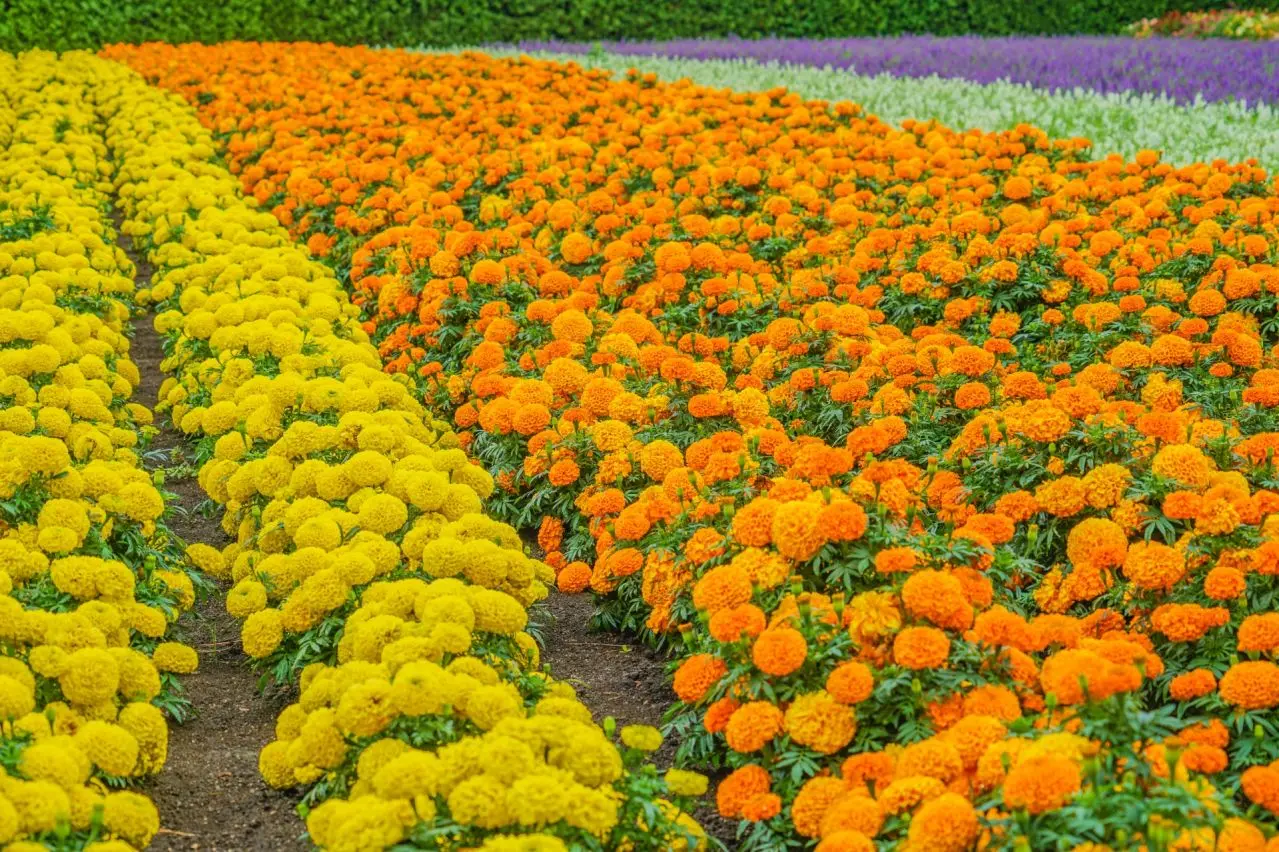
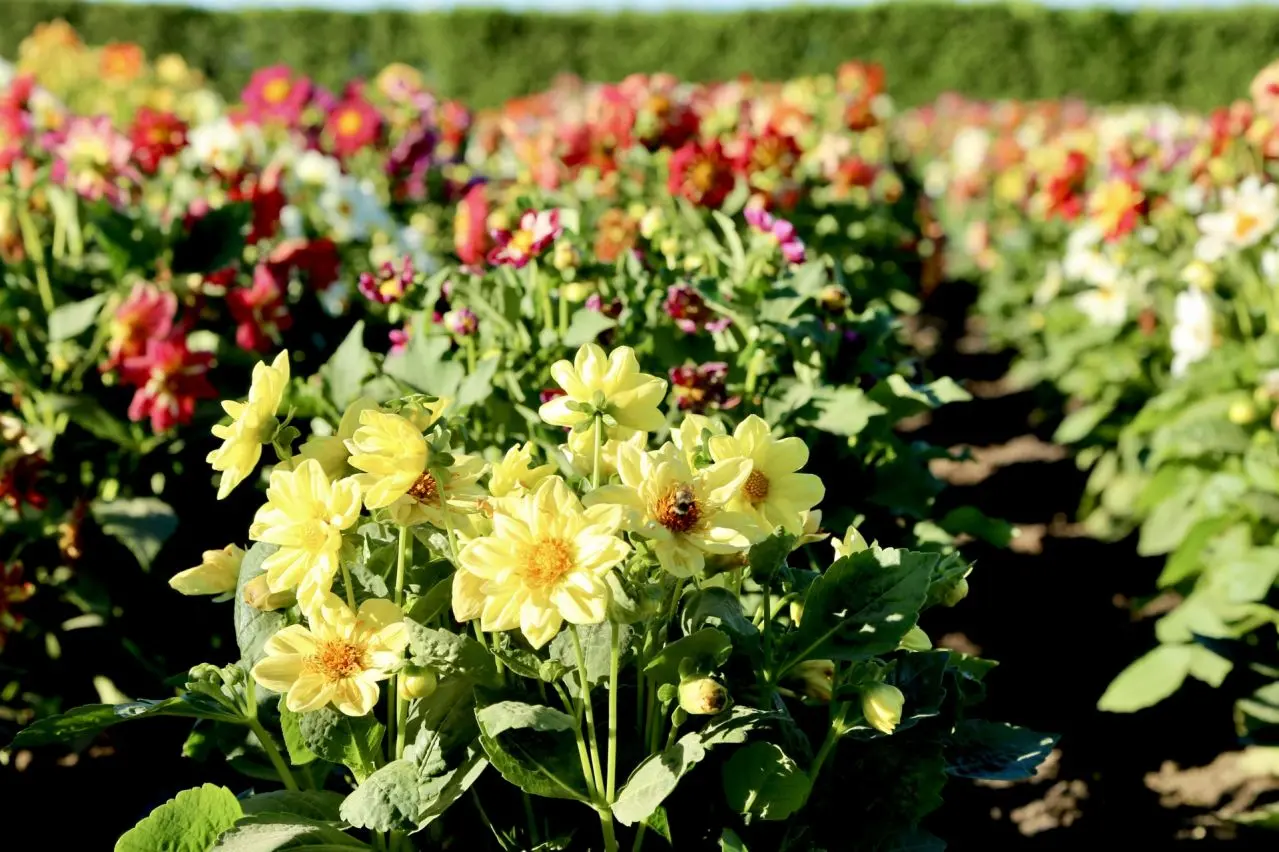
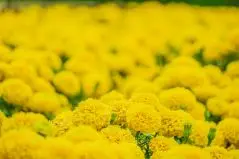
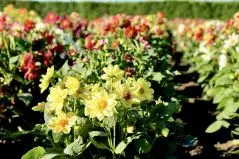
A variety of blooms appear from spring through autumn, alongside the lavender.
Greenhouses, a museum, shops, and a café offer plenty to enjoy beyond the gardens.
Explore the flower fields first, then visit the greenhouse and shops before taking a break at the café.
Farm Tomita is Japan’s oldest tourist lavender farm, located in Naka-Furano, Hokkaido. In addition to its beautiful lavender fields that turn the landscape purple, more than 80 kinds of flowers bloom from spring through autumn. As one of Furano’s most iconic scenic spots, it attracts many visitors from both Japan and overseas.
History and Founder
Lavender cultivation began here in 1958, started by the first president, Tadao Tomita. At the time, it was an industrial crop grown to extract essential oil for cosmetics, but its scenic beauty soon drew attention, and it developed into a sightseeing flower farm.
In 1990, in recognition of his dedication to the protection and promotion of lavender, Mr. Tomita was awarded the title “Chevalier de la Lavande de Haute-Provence” by a lavender growers’ organization in southern France. As a pioneer of lavender tourism, Farm Tomita continues to welcome many flower lovers to this day.
Flower Fields and Highlights
The farm features 13 flower fields, each offering a different look depending on the season, so every visit from spring to autumn brings a new sense of wonder. In particular, the following fields are must-see attractions.
Traditional Lavender Field
Created in 1958, this is the original field that represents the very beginning of Farm Tomita. Purple lavender blooms across the hillside, and the contrast with the green conifers and blue sky creates a majestic Hokkaido landscape.
Irodori Field
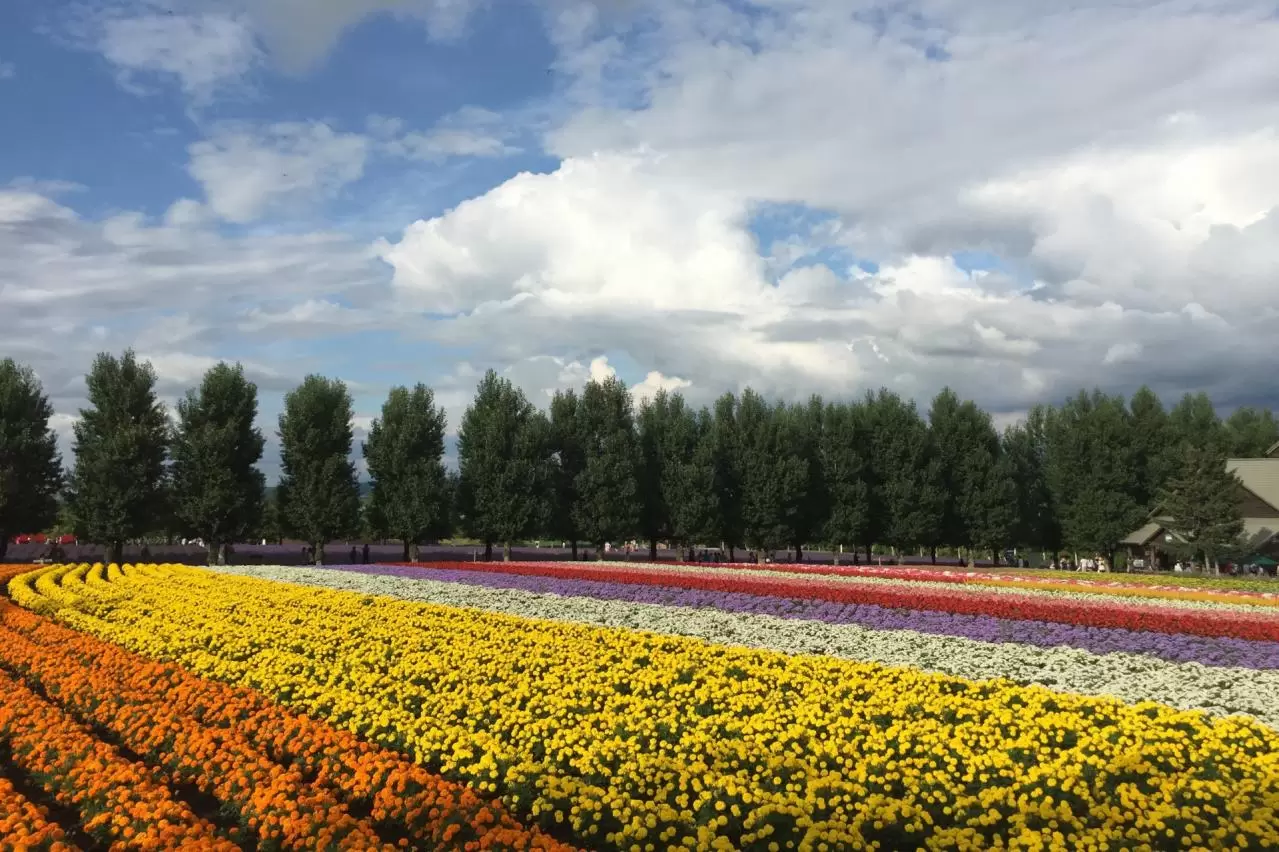
With seven colors of flowers spreading across the hill, including lavender, the view is truly like a painting. Seen from the top of the hill, it looks as though a rainbow carpet has been laid out before you.
Best Season for Lavender and Seasonal Flowers
Lavender can be enjoyed over a long period, with early-blooming varieties starting around late June and late-blooming varieties lasting until mid-August. During the peak season, Lavender East, located about a seven-minute drive from Farm Tomita, also opens for a limited time. This is one of Japan’s largest lavender fields, and the vast purple landscape is breathtaking.
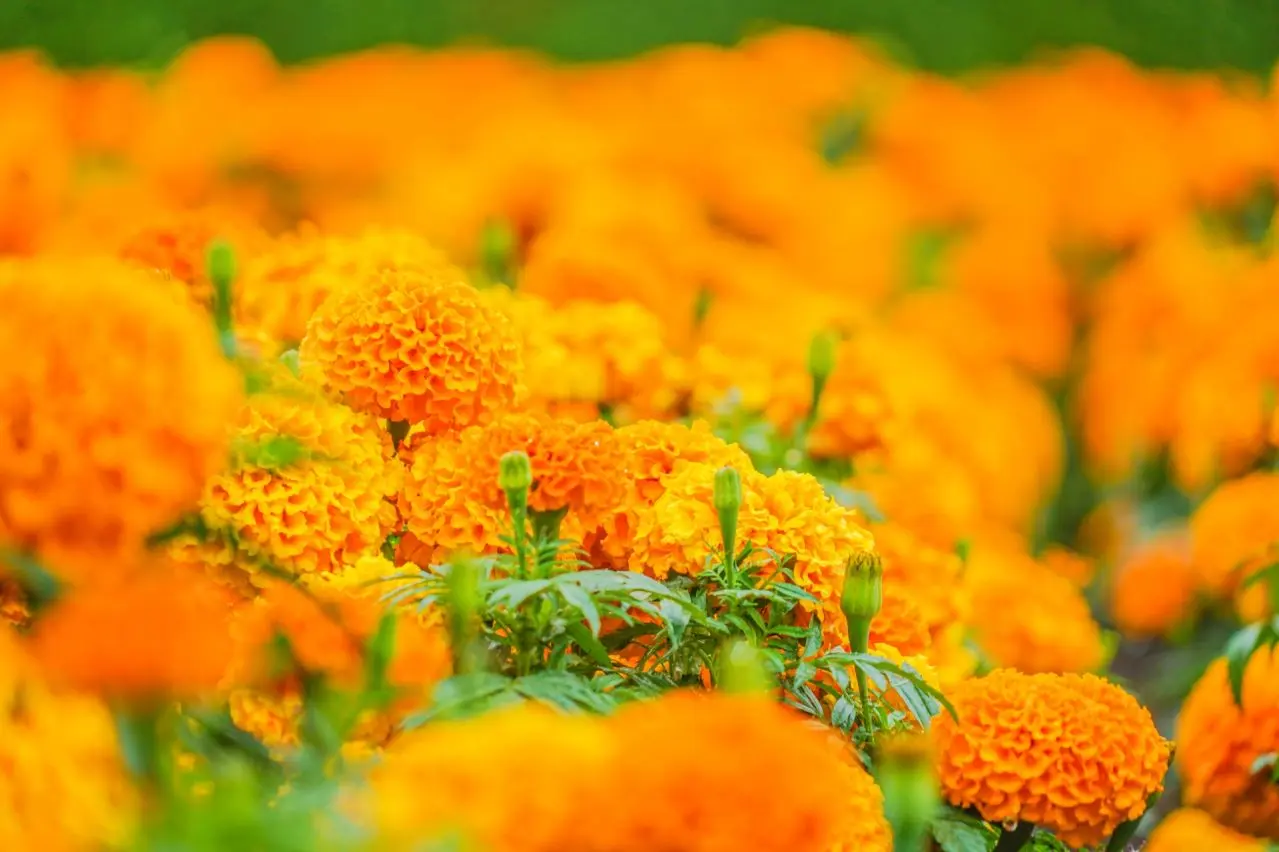
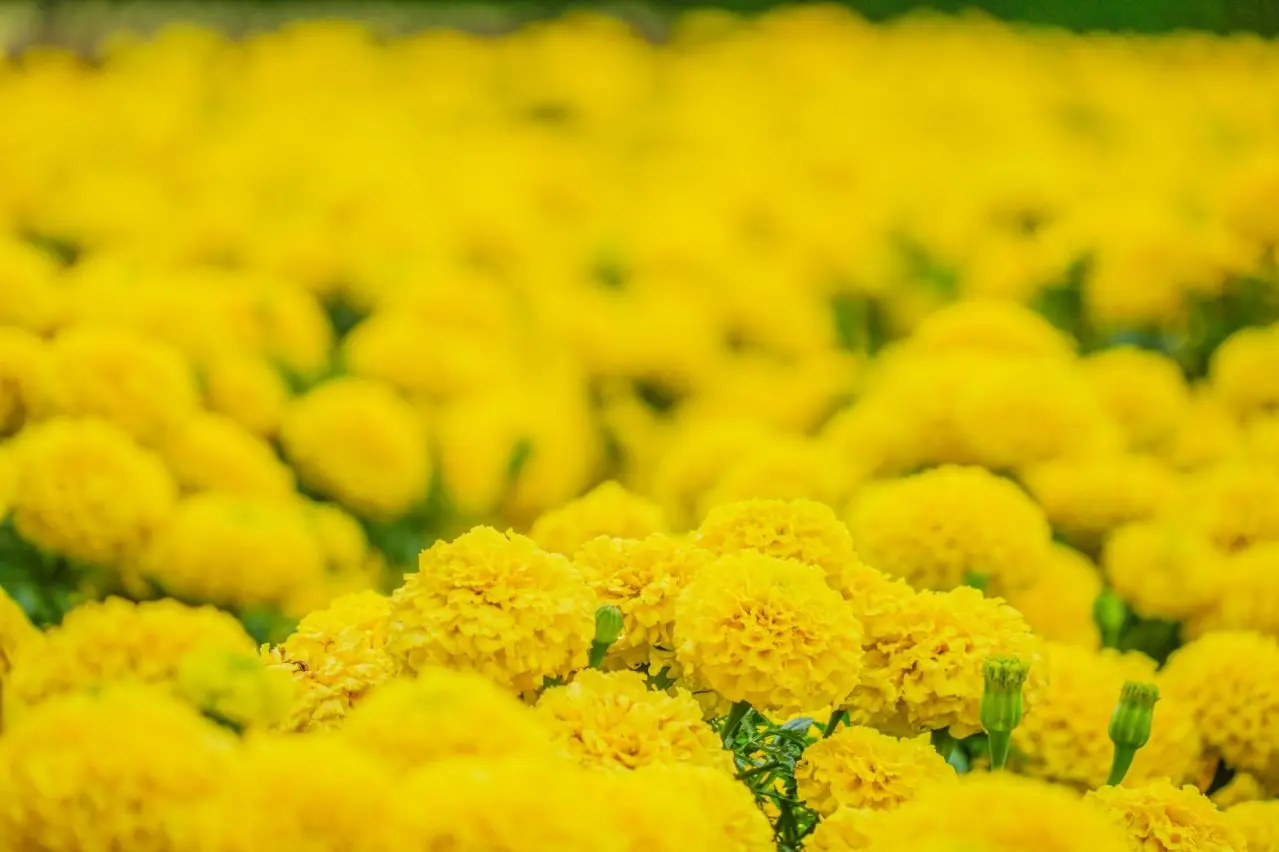
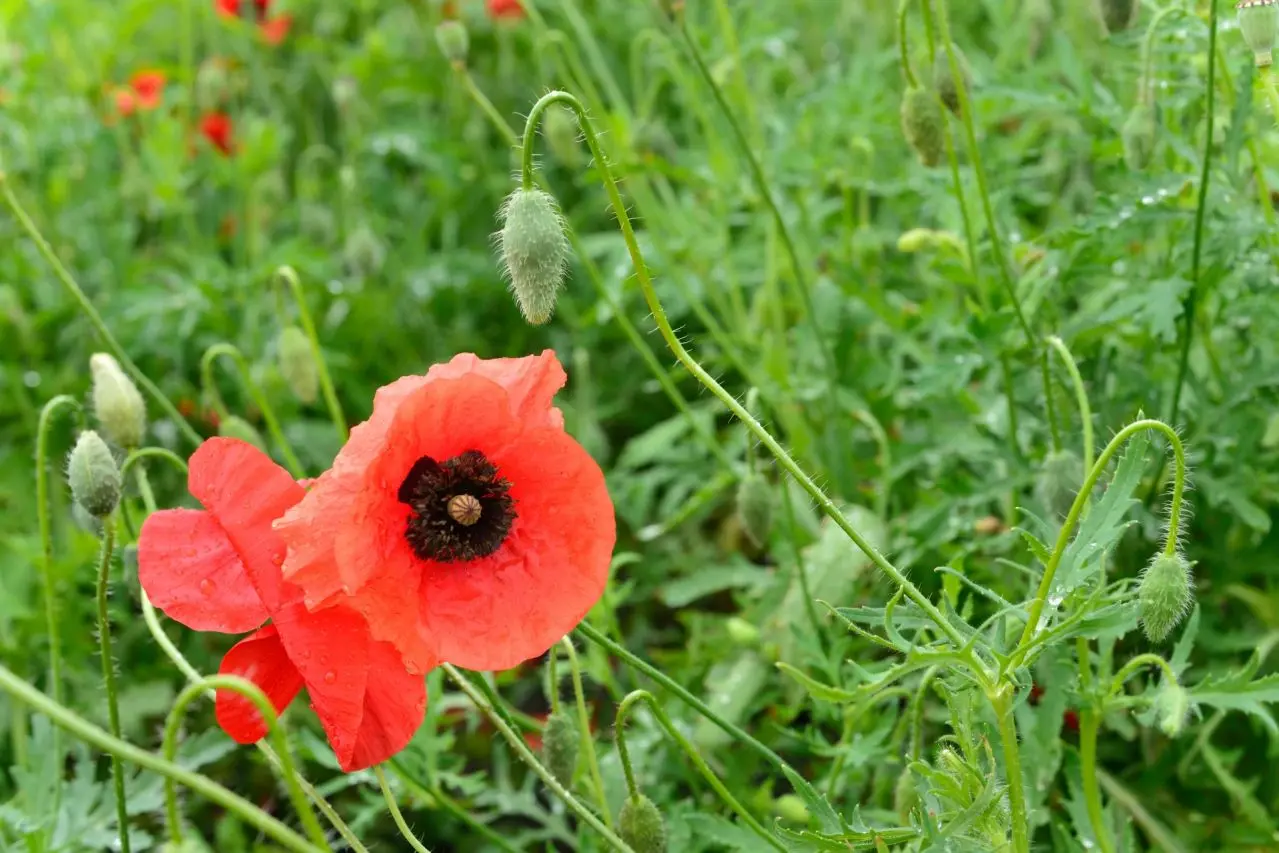
In addition to lavender, seasonal flowers such as tulips, poppies, marigolds, and begonias bloom one after another. In particular, the “Autumn Colors Field” in fall offers a soothing view, where richly colored flowers and the snow-covered Tokachi mountain range create a beautiful scene.
Greenhouse, Facilities, and Shops
There are also plenty of facilities to enjoy throughout the year.
Greenhouse
Lavender, geraniums, and other flowers bloom here year-round, allowing visitors to enjoy them comfortably even in winter or on rainy days.
Tadao Tomita Memorial Room
Photos and materials introduce the founder’s life and the history of lavender cultivation.
Hanabito no Ie
Original lavender-themed goods, miscellaneous items, soft-serve ice cream, and sweets are sold here. On the second floor, there is a “Fragrance Experience Room” where you can try five kinds of lavender oil and find the scent that suits you best.
Cafe and Shop
Visitors can also enjoy local specialties such as Furano curry and lavender soft serve, made with ingredients from Furano.
Access and Basic Information
Farm Tomita is located near the town center of Naka-Furano, and can be accessed as follows:
About 50 minutes by car from Asahikawa Airport
About 2 hours and 10 minutes from New Chitose Airport via the Doto Expressway
The park is open from late April to early October and closes for the winter season from mid-November.
Admission and parking are both free, and it is one of Hokkaido’s signature tourist attractions, welcoming about 1 million visitors a year. However, the lavender peak season and weekends/holidays can be crowded, so an early morning visit is recommended.
A Place Where Flower Lovers Gather
At Farm Tomita, visitors are called “hanabito,” or flower people, and the farm values moments spent connecting hearts with the beauty of flowers and nature. To tour all 13 flower fields, allow about 1.5 to 2 hours; if you include meals and shopping, it is best to spend an additional 30 minutes to 1 hour at a relaxed pace.
We invite you to enjoy a memorable time in Furano, surrounded by seasonal flowers, rich nature, and the history embodied in lavender.
The Abashiri Prison Museum is the only prison museum in Japan, exhibiting the former Abashiri Prison's cell blocks, chapel, and administration building. The premises...
Upopoy (the Symbolic Space for Ethnic Harmony) is a national center aimed at the revival and development of Ainu culture, surrounded by the rich nature of Lake Porot...
The Sapporo Clock Tower is a historic building that was constructed in 1878 as a drill hall for the former Sapporo Agricultural College. In 1881, a tower clock manuf...
Mount Moiwa, easily accessible from the center of Sapporo at an elevation of 531 meters, is a popular spot where visitors can reach the summit via a combination of a...
Shiretoko Goko consists of five enchanting lakes surrounded by primeval forests, captivating the hearts of visitors with its tranquility and abundant nature. The lak...
The "Sapporo Hitsujigaoka Observation Hill," accessible in just 30 minutes from downtown Sapporo, is a picturesque spot where you can forget the hustle and bustle of...
Kushiro Wetland is Japan's largest wetland, spreading over 28,788 hectares in eastern Hokkaido, with 7,863 hectares designated as a Ramsar site. It is home to endang...