






Nara Park
Nara Park Movies


Basic Information
- Spot Name
- Nara Park
- Location
- 〒630-8212 Kasugano-cho, Nara City, etc.
- Access
- About a 5-minute walk from Kintetsu Nara Station.
About a 20-minute walk from JR Nara Station. - Parking
- Parking available.
- Business Hours
- Free entry.
- Regular Holiday
- Open year-round.
- Contact Information
- Phone Number: 0742-22-0375
- Official Website
Map
Detailed Information
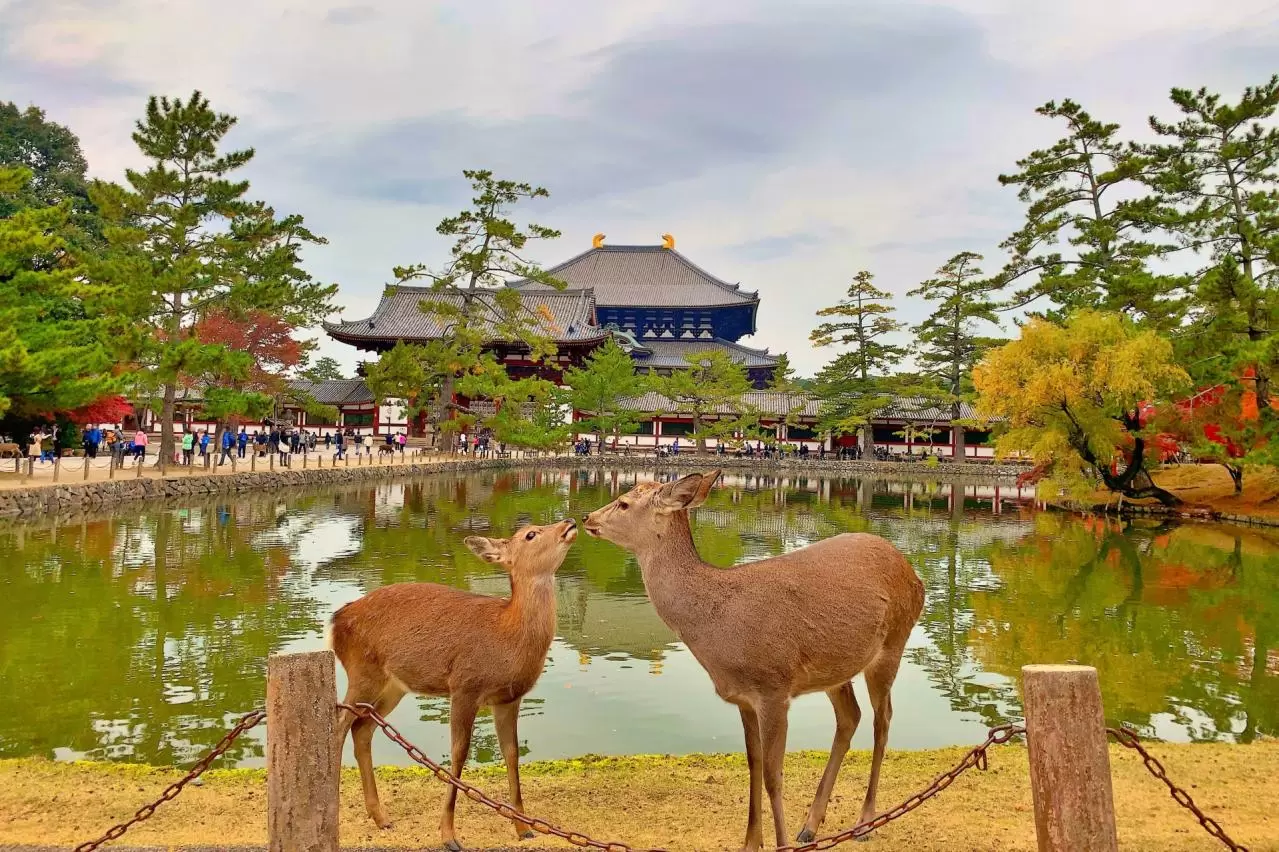
Nara Park is a vast park spread across the eastern side of Nara City and one of the most famous sightseeing spots in the ancient capital of Nara. It is generally regarded as covering about 660 hectares, including nearby temples, shrines, and forested areas, with the area designated as an urban park measuring about 511 hectares. Its scale is equivalent to roughly 108 Tokyo Domes. Within the park, historic cultural properties such as Todaiji Temple, Kofukuji Temple, Kasuga Taisha Shrine, and the Nara National Museum are scattered throughout the grounds, making it a unique historic park where these sites and the surrounding rich natural environment exist in harmony.
The history of Nara Park is very old, beginning in the 8th century when the capital was moved to Heijo-kyo and temples and shrines such as Todaiji, Kofukuji, and Kasuga Taisha were founded. The temple and shrine precincts, together with the surrounding forests, gradually formed the prototype of today’s Nara Park. During the Meiji period, the area was developed as a park under national management, and in 1998, Todaiji, Kofukuji, Kasuga Taisha, and the primeval forest of Mount Kasuga were registered as a UNESCO World Heritage Site under the name “Historic Monuments of Ancient Nara.” These are invaluable heritage sites that symbolize Japan’s history and culture and are highly regarded worldwide.
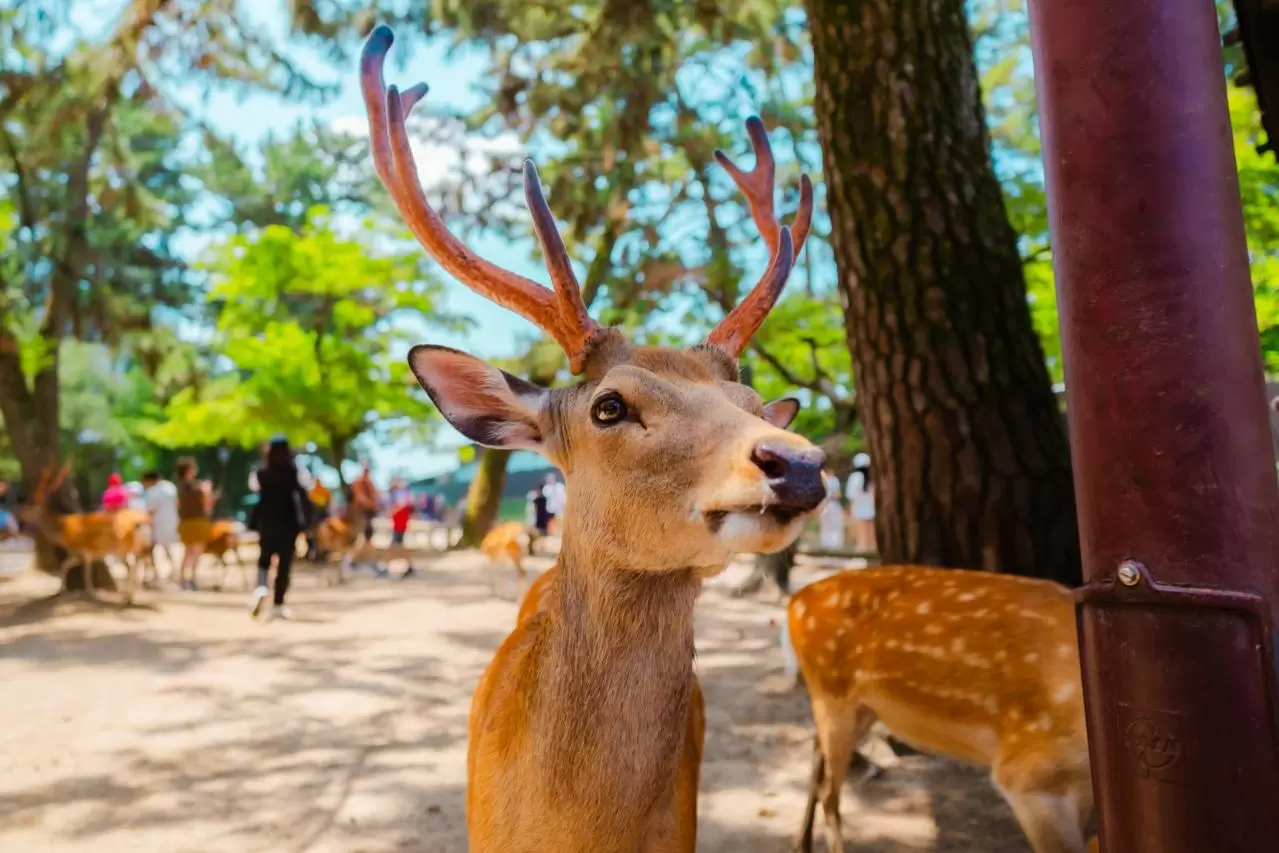
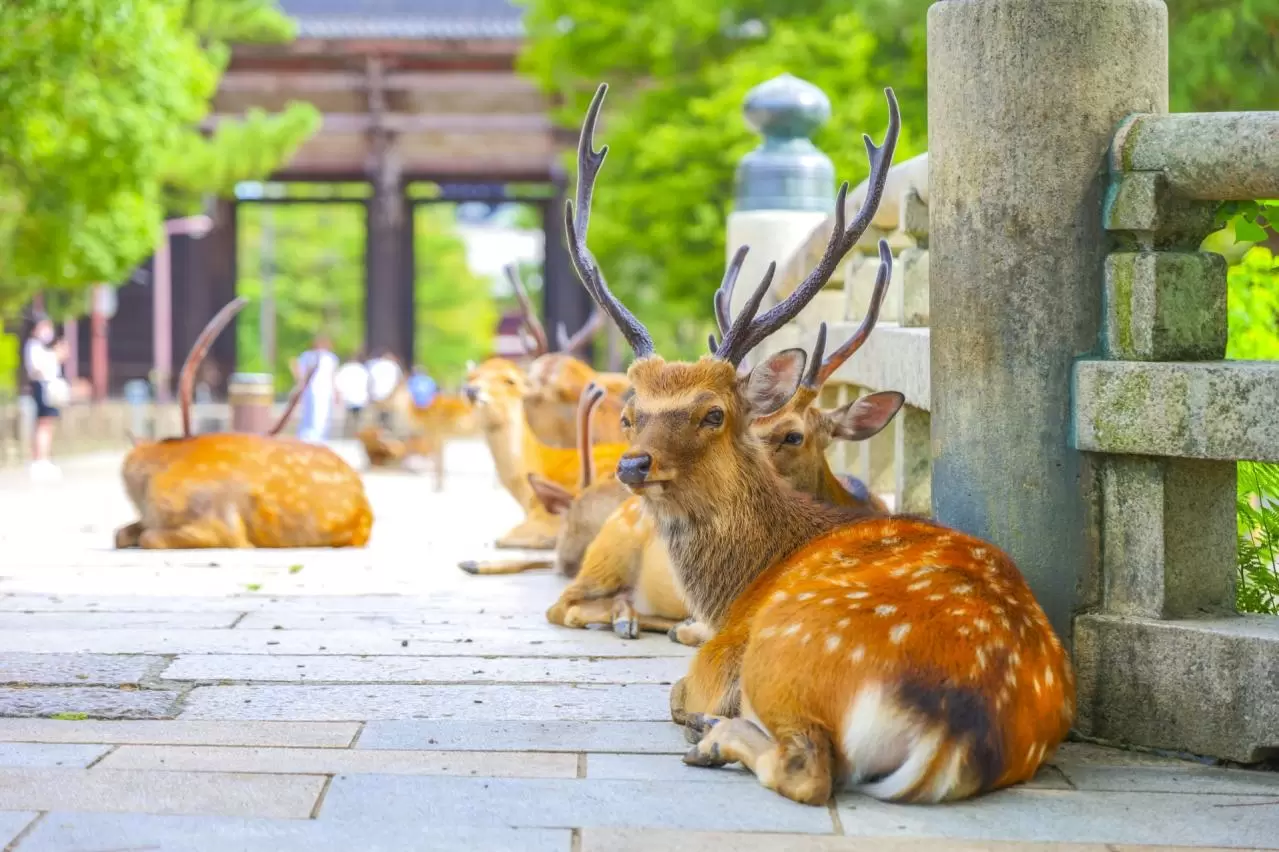
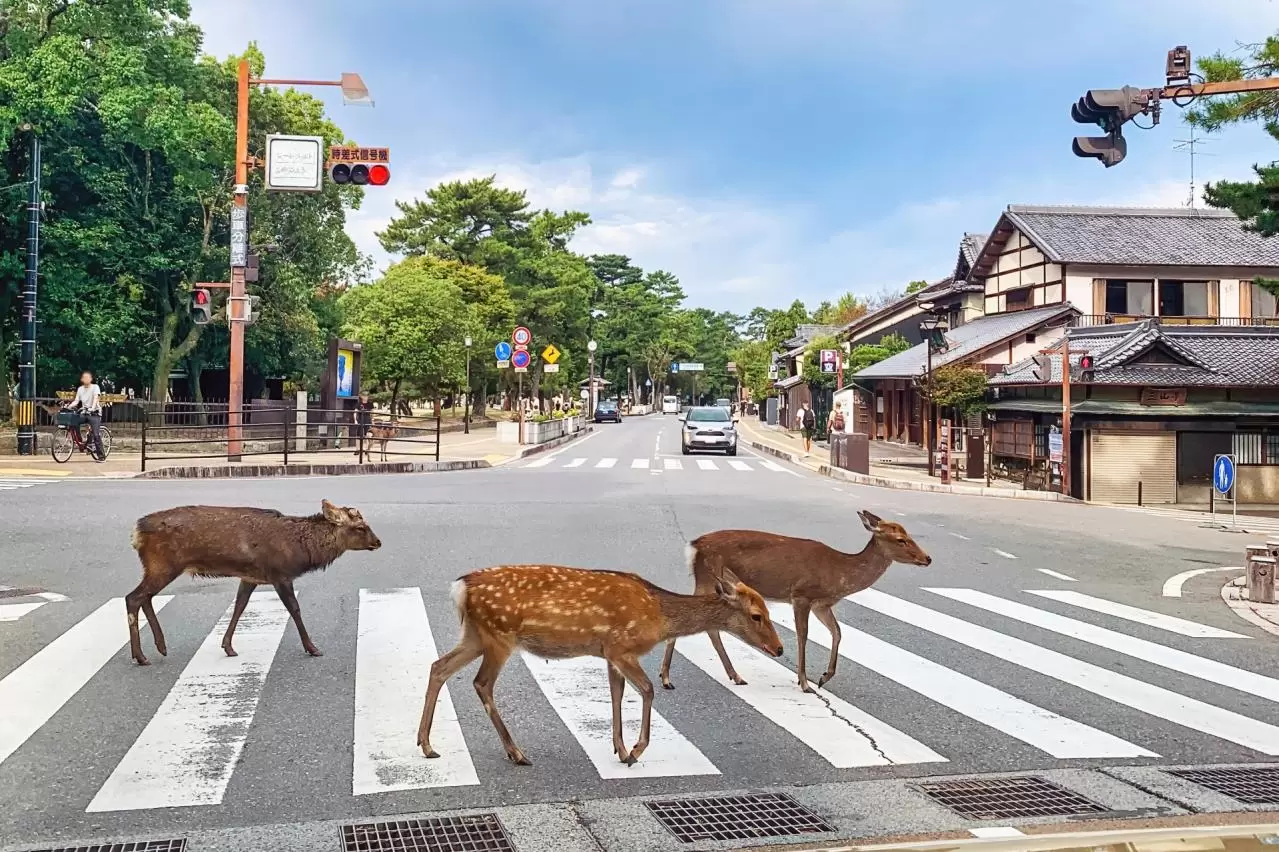
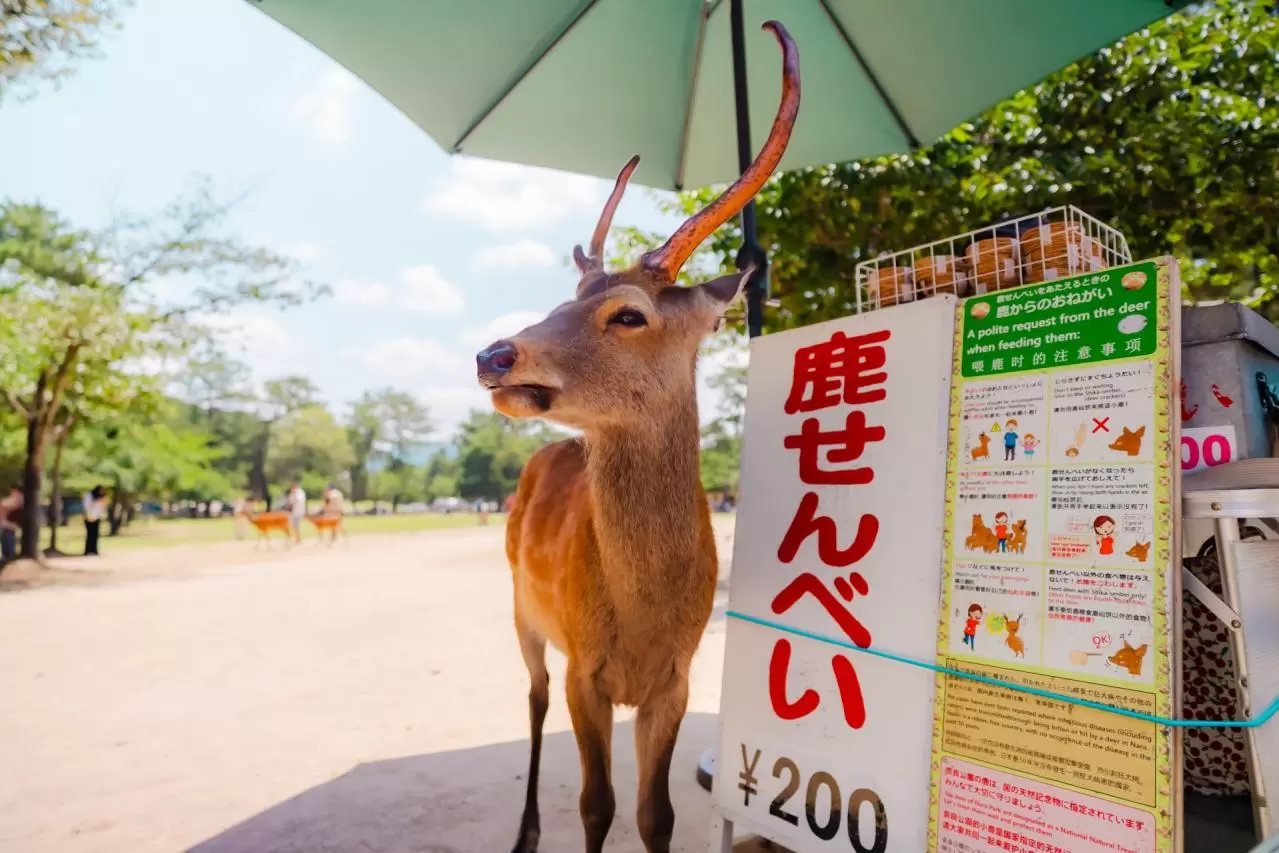
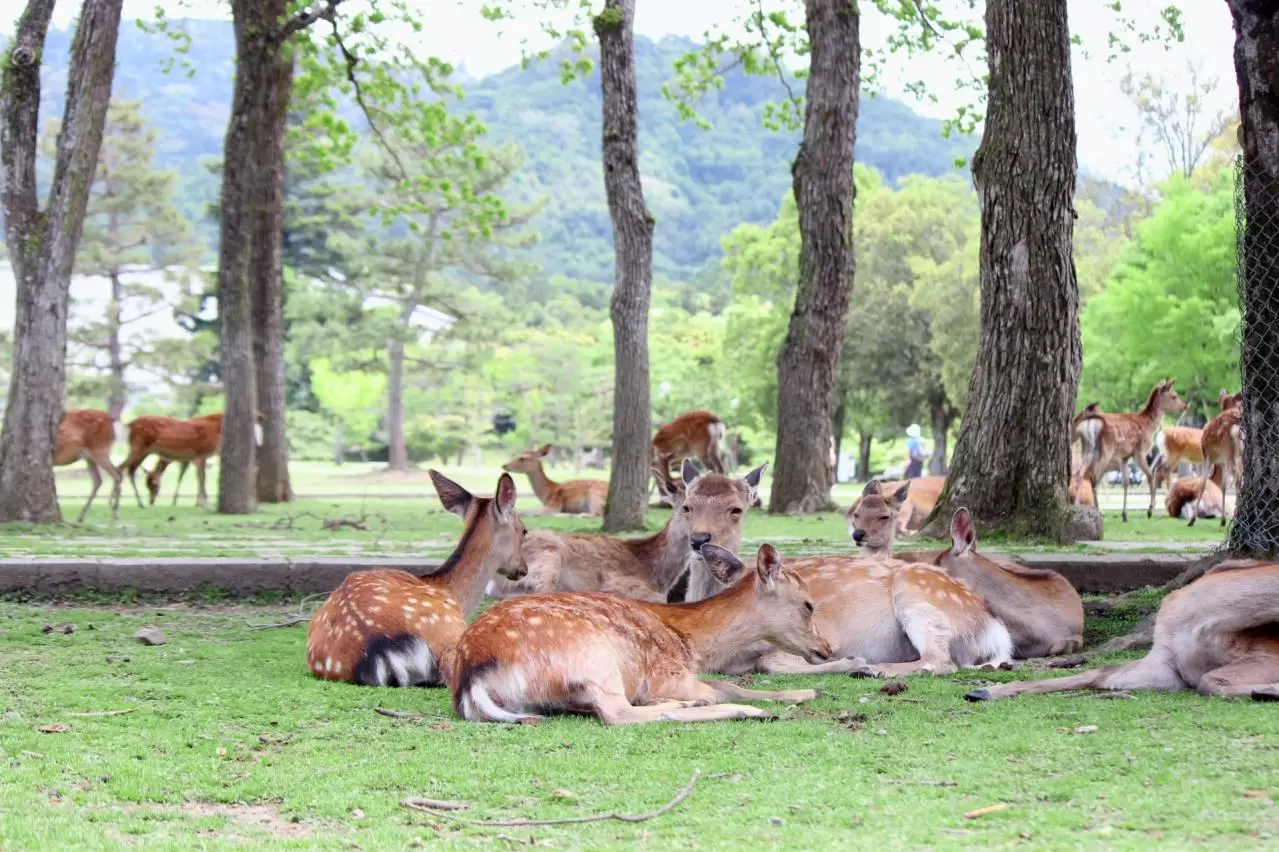
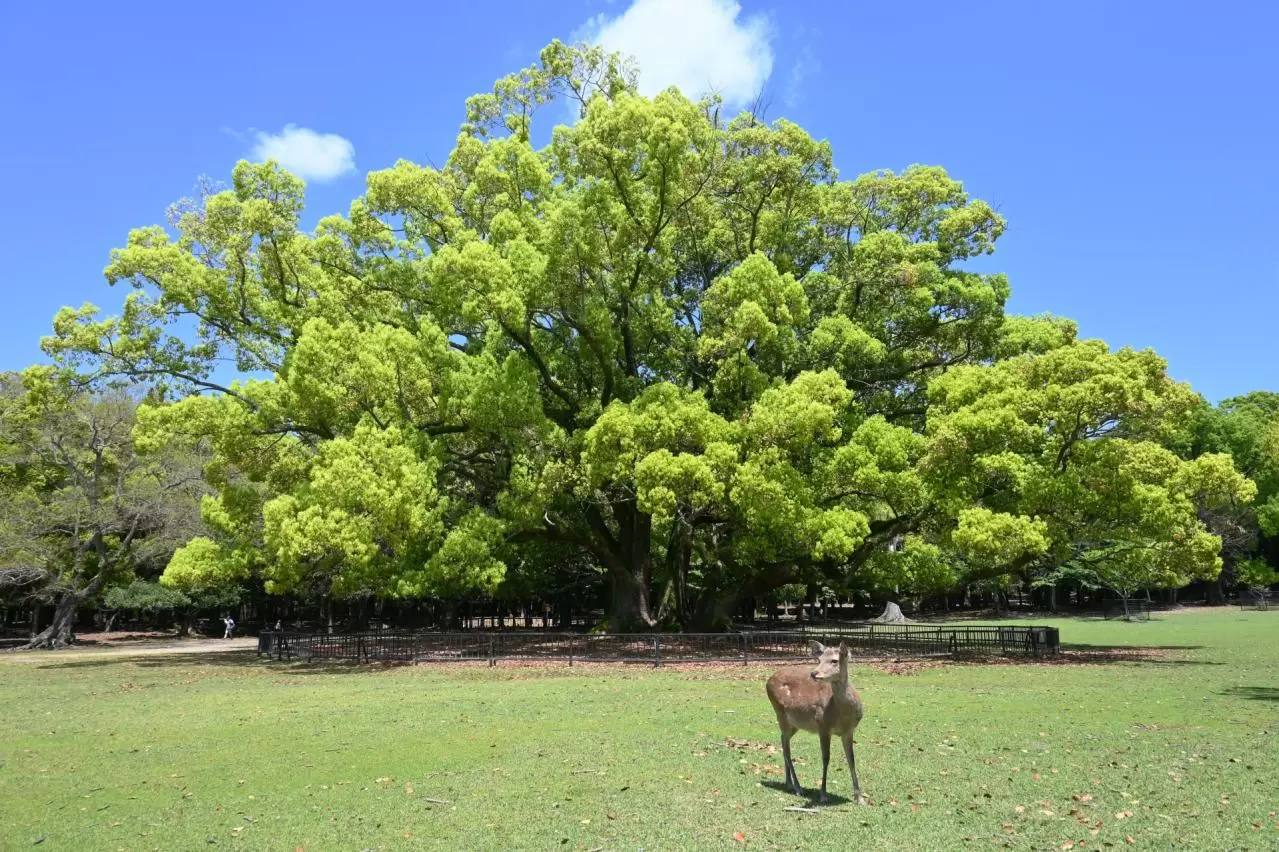
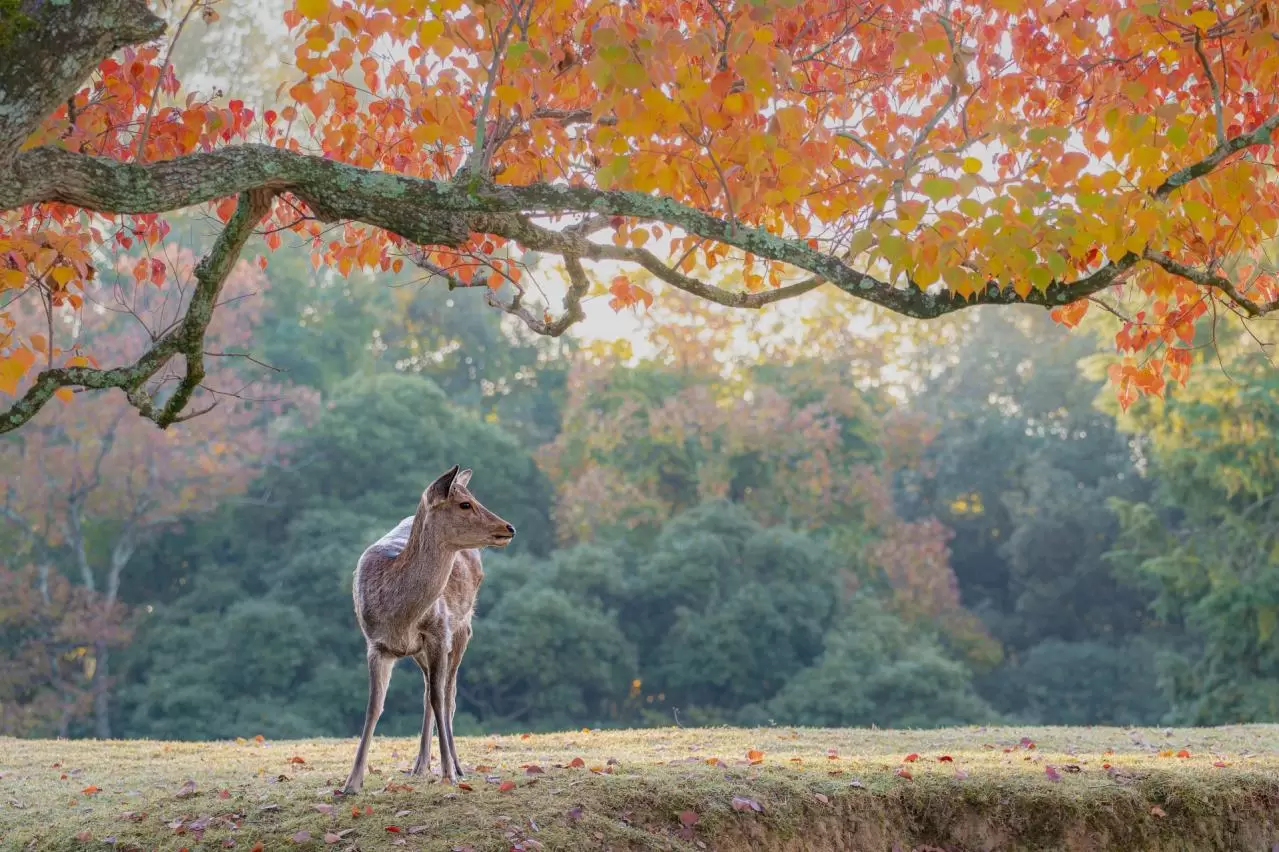
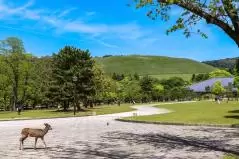
One of the major features of Nara Park is the presence of the deer that live there. Approximately 1,300 deer, though the number varies from year to year, roam freely and create the iconic scenery of the ancient city of Nara. These deer are associated with the legend that, when Kasuga Taisha was founded, a deity came riding a white deer from Kashima Shrine, and they have long been carefully protected as messengers of the gods. Today, they are designated as a National Natural Monument known as the “Nara deer” and are cherished by visitors while still being treated as wild animals. Visitors can feed them deer crackers, and especially around the sales stalls, many deer can be seen up close. However, visitors are expected to treat the deer kindly and never feed them anything other than the crackers. In addition, there are no trash bins in the park, so visitors must take their rubbish with them.
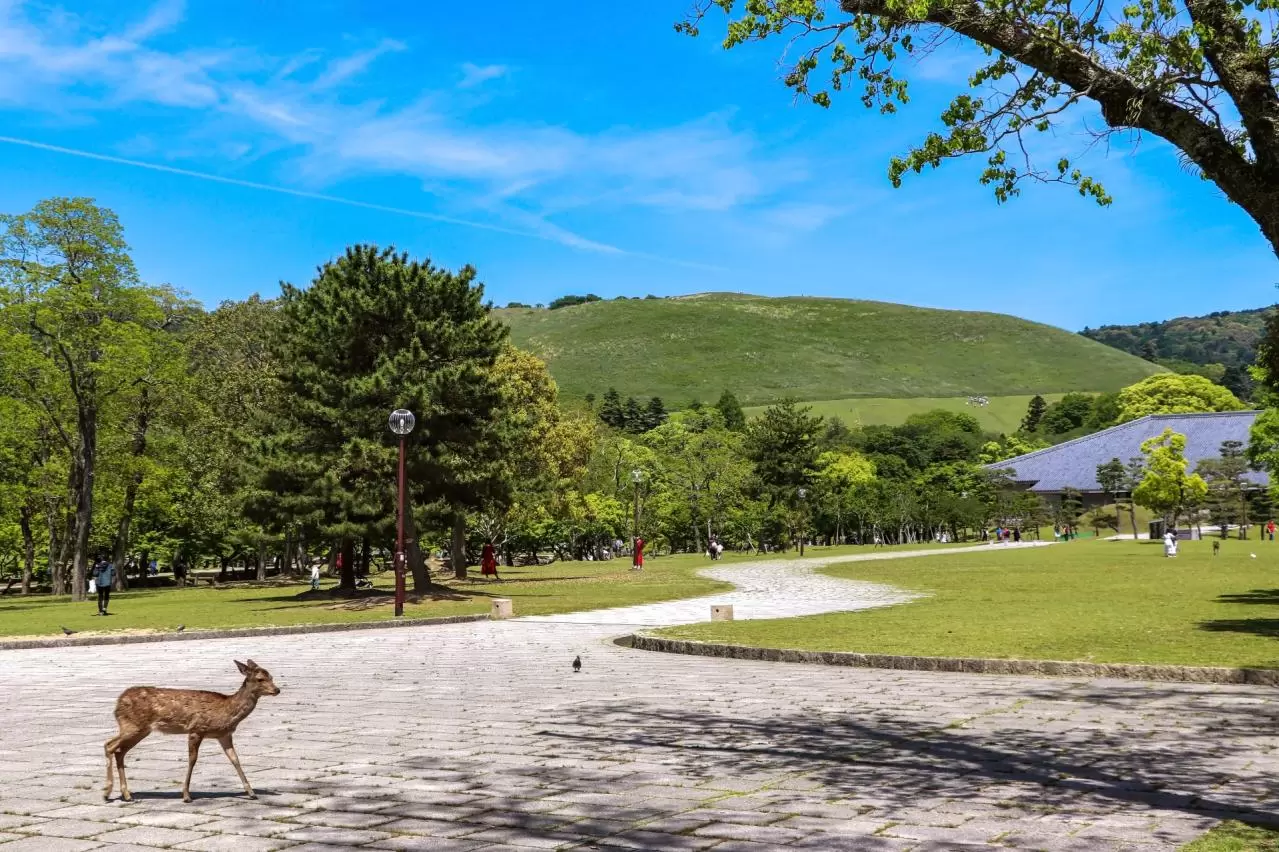
The park is divided into several areas, including Tobihino, Asajigahara, and Kasugano, where visitors can enjoy nature, historic scenery, and events. Historic landscapes such as Tobihino and Mount Wakakusa remain, and from Mount Wakakusa, visitors can enjoy panoramic views of Nara City.
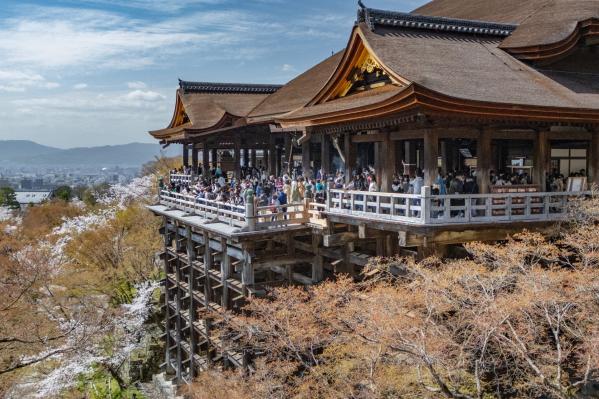
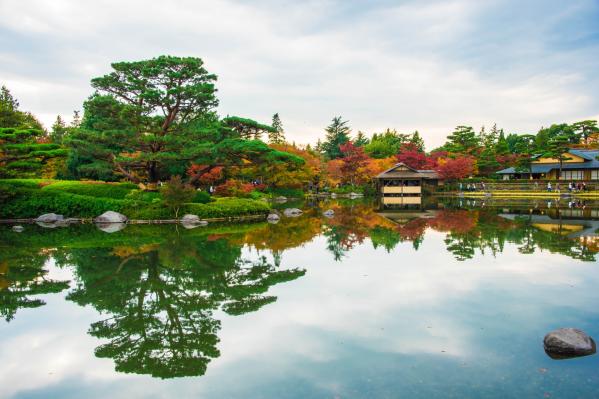
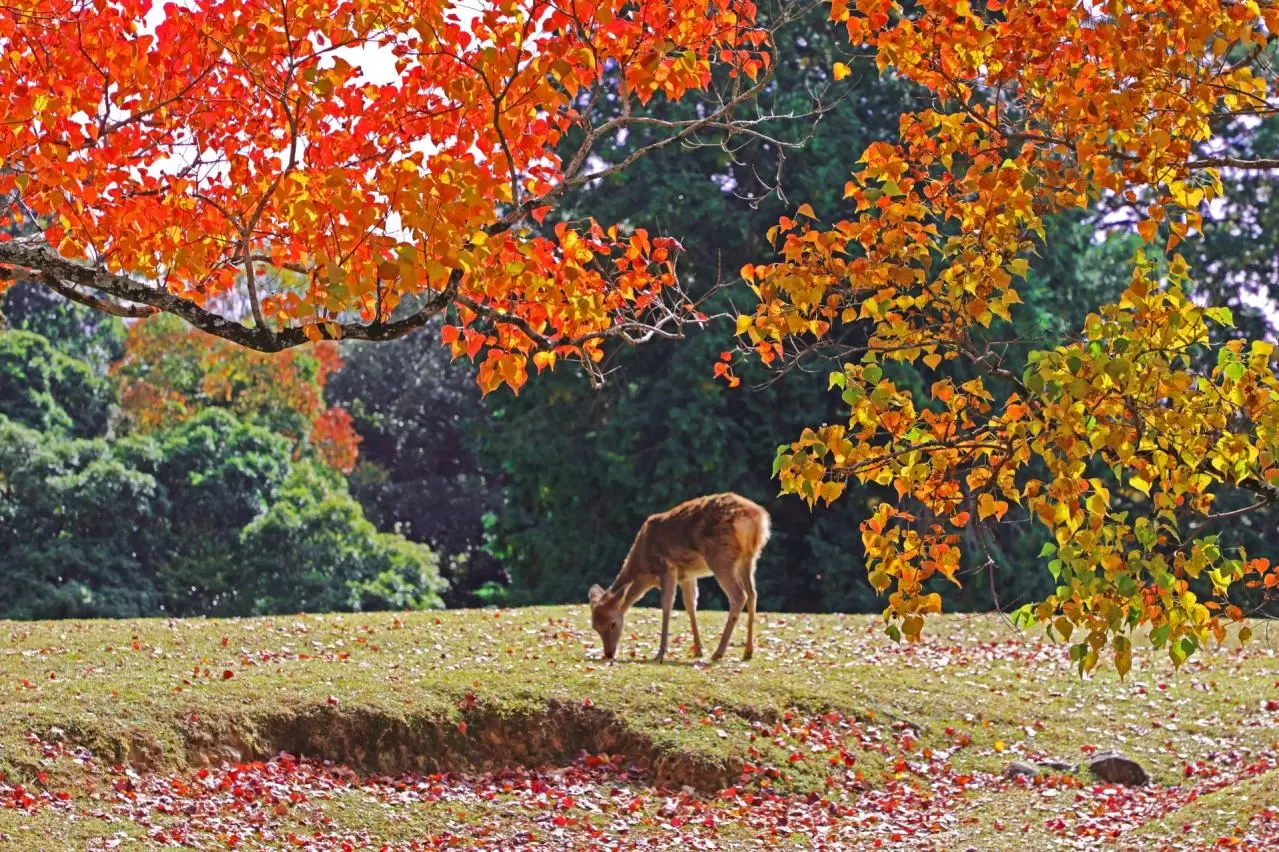
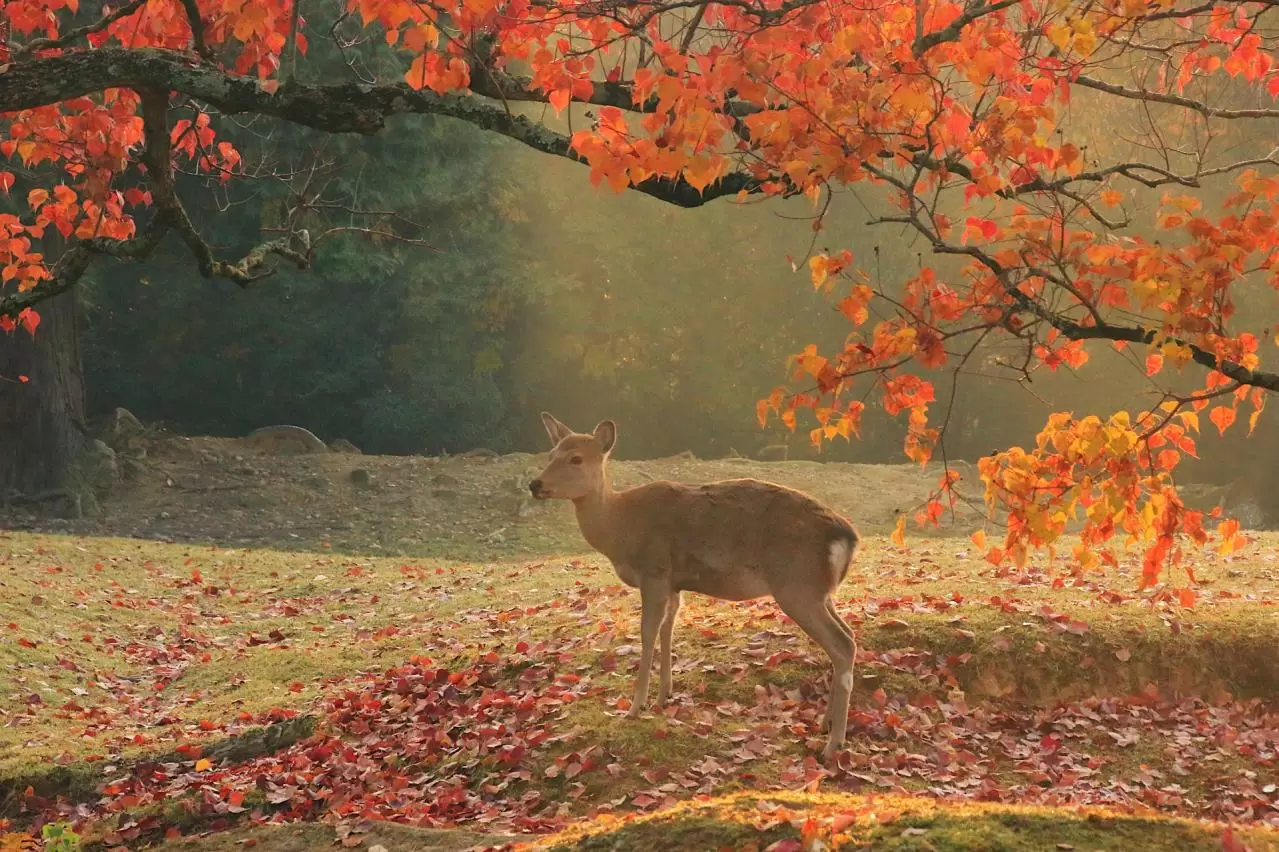
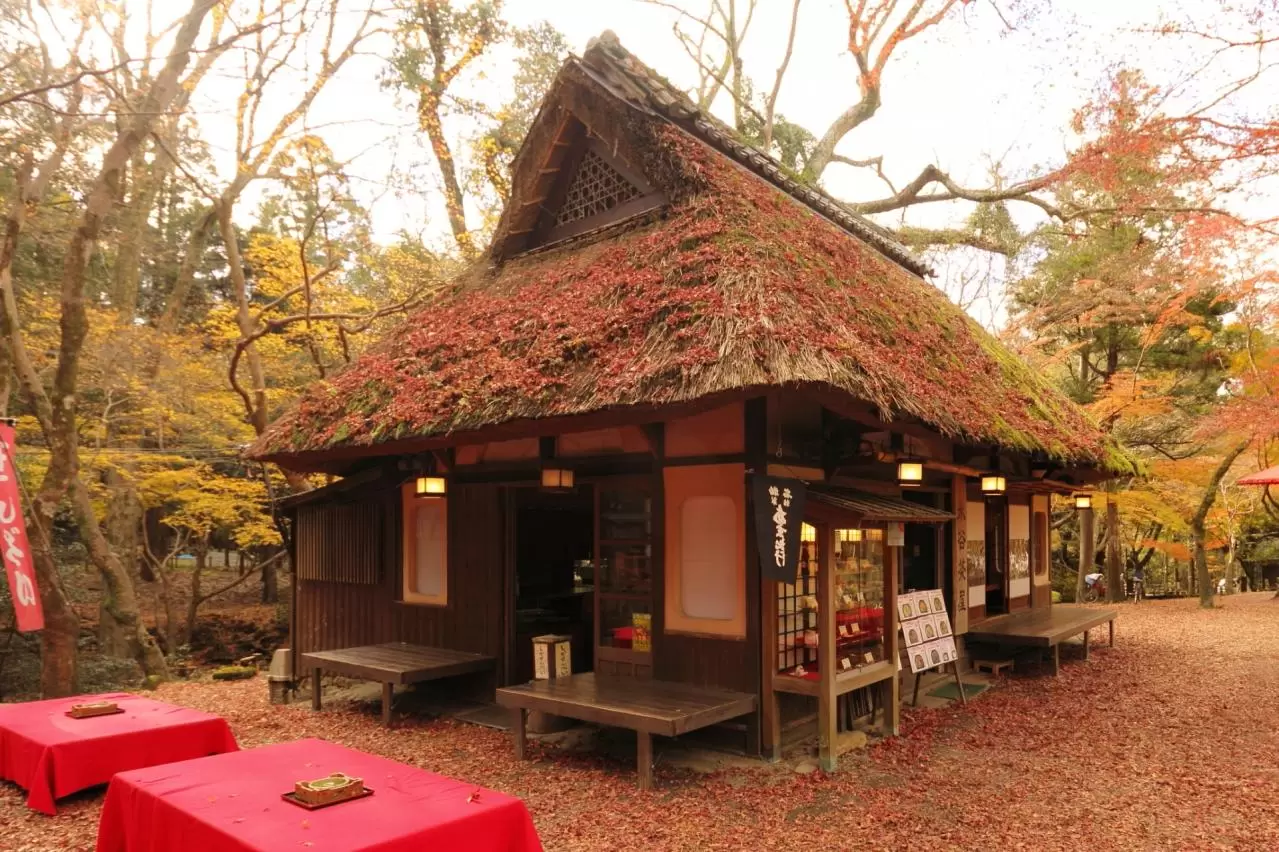
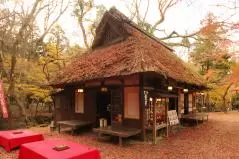
Nara Park is also known for its beauty throughout the seasons. In spring, about 1,500 cherry trees bloom magnificently, and the park has been selected as one of Japan’s Top 100 Cherry Blossom Spots. The best viewing season is usually from late March to early April, with particularly popular spots around the South Great Gate of Todaiji Temple, the five-story pagoda of Kofukuji Temple, and the area near Ukimido. In summer, lush green trees create refreshing shade, and fantastical events such as the Nara Tokae lantern festival are held. In autumn, the leaves reach their peak from late October to early December, and beautiful scenery can be enjoyed at places such as Nigatsu-do Hall at Todaiji, the approach to Kasuga Taisha Shrine, and Mount Wakakusa. In winter, the combination of snowy landscapes and deer creates a quiet, dreamlike atmosphere.
In addition, the primeval forest of Mount Kasuga, the sacred forest of Kasuga Taisha, is an important component of Nara Park. This primeval forest is a precious natural environment that has been protected since ancient times and is home to a diverse range of flora and fauna. It is also one of the component parts of the World Heritage Site, and access is generally restricted from the standpoint of environmental conservation, with strict protection still in place today.
Nara Park is easily accessible, about an 8-minute walk from Kintetsu Nara Station or about a 20-minute walk from JR Nara Station, or about 10 minutes by bus. With no concept of gates or entrances and an open space that can be entered freely, visitors can spend a relaxing time amid scenery where history and nature are in perfect harmony.
In this way, Nara Park is one of Japan’s leading tourist destinations, featuring a distinctive landscape woven together by rich nature, historic cultural heritage, and deer living alongside people. Its iconic scenery of “the Great Buddha, greenery, and deer” continues to leave a profound impression on all who visit.
Nara Tourist Attractions
View List
Isuien Neiraku Art Museum
Isui-en is a representative Japanese garden in Nara, designated as a national scenic spot. It features two distinct gardens: the "前園" (Maezono) created during the ...

Horyu-ji Temple
Hōryū-ji is a temple founded by Prince Shōtoku in the 14th year of Suiko (606 AD), and it is currently registered as a UNESCO World Heritage Site. Established as Oka...

Tōshōdaiji
Tōshōdai-ji is a temple founded by the Tang dynasty monk Jianzhen in the Nara period, established in 759 (the 3rd year of Tenpyō Hōji) at the former residence of Pri...

Heijo Palace Ruins
The Heijo Palace Site is the center of Heijo-kyo, which was relocated from Fujiwara-kyo in 710, and it was registered as a UNESCO World Heritage Site as "Cultural Pr...


Kasukadai Shrine
Kasuga-taisha Shrine was established in the second year of Jingo-Keiun (768) and the current shrine buildings were completed in the early Heian period in 794. It flo...

Nara National Museum
The Nara National Museum is a historic museum located within Nara Park, adjacent to world heritage sites such as Todai-ji Temple and Kofuku-ji Temple. Established in...

Todai-ji Temple
Todai-ji is one of Japan's most renowned temples, founded during the Nara period in the capital of that era, Heijo-kyo, as a kokubunji (provincial temple). The most ...