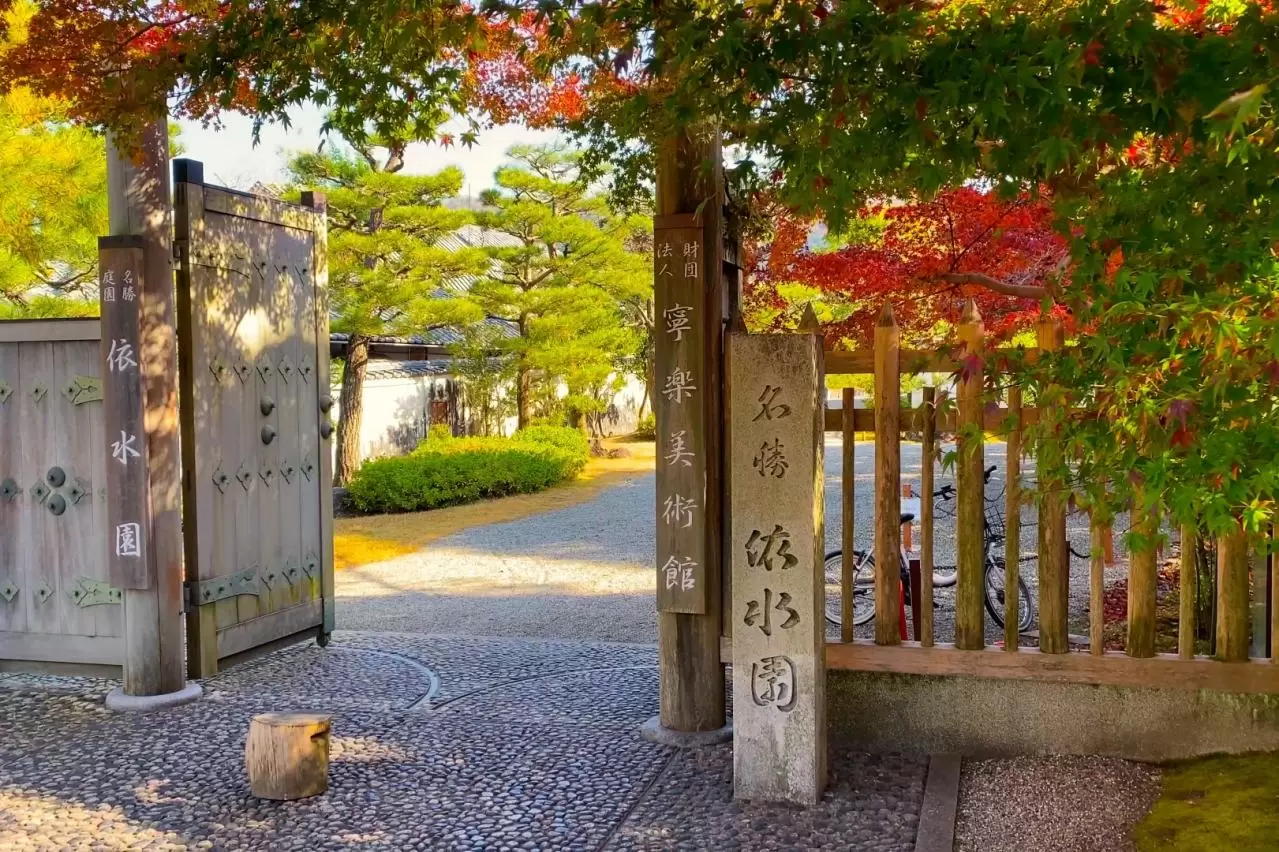
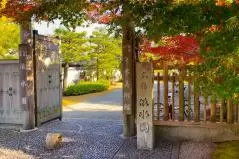
Isuien Neiraku Art Museum
The Nara National Museum is located within Isui-en and showcases ancient Chinese bronzes, ceramics from the Goryeo and Joseon periods, and Japanese tea ceremony utensils collected by the Nakamura family. During spring and autumn, the important cultural property "Yafuku Ichirakucho" is specially displayed, allowing visitors to appreciate both art and the historic gardens and museum.
Isuien Neiraku Art Museum Movies


![[4K HDR] 依水園@奈良県奈良市](https://i.ytimg.com/vi/ex6sIGcaIs4/mqdefault.jpg)
Basic Information
- Spot Name
- Isuien Neiraku Art Museum
- Location
- 〒630-8208 74 Mizumoncho, Nara City, Iwayuen
- Access
- 15 minutes on foot from Kintetsu Nara Station (next to Todai-ji Temple)
or take the city loop bus and get off at "Kenchōhigashi," then a 3-minute walk. - Parking
- Please use the nearby paid parking facilities.
- Business Hours
- 09:30 AM to 04:30 PM (Last admission at 04:00 PM)
*However, in April and May, the hours are from 09:30 AM to 05:00 PM (Last admission at 04:30 PM) - Regular Holiday
- Every Tuesday (However, if Tuesday is a public holiday, the park will be open and will be closed on the following weekday) Year-end and New Year holidays, garden maintenance period: late December to mid-January and late September.
- Fees
- General: 1,200 yen
University students: 500 yen
High school students: 500 yen
Middle school students: 300 yen
Elementary school students: 300 yen
People with disabilities (one accompanying person free): 500 yen
Nara City Hanamaru Card holders: 500 yen - Contact Information
- Phone Number: 0742-25-0781
- Official Website
Map
Detailed Information
Isuien and the Neiraku Museum are tourist attractions in Nara City where history and culture come together, allowing visitors to enjoy the beauty of a Japanese garden and the appeal of Eastern classical art at the same time. Below is a detailed summary of their features and highlights.
■ About Isuien
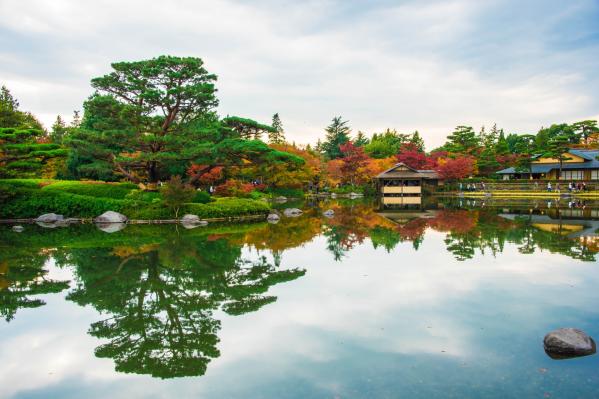
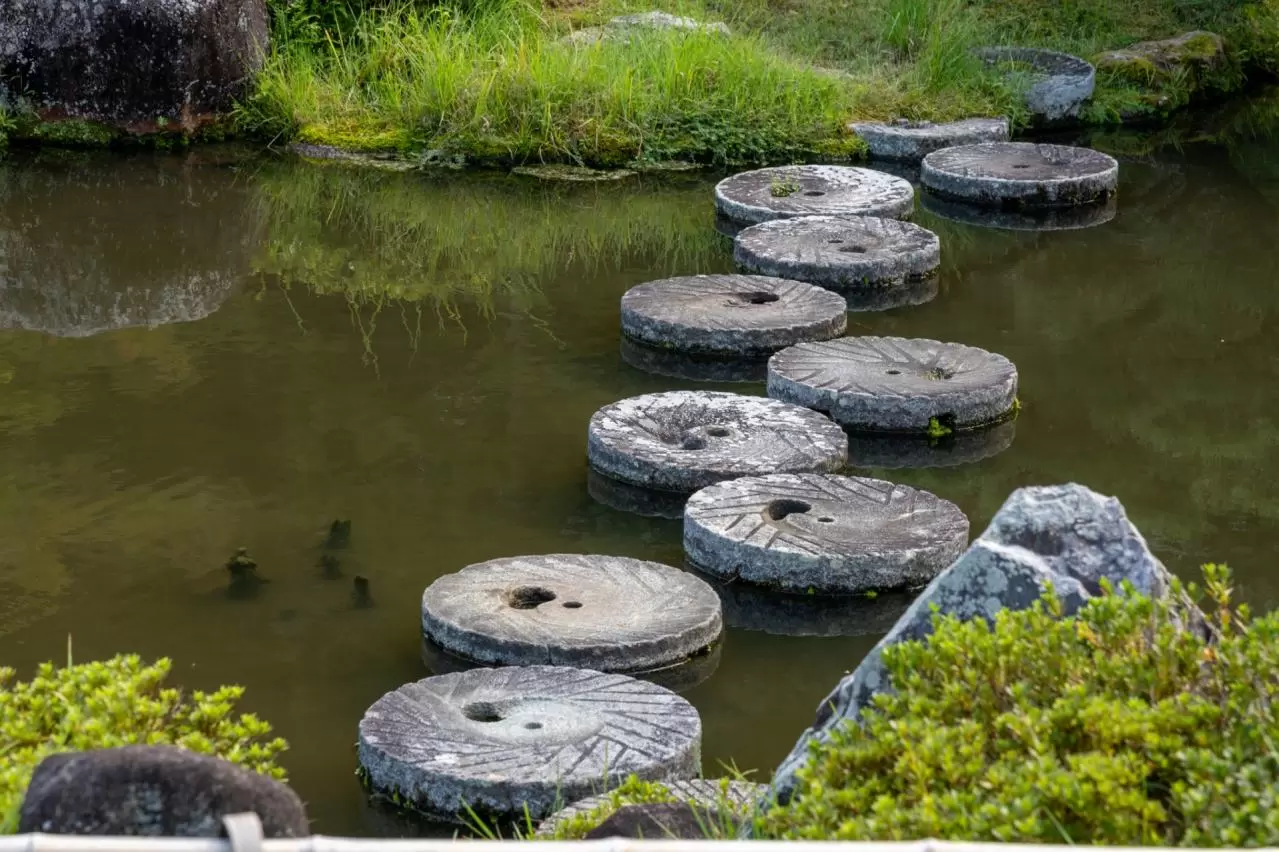
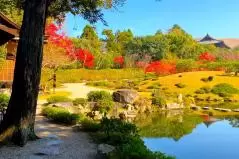
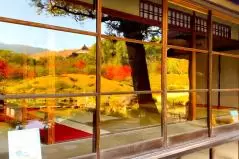
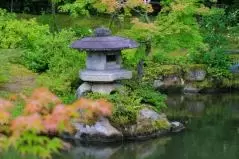
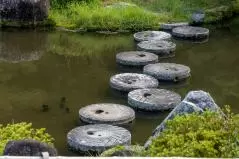
Isuien is one of Nara’s most renowned Japanese gardens and was designated a Place of Scenic Beauty by the Japanese government in 1975. Located near Nara Park and Todai-ji Temple, it is a large pond-stroll garden covering approximately 3,400 tsubo (about 11,000 square meters).
● A garden composed of two sections
A major feature of Isuien is that it consists of two gardens from different periods: the “Front Garden” and the “Rear Garden.”
Front Garden (Zenen)
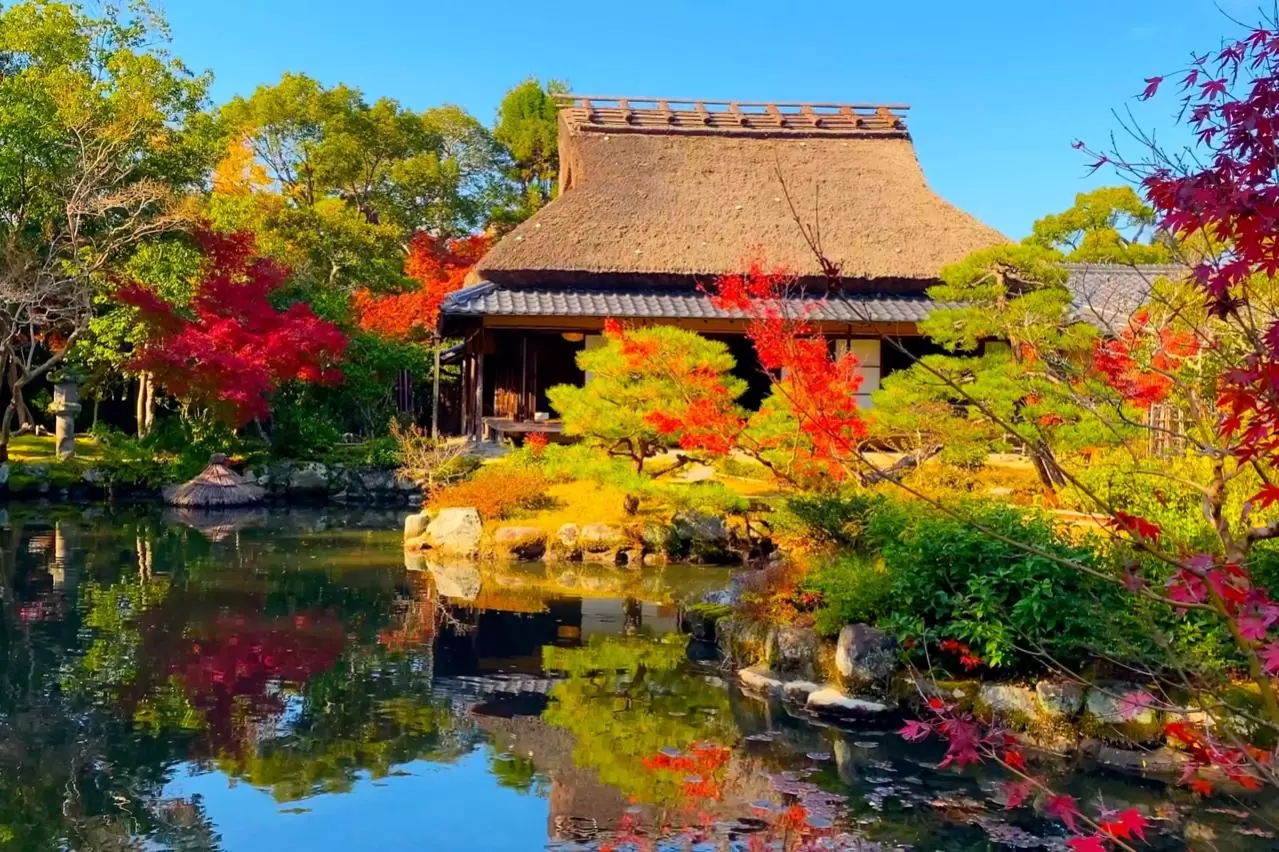
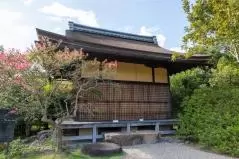
This garden was created in the early Edo period (Enpo era) by Kiyosumi Michikiyo, a merchant who supplied Nara-darashi textile to the government. It was originally built as a villa and used as a place to enjoy sencha tea and the culture of literati. Centered around Sanshutei, it retains the atmosphere and style of an Edo-period garden. Sanshutei was originally built as the main house and is now used as a restaurant.
Rear Garden (Koen)
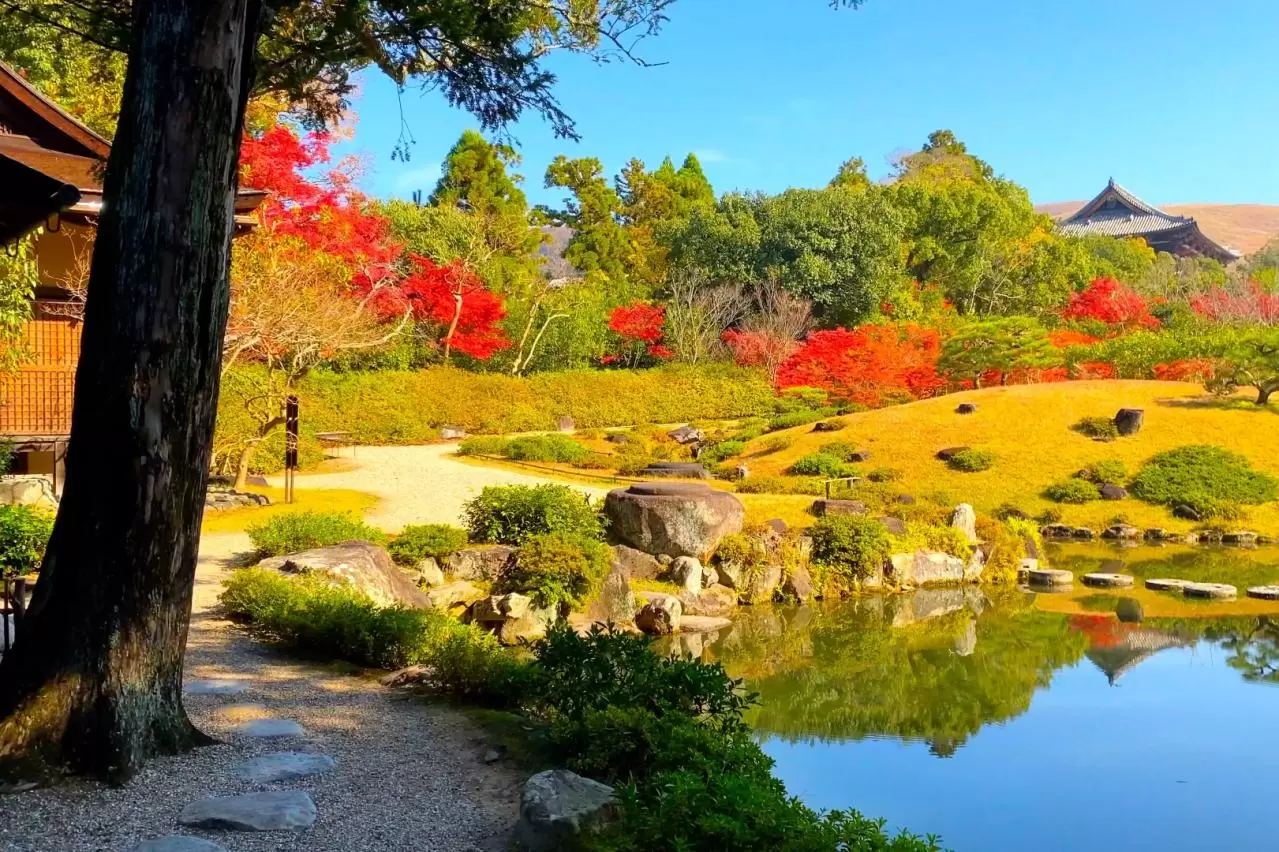
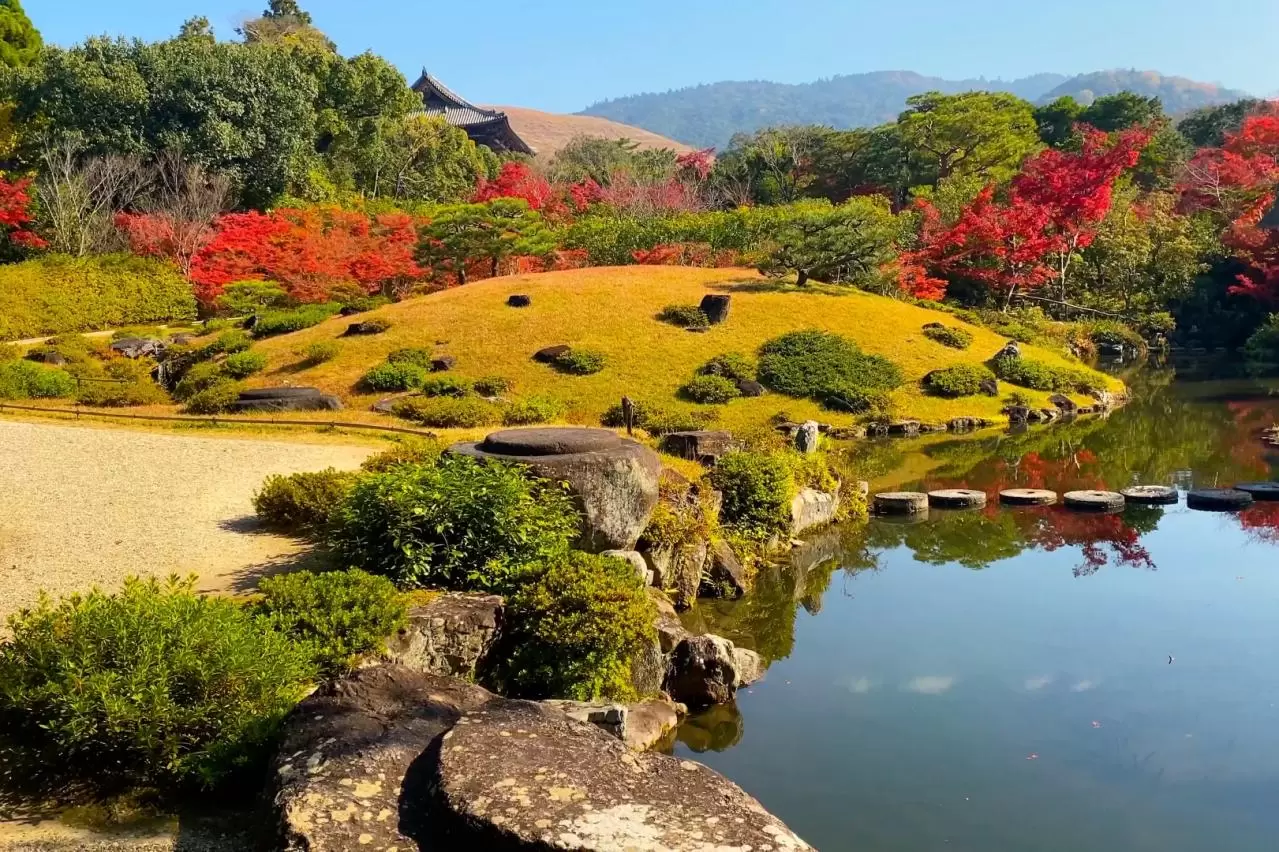
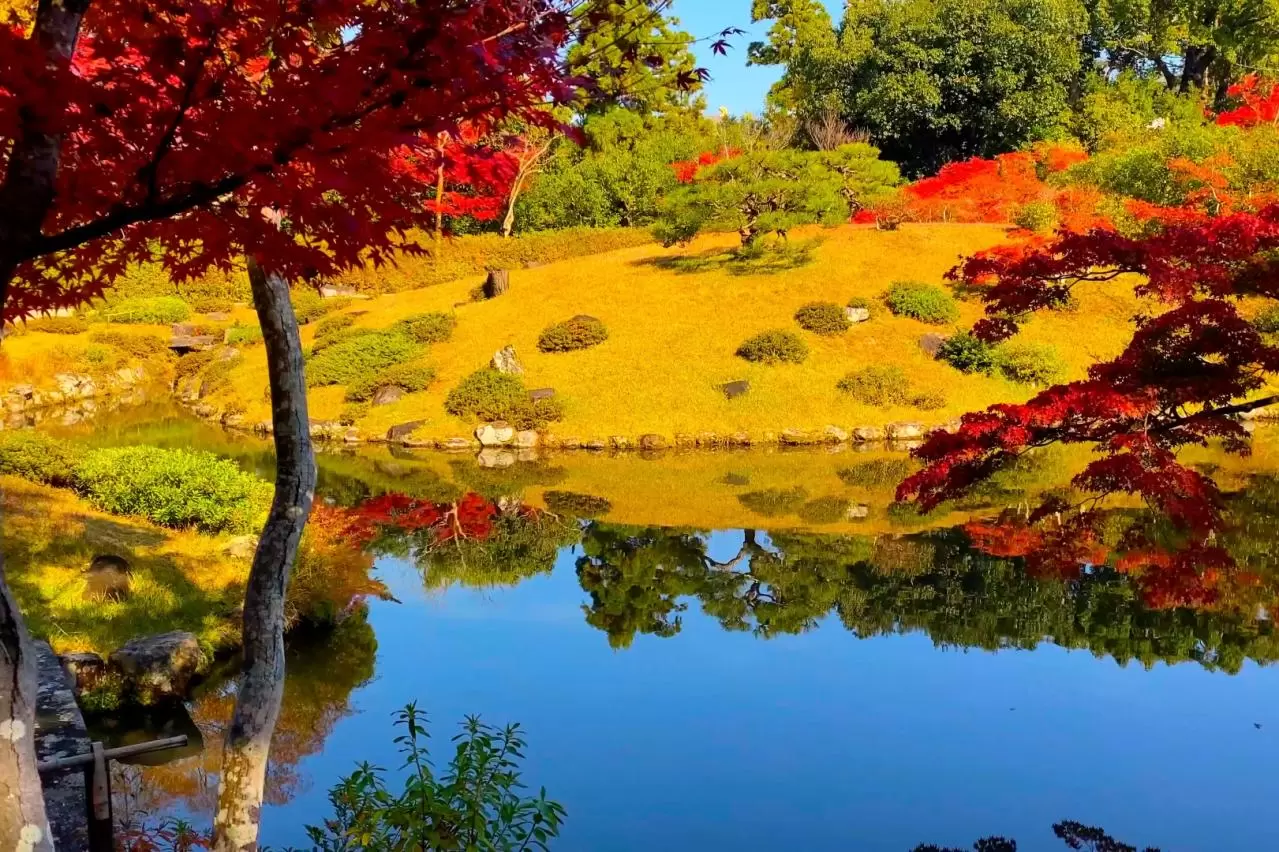
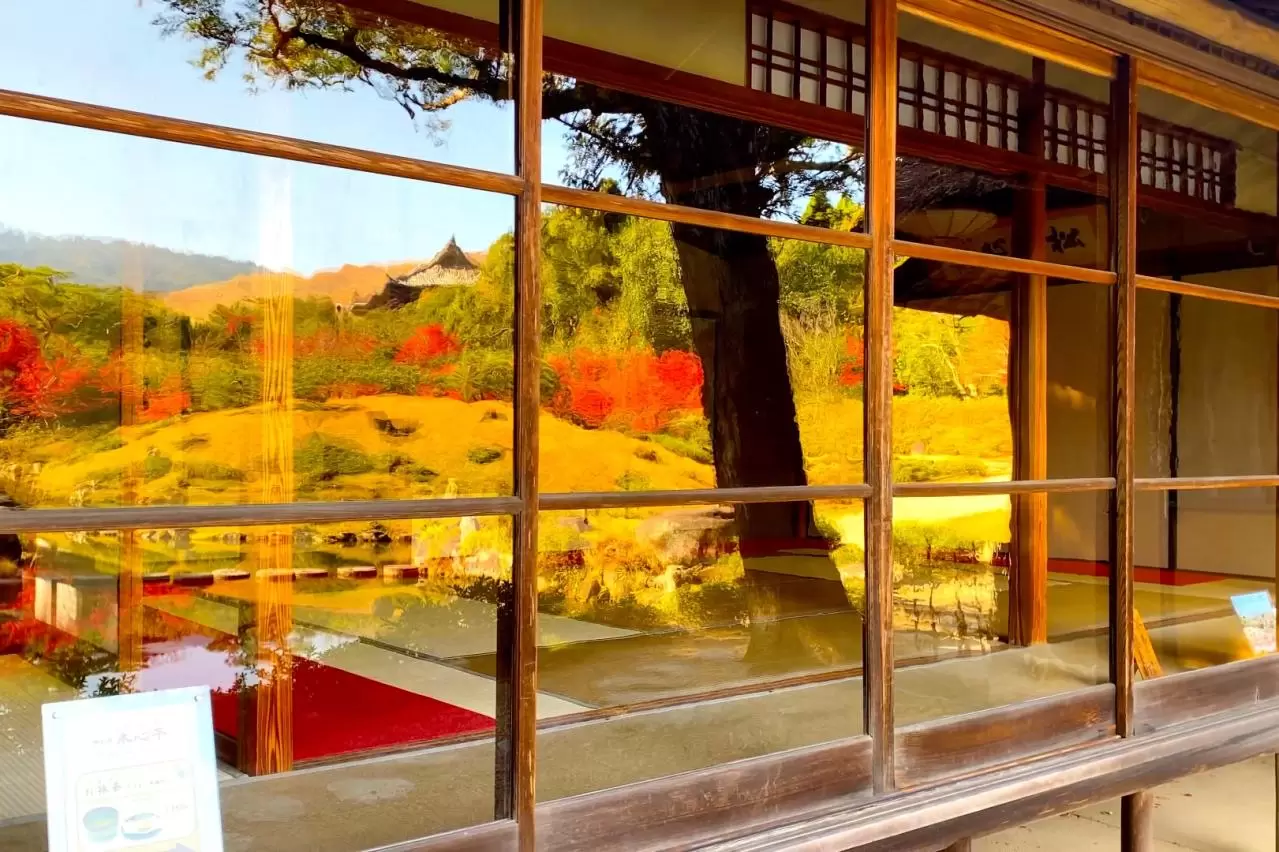
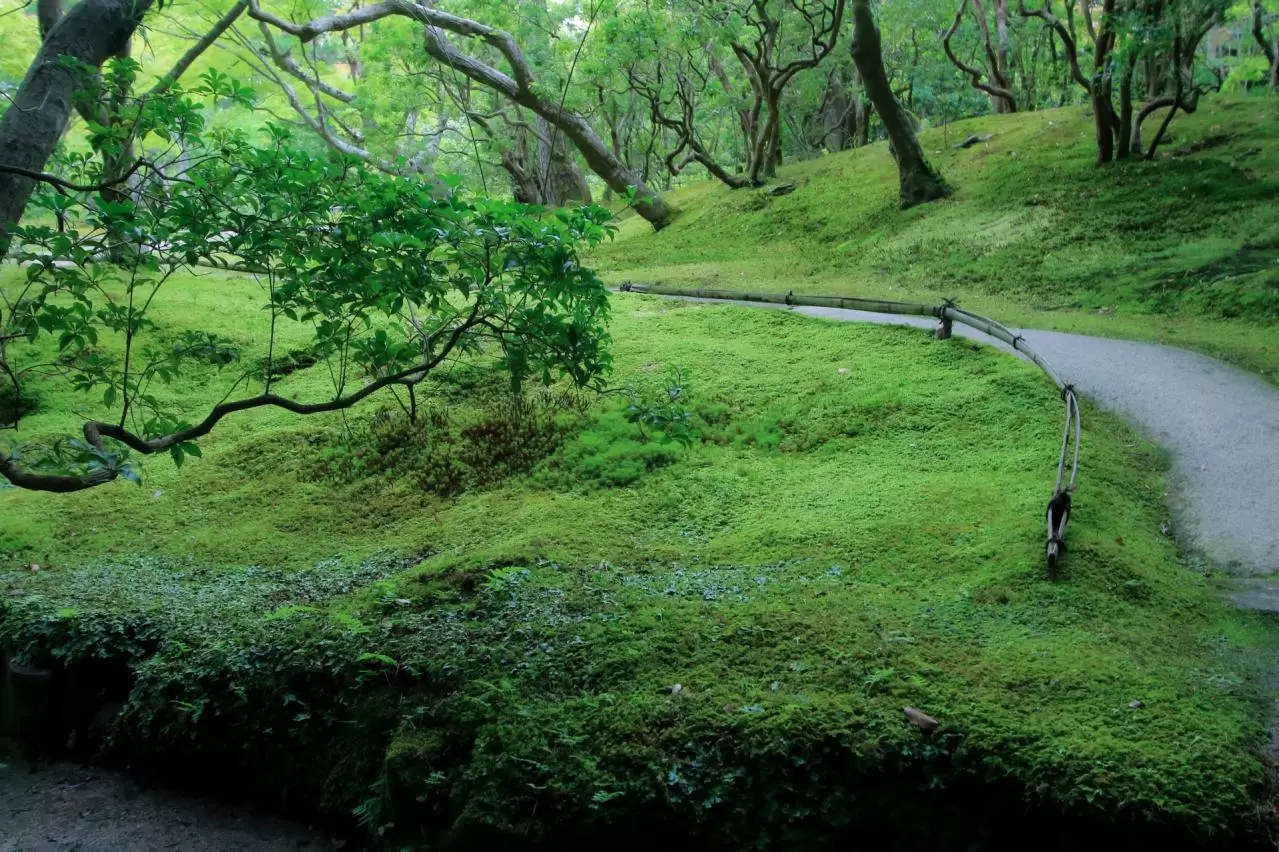
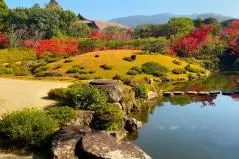
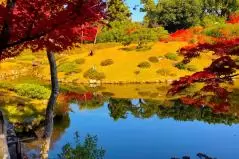
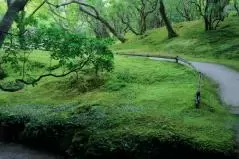
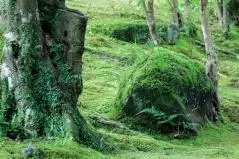
This garden was created in the Meiji period by businessman Seki Tojiro. It was developed as a place for tea ceremony and poetry appreciation. With Mt. Wakakusa, Mt. Kasuga, Mt. Mikasa, and the roof of Todai-ji’s Nandaimon Gate incorporated as borrowed scenery, the garden offers a magnificent landscape in which nature and garden design are seamlessly integrated. The lawn-covered artificial hills and central island were designed to connect visually with the scenery of Mt. Wakakusa, expressing the refined aesthetic of Meiji-period garden design.
● Scenic beauty enhanced by borrowed scenery
Borrowed scenery is used especially skillfully in the Rear Garden, where distant mountains and temple buildings are incorporated as part of the garden itself. This creates a landscape that feels far more expansive than it actually is.
● Highlights within the garden
The garden includes many historic structures and facilities:
- Sanshutei (originally the main house, now used as a restaurant)
- Tea houses (Teishuken and Seishuan) and a roji tea garden
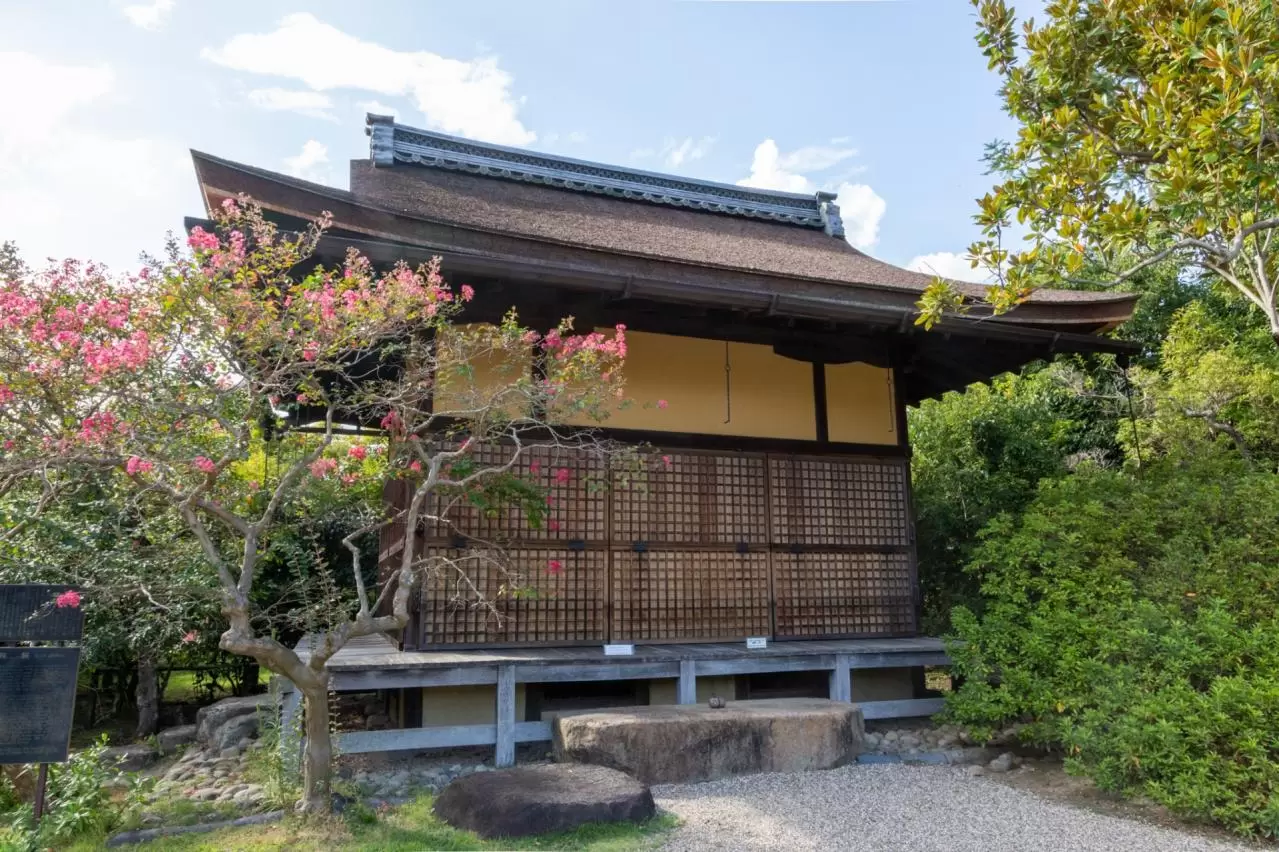
- Hyoshintei (the signature building of the Rear Garden, where visitors can enjoy matcha)
- Ryushudo (a building from the Azuchi-Momoyama period relocated from a temple associated with the Yagyu clan)
These buildings offer visitors a chance to experience tea culture and the beauty of traditional Japanese architecture.
● Seasonal charm and experiences
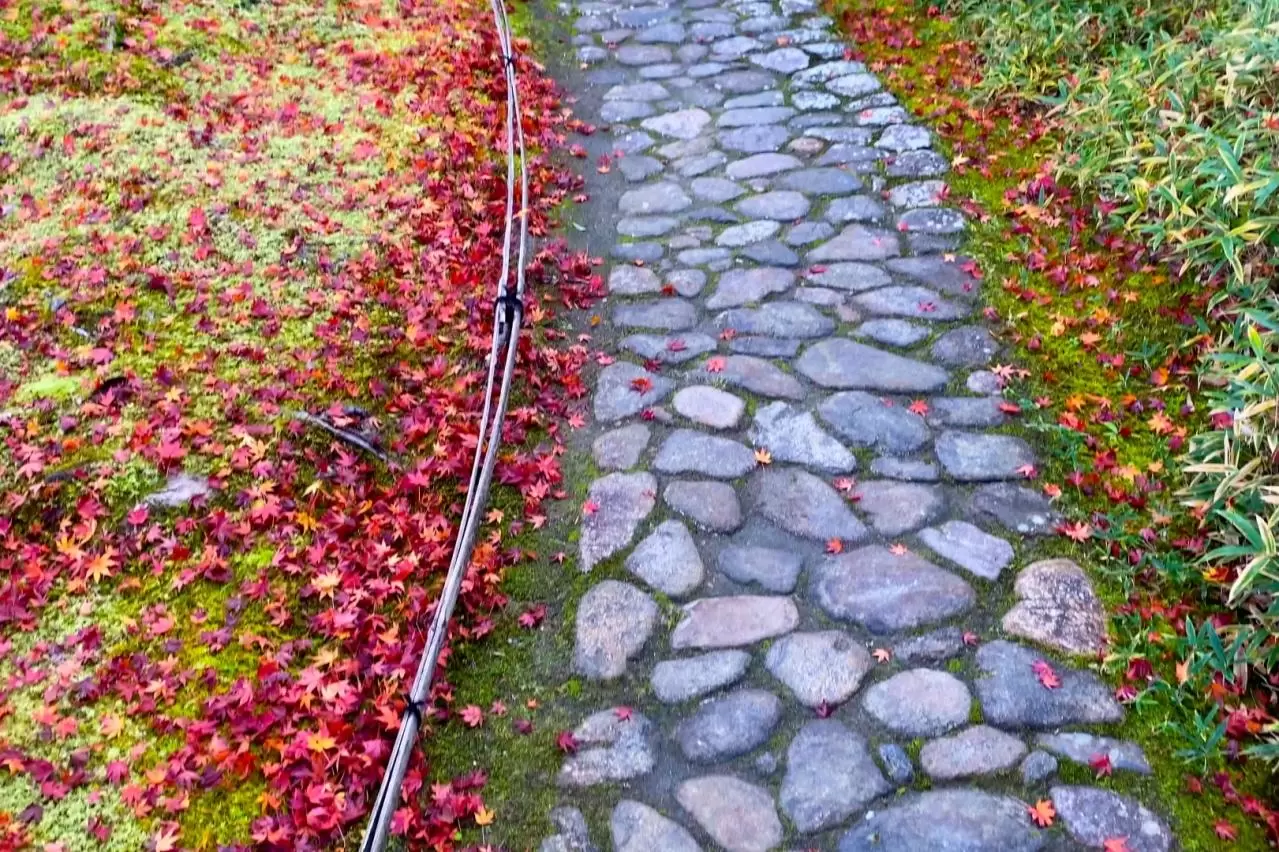
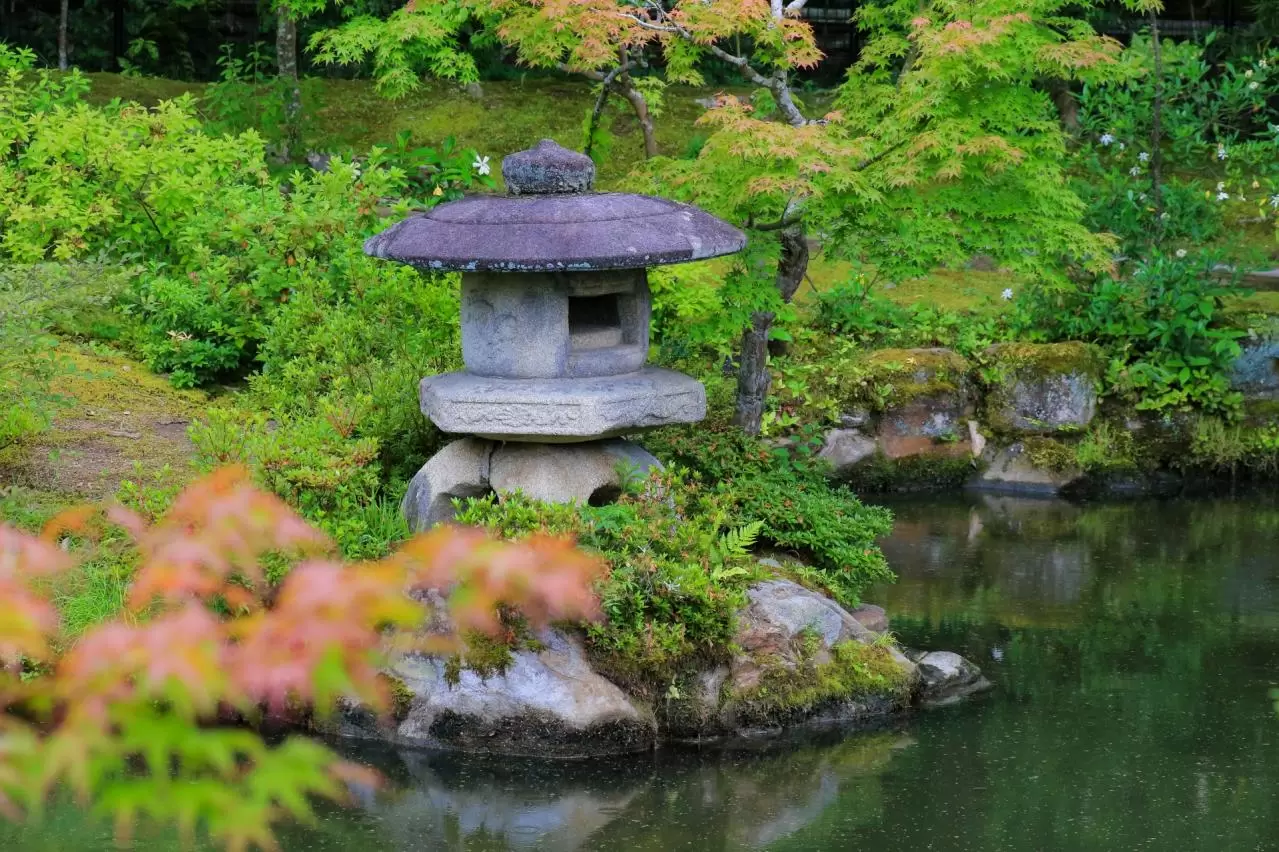
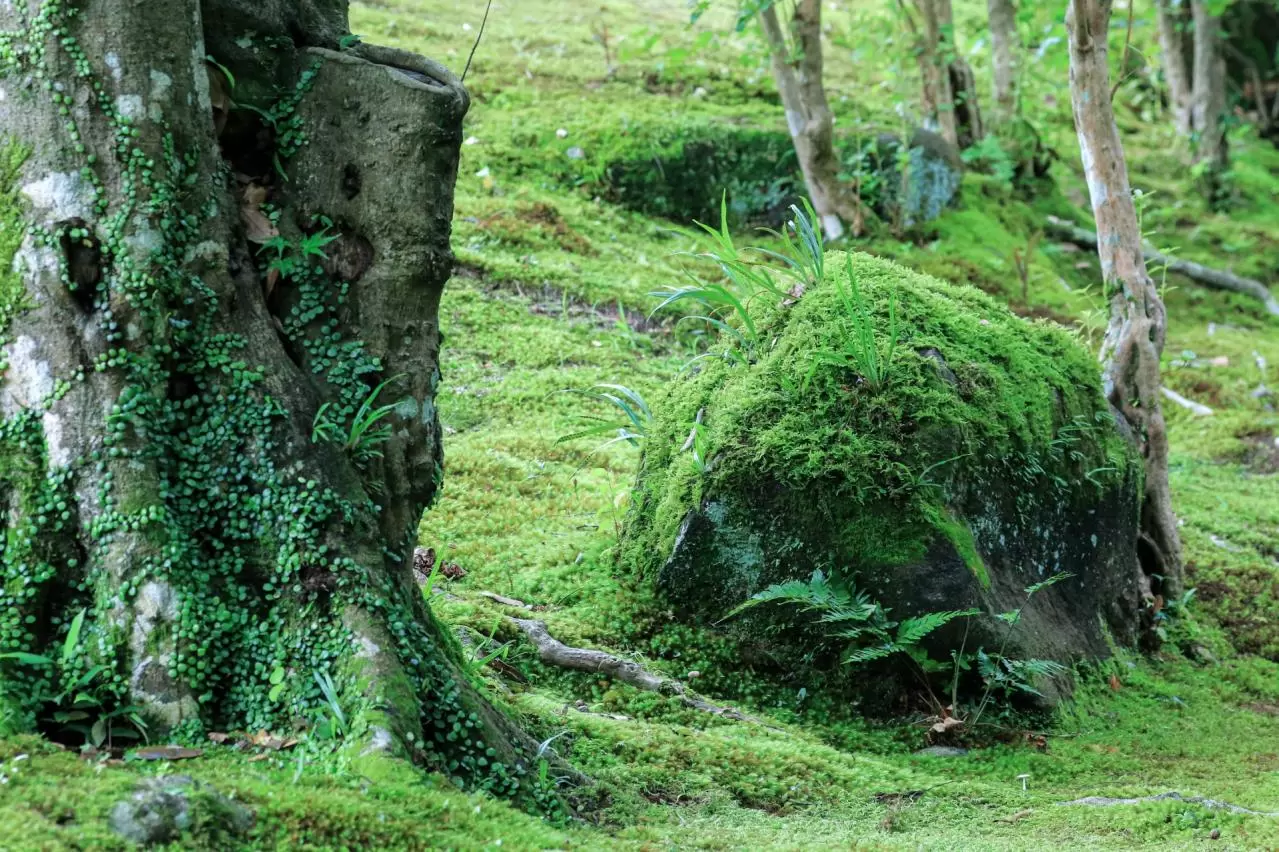
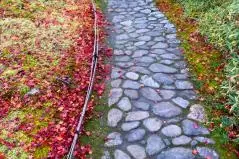
Isuien is a garden where visitors can enjoy flowers and nature throughout the seasons, with different expressions in spring fresh greenery and autumn foliage. The dining area within the garden also offers Japanese cuisine and matcha, allowing guests to relax and take their time while strolling through the grounds.
■ About the Neiraku Museum
The Neiraku Museum is located within the grounds of Isuien and opened in 1969. Its calm architecture, harmonizing with the garden scenery, is also one of its attractions.
● Origins of the collection
The museum is based on art objects collected over three generations by Nakamura Junsaku, who ran a shipping business in Kobe, and his descendants, Junichi and Junsuke. During the Kobe air raids, some pieces were lost to fire, but the collection evacuated to Nara survived safely.
● Collection contents
The museum houses and exhibits more than 2,000 pieces of classical Eastern art, including:
- Ancient Chinese bronzes
- Celadon and ceramics from the Goryeo and Joseon dynasties
- Japanese tea utensils
- Calligraphy, paintings, and rubbings
The exhibits are rotated regularly, offering new discoveries with every visit.
● Special exhibitions
In spring and autumn, one sheet at a time from the Important Cultural Property *Mata Mata Ichirakujo* (all thirteen pictures) by the late Edo-period literati painter Tanomura Chikuden is specially exhibited.
This work is a valuable record symbolizing literati culture and attracts great attention from many visitors.
■ The appeal of Isuien and the Neiraku Museum
Isuien and the Neiraku Museum form a cultural space where a garden and museum are integrated. One of their great attractions is the opportunity to stroll through a historic Japanese garden while appreciating outstanding works of Eastern art. In addition, by visiting the tea houses and dining facilities, guests can experience traditional Japanese culture with all five senses.
As a place where visitors can fully appreciate Nara’s nature, history, and art, it is an exceptionally valuable destination not only for sightseeing but also for cultural learning.
Nara Tourist Attractions
View List

Todai-ji Temple
Todai-ji is one of Japan's most renowned temples, founded during the Nara period in the capital of that era, Heijo-kyo, as a kokubunji (provincial temple). The most ...

Kasukadai Shrine
Kasuga-taisha Shrine was established in the second year of Jingo-Keiun (768) and the current shrine buildings were completed in the early Heian period in 794. It flo...


Heijo Palace Ruins
The Heijo Palace Site is the center of Heijo-kyo, which was relocated from Fujiwara-kyo in 710, and it was registered as a UNESCO World Heritage Site as "Cultural Pr...

Horyu-ji Temple
Hōryū-ji is a temple founded by Prince Shōtoku in the 14th year of Suiko (606 AD), and it is currently registered as a UNESCO World Heritage Site. Established as Oka...

Nara National Museum
The Nara National Museum is a historic museum located within Nara Park, adjacent to world heritage sites such as Todai-ji Temple and Kofuku-ji Temple. Established in...

Tōshōdaiji
Tōshōdai-ji is a temple founded by the Tang dynasty monk Jianzhen in the Nara period, established in 759 (the 3rd year of Tenpyō Hōji) at the former residence of Pri...