



Showa Kinen Park
Showa Kinen Park Movies
![[4K]昭和記念公園「秋の夜散歩」日本庭園 #ライトアップ](https://i.ytimg.com/vi/OKFFgNOWO0o/mqdefault.jpg)


Basic Information
- Spot Name
- Showa Kinen Park
- Location
- 〒190-0014 3173 Midoricho, Tachikawa City, Tokyo, Japan
- Access
- Approximately 15 minutes on foot from JR Chuo Line Tachikawa Station
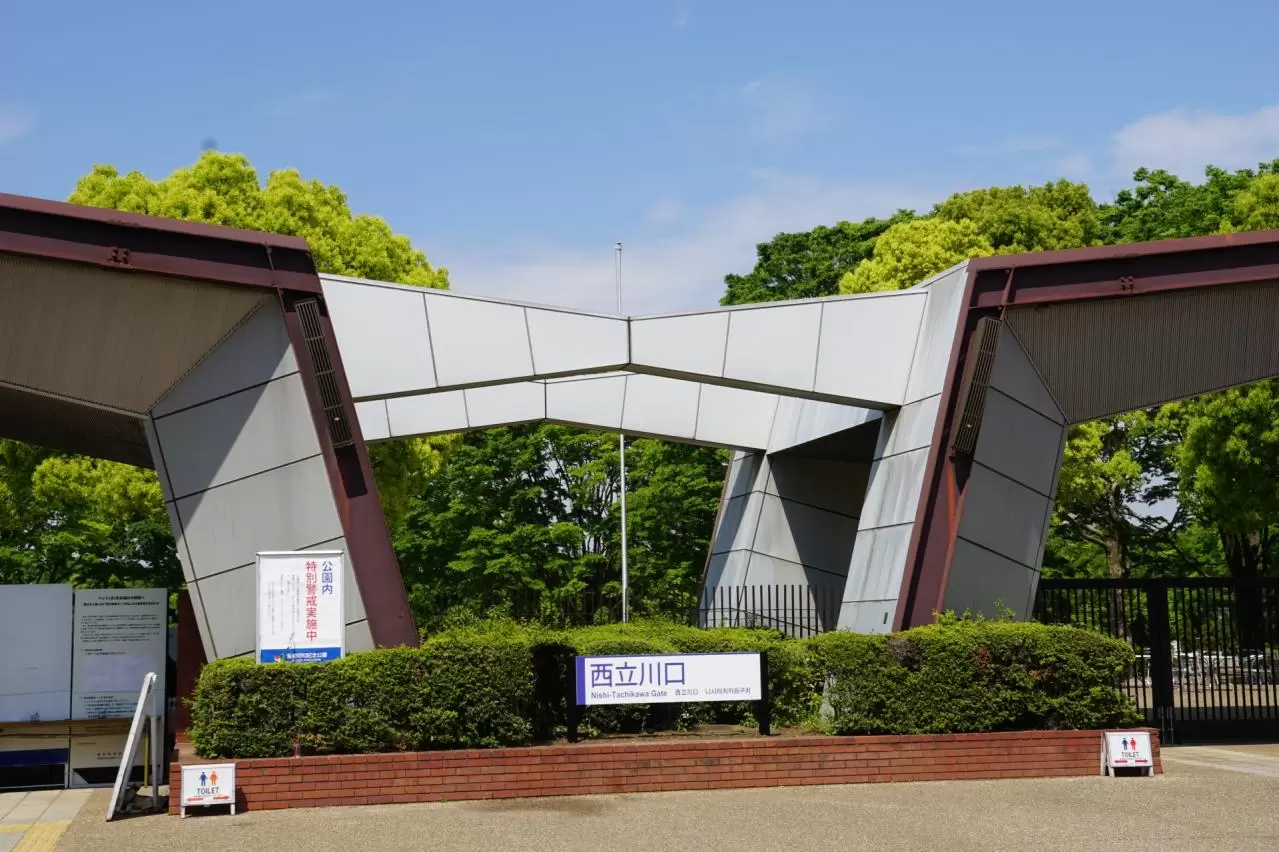
Approximately 2 minutes on foot from JR Ome Line Nishi-Tachikawa Station
Approximately 13 minutes on foot from Tama Urban Monorail Tachikawa-Kita Station - Parking
- Parking available
- Business Hours
- March 1 to October 31: 9:30 AM to 5:00 PM
November 1 to the end of February: 9:30 AM to 4:30 PM
*Hours may vary by season. - Regular Holiday
- Closed from the third Monday to Friday in January, and on December 31 and January 1.
- Fees
- General Adults (15 years and older) 410 yen
Children (Elementary and Junior High School students) 80 yen
Seniors (65 years and older) 210 yen - Contact Information
- Phone Number:042-528-1751
- Official Website
Map
Detailed Information
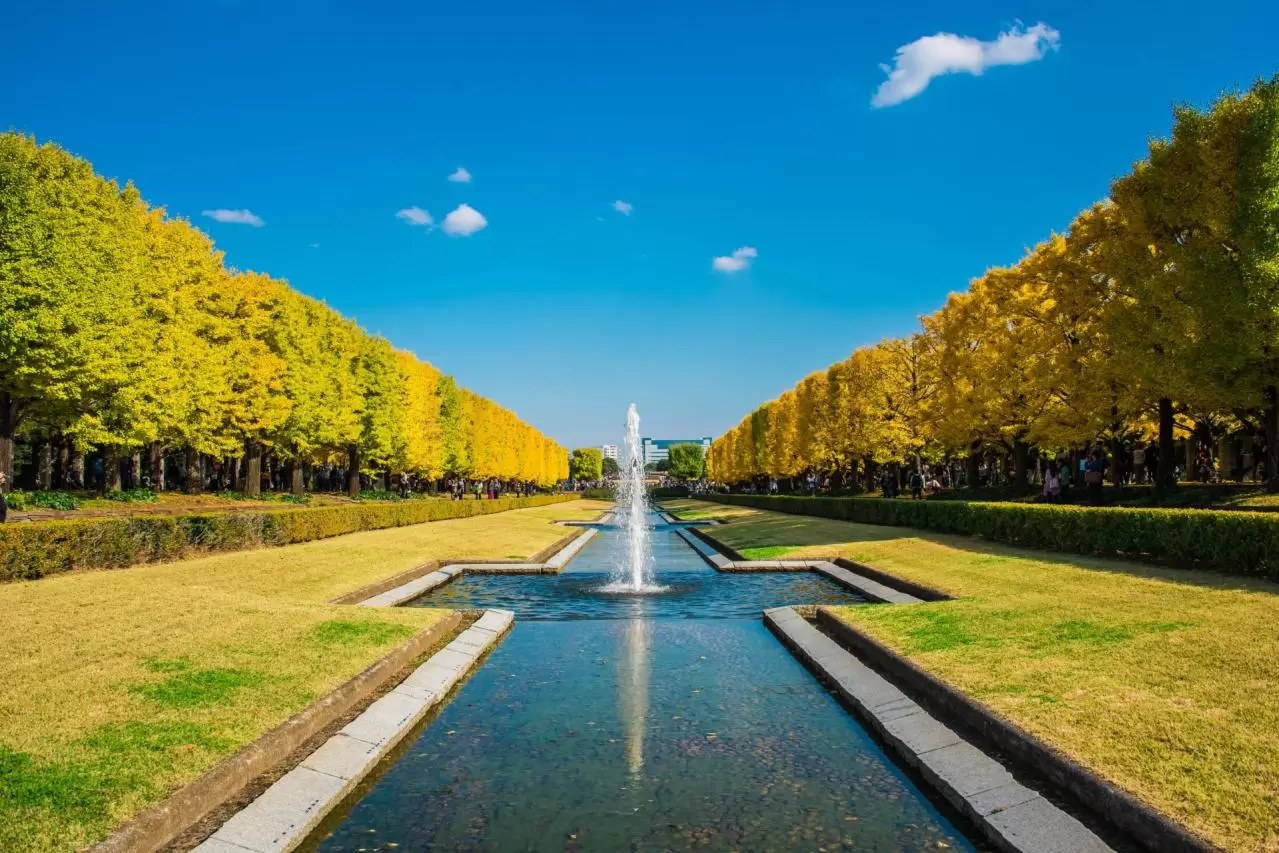
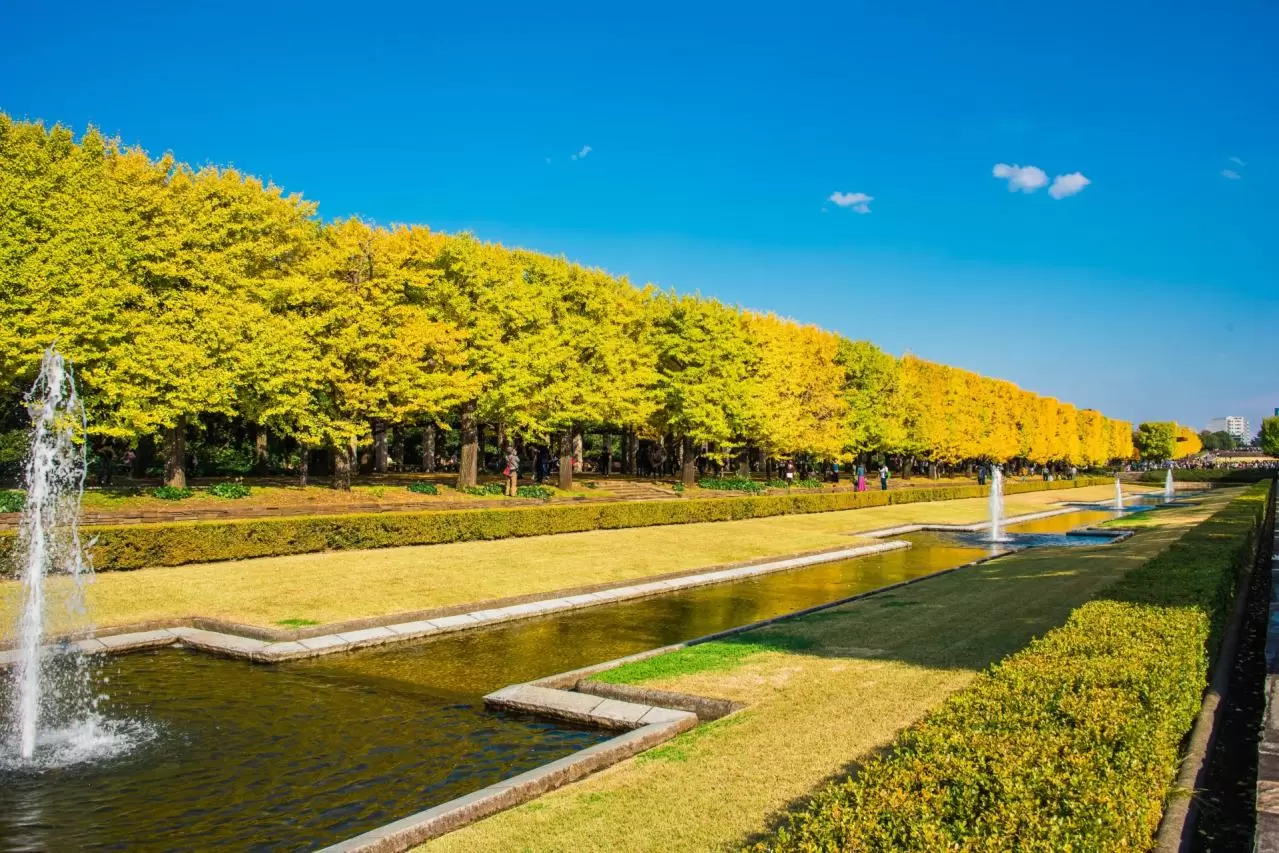
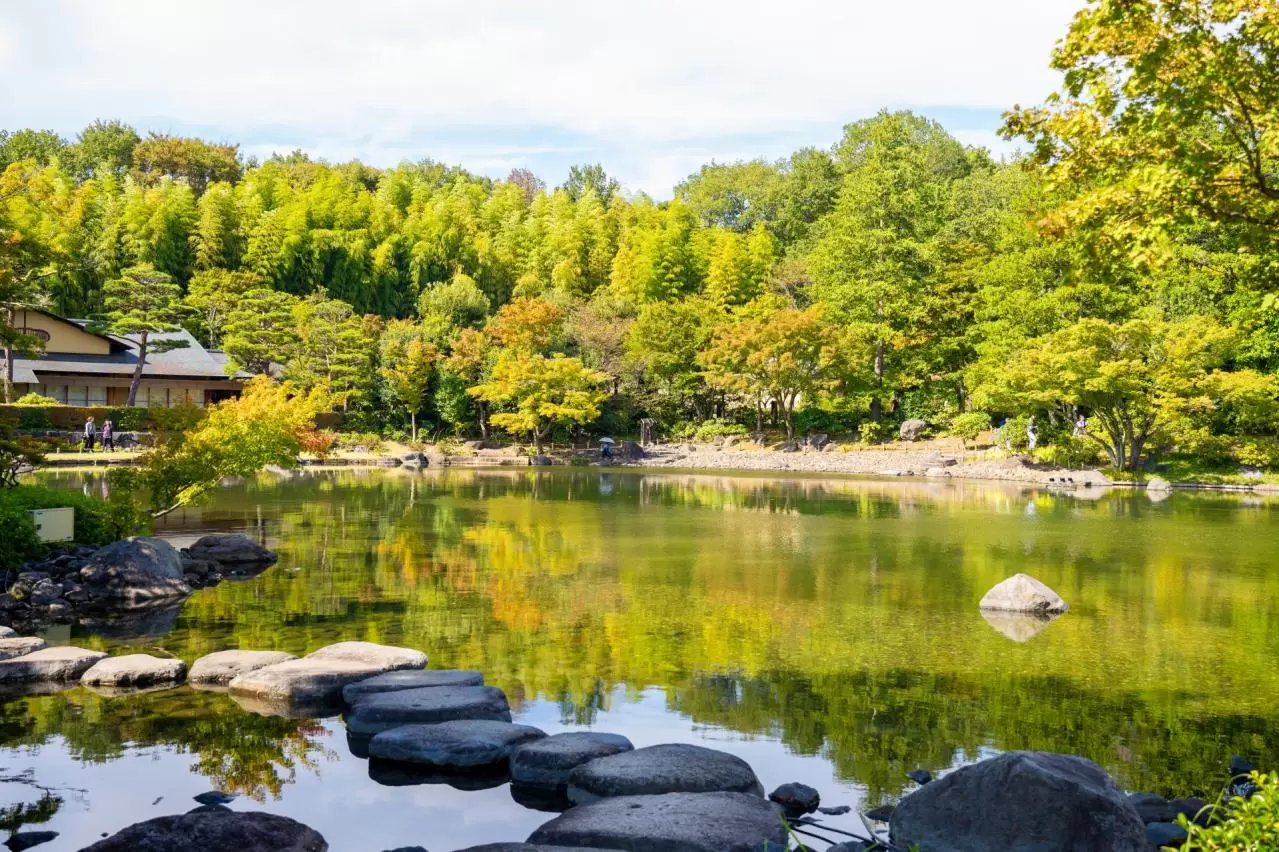
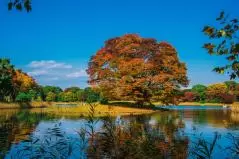
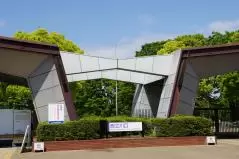
Showa Memorial Park is a national park developed on the former site of Tachikawa Airfield as part of the commemorative projects marking Emperor Showa’s 50th year on the throne. It spans Tachikawa and Akishima in Tokyo. Covering approximately 180 hectares, it is about three times the size of Shinjuku Gyoen National Garden and roughly equivalent to 40 Tokyo Domes. The first phase of the park was opened to the public in 1983, and it was developed as a space where nature and people coexist in harmony under the theme of “restoring greenery and enhancing humanity.”
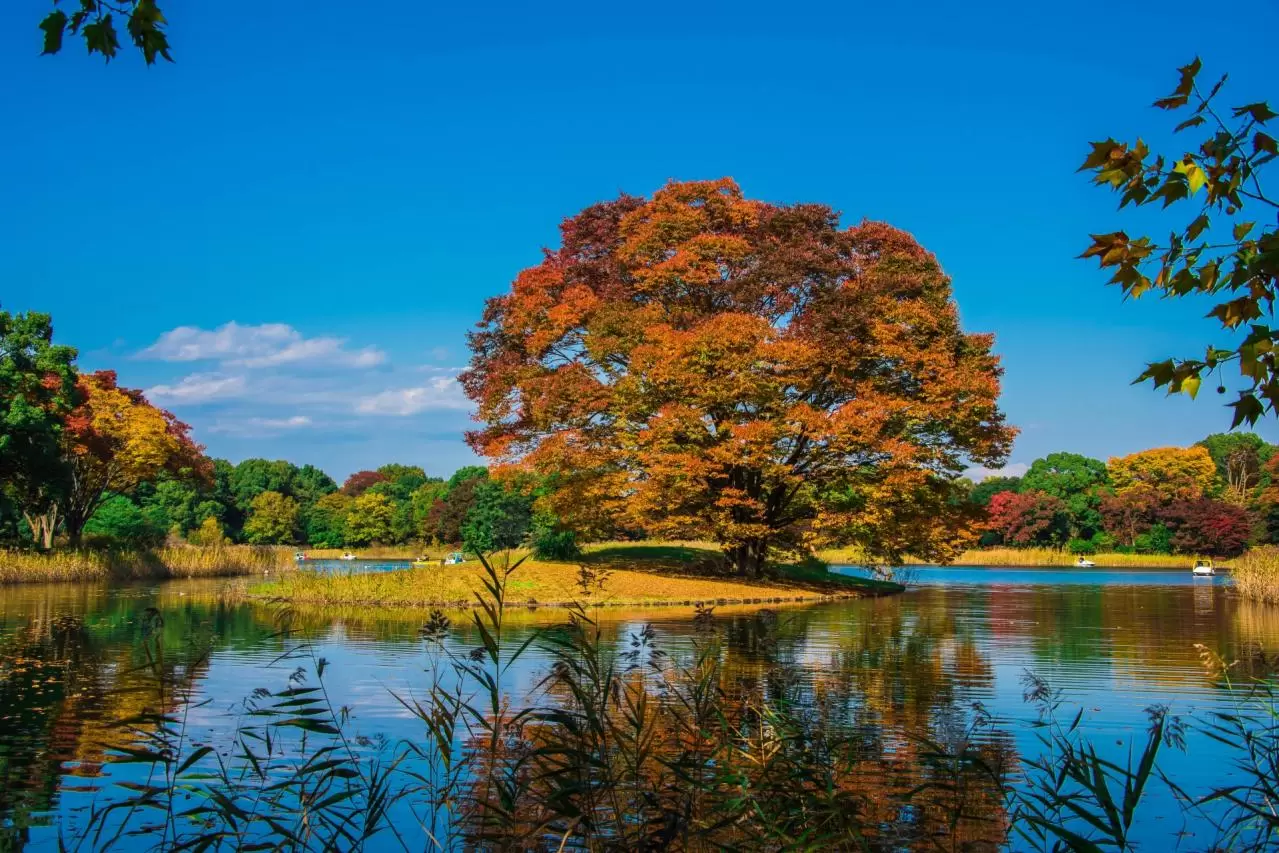
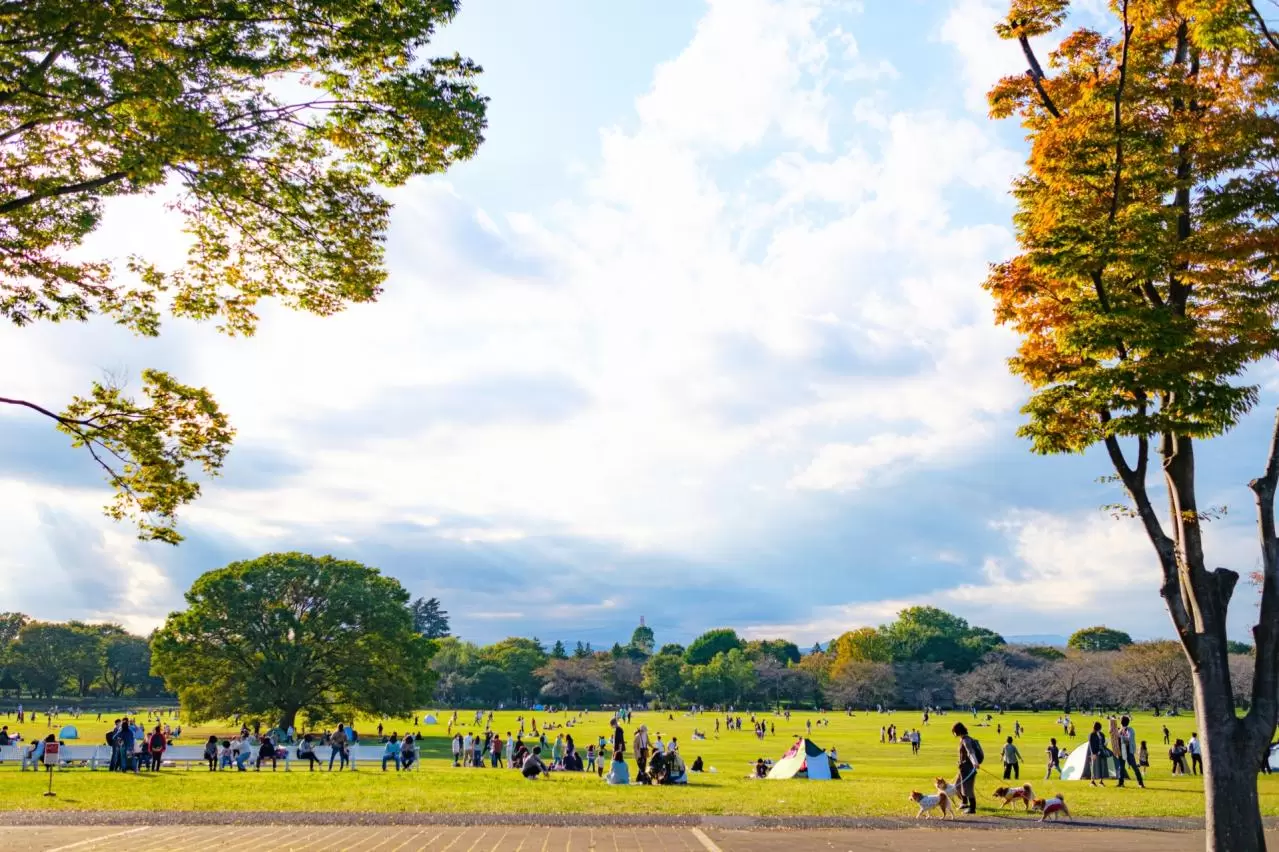
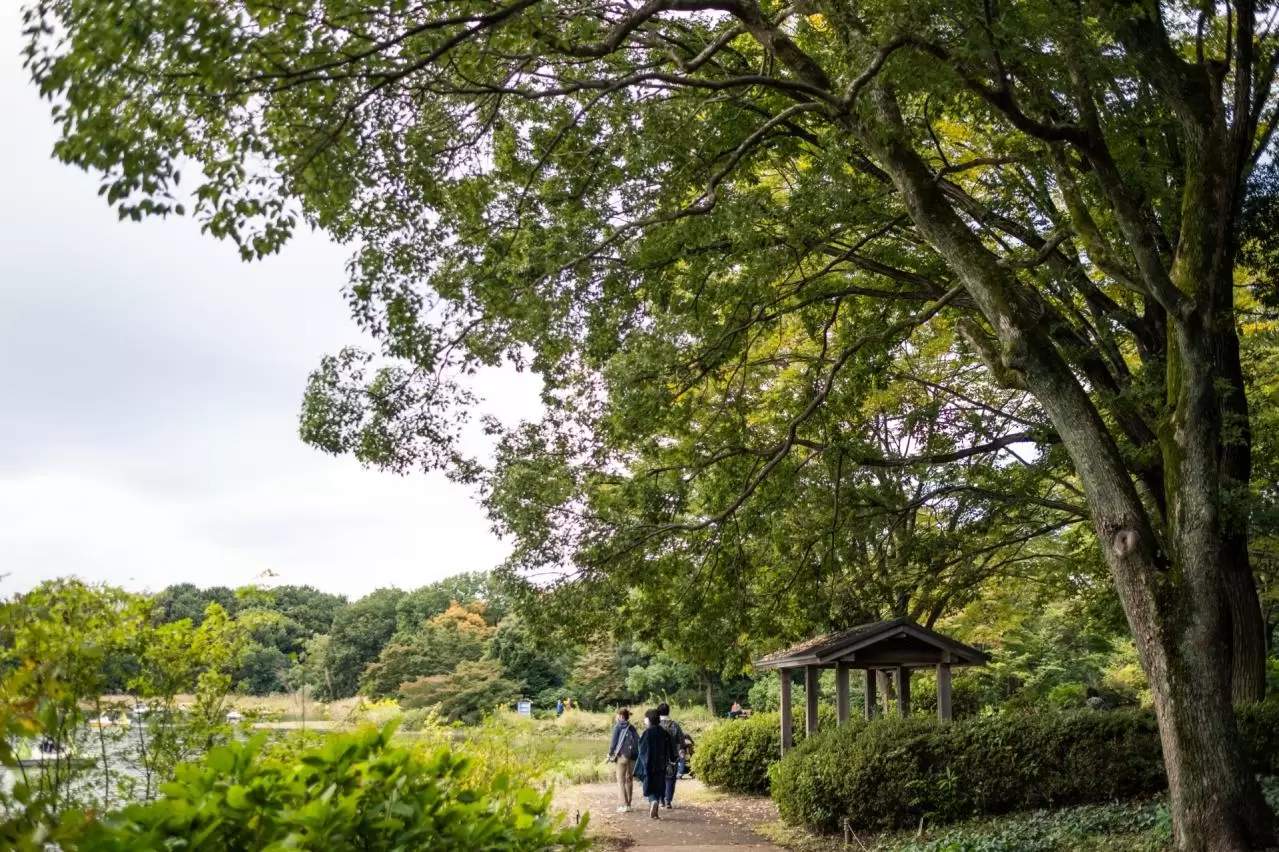
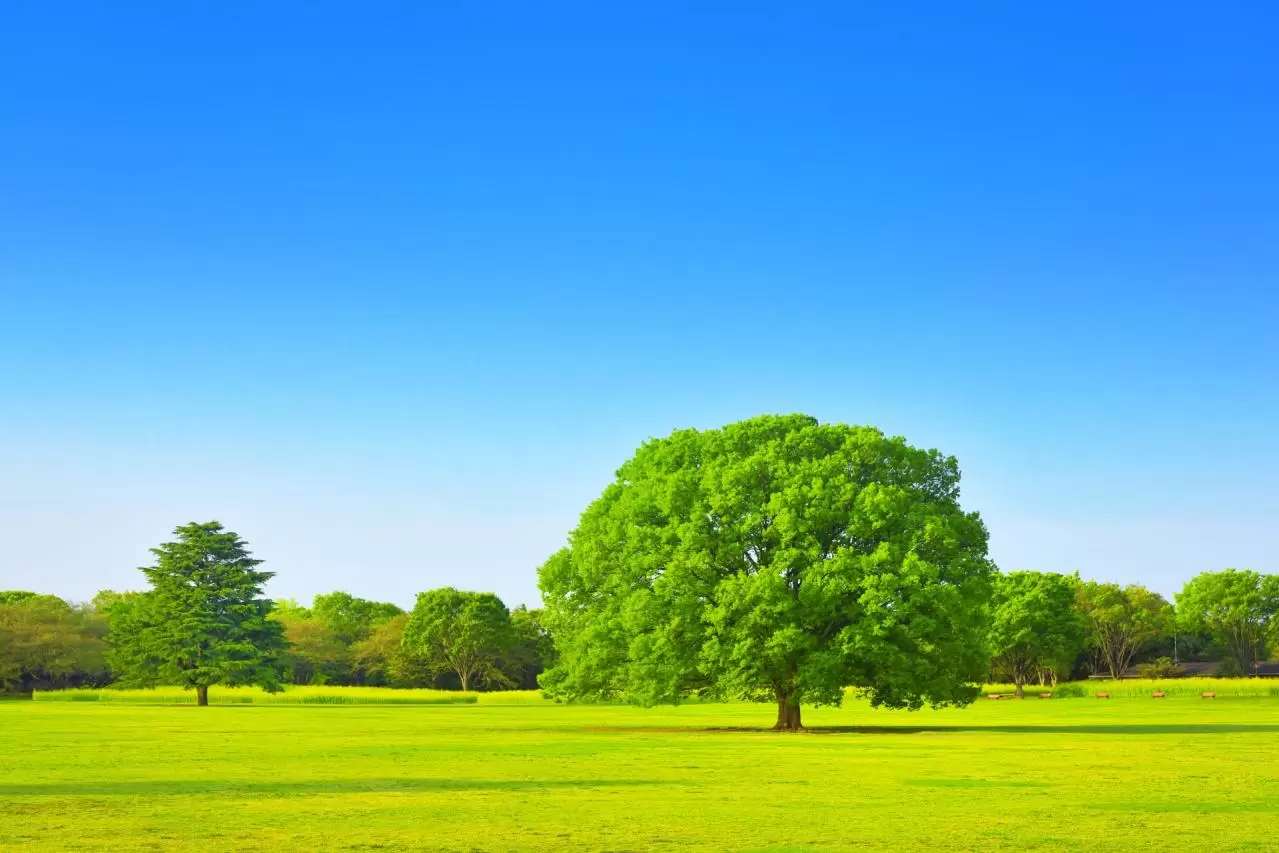
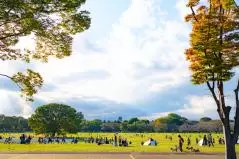
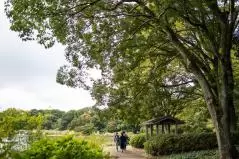
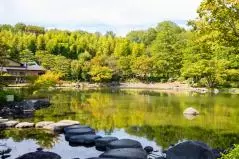
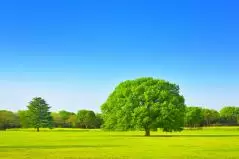
The park is divided into five zones, A through E, along two axes: the “urban axis” and the “natural axis.” Zone A, the “Green Culture Zone,” is the closest area to JR Tachikawa Station and offers free admission. Zone B, the “Exhibition Facilities Zone,” hosts events and outdoor exhibitions. Zone C, the “Water Zone,” features ponds and trees, offering lush natural scenery. Zone D, the “Plaza Zone,” includes “Minna no Harappa,” an open lawn about the size of two Tokyo Domes, and also serves as an evacuation area in times of disaster. Zone E, the “Forest Zone,” allows visitors to experience the tranquility of deep woodland-like nature.
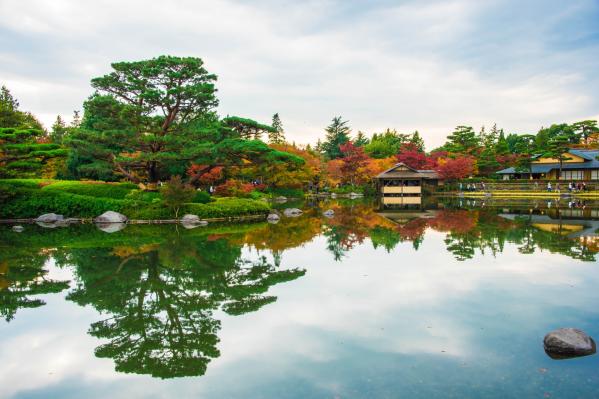
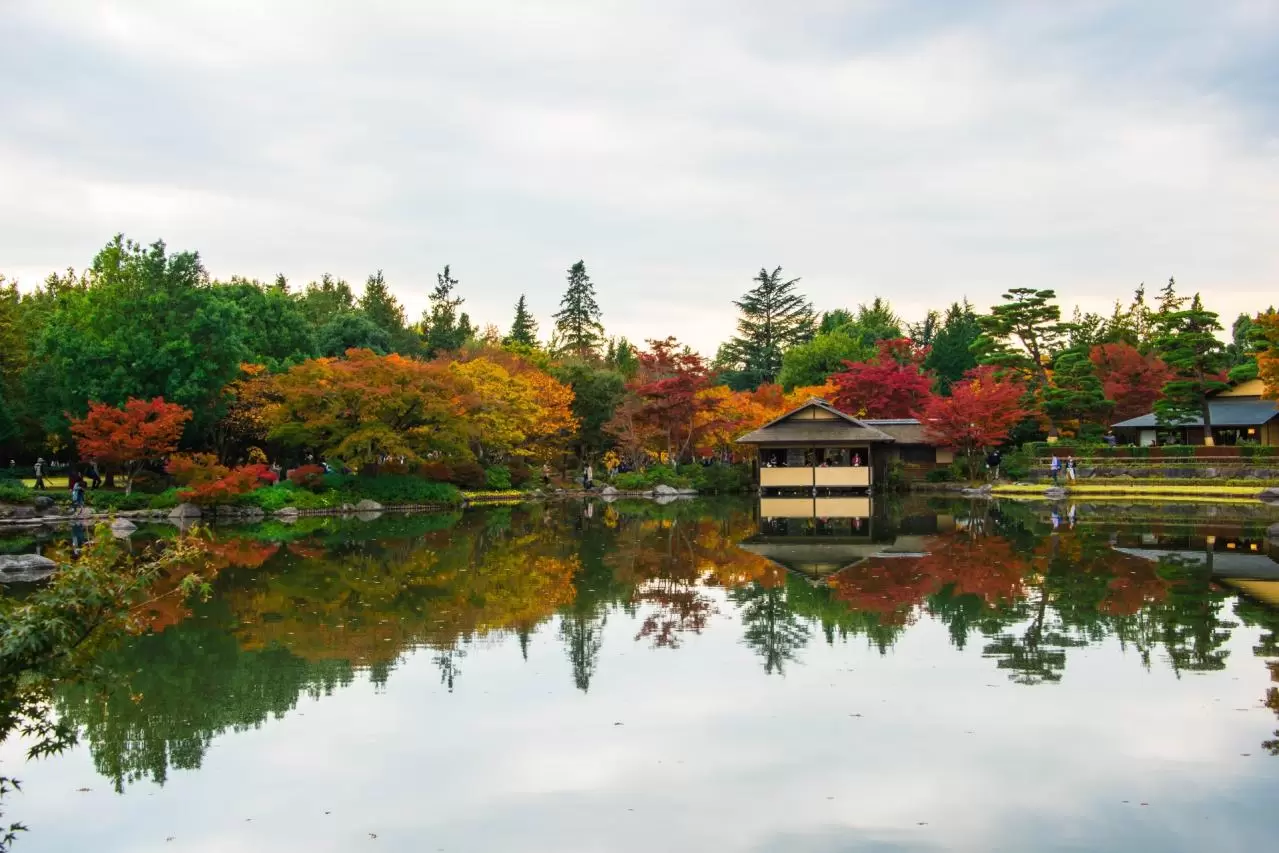
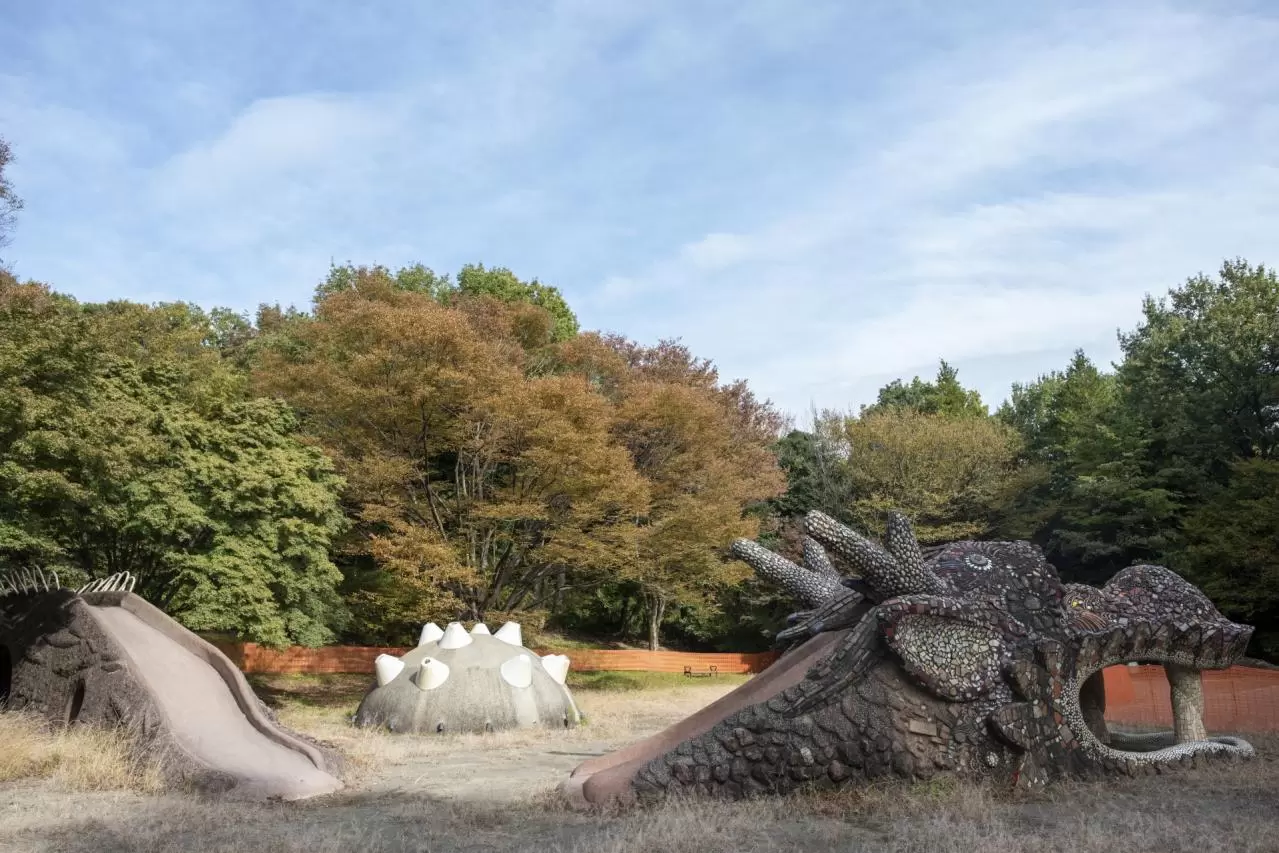
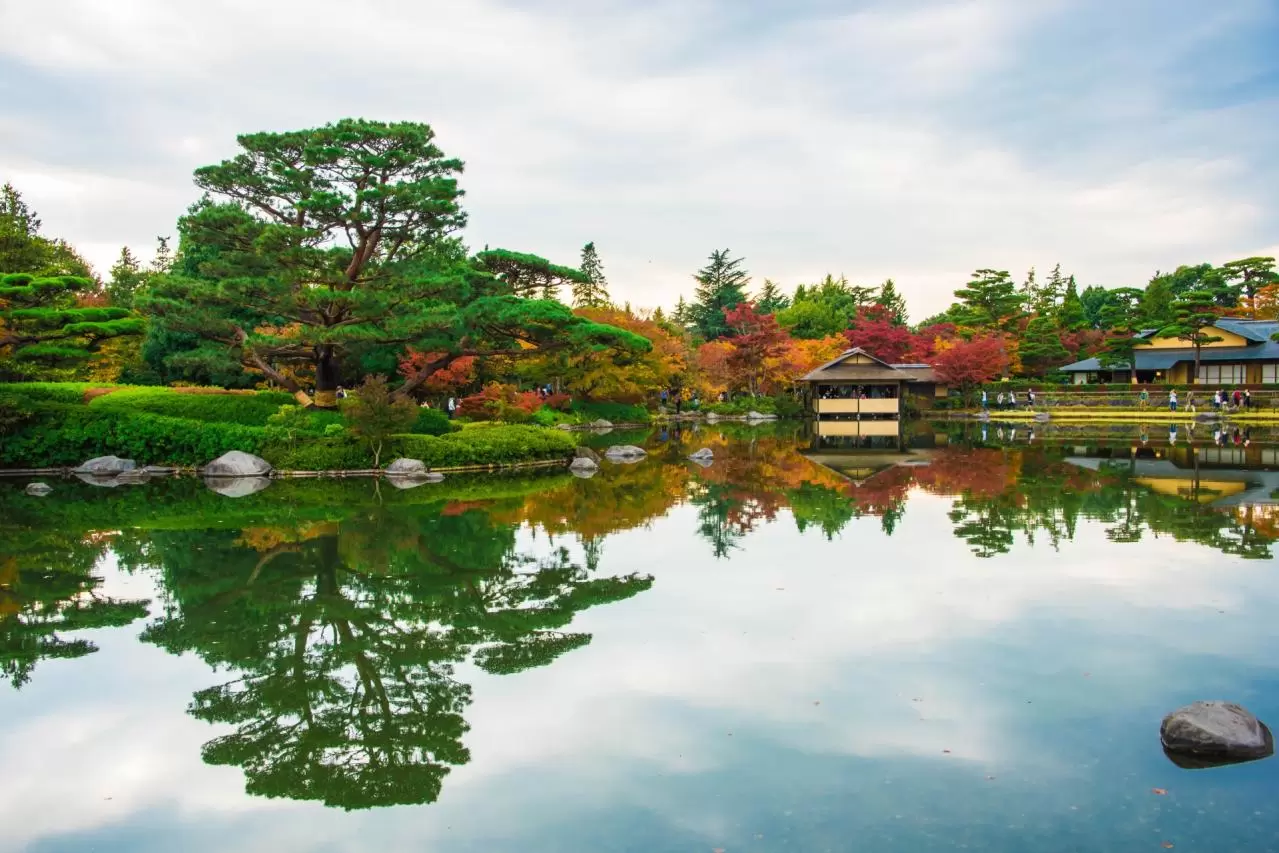
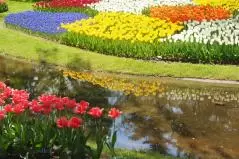
In spring, more than 1,500 cherry trees and tulips bloom; in early summer, sunflowers appear; and in autumn, 5.5 million cosmos flowers bloom, captivating visitors with seasonal flowers throughout the year. In winter, the dazzling “Winter Vista Illumination” is held, offering romantic nighttime scenery. In summer, the “Rainbow Pool,” with nine pools, is especially popular with families. The park also features the “Children’s Forest,” with a giant trampoline and hammocks; “Komorebi no Sato,” which recreates a 1950s Musashino rural landscape; and an authentic Japanese garden, providing a wide variety of experiences.
In addition, the park includes the Showa Emperor Memorial Hall, which conveys Emperor Showa’s view of nature, as well as exhibition and learning facilities serving as a base for nature experiences and environmental education. Dining options are also plentiful, with restaurants, shops, and barbecue gardens where visitors can enjoy a meal without bringing anything. For getting around this vast park, rental bicycles and the park train are convenient, making it a place where visitors can leisurely spend plenty of time exploring.
Tokyo Tourist Attractions
View List
National Museum of Nature and Science
The National Museum of Nature and Science is the oldest and largest science museum in Japan. Established in 1877, it is currently located in Ueno Park, Tokyo. The ex...

Toyosu Market
Toyosu Market, which opened in October 2018 after relocating from Tsukiji, is part of the Tokyo Central Wholesale Market and is one of the largest public markets not...

Tokyo Dome City
Tokyo Dome City is an urban complex entertainment facility located in Bunkyo-ku, Tokyo, where people of all ages can enjoy themselves throughout the day. Admission i...

Sanrio Puroland
Sanrio Puroland is an indoor theme park where you can meet popular characters, including Hello Kitty. You can enjoy your time regardless of the weather, with attract...

National Diet Building
The National Diet Building is the center of Japan's legislature, located a 3-minute walk from Tokyo Metro's Nagatacho Station. Construction began in 1920 and was com...

Meiji Shrine
Meiji Shrine is an important Shinto shrine located in Shibuya, Tokyo, dedicated to Emperor Meiji and Empress Shoken. Built in 1920, it boasts the highest number of v...

Mount Takao
Takao Mountain is a 599-meter high mountain located in Hachioji City, Tokyo. It is easily accessible by train from the city center, making it a great spot for casual...

Nedzu Museum
The Nezu Museum was established in 1941 (Showa 16) to preserve and display ancient Japanese and East Asian art collected by businessman Kaichiro Nezu (1860-1940). Th...