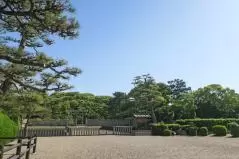
Nintoku Tennei Ryo Kofun
Nintoku Tennei Ryo Kofun Movies


Basic Information
- Spot Name
- Nintoku Tennei Ryo Kofun
- Location
- 〒 590-0035 7-1 Daisen-cho, Sakai-ku, Sakai City, Osaka Prefecture, Japan
- Access
- 10 minutes on foot from Mozu Station on the JR Hanwa Line.
- Parking
- Parking available for 105 passenger cars.
- Business Hours
- Open for visitors.
- Fees
- Free
- Contact Information
- Phone Number:072-241-0002
- Official Website
Map
Detailed Information
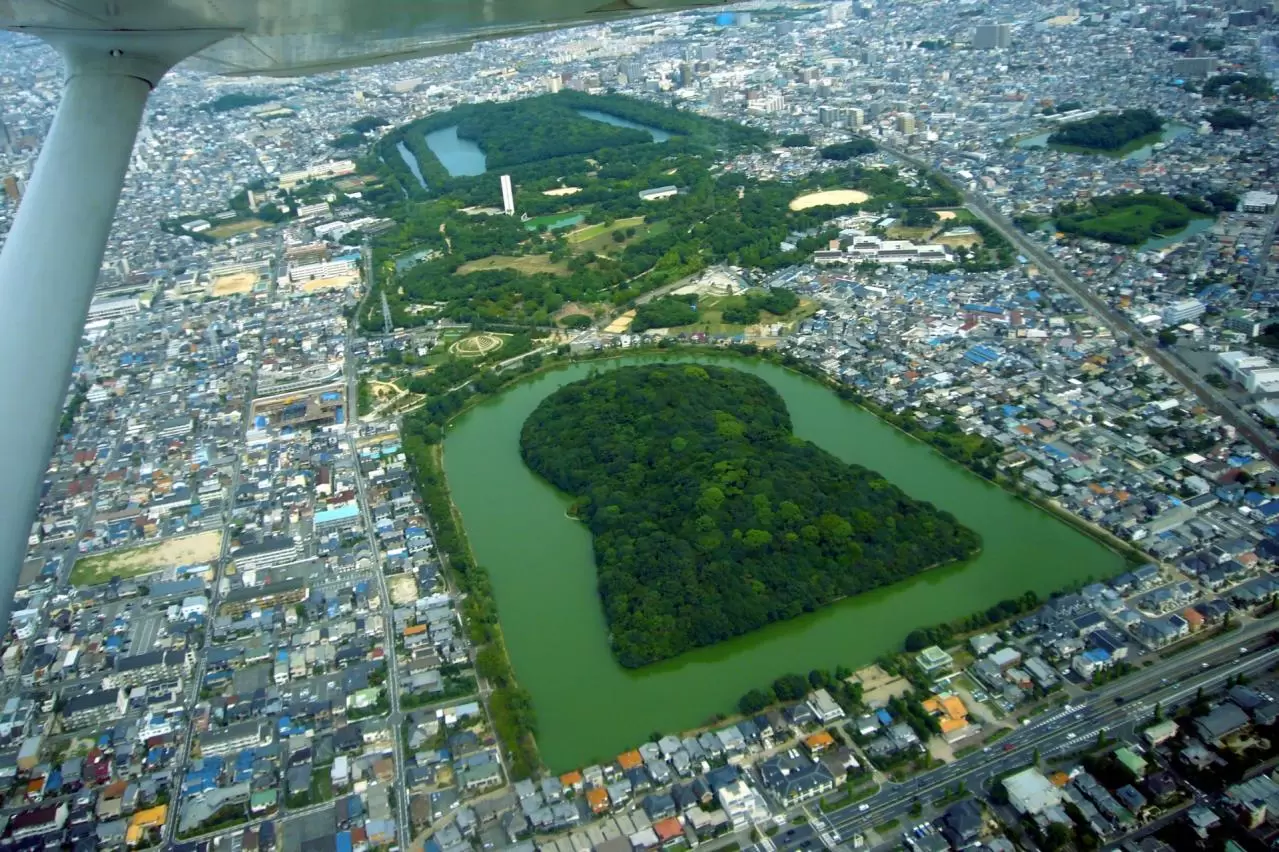
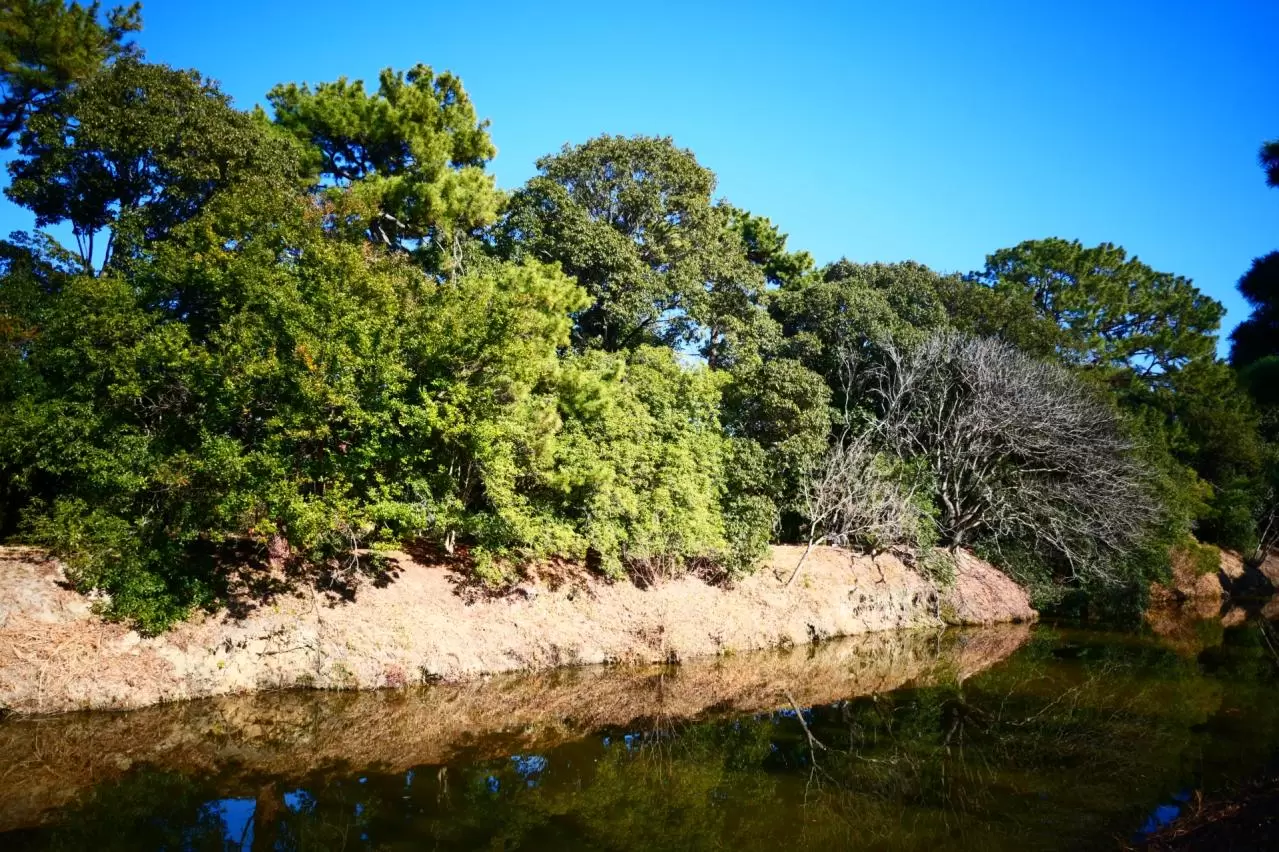
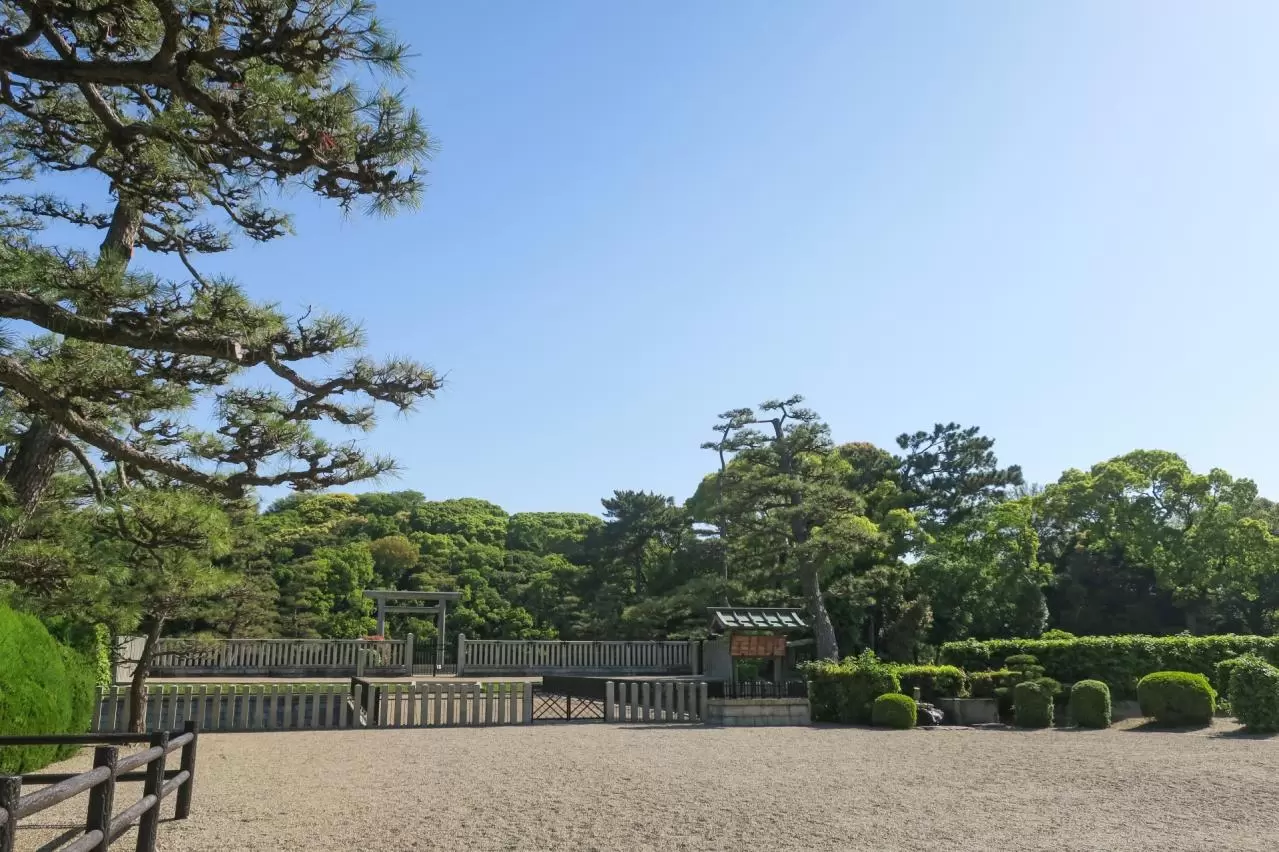
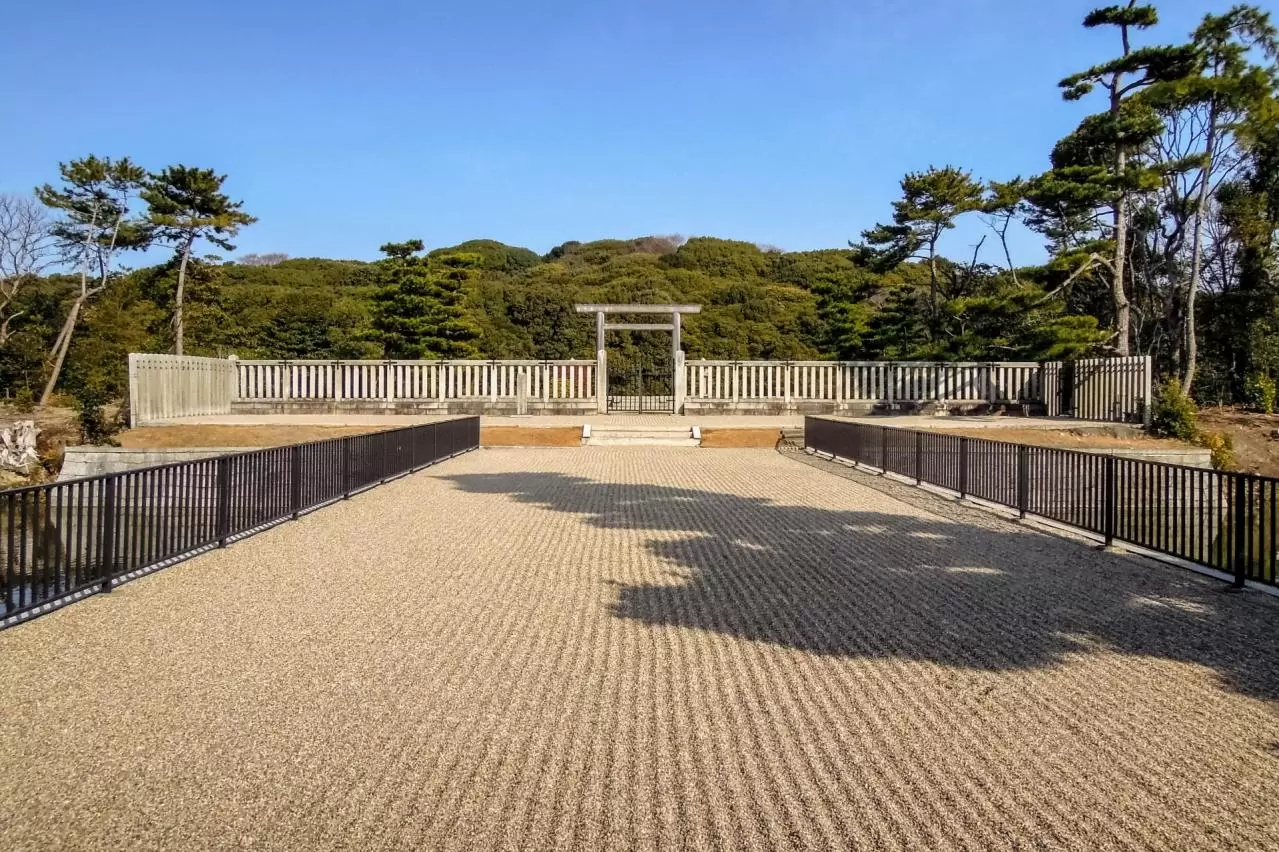
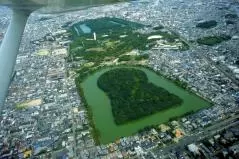
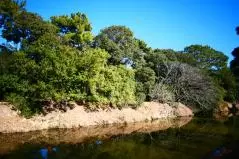
Nintoku Emperor’s Tomb Kofun is Japan’s largest zenpō-kōen-fun burial mound, located in Daisenmachi, Sakai Ward, Sakai City, Osaka Prefecture. With an immense scale of approximately 486 meters in total length, a rear circular portion about 249 meters in diameter and 35.8 meters high, and a front rectangular portion about 307 meters wide and 33.9 meters high, it is truly monumental. The mound was built in three tiers, and the constricted sections on both the left and right sides have projecting structures called “dezukuri,” with three moats surrounding the mound. The current outer moat was re-excavated in the Meiji period.
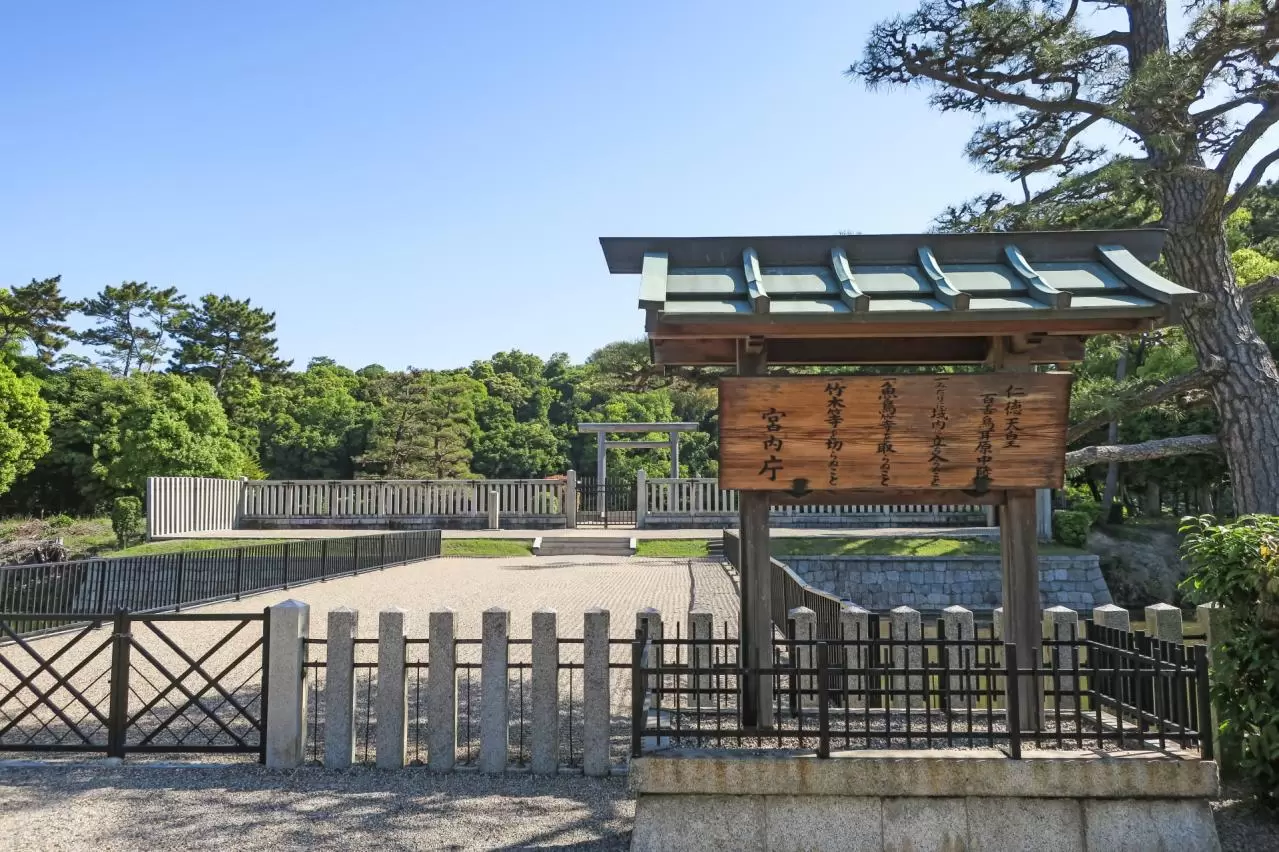
This kofun is identified in the Heian-period “Engishiki” as “Mozu no Mimihara no Naka no Misasagi,” and is currently designated and managed by the Imperial Household Agency as the mausoleum of Emperor Nintoku, the 16th emperor. Together with the Tomb of Emperor Hanzei Kofun to the north (Tadeiyama Kofun) and the Tomb of Emperor Richū Kofun to the south (Misasagi Kofun), it is also known as the “Mozu no Mimihara Three Mausolea.”
The mound was covered with fukiishi stones and many haniwa clay figures were placed on it. Among the excavated haniwa are various forms such as human figures (female heads), water birds, horses, deer, and house-shaped figures. Surveys in the 1950s and in recent years uncovered a Sue ware jar from one of the projecting structures, attracting attention as important evidence for estimating the construction date.
In 1872, a facility believed to be a pit-style stone chamber was exposed in the front portion, and from it were unearthed a long coffin-shaped stone sarcophagus, swords, armor, and glass jars and dishes. These grave goods are said to have been reburied, but detailed records from the time remain, and the armor in particular is said to have been an ornate piece made of gilt bronze. The Museum of Fine Arts, Boston in the United States also holds artifacts said to have come from this kofun, including a finely linear-patterned beast-belt mirror and a single-phoenix ring-pommel sword, though their exact provenance has not been conclusively established.
In addition, more than ten small burial mounds known as “baizuka” have been identified around the main tumulus, further enhancing the grandeur of Nintoku Emperor’s Tomb Kofun. Recent research has suggested that it may have been built later than Emperor Richū’s Tomb Kofun, revealing that the actual construction order may differ from the sequence recorded in the Nihon Shoki.
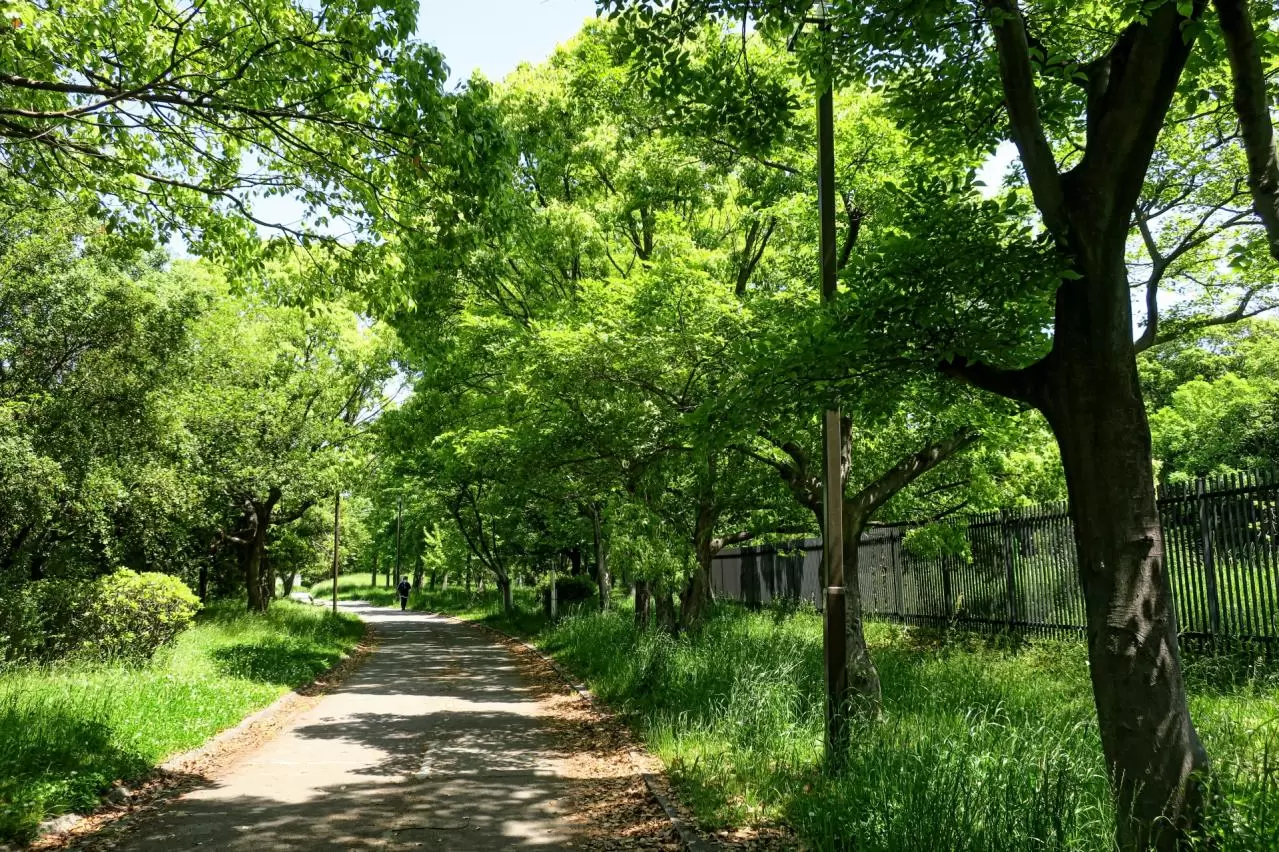
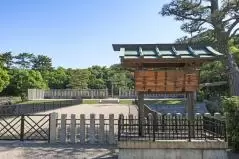
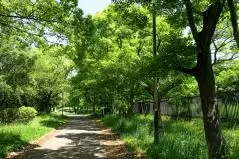
Today, a walking path approximately 2.8 kilometers in circumference has been developed, allowing visitors to make a full circuit of the magnificent mound in about an hour. Along with the Pyramid of Khufu in Egypt and the Mausoleum of the First Qin Emperor in China, Nintoku Emperor’s Tomb Kofun is said to be one of the “Three Great Tombs of the World,” and is an exceptionally important archaeological site symbolizing ancient Japanese history.
Osaka Tourist Attractions
View List
Cup Noodles Museum Osaka Ikeda
The Cup Noodles Museum Osaka Ikeda is a unique facility where you can experience the history and culture of instant ramen, the birthplace of this iconic food. In 195...

Tenpozan Ferris Wheel
The Tempozan Ferris Wheel, located about a 5-minute walk from Osakako Station and next to the Osaka Aquarium, is one of the largest Ferris wheels in the world, stand...


Osaka's America Village (Amerikamura)
America Mura, or "Amemura", located west of Shinsaibashi Station in Osaka, is renowned as a hub of youth culture in the Kansai region. Centered around Triangle Park,...

Hanahaku Memorial Park, Tsurumi Power Spot
The Flower Expo Memorial Park Tsurumi Ryokuchi is a vast urban park spanning approximately 123 hectares, located in the Tsurumi Ward of Osaka City and the city of Mo...

Sumiyoshi Taisha Shrine
Sumiyoshi Taisha, affectionately known as "Sumiyossan," is the head shrine of over 2,300 Sumiyoshi shrines across the country, located in Osaka City, Osaka Prefectur...

Osaka Castle Park
Osaka Castle Park is a vast urban park with an area of approximately 105.6 hectares, located in the center of Osaka City. Within the park, you can find the main towe...

Expo '70 Commemorative Park
Expo '70 Commemorative Park is a vast 260-hectare park located on the site of the Japan World Expo held in Osaka in 1970. At the center of this expansive area is the...