Senjōji Kōdō
Senjōji Kōdō Movies


Basic Information
- Spot Name
- Senjōji Kōdō
- Location
- 1 A-co, Komagane City, Nagano Prefecture
- Access
- Take the JR Iida Line and get off at Komagane Station. It takes about 45 minutes by route bus to Shirabidaira Station, followed by a 7-minute ropeway ride.
From the Chuo Expressway, take the Komagane IC and drive 2 kilometers for about 3 minutes to the Suganodai Bus Center for parking. It takes approximately 30 minutes by route bus to Shirabidaira Station, followed by a 7-minute ropeway ride. - Parking
- 900 standard-sized cars
- Business Hours
- Free to stroll, cable car hours: 8 AM to 5 PM (may vary by season)
- Regular Holiday
- Irregular holidays
- Fees
- Free to stroll, bus round trip from Suga-no-dai to Shirabi-daira: adult 1,660 yen, child 840 yen; round trip for the ropeway: adult 2,030 to 3,050 yen, child 1,010 to 1,510 yen.
- Contact Information
- Phone Number:0265-81-7700
- Official Website
Map
Detailed Information
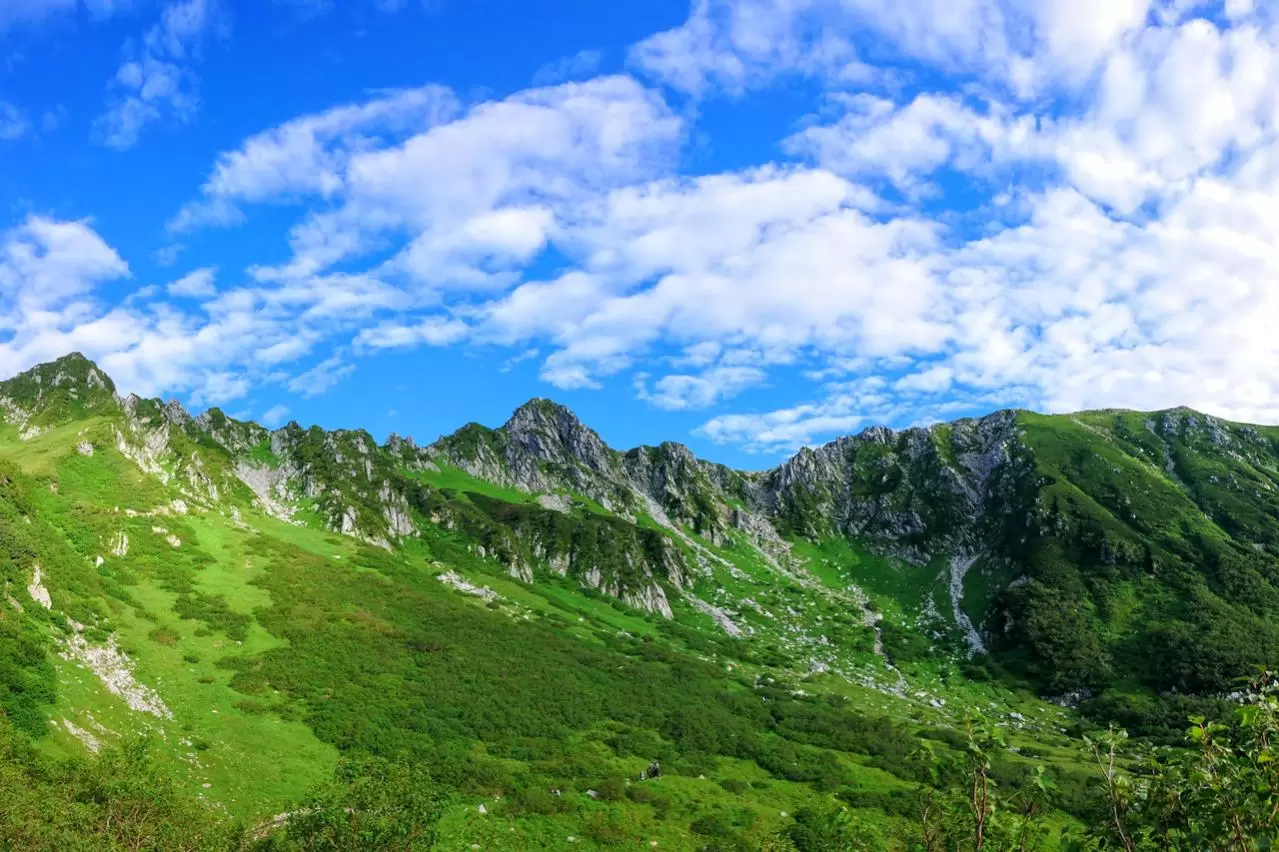
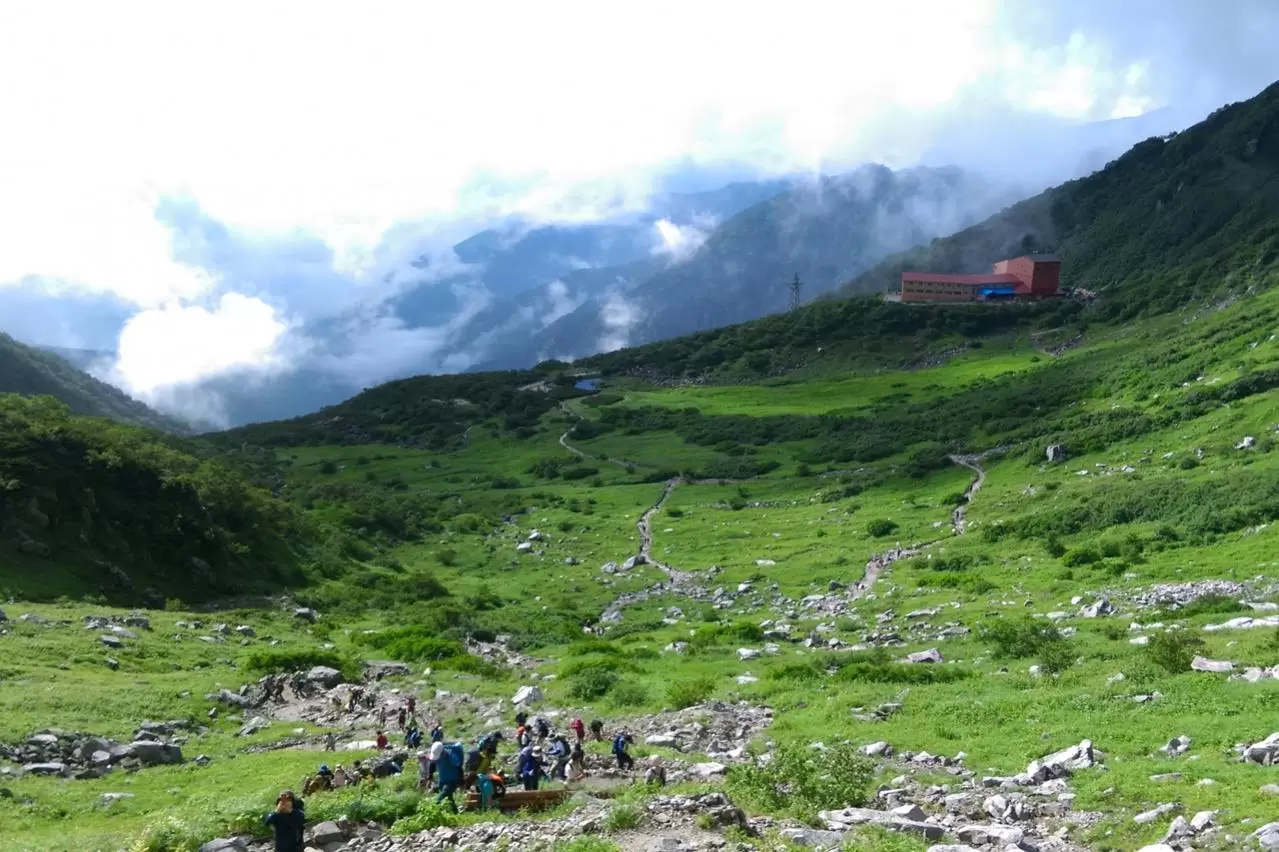
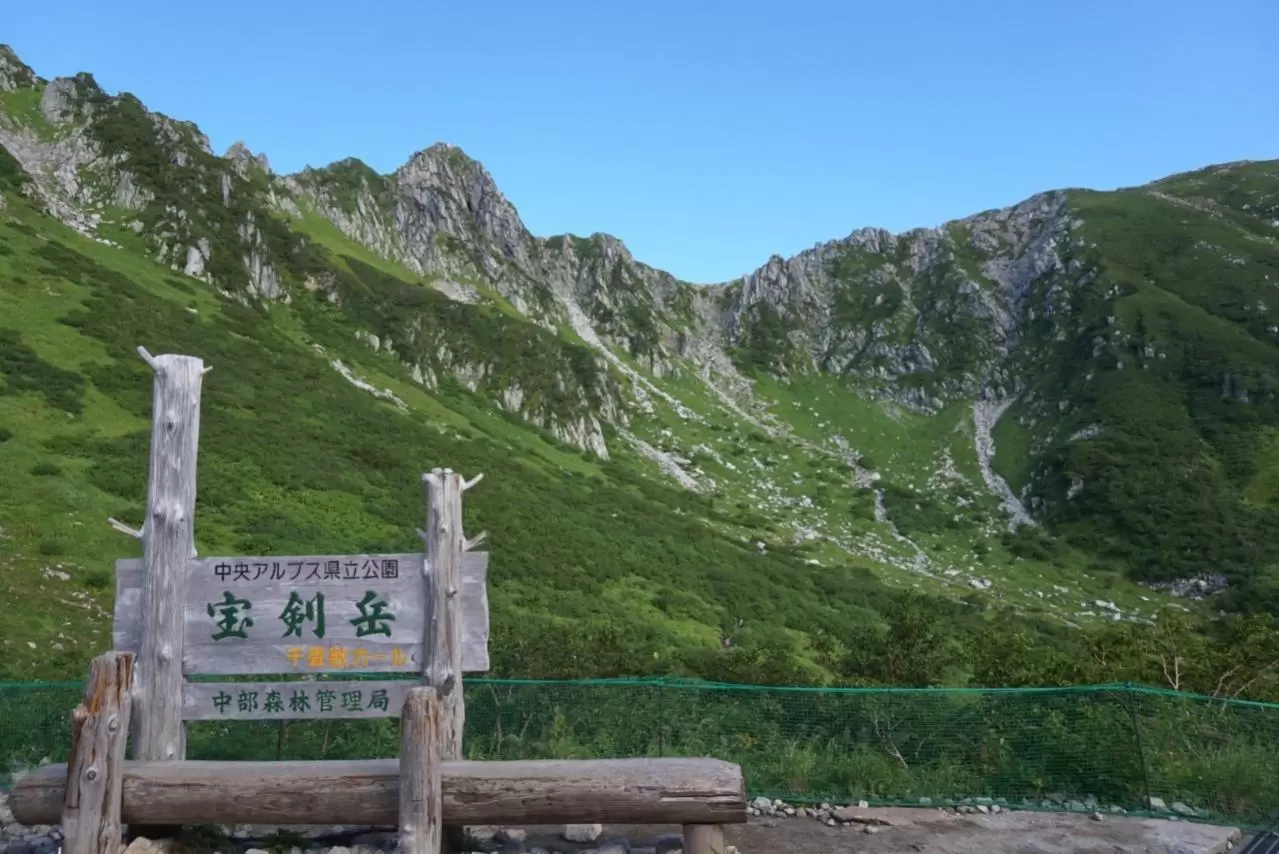
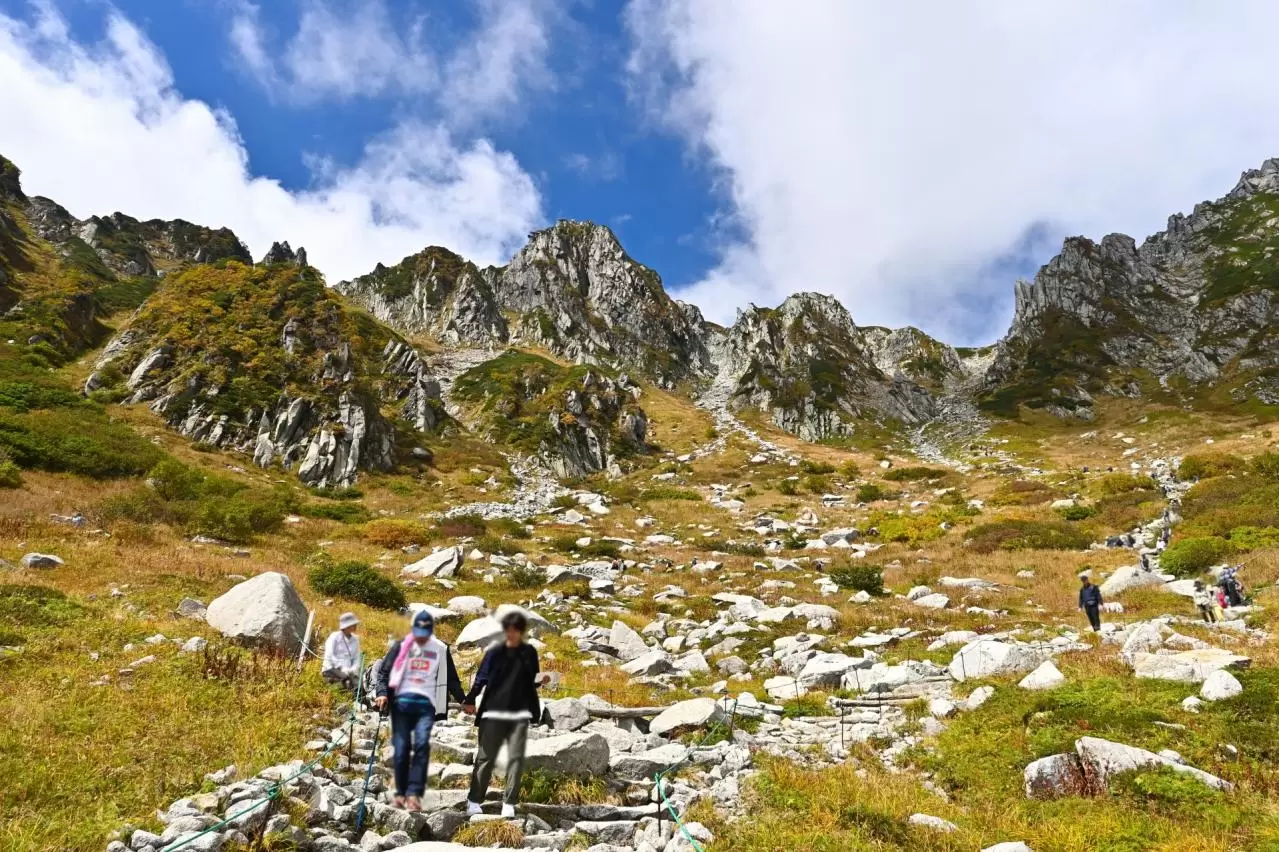
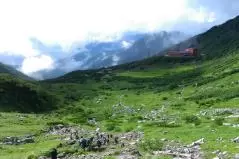
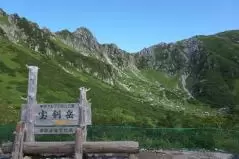
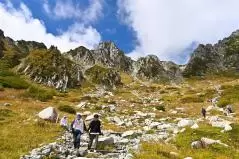
Senjojiki Cirque is a bowl-shaped landform (cirque) located on the eastern side of Hoken-dake, within the Kiso Komagatake mountain area, the main peak region of the Central Alps in southwestern Nagano Prefecture. It is said to have been formed by glacial erosion that developed during the Ice Age about 20,000 years ago, and is known as one of the Central Alps’ most scenic spots. The area around Senjojiki Cirque is part of Central Alps Quasi-National Park, and some sections are designated as Special Protection Zones, making it a precious natural environment.
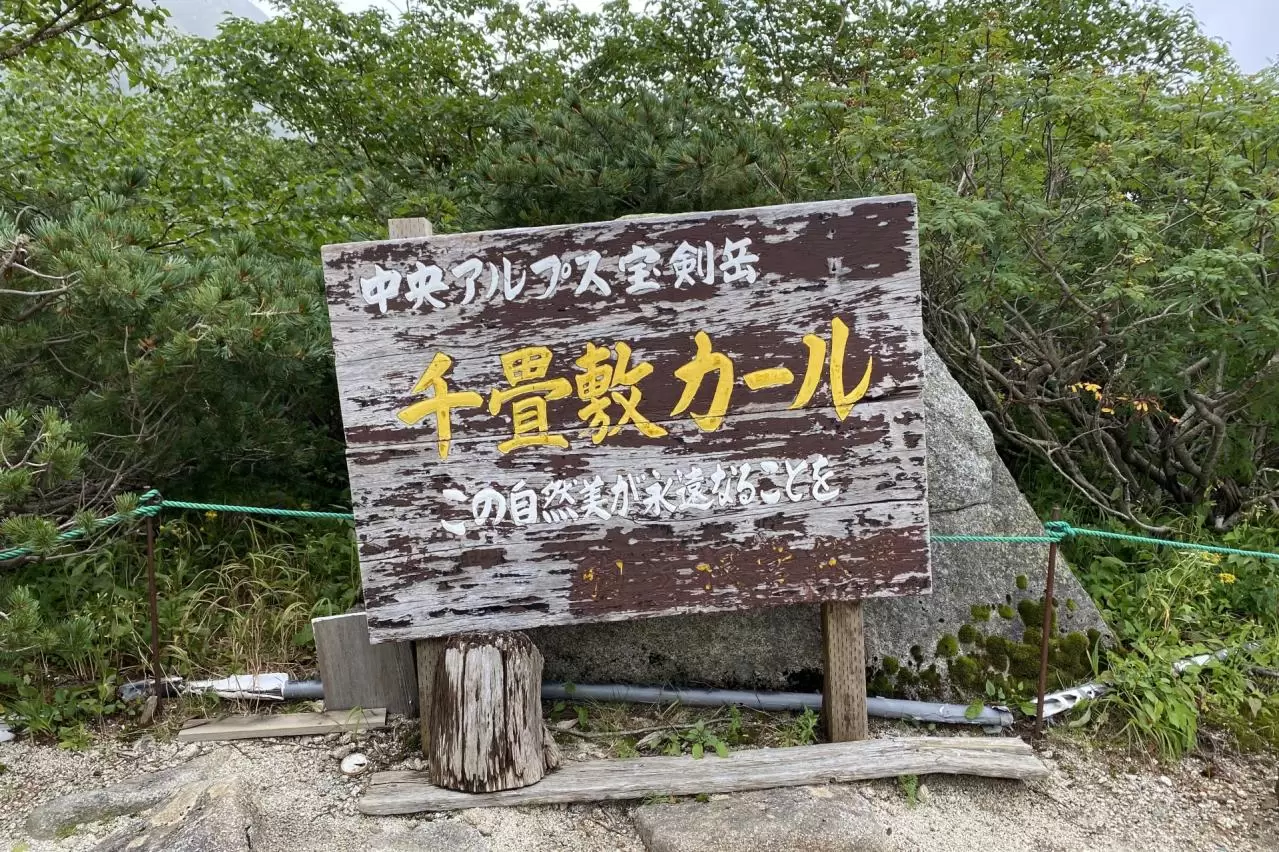
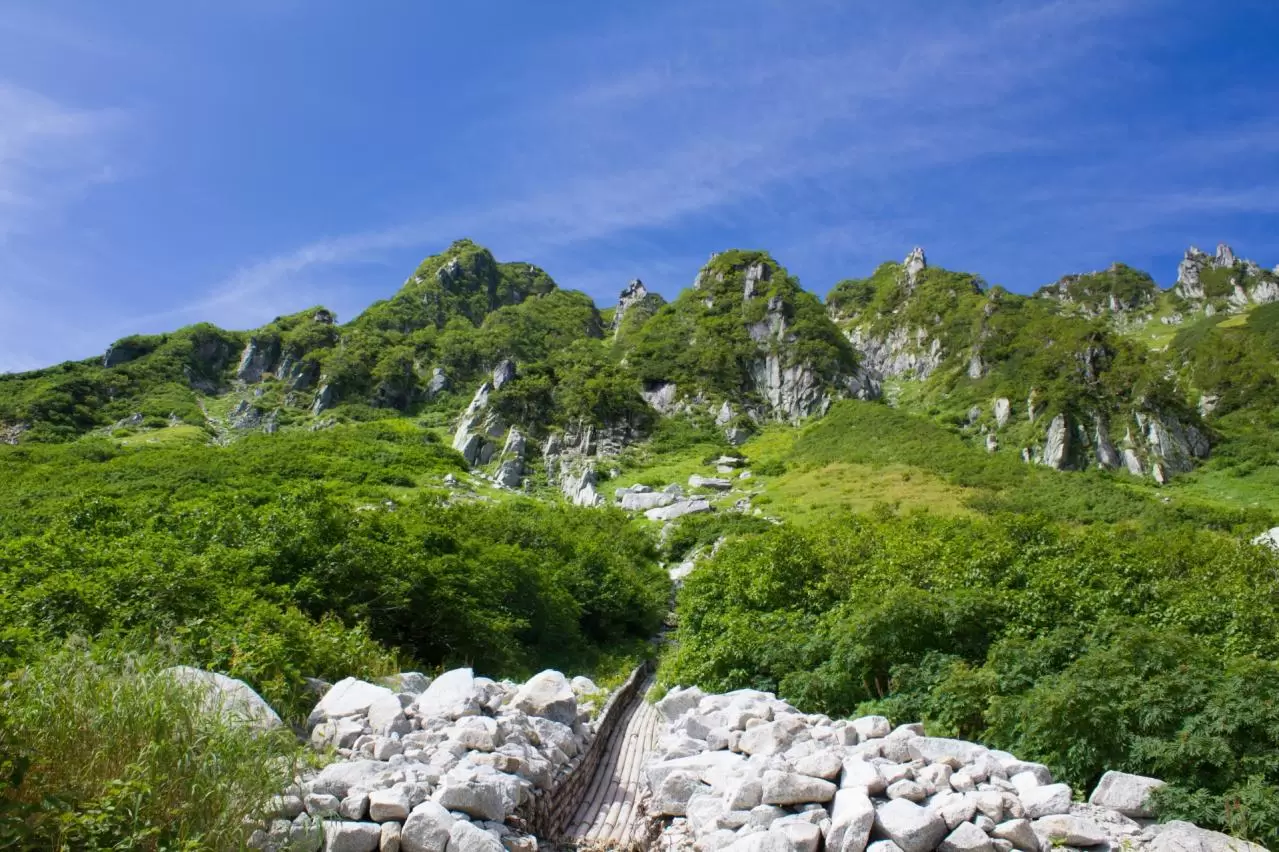
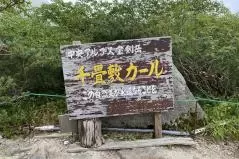
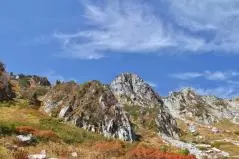
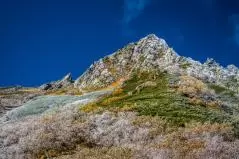
The name “Senjojiki,” meaning “an area large enough to lay down a thousand tatami mats,” reflects its vast scale. The entire area is composed of granite formed by magma that cooled and solidified deep underground, and the contrast between its rugged rock faces and the delicate beauty of alpine flora creates a breathtaking landscape found only here.
The Senjojiki Station, located at an elevation of 2,612 meters, can be reached in about eight minutes by the Central Alps Komagatake Ropeway from Shirabidaira Station, which sits at 1,662 meters. With a vertical difference of 950 meters between the starting and ending points, it is known as the mountain ropeway with the greatest elevation change in Japan. Senjojiki Station is also famous for being the highest station in Japan. It takes about an hour from the Komagane IC on the Chuo Expressway by bus and ropeway, so even beginners and children can easily enjoy the spectacular high-altitude scenery without full-scale mountaineering equipment.
When you get off at Senjojiki Station, the magnificent view of Senjojiki Cirque opens up right before your eyes. There is a well-maintained walking trail inside the cirque, and it takes about 45 to 50 minutes to complete the loop (walking is not permitted during the snowy season). Visitors are asked to be considerate of one another on the trail, such as moving to the edge when stopping to take photos.
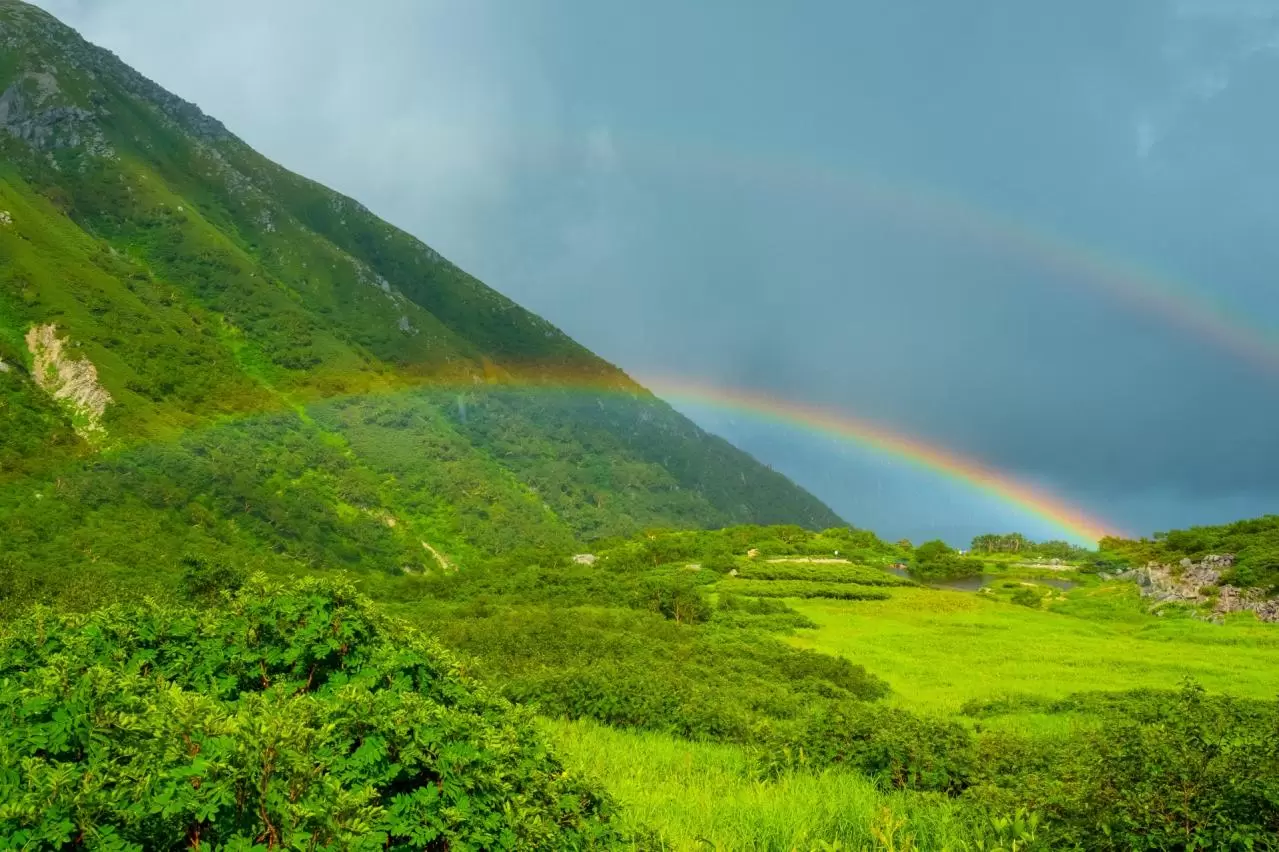
The greatest appeal of Senjojiki Cirque is its dynamic natural beauty, which changes with the seasons.
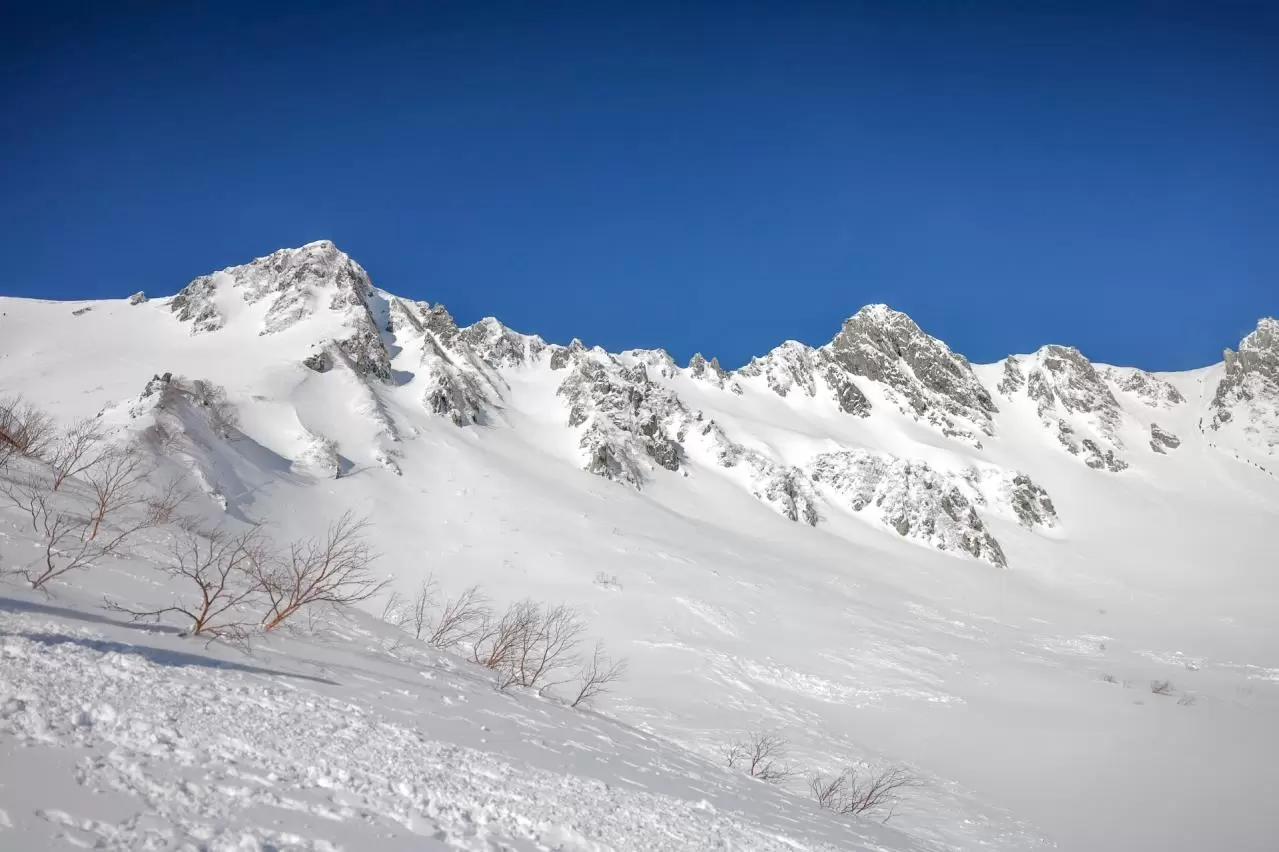
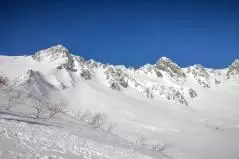
In spring (April to June), a world of lingering snow spreads out, offering a serene landscape of blue skies and snow-covered peaks. People can also be seen enjoying backcountry skiing on the snowfields and snowshoeing in the surrounding area, making it a season that heralds the arrival of spring.
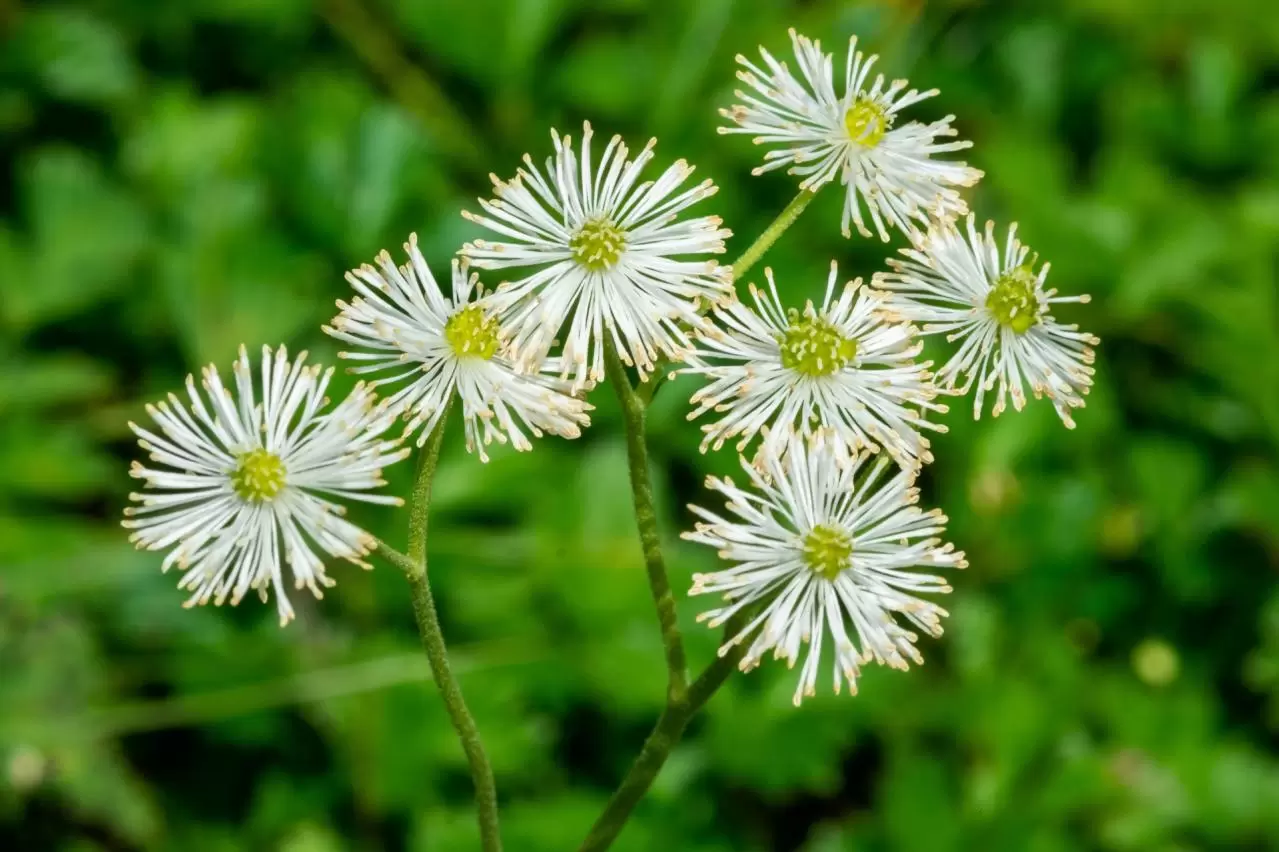
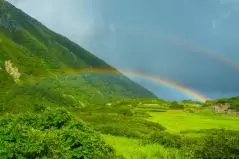
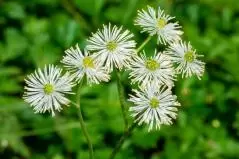
In summer (July to August), it reaches its peak, with around 150 kinds of alpine plants in full bloom. Especially from mid-July to mid-August, flowers such as kuroyuri, kobaikeiso, shinano kinbai, and chinguruma bloom delicately, turning the entire cirque into a field of flowers. The blossoms sway at your feet, creating a scene as if a jewel box had been overturned. As you walk along the trail, you may find yourself so captivated by its beauty that you lose track of time. Summer is also the mountaineering season, attracting many mountain enthusiasts, from day hikers to long-distance trekkers.
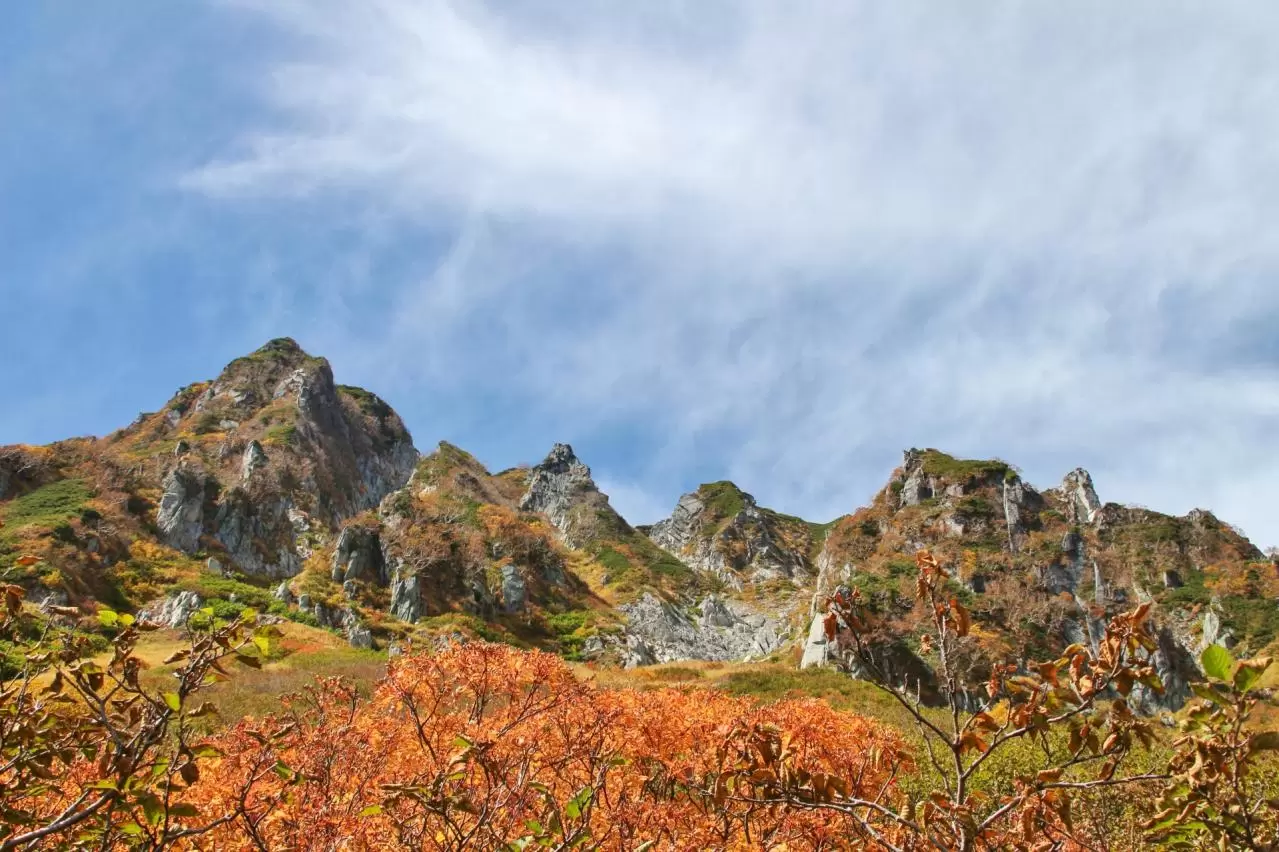
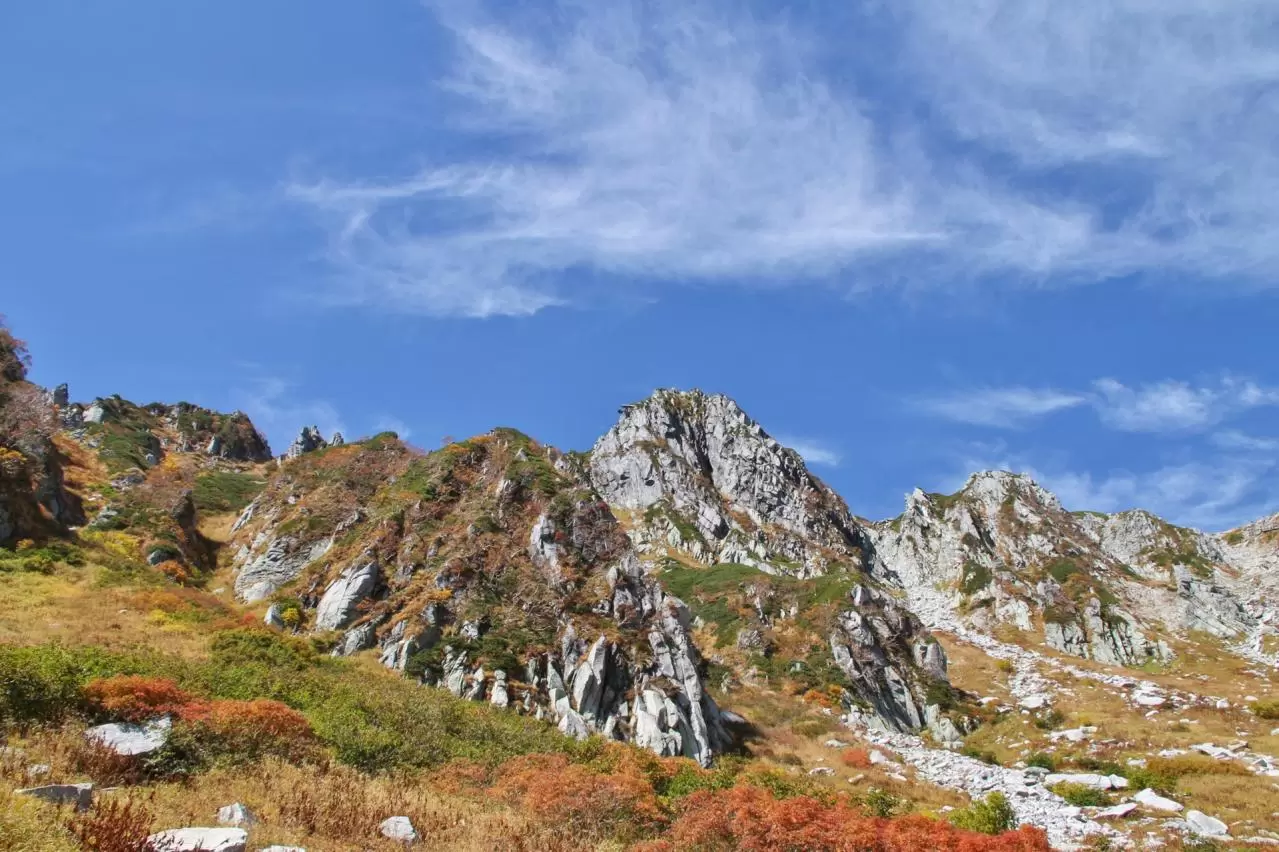
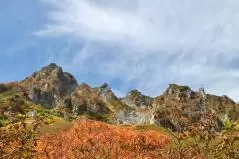
Autumn (September to October) is also famous as a prime season for fall foliage. The best colors usually arrive from late September to early October, when the red of rowan trees, the yellow of Miyama-hannoki and dakekanba birch, and the green of dwarf pine create a vivid contrast against the white rock faces. In mid-October, the first snowfall may overlap with the foliage, sometimes producing the “three-stage autumn leaves” of snow, colorful foliage, and the green at the mountain foot. Because the autumn colors begin at Senjojiki and gradually descend to the foothills over about a month, visitors can enjoy them for a long period. The autumn scenery viewed from the Komagatake Ropeway is especially beautiful, and it was once ranked No. 1 nationwide in a Nikkei newspaper ranking of ropeways for enjoying fall foliage.
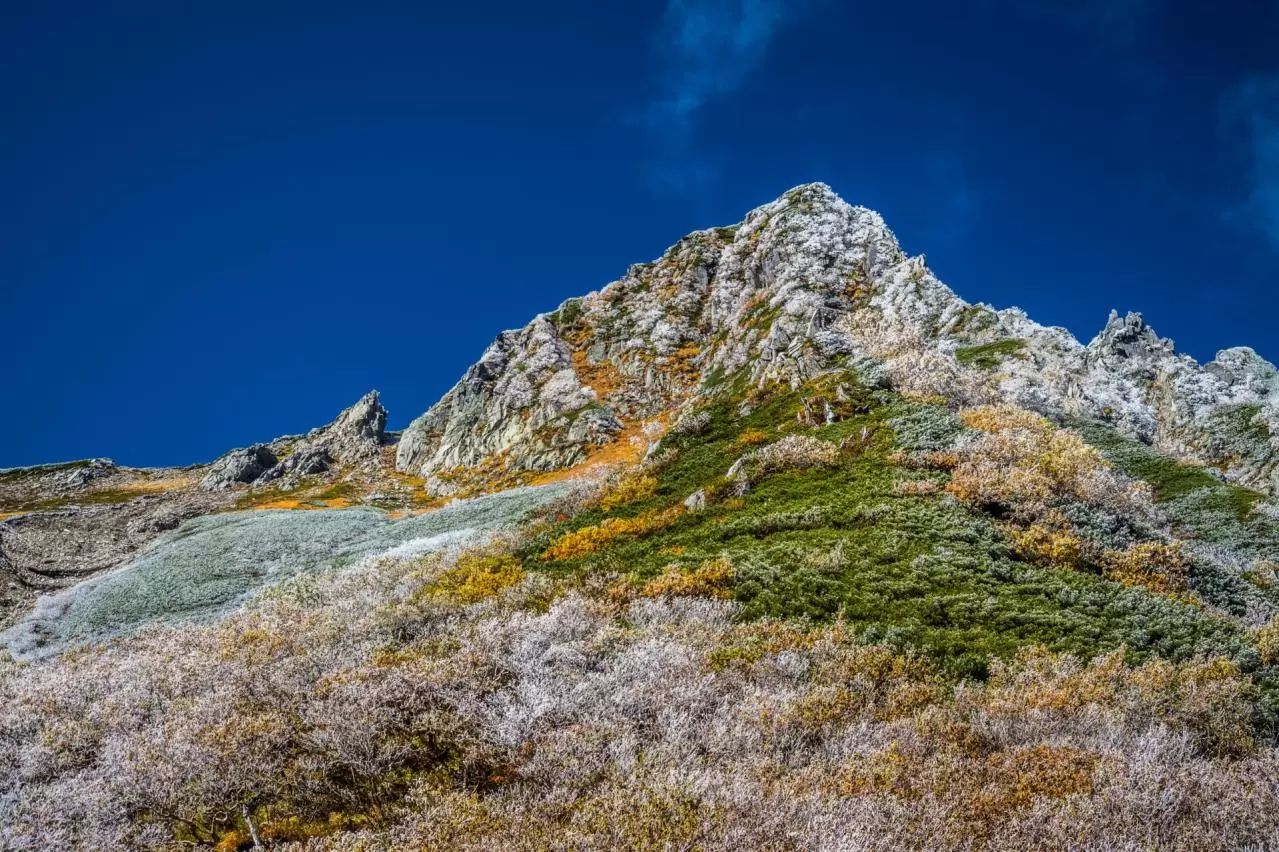
In winter (November to March), the area is covered in deep snow, and temperatures can drop to minus 20 degrees Celsius. In the vast silver world, you may see phenomena that appear only in severe cold, such as rime ice, diamond dust, and schubra (snow ripples) created by the wind. The contrast between the deep blue sky and the pure white snowy landscape is truly spectacular, offering a magical winter charm.
If the weather is favorable, you may also be able to take in views of Mount Fuji, Kitadake, and Ainodake—the top three highest peaks in Japan—from Senjojiki Cirque. The beautiful mountain ranges of the Southern Alps floating above a sea of clouds are truly magnificent. Mount Kiso Komagatake has been selected as one of Japan’s 100 Famous Mountains and one of the 100 Famous Flower Mountains, and the Central Alps still preserve many rare, untouched natural environments.
In this way, Senjojiki Cirque is a special place where a majestic landform carved by glaciers about 20,000 years ago merges with rich nature that changes with the seasons. It offers unforgettable scenery that cannot be experienced down in the lowlands, and the experience is sure to leave a deep impression on all who visit. This is why so many hikers and tourists from all over Japan come here.
Nagano Tourist Attractions
View List
Jigokudani Yaenkoen
Jigokudani Monkey Park is located in the northern part of Nagano Prefecture within the Joshinetsu Kogen National Park, at an elevation of 850 meters in a harsh envir...

Utsukushigahara
Utsukushigahara Plateau is an expansive highland that stretches approximately 2,000 meters above sea level and is located in Matsumoto City, Nagano Prefecture. Durin...

Ueda Castle
Ueda Castle, located in Ueda City, Nagano Prefecture, is a historic castle built by Sanada Masayuki. It gained fame for repelling the Tokugawa forces during the Firs...

Matsumoto Castle
Matsumoto Castle is one of Japan's five great castles and is designated as a national treasure, a gem of historical architecture. Alongside Himeji Castle, Hikone Cas...


Tsumagoshuku
Tsumago-juku is a post town located in Nagano Prefecture along the Nakasendo, and it is the 42nd of the 69 stations connecting Edo and Kyoto. With Ise Mountain to th...


Togakushi Shrine
The highly popular power spot "Togakushi Shrine" consists of five historic shrines: Okusha, Nakasha, Hobokusha, Kuzuryu Shrine, and Hi no Mikokami Shrine. Togakushi ...