Tsumagoshuku
Tsumagoshuku Movies





Basic Information
- Spot Name
- Tsumagoshuku
- Location
- 2196-1 Azuma, Minakiso Town, Kiso District, Nagano Prefecture
- Access
- Get off at Minakiso Station on the JR Chuo Main Line and take a bus for 8 minutes.
23 km from Nakatsugawa IC, approximately 30 minutes.
84 km from Shiojiri IC, approximately 105 minutes. - Parking
- Available
- Business Hours
- Free to explore.
- Contact Information
- Phone Number:0264-57-2727
- Official Website
Map
Detailed Information
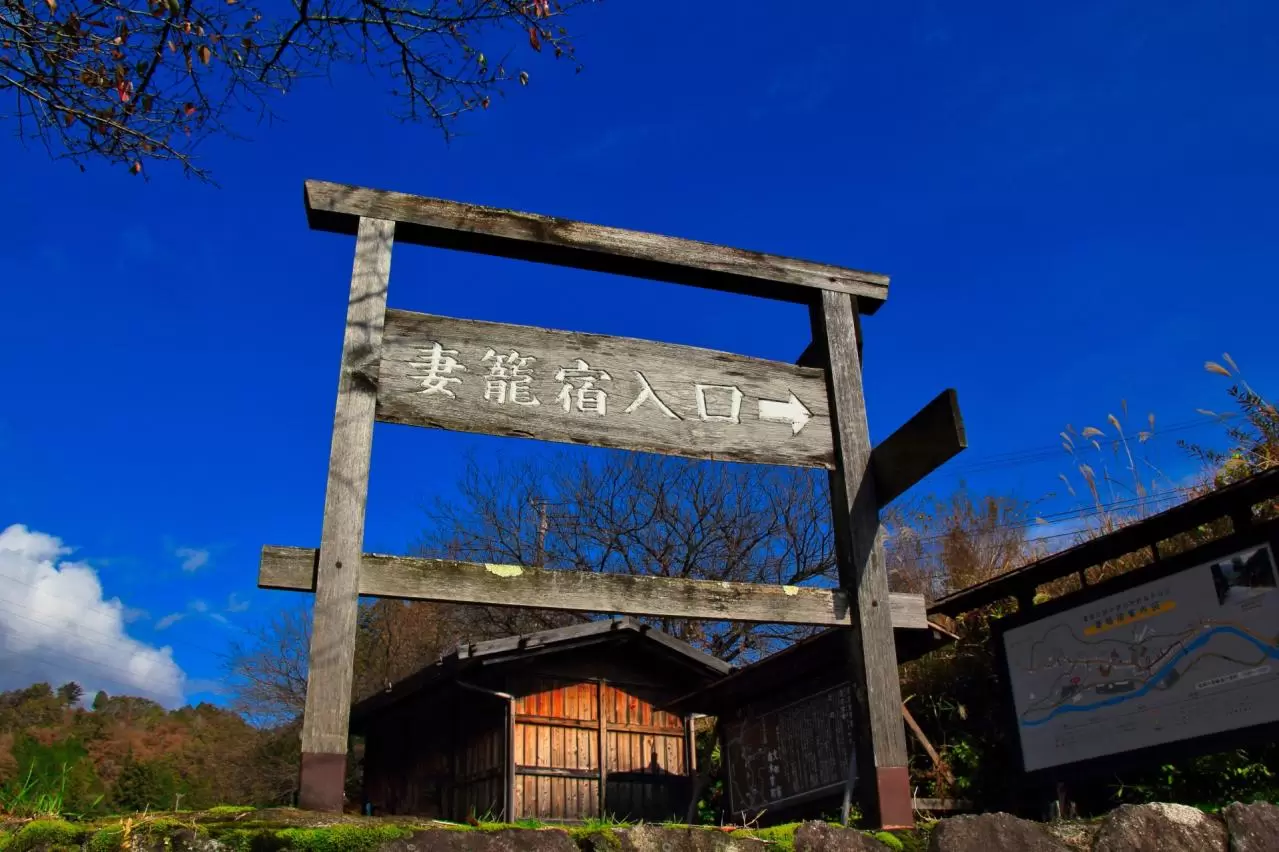
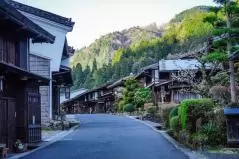
Tsumago-juku is a post town located in Nagiso Town, Kiso District, Nagano Prefecture, and was the 42nd post town from Edo among the 69 stations of the Nakasendo. It flourished greatly during the Edo period as a key transportation hub where the Nakasendo, an important route connecting Edo and Kyoto, crossed the Ina Kaido leading to the Ina region.
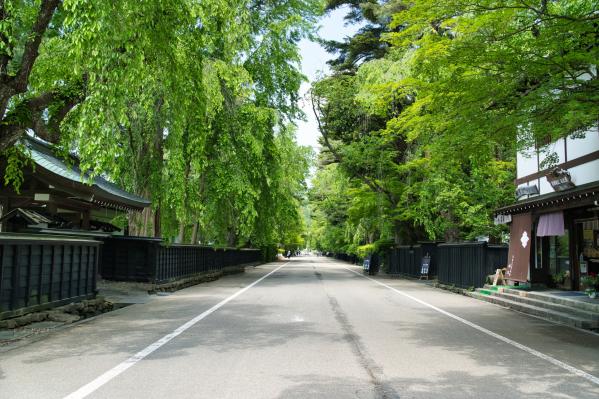
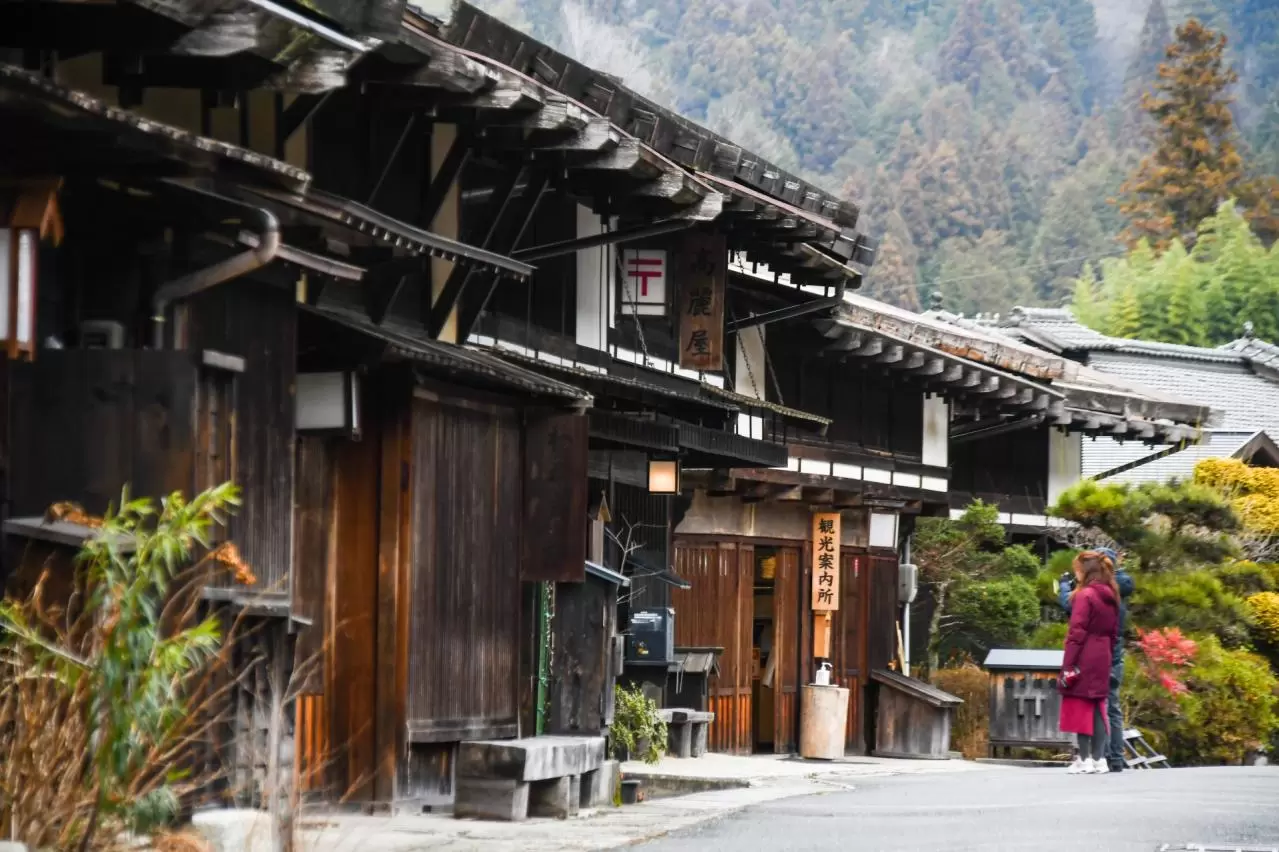
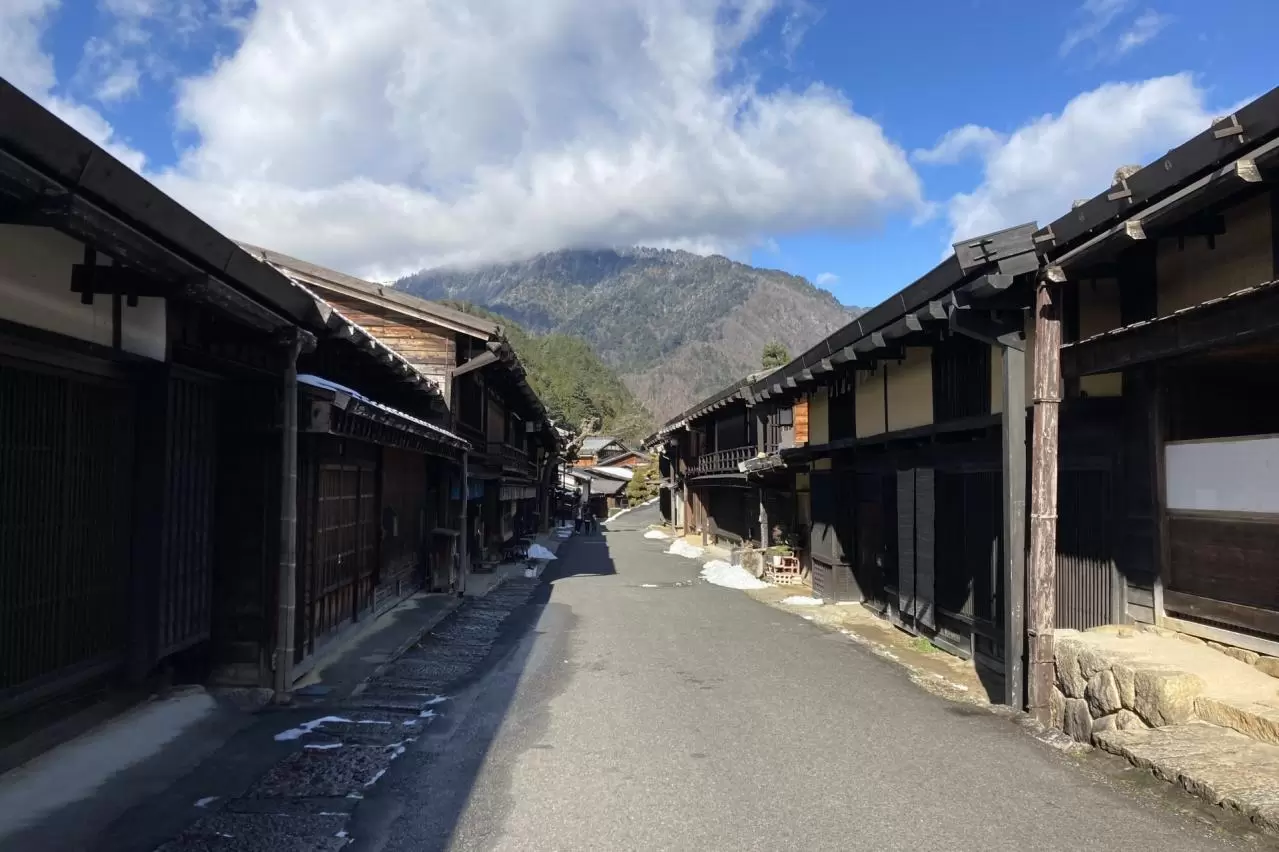
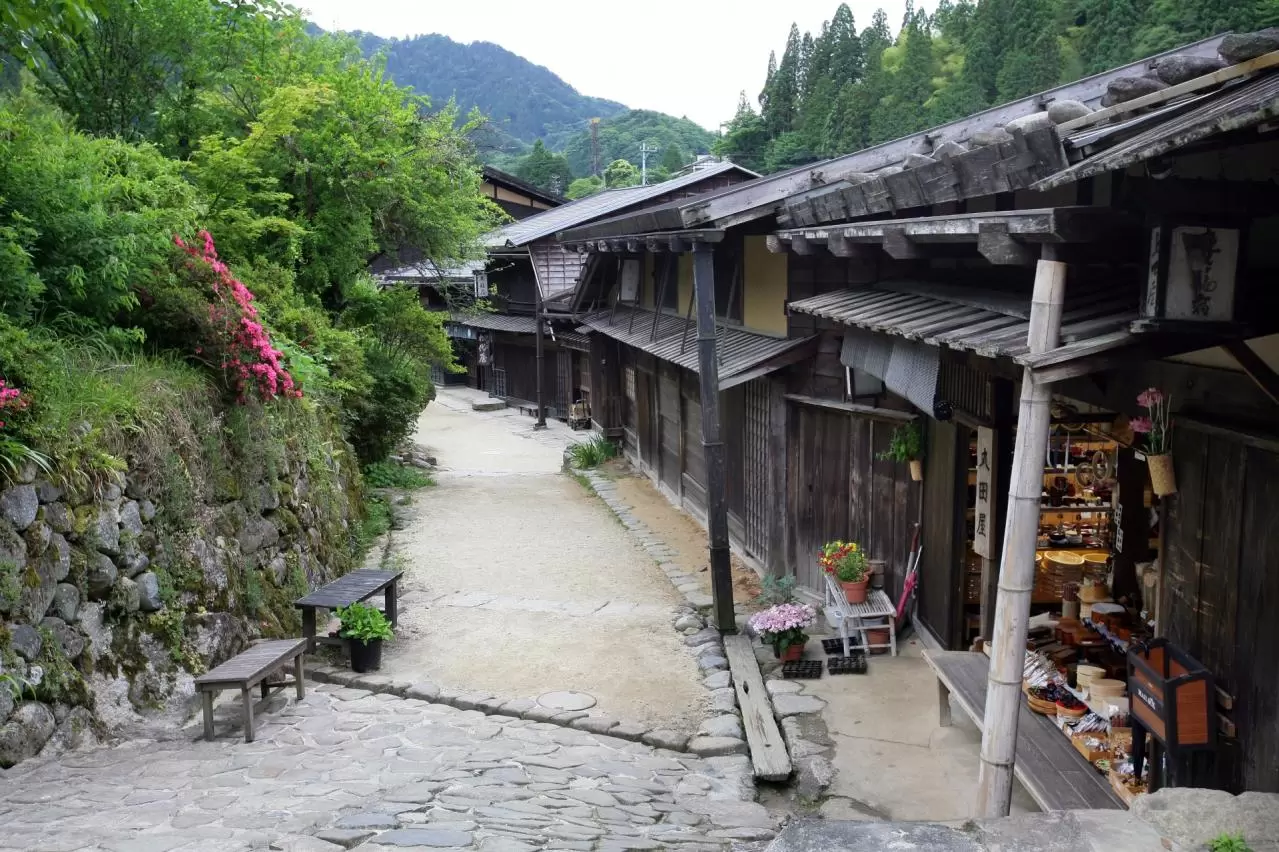
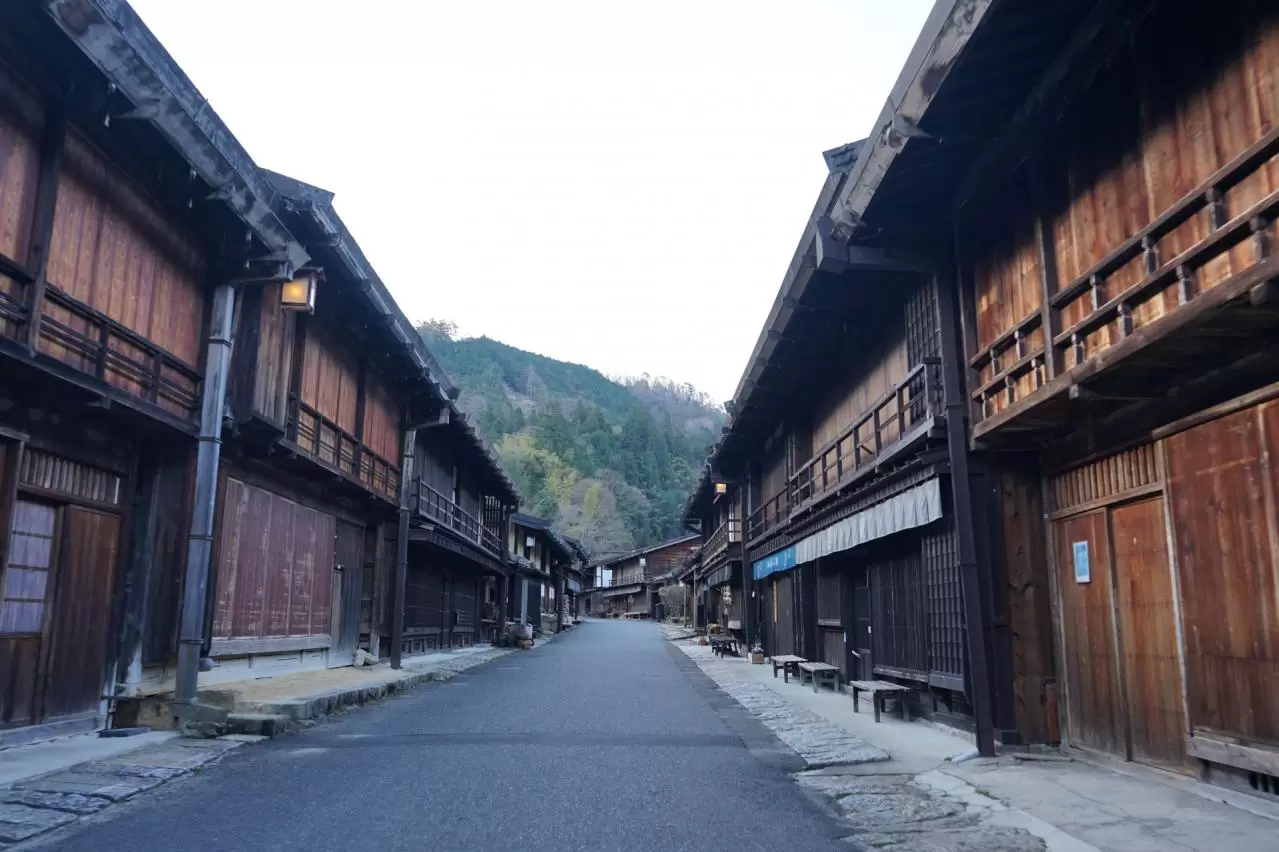
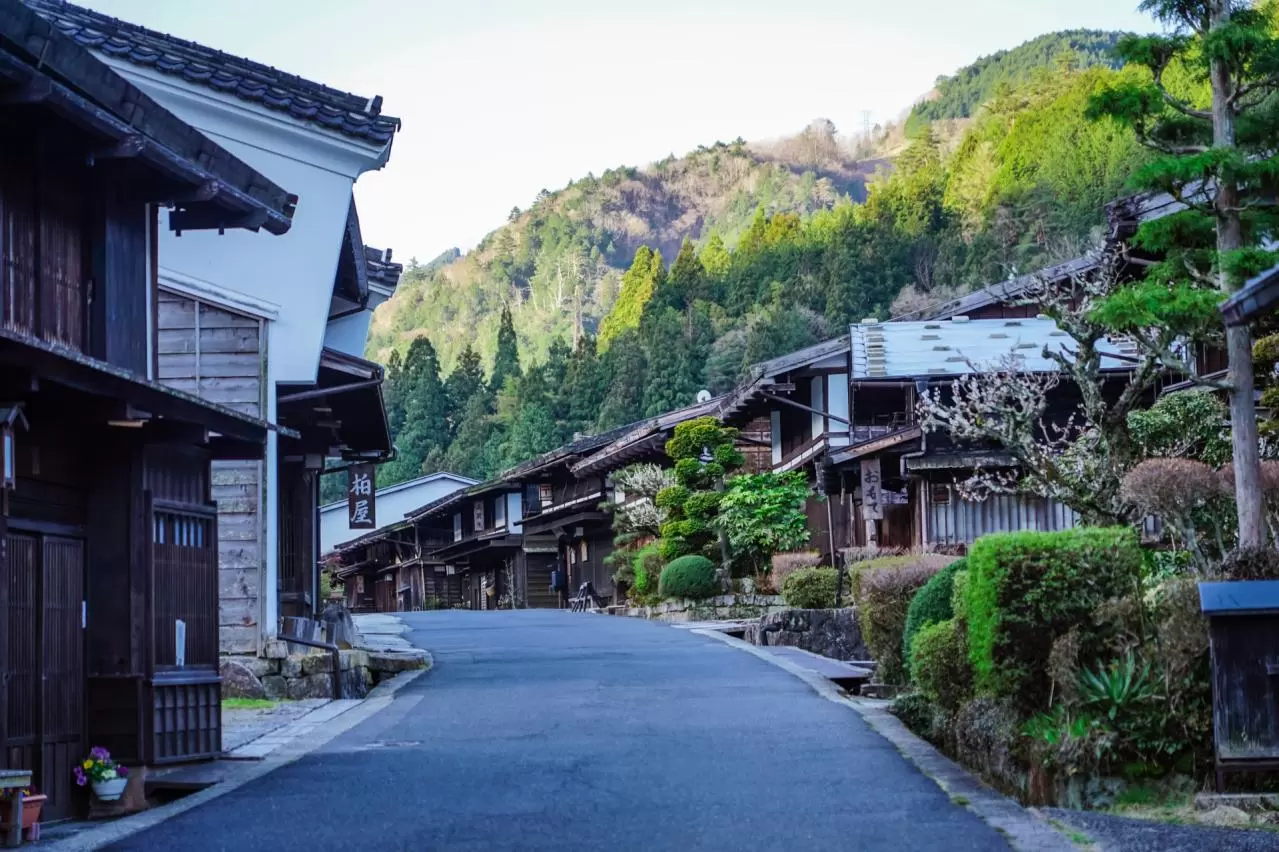
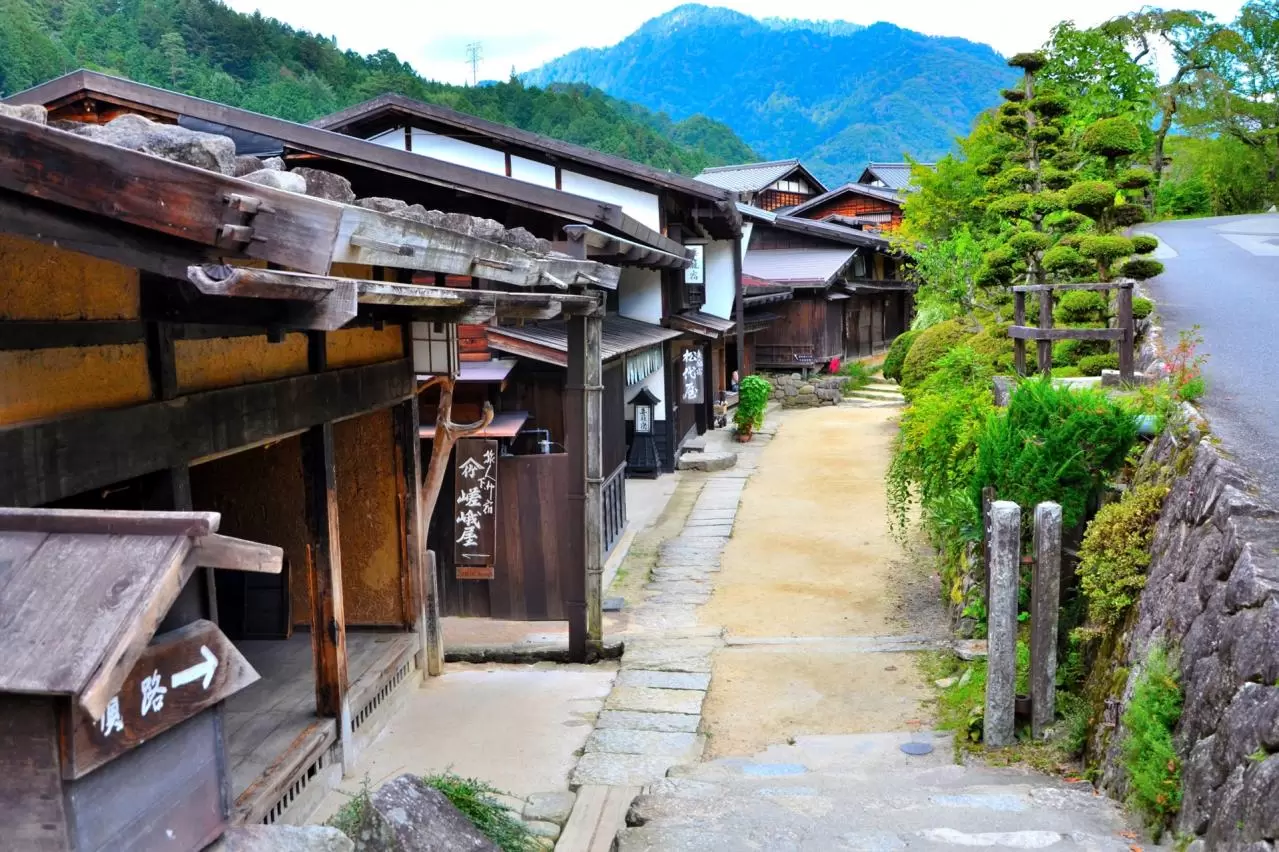
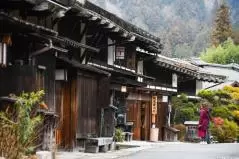
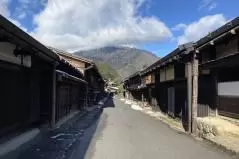
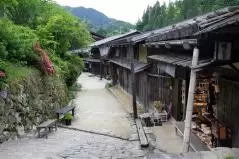
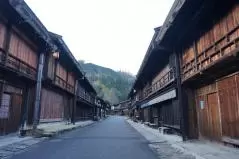
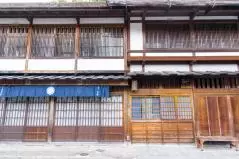
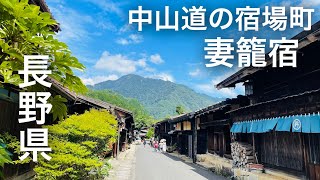
Surrounded by mountains and set in a rich natural environment with Mount Minami-Kiso to the east, the former highway stretches for about 1 km from north to south, and along it lies a streetscape that strongly preserves the appearance of the late Edo period. At the time, the town had one honjin, one waki-honjin, as well as numerous hatago inns and teahouses; at its peak, it is said there were more than 30 hatago inns (31 in total), and the town was bustling with many travelers. Even today, wooden townhouses and inns line the streets, and through efforts to minimize power lines and signage, the atmosphere of the old post town has been carefully preserved.
Tsumago-juku is also known as the place where Japan’s first full-scale historic townscape preservation movement took place. Local residents adopted the three principles of “not selling, not renting, and not destroying,” and the community as a whole has worked to preserve the historic landscape. In recognition of these efforts, it was designated in 1976 as Japan’s first Important Preservation District for Groups of Traditional Buildings. Even now, it continues to function as a living town while passing on the charm of the Edo period to future generations.
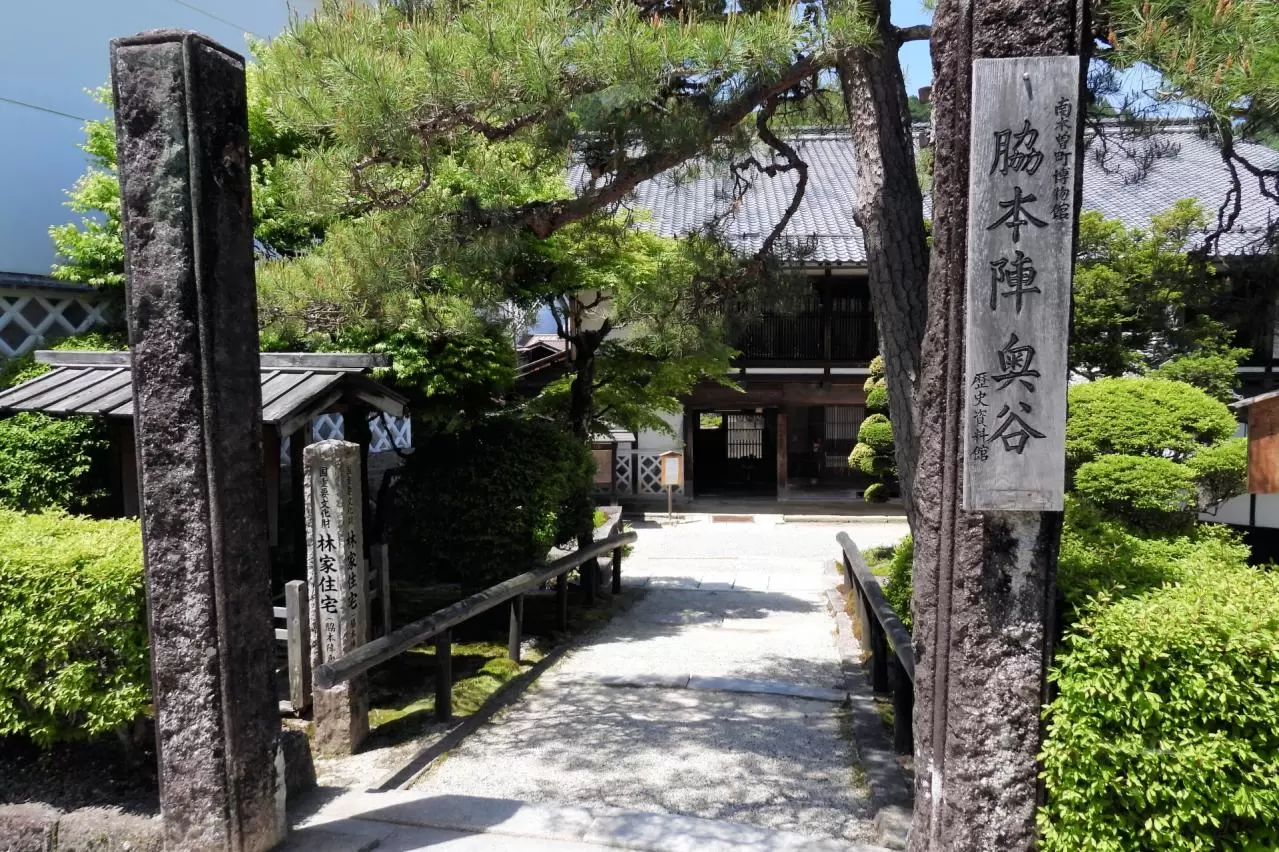
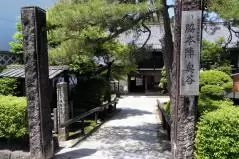
At the center of the post town are three facilities: Tsumago-juku Honjin, Waki-Honjin Okuya, and the History Museum, which are open to the public as the Nagiso Town Museum. Tsumago-juku Honjin was restored based on an illustrated map from the late Edo period, and visitors can tour the interior. A honjin was an inn used by daimyo and other high-ranking people during the Edo period, and this building is also known as the birthplace of the mother of the literary giant Shimazaki Toson.
Waki-Honjin Okuya is a residence where the Haya family served for generations as waki-honjin and ton’ya. Rebuilt in 1877 using abundant cypress wood, which was restricted for use at the time, it is a stately building. In 2001, it was designated an Important Cultural Property of Japan. It is also famous for its winter “shako” scenery, in which smoke from the irori hearth and light streaming through the lattice doors create a magical atmosphere.
The adjacent History Museum presents an easy-to-understand display of the history of the Kiso region from prehistoric times to the modern era, as well as materials related to the preservation movement for Tsumago-juku’s townscape.
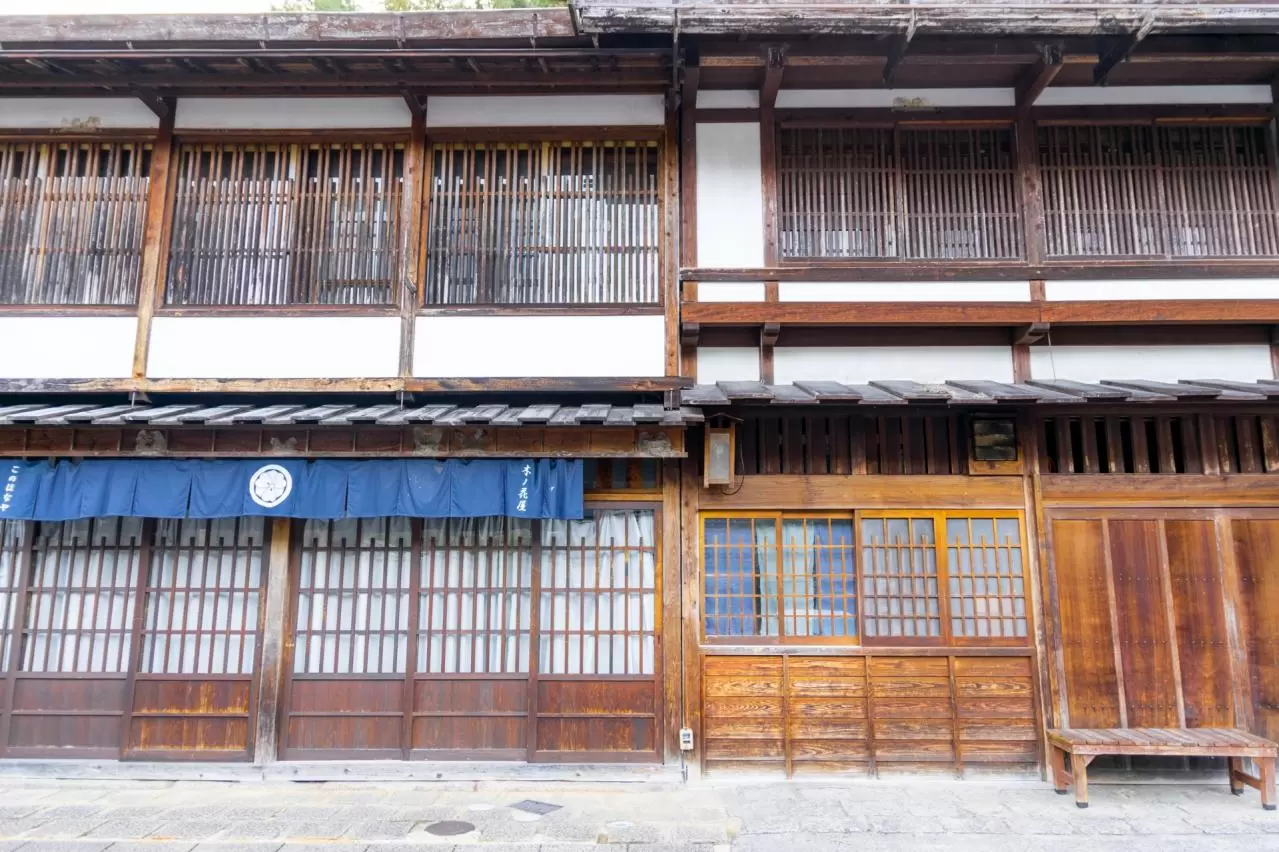
The Terashita district on the southern side of the town is where the townscape preservation movement first began in Tsumago-juku. Houses that preserve Edo-period architectural styles such as “debe-zukuri” and “tate-shige koshi” line the streets, and historic buildings such as Kamisagaya and Shimosagaya are open to the public. Other highlights include the kosatsu-ba, where shogunate edicts were posted, and the charming wooden Tsumago Post Office, which also exhibits postal history materials. At the post office, visitors can have an original postmark stamped on mail they send from the counter, making it a popular travel souvenir.
Culinary delights are also plentiful, with local specialties such as Shinshu soba, gohei-mochi, and oyaki. Seasonal Japanese sweets are popular as well, including hoha-maki in early summer and kuri-kinton in autumn. As souvenirs, you can find local traditional crafts such as Minamiki-so turning work, Araragi cypress hats, and Tachi handmade paper, all of which let you experience the warmth of Kiso craftsmanship.
Staying at a hatago or minshuku also offers the appeal of experiencing the traditional life of a post town, gathered around an irori hearth. In Tsumago-juku, where tourism and everyday life coexist, visitors can enjoy a warm and welcoming atmosphere in which history and human kindness are in harmony.
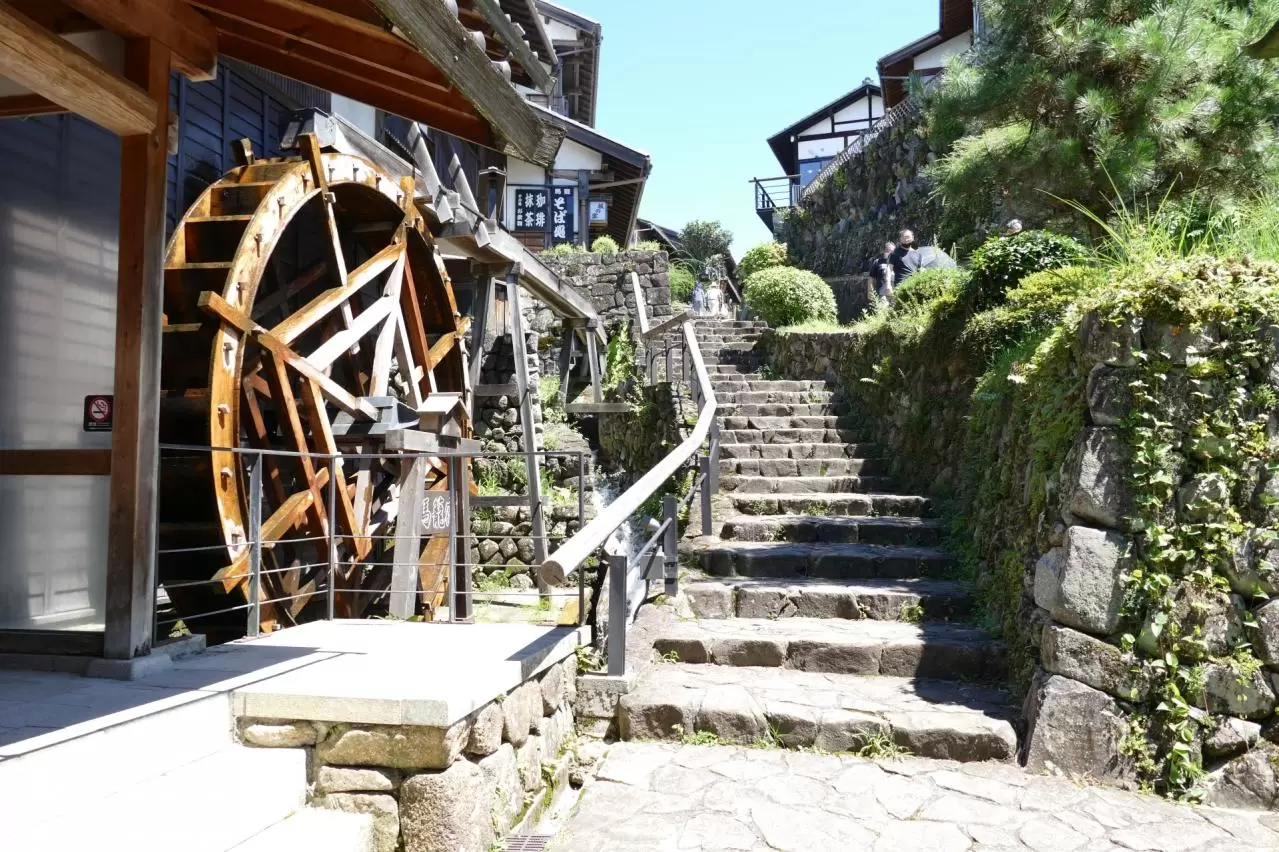
In recent years, after being featured in overseas media, it has attracted growing attention from international visitors. The Nakasendo is sometimes called the “Samurai Road” abroad, and in particular the “Nakasendo Hiking” route from JR Nagiso Station to Tsumago-juku and further on to Magome-juku in Gifu Prefecture is popular both in Japan and overseas. It takes about 40 minutes on foot from Nagiso Station to Tsumago-juku, and about 3 hours from Tsumago-juku to Magome-juku. At the Tsumago Tourist Information Center and Magome Tourist Information Center, visitors can also rent bear bells, use baggage delivery services, and purchase certificates of completion.
The recommended time needed for sightseeing in Tsumago-juku is about 2 to 3 hours, including meals and shopping. For those who want to learn more deeply about the history, a guided tour by “Tsumago Guides,” organized by the Tsumago wo Aisuru Kai (Association for Loving Tsumago), is highly recommended. Advance reservations are required, and the tours provide a more detailed understanding of the town’s history and culture.
Festivals held throughout the year are another attraction. At the Wachi-no Shrine Summer Grand Festival on July 23 and 24, portable shrines parade through the post town amid lively calls and cheers. On November 23, the “Bunsei Bunka Fuzoku Emaki no Gyoretsu” parade recreates the customs of an Edo-period post town, with about 130 residents dressed as samurai and townspeople. In addition, on the third Saturday of February, the “Kisoji Hyosetsu no Akari Matsuri” is held, when about 600 ice candles illuminate the town in a dreamlike glow, allowing visitors to enjoy a uniquely beautiful winter landscape.
In this way, Tsumago-juku is a special place where a historically valuable townscape, abundant nature, traditional culture, and the warm daily lives of its people come together. Just by walking through it, you can feel as though you have become a traveler from the Edo period—a post town that continues to captivate countless visitors from Japan and around the world.
#Townscape/Bikan Historical Quarter #Cultural assets/historic sites
Nagano Tourist Attractions
View List
Utsukushigahara
Utsukushigahara Plateau is an expansive highland that stretches approximately 2,000 meters above sea level and is located in Matsumoto City, Nagano Prefecture. Durin...

Matsumoto Castle
Matsumoto Castle is one of Japan's five great castles and is designated as a national treasure, a gem of historical architecture. Alongside Himeji Castle, Hikone Cas...


Ueda Castle
Ueda Castle, located in Ueda City, Nagano Prefecture, is a historic castle built by Sanada Masayuki. It gained fame for repelling the Tokugawa forces during the Firs...

Senjōji Kōdō
Senjojiki Cirque is a bowl-shaped landform formed by glacial erosion, located at Komagatake in the Central Alps. From the "Senjojiki" station at an elevation of 2,61...

Jigokudani Yaenkoen
Jigokudani Monkey Park is located in the northern part of Nagano Prefecture within the Joshinetsu Kogen National Park, at an elevation of 850 meters in a harsh envir...

Togakushi Shrine
The highly popular power spot "Togakushi Shrine" consists of five historic shrines: Okusha, Nakasha, Hobokusha, Kuzuryu Shrine, and Hi no Mikokami Shrine. Togakushi ...