Ryogoku Kokugikan
Ryogoku Kokugikan Movies


Basic Information
- Spot Name
- Ryogoku Kokugikan
- Location
- 〒130-0015 1-3-28 Yokoami, Sumida-ku, Tokyo, Japan
- Access
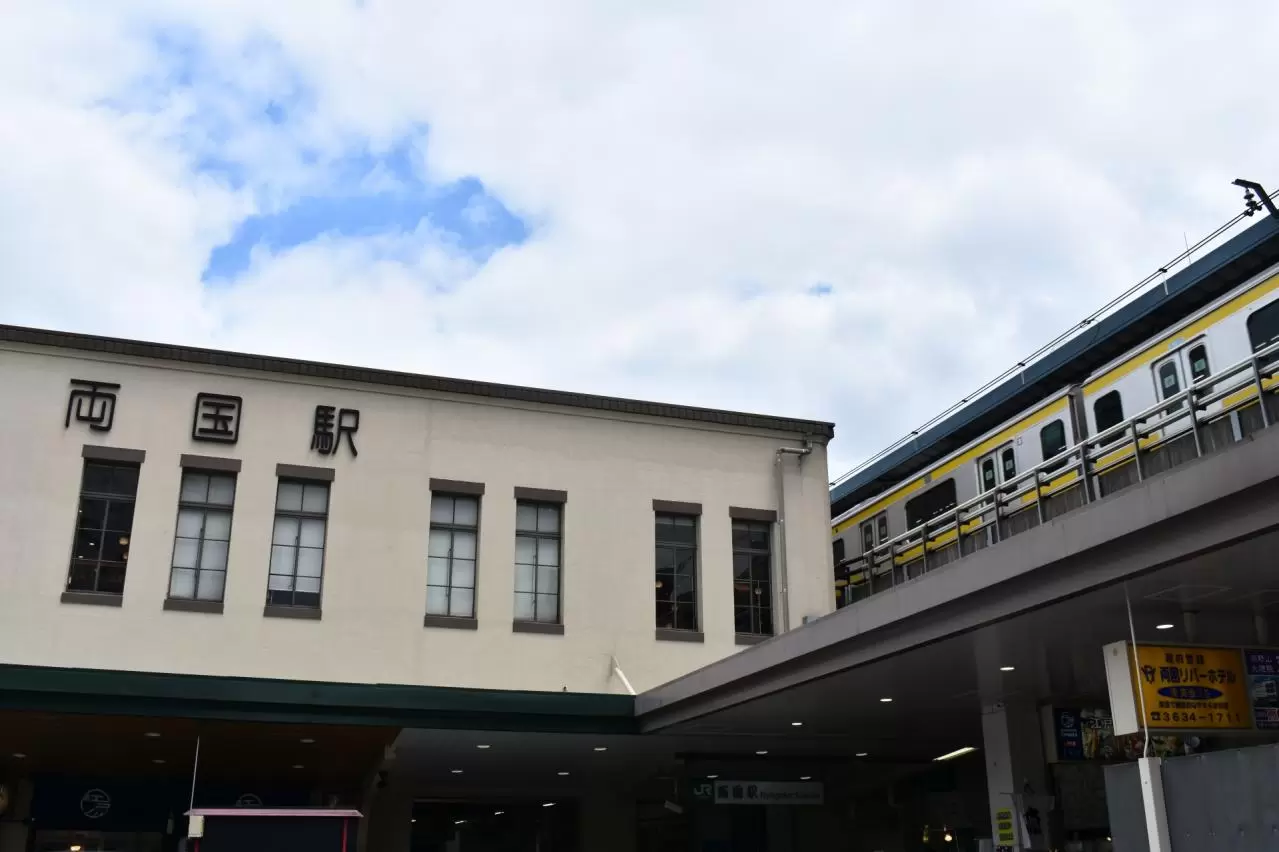
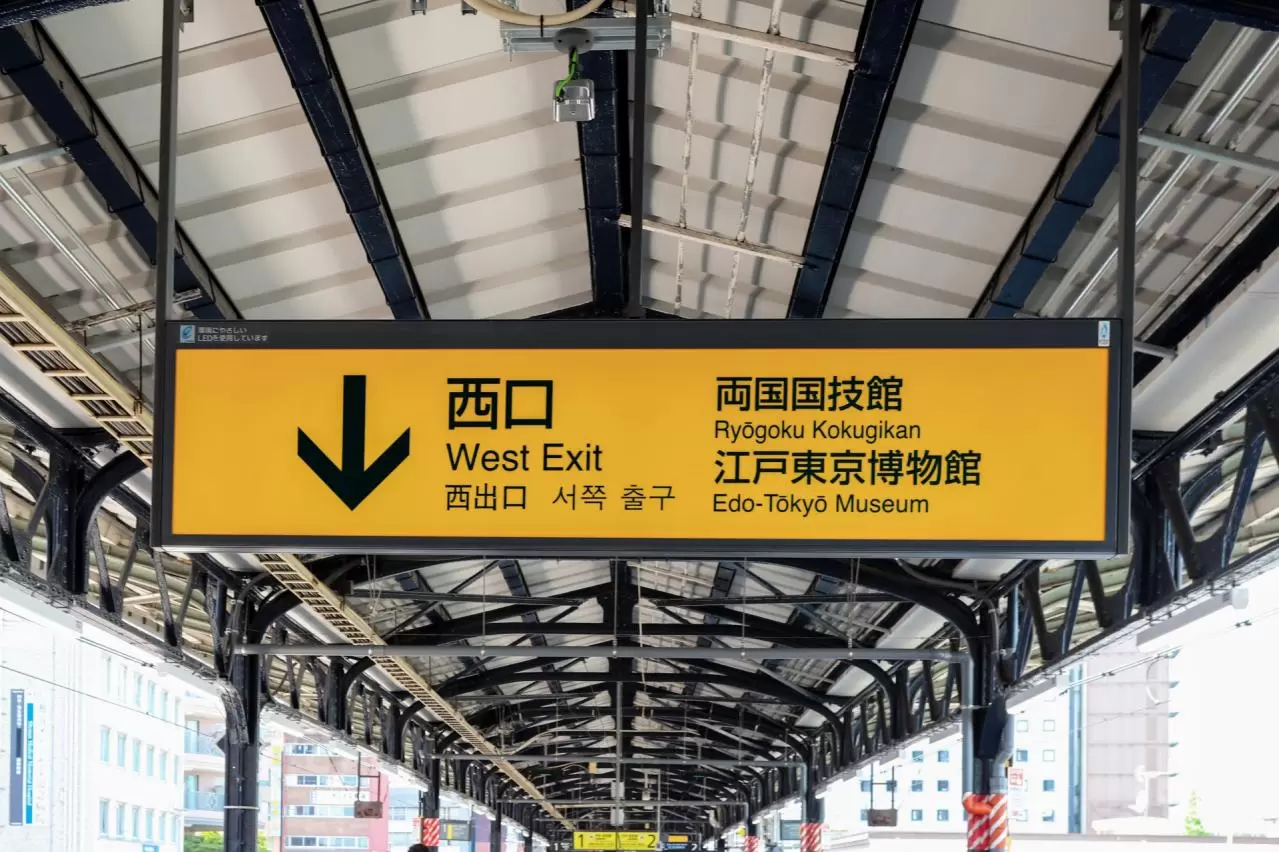
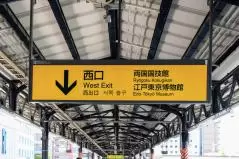
- Approximately 2 minutes on foot from JR Ryogoku Station, and approximately 5 minutes on foot from Toei Oedo Line Ryogoku Station.
- Parking
- Please use the nearby paid parking.
- Business Hours
- 9:30 AM - 5:00 PM (Last admission at 4:30 PM)
Hours may vary due to events. - Regular Holiday
- Saturdays, Sundays, holidays, year-end and New Year, and other irregular holidays.
- Fees
- It varies depending on the event.
- Contact Information
- Phone Number:03-3623-5111
- Official Website
Map
Detailed Information
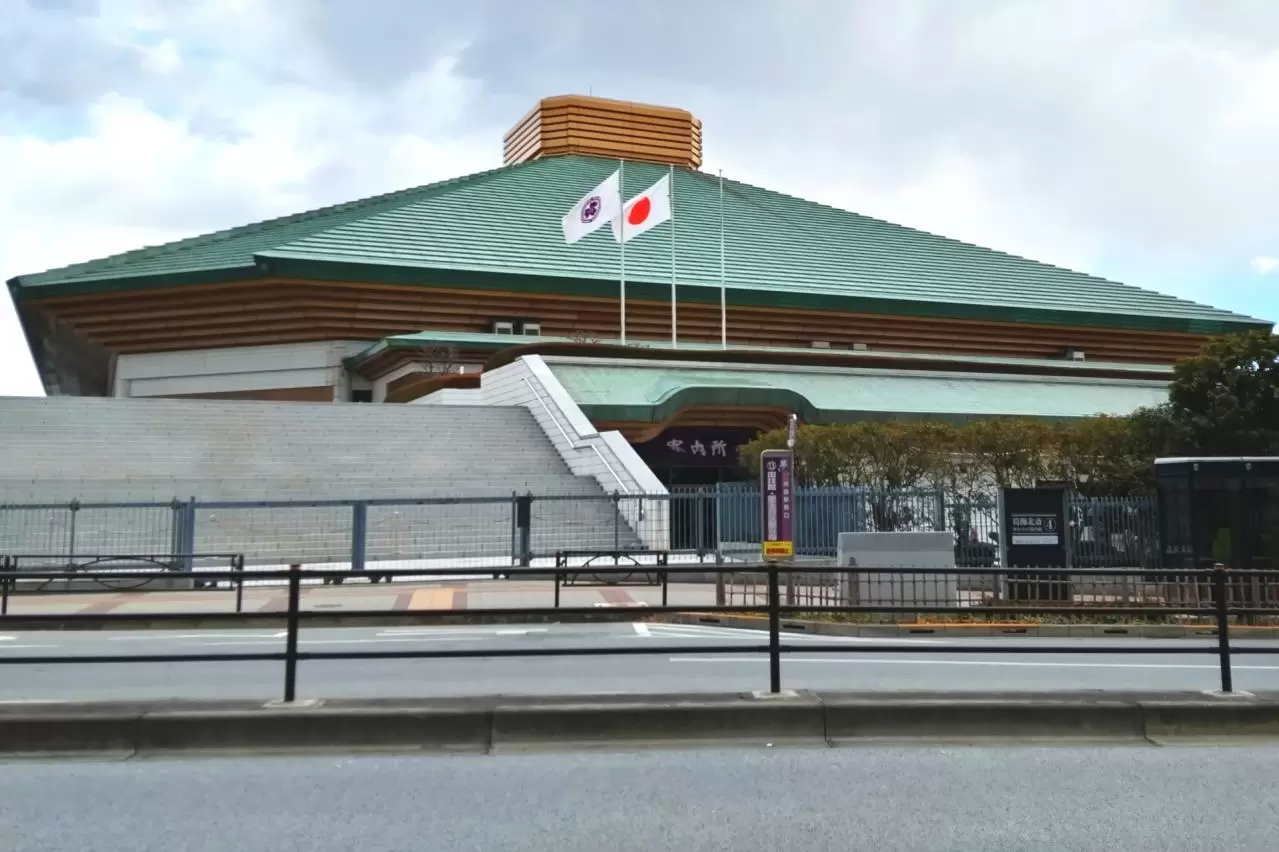
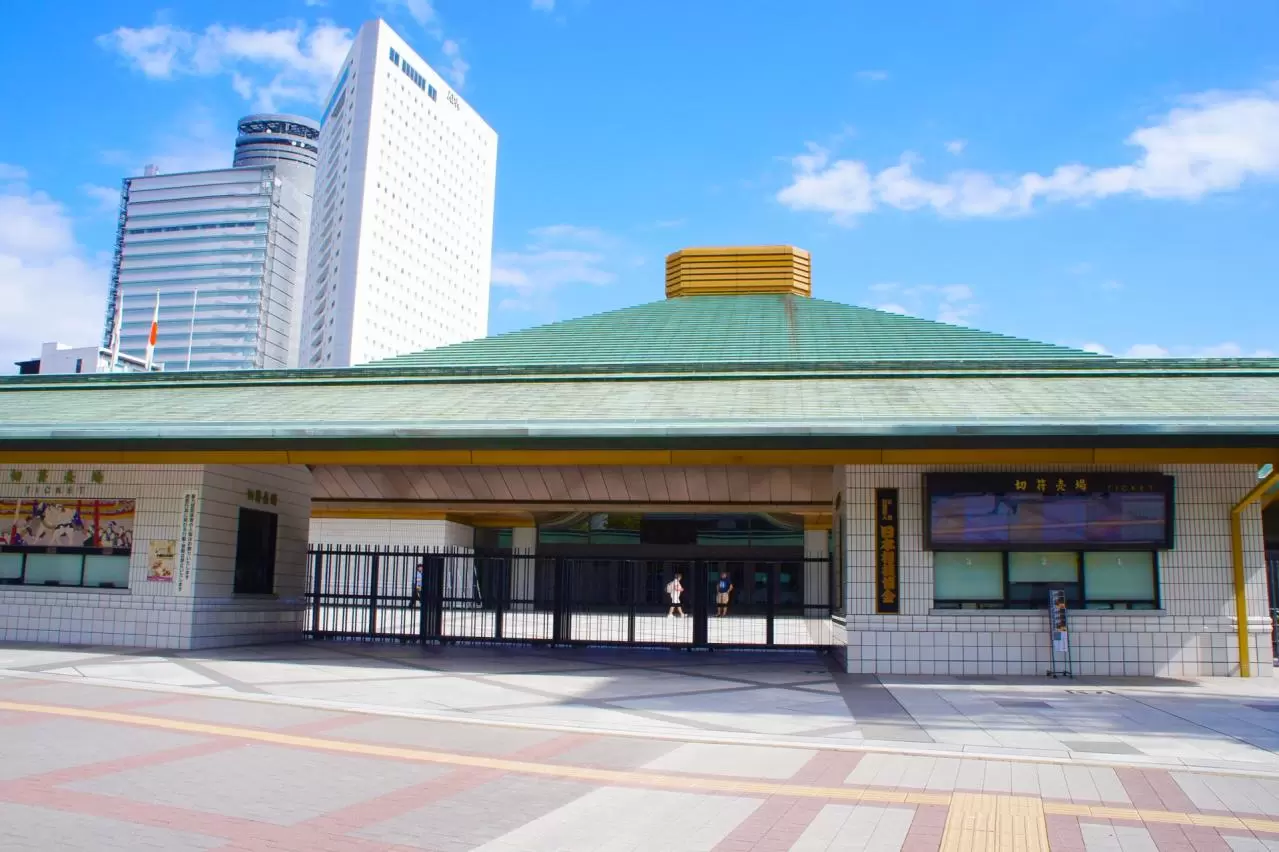
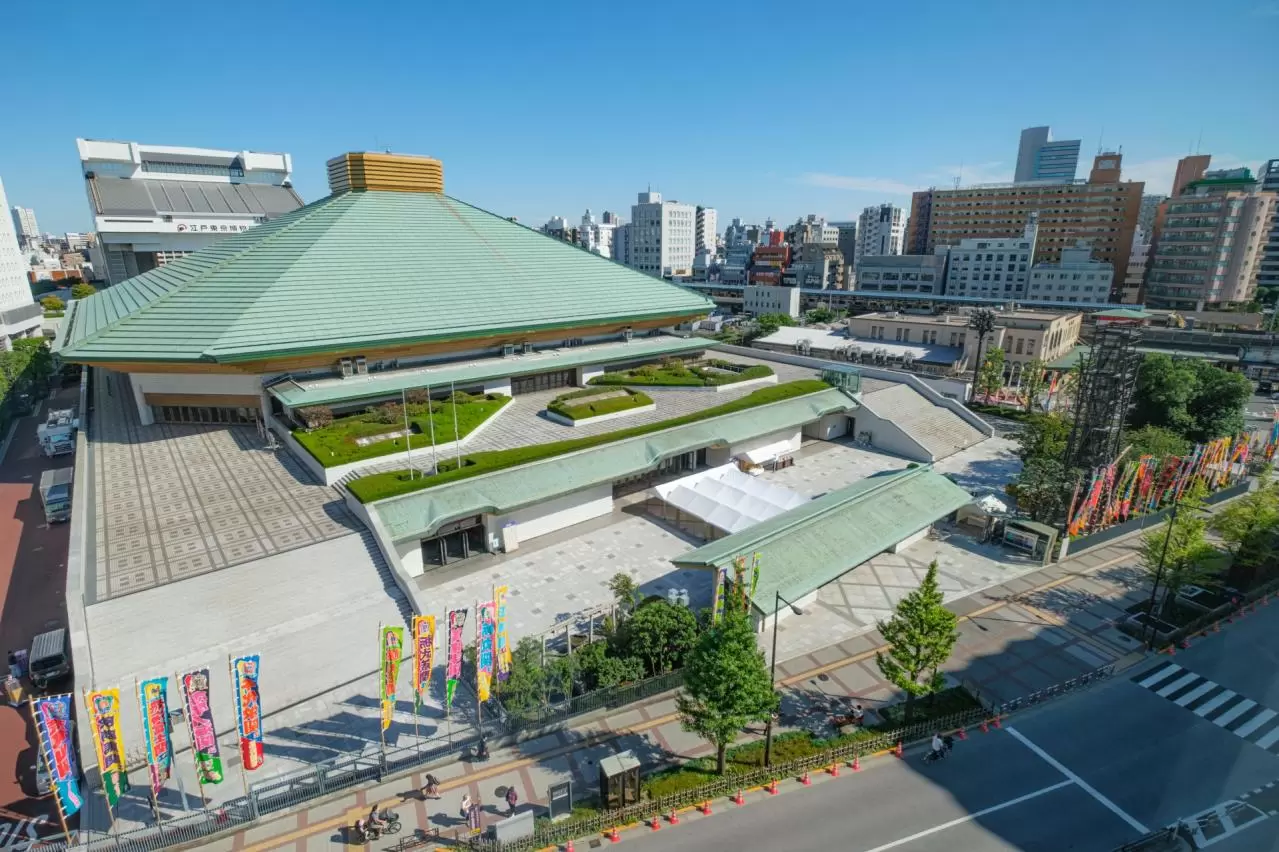
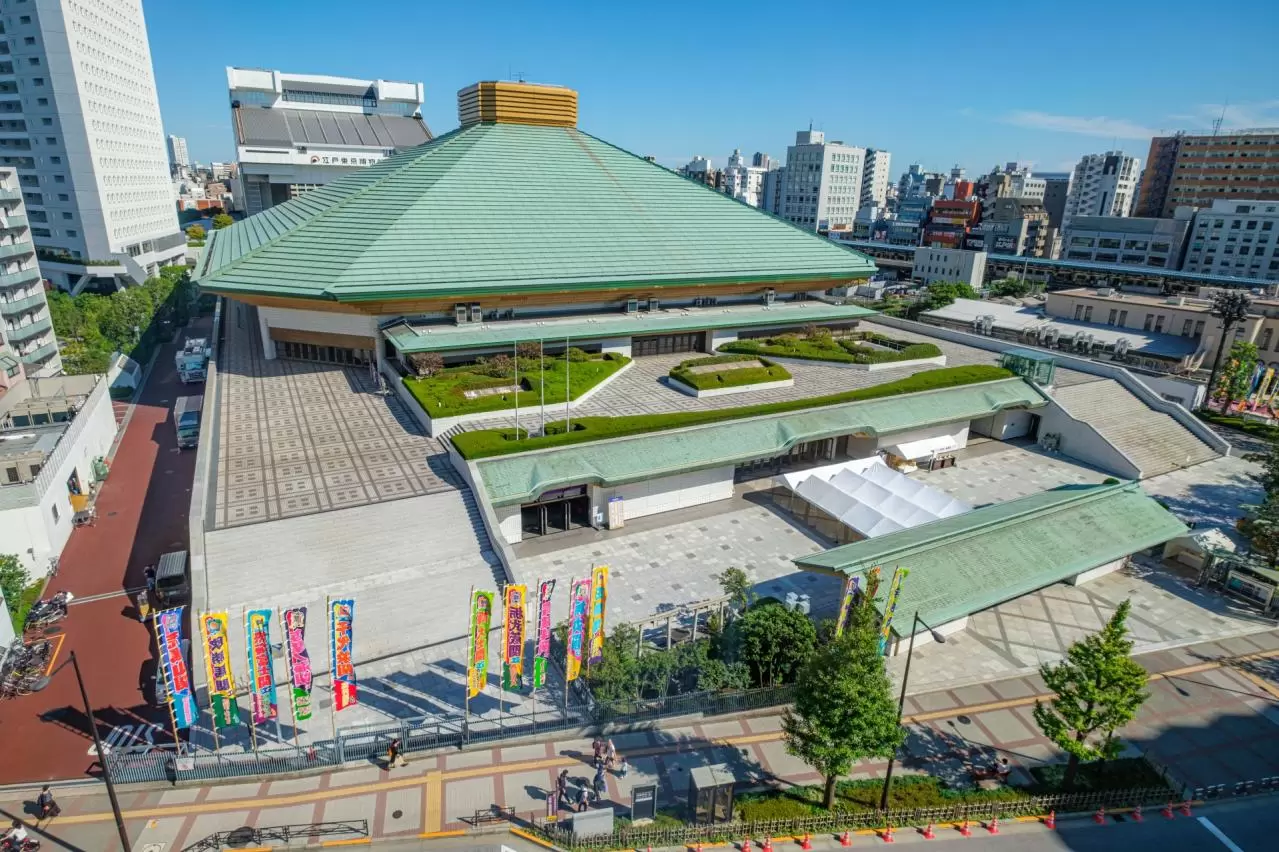
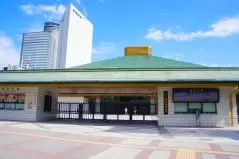
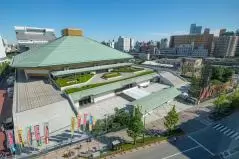
Ryogoku Kokugikan is widely known as the “sacred home of sumo,” where the Tokyo tournaments of Japan’s national sport, grand sumo, are held three times a year—in January, May, and September. It is a large multipurpose hall that can accommodate up to around 10,000 people, and with its movable dohyo ring, it is also used as a venue for events such as professional wrestling, boxing, and concerts. Fully equipped with state-of-the-art facilities, it captivates many people as a stage that supports entertainment from both Japan and around the world.
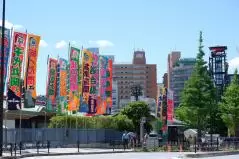
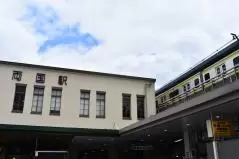
The predecessor of Kokugikan was the old Kokugikan built in 1909 next to Ekoin Temple. The current building was completed in 1984 and has been used since the January tournament in 1985. It is located just north of JR Ryogoku Station, on the former site of the old Ryogoku Freight Station, a historically significant area where the Edo shogunate once kept its rice storehouses. Access is excellent, with Tokyo Station and Ueno Station about 10 minutes away, and Shinjuku Station about 17 minutes away.
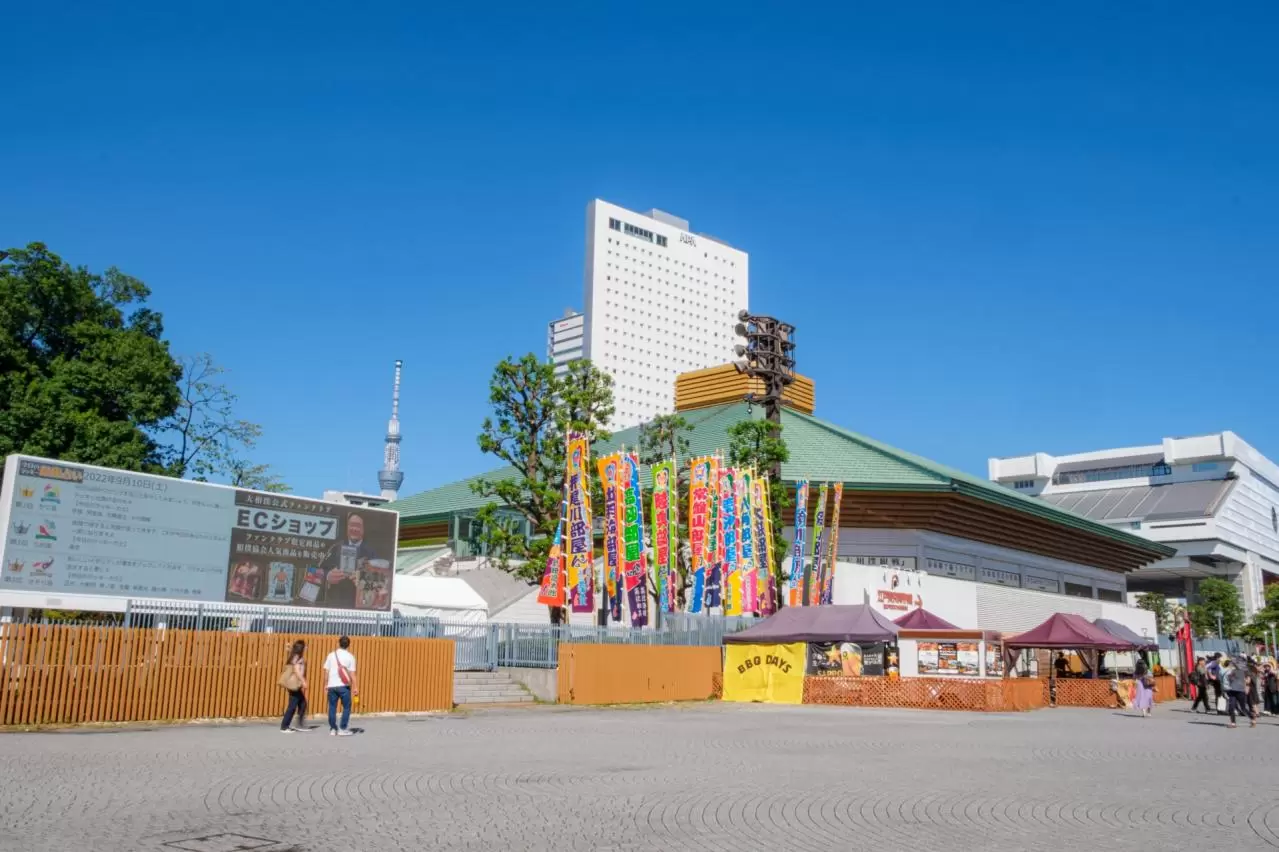
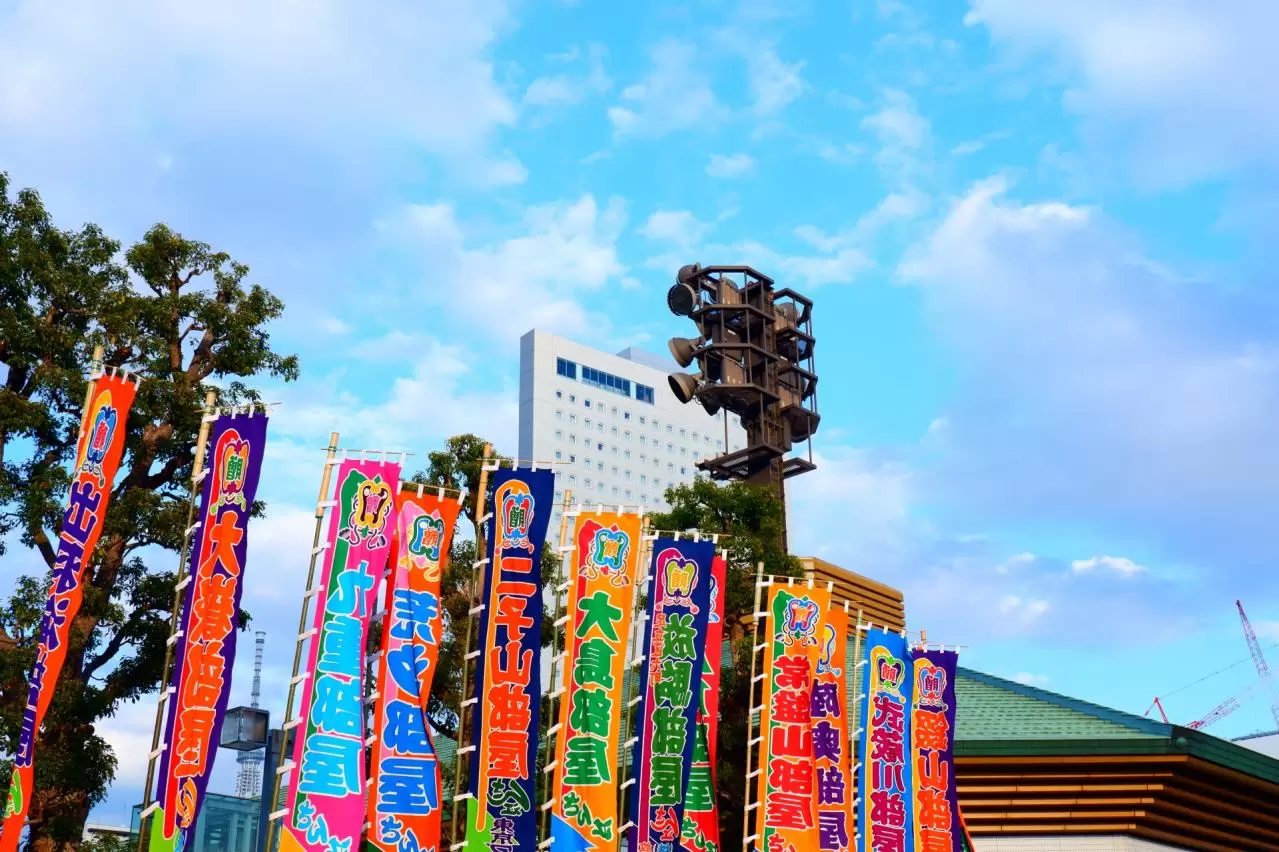
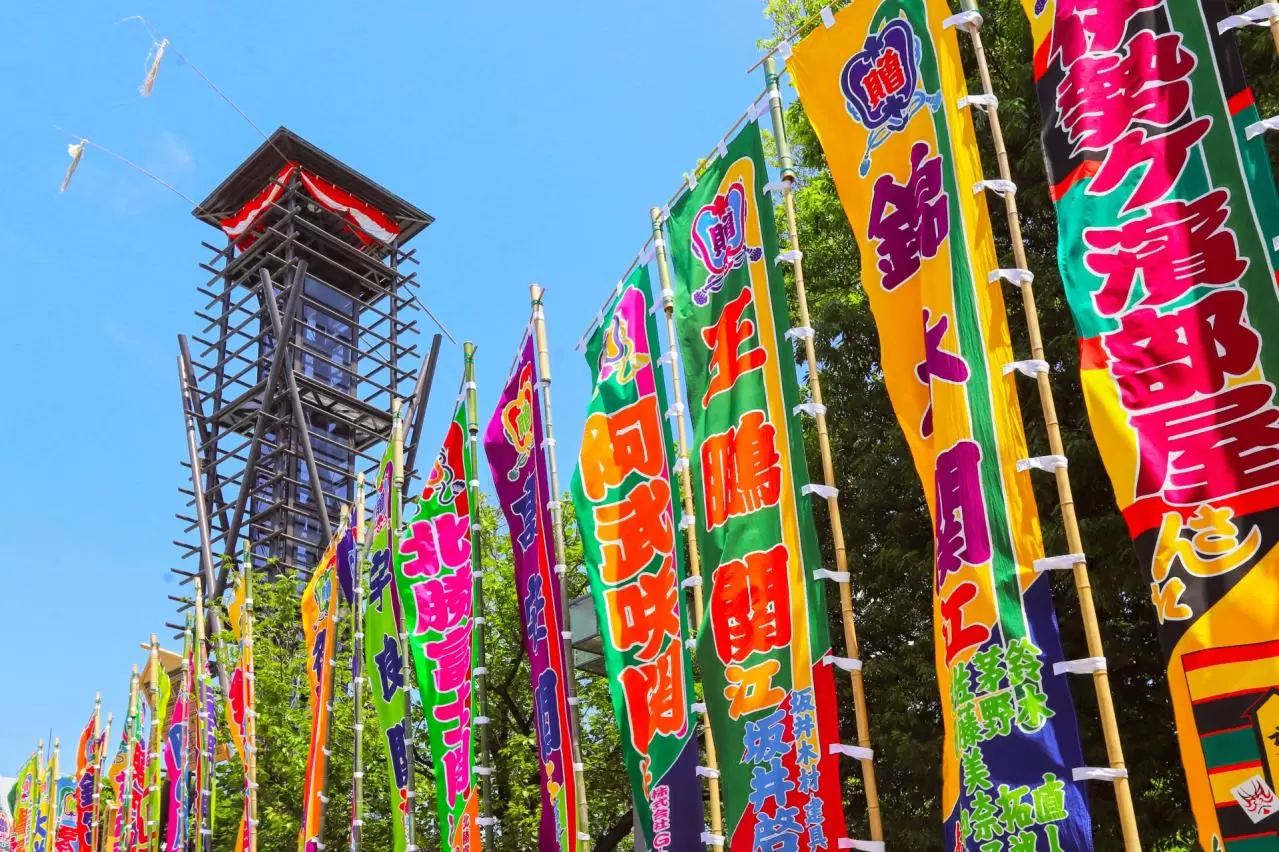
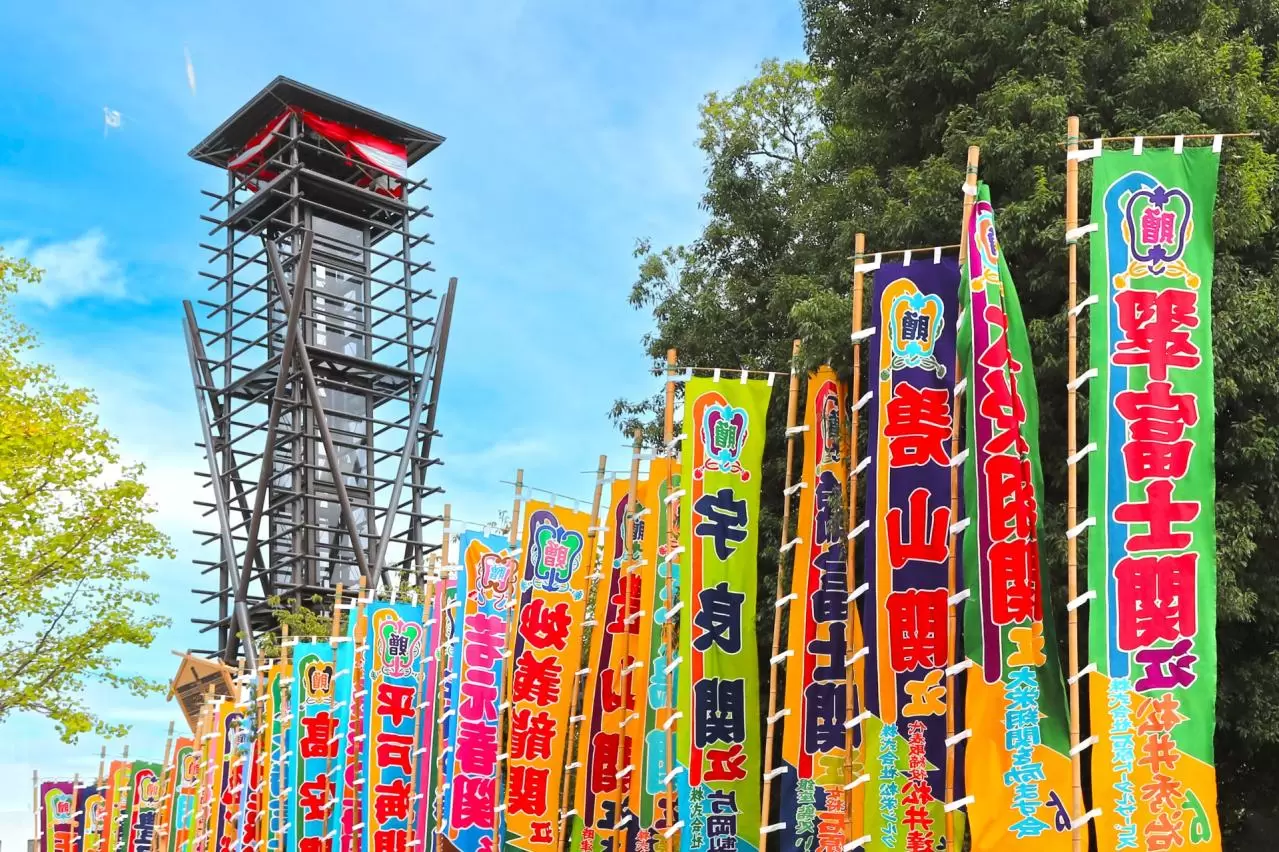
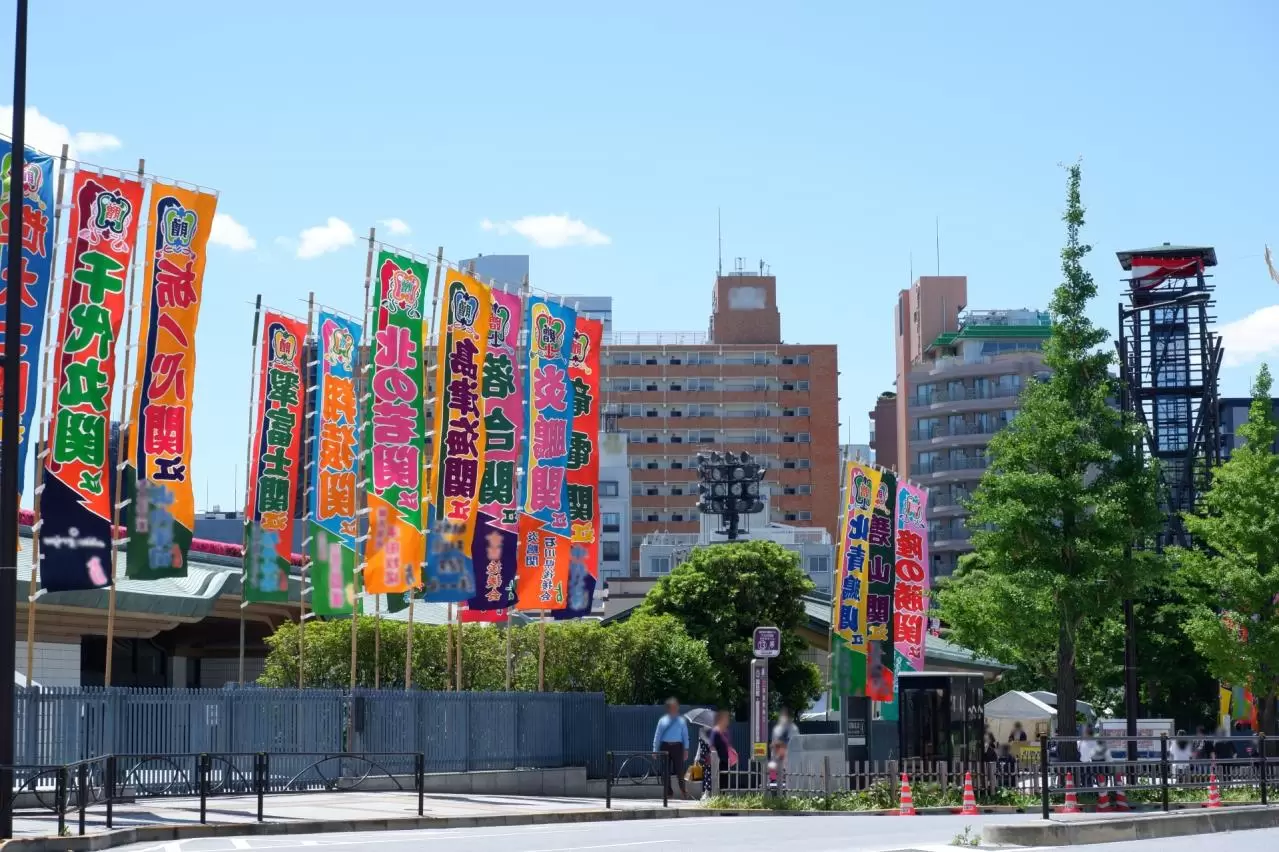
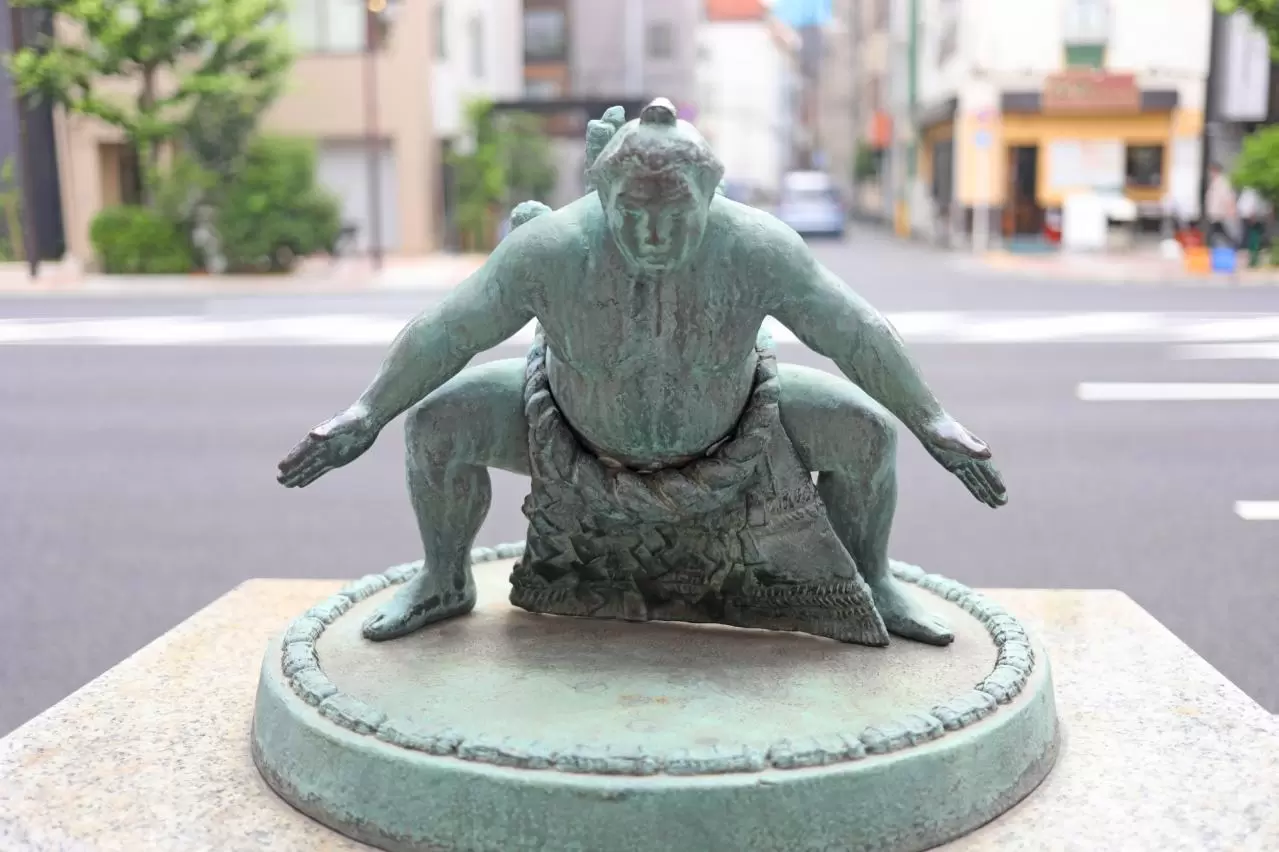
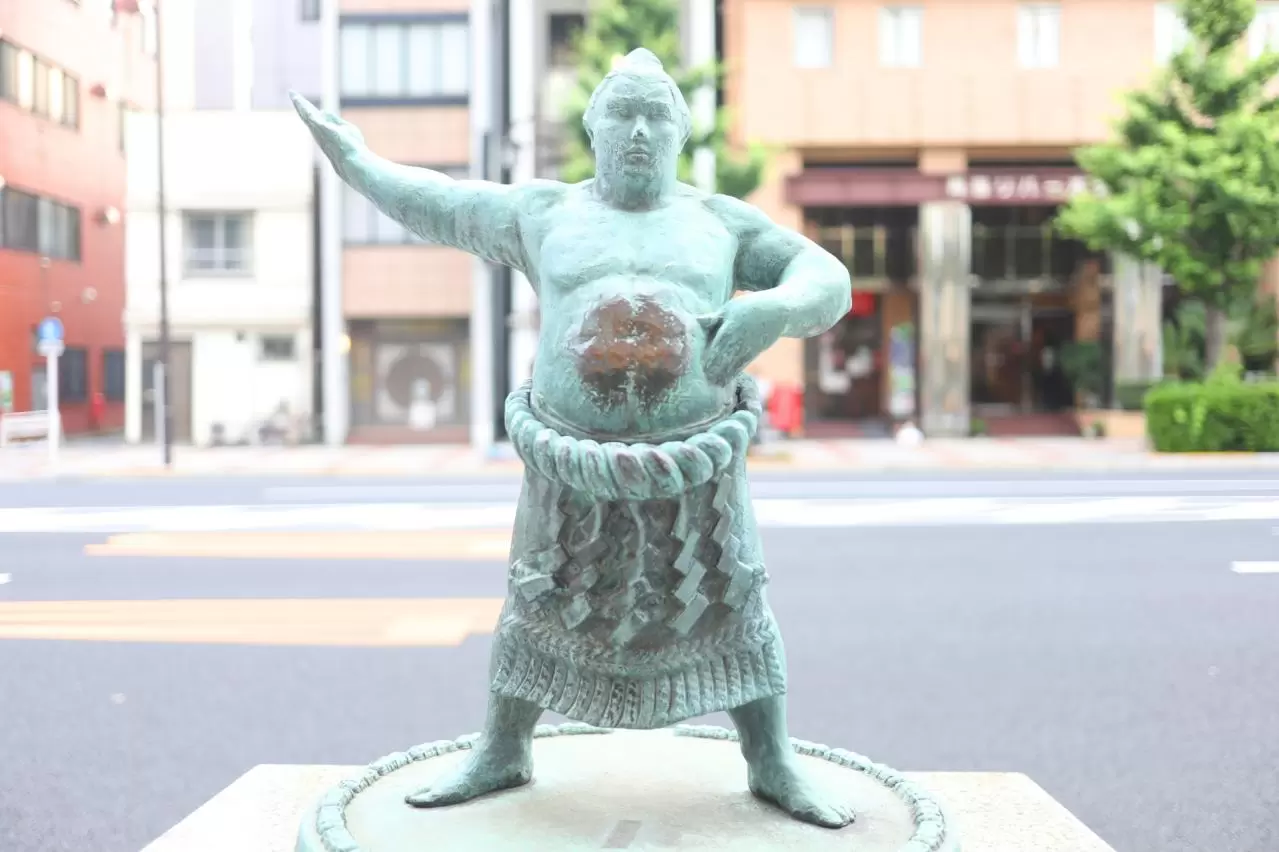
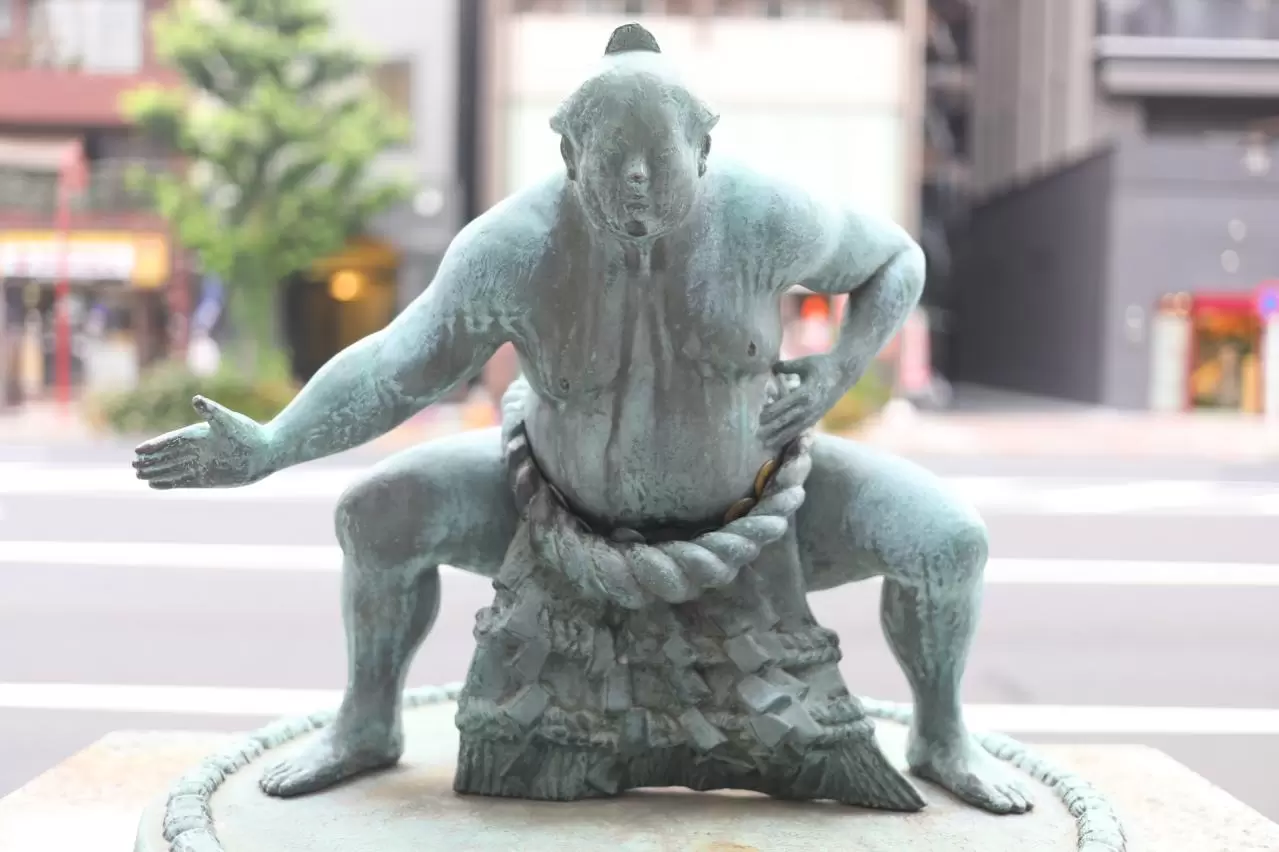
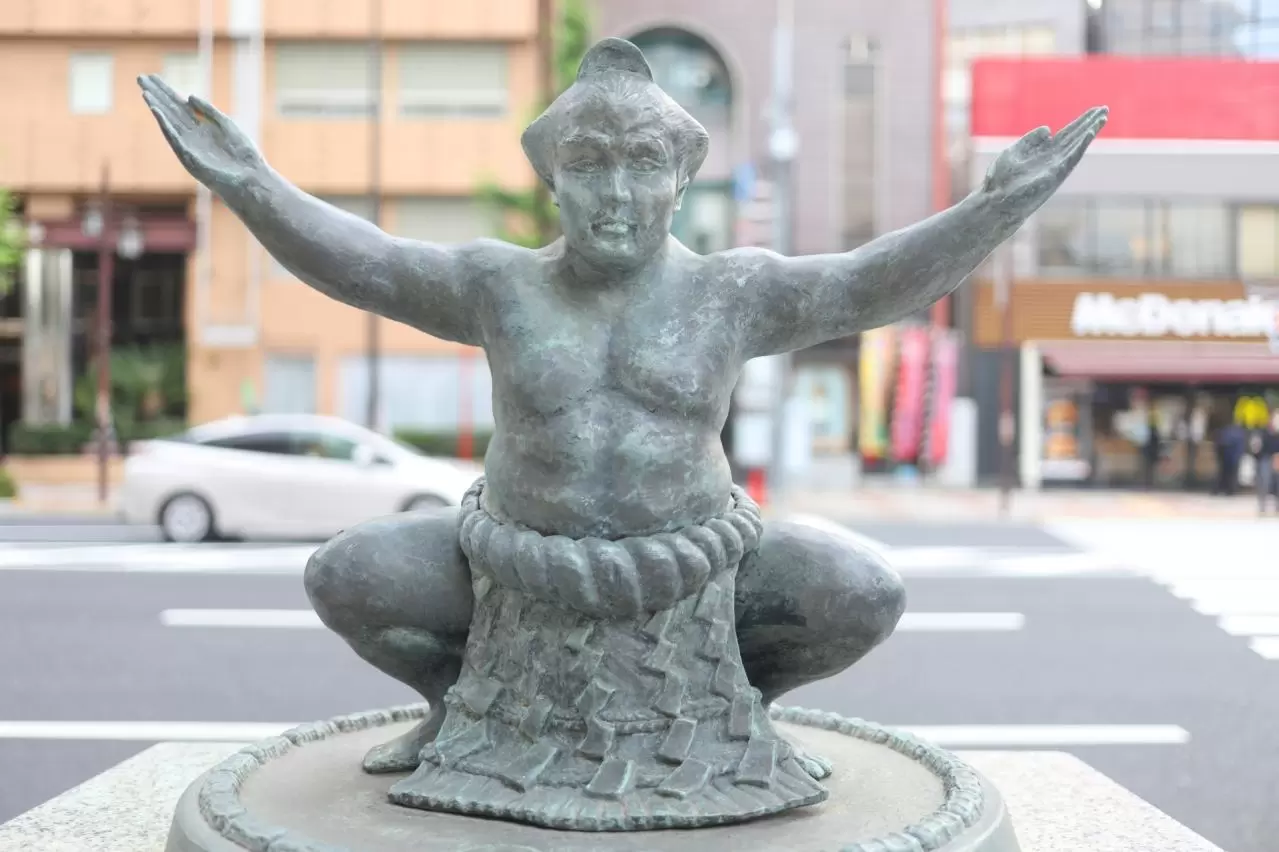
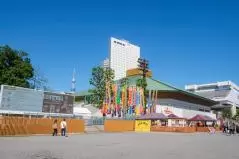
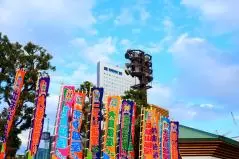
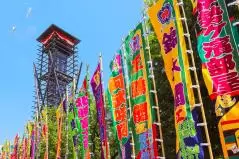
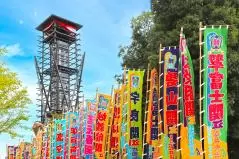
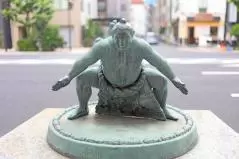
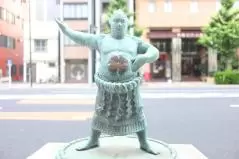
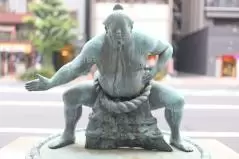
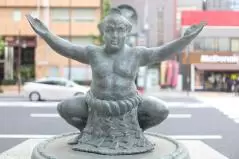
During tournaments, spectators fill the first-floor arena seats and second-floor chairs, and matches progress from the lower divisions such as jonokuchi and makushita to juryo and makuuchi starting around 8:30 a.m. Throughout the honbasho, the wrestlers’ banners displayed in front of the venue, as well as wrestler statues and life-size panels installed inside and outside the building, add to the atmosphere and are popular photo spots. The souvenir stands sell the specialty “rikishi bento,” which many visitors enjoy eating while watching the matches.
The building also houses the Sumo Museum, where valuable materials related to the history and culture of sumo are on display, including banzuke ranking sheets, kesho-mawashi ceremonial aprons, and ukiyo-e prints of past wrestlers. During the tournament period, admission is free for those with a ticket to the honbasho. There are also dining facilities, restaurants serving chanko nabe, and light snack cafés, making it a comfortable place to spend time.
Able to convey solemnity and excitement at the same time, Kokugikan remains beloved by many people today not only as the venue for grand sumo, but also as a hub for Japanese culture and entertainment.
#Traditional culture experience #Cultural assets/historic sites
Tokyo Tourist Attractions
View List
The National Art Center, Tokyo
The National Art Center, Tokyo is located in Roppongi, known as the art hub of Japan's capital city, Tokyo. This museum opened in 2007, and its architectural design ...

Tokyo Metropolitan Museum of Art
The Tokyo Metropolitan Art Museum opened in 1926 as Japan's first public art museum. Throughout the year, it hosts numerous exhibitions, including special exhibition...

Shibuya Scramble Crossing
Shibuya Scramble Crossing is one of the iconic landmarks of Tokyo, where more than 1,000 people are said to cross at once during peak hours. This intersection, leadi...

Hibiya Park
Hibiya Park opened in 1903 as Japan's first modern urban park, incorporating Western-style design while also integrating elements of Japanese aesthetics. It was desi...

Nedzu Museum
The Nezu Museum was established in 1941 (Showa 16) to preserve and display ancient Japanese and East Asian art collected by businessman Kaichiro Nezu (1860-1940). Th...

Kanda Matsuri
The Kanda Matsuri is one of the three great festivals of Edo, held at Kanda Myojin Shrine, and is a grand celebration that conveys the traditions of Tokyo to the pre...

Ueno Ameyoko Shopping Street
Ueno Ameyoko Shopping Street is one of Japan's premier shopping streets, stretching about 500 meters between Ueno Station and Okachimachi Station, featuring around 4...

Ueno Onshi Park
Ueno Onshi Park is a historic park located in the heart of Tokyo, with over 140 years of history since its opening. It is one of the premier cherry blossom viewing s...