






Ueno Zoo
Ueno Zoo Movies


Basic Information
- Spot Name
- Ueno Zoo
- Location
- 〒110-8711 9-83 Ueno Park, Taito-ku, Tokyo
- Access
- East Garden Main Gate
5-minute walk from JR Ueno Station (Park Exit)
10-minute walk from Keisei Ueno Station (Main Entrance)
12-minute walk from Tokyo Metro Ginza Line & Hibiya Line Ueno Station (Exit 7)
15-minute walk from Toei Oedo Line Ueno Okachimachi Station (Exit A5)
West Garden Ikebukuro Gate
5-minute walk from Tokyo Metro Nezu Station (Exit 2) - Parking
- No parking available.
- Business Hours
- 9:30 AM to 4:00 PM (closed at 5:00 PM)
- Regular Holiday
- Closed on Mondays (If Monday is a national holiday or a substituted holiday, the following day is a closed day). Year-end and New Year (December 29 to January 1 of the following year).
- Fees
- General: 600 yen
65 years and older: 300 yen
Junior high school students: 200 yen - Contact Information
- Phone Number:03-3828-5171
- Official Website
Map
Detailed Information
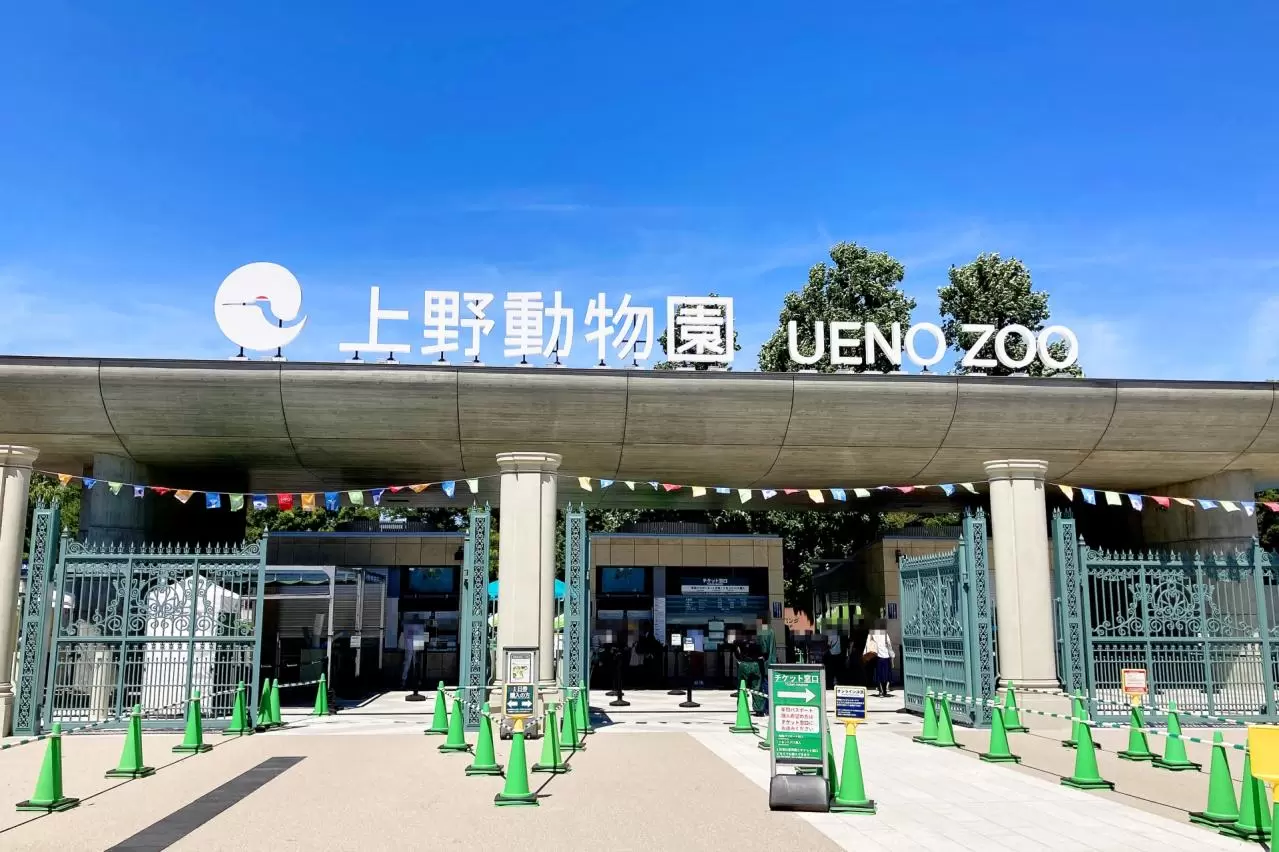
Ueno Zoo, which opened in 1882 (Meiji 15), is Japan’s first zoo and is located within Ueno Onshi Park in Taito Ward, Tokyo. Covering an area of approximately 14.2 hectares, it houses and exhibits about 400 species and 3,000 animals, and has long been one of Japan’s most popular zoos, boasting the highest annual number of visitors in the country.
The grounds are divided into two areas, “East Garden” and “West Garden.” In addition to a wide variety of animal exhibits, the zoo is also known for its educational and conservation activities, as well as its historic buildings.
Zoo Layout and Main Exhibits
◆ East Garden
The East Garden is located on a small hill in Ueno Park and is a lush, green area surrounded by nature. It mainly features large animals, with highlights including:
Giant Panda House
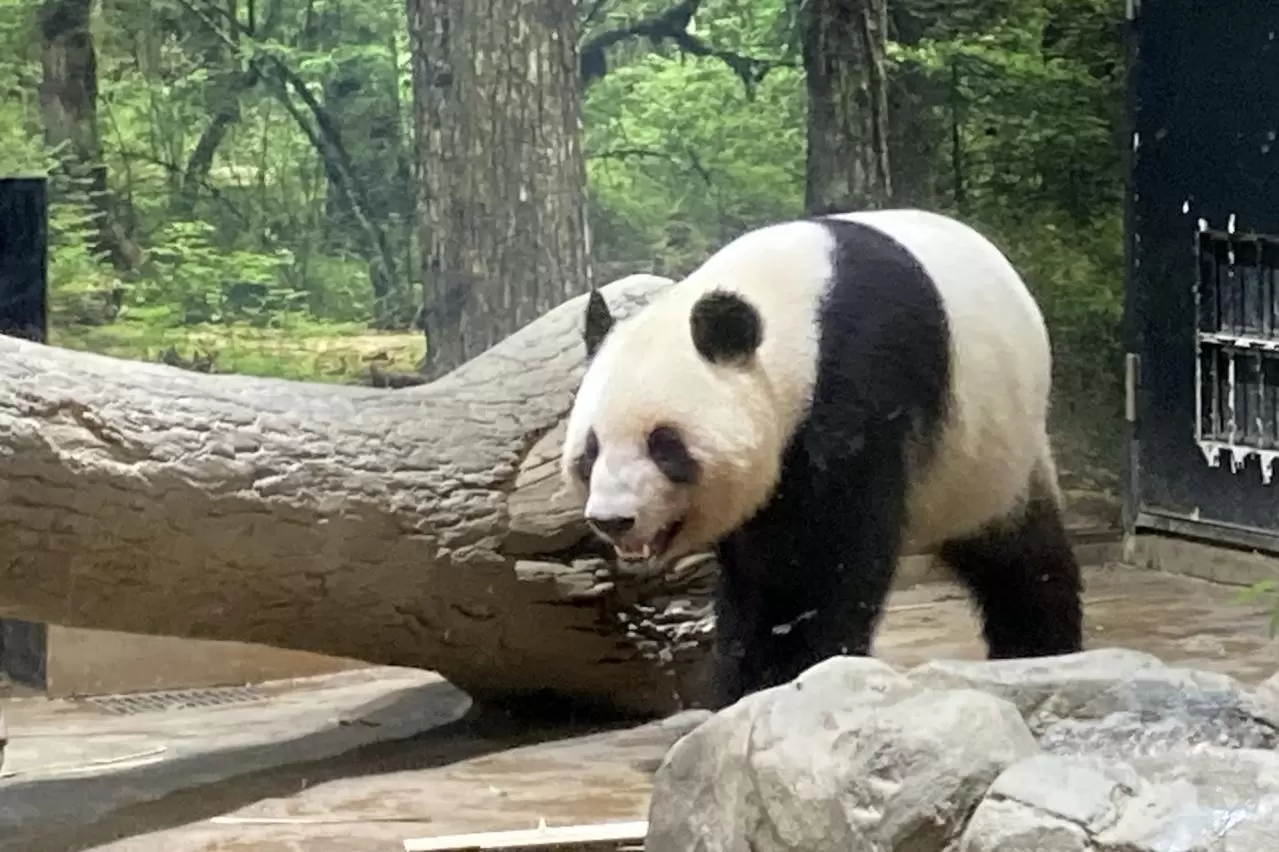
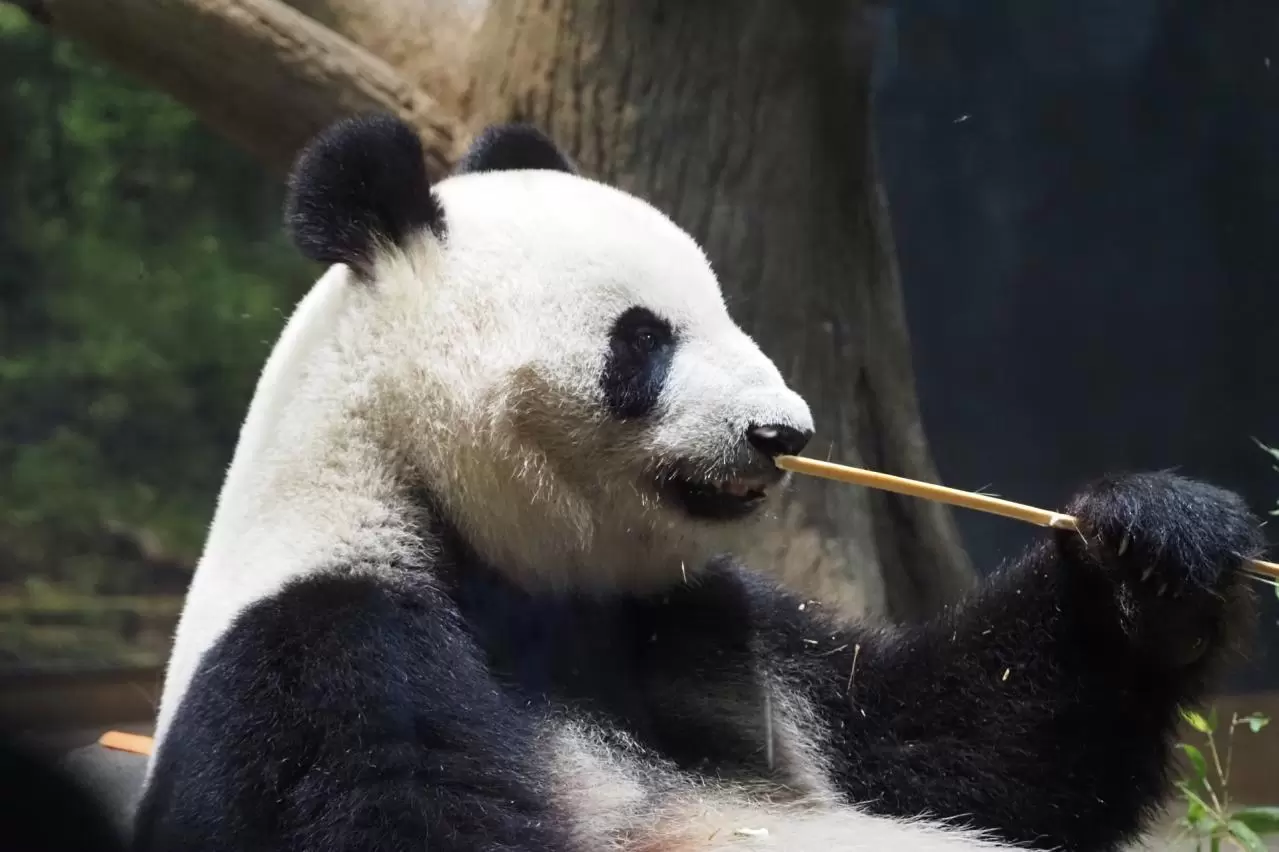
When it comes to Ueno Zoo, the giant pandas are its most famous residents. Ueno Zoo was the first zoo in Japan to successfully breed giant pandas, and they can now be observed in “Panda Forest” in the West Garden.
Forest of Gorillas and Tigers
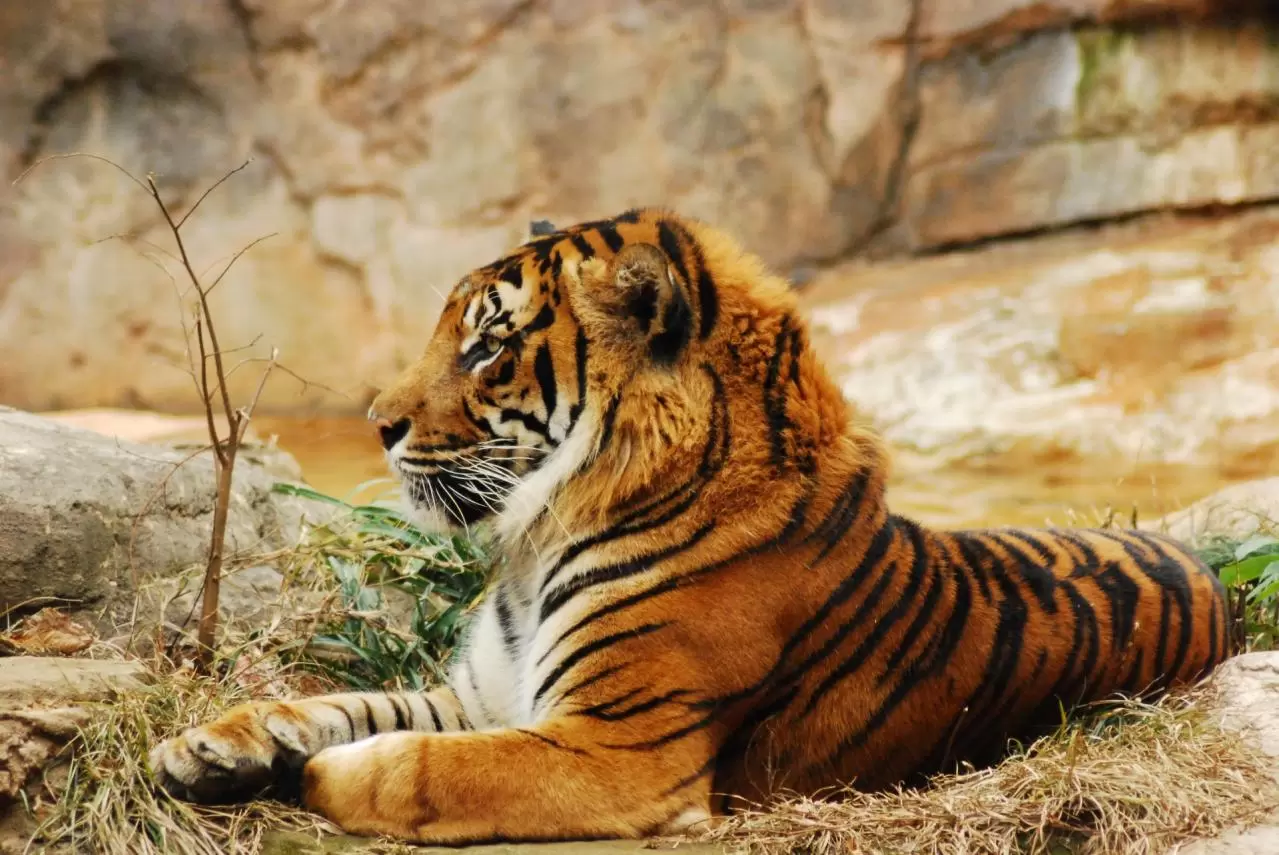
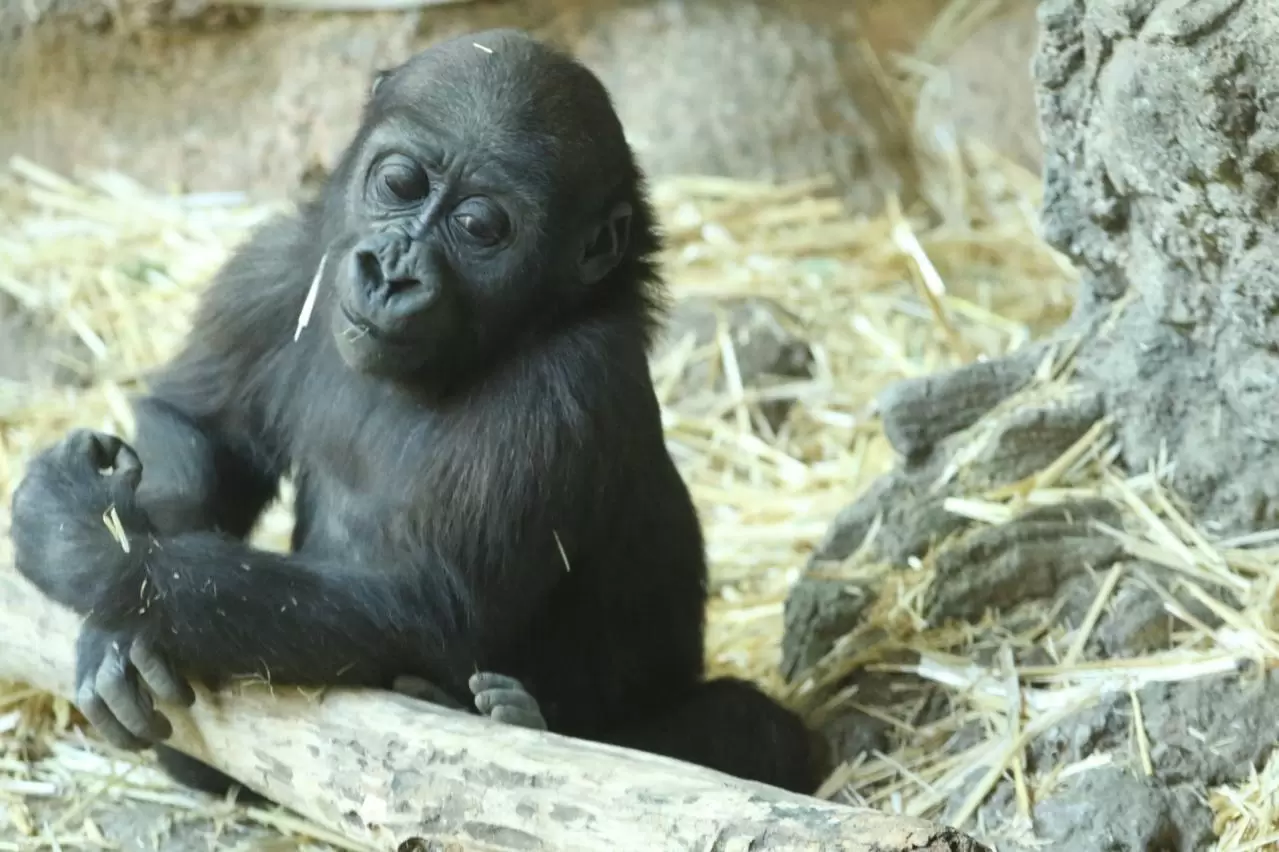
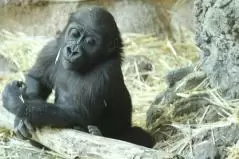
This facility, designed to evoke a tropical rainforest, houses western lowland gorillas and Sumatran tigers. The gorillas are kept in groups, and the zoo is actively engaged in breeding efforts.
Forest of Elephants
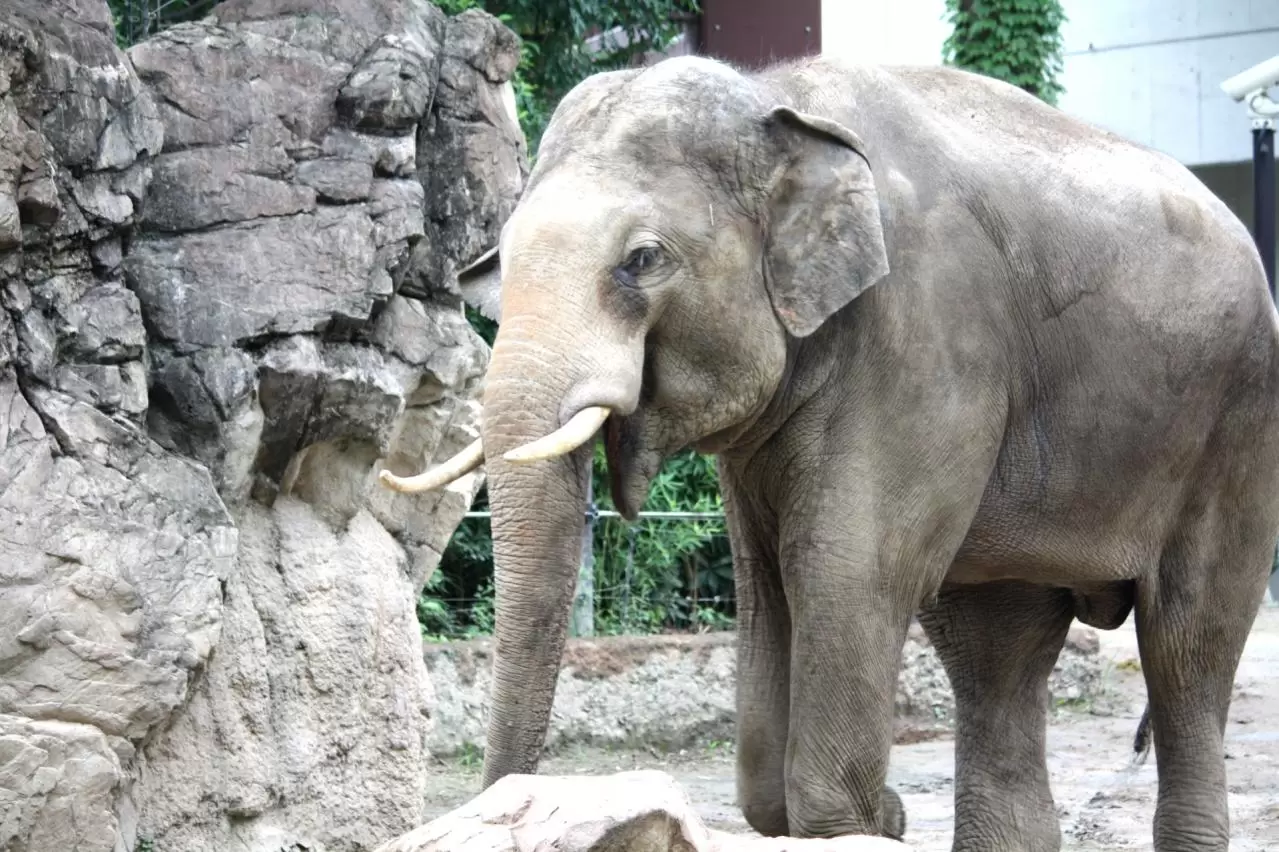
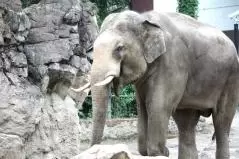
Asian elephants live freely in spacious outdoor enclosures and indoor exhibit areas. Visitors can also observe behaviors such as dust bathing and bathing in water.
Hill of Bears
Malayan sun bears, brown bears, and Japanese black bears are exhibited according to their natural habitats, with special arrangements that allow visitors to observe them hibernating in winter.
Sea of Polar Bears and Seals
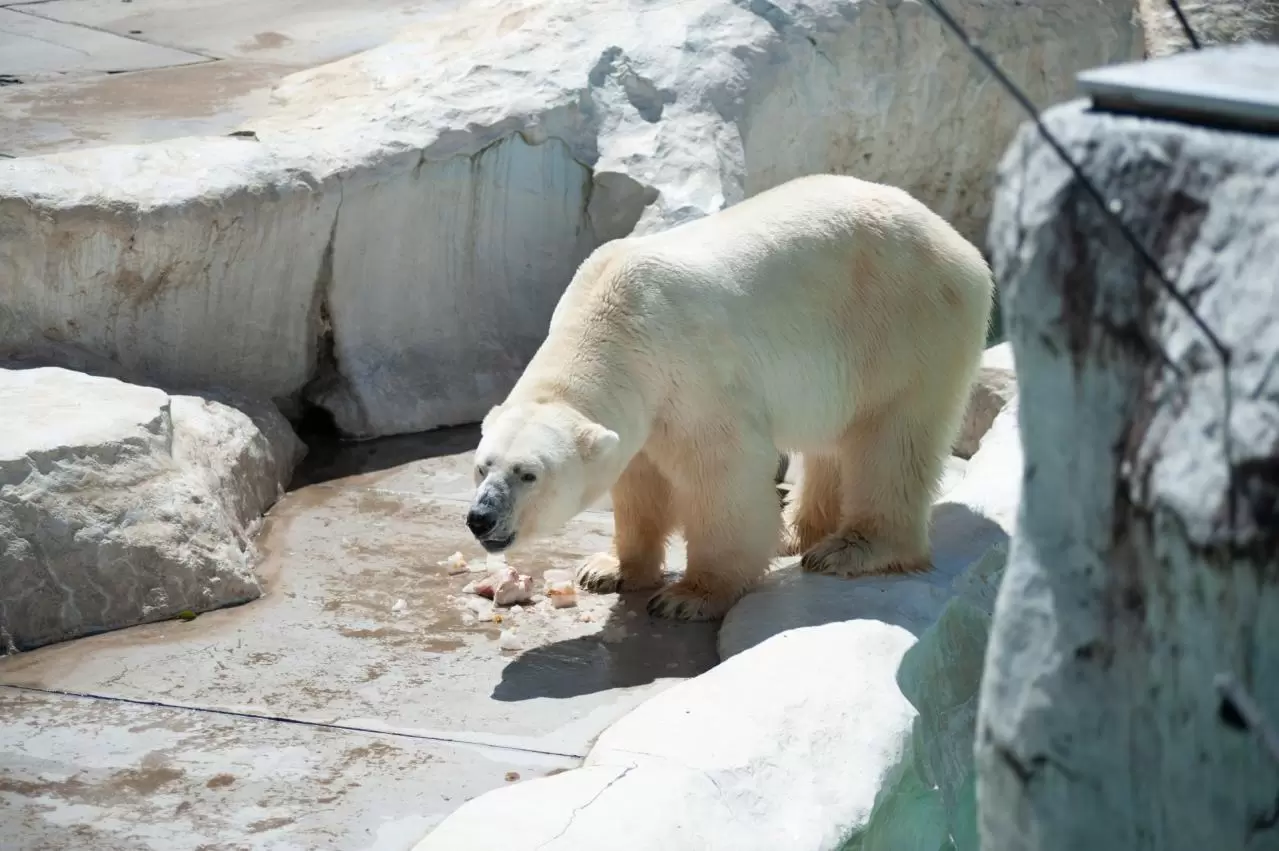
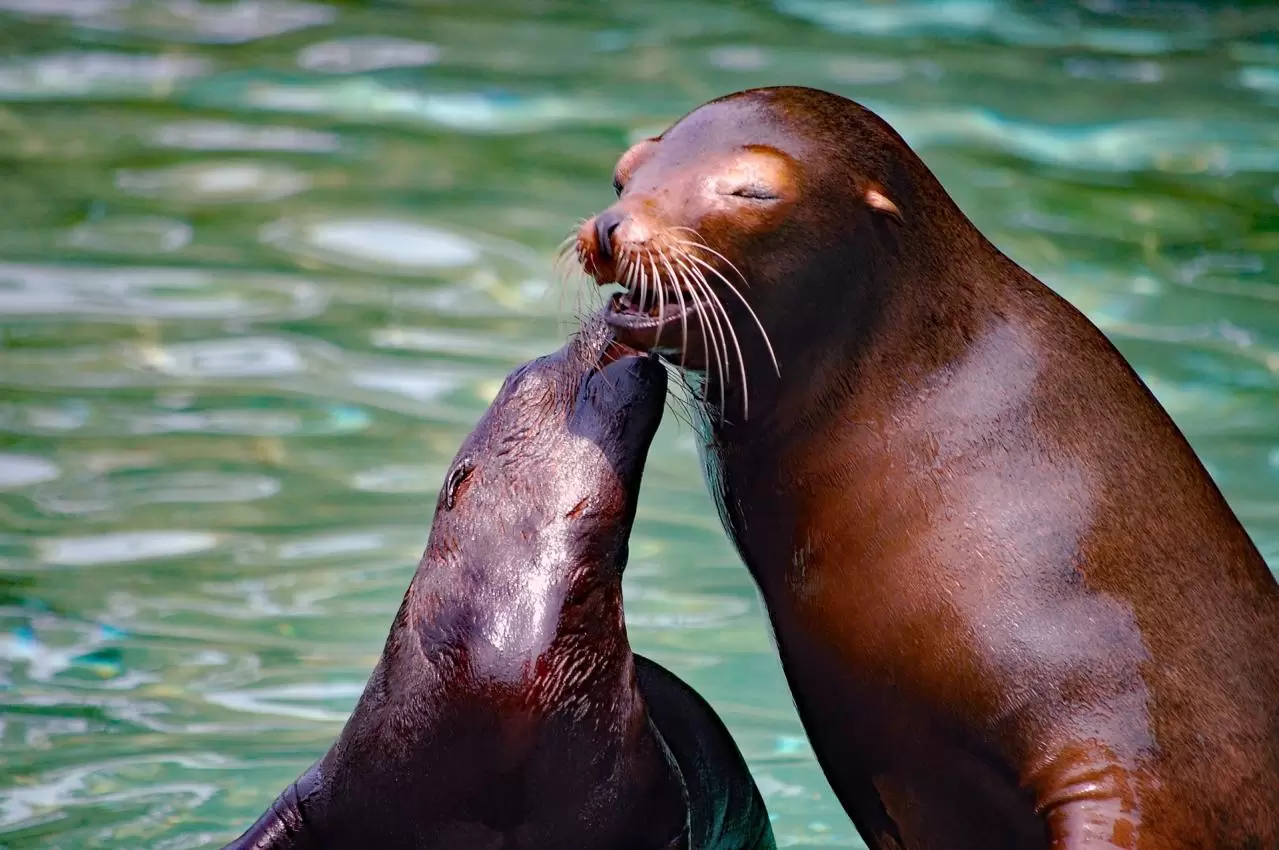
Visitors can watch the dynamic underwater movements of polar bears, as well as seals swimming in the same polar environment. There is also an exhibit featuring willow ptarmigan.
Japan’s Wildlife Area
This area exhibits animals native to Japan, such as Japanese serow, Ezo deer, and varied tits. The displays are designed to resemble natural habitats and help visitors learn about animal behavior.
Historic Buildings
Scattered throughout the grounds are historic structures such as the Old Kaneiji Five-Story Pagoda (a National Important Cultural Property, viewable only from the outside), the Meiji-era teahouse “Kankan-tei,” and Japan’s first monkey mountain.
◆ West Garden
The West Garden is a scenic area located north of Shinobazu Pond and features a wide range of exhibits, from large herbivores such as giraffes and hippos to small animals and nocturnal species.
Panda Forest
Opened in 2020, this new facility recreates the ecosystem of Sichuan Province in China, creating a rich natural environment. The twin pandas born in 2021, “Xiao Xiao” and “Lei Lei,” also live here. The area also includes exhibits for red pandas and pheasants.
Small Mammal House
This facility exhibits more than 50 species of small mammals. Day-active animals are displayed on the ground floor, while nocturnal animals are exhibited in the basement, allowing visitors to learn about differences in behavior according to time of day.
Amphibian and Reptile House (Vivarium)
This exhibit introduces amphibians and reptiles from around the world, including snakes, crocodiles, Galápagos tortoises, and Japanese giant salamanders, in recreated habitats. Special exhibitions are also held in the jungle-like interior.
Forest of Aye-Ayes
This is the only facility in Japan that keeps aye-ayes. It recreates Madagascar’s natural environment, and ring-tailed lemurs can also be observed. The nocturnal activity of the aye-aye can be viewed in the indoor exhibit.
Children’s Zoo “Step”
This area allows children to learn about the importance of life and their connection with nature through close contact with and observation of animals. It offers hands-on educational programs such as guinea pig encounters and exhibits of livestock animals.
Giraffe and Hippo Area
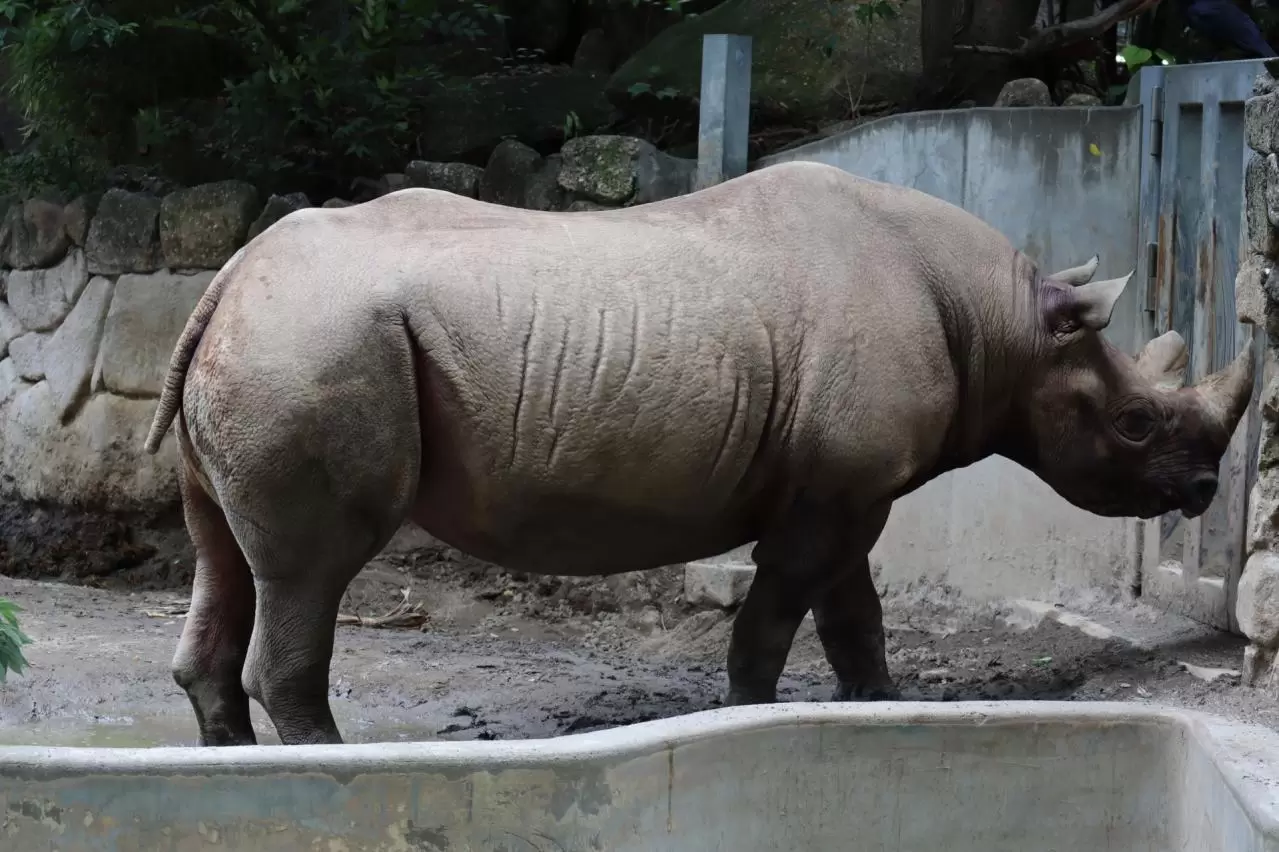
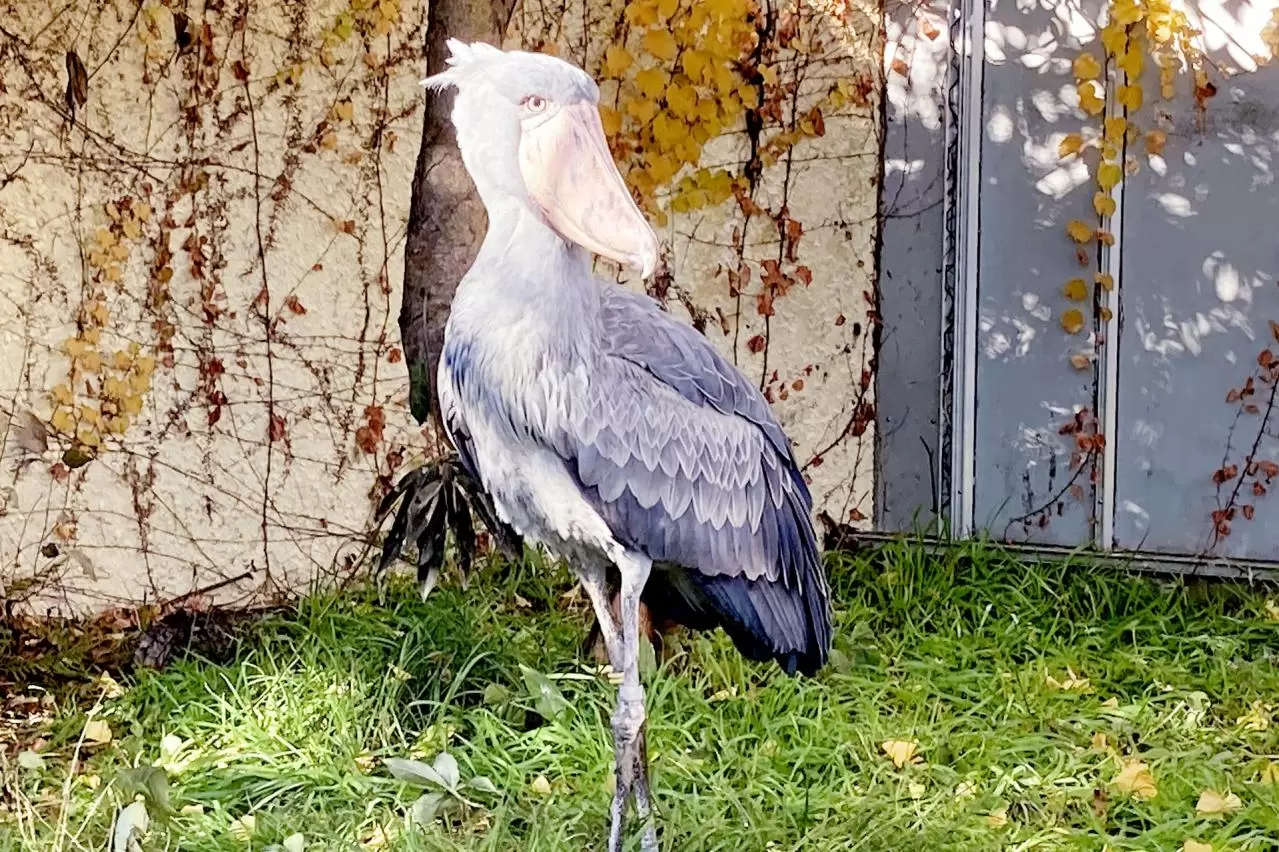
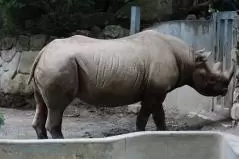
This area exhibits large herbivores from Africa and South America, including giraffes, hippos, rhinos, and pygmy hippos. Rare birds such as the shoebill can also be seen.
Shinobazu Pond Area
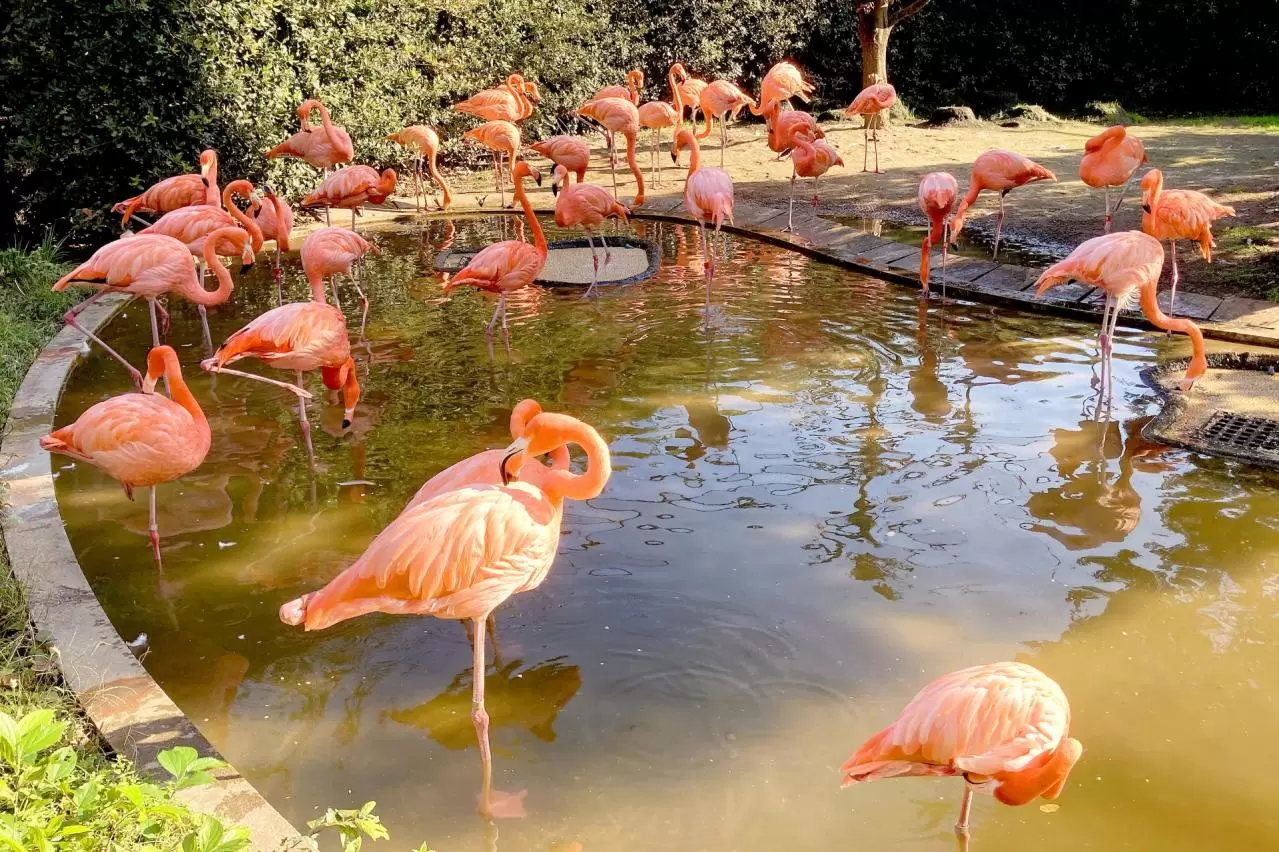
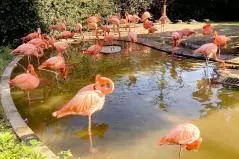
Part of the natural Shinobazu Pond is included within the zoo grounds, where waterbirds such as cranes, pelicans, ducks, and gulls can be observed throughout the year.
Transportation and Facilities
Monorail (abolished in 2023)
A monorail approximately 300 meters long once ran between the East Garden and West Garden, with a ride time of about 1.5 minutes. Its cars, decorated with animal illustrations, were especially popular with children, but the service was officially abolished in 2023.
Education and Conservation Activities
Ueno Zoo is committed not only to animal exhibits but also to conservation, research, and education. Through breeding and protection of rare animals, including giant pandas, and through environmental education programs, it aims to help realize a society in which animals and humans coexist.
Tokyo Tourist Attractions
View List
Mount Takao
Takao Mountain is a 599-meter high mountain located in Hachioji City, Tokyo. It is easily accessible by train from the city center, making it a great spot for casual...

National Museum of Emerging Science and Innovation (Miraikan)
The National Museum of Emerging Science and Innovation, commonly known as Miraikan, opened in Odaiba, Tokyo, in 2001. It is operated by the Japan Science and Technol...

Shibuya Scramble Crossing
Shibuya Scramble Crossing is one of the iconic landmarks of Tokyo, where more than 1,000 people are said to cross at once during peak hours. This intersection, leadi...

Yomiuri Land
Yomiuriland offers a variety of attractions, including the thrilling roller coaster "Bandit," a large Ferris wheel, and the new Ferris Wheel "SKY-GO-LAND." In the su...

Ueno Ameyoko Shopping Street
Ueno Ameyoko Shopping Street is one of Japan's premier shopping streets, stretching about 500 meters between Ueno Station and Okachimachi Station, featuring around 4...

Tokyo Solamachi
Tokyo Solamachi is a large commercial facility located at the base of Tokyo Skytree®, boasting over 300 shops. It features a variety of fashion items, miscellaneous ...

Tokyo Daijingu
Tokyo Daijingu, affectionately known as "Ise-sama of Tokyo," was established in 1880 as a worship hall for Ise Jingu. It enshrines the deities Amaterasu Omikami, Toy...

Senso-ji Temple
Senso-ji Temple is the oldest temple in Tokyo and is a representative tourist destination in Japan, attracting over 30 million visitors each year. Since its founding...