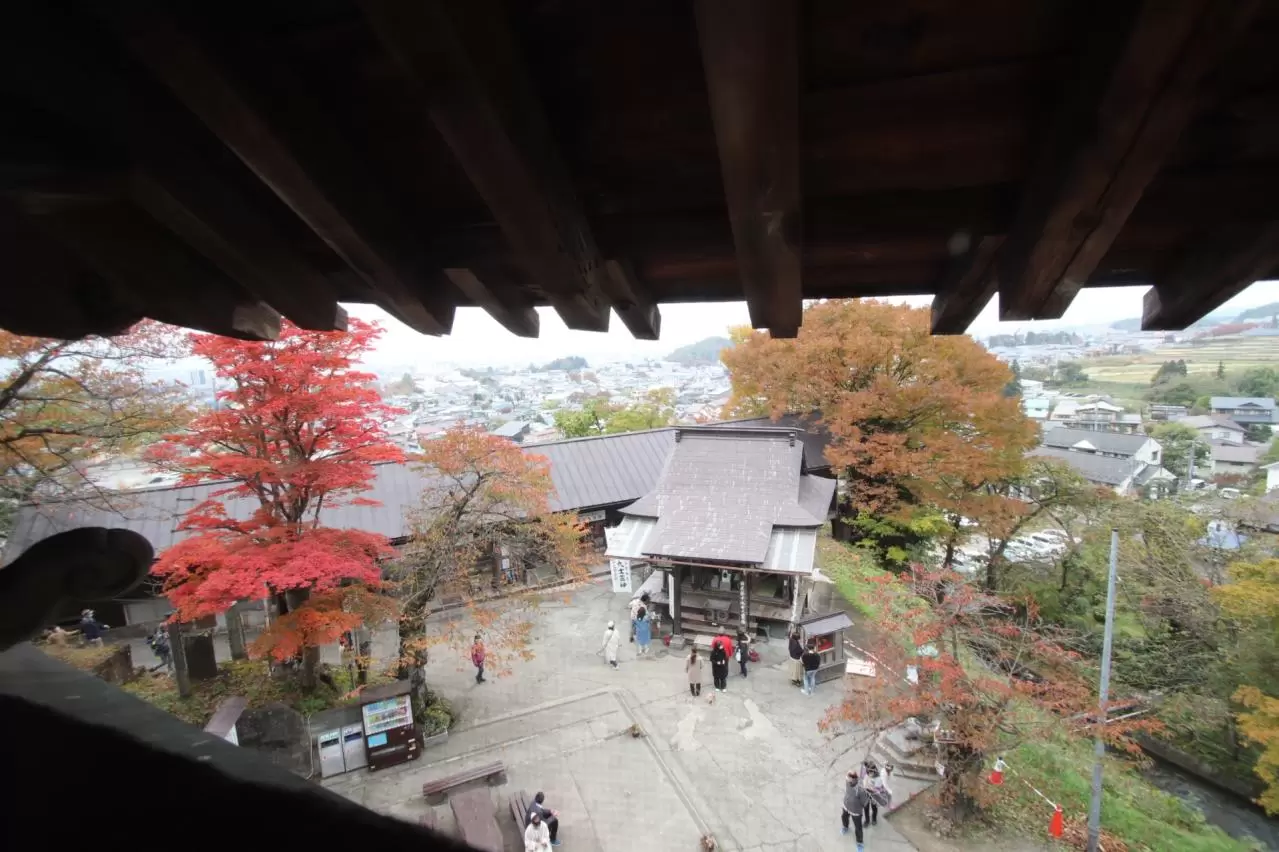
A rare architectural design
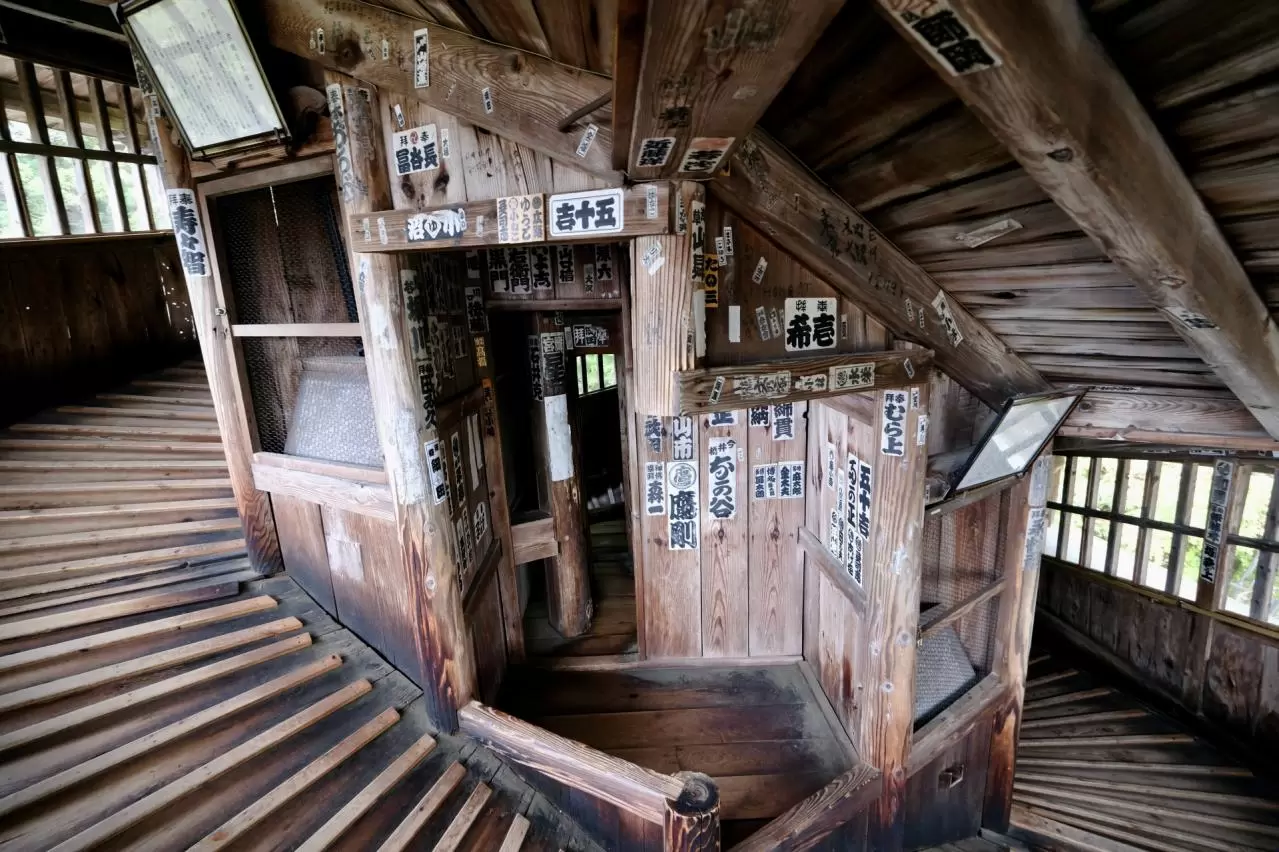
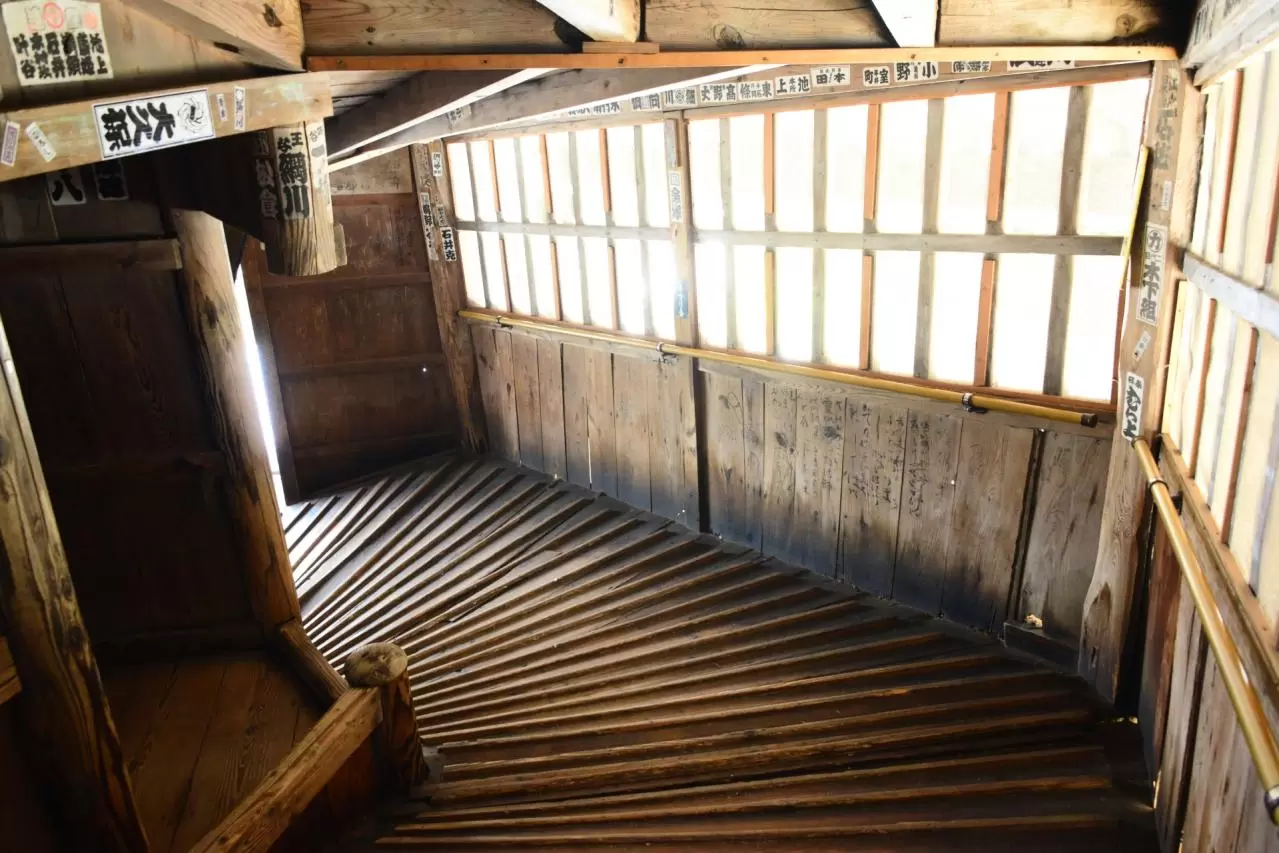
The standout feature is its double-helix layout, with separate routes for going up and down.
AI Summary
This is an AI-generated summary. Please check the official information for opening hours, fees, and closed days.
A distinctive Aizu landmark where you can experience one of the world’s rare double-helix structures.
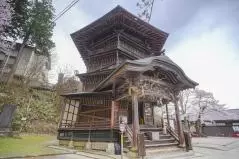
Aizu Sazaedo is a nationally designated Important Cultural Property on Mount Iimori. Its unusual design lets visitors go up and down on separate sloping passageways rather than stairs, making for a memorable visit even if you have limited time. It’s a good fit for travelers interested in history and unusual architecture; check your route in advance if you’re short on time or find longer walks challenging.
The standout feature is its double-helix layout, with separate routes for going up and down.
Located in an area associated with the Byakkotai, it makes a natural stop on a walk through Aizu’s historic sites.
The visit does not take long, making it easy to fit into your itinerary.
Stop by the Mount Iimori area between visits around Aizuwakamatsu and explore the nearby historic sites as well.
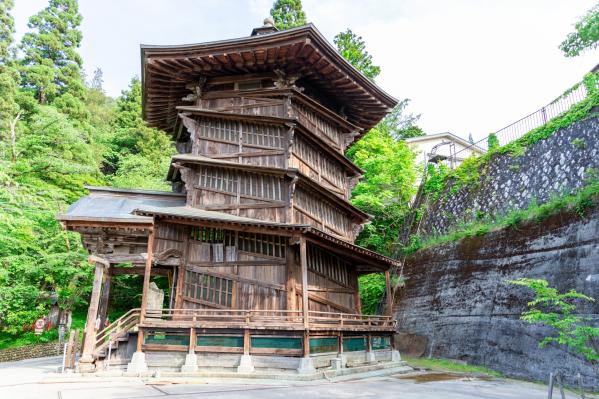
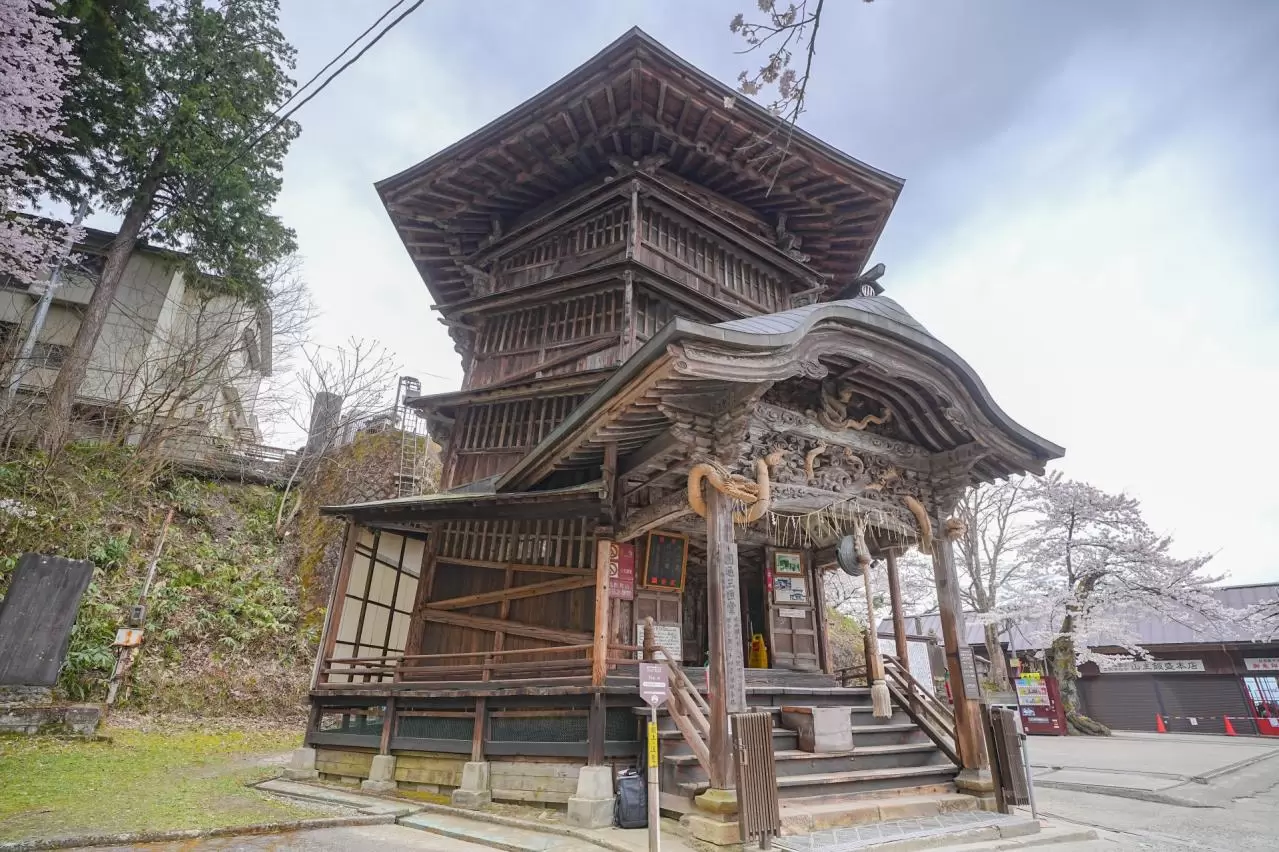
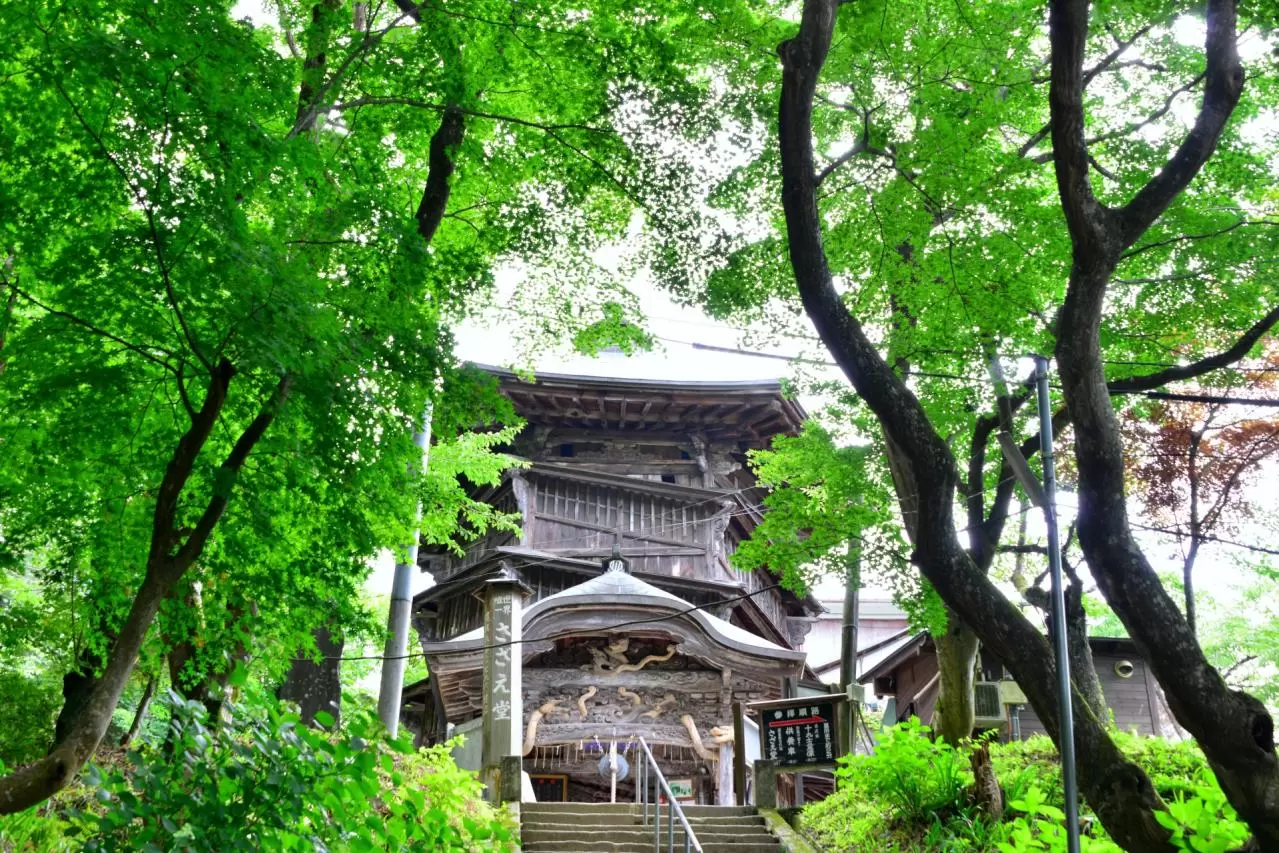
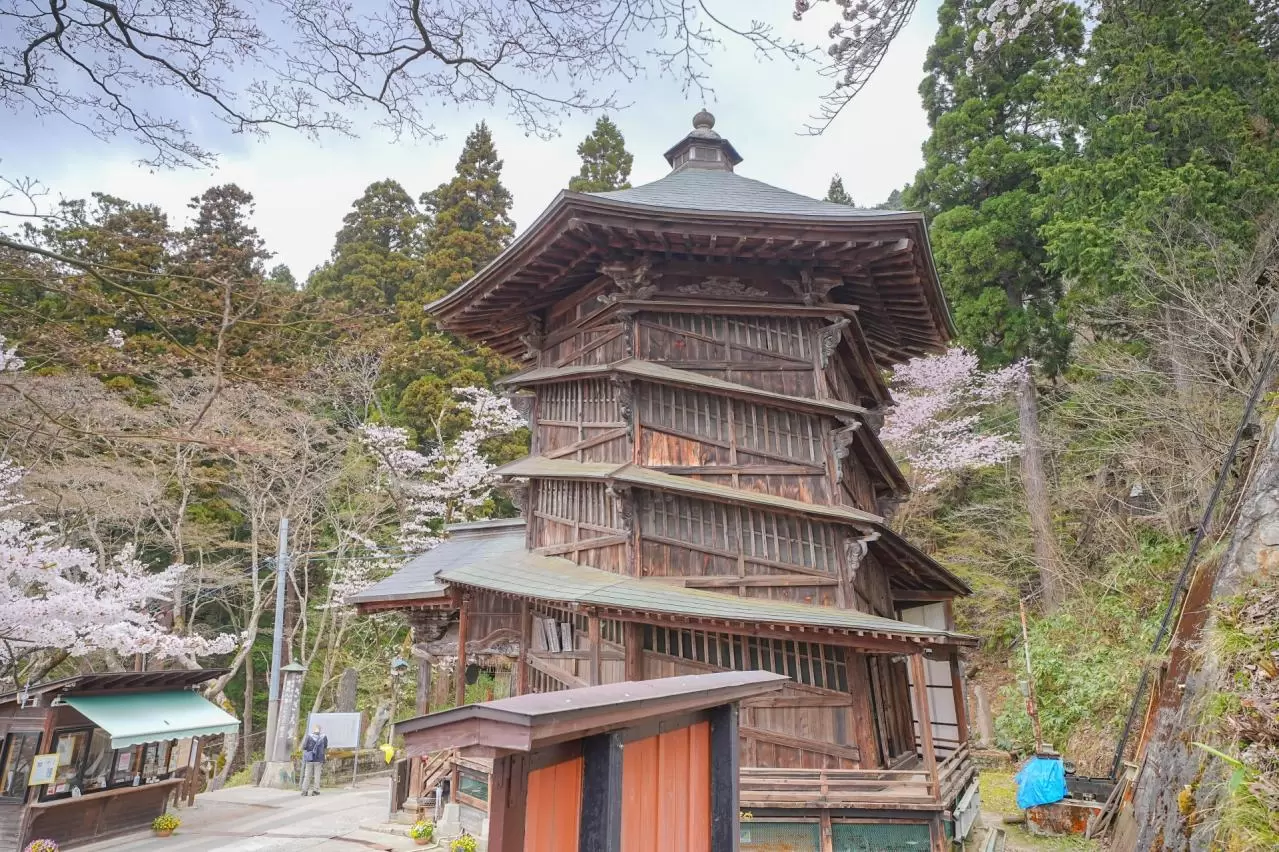
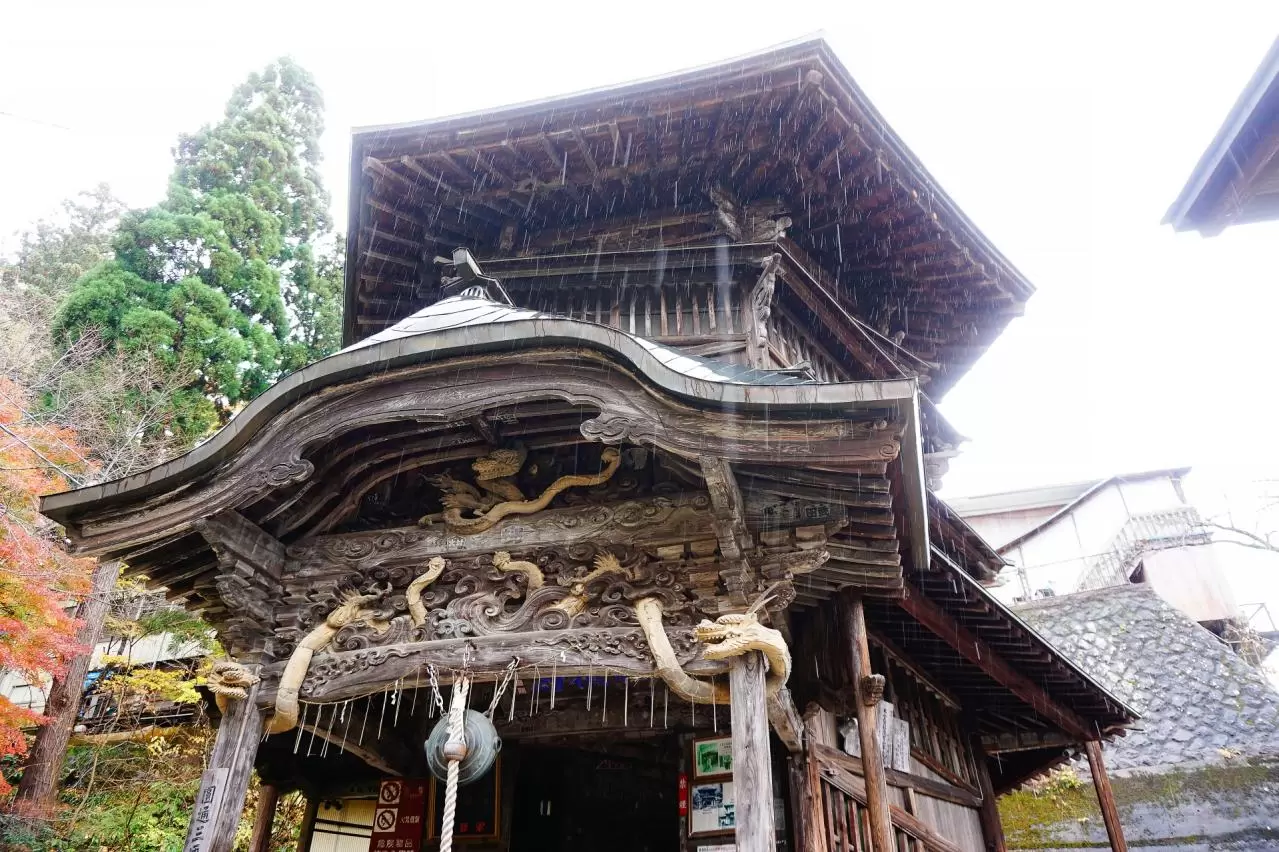
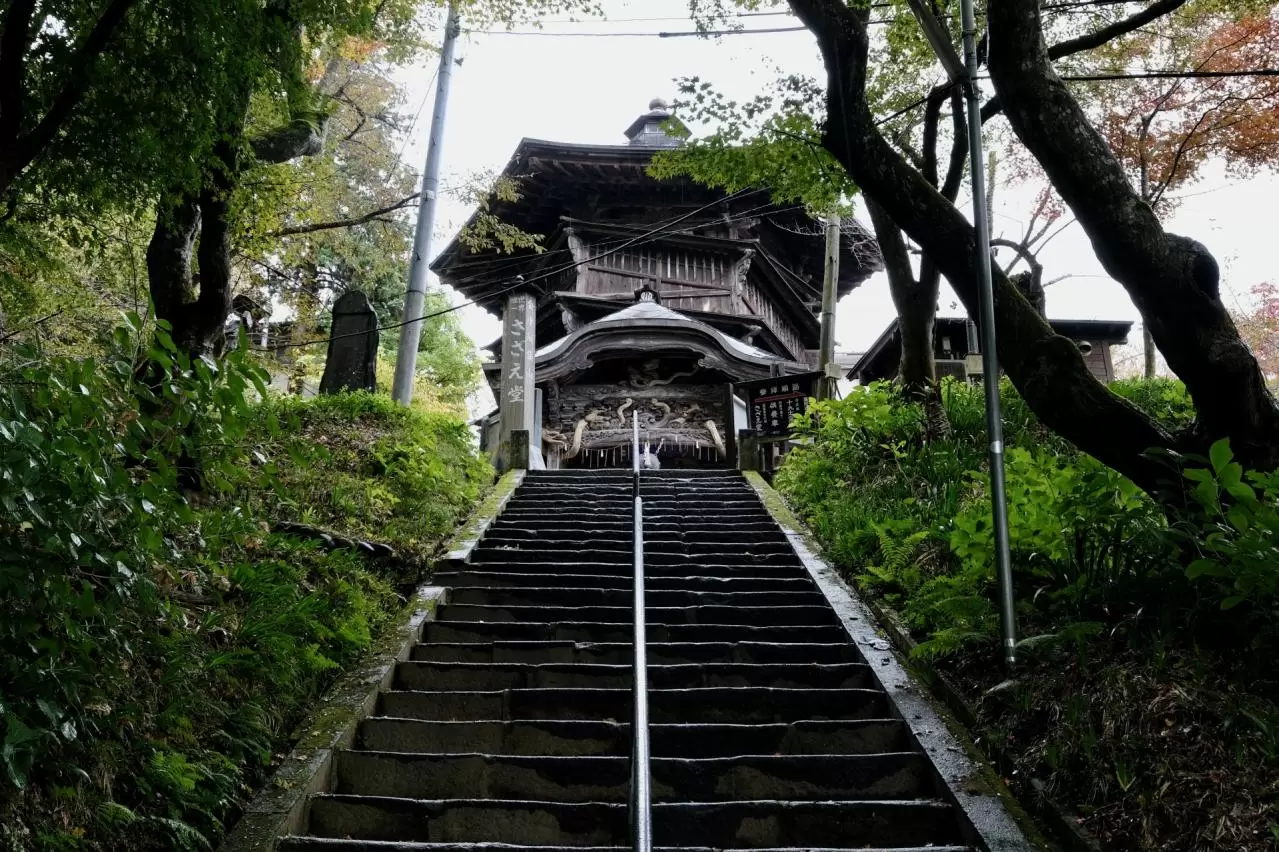
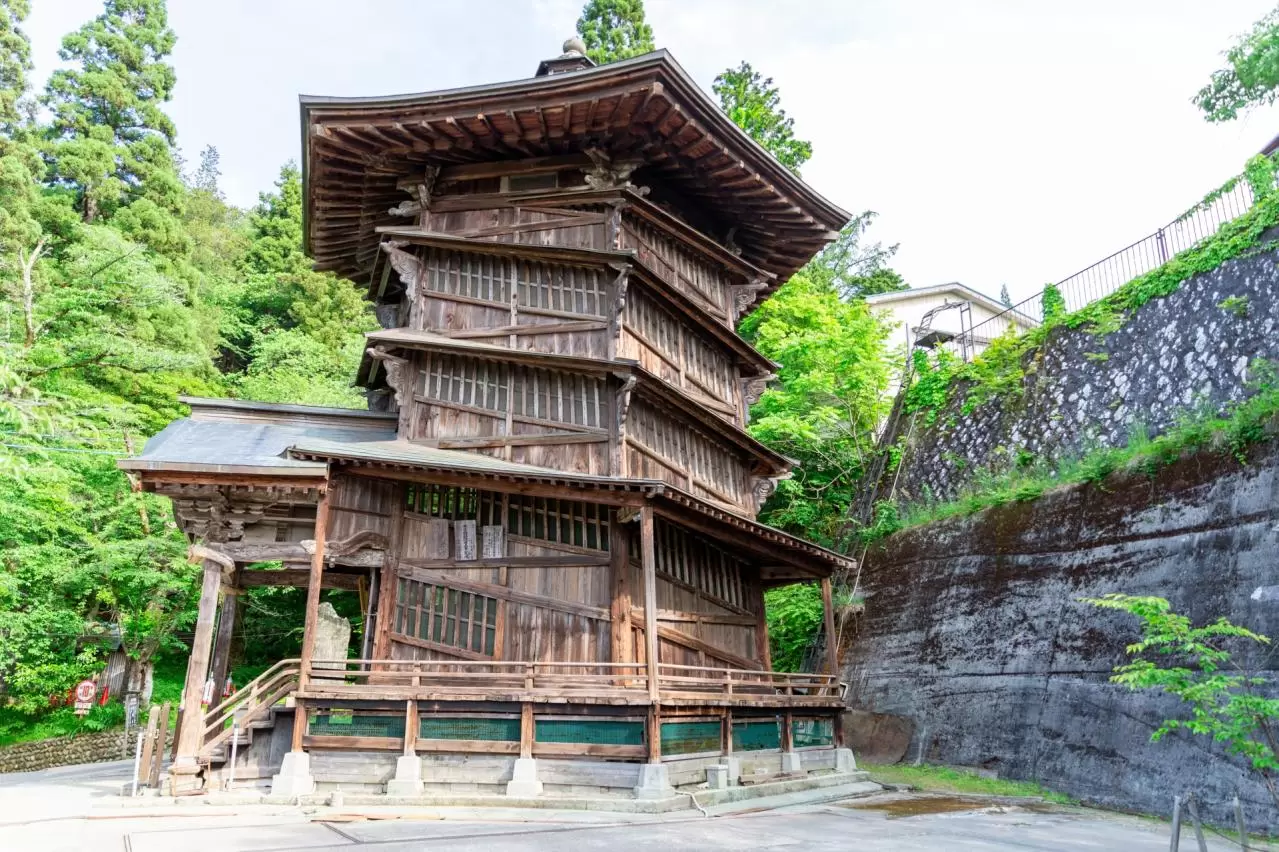
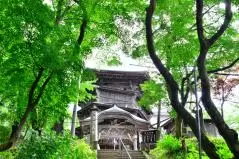
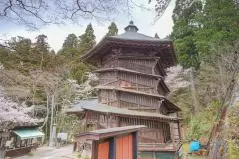
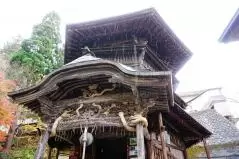
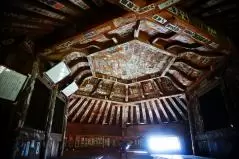
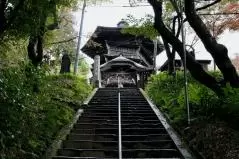
Aizu Sazaedo is a 16.5-meter-tall, hexagonal, three-story wooden structure built in 1796 on Mount Iimori in Aizuwakamatsu City, Fukushima Prefecture. Its official name is Entsū Sansōdō, and it was designated an Important Cultural Property of Japan in 1996. The temple was conceived by Ikudō, the chief priest of the Massho-ji temple that once stood on Mount Iimori, and it was created against the backdrop of the people’s faith in Kannon at the time.
Features of the Architecture
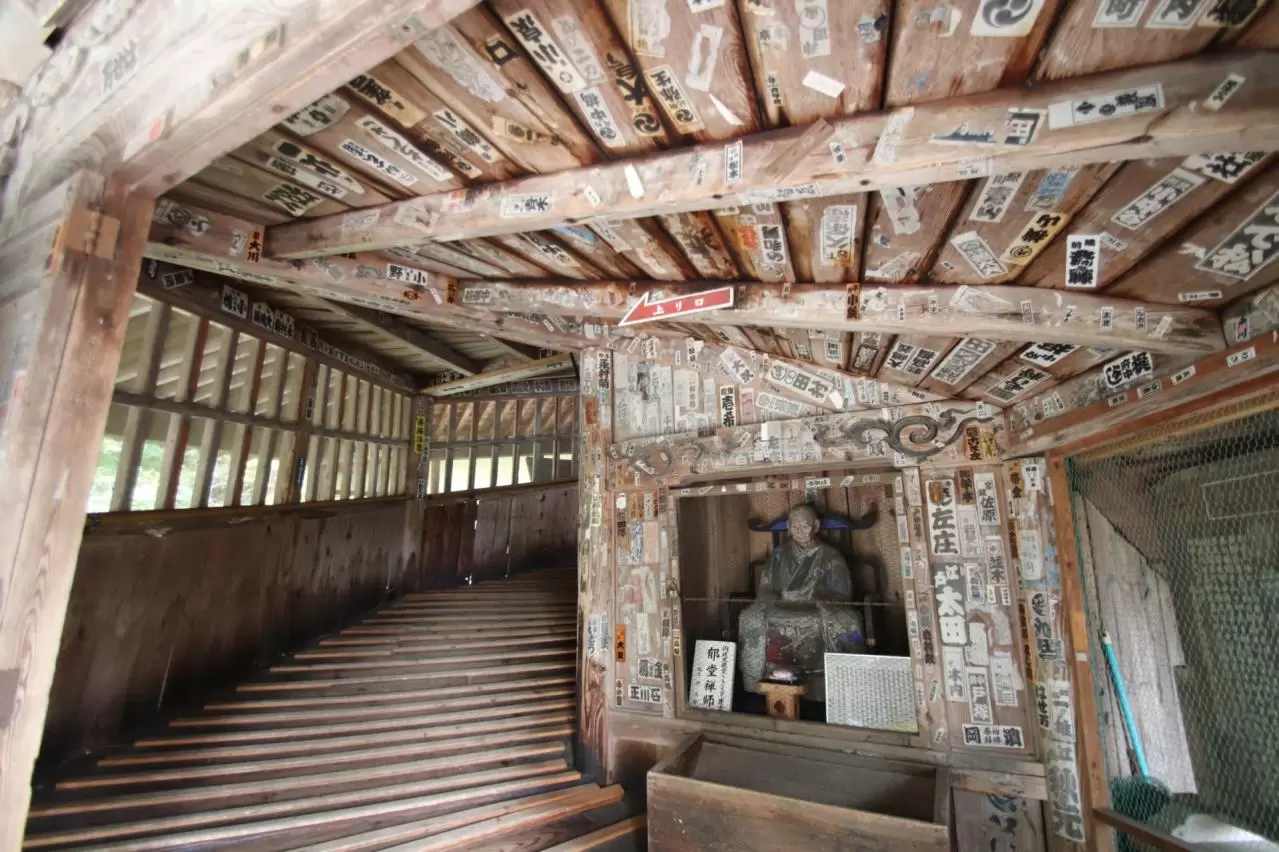
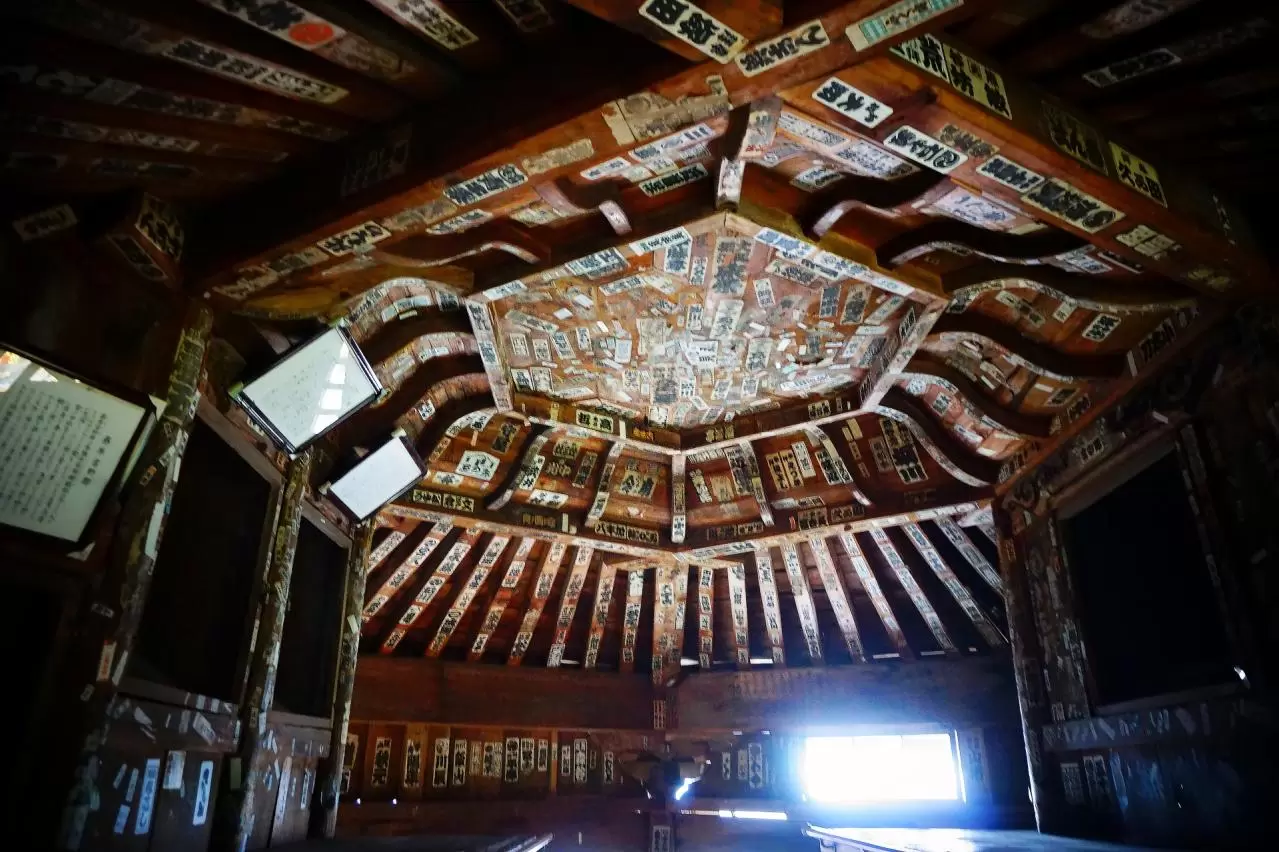
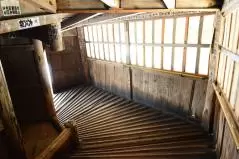
Its greatest feature is the extremely rare “double-helix structure,” which is also highly unusual on a global scale. There are no stairs inside; visitors move along a wooden sloped walkway that winds around the building. The ascent makes one and a half turns, and the descent also makes one and a half turns, for a total of three revolutions around the hall. This design allows worshippers to make a safe, one-way pilgrimage without crossing paths. Because this mechanism resembles the spiral shape of the turban shell, or “sazae,” it came to be known as “Sazaedo.”
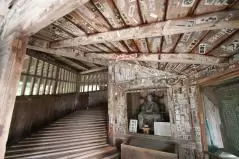
Inside, diagonal windows are installed, allowing visitors to go up and down while feeling the incline, creating a mysterious and unusual sensation. There are several theories about the origin of this idea, including one that it was inspired by a concept from Leonardo da Vinci, and another that it came from a dream revelation received by the head priest.
Role in Faith and Pilgrimage
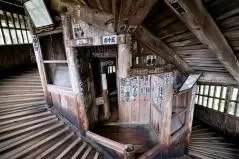
In the past, the sloped walkway was lined with thirty-three Kannon statues from the Saigoku pilgrimage, so visitors could complete a pilgrimage to the Thirty-Three Kannon simply by walking through the hall. During the Edo period, for ordinary people who found travel to distant sacred sites difficult, visiting this hall itself was a dreamlike experience and a highly practical place of worship. Numerous votive slips were affixed to the walls, indicating that many people visited at the time.
Later Changes
In the Meiji period, the thirty-three Kannon statues were removed due to the government’s separation of Shinto and Buddhism. Then, in 1890, statues of the spirits of the 19 Byakkotai soldiers were placed inside, and later, an illustrated plaque of the “Twenty-Four Filial Exemplars of the Imperial Court,” compiled by Matsudaira Katataka, lord of the Aizu domain, was displayed and has been preserved to the present day. Although the Kannon statues are no longer present, the building itself remains a powerful symbol of faith and culture.
Nearby Highlights
Aizu Sazaedo is located on the slope of Mount Iimori, known as the site of the Byakkotai’s suicide. Nearby is Ugajin-do, which houses the spirit statues of the 19 Byakkotai soldiers, making this an area where visitors can deeply appreciate Aizu’s history and culture.
Aizu Sazaedo is a unique wooden structure in the world, distinguished by its hexagonal, three-story, double-helix design, and it is a historic building that combines faith with practicality. Designated an Important Cultural Property of Japan in 1996, its mysterious structure in which the ascent and descent never cross continues to fascinate visitors. Even today, many worshippers and tourists enjoy its strange and wondrous experience, making it one of Aizu’s most iconic attractions, with both historical value and cultural appeal.
#Traditional culture experience #Cultural assets/historic sites
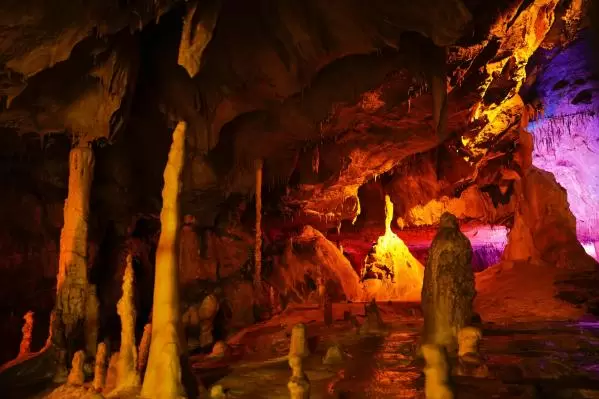
Abukuma Cave is a tourist destination that boasts the beauty of natural formations created over eons. The cave, spanning approximately 600 meters in length, is home ...
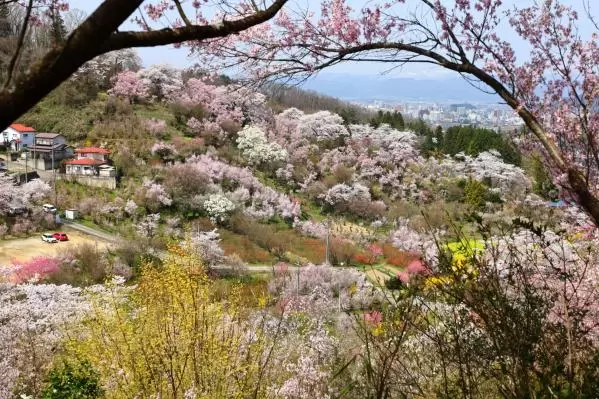
Hanamizuki Park is a renowned flower spot in the Wataru area of Fukushima City, praised by the late photographer Shojiro Akiyama as "a paradise of peach blossoms in ...
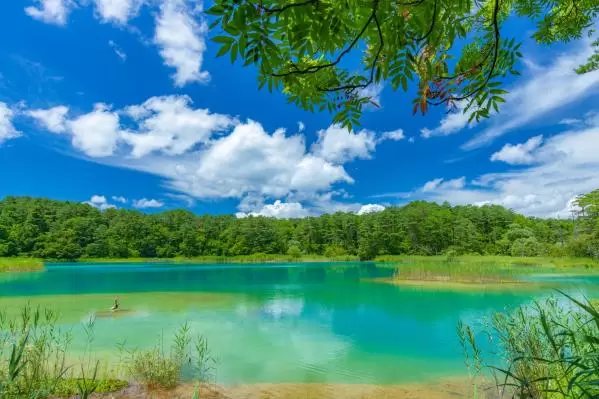
The Goshikinuma Pond Group in Urabandai, Fukushima Prefecture, is a mysterious cluster of lakes created by a landslide during the volcanic explosion of Mount Bandai ...
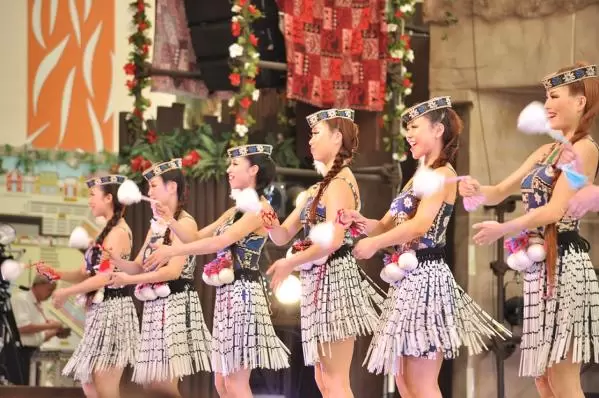
Spa Resort Hawaiians is one of Japan's premier hot spring leisure facilities, located in Iwaki City, Fukushima Prefecture. Utilizing the abundant hot spring water fr...
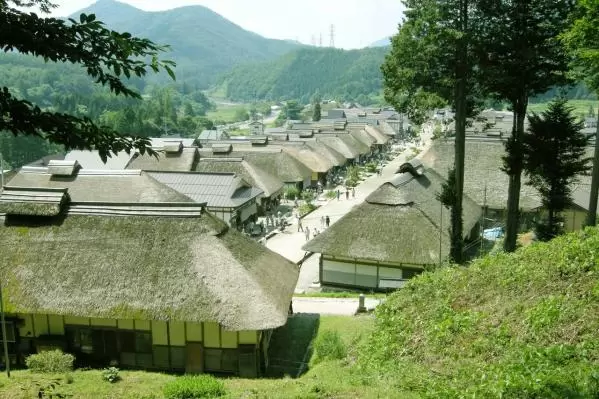
Ouchi-juku, located in Minamiaizu, Fukushima Prefecture, was once an important post town on the Aizu Nishi Kaido, a highway connecting Aizuwakamatsu and Nikko Imaich...
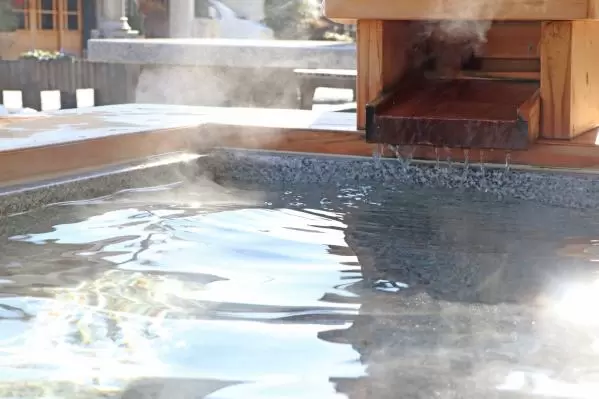
Iizaka Onsen, a representative hot spring district of the Tohoku region, is a historic and beloved spa that has been visited by famous literary figures such as Matsu...
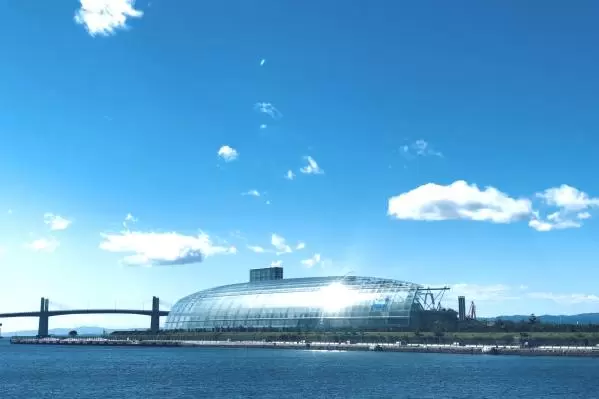
Aqua Marine Fukushima is an aquarium themed around the "confluence of currents," where the cold and warm ocean currents meet. Inside the facility, you can experience...
Lake Inawashiro is Japan's fourth largest lake, boasting a vast area of approximately 100 square kilometers. With its high transparency, it is also known as "Tenkyok...