Iconic Geo-Cosmos
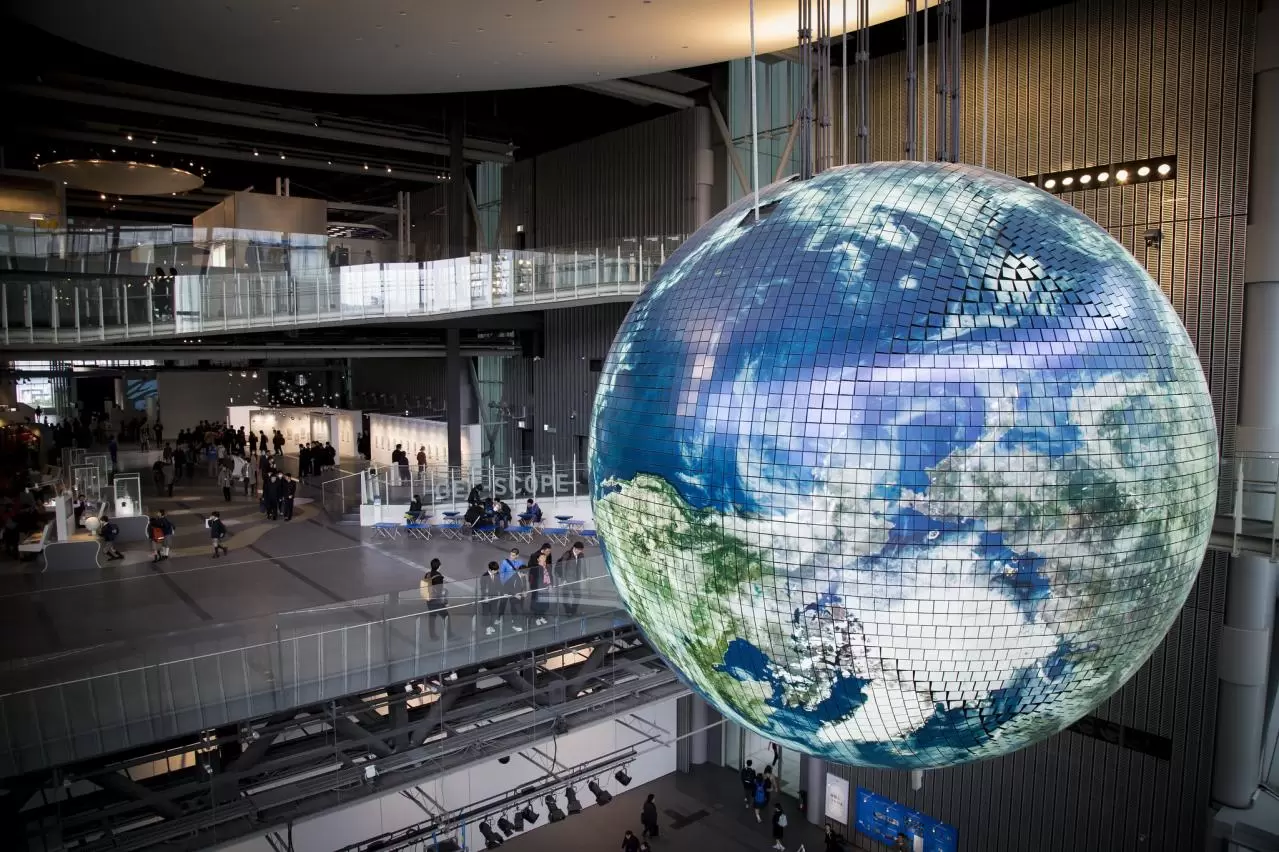
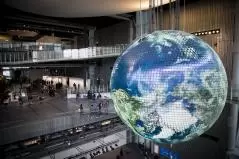
The giant Earth display is a striking centerpiece and a memorable museum sight.
AI Summary
This is an AI-generated summary. Please check the official information for opening hours, fees, and closed days.
This hands-on science museum invites you to see, explore, and think about science, and is an easy addition to an Odaiba itinerary for visitors of all ages.
Explore topics such as space, Earth, life, and AI through interactive exhibits. Highlights include Geo-Cosmos, deep-sea exploration models, and theater-style presentations. With so much to see, it helps to choose your priorities in advance; special exhibitions and screenings may cost extra.
The giant Earth display is a striking centerpiece and a memorable museum sight.
From space and AI to the deep sea, there are plenty of ways to spark your curiosity.
As an indoor attraction, it is less affected by the weather.
Stop by during a walk around Odaiba, explore the museum, then continue toward the waterfront for an easy-paced outing.
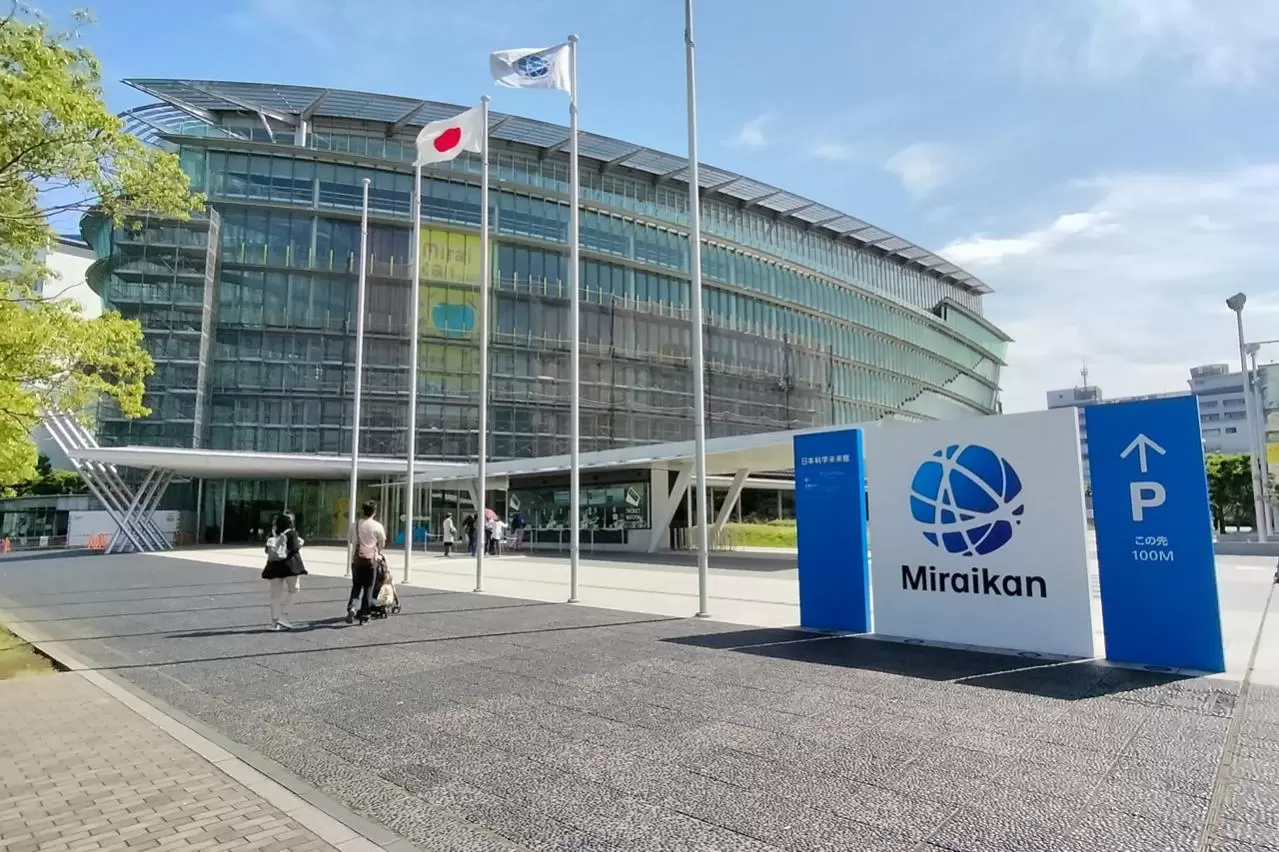
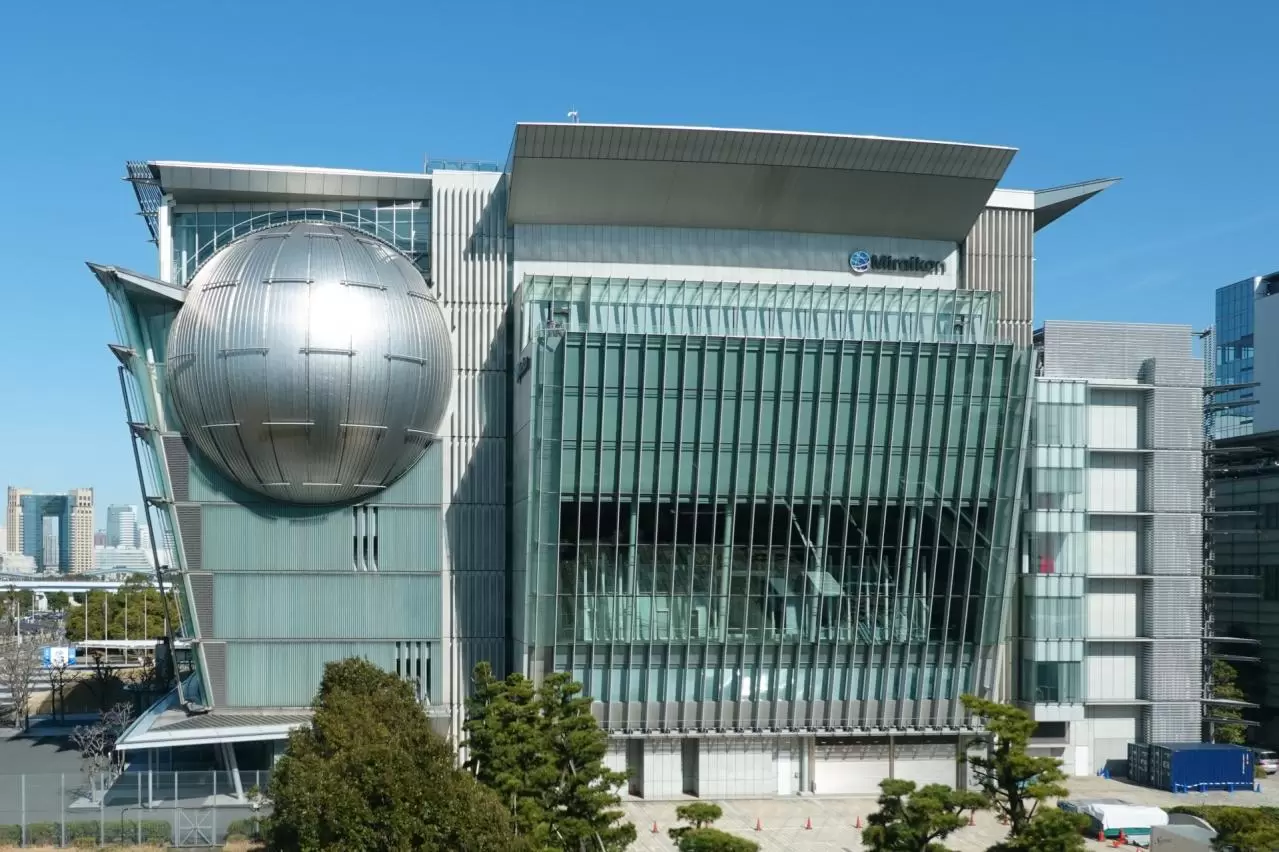
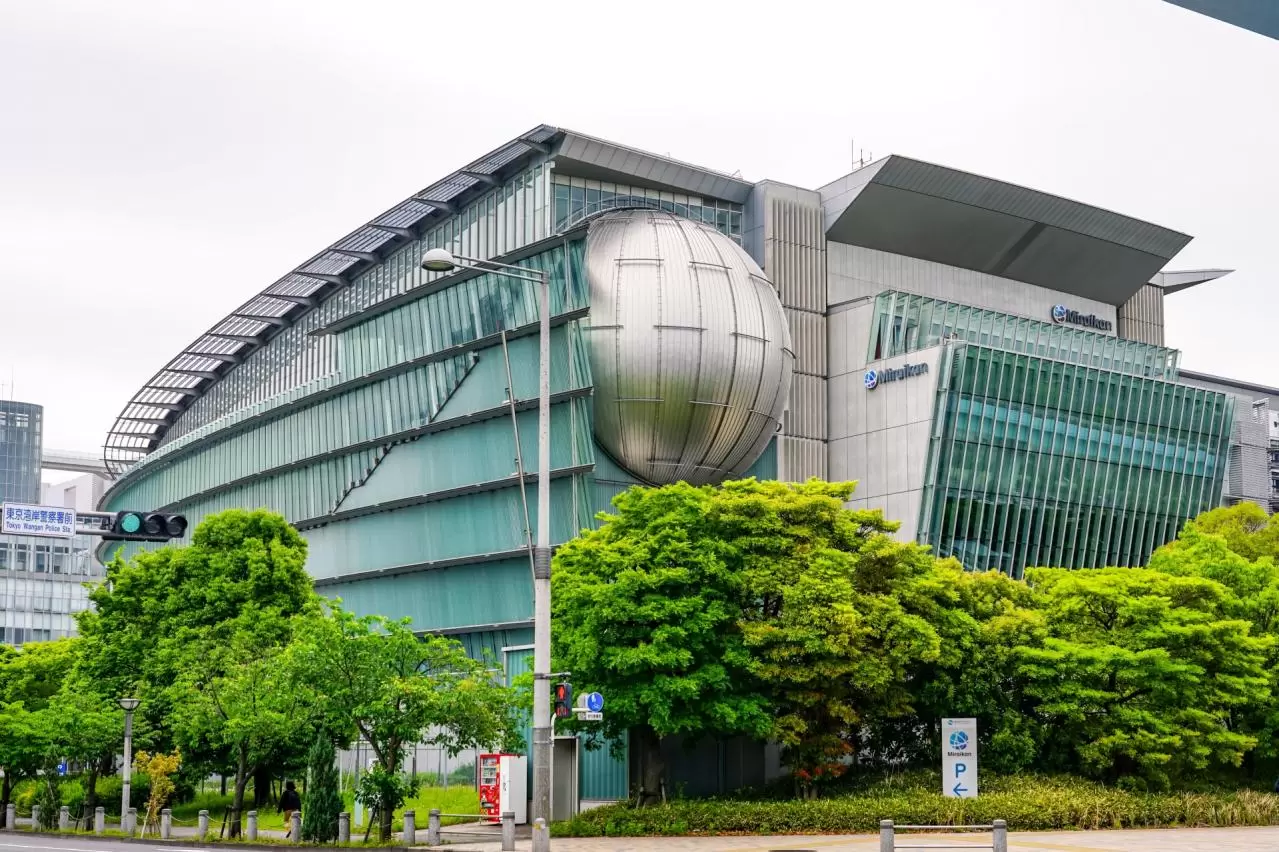
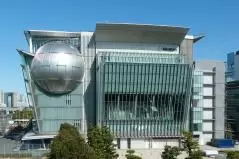
The National Museum of Emerging Science and Innovation is a national science museum that opened on July 9, 2001, in Odaiba, Tokyo. It is operated and established by the Japan Science and Technology Agency (JST), and was founded as “a place open to all people, where science and technology are regarded as culture, and where people can think and talk about their role in society and their possibilities for the future.” It was based on Japan’s then-current science and technology policy, the “Science and Technology Basic Plan,” and aims to deepen public understanding of science and technology.
Exhibitions and Zoning
The museum is divided into the following three zones so that visitors can intuitively and experientially understand science and technology:
• “Discovering the World” Zone
This zone features exhibitions that explore the structures and mechanisms of the world around us, including space, the Earth, life, and matter.
• “Creating the Future” Zone
This zone introduces the possibilities of advanced technologies that will shape future society, such as robots, AI, and medical technologies.
• “Connecting” Zone
This zone focuses on the relationships between people, information and technology, and nature and society, offering insights into the networked modern world.
Major Exhibitions and Experience Facilities
• Geo-Cosmos
A giant Earth display, the museum’s symbol, presents real-time images of cloud movements, ocean currents, environmental data, and more in ultra-high resolution with over 10 million pixels.
• Full-scale model of Shinkai 6500
A full-scale replica of the crewed deep-sea submersible Shinkai 6500, allowing visitors to learn about the fascination and challenges of deep-sea exploration.
• ASIMO robot demonstration
Demonstrations of the ASIMO robot ended in 2022, but the museum continues to introduce the technology through video exhibits and other displays.
• Video theaters
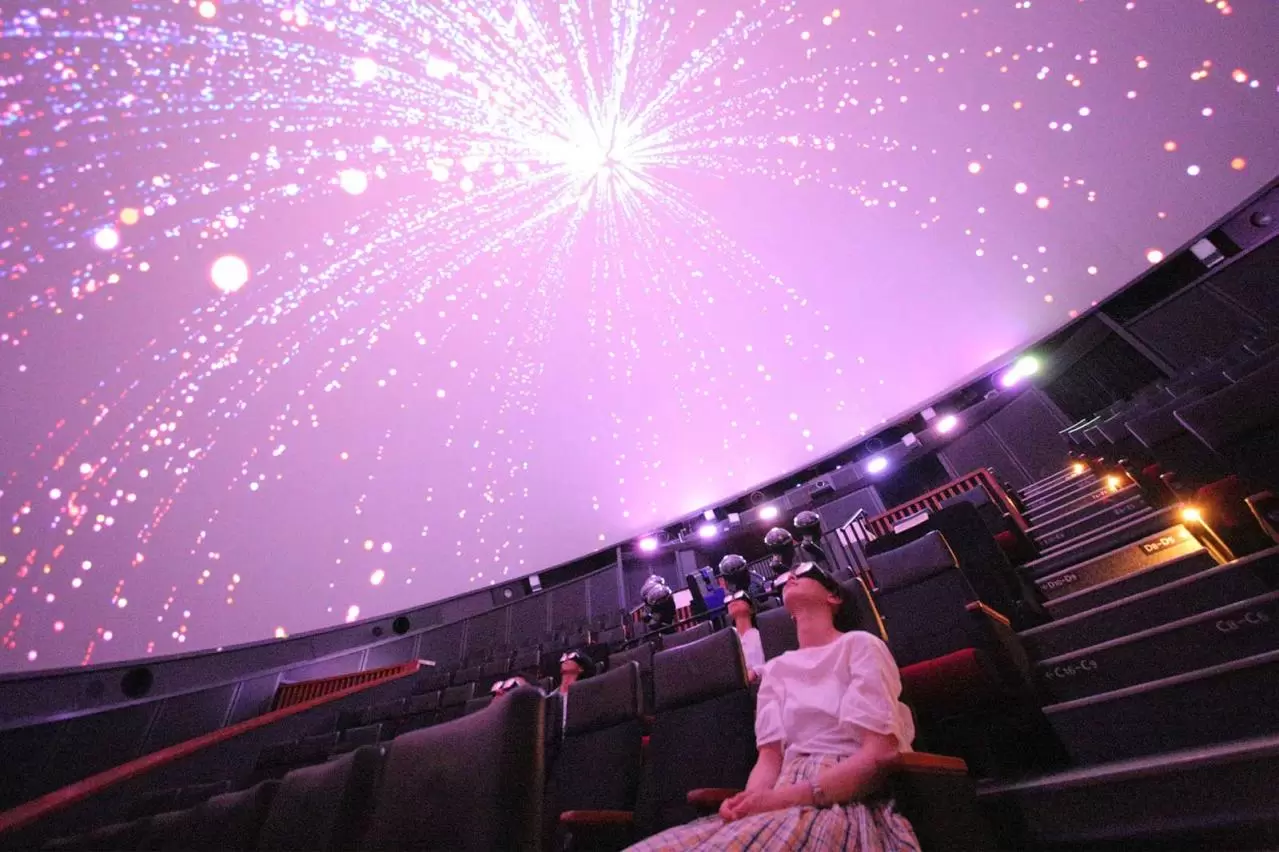
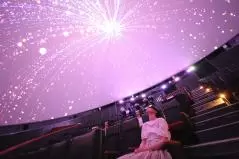
At the Dome Theater Gaia, visitors can enjoy an immersive visual experience combining fulldome imagery and a planetarium. A VR theater is also available, offering a glimpse into future media experiences.
The Museum’s Vision and Five Initiatives
Rather than being merely an exhibition facility, Miraikan is advancing the following five initiatives as a “platform for creating the future”:
1. Thinking about the future of people
From four perspectives—life, society, Earth, and the frontier—it communicates how cutting-edge science affects the future of people.
2. Creating the future
In collaboration with research institutions, companies, and local governments, the museum hosts demonstrations and hands-on experiences with new technologies that anticipate future society.
3. Creating together
Through membership programs and digital platforms, the museum provides frameworks that encourage visitors to take an active role in shaping the future.
4. Fostering “people who create the future”
The museum places importance on developing “science communicators” who convey science and technology, offering opportunities to engage with science through exhibit explanations, dialogue events, and co-creation projects.
5. Sustainability and accessibility
The museum actively works to reduce environmental impact and improve accessibility, while also demonstrating new technologies and contributing to the sustainable development of society.
Symbol Mark and Slogan
Miraikan’s symbol mark consists of a perfect circle and arcs surrounding it, symbolizing the Earth and satellite orbits, cell division, networks (people and information), and the movement of electrons. It represents the wide range of scientific and technological fields covered by the museum.
The slogan “Mirai can” is also used, a wordplay combining “Miraikan” and “mirai o kanaeru (can),” meaning “to make the future come true.” The blank space that follows carries the hope that each person will freely envision their own future they wish to realize.
Tokyo Daijingu, affectionately known as "Ise-sama of Tokyo," was established in 1880 as a worship hall for Ise Jingu. It enshrines the deities Amaterasu Omikami, Toy...
Toyosu Market, which opened in October 2018 after relocating from Tsukiji, is part of the Tokyo Central Wholesale Market and is one of the largest public markets not...
The National Diet Building is the center of Japan's legislature, located a 3-minute walk from Tokyo Metro's Nagatacho Station. Construction began in 1920 and was com...
Kasai Rinkai Aquarium is a popular aquarium located within Kasai Rinkai Park in Edogawa, Tokyo. The impressive large glass dome designed by architect Yoshiyuki Tanig...
Tokyo Tower has been loved by many as a landmark of Tokyo since it opened in 1958. This multi-purpose broadcasting tower stands at a height of 333 meters and is loca...
Ueno Ameyoko Shopping Street is one of Japan's premier shopping streets, stretching about 500 meters between Ueno Station and Okachimachi Station, featuring around 4...
Sunshine Aquarium is an aquarium located on the rooftop of a building in Ikebukuro, Tokyo, themed as a "sky oasis." The outdoor area, brimming with a resort-like atm...