Tokyo National Museum
The museum comprises a total of six exhibition halls. The Main Hall (Japanese Gallery) showcases Japanese art, while the Asian Gallery (Oriental Hall) features Eastern artworks. Additionally, the Horyu-ji Treasure Hall displays precious treasures donated from Horyu-ji Temple. The Heisei Hall has archaeological artifacts from Japan on the first floor and a special exhibition room on the second floor. The Kuroda Memorial Hall exhibits works by the Western painter Kuroda Seiki. The General Cultural Exhibition continually displays around 3,000 items, with frequent updates to the exhibitions.
The museum is also active in various educational and outreach activities, hosting special exhibitions, research, and performances. Moreover, it features a beautiful Japanese garden, providing visitors with a tranquil space away from the urban hustle and bustle.
In this way, the Tokyo National Museum contributes to the understanding of Japan's history and culture through the preservation and research of cultural properties, as well as education and outreach to the public.
Basic Information
- Spot Name
- Tokyo National Museum
- Location
- 〒110-8712 13-9 Ueno Park, Taito City, Tokyo, Japan
- Access
- 10-minute walk from JR Ueno Station Park Exit,
13-minute walk from Keisei Ueno Station Main Exit,
15-minute walk from Exit 7 of Tokyo Metro Ginza Line and Hibiya Line Ueno Station. - Parking
- No parking available.
- Business Hours
- 9:30 AM to 4:30 PM (last admission at 5:00 PM, varies by season)
- Regular Holiday
- Closed on Mondays. If Monday is a holiday, it will be open on that day and closed the following day. Closed during the New Year holiday period. *Additional temporary closures may occur.
- Fees
- [Comprehensive Cultural Exhibition (Permanent Exhibition)] General: 1000 yen, University Students: 500 yen, High School Students and younger, and those under 18 years old or over 70 years old: Free.
- Contact Information
- Phone Number:050-5541-8600
- Official Website
Map
Detailed Information
Detail
The Tokyo National Museum is the oldest museum in Japan, founded in 1872. Located in Ueno Park in Taito City, Tokyo, it houses and exhibits an extensive collection centered on Japanese and Asian art and archaeology. Its collection totals approximately 120,000 items, including 89 National Treasures and 653 Important Cultural Properties (as of April 2025), making it one of Japan’s foremost repositories of cultural assets in both quality and quantity.
History and Mission of the Museum
The origins of the Tokyo National Museum date back to an exhibition held in 1872 at Taiseiden Hall of Yushima Seido in Tokyo. This was the first exposition organized by the Japanese government, and it is regarded as the starting point of the museum’s activities. Over the past 150 years, the museum has worked to preserve and pass on Japan’s history and culture through the collection, research, and restoration of cultural properties.
These achievements are made accessible to the public through permanent and special exhibitions, and the museum also plays a major role in education and research.
Exhibition Structure and Facilities
The Tokyo National Museum has six main exhibition buildings, each with its own theme and role, allowing visitors to experience art and history from multiple perspectives.
Main Building (Japanese Gallery)
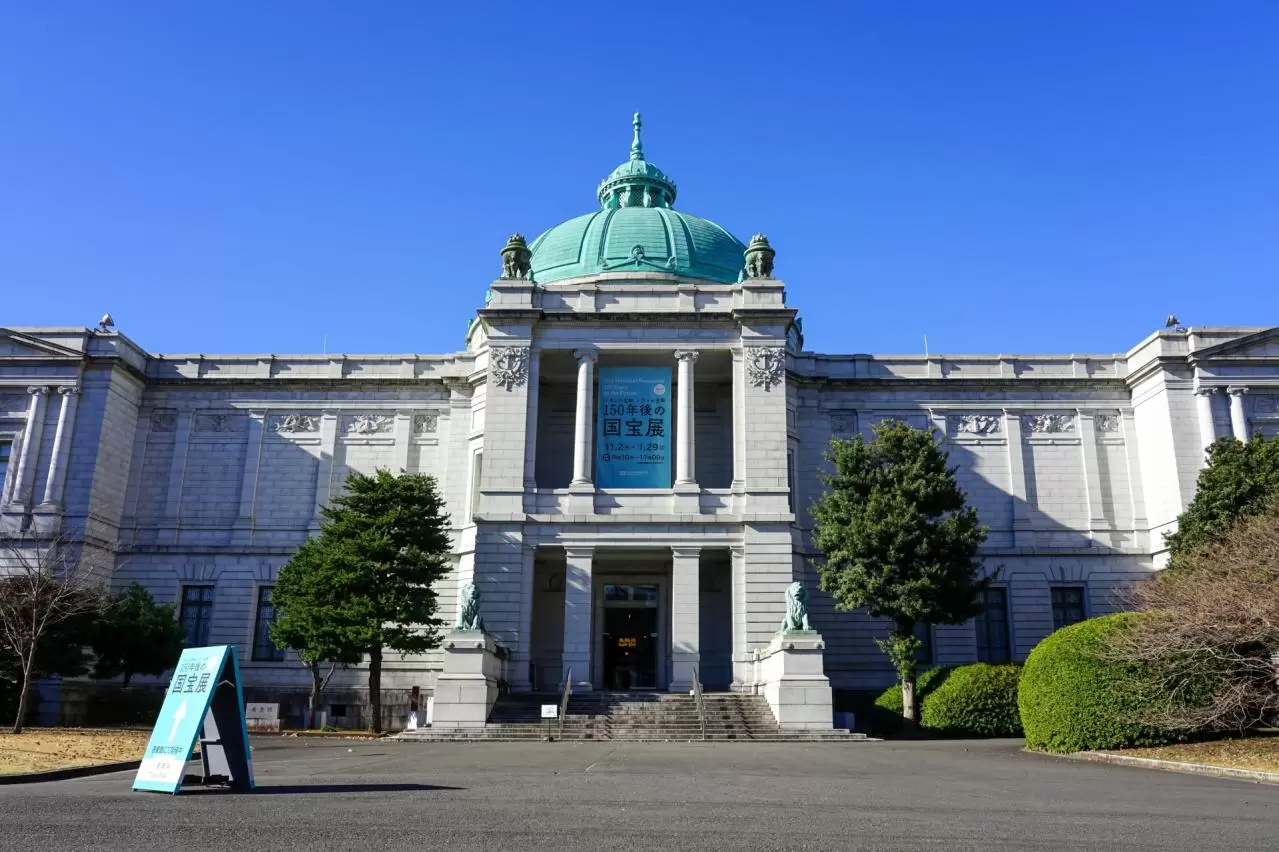
This exhibition building presents the development of Japanese art by period and genre. It opened in 1938 and is known as a representative example of the “Imperial Crown Style,” designed by architect Jin Watanabe. It was designated an Important Cultural Property in 2001. The second floor displays works chronologically, while the first floor presents them by genre.
Heiseikan
Opened in 1999, this building houses the Archaeological Gallery introducing Japanese archaeological artifacts, as well as special exhibition rooms, an auditorium, a lounge, and other facilities on the first floor. The second floor is used exclusively for special exhibitions.
Toyokan (Asian Gallery)
Opened in 1968, this building was designed by architect Yoshirō Taniguchi. It exhibits a wide range of Asian art, crafts, and archaeological materials from China, the Korean Peninsula, Southeast Asia, India, the Western Regions, Egypt, and other areas. On the basement floor is the TNM & TOPPAN Museum Theater, where visitors can enjoy immersive visual experiences.
Horyuji Treasure Gallery
This gallery houses about 300 treasures that were dedicated to the Imperial Household from Horyuji Temple in Nara in 1878, some of which are on display. The current building was designed by architect Yoshio Taniguchi and completed in 1999, and it also includes a restaurant on the first floor.
Kuroda Memorial Hall
Built in 1928 in accordance with the will of Western-style painter Seiki Kuroda, this building was designed by Shinichiro Okada. Kuroda’s works are displayed in the Kuroda Memorial Room and the Special Room during special public openings held several times a year. Admission is free.
Hyokeikan
Opened in 1909 to commemorate the marriage of Emperor Taisho, this facility was designed by Tokuma Katayama. It is distinguished by its beautiful Neo-Baroque architecture and is currently used as a venue for special exhibitions and events.
TNM Collection Exhibition and Rotating Displays
The Tokyo National Museum presents its permanent collection through the “TNM Collection Exhibition.” Approximately 3,000 works are on display at all times, featuring a diverse range of cultural properties selected from the museum’s own collection and deposited works.
Exhibits are rotated in one gallery or another almost every week, with around 400 changes made annually. It is a museum beloved by repeat visitors, as there is always something new to discover no matter how many times you come.
Educational and Outreach Activities, and the Museum’s Appeal
In addition to exhibitions, the Tokyo National Museum offers a wide variety of educational and outreach activities, including lectures, workshops, research presentations, and performances. It serves as a bridge bringing specialized knowledge to the general public and provides opportunities to engage with culture.
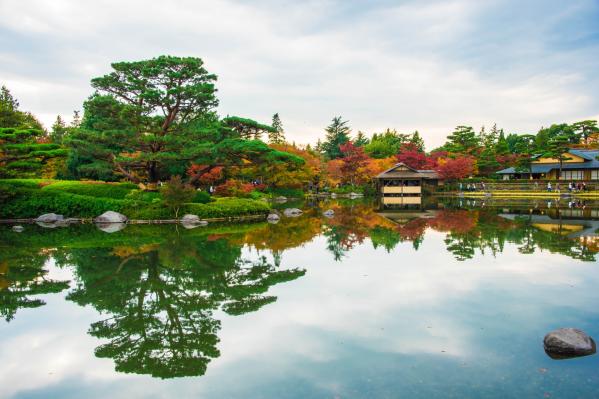
The museum grounds also include a Japanese garden, where visitors can enjoy the beauty of nature throughout the seasons, such as cherry blossoms in spring and autumn foliage in fall. It is also an inviting place to quietly escape the bustle of the city between art-viewing sessions.
Tokyo National Museum Movies


Tokyo Tourist Attractions
View List
Toyosu Market
Toyosu Market, which opened in October 2018 after relocating from Tsukiji, is part of the Tokyo Central Wholesale Market and is one of the largest public markets not...

Rikugien Garden
Rikugien Garden is a landscape garden designed by Yanagisawa Yoshiyasu, a close aide to Tokugawa Tsunayoshi, and completed over a period of seven years in 1695 (Genr...

Tokyo Skytree®
Tokyo Skytree® is the tallest freestanding broadcasting tower in the world, located in Sumida, Tokyo. Since its opening in 2012, it has attracted many tourists as a ...

Ueno Ameyoko Shopping Street
Ueno Ameyoko Shopping Street is one of Japan's premier shopping streets, stretching about 500 meters between Ueno Station and Okachimachi Station, featuring around 4...

Mount Takao
Takao Mountain is a 599-meter high mountain located in Hachioji City, Tokyo. It is easily accessible by train from the city center, making it a great spot for casual...


Meiji Shrine
Meiji Shrine is an important Shinto shrine located in Shibuya, Tokyo, dedicated to Emperor Meiji and Empress Shoken. Built in 1920, it boasts the highest number of v...

National Museum of Emerging Science and Innovation (Miraikan)
The National Museum of Emerging Science and Innovation, commonly known as Miraikan, opened in Odaiba, Tokyo, in 2001. It is operated by the Japan Science and Technol...