Pacific Ocean tank
The huge tank, home to whale sharks and rays, is a major highlight.


AI Summary
This is an AI-generated summary. Please check the official information for opening hours, fees, and closed days.
A large aquarium themed around the Pacific Ocean, with an impressive main tank and atmospheric exhibits.
About a 5-minute walk from Osakako Station, Osaka Aquarium Kaiyukan is a city aquarium where you can see a wide variety of marine life, including whale sharks, up close in a tank recreating the Pacific Ocean. Exhibits range from jellyfish and deep-sea life to Antarctica, making it an enjoyable option even on rainy days.
The huge tank, home to whale sharks and rays, is a major highlight.
Explore the connections between marine life, forests, and the deep sea.
Most of the experience is indoors, so the weather is less likely to affect your visit.
Start at Osakako Station and visit the aquarium, then explore the Tempozan area if you have time.
Kaiyukan is a world-class urban aquarium located in Minato Ward, Osaka, and is known for its exhibits that faithfully recreate the natural environments of the world’s largest ocean, the Pacific, and its surrounding regions. The core themes of the aquarium are the “Pacific Ring of Fire” and the “Ring of Life,” allowing visitors to feel the interconnectedness of life on Earth and the preciousness of living things.
Exhibit Features
The aquarium is designed as if visitors were traveling around the Pacific Ocean, with 14 major tanks and several special exhibit tanks arranged in geographical order. Guests begin in the “Japanese Forest,” then move around the “Pacific” tank as the centerpiece, experiencing environments from North America, South America, Australia, Antarctica, Southeast Asia, and more in sequence.
Pacific Tank
At the center of the facility is the विशाल “Pacific” tank, which is 9 meters deep, up to 34 meters long, and holds approximately 5,400 tons of water. Here, whale sharks (subject to change depending on exhibit status), manta rays, hammerhead sharks, bigeye trevally, and other species swim gracefully, captivating many visitors with their impressive presence.
Japanese Forest
This area recreates a lush natural environment with flowing waterfalls and moss-covered scenery, introducing creatures that live in mountain streams. It also depicts a hypothetical scene of “what if otters still lived in Japan,” creating a space that evokes both the beauty and fragility of Japanese nature.
Jellyfish Galaxy
A fantastical area focused on the beauty of jellyfish, where visitors can watch them drift gently as if floating through a galaxy. Thoughtful lighting and presentation create a serene and mysterious atmosphere.
Exhibition Environments from Around the World
Tasman Sea (between Australia and New Zealand): Kam dolphins were formerly on display here, but the exhibit contents may have changed.
Monterey Bay (North America): Visitors can observe sea lions living in an environment close to the wild.
Panama Bay (Central America): A combination of land and marine life, such as coatis and porcupinefish, can be enjoyed.
Antarctica: Visitors can observe penguins thriving up close.
Arctic Circle: Ringed seals and other species appear, with both ice and underwater environments recreated.
Great Barrier Reef: Depicts the ecosystem of the world’s largest coral reef, with a dazzling variety of tropical fish swimming vividly.
Other Exhibits
Aleutian Islands: A tank for diving seabirds such as tufted puffins.
Ecuadorian Tropical Rainforest: Recreates underwater and wetland environments where giant arapaima swim.
Rocky Coast of Chile: Features schools of sardines feeding on plankton.
Cook Strait: Introduces creatures that live between volcanoes and glaciers (exhibit contents may change).
Japan Trench: Recreates the deep sea at depths of over 200 meters, allowing visitors to experience a world without light.
Seto Inland Sea: A tank portraying the connection between people and the sea through octopus pots and floating buoys.
Special Exhibits: Reflecting the seasons of Japan, these displays feature animals available only during certain periods.
Concept and Philosophy
Kaiyukan’s guiding philosophy is based on the idea that:
“The Earth and all living things on it form a single living organism that interacts with one another.”
Whether plants or animals, all life coexists within the Earth’s vast ecosystem, and the sea plays an especially important role in it. Based on this理念, Kaiyukan conveys to visitors the importance of “loving the sea, cherishing it, and passing it on to the future.”
Facilities and Access
Kaiyukan is conveniently located about a 5-minute walk from Osakako Station on the Osaka Metro Chuo Line. The facility is barrier-free and accessible for wheelchairs and strollers. It is popular with a wide range of visitors, from families with small children to couples and people interested in nature and living creatures.
Kaiyukan is not simply a place to “see” animals; it is a valuable place where visitors can deeply experience the origins of the Earth and the preciousness of life. Through its realistically recreated environments of the Pacific Rim and the sight of more than 620 species and over 30,000 animals, visitors can reflect on the mystery of life and the richness of our planet.
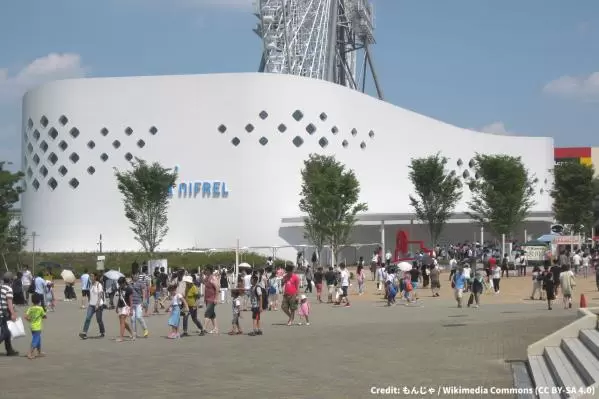
Nifrel is an experiential museum produced by the Kaiyukan, with the concept of "touching the senses." It features a blend of an aquarium, zoo, and art museum, with e...
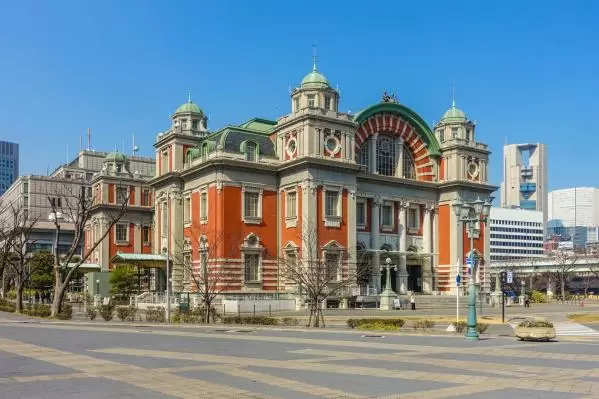
The Osaka City Central Public Hall, completed in 1918 based on a donation from stockbroker Einosuke Iwamoto, is a beautiful iron-framed brick building in the Neo-Ren...
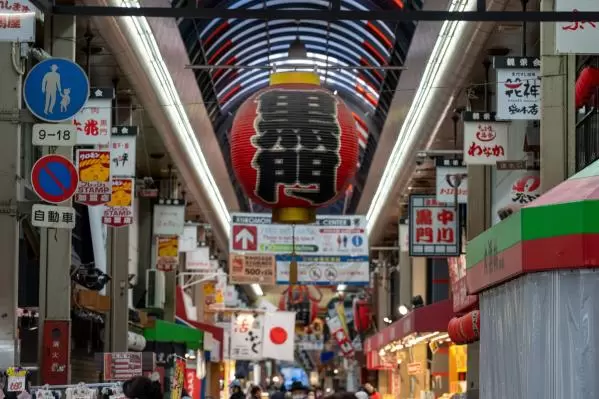
Kuromon Ichiba Market is an arcade shopping street located in Nipponbashi, Chuo Ward, Osaka, stretching approximately 580 meters in length. About 150 shops line the ...
The National Museum of Art, Osaka is uniquely located in Nakachō, Osaka, and is a rare "completely underground" art museum. Opened in 1977, it was originally located...
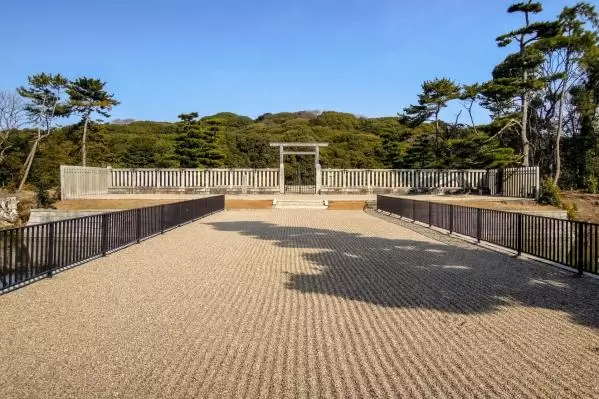
The Nintoku Tenno Ruins is the largest keyhole-shaped burial mound in Japan, located in Sakai City, Osaka Prefecture, with a total length of approximately 486 meters...
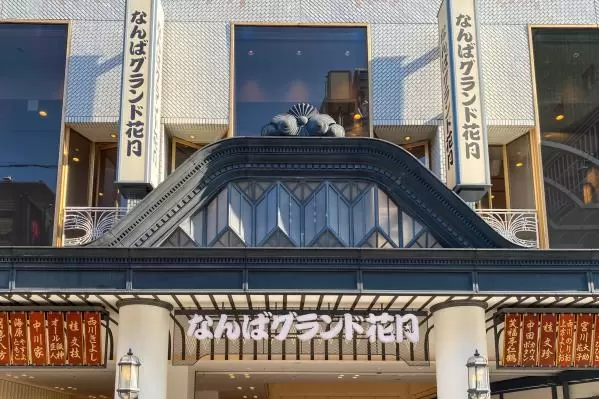
Namba Grand Kagetsu (NGK) is a theater often referred to as the hall of Japanese comedy culture. Operated by Yoshimoto Kogyo, this theater boasts the largest capacit...