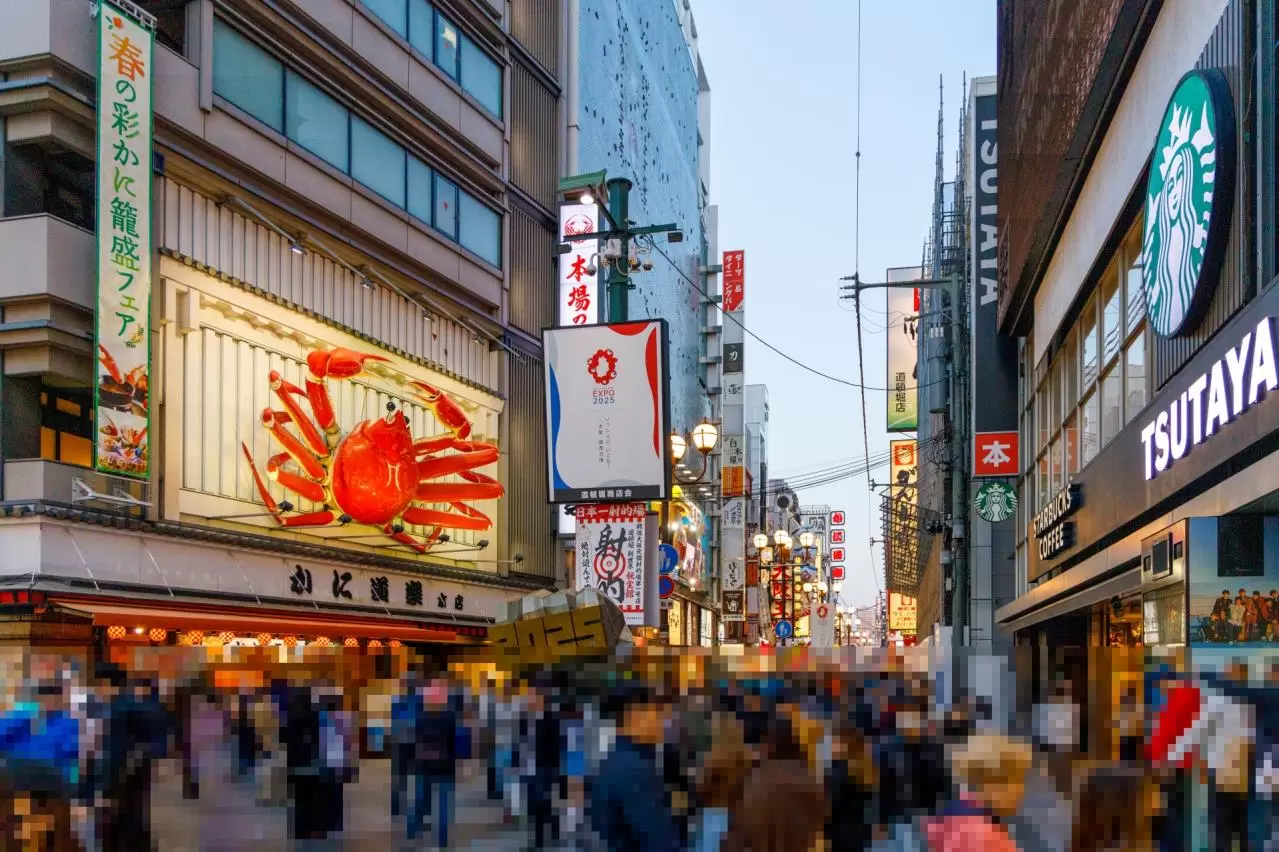
Dotonbori
In recent years, new attractions such as the Tombori River Walk and "Daruma Minister" have emerged, drawing many foreign tourists. Although it momentarily quieted during the COVID pandemic, Dotonbori has been regaining its former vibrancy since October 2022. City development efforts are focused on ensuring a safe and clean environment for visitors.
At night, the neon lights create a stunning display, and the Glico Man sign is especially popular as a photo spot. The area boasts a rich food culture, allowing visitors to enjoy local specialties such as okonomiyaki and takoyaki. With over 400 years of history, Dotonbori continues to enchant many, making it an essential destination for both tourists and locals alike.
Dotonbori is a must-visit spot for anyone traveling to Osaka, filled with history, culture, and vibrancy. Make sure to visit and experience its diverse attractions for yourself.
Dotonbori Movies


Basic Information
- Spot Name
- Dotonbori
- Location
- 〒542-0071 Dotonbori, Chuo Ward, Osaka City, Osaka Prefecture
- Access
- Subway Midosuji Line, Yotsubashi Line, and Sennichimae Line "Namba" Station, and Hanshin Electric Railway and Kintetsu "Osaka Namba Station" Exit 14 is just a short walk away.
Subway Sakaisuji Line and Sennichimae Line "Nihonbashi" Station Exit 2 is just a short walk away.
Nankai Electric Railway "Namba" Station, North Entrance, is about a 7-minute walk north. - Parking
- Please use the nearby paid parking lots. Many parking lots are full on weekends.
- Business Hours
- Varies by store.
- Regular Holiday
- Varies by location.
- Contact Information
- Phone Number:06-6211-4542(道頓堀商店会事務局)
- Official Website
Map
Detailed Information
Dotonbori is one of Japan’s most iconic entertainment districts, located in the Minami area of Chuo Ward, Osaka City. Stretching along the Dotonbori River, this area is known for its streets lined with giant neon signs and three-dimensional billboards, attracting countless visitors from both Japan and abroad as a tourist destination that embodies the essence of “Osaka.”
History and Origins
The origins of Dotonbori date back to around 1612, in the early Edo period. That year, a man named Yasui Doton began using his private fortune to dig a canal from the present-day Minamihorie area. Doton died in battle during the Summer Siege of Osaka in 1615, but his cousin Yasui Dobo continued the project, and the Dotonbori River was completed in the same year.
In recognition of their achievements, the canal was named “Dotonbori.” Later, as part of the Edo shogunate’s urban development policies, the surrounding district was gradually developed, and around 1626, theater houses were relocated to the area, laying the foundation for its role as a center of performing arts.
Growth as a Town of Theater and Entertainment
From the latter half of the 17th century, Dotonbori developed into a major theater district lined with several venues collectively known as the “Naniwa Five Theaters.” Famous theaters such as Chuza, Kadokaza, and Naniwaza emerged, and performances of kabuki and ningyo joruri (bunraku puppet theater) became widespread.
In 1684, Takemoto Gidayu founded Takemotoza, and in 1703, Toyotake Wakadayu established Toyotakeza. Many works by Japan’s leading playwright Chikamatsu Monzaemon had their premieres in these theaters, giving birth to masterpieces such as The Love Suicides at Sonezaki and The Courier for Hell, which continue to be passed down through the ages.
For these reasons, Dotonbori came to be celebrated as an “aspirational stage” for theater and entertainment, often likened to Asakusa in Tokyo or Broadway in New York.
From the Postwar Era to the Present
During the Showa era, jazz cafés and dance halls spread throughout Dotonbori and Soemoncho, and foreign musicians came to Japan to perform, helping various forms of music culture take root. Live revues, manzai comedy, and rakugo also flourished, and with Yoshimoto Kogyo establishing its base here, Dotonbori strengthened its identity as a “holy land of comedy.”
Even today, venues such as the Shochikuza, the reopened Kadokaza, and Namba Grand Kagetsu remain active, preserving Dotonbori’s lively status as a center of theater and performing arts.
A Center of Food Culture
As the saying goes, “Osaka is a city where people eat until they drop,” and Dotonbori is also an area that symbolizes Osaka’s gourmet culture. From takoyaki, okonomiyaki, tonpeiyaki, and kushikatsu—popular “konamon” flour-based dishes—to a wide variety of restaurants, the district delights visitors’ taste buds with its diverse culinary offerings.
Osaka’s food culture is said to be “subtle yet full of flavor,” characterized by delicate tastes that make the most of dashi broth. Fresh seafood from Osaka Bay, vegetables sourced from nearby regions, and ingredients and seasonings such as light soy sauce and local sake form the basis of this distinctive flavor profile.
Landmarks and Present-Day Appeal
When people think of Dotonbori, symbolic landmarks include the Glico neon sign, the giant crab sign of Kani Doraku, and the Kuidaore Taro doll. The area around Ebisubashi is especially known as a popular photo spot, and at night the glowing neon lights create the vibrant atmosphere of Osaka after dark.
In recent years, new and distinctive attractions have also appeared, such as Tonbori River Walk and the unique character “Daruma Daijin,” installed on the rooftop of the Kushikatsu Daruma building. In addition, experiential tourism has expanded with Dotonbori River cruises, food sample-making workshops, and fishing ponds, offering visitors a wide range of ways to enjoy the area.
Recovery After the COVID-19 Pandemic
Although the number of tourists temporarily declined due to the spread of COVID-19, the streets gradually regained their energy after October 2022. Today, many international visitors can once again be seen, and urban development continues under the banner of creating a “safe, secure, and clean city” as an international tourist destination.
With more than 400 years of history, Dotonbori is truly a microcosm of Osaka, where diverse cultures such as theater, food, and pop culture come together. It is a place that continues to reveal new charms with every visit, for both tourists and locals alike. If you are visiting Osaka, be sure to stop by and experience its energy and flavor with all five senses.
Osaka Tourist Attractions
View List

Tenjinbashisuji Shopping Street
Tengachaya Shopping Street is located in Kita Ward, Osaka City, and it is the longest shopping street in Japan, stretching from Tenjinbashi to the Seventh Chome of T...

Universal Studios Japan
Universal Studios Japan (USJ) is a large theme park located in Konohana Ward, Osaka City, Osaka Prefecture, and it opened in 2001. It is part of the American film co...

Namba Parks
Opened in 2003 on the site of the former Osaka Stadium, "Namba Parks" has gained attention as a new landmark in the Minami area of Osaka. In 2007, the T-terrace and ...

Rinku Premium Outlets
Rinku Premium Outlets is the largest outlet mall in western Japan, located in Rinku Town across from Kansai International Airport. It offers around 250 popular domes...

Tsutenkaku Tower
Tsutenkaku, a symbol of Osaka, was built in 1912 as part of Luna Park. The original Tsutenkaku stood at 75 meters tall, boasting the title of "the tallest in the Eas...

Imamiya Ebisu Shrine
Imamiya Ebisu Shrine is a beloved temple in Osaka, known as the "god of prosperous business." It is said to have been established during the reign of Empress Suiko w...

Shitenno-ji Temple
Shitennoji Temple is the first official temple of Japanese Buddhism, founded by Prince Shotoku in 593. This temple has been burnt down multiple times due to disaster...