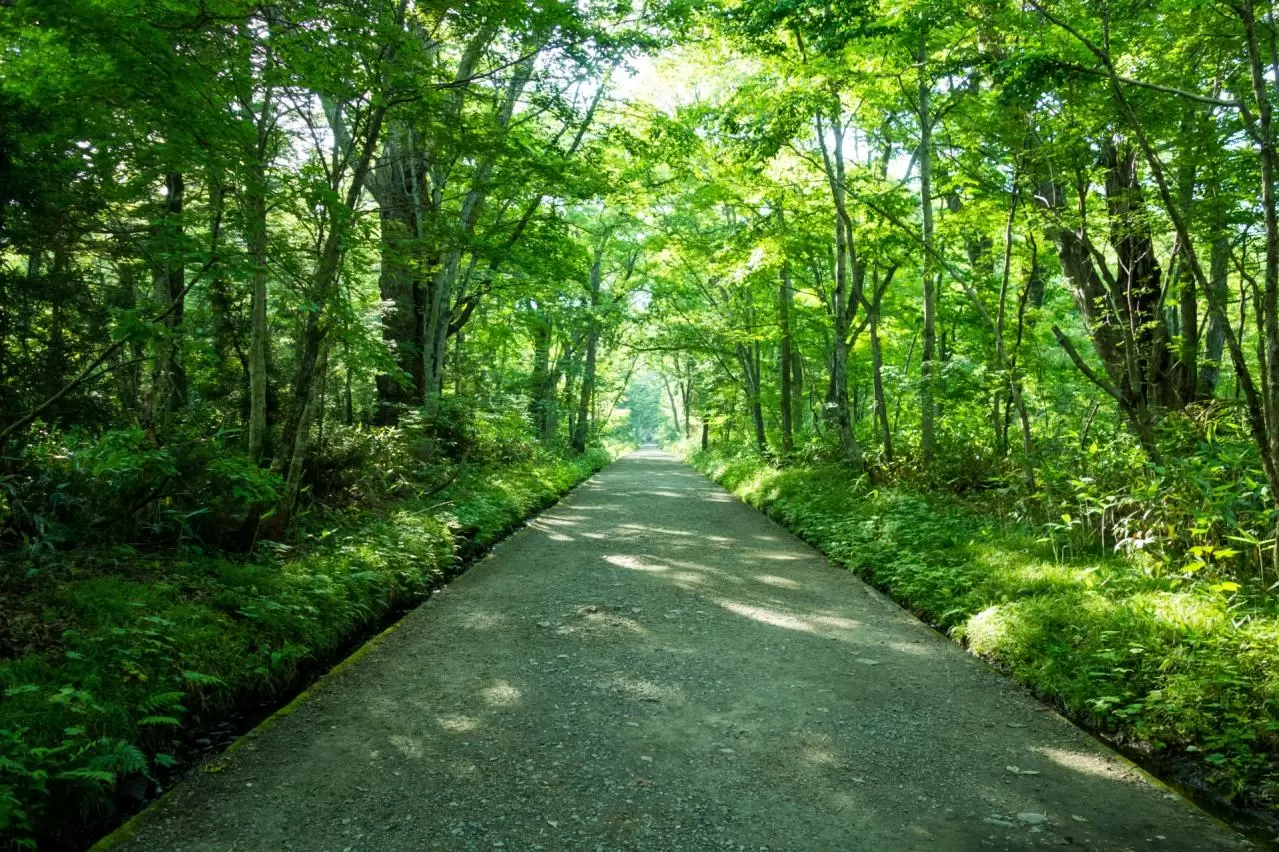
Togakushi Shrine
Togakushi Shrine Movies





Basic Information
- Spot Name
- Togakushi Shrine
- Location
- 〒381-4101 3506 Togakushi Nakasha, Nagano City, Nagano Prefecture, Japan
- Access
- From Nagano Station on the JR Shinetsu Main Line, take a bus bound for Togakushi Kogen via the Loop Bridge for about 1 hour. Get off at "Togakushi Hokosha" or "Togakushi Nakasha," which are just a short walk away. If you get off at "Togakushi Okusha Entrance," it will take about 40 minutes on foot.
From Nagano IC on the Joshinetsu Expressway, it takes approximately 1 hour.
From Shinano-machi IC on the Joshinetsu Expressway, it takes about 30 minutes. - Parking
- Parking available
- Business Hours
- The grounds are open freely (the office hours are from 9:00 AM to 5:00 PM, varying by season).
- Regular Holiday
- None
- Fees
- Free
- Contact Information
- Phone Number: 026-254-2001
- Official Website
Map
Detailed Information
Togakushi Shrine is a highly popular power spot nationwide, located at the foot of Mount Togakushi, a sacred mountain in Nagano City, Nagano Prefecture.
It is an ancient shrine said to have been founded more than 2,000 years ago, consisting of five shrines: Okusha, Chusha, Hoko-sha, Kuzuryusha, and Hinomikosha. It has long been revered as a sacred site of mountain worship.
The entire Mount Togakushi area has been regarded as a holy place since the age of the gods, and is deeply connected to the Japanese myth of the opening of the Heavenly Rock Cave (Amano-Iwato). For this reason, the deities involved in that myth are enshrined at the respective shrines of Togakushi Shrine.
The Myth of Amano-Iwato and the Origin of Mount Togakushi
According to Japanese mythology, when Amaterasu Omikami withdrew into the Heavenly Rock Cave in grief over the misdeeds of her younger brother Susanoo-no-Mikoto, the world was plunged into darkness. The assembled eight million deities deliberated and held a festival before the cave, creating a lively atmosphere with songs and dances.
At the center of this event were Ama-no-Yagokoro Omoikane-no-Mikoto, the god of wisdom; Ama-no-Uzume-no-Mikoto, the god of dance and performance; and Ama-no-Tajikarao-no-Mikoto, the god of extraordinary strength. It is said that when Amaterasu opened the cave slightly, Ama-no-Tajikarao-no-Mikoto pushed the cave open, and light returned to the world once again.
According to a legend passed down at Togakushi Shrine, the Heavenly Rock Cave that was pushed open at that time flew down to earth and became Mount Togakushi. This is also said to be the origin of the place name Togakushi.
The History of Togakushi Faith
The origins of Togakushi faith are said to lie in the ancient worship of the mountain itself. In particular, devotion to Kuzuryu Okami, the deity who brings water and abundant harvests, is considered the starting point of Togakushi faith.
From the Heian period onward, the introduction of Tendai esoteric Buddhism led to the fusion of Shinto and Buddhism, and Kenkohji Temple was established on Mount Togakushi, developing into a training site for Shugendo ascetic practice. From the medieval to early modern periods, it flourished as a great training ground for mountain austerities and enlightenment, attracting a wide range of believers from warriors to common people.
However, with the government order to separate Shinto and Buddhism in the early Meiji period, Togakushi faith underwent a major turning point. The elements of syncretism were reorganized, and Togakushi Shrine was established in its present form as a Shinto shrine.
Features and Blessings of the Five Shrines
Okusha
Okusha is the main shrine of Togakushi Shrine. Its enshrined deity is Ama-no-Tajikarao-no-Mikoto, the god of great strength who opened the Heavenly Rock Cave.
It is believed to grant good fortune, the fulfillment of wishes, abundant harvests, and victory in sports, and attracts many worshippers from all over Japan.
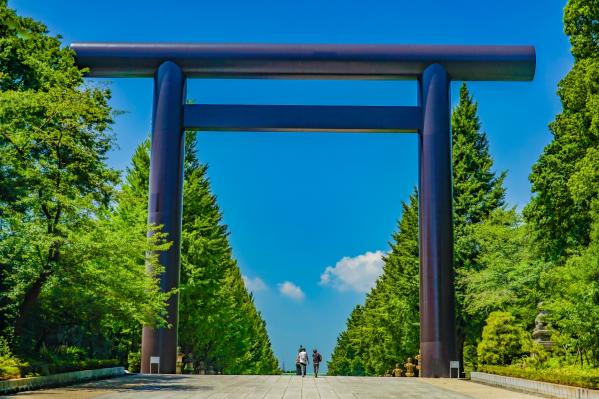
The approach to Okusha is approximately 2 kilometers long. Along the way stands the vermilion Zuishinmon Gate, and beyond it stretches a cedar avenue of more than 500 meters lined with cedars over 400 years old. This cedar avenue is designated as a historic site and natural monument of Nagano Prefecture, and the sight of ancient cedars rising majestically creates a solemn and mystical atmosphere.
Chusha
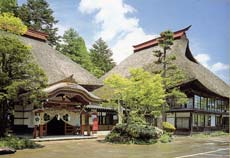
Chusha is the central shrine among the five. Its enshrined deity is Ama-no-Yagokoro Omoikane-no-Mikoto, the god of wisdom, and it is said to grant success in academics, prosperity in business, protection from misfortune, and safety of the household.
A major highlight is the “Dragon Ceiling Painting” in the worship hall, restored in 2003 based on a dragon painting by the genius Kano-school artist Kawanabe Kyosai.
Within the precincts stand the Three Cedars, each over 800 years old, as well as a sacred tree over 700 years old. The shrine office of Togakushi Shrine is also located here.
Hokosha
Hokosha is the lowest-lying of the five Togakushi shrines. Its enshrined deity is Ama-no-Uwaharu-no-Mikoto, the child deity of the Chusha deity.
It is revered as a god of pioneering, scholarship and the arts, sewing, and safe childbirth, and is especially worshipped as a guardian deity for women and children.
The shrine pavilion stands at the top of more than 270 stone steps, surrounded by ancient cedar trees, and is notable for its solemn appearance that strongly preserves the atmosphere of the syncretic Shinto-Buddhist period.
Kuzuryusha
The enshrined deity of Kuzuryusha is Kuzuryu Okami, who has long been worshipped as the tutelary deity of Togakushi.
Known as the god of water and rainmaking, it is also worshipped for the fulfillment of wishes, match-making, and even as a deity for toothache.
Kuzuryusha is located deeper within the grounds of Okusha, and many visitors come here together with their visit to Okusha.
Water is indispensable to life, and devotion to Kuzuryu Okami is said to form the foundation of Togakushi faith.
Hinomikosha
Hinomikosha enshrines Ama-no-Uzume-no-Mikoto, who performed a dance before the Heavenly Rock Cave, as its principal deity, along with three other deities.
It is revered as a god of dance and performing arts, matchmaking, and fire protection.
Even during the era of Shinto-Buddhist syncretism, this was the only shrine that continued to exist consistently as a Shinto shrine. The Togakushi Daidaikagura ritual has been handed down from ancient times by the shrine attendants who served here, and continues to this day.
Within the grounds are the Meoto Sugi, a pair of cedars over 500 years old, and Saigyo Zakura, attracting many worshippers.
Nature and Highlights
The appeal of Togakushi Shrine lies not only in its shrine buildings but also in its harmony with nature. It is said that at the cedar avenue leading to Okusha, a mysterious phenomenon can be seen around the first day of winter and the first day of spring, when the sun rises in a straight line along the approach path.
Another well-known spot where visitors can experience the nature of Togakushi is Kagami Pond. The beautiful view of the Togakushi mountain range reflected on the mirror-like surface of the water, combined with the tranquil atmosphere, makes it a popular place to feel the energy of nature.
Togakushi Shrine is a one-of-a-kind sacred site that blends Japanese mythology, mountain worship, Shugendo, and rich natural beauty.
Each of the five shrines is dedicated to different deities and blessings, and touring them while feeling the history and mythology offers a special experience that purifies both mind and body.
Nagano Tourist Attractions
View List
Tsumagoshuku
Tsumago-juku is a post town located in Nagano Prefecture along the Nakasendo, and it is the 42nd of the 69 stations connecting Edo and Kyoto. With Ise Mountain to th...


Matsumoto Castle
Matsumoto Castle is one of Japan's five great castles and is designated as a national treasure, a gem of historical architecture. Alongside Himeji Castle, Hikone Cas...

Ueda Castle
Ueda Castle, located in Ueda City, Nagano Prefecture, is a historic castle built by Sanada Masayuki. It gained fame for repelling the Tokugawa forces during the Firs...

Senjōji Kōdō
Senjojiki Cirque is a bowl-shaped landform formed by glacial erosion, located at Komagatake in the Central Alps. From the "Senjojiki" station at an elevation of 2,61...


Utsukushigahara
Utsukushigahara Plateau is an expansive highland that stretches approximately 2,000 meters above sea level and is located in Matsumoto City, Nagano Prefecture. Durin...

Jigokudani Yaenkoen
Jigokudani Monkey Park is located in the northern part of Nagano Prefecture within the Joshinetsu Kogen National Park, at an elevation of 850 meters in a harsh envir...