Amanoyasukawara
Amanoyasukawara Movies


Basic Information
- Spot Name
- Amanoyasukawara
- Location
- 〒882-1621 Iwadō, Takachiho Town, Nishiusuki District, Miyazaki Prefecture
- Access
- From Nobeoka Station on the JR Nippo Main Line, take the Miyazaki Kotsu bus to Takachiho Bus Center for 1 hour and 20 minutes. At the terminal, transfer to the town-operated Fureai Bus to Iwato for 15 minutes. Get off at the last stop and walk for 10 minutes. It is about a 10-minute drive from Hinokage Fukakubo IC.
- Parking
- Parking available.
- Business Hours
- Open for visitation.
- Contact Information
- Phone Number: 0982-74-8239
- Official Website
Map
Detailed Information
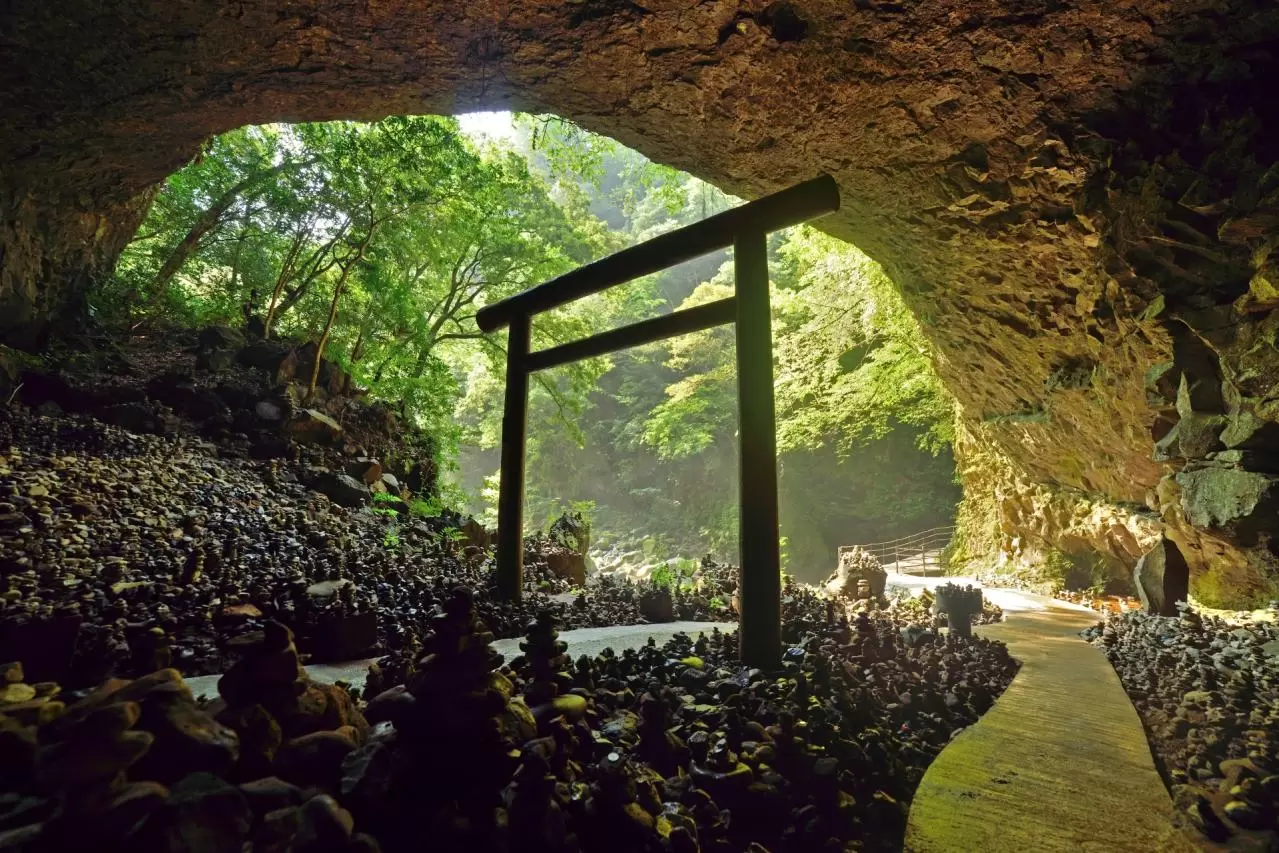
Amanoyasugawara is a sacred place in Takachiho, Nishiusuki District, Miyazaki Prefecture, deeply connected with Japanese mythology. About a 10-minute walk along the Iwato River from the West Shrine of Amano-Iwato Shrine, visitors will find a large cave. Also known as Gyobogaiwaya, the cave is striking for its small shrine and the countless stones piled up around it. Surrounded by a stream and trees, the scenery has a solemn atmosphere and attracts worshippers visiting a site associated with mythology, as well as people wishing to spend quiet time in nature.
The myth of Amaterasu Omikami’s “cave hiding” is essential to understanding Amanoyasugawara. According to the legend, when Amaterasu Omikami, the sun goddess, hid inside Ama-no-Iwato, light disappeared from the world and various calamities occurred. At a loss, the myriad gods gathered at Amanoyasugawara to discuss how to restore the world’s brightness. This meeting of the gods is known as the “Kamikakari,” or divine council. In Takachiho, this place along the Iwato River has traditionally been passed down as the site of that council.
In the myth, Omoikane-no-Kami, renowned for his wisdom, devised a plan, and the gods worked together to lure Amaterasu Omikami out of the cave. They made the roosters crow and prepared offerings, while Ame-no-Uzume-no-Mikoto performed a dance that caused the assembled gods to erupt in laughter. Curious about the commotion outside, Amaterasu Omikami opened the cave door. She was ultimately brought outside by the strength of Ame-no-Tajikarao-no-Kami, and light returned to the world. Knowing this story of the gods combining their wisdom and strength allows visitors to appreciate the scenery of Amanoyasugawara on a deeper level.
The shrine inside the cave enshrines Omoikane-no-Kami and Yaoyorozu-no-Kami. The term “yaoyorozu,” literally meaning “eight million,” is used to describe an innumerable number of gods. The shrine’s dedication to the god who devised the plan to open the cave, as well as to the gods who gathered for the discussion, reflects the history and significance of this place. When visiting, take a moment to quietly put your hands together in prayer before the shrine. Rather than simply viewing the cave and piles of stones, treating the site as a place of prayer that carries on an ancient myth can make the visit more meaningful.
It should be noted that the cave at Amanoyasugawara and Ama-no-Iwato, where Amaterasu Omikami is said to have hidden, are separate places. Amanoyasugawara is where the gods held their council, while Ama-no-Iwato is enshrined as the sacred object of the West Shrine of Amano-Iwato Shrine. At the West Shrine, visitors can pay their respects from afar to Ama-no-Iwato under the guidance of a Shinto priest. When tracing the mythology, it is easier to understand the story’s progression from Amaterasu Omikami’s hiding place to the gods’ council by first learning about the shrine’s traditions at the West Shrine and then proceeding to Amanoyasugawara.
The journey to Amanoyasugawara is also part of the enjoyment of the visit. From the West Shrine, the path continues along the Iwato River, offering a walk accompanied by the sound of flowing water. Overlapping leaves, rocks visible farther along the trail, and the surface of the water gradually change in appearance as you walk. Rather than hurrying straight to the cave, stop along the way to listen to the flowing water and observe the leaves swaying in the breeze. The time spent walking through this natural setting is an important part of the Amanoyasugawara experience.
Along the way is Taiko Bridge, which crosses the Iwato River. The overlapping scenery of the bridge, the stream, and the surrounding greenery offers a sense of openness different from that inside the cave. As you cross the bridge, look upstream and downstream to see the water flowing between the rocks and the trees stretching along the riverbank. Tourism information from Miyazaki Prefecture also introduces this bridge as a power spot. When visiting Amanoyasugawara, take time to appreciate the scenery along the route, including the bridge.
At the end of the riverside path, visitors encounter a cave-like space where enormous rocks seem to cover the area overhead. Inside are a torii gate and a shrine, surrounded by piles of stones. The contrast between the bright scenery outside and the shadowy interior beneath the rocks creates a distinctive sense of depth. As the sound of the river reaches you while approaching the shrine, it becomes clear that this is a place where natural terrain and religious faith come together. The combination of the rock-enclosed space and the stream stretching out before it leaves a powerful impression.
The countless piles of stones that symbolize Amanoyasugawara were created through the prayers of visitors. According to an explanation by the Takachiho Tourism Association, the site was once a place of worship with only the shrine. Over time, visitors began piling up stones while entrusting their wishes to them, creating the landscape seen today. The association’s information does not specify exactly when the practice of piling stones began. The way each visitor’s personal wish has become layered onto a myth passed down through the generations is one of the distinctive features of this place.
Looking at the many small stones piled on top of one another naturally turns your thoughts toward the feelings of the people who have visited here. Their wishes may differ from person to person, ranging from the health of their families and peace in daily life to the happiness of those they care about. The stone piles evoke these unseen thoughts. Although it is said that “piling up a stone will make your wish come true,” it is best to regard this as a religious custom. The time spent praying with a wish in mind can also be an opportunity to reflect once again on what is important to you.
Care is needed when walking around the stone piles. Because the stones carry the thoughts and wishes of other worshippers, please respect them as they are without knocking them down or moving them for photographs. Tourism information from the Ministry of Land, Infrastructure, Transport and Tourism also asks visitors to value the wishes entrusted to the stone piles and to watch their footing. Inside the cave, remain calm as you take in the scenery while making sure not to block the passageway for those visiting the shrine.
The changing expressions of nature are another attraction of Amanoyasugawara. The impression of the path and cave varies with the colors of the leaves, the light filtering through the trees, and the brightness of the river’s surface. On a sunny day, visitors can enjoy the contrast between rock and greenery, while on a cloudy day, they can appreciate the gentle interplay of light and shadow. The way light enters the cave also changes depending on the weather and time of day. By paying attention to the natural scenery you encounter that day, you can enjoy the atmosphere and richness of the landscape along the stream—qualities that are difficult to convey through photographs alone.
Shoes that are comfortable and slip-resistant are recommended for the walk. Some parts of the trail can be slippery, so be especially careful with your footing after rain. The indication that Amanoyasugawara is about a 10-minute walk from the West Shrine refers to the one-way travel time. Allow plenty of time for worship, photography, enjoying the scenery, and the return journey so that you can explore at a relaxed pace. Amanoyasugawara has no restrooms, so it is advisable to use the facilities at the West Shrine before setting out.
If you have enough time, you can also extend your visit to the East Shrine of Amano-Iwato Shrine. Located across the Iwato River from the West Shrine, the East Shrine enshrines Amaterasu Omikami. Visiting the West Shrine, Amanoyasugawara, and the East Shrine allows you to experience the faith that has been passed down throughout the area. Each site has its own history and scenery, so it is recommended that you stop and pray at each shrine. After reflecting at Amanoyasugawara on the gods’ discussion, visiting a shrine dedicated to Amaterasu Omikami can give you a deeper sense of the connection between the mythology and the land.
At Amanoyasugawara, the story of the gods consulting one another to restore light to the world overlaps with the present-day scenery of people entrusting their wishes to this place. Walking along the stream, praying at the shrine in the cave, and quietly observing the surrounding stone piles allows visitors to sense how nature and prayer are intertwined here. In addition to taking photographs, spend some time standing still and listening to the sound of the river. Amanoyasugawara is a place where you can feel the myths passed down in Takachiho at close hand while also reflecting on your own thoughts and feelings.
Miyazaki Tourist Attractions
View List
Hyugamisaki Umagase
Hyuga Cape and Umagasaki is a scenic spot located within the Nichinan Coast Quasi-National Park in Miyazaki Prefecture, characterized by its ria coastline and column...
Takachiho Gorge
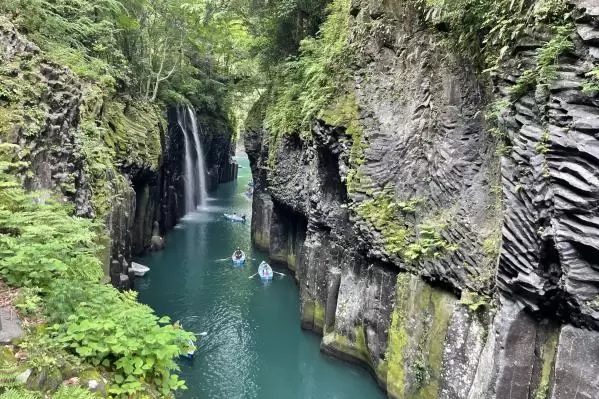
Takachiho Gorge is a stunning natural beauty created by the ancient volcanic activity of Mount Aso. This canyon features towering cliffs that stretch approximately 7...
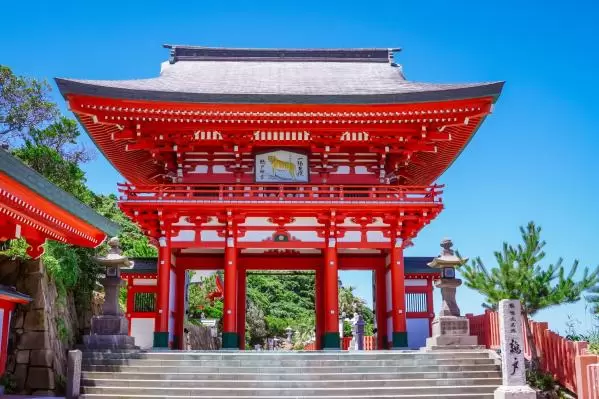
Udo Shrine
Udo Shrine, located in the southern part of Miyazaki Prefecture facing Hyuga-Nada, is a shrine that is affectionately known locally as “Udo-san.” The main shrine, pa...
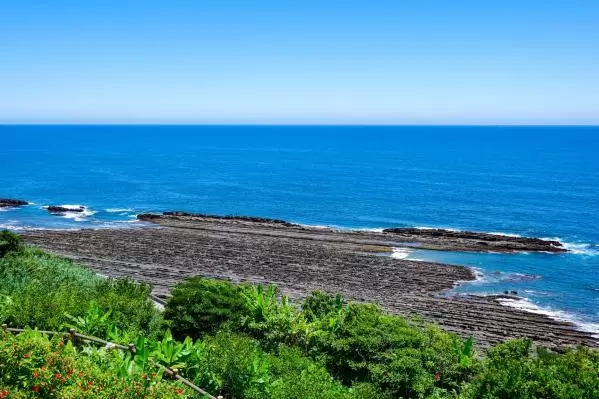
Nichinan Coast
The Nichinankai Coast is a scenic coastline that stretches approximately 100 km, representing Miyazaki Prefecture. It extends from Miyazaki City to Nichinan City and...
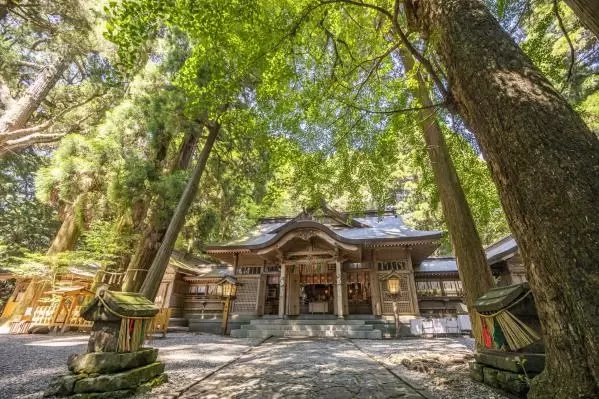
Takachiho Shrine
Takachiho Shrine is believed to have been founded around 1900 years ago during the reign of Emperor Suinin and is revered as the head shrine of the Takachiho 88 Shri...
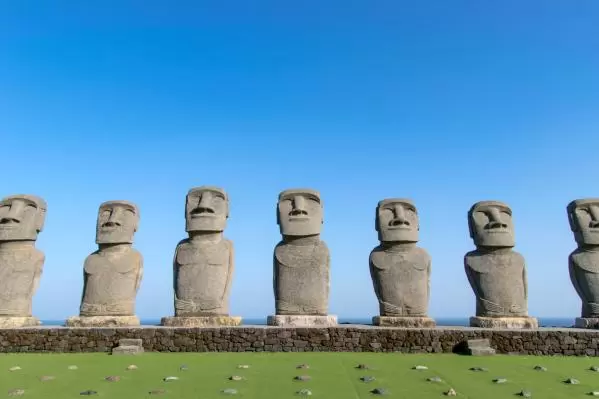
Sun Messe Nichinan
Sun Messe Nichinan is a special tourist spot that has completely recreated the Moai statues from Easter Island (Rapa Nui) in Japan. The Japanese Moai restoration tea...

Aoshima Shrine
Aoshima Shrine is located on Aoshima in Miyazaki City, where the entire island serves as the shrine grounds. It enshrines Hikohodemi no Mikoto and Toyotama-hime no M...