Nichinan Coast
Nichinan Coast Movies


Basic Information
- Spot Name
- Nichinan Coast
- Location
- 〒889-2164 Hori-kiri Touge, Oaza Oriubusako, Miyazaki City, Miyazaki Prefecture
- Access
- From Yuutsu Station on the JR Nippō Line, take the Miyazaki Kōtsū bus bound for Miyazaki Station for about 30 minutes, and get off at Ubude Elementary and Junior High School. It's a short walk from there. It takes about 35 minutes to drive from JR Miyazaki Station.
- Parking
- Available
- Business Hours
- Open for visitation.
- Contact Information
- Phone Number: 0987-31-1134
- Official Website
Map
Detailed Information
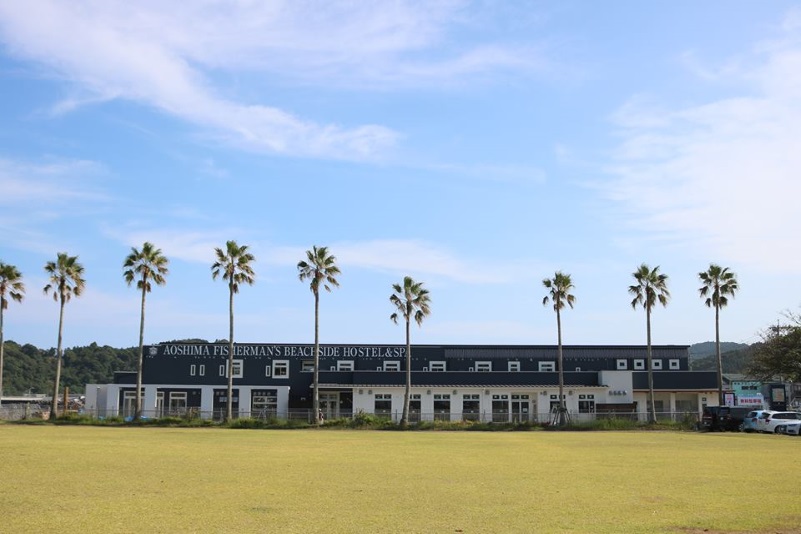
The Nichinan Coast is one of Miyazaki Prefecture’s most representative scenic coastal areas. According to Miyazaki Prefecture’s official tourism guide, it is an approximately 100-kilometer stretch of coastline extending from southern Miyazaki City to Cape Toi at the southern tip of the prefecture, spanning the three cities of Miyazaki, Nichinan, and Kushima. The name does not refer to a single facility or beach, but is a general term for a coastal region lined with capes, sandy beaches, reefs, and islands. The scenery created by the blue Pacific Ocean and sky, rows of phoenix palms, and tropical plants is cherished as a quintessential Miyazaki travel experience.
The figure of approximately 100 kilometers is an indication of the area covered by the official tourism guide. In contrast, the Nichinan Coast Quasi-National Park, designated as a natural park, extends across Miyazaki and Kagoshima prefectures and includes sandy coastal areas along Shibushi Bay on the Kagoshima side. The Nichinan Coast introduced for tourism and the designated area of the quasi-national park therefore differ in extent. Here, the focus is on the coastal area stretching from southern Miyazaki City to Cape Toi and the attractions found there.
One of the Nichinan Coast’s greatest attractions is the way the character of the sea changes from place to place. Where broad sandy beaches spread out, visitors can enjoy expansive, open views, while rocky shores convey the power of waves crashing against the rocks. The sea also looks different when viewed from a hilltop than when seen from the water’s edge, with variations in color and the sense of space. In addition to the vivid blue of a sunny day, the shifting shadows of clouds across the water and the sight of waves breaking into white foam are also captivating. The pleasure of traveling along this coast lies in encountering different scenery as you move from place to place.
The phoenix palm, with its long, spreading leaves, is a plant that symbolizes the coastal landscape. Standing along roads and at scenic viewpoints, these trees harmonize with the blue sea and create a distinctly tropical atmosphere. At the same time, native plants growing in natural settings, such as the Livistona palms on Aoshima Island, also help shape the scenery unique to this region. In addition to the sea itself, take time to notice the forms of the trees silhouetted against it and the colors of the flowers. You can enjoy both carefully landscaped scenery and valuable natural environments.
A representative attraction in the northern part of the coast is Aoshima Island in Miyazaki City. This small island, approximately 1.5 kilometers in circumference, can be reached from the mainland by crossing Yayoi Bridge. As you walk around the island, the atmosphere changes from open scenery surrounded by the sea to lush, deeply green spaces where Livistona palms and other vegetation thrive. Its subtropical plant community is protected as a Special Natural Monument of Japan. This distinctive natural environment, where abundant greenery flourishes despite being located on the coast, is one of the sights that conveys the warm climate of the Nichinan Coast.
At the center of Aoshima stands Aoshima Shrine, known as a shrine associated with matchmaking. It enshrines Hikohohodemi-no-Mikoto, corresponding to Yamasachihiko, as well as Toyotamahime-no-Mikoto and other deities, and is connected with the myth of Umisachihiko and Yamasachihiko. Crossing the bridge to the shrine and worshipping within the grounds surrounded by tropical trees offers an opportunity to experience the connection between nature and faith. Nearby, visitors can also enjoy the Miyakoh Botanic Garden Aoshima, combining worship, plant appreciation, and walks along the coast.
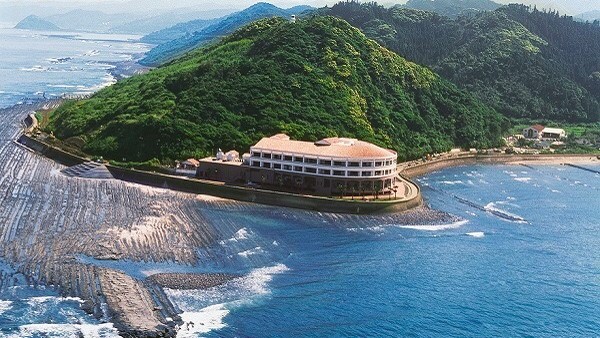
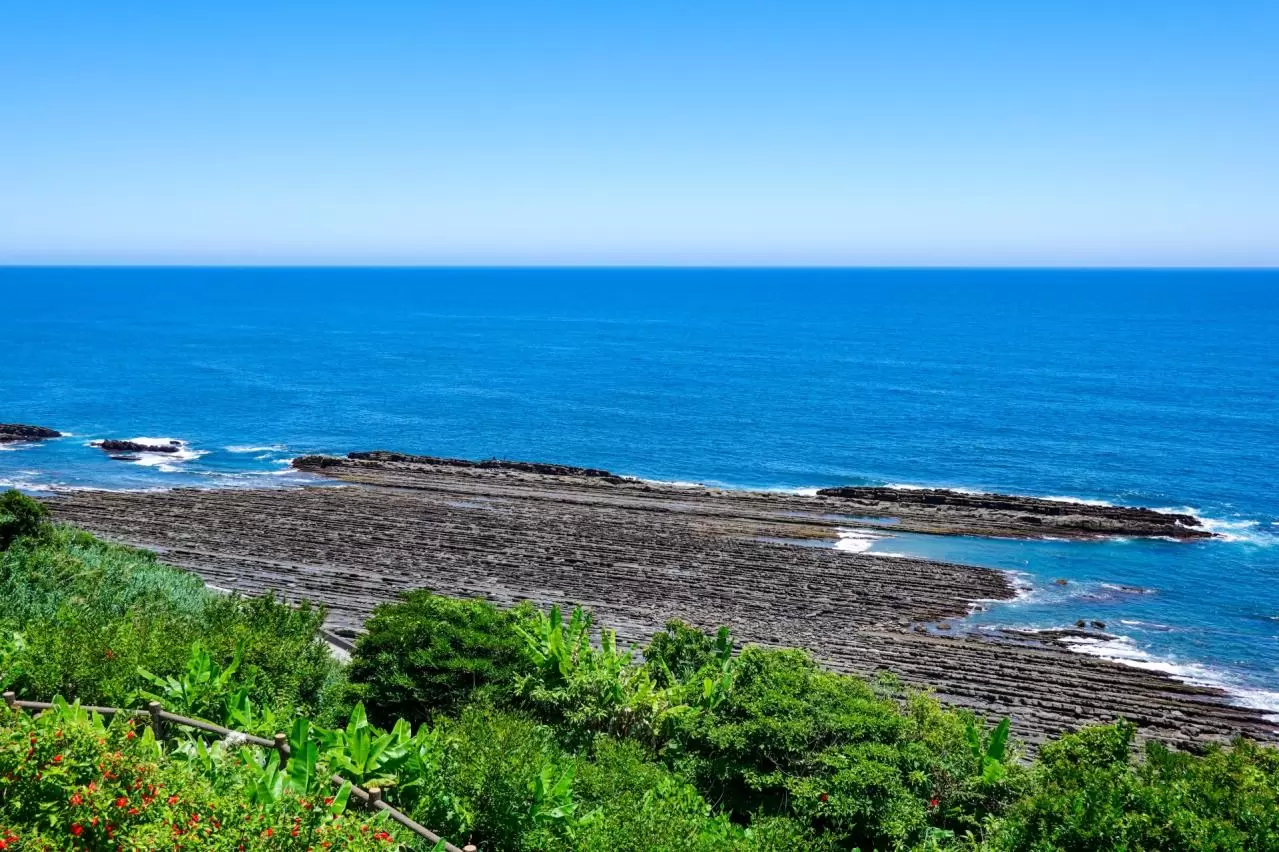
One of the most striking sights around Aoshima is a formation of wave-shaped rocks known as the “Devil’s Washboard.” Layers of hard sandstone and soft mudstone were tilted and uplifted, then eroded by waves over countless years, creating ridges and grooves resembling a washboard. From a distance, the many lines of rock appear regular, but up close, subtle differences in their shapes become apparent. At low tide, a broad expanse of reef is exposed, and the landscape changes with the ebb and flow of the sea.
Continuing south from Aoshima, you reach Horikiri Pass, one of the Nichinan Coast’s foremost viewpoints. The Pacific Ocean stretches beyond the phoenix palms, while wave-shaped rocks extend along the coastline below. The change in scenery is also impressive when traveling from the Miyazaki urban area toward the coast, as the view opens from mountain landscapes to the vast ocean. Looking down at the sea from a high vantage point allows you to take in the spread of the reefs and the curves of the coastline at once. It is a place well worth visiting when you want to appreciate the grandeur of the Nichinan Coast.
South of Horikiri Pass is Roadside Station Phoenix, a convenient place to take a break. From its observation deck, visitors can look out over the sea and the wave-shaped rocks, while the surrounding phoenix palms and flowers add to the tropical scenery. At the local products shop, you can choose souvenirs and find soft-serve ice cream featuring Miyazaki flavors such as mango and Hyuganatsu citrus. Getting out of the car during a drive and taking in the view in the sea breeze offers an impression different from that seen through the car window.
Along the coast in Nichinan City stands Udo Shrine, whose vermilion main sanctuary is built inside a cave. Locally known as “Udo-san,” the shrine attracts worshippers praying for safe childbirth, child-rearing, matchmaking, and other blessings. The scenery formed by the cliff walls of a cape projecting into the sea and the shrine building enshrined inside the cave has a mystical atmosphere. Along the coastal approach, visitors can walk while listening to the sound of the waves and breathing in the scent of the sea. A journey along the Nichinan Coast offers not only beautiful scenery but also an encounter with myths and prayers connected to the ocean.
For those who enjoy taking photographs with the sea as a backdrop, Sun Messe Nichinan is another notable attraction. The seven Moai statues standing on the hill are officially authorized reproductions of the seven statues at Ahu Akivi on Rapa Nui, commonly known as Easter Island, created with permission from the island’s Council of Elders. The scene combining the large stone statues, blue sea, and expansive sky has an appeal unlike that of other coastal spots. From the top of the hill, visitors can look out over the sea and experience the openness of the Nichinan Coast.
Farther south, the area around Nango offers views of the sea dotted with islands. The area around Roadside Station Nango is also known for jacaranda trees, which bloom with purple flowers in early summer. In addition, some of the reef areas along the Nichinan Coast are home to coral and tropical fish. Visitors can experience the underwater scenery through glass-bottom boat tours, diving, and other activities. Beneath the blue sea visible from land lies a diverse world of marine life. If you plan to take part in one of these activities, it is advisable to check operating schedules and sea conditions in advance.
Kushima City is famous for the Japanese macaques of Koshima Island and the Misaki horses of Cape Toi. Koshima is known for the monkeys’ behavior of washing sweet potatoes before eating them, and their habitat has been designated a Natural Monument of Japan. At Cape Toi, Misaki horses, a breed of native Japanese horse, live by making use of the grasslands and forests. The sight of horses grazing with the sea in the background is an iconic scene of the southern Nichinan Coast. The white lighthouse at the tip of the cape and the green rolling hills are also highlights, offering a natural landscape quite different from the sandy beaches and wave-shaped rocks farther north.
The Nichinan Coast is also popular with surfers. Miyazaki Prefecture has many surf spots with distinct characteristics, and people seeking waves can also be seen around Aoshima. Another attraction is the ability to combine time in the water with sightseeing and dining in the surrounding area. Even those who do not surf can enjoy the coastal atmosphere by watching the waves from the shore or walking along the sandy beaches. Beginners should choose a location suited to their abilities and the day’s wave conditions, and follow the guidance provided by surf schools or other professionals.
During your journey, be sure to sample the region’s food as well. Nichinan City is known for local dishes featuring bonito and fish paste, while Kushima City offers regional specialties made with yellowtail. Because attractions are spread across a wide area along the Nichinan Coast, it is best to narrow down the places you want to visit and explore them while taking breaks and enjoying meals along the way. By looking out over the sea from scenic viewpoints, walking across bridges and along shrine approaches, and sampling local flavors, you can discover charms that cannot be appreciated simply by viewing the coast from a car window. This is a coastline where you can experience the grandeur of the Pacific, along with the nature and culture of the coastal communities, at your own pace.
#Superb view/Scenic spot #Townscape/Bikan Historical Quarter #Coast/Cape/Island
Miyazaki Tourist Attractions
View List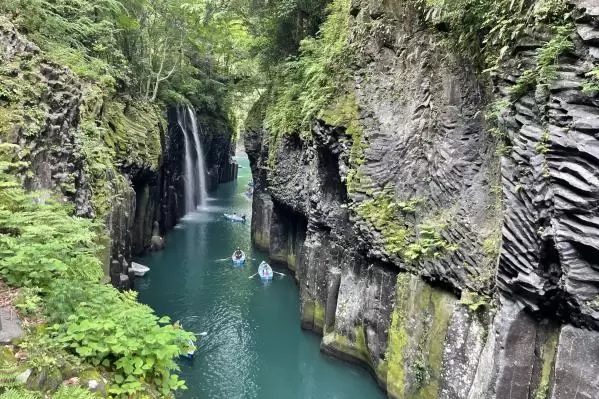
Takachiho Gorge
Takachiho Gorge is a stunning natural beauty created by the ancient volcanic activity of Mount Aso. This canyon features towering cliffs that stretch approximately 7...
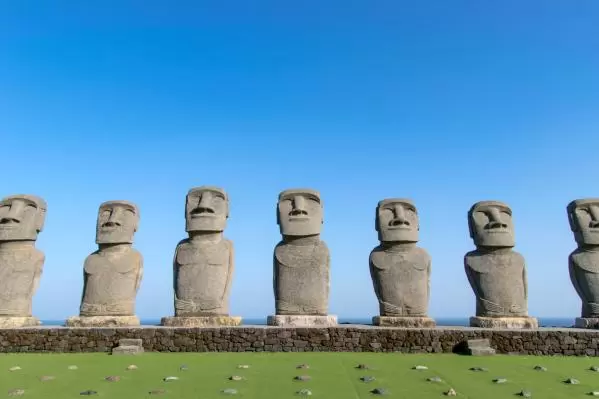
Sun Messe Nichinan
Sun Messe Nichinan is a special tourist spot that has completely recreated the Moai statues from Easter Island (Rapa Nui) in Japan. The Japanese Moai restoration tea...
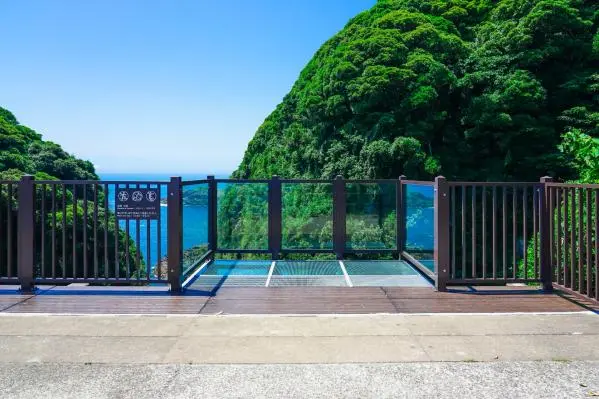
Hyugamisaki Umagase
Hyuga Cape and Umagasaki is a scenic spot located within the Nichinan Coast Quasi-National Park in Miyazaki Prefecture, characterized by its ria coastline and column...
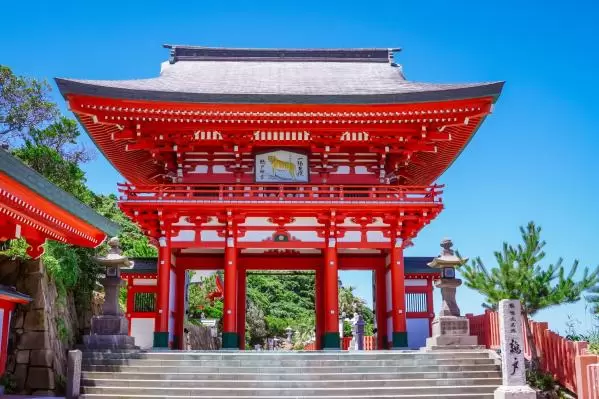
Udo Shrine
Udo Shrine, located in the southern part of Miyazaki Prefecture facing Hyuga-Nada, is a shrine that is affectionately known locally as “Udo-san.” The main shrine, pa...
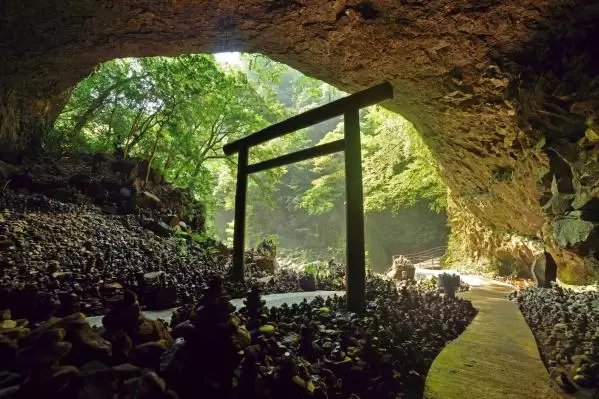
Amanoyasukawara
Tenshankawara is a mystical power spot located in Takachiho, Miyazaki Prefecture. It is a large cave that unfolds about a 10-minute walk along the Iwadogawa River fr...

Aoshima Shrine
Aoshima Shrine is located on Aoshima in Miyazaki City, where the entire island serves as the shrine grounds. It enshrines Hikohodemi no Mikoto and Toyotama-hime no M...

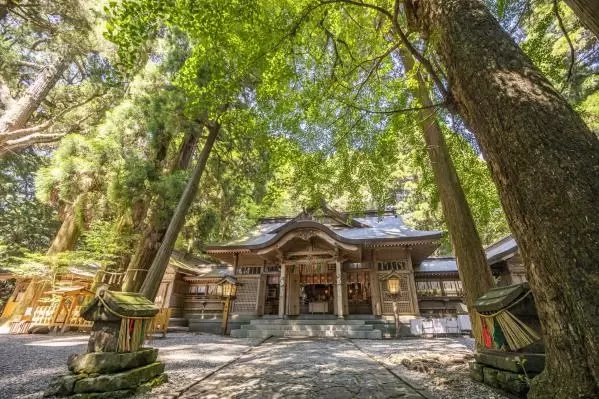
Takachiho Shrine
Takachiho Shrine is believed to have been founded around 1900 years ago during the reign of Emperor Suinin and is revered as the head shrine of the Takachiho 88 Shri...