Toimisaki
Toimisaki Movies


Basic Information
- Spot Name
- Toimisaki
- Location
- 〒888-0221 Ono, Kushima City, Miyazaki Prefecture
- Access
- From Kushima Station on the JR Nippn Line, take the Kushima City Community Bus heading to Cape Toi for 40 minutes, and get off at the last stop. It takes approximately 1 hour and 30 minutes from the Tanoh IC on the Kyushu Expressway.
- Parking
- Parking available.
- Business Hours
- 【Opening Hours】
- April to September: 8:30 AM - 6:00 PM
- October to March: 8:00 AM - 5:30 PM
【Lighthouse Viewing Hours】
- March to October
Weekends and holidays: 9:00 AM - 5:00 PM
Weekdays: 9:00 AM - 4:30 PM
- November to February: 9:00 AM - 4:30 PM - Contact Information
- Phone Number: 0987-72-0479
- Official Website
Map
Detailed Information
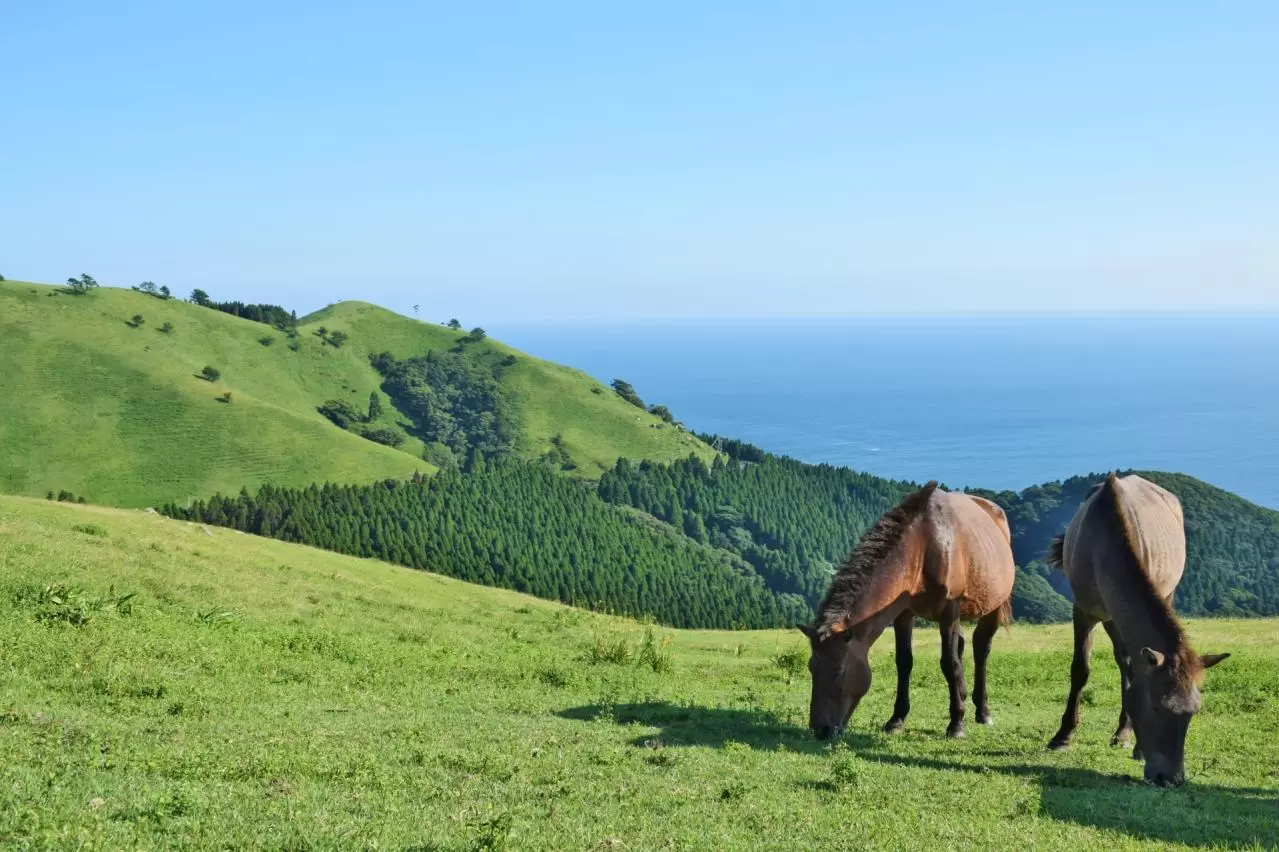
Toi Cape, located in Kushima City, Miyazaki Prefecture, is the southernmost cape in the prefecture. It is part of the Nichinan Kaigan Quasi-National Park and is known for its landscape of hills overlooking the blue sea and Misaki horses living in their natural environment. The grasslands stretching toward the sea offer a sense of openness, where visitors can relax while watching the grass sway in the breeze and horses slowly wandering by. At the tip of the cape stands the white Toi Cape Lighthouse, and the surrounding area is also home to a valuable natural habitat of Japanese sago palms. The opportunity to enjoy the sea, grasslands, animals, and plants together is one of Toi Cape’s greatest attractions.
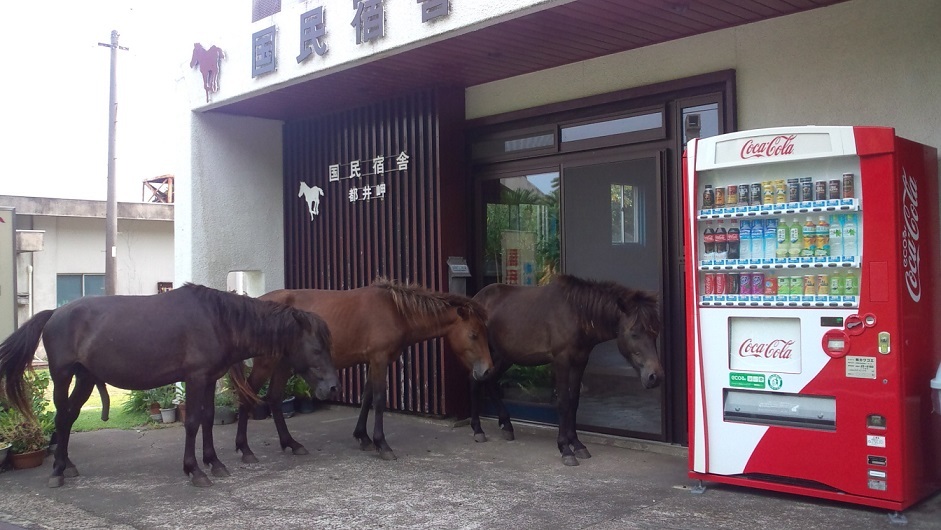
The most iconic presence at Toi Cape is the Misaki horse, a type of native Japanese horse. Also called “Cape horses,” they live by making use of the cape’s grasslands and forests. Although they are introduced to tourists as wild horses, they originally descended from horses that were released for grazing by people and now live in a nearly wild state. Visitors can observe them grazing, forming herds, and reproducing in nature. Unlike horses at riding facilities, they are not raised for interaction with people.
The history of the Misaki horses is closely connected with a ranch operated by the Akizuki family of the Takanabe Domain during the Edo period. The Kushima City Tourism and Local Products Association explains that one of the domain-operated ranches established by the Takanabe Domain was Misasaki Ranch, located in what is now Toi Cape. Over many years, natural breeding and year-round grazing have continued, preserving the appearance and ecology of these native horses. As you watch horses standing in the grasslands, you may sense that the landscape before you is connected to the history of the region’s ranches.
The Misaki horses and their habitat were designated a national natural monument in 1953 under the title “Misaki Horses and Their Breeding Grounds.” Not only the horses themselves but also the place where natural breeding takes place is recognized for its value. Grasslands and forests spread across approximately 550 hectares of the Toi Cape area, and the horses move according to the season and the availability of food. As a result, they cannot always be found in the same places. The time spent searching for horses and taking in the scenery is itself part of the enjoyment of observing animals living in nature.
The Misaki horse is a relatively small breed, often described as standing about 130 centimeters tall. From spring through summer, herds centered around stallions gather with mares and foals and spend time on hills where grass is plentiful. From autumn through winter, they divide into smaller groups and also make use of forests. In addition to watching them graze, pay attention to the relationships among members of the herd and to mares and foals walking side by side. Observing quietly from a little distance allows you to see the horses’ natural behavior without disturbing their lives.
In spring, you may encounter foals known as “harukoma,” or “spring foals.” Births occur mainly from March through August, with especially many foals born in April and May. Foals staying close to their mothers and walking on their slender legs are sights unique to Toi Cape in spring. However, the timing of births and the locations of the horses vary, so they are not guaranteed to be seen. Even when you find a mare and foal, it is important not to approach or try to touch them, but to keep your distance and watch over them.
When observing the Misaki horses, please follow the local rules. Touching the horses and feeding them are prohibited. When taking photographs, do not chase the horses or block their path; take pictures from a distance. Horses may also come out onto the roads, so drivers must reduce their speed within the cape. At Toi Cape, people are visiting a place where horses live. Keeping this in mind allows you to enjoy the scenery calmly while maintaining an appropriate distance from the animals.
For those who would like to learn more about the horses’ way of life, guided experiences are available in which visitors observe them while listening to explanations from a wild-horse guide. These tours offer opportunities to learn about behaviors, herd characteristics, and the history of the Misaki horses that may be difficult to notice when walking around on your own. The chance to add a learning experience to the pleasure of viewing horses against the sea is one of their attractions. Check the latest information from the Kushima City Tourism and Local Products Association and other sources for guide reservations and conditions. The fact that the scenery may change depending on the horses and the weather is also part of the fascination of observing nature.
Standing at the tip of the cape, Toi Cape Lighthouse was first lit in 1929. Its white structure stands out against the blue sea and surrounding greenery, creating one of Toi Cape’s signature views. It continues to serve as a facility supporting maritime navigation and plays a role in ensuring the safety of ships at sea. It is also known as the only lighthouse in Kyushu where the general public can normally enter and climb inside during visiting hours. Recognized as a historic structure, it was registered as a national tangible cultural property in 2019.
From the top of the lighthouse, visitors can look out over the broad expanse of the Hyuga-nada Sea and the green-covered landscape of the cape. The lighthouse tower itself is approximately 15 meters high, but because it stands atop a high cliff, the view gives a strong sense of height above the sea. Looking far along the coastline reveals the shape of the cape and the vastness of the ocean. The facility also has an exhibition room where visitors can learn about lighthouses and navigational aids. The lighthouse is closed for lunch from noon to 1:00 p.m. Closing times also vary depending on the season and day of the week, so check the latest visiting hours before your trip.
One of the most important plants at Toi Cape is the Japanese sago palm. Its thick, hard leaves create a distinctly tropical landscape, but the plant is valuable not only for its appearance; it is also important for understanding the distribution of plant species. The Toi Cape Sago Palm Habitat has been designated a national special natural monument as one of the northern limits of the sago palm’s natural distribution. While the Misaki horses and their breeding grounds are national natural monuments, the sago palm habitat is a special natural monument. At the cape, looking not only at the grasslands where the horses live but also at the plants growing along the coast allows visitors to appreciate the diversity of nature.
A convenient place to stop during a walk is the Toi Cape Tourism Exchange Center PAKALAPAKA. Its nickname evokes the sound of Misaki horses’ hoofbeats, and the facility includes a rest area, restaurant, and shop. Inside, a mini theater introduces the ecology of wild horses, helping visitors deepen their understanding of the horses they have observed. In addition to enjoying meals and drinks while looking out over the sea, visitors can choose souvenirs at the shop, which sells local products. The former Toi Cape Visitor Center Uma-no-Yakata closed on March 31, 2020, so check the latest facility information for current places to visit.
Toi Cape is also known for the Toi Cape Fire Festival, held in summer. Based on a local legend about defeating a giant serpent, this daring event involves throwing torches toward the top of a roughly 30-meter-high pillar of pine branches, which represents the serpent. It depicts the legend of a monk named Eitokubo, who defeated the giant serpent that had been tormenting the villagers with fire. The sight of torches being thrown toward the night sky has a powerful intensity quite different from the tranquil grasslands seen during the day. Event dates and information about transportation and parking vary from year to year, so those planning to visit for the festival should check the official information for that year.
The attractions of Toi Cape cannot be fully described by a single viewpoint or facility. The Misaki horses living in the grasslands, the lighthouse overlooking the sea, the valuable natural habitat of sago palms, and the fire festival preserving local legends each tell the story of this place in a different way. Start by quietly taking in the grasslands and the horses, enjoy the vastness of the sea from the lighthouse, and take a break at the tourism exchange center to experience both the scenery and the local history. By touring the area while respecting the lives of the horses living in nature, visitors can appreciate the grandeur unique to Toi Cape and the richness of the environment protected by the local community.
Miyazaki Tourist Attractions
View List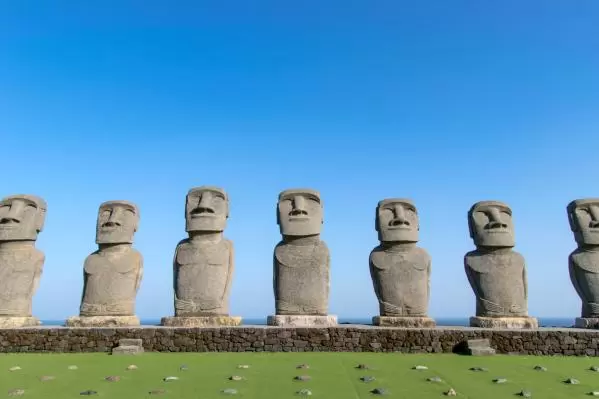
Sun Messe Nichinan
Sun Messe Nichinan is a special tourist spot that has completely recreated the Moai statues from Easter Island (Rapa Nui) in Japan. The Japanese Moai restoration tea...
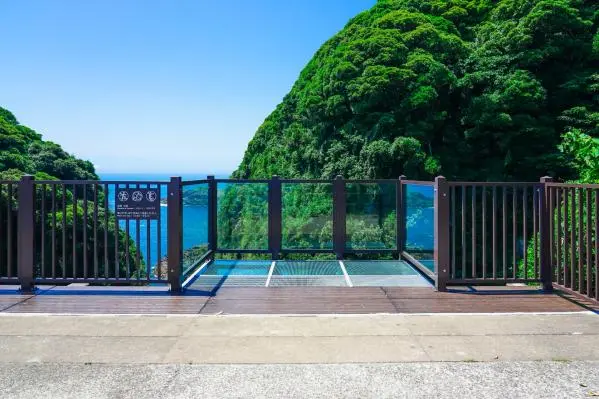
Hyugamisaki Umagase
Hyuga Cape and Umagasaki is a scenic spot located within the Nichinan Coast Quasi-National Park in Miyazaki Prefecture, characterized by its ria coastline and column...
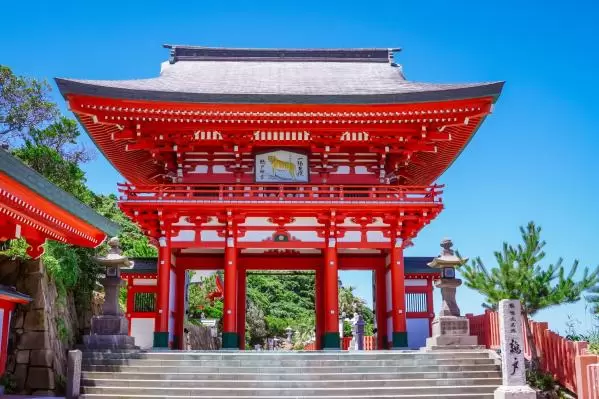
Udo Shrine
Udo Shrine, located in the southern part of Miyazaki Prefecture facing Hyuga-Nada, is a shrine that is affectionately known locally as “Udo-san.” The main shrine, pa...
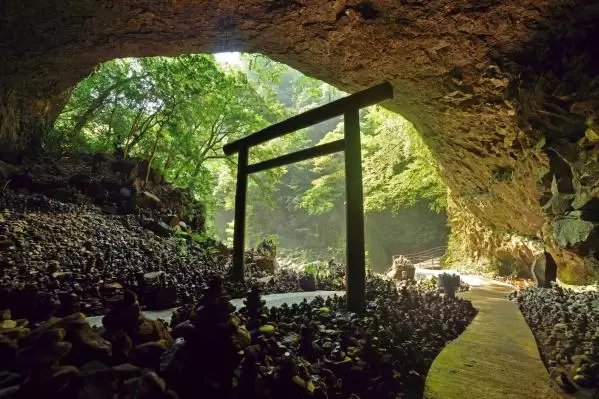
Amanoyasukawara
Tenshankawara is a mystical power spot located in Takachiho, Miyazaki Prefecture. It is a large cave that unfolds about a 10-minute walk along the Iwadogawa River fr...
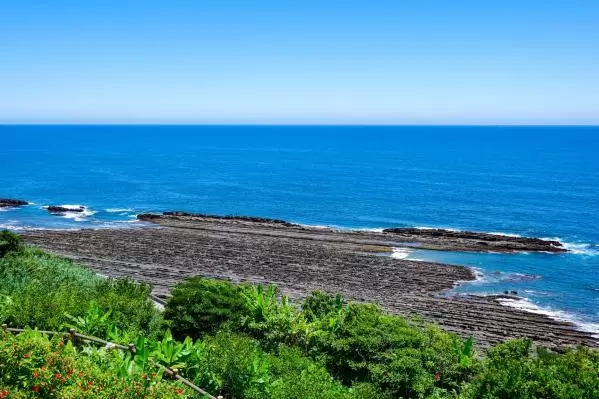
Nichinan Coast
The Nichinankai Coast is a scenic coastline that stretches approximately 100 km, representing Miyazaki Prefecture. It extends from Miyazaki City to Nichinan City and...
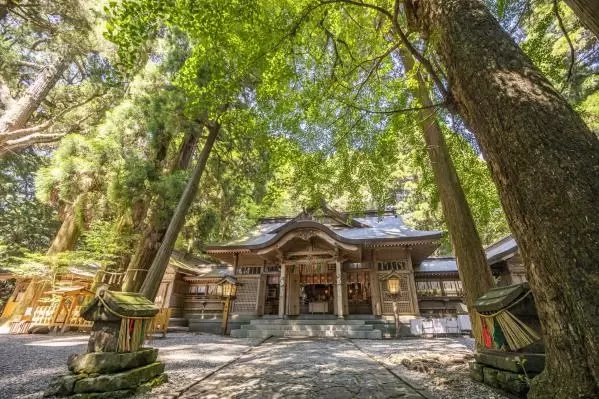
Takachiho Shrine
Takachiho Shrine is believed to have been founded around 1900 years ago during the reign of Emperor Suinin and is revered as the head shrine of the Takachiho 88 Shri...
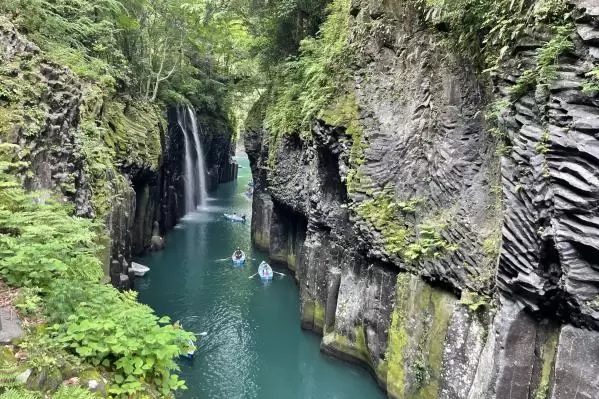
Takachiho Gorge
Takachiho Gorge is a stunning natural beauty created by the ancient volcanic activity of Mount Aso. This canyon features towering cliffs that stretch approximately 7...

Aoshima Shrine
Aoshima Shrine is located on Aoshima in Miyazaki City, where the entire island serves as the shrine grounds. It enshrines Hikohodemi no Mikoto and Toyotama-hime no M...