Udo Shrine
Udo Shrine Movies
![【宮崎観光】断崖絶壁の洞窟神社『鵜戸神社』徹底散策👢[Miyazaki Tourism] A thorough walk around the cliffs of Udo Shrine](https://i.ytimg.com/vi/_U56DSdHIhs/mqdefault.jpg)


Basic Information
- Spot Name
- Udo Shrine
- Location
- 〒887-0101 3232 Miyauura, Nichinan City, Miyazaki Prefecture, Japan
- Access
- From Yuutsu Station on the JR Nippou Line, take the Miyazaki Kotsu bus to Miyazaki Station for 20 minutes, then get off at Udo Shrine and walk for 10 minutes. It takes about 50 minutes by car from Miyazaki IC.
- Parking
- 400 cars
- Business Hours
- 6:00 AM to 6:00 PM
- Regular Holiday
- None
- Fees
- Free admission to the temple grounds.
- Contact Information
- Phone Number: 0987-29-1001
- Official Website
Map
Detailed Information
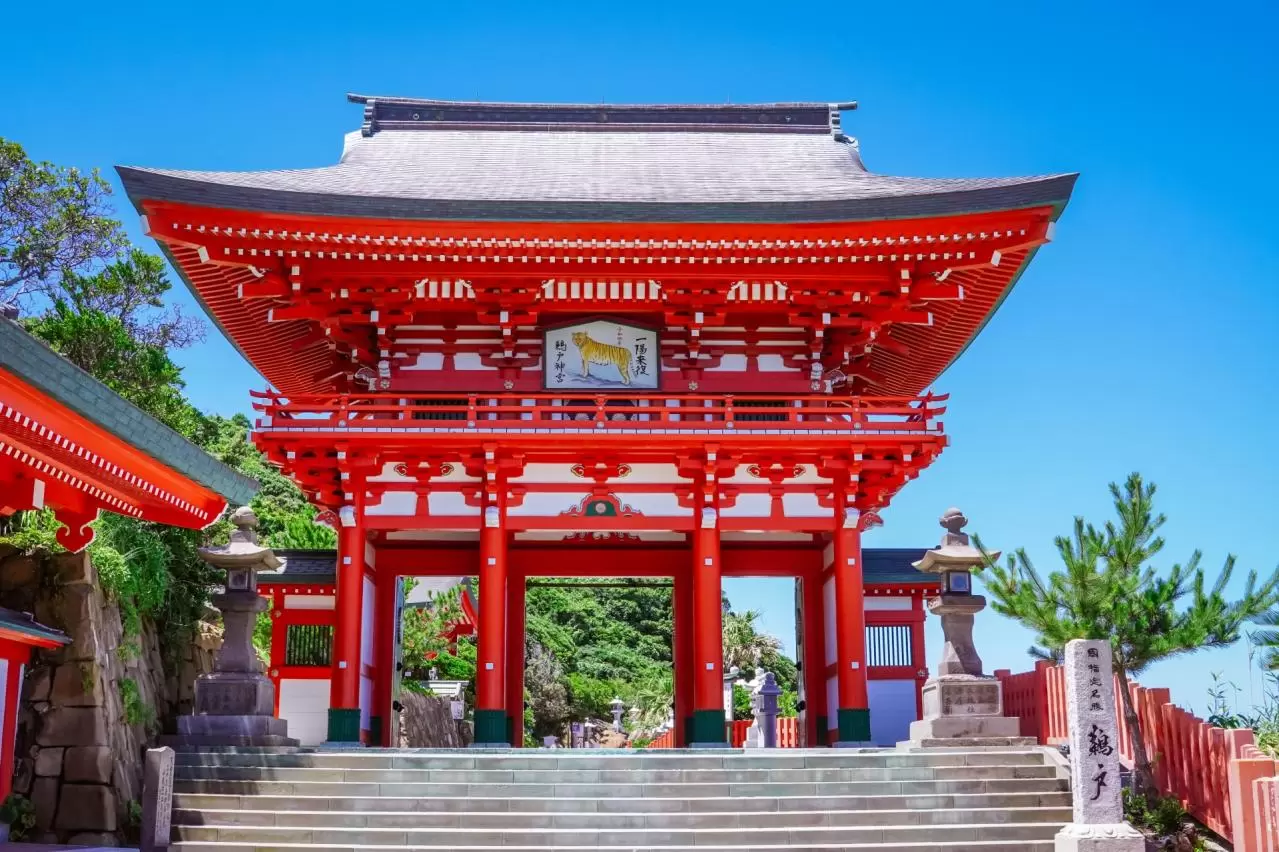
Udo Shrine stands on a cape jutting out into the Hyuga-nada Sea in Nichinan, Miyazaki Prefecture. Locally, it is affectionately known as “Udo-san.” From the seaside approach, visitors can see the blue sea and unusual rock formations. As they continue while listening to the sound of the waves, a large cave opening in the cliff comes into view. The vermilion-painted main sanctuary built inside the cave is the scene that most symbolizes Udo Shrine. The shrine’s uniquely mysterious atmosphere comes from the fact that this place of worship is a sea cave formed by wave erosion and later raised above sea level.
The cave containing the main sanctuary covers approximately 1,000 square meters. As you enter the cave from the bright sea outside, the vivid shrine buildings emerge in a space seemingly enveloped by a ceiling of rock. According to Udo Shrine, this site is believed to be the remains of the birthing hut where the shrine’s principal deity was born. The vermilion-painted main sanctuary is also designated as a tangible cultural property by Miyazaki Prefecture. One of Udo Shrine’s greatest features is that visitors can see both a cave created by nature and a sanctuary carefully preserved by generations of people.
The principal deity of Udo Shrine is Hikonagisatake Ugayafukiaezu no Mikoto. His birth is closely connected with the myth of Umisachi-hiko and Yamasachi-hiko, the Sea-Fortune and Mountain-Fortune brothers. According to the story passed down at the shrine, Yamasachi-hiko went to the Palace of the Sea to search for the fishing hook belonging to his elder brother, Umisachi-hiko, and married Toyotama-hime no Mikoto, the daughter of the sea god. Later, when Toyotama-hime became pregnant, she came to Udo to give birth. She built a birthing hut in the cave, but the child was born before the roof could be completed with cormorant feathers. This is said to be the origin of the principal deity’s name. Once you learn this story, a visit to the shrine allows you to experience the cave and the sea as places deeply connected with mythology.
Inside the cave is Chichi-iwa, or the “Breast Rock,” a place associated with Toyotama-hime’s feelings as a mother. According to legend, when Toyotama-hime returned to the Palace of the Sea after leaving her child behind, she attached her breasts to the rock so that she could provide milk for the child’s upbringing. The water dripping from the rock is called “Chichi-mizu,” or “breast water.” The same story is also connected with “Ochichi-ame,” a traditional candy made with this water; it is said that the principal deity was raised on the candy as a substitute for breast milk. For this reason, Chichi-iwa has long attracted the devotion of people praying for safe childbirth and the healthy raising of children. As you walk through the cave, take a moment to observe the shapes of the rocks and the drops of water while reflecting on these traditions.
In addition to safe childbirth and child-rearing, Udo Shrine is known as a place where people pray for matchmaking and safety at sea. Because of its location facing the Hyuga-nada Sea, it has also drawn the deep faith of people involved in fishing and seafaring. The beautiful scenery overlooking the sea attracts tourists, but this is also a shrine where local people have entrusted their wishes for many generations. It is best to pray quietly in front of the main sanctuary first, then explore the traditional sites inside the cave and the seaside scenery.
After worshiping, many visitors try “fortune ball throwing.” Looking down toward the shore from the plaza in front of the main sanctuary, you can see Reishiki Kameishi, or the “Sacred Turtle Rock,” about 12 meters away. On its back is a square, box-shaped hollow measuring approximately 60 centimeters on each side. Tradition calls for men to throw a fortune ball with their left hand and women with their right while making a wish. The shrine teaches that it is lucky if the ball hits the turtle rock, and even luckier if it lands in the hollow. Even if the ball does not reach the intended spot, the moment of making a wish and throwing it toward the sea is a memorable experience at Udo Shrine.
Kameishi is also associated with a legend about Toyotama-hime. According to the shrine, Toyotama-hime came from the Palace of the Sea to give birth while riding on a giant sea turtle, and the rock has been passed down as being connected with that turtle. Both Chichi-iwa inside the cave and Kameishi by the sea are linked to the story of the birth of the principal deity. Recalling their origins before or after enjoying fortune ball throwing allows you to view the rocks and waves below as part of the landscape that conveys the legends of Udo.
The route leading to the main sanctuary also reflects the character of Udo Shrine. From the vermilion-painted Chidori Bridge on the approach, visitors can look out over the Hyuga-nada Sea and its unusual rock formations. After crossing Tamabashi Bridge, the main sanctuary comes closer into view. Because the sanctuary is located in a cave beneath the cliff, the final part of the visit involves descending a flight of stairs. The route creates a striking change in scenery: after walking while gazing at the sea, visitors descend into the rock wall to pray. The return journey requires climbing the stairs, so comfortable walking shoes are recommended.
Udo Shrine also has an old stone-step approach known as Hatchozaka. The stretch from the harbor to the main gate is approximately 800 meters long. This distance does not refer to the stairs descending immediately before the main sanctuary. Hatchozaka is a historic path leading from the harbor to the main gate and is separate from the stairs descending to the cave sanctuary. Learning about the route people once took to worship here offers a glimpse into the long history of faith that has accumulated at this seaside shrine.
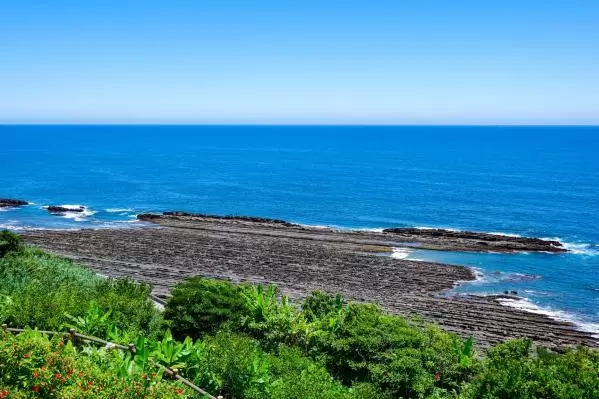
Be sure to pay attention to the rocks along the coast as well. On the southern side of Udomisaki Cape lies an expansive, wave-patterned rocky area known as Udo Senjōjiki Kigan. It was formed as tilted layers of sandstone and mudstone were slowly eroded by waves over many years. The distinctive patterns continue across the shore and are also called the “Devil’s Washboard.” Together with the unusual rocks and cave visible from the approach, they create the coast’s powerful landscape. The area including Udo Shrine was designated a national Place of Scenic Beauty in 2017 under the name “Udo,” recognizing it as a scenic site where natural formations and religious faith are closely intertwined.
Udo Shrine is also associated with a wedding-related tradition known as “Shan Shan Uma.” In the past, newlywed couples would visit Udo Shrine with the bride riding a horse decorated with bells while the groom led it by the reins. Their journey over the rugged path to report their marriage to the gods was even celebrated in folk songs. Although the custom is no longer practiced as part of everyday life, it continues to be passed down through reenactments and other events. The tradition shows that the shrine has been connected not only with prayers for safe childbirth and child-rearing, but also with the beginning of new families.
The appeal of Udo Shrine extends far beyond its vermilion-painted main sanctuary. The legends surrounding Toyotama-hime and her child, the fortune balls thrown with heartfelt wishes, the history of the old approach, and the cave and unusual rock formations created by the waves of the Hyuga-nada Sea all come together in one place. On the approach, take in the expansive ocean; inside the cave, pause to pray quietly; and on your way back, look once more across the coastal landscape. Udo Shrine is a place where visitors can feel both the grandeur of nature and the prayers carried on by generations of people.
Miyazaki Tourist Attractions
View List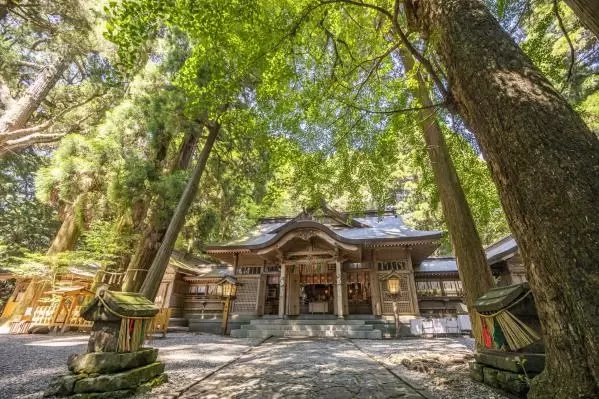
Takachiho Shrine
Takachiho Shrine is believed to have been founded around 1900 years ago during the reign of Emperor Suinin and is revered as the head shrine of the Takachiho 88 Shri...
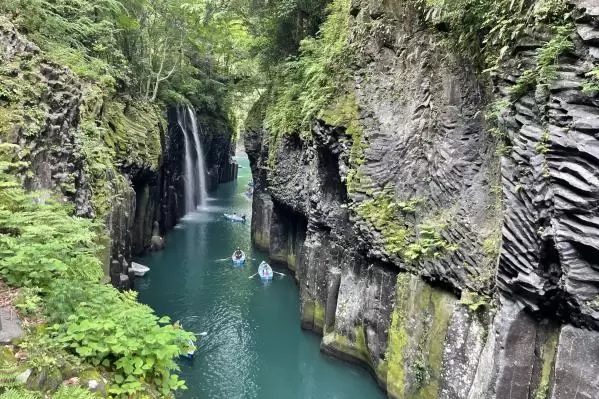
Takachiho Gorge
Takachiho Gorge is a stunning natural beauty created by the ancient volcanic activity of Mount Aso. This canyon features towering cliffs that stretch approximately 7...
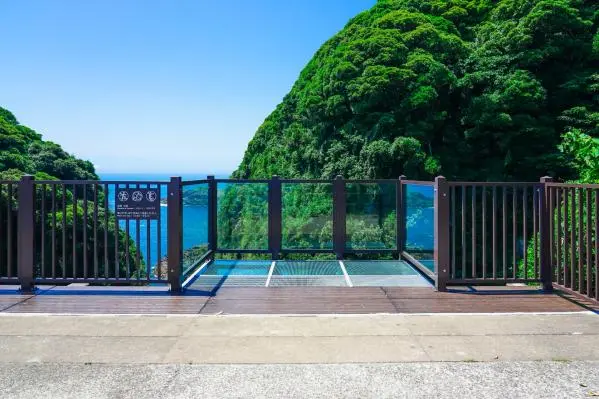
Hyugamisaki Umagase
Hyuga Cape and Umagasaki is a scenic spot located within the Nichinan Coast Quasi-National Park in Miyazaki Prefecture, characterized by its ria coastline and column...
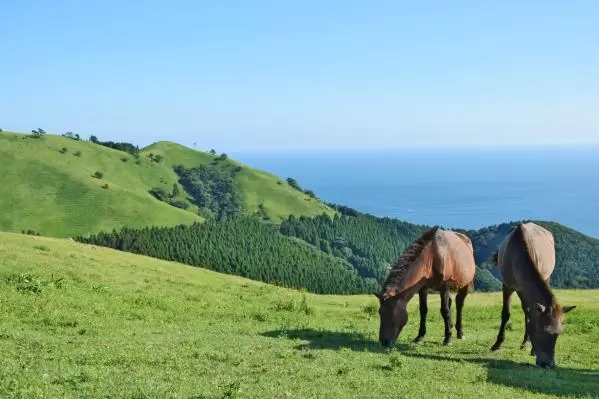
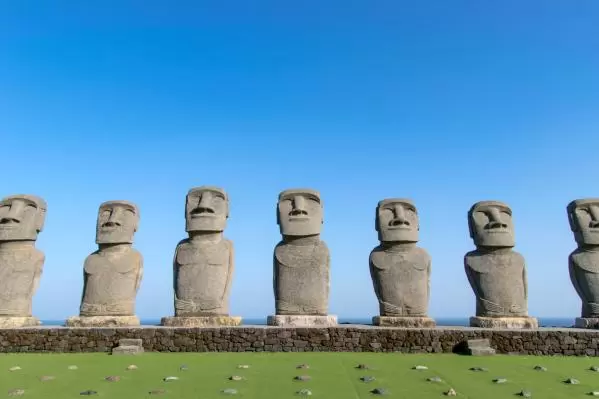
Sun Messe Nichinan
Sun Messe Nichinan is a special tourist spot that has completely recreated the Moai statues from Easter Island (Rapa Nui) in Japan. The Japanese Moai restoration tea...
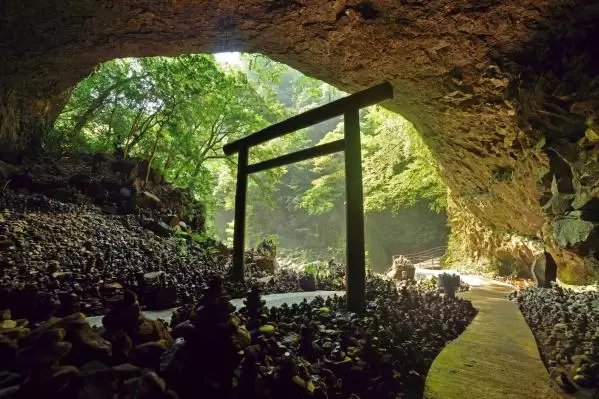
Amanoyasukawara
Tenshankawara is a mystical power spot located in Takachiho, Miyazaki Prefecture. It is a large cave that unfolds about a 10-minute walk along the Iwadogawa River fr...
Nichinan Coast
The Nichinankai Coast is a scenic coastline that stretches approximately 100 km, representing Miyazaki Prefecture. It extends from Miyazaki City to Nichinan City and...

Aoshima Shrine
Aoshima Shrine is located on Aoshima in Miyazaki City, where the entire island serves as the shrine grounds. It enshrines Hikohodemi no Mikoto and Toyotama-hime no M...