Sun Messe Nichinan
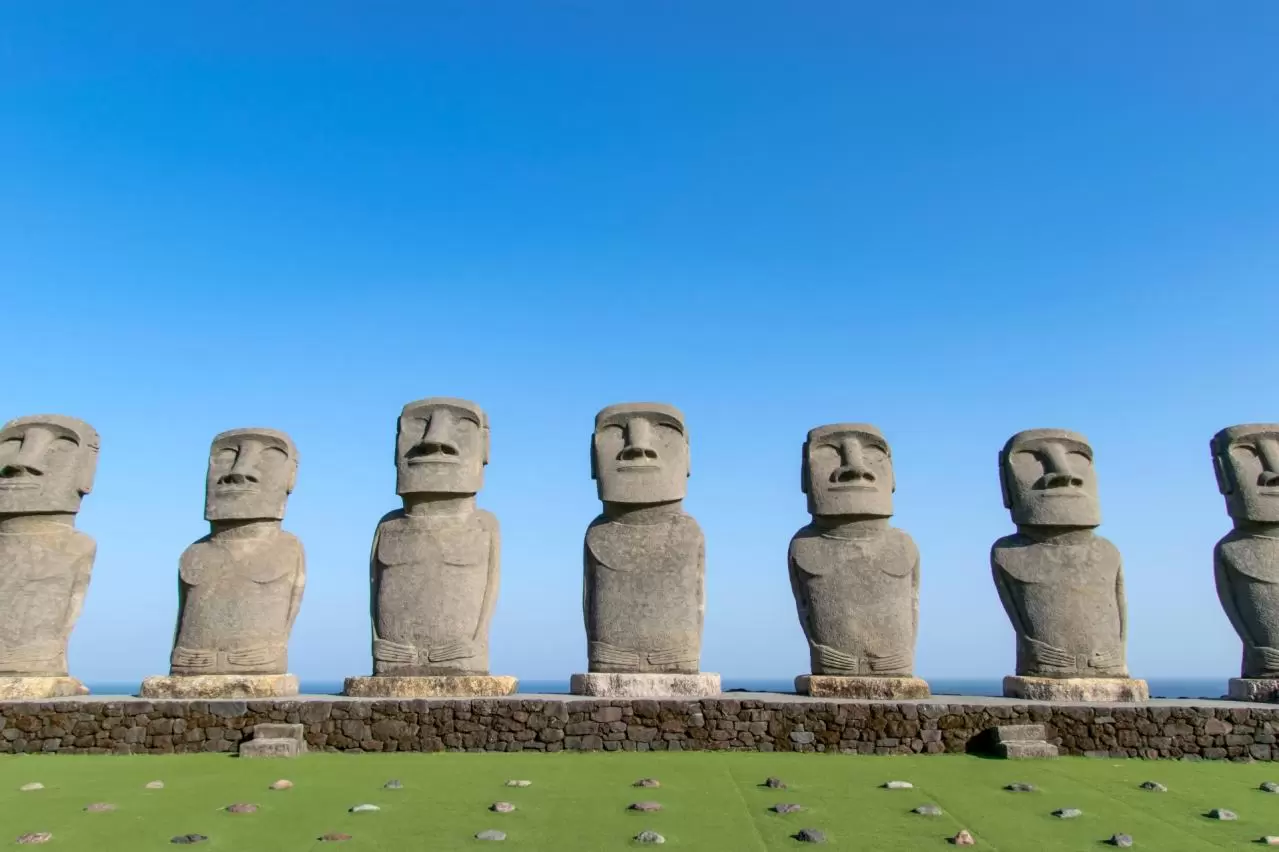
Within the park, you can find a rare insect exhibition, panels authorized directly by the UNESCO headquarters, ground designs of butterflies, a souvenir shop, a restaurant, and fast food options. The Moai statues are believed to be power spots; touching the second statue from the right is said to enhance financial luck, while the third statue from the left is believed to boost romantic luck. Experience the landscape in harmony with the blue ocean of Nichinan and feel the power of nature that this land possesses.
Sun Messe Nichinan Movies


![[vlog]2泊3日宮崎旅行🥭✨青島,サンメッセ日南,鵜戸神宮,都井岬,高千穂,阿蘇🌊⛰️⛩️](https://i.ytimg.com/vi/EQ37ev3999o/mqdefault.jpg)


Basic Information
- Spot Name
- Sun Messe Nichinan
- Location
- 〒887-0101 2650 Moai Cape, Miyauura, Nichinan City, Miyazaki Prefecture, Japan
- Access
- Bus: Take the Nikkō Bus from Miyako City for about 60 minutes to Nichinan. Get off at Sun Messe Nichinan and walk for about 15 minutes.
- Parking
- 220 spaces (free)
- Business Hours
- 9:30 AM to 5:00 PM
- Regular Holiday
- Every Wednesday (Open during year-end and New Year, Golden Week, Obon, and public holidays.)
- Fees
- Adults: 1000 yen, Junior high school students: 700 yen, Ages 4 and above: 500 yen.
- Contact Information
- Phone Number:0987-29-1900
- Official Website
Map
Detailed Information
Sun Messe Nichinan is a tourist facility spread across a hill overlooking the Nichinan Coast in Nichinan City, Miyazaki Prefecture. It is known for its landscape of seven moai statues standing in a row against a backdrop of blue skies and the Pacific Ocean. In addition to its open views of the sea, the facility features exhibitions introducing UNESCO World Heritage sites, works of art, and dining establishments, allowing visitors to enjoy a variety of experiences as they explore the grounds. Covering approximately 20 hectares, the site is full of gentle rises and falls, and the way the sea comes into view changes as visitors make their way up the hill.
The seven statues, which are symbols of the facility, are replicas of the moai statues of Ahu Akivi on Rapa Nui, commonly known as Easter Island, a Chilean territory. “Ahu” refers to a stone ceremonial platform on which moai statues are erected. Created with official permission from the Council of Elders of Rapa Nui, each statue stands approximately 5.5 meters tall and weighs around 18 to 20 tons. Although their orderly arrangement is striking in photographs, standing nearby gives visitors an even stronger sense of the size and presence of each stone figure. According to the park’s information, visitors can stand alongside the statues and even touch them directly.
Why do moai statues stand on a hill in Nichinan, so far from Rapa Nui? The answer lies in the restoration of cultural heritage on Rapa Nui by a Japanese team. Tadano, a manufacturer of cranes, began a moai restoration project in 1991, working together with archaeologists and local residents. In 1995, 15 fallen moai statues at Ahu Tongariki on Rapa Nui were raised once again. Sun Messe Nichinan explains that, in recognition of this assistance with the restoration, the Council of Elders of Rapa Nui granted permission for moai statues to be recreated in Japan. The 15 statues restored locally are at Ahu Tongariki, while the seven statues recreated in Nichinan are based on those at Ahu Akivi.
The history of Sun Messe Nichinan is about more than just the moai statues. According to information provided by the park, people associated with Kyoto’s Ittōen community once operated a ranch on this land. After the ranch closed, and in response to requests from the local community, Sun Messe Nichinan was established in April 1996. The facility’s theme is to appreciate the blessings received from the sun and the Earth and to wish for peace on Earth. The moai statues also serve to communicate the exchange between Nichinan and Rapa Nui. Seeing them simply as monumental stone figures set in a spectacular landscape is one experience, but learning about the cooperation among the people behind them can change the way visitors view their visit.
The seven moai statues can also be enjoyed as symbols of different wishes. According to the park’s guide, they are arranged from left to right as follows: success in work, good health, success in love, peace on Earth and the realization of dreams, success in marriage, financial prosperity, and academic success. For example, the statue associated with love is the third from the left, while the one associated with financial prosperity is the second from the right. The belief that touching a statue will make one’s wish come true is a popular local tradition. Walking around while looking for the statue connected to a particular wish, or taking commemorative photos with all seven statues in the background, are experiences unique to this location.
When visitors look up from Moai Plaza, the blue sea and sky stretch out beyond the statues. On clear days, the contrast between the calm colors of the stone figures and the bright blue of the Pacific Ocean is especially striking. Taking a photograph from a little farther away allows all seven statues to be captured in a single frame together with the view of the Nichinan Coast. It is recommended to change viewpoints while admiring them—feel the impressive size of the statues up close, then step back to take in the scene of all seven standing in a row on the hill. Being able to walk in the sea breeze is another attraction that distinguishes the site from indoor exhibition facilities.
There are other attractions throughout the grounds besides the moai statues. An exhibition introducing UNESCO World Heritage sites features 43 panels covering cultural and natural heritage. Beginning with the moai of Rapa Nui, the exhibition encourages visitors to take an interest in cultural and natural treasures around the world. There is also an exhibition introducing insects from around the globe, as well as a butterfly-shaped ground mural created on the hillside. Visitors can alternate between learning indoors and stepping outside to enjoy the sea views.
For those who want to explore the grounds while taking photographs, the colorful human figures known as “Voyagers” are also memorable. Their arrangement of seven figures has a different atmosphere from Moai Plaza, and visitors can enjoy photographing them against the sky and sea. Other attractions include an observation deck, swings, and the butterfly ground mural, offering changing compositions at every stop. Rather than focusing only on the moai statues, visitors can take in the coastline from the hilltop or pause wherever something catches their attention, allowing them to experience the expansive grounds at a more leisurely pace.
The “Earth Appreciation Bell,” located on higher ground, is another place that expresses the facility’s philosophy. Sun Messe Nichinan’s theme is gratitude toward the Earth and a wish for peace. Set in a location overlooking the Pacific Ocean, the bell can be rung by visitors. After viewing the moai statues, walking farther up the hill and stopping at the bell while gazing out over the vast ocean allows visitors to experience both Nichinan’s natural beauty and the ideals embodied by the facility.
The grounds also include the South Seas restaurant noa・noa, a fast-food corner offering light meals, and a souvenir shop. Since visitors can take breaks while enjoying the scenery, it is best to allow plenty of time for exploring. The site is extensive and includes many slopes, so rental “round cars” are available for getting around. To drive one, visitors must present a valid Japanese ordinary motor vehicle driver’s license. Round cars cannot enter Moai Plaza, so visitors normally get out and walk there. On rainy days, a shuttle bus to Moai Plaza operates within the grounds. Please check the availability of rental carts and the bus service when visiting.
The appeal of Sun Messe Nichinan lies in both the power of the seven moai statues standing with the sea behind them and the story of the exchange that led to their creation in Japan. At Moai Plaza, visitors can appreciate the enormous scale of the stone figures; through the World Heritage exhibition, they can learn about cultural treasures; and from the hilltop, they can enjoy views of the Pacific Ocean. Adding art, dining, and photography to the experience opens up even more ways to spend time there. It is a place where visitors can experience both the natural beauty of the Nichinan Coast and the bond passed down from Rapa Nui.
#Townscape/Bikan Historical Quarter #Coast/Cape/Island #park
Miyazaki Tourist Attractions
View List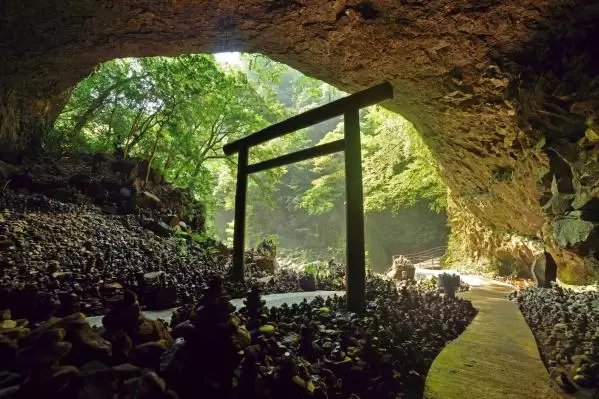
Amanoyasukawara
Tenshankawara is a mystical power spot located in Takachiho, Miyazaki Prefecture. It is a large cave that unfolds about a 10-minute walk along the Iwadogawa River fr...
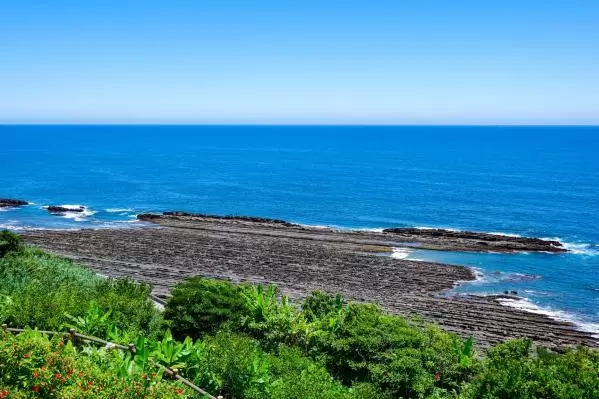
Nichinan Coast
The Nichinankai Coast is a scenic coastline that stretches approximately 100 km, representing Miyazaki Prefecture. It extends from Miyazaki City to Nichinan City and...
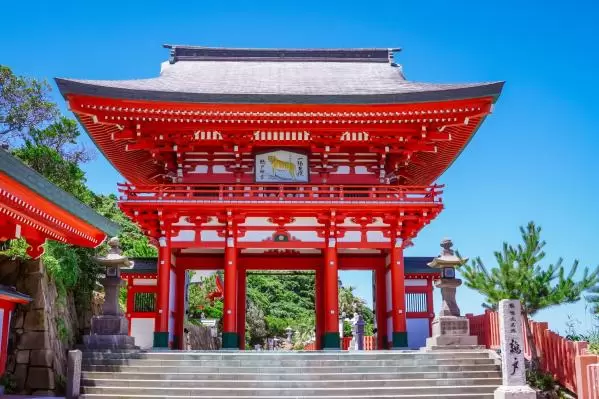
Udo Shrine
Udo Shrine, located in the southern part of Miyazaki Prefecture facing Hyuga-Nada, is a shrine that is affectionately known locally as “Udo-san.” The main shrine, pa...
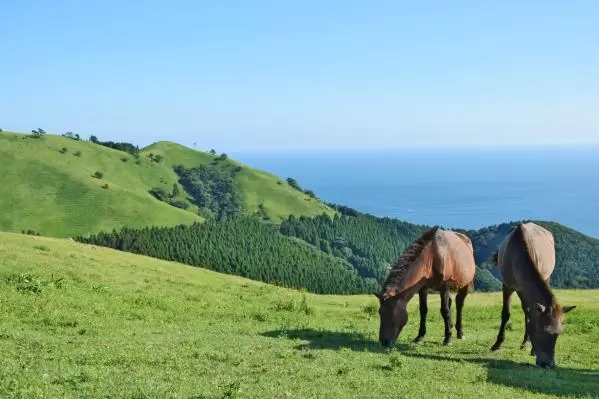
Hyugamisaki Umagase
Hyuga Cape and Umagasaki is a scenic spot located within the Nichinan Coast Quasi-National Park in Miyazaki Prefecture, characterized by its ria coastline and column...
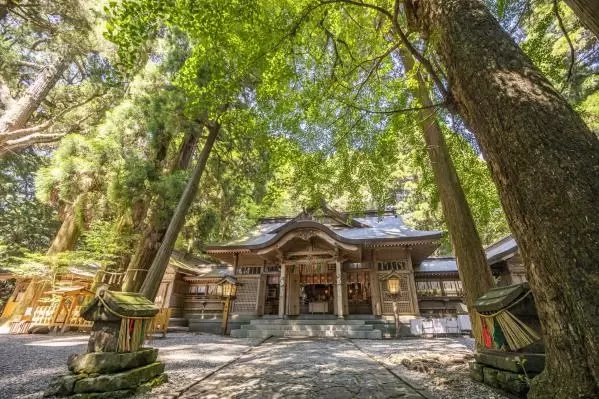
Takachiho Shrine
Takachiho Shrine is believed to have been founded around 1900 years ago during the reign of Emperor Suinin and is revered as the head shrine of the Takachiho 88 Shri...
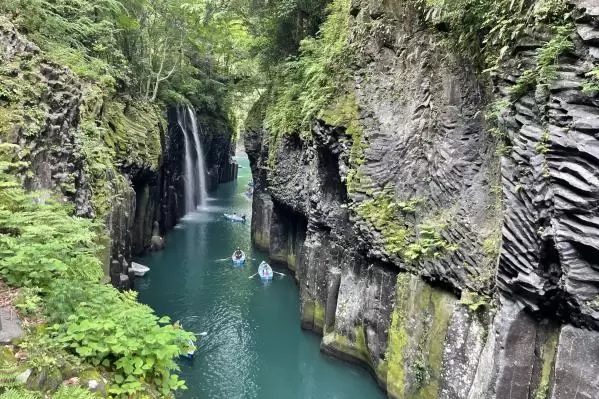
Takachiho Gorge
Takachiho Gorge is a stunning natural beauty created by the ancient volcanic activity of Mount Aso. This canyon features towering cliffs that stretch approximately 7...

Aoshima Shrine
Aoshima Shrine is located on Aoshima in Miyazaki City, where the entire island serves as the shrine grounds. It enshrines Hikohodemi no Mikoto and Toyotama-hime no M...