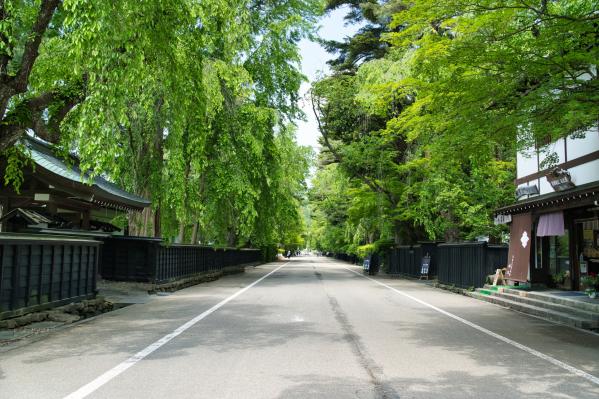
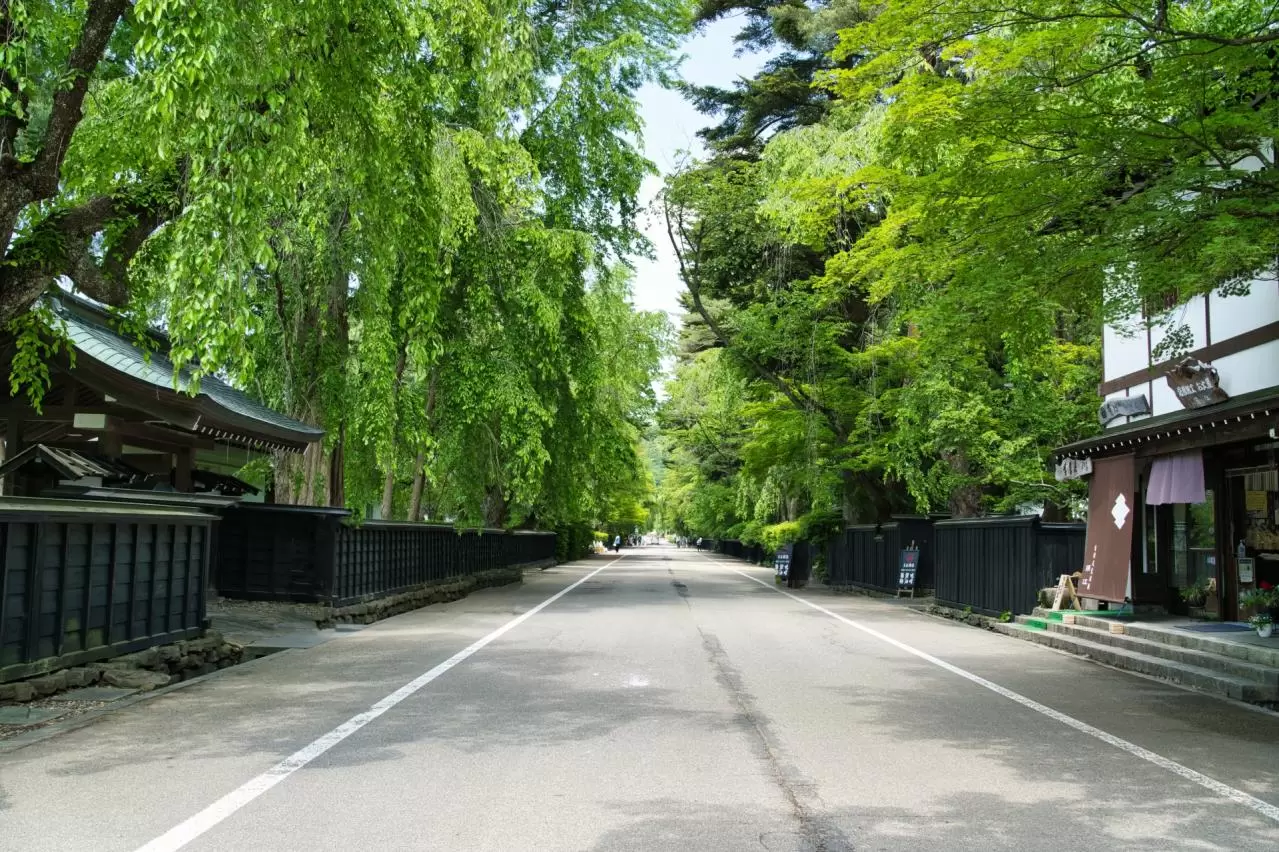
A street lined with samurai residences
Walk streets that retain the character of the Edo period and get a sense of how people lived at the time.
AI Summary
This is an AI-generated summary. Please check the official information for opening hours, fees, and closed days.
A historic samurai townscape with a strong Edo-period atmosphere and beautiful scenery in every season.
Kakunodate Samurai District in Semboku, Akita Prefecture, is a historic castle town best explored on foot. Several samurai residences along the main street are open to visitors, offering a glimpse of life in the past through their buildings and gardens. The area is famous for cherry blossoms in spring, and is also appealing for its autumn colors and winter snowscapes.
Walk streets that retain the character of the Edo period and get a sense of how people lived at the time.
Enjoy spring cherry blossoms, autumn leaves, or winter landscapes blanketed in snow.
Explore selected homes to see their architecture and gardens.
Walk from Kakunodate Station to the samurai residence street, visit a few residences open to the public, then continue exploring the historic townscape.
Kakunodate, located in Senboku City, Akita Prefecture, is a beautiful castle town that still strongly preserves the atmosphere of the Edo period, and is also known as the “Little Kyoto of Michinoku.” Its tasteful streetscape has been designated as an Important Preservation District for Groups of Traditional Buildings by the Japanese government and is highly regarded by tourists from both Japan and abroad.
In particular, the area known as “Bukeyashiki-dori” is lined with former samurai residences where warriors of the Edo period actually lived, making it truly a stage of history itself. Along the main street, historic residences such as the Ishiguro House, Aoyagi House, Iwahashi House, Matsumoto House, Kawarada House, and Odano House can still be visited today, and some are still occupied as private homes.
Highlights of Each Samurai Residence
■ Ishiguro House
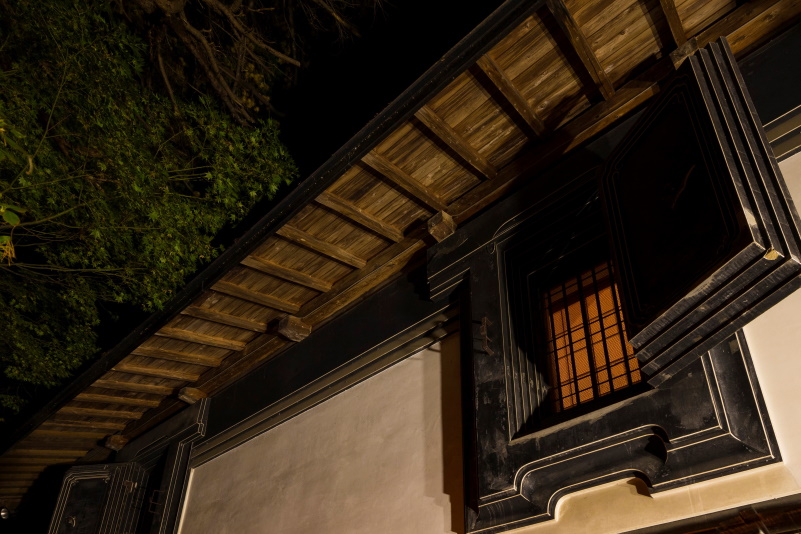
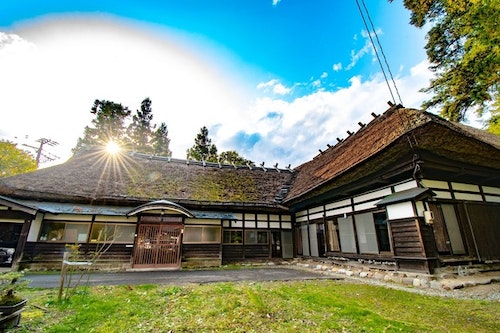
The Ishiguro family served as retainers to the Satake Kita family, and it is said that they moved to the present location in 1853. Passing through the yakui-mon gate with its board-supported side panels, which bears an inscription dated 1809, visitors are greeted by the formal main entrance and side entrance. The main house has a thatched roof, and the garden features an artificial hill, large stones, a large fir tree, and a gazebo, creating a simple yet dignified atmosphere befitting a samurai residence. The black fence facing the road has a “peeking window,” and it is considered one of the oldest surviving samurai residences.
■ Aoyagi House (Kakunodate Historical Village, Aoyagi House)
The Aoyagi family originally descended from samurai who served the Ashina clan in Aizu, and later became retainers of the Satake Kita family. The main gate is a yakui-mon with board supports dating to 1860, and inside the gate are structures such as a well house, rice storehouse, formal entrance, and side entrance, conveying the status and etiquette of the time through how they were used according to the rank of visitors. On the grounds, in addition to displays of armor and daily utensils, there is also a café and a bark-craft experience corner, making it a popular tourist base.
■ Iwahashi House
The Iwahashi family was a senior retainer of the Ashina clan, holding a stipend of 75 koku, and later served the Satake Kita family until the end of the Edo period. The residence was remodeled in the late Edo period and retains the floor plan of a typical middle-ranking samurai home. Although the roof has been renovated from thatch, the lifestyle of the time can still be strongly felt. On the grounds stands a large oak tree estimated to be over 300 years old, and in autumn and winter it is illuminated, creating a fantastical scene.
■ Matsumoto House
The Matsumoto family was part of the Imamiya family’s retinue, serving the Satake clan, and lived in Kobito-machi, an area where many lower-ranking samurai resided. In this district, where foot soldiers and attendants lived, the Matsumoto family was also a residence of the lower-ranking warrior class, but they are known as a family that valued scholarship, producing professors for the domain school “Kodo Shoin.” The house is believed to have been built in the late Edo period, and the detached bedroom is one of its highlights.
■ Kawarada House
The Kawarada family descends from retainers who moved to Kakunodate and served the Satake Kita family after their former lord, the Ashina clan, fell from power following the Battle of Sekigahara. The present main house was built in 1891 and conveys the typical structure of a samurai residence in Kakunodate. In modern times as well, the family contributed greatly to local development; the 16th head of the family, Tsugeshige Kawarada, used his own private fortune to launch a hydroelectric power project and made a major contribution to the local community.
■ Odano House
The Odano family belonged to the Imamiya Dangi group and later served the Satake Kita family. The main house was rebuilt after the great Kakunodate fire of 1900, and the front garden is planted with firs, maples, and sasa bamboo, incorporating planting techniques influenced by Kyoto gardens. It is a valuable structure that strongly preserves the style of a late-Edo-period samurai residence.
Seasonal Appeal
Kakunodate is a town that shows different faces throughout the year.
It is especially famous as a cherry blossom destination in spring, when the entire town is dyed pale pink from mid- to late April. There are about 400 weeping cherry trees in town, 162 of which are designated as national natural monuments. The weeping cherry blossoms set against the black fences and the approximately 2-km-long tunnel of Somei Yoshino cherry trees along the Hinokinai River embankment are truly breathtakingly beautiful.
In autumn, the town is adorned with brilliant foliage; in winter, it is covered in snow; and in summer, it is lush with fresh greenery. No matter what season you visit, the town has a deep charm, and especially at dusk in winter, the illuminated samurai residences and the 300-year-old oak tree create a magical atmosphere.
#Townscape/Bikan Historical Quarter #flowers/plants #Cultural assets/historic sites
The Akita Port Tower Selion, located at the Michi no Eki (Roadside Station) Akita Port, is a symbol of Akita City. From the observation deck at 100 meters above grou...
Unsho-ji is a historic temple located in Akita Prefecture's Oga City, cherished by many since its founding in 1624. However, recent attention has shifted from its hi...
Choka Park is located about a 10-minute walk from Akita Station and offers beautiful seasonal landscapes along with the history of the Akita Domain. Originally the s...
Oga Aquarium GAO is the only aquarium in Akita Prefecture, situated in a breathtaking location overlooking the Sea of Japan. The aquarium features around 10,000 mari...
The Akita Museum of Art, designed by the renowned architect Tadao Ando, features a tranquil and simple space. Inside the museum, various works by different artists a...
Hachibodai is a breathtaking spot where you can enjoy a panoramic view of the magnificent scenery from the highlands of the Oga Peninsula at an elevation of 180 mete...
"Nittoo Onsen-kyo," located in Senboku City, Akita Prefecture, is a hot spring area with a history of over 350 years. Situated at the foot of Mount Nyuto in Towada-H...
![【秋田観光】風情溢れる『角館武家屋敷通り』散策👢[Akita Tourism] Stroll through the "Kakunodate Samurai Residences Street"](https://i.ytimg.com/vi/fOkdMeEeOmQ/mqdefault.jpg)


![[秋田観光] 角館 武家屋敷通りに行ってきました](https://i.ytimg.com/vi/SSvSTmTt6vE/mqdefault.jpg)