Highly acidic hot spring
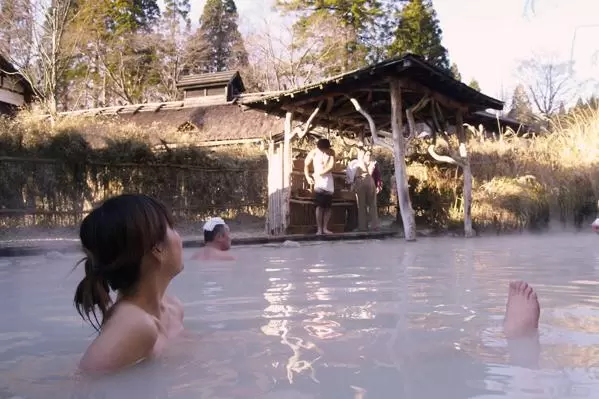
Known for its strongly acidic water, with a pH of around 1.2, it offers a distinctive bathing experience.


AI Summary
This is an AI-generated summary. Please check the official information for opening hours, fees, and closed days.
A serious hot-spring destination known for its highly acidic waters and traditional therapeutic bathing culture.
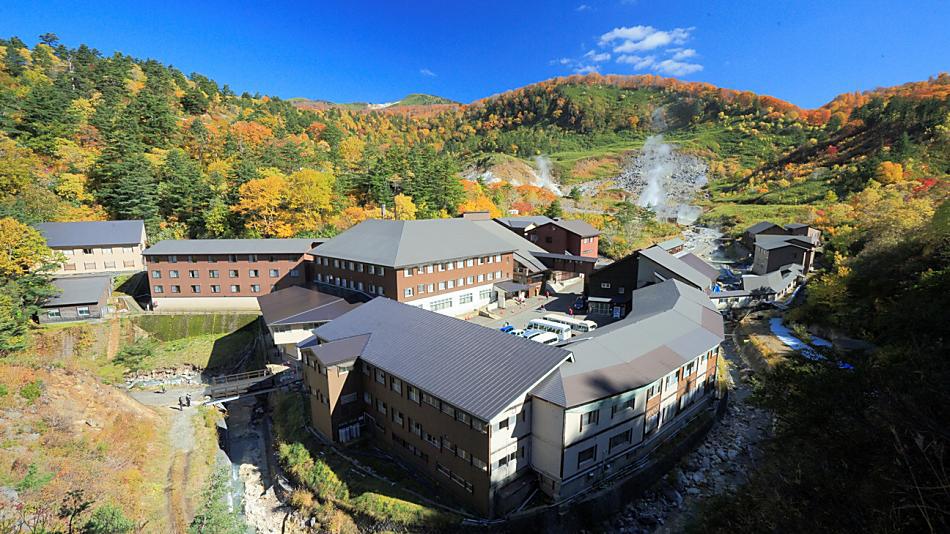
Located in Towada-Hachimantai National Park in Akita, Tamagawa Onsen is a traditional retreat known for its highly acidic spring water and abundant flow. The site has a single inn, making it well suited to a quiet, restorative stay. You can also explore a nature trail and experience bedrock bathing while taking in the volcanic scenery.
Known for its strongly acidic water, with a pH of around 1.2, it offers a distinctive bathing experience.
The single inn makes for a quiet stay, well suited to trips focused on rest and recuperation.
Walk past hot-spring sources and fumaroles to experience the area’s volcanic features up close.
Unwind in the hot spring, then take a short walk along the nature trail to enjoy the volcanic scenery.
Tamagawa Onsen is one of Japan’s most renowned authentic therapeutic hot spring resorts, located in the mountainous area of Semboku City, Akita Prefecture, within Towada-Hachimantai National Park. Its greatest distinction is that it boasts two “number one” features in Japan.
First, it has an overwhelming flow rate of 9,000 liters per minute. As a single spring source, this is one of the largest in Japan, and the spring temperature reaches about 98°C. The hot water gushing steadily from the spring outlet is packed with the energy of the earth.
Second, it has an extremely acidic spring quality with a pH of 1.2. This is even more acidic than cooking vinegar (pH 2–3) or lemon juice (around pH 2), and it is so strong that it can cause a sharp stinging sensation on the skin. This high acidity is said to be effective for its sterilizing properties and for improving skin conditions, and it has long been cherished as a “hot spring that cures all ailments.” The water has a sulfurous fragrance and also contains trace amounts of radon radiation, making it a place where one can truly experience the power of nature.
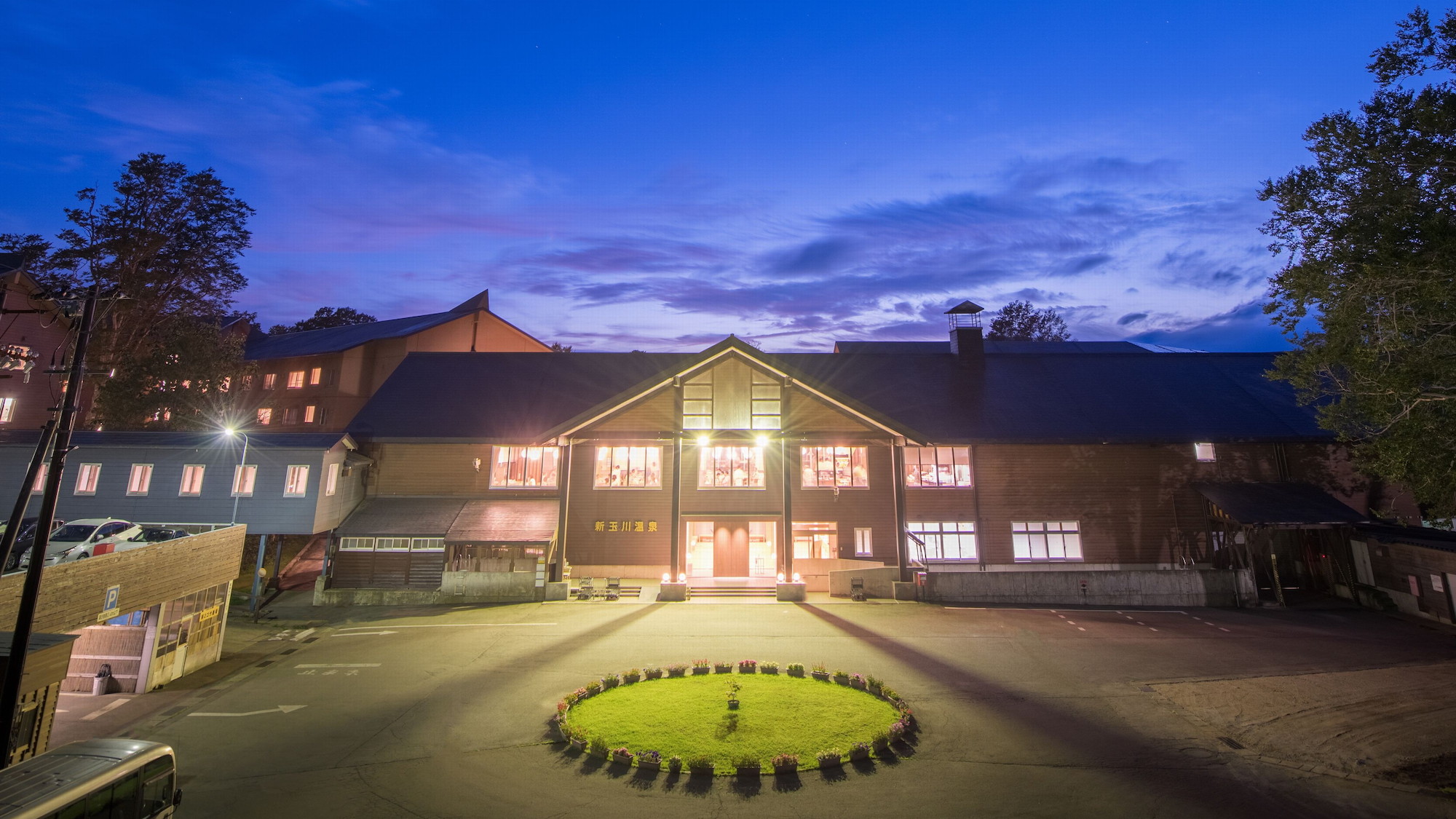
There is only one lodging facility here, and it is divided into a ryokan-style section and a self-catering section. In the ryokan section, guests can enjoy a comfortable stay with two meals included per night, while the self-catering section allows for extended stays by bringing one’s own ingredients and cooking meals independently. Both are therapeutic inns intended for recuperation and rest, and a nurse is on duty in the building to support guests’ health.
Another hallmark of Tamagawa Onsen is its natural rock-bed bathing area. In the outdoor rocky area about a five-minute walk from the inn, guests can lay down a towel blanket or straw mat on rock warmed by geothermal heat and warm their bodies while reclining there. Since no equipment rental is available for this rock-bed bathing, visitors must bring what they need or purchase items at the shop.
Next to the hot spring is the Tamagawa Onsen Nature Trail, a walking course of about 1 km that takes roughly 30 minutes to complete. Along the trail, visitors can experience the dynamic force of volcanic activity up close, including “Obuki,” a spring that gushes out 98°C boiling water, “ganban,” rock surfaces radiating heat from the ground, and fumaroles that emit steam with a thunderous roar. The surrounding area is enveloped by virgin forests of beech and Aomori fir, allowing visitors to enjoy the beauty of nature through all four seasons. In particular, the seasons of fresh spring greenery and autumn foliage attract many people who come for both therapeutic bathing and nature walks.
In addition, the strong acidity of the hot spring helps remove dead skin cells, and by thoroughly moisturizing after bathing, one can also expect beautifying effects for the skin. Another major appeal is that it warms the body deeply and its warming effect lasts for a long time.
Tamagawa Onsen is a special hot spring destination where visitors can heal body and mind while feeling the breath of the earth and the blessings of nature with every part of their being. Rather than the glamour of a tourist spot, it is truly an ideal place for those seeking genuine therapeutic hot spring bathing.
Hōkaeri Valley is a beautiful 10-kilometer-long gorge that stretches along the midstream of the Tamagawa River, which flows between Lake Tazawa and Kakunodate. It ha...
The "Akita Inu Museum," located in Odate City, Akita Prefecture, is a facility dedicated to the preservation of Akita dogs and the promotion of their charm. The muse...
Choka Park is located about a 10-minute walk from Akita Station and offers beautiful seasonal landscapes along with the history of the Akita Domain. Originally the s...
Hachibodai is a breathtaking spot where you can enjoy a panoramic view of the magnificent scenery from the highlands of the Oga Peninsula at an elevation of 180 mete...
Unsho-ji is a historic temple located in Akita Prefecture's Oga City, cherished by many since its founding in 1624. However, recent attention has shifted from its hi...
Oga Shinzan Folklore Museum is located on the Oga Peninsula in Akita Prefecture and is a facility where visitors can experience the traditional "Namahage" culture. T...
"Nittoo Onsen-kyo," located in Senboku City, Akita Prefecture, is a hot spring area with a history of over 350 years. Situated at the foot of Mount Nyuto in Towada-H...


![【秋田県観光】玉川温泉は日本一の強酸泉で地獄の果てのような異世界で岩盤浴を楽しむことができる!ここは湯治の聖地⭐︎⭐︎Akita Prefecture Tourism]⭐︎Tamagawa Onsen](https://i.ytimg.com/vi/-mOpaErMl6s/mqdefault.jpg)