Hydrangeas of Unshoji Temple
AI summary
What kind of place are the Hydrangeas at Unshoji Temple?
This is an AI summary. Check official information for opening hours, prices and closures.
A seasonal highlight from June to July, where blue hydrangeas meet views of the Oga coastline.
Plan your visit
- Time to allow
- Allow extra time to take in the grounds at a relaxed pace Not verified
- Getting there
- From Akita Station, take the Oga Line, then continue by car or bus. By car, it is about 45 minutes from Showa-Oga Hanto IC. Not verified
Explore more places

Read highlights and visiting tips
Plan your visit
- Rainy Day
- Check conditions and plan according to the weather Not verified
- Family-friendly
- The flower views are easy to enjoy, but allow extra time during busy periods Not verified
- For Older Visitors
- Consider the amount of walking involved Not verified
- Best Season
- Mid-June to early July Not verified
- Photo Spots
- Blue hydrangeas with views of the Oga coastline Not verified
- Travel Mood
- A scenic temple stroll with plenty of photo opportunities Not verified
Hydrangeas spread across the grounds of Unshoji Temple, a well-known flower spot in Oga. The quiet atmosphere of this historic temple combines with views of the sea and flowers. The best time to see them is from mid-June to early July, with especially striking scenery at dusk. This is a popular time to visit, so allow plenty of time.
Recommended for
Highlights
A sea of blue hydrangeas — Blue flowers fill the temple grounds, creating a striking scene when they are in full bloom.
Flowers with coastal views — The view of the Oga coastline through the hydrangeas makes this spot distinctive.
Dusk scenery — In the evening in late June, changing light gives the grounds an especially atmospheric feel.
Before you go
- The peak bloom period is brief, so try to time your visit for the season.
- The scenery changes with the evening light, making dusk a good time for photography.
- Wear comfortable shoes and allow for possible crowds.
Ideas for your visit
Combine a visit during hydrangea season with a stop at Oga Onsenkyo or other scenic spots around the Oga Peninsula.
Before deciding to visit
If you are visiting outside hydrangea season or prefer to avoid extended walking, check the route around the grounds before you go.
What to look for in the videos
Watch the related videos to preview the seasonal scenery of blue hydrangeas set against the sea.
Hydrangeas of Unshoji Temple Movies


Basic Information
- Spot Name
- Hydrangeas of Unshoji Temple
- Location
- 〒010-0683 57 Kitakubo, Oga City
- Access
- Approximately 45 minutes (34 km) by car from Showa Oga Peninsula IC.
From Akita Station, it takes about 1 hour to Oga Station or Hadachi Station via the JR Oga Line. From Oga Station, it takes about 20 to 40 minutes (16 km) by Namahage Shuttle, local bus, or taxi.
Approximately 7 minutes (4 km) by car from Oga Onsen area. - Parking
- Available
- Business Hours
- Mid June to Mid July (Hydrangea Season)
9:00 AM - 5:00 PM (Last entry at 4:30 PM)
Nighttime Illumination Special Viewing
6:45 PM - 9:30 PM (Last entry at 9:00 PM) - Fees
- 【Daytime】
9:00 AM to 5:00 PM (Last admission at 4:30 PM)
500 yen
【Hydrangea Season】
800 yen
【Nighttime Lighting Special Admission】
6:45 PM to 9:30 PM (Last admission at 9:00 PM)
1,000 yen - Contact Information
- Phone Number:0185-47-7787(男鹿市観光協会DMO推進室)
- Official Website
Map
Detailed Information
Unshō-ji Temple is a Sōtō Zen temple located in Kitaura, Oga City, Akita Prefecture, and is a historic temple founded in 1624. The main hall was built during the Edo period, and its principal image is a statue of Shakyamuni Buddha carved by a Buddhist sculptor from Osaka. With its long history, the temple has recently attracted nationwide attention as the “hydrangea temple.”
These much-talked-about hydrangeas were carefully cultivated from a single plant by the temple’s deputy chief priest, Mr. Shūun Konaka, over more than 15 years, or perhaps more than 20 years. What began as just one hydrangea plant has steadily increased through division, cuttings, and meticulous care, and it is now said to number more than 1,500 plants, or even over 2,000.
Deputy Chief Priest Konaka has a strong commitment to a “deep blue only” aesthetic and has also put great ingenuity into the cultivation methods. As a result, the hydrangeas at Unshō-ji bloom exceptionally well on each plant, and at peak season the temple grounds are dyed like a blue carpet. The sight of this profound and vivid world of blue is truly dreamlike and deeply moving.
Beyond the hydrangeas, visitors can also look out over the harbor town of Kitaura and the blue expanse of the sea around the Oga Peninsula. This landscape, woven together by hydrangeas, the sea, and a historic temple, is highly praised as a “spectacular view found nowhere else,” and in 2017 it was selected as the No. 1 domestic scenic spot on the official website of “Must-See Destinations in the World Before You Die!”
The best time to see the hydrangeas is typically from mid-June to early July. In particular, at dusk in late June, the soft light of the setting sun pours over the hydrangeas and the sea, creating a breathtaking contrast. According to Deputy Chief Priest Konaka, the bright daytime views are wonderful, but the hydrangeas illuminated by the evening glow are also exceptionally beautiful.
After viewing the flowers, it is also recommended to stop by the nearby Kijū Sushi Shokudō to savor Oga’s fresh seafood. With history, nature, beauty, and taste all enjoyed through the five senses, Unshō-ji’s hydrangeas are truly a highlight of any trip to Oga and well worth a visit.
Today, Unshō-ji is one of the representative tourist attractions of Oga City, featured across various media such as television, magazines, and social media. During hydrangea season, many people visit from both within and outside the prefecture. Even so, one of the special charms of this place is the chance to spend time quietly and leisurely admiring the flowers in the calm, serene atmosphere unique to a temple.
Akita Tourist Attractions
View List
Lake Tazawa
Located in Akita Prefecture, Lake Tazawa is known as the deepest lake in Japan, with a depth of 423.4 meters. The surface of the lake changes into a variety of color...
Kakunodate Samurai Residences
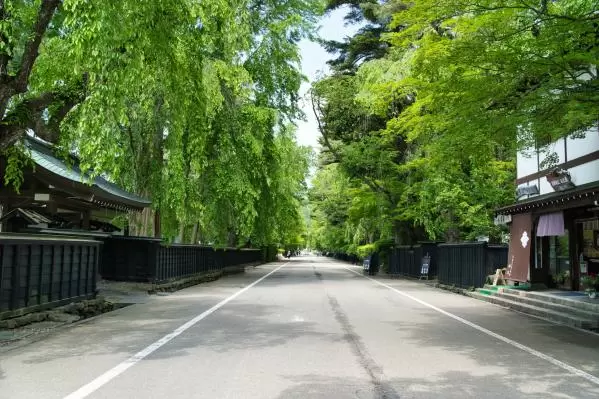
Kakunodate is a picturesque town located in Senboku City, Akita Prefecture, where beautiful streets from the Edo period still remain. Known as the "Little Kyoto of M...
Senshu Park
Choka Park is located about a 10-minute walk from Akita Station and offers beautiful seasonal landscapes along with the history of the Akita Domain. Originally the s...
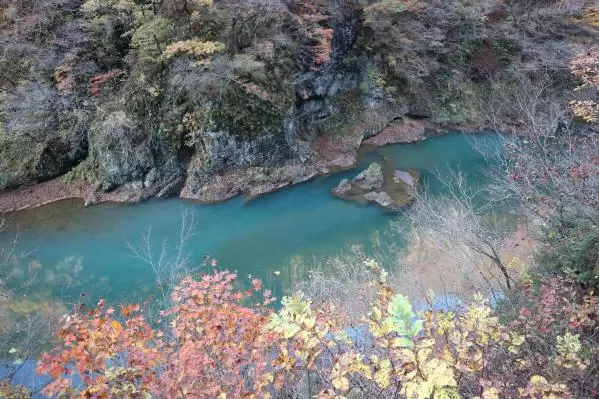
Dakigaeri Gorge
Hōkaeri Valley is a beautiful 10-kilometer-long gorge that stretches along the midstream of the Tamagawa River, which flows between Lake Tazawa and Kakunodate. It ha...

Akita Port Tower Selion
The Akita Port Tower Selion, located at the Michi no Eki (Roadside Station) Akita Port, is a symbol of Akita City. From the observation deck at 100 meters above grou...

Oga Aquarium GAO
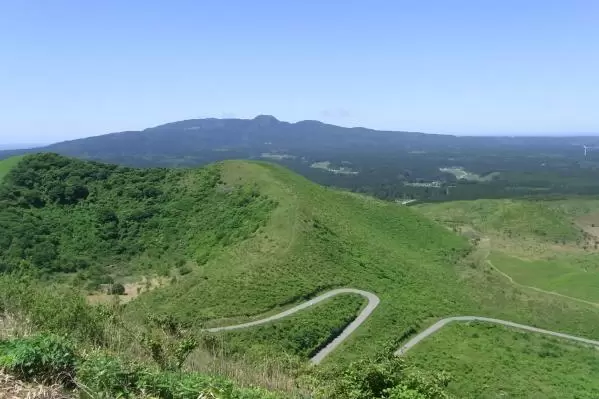
Oga Aquarium GAO is the only aquarium in Akita Prefecture, situated in a breathtaking location overlooking the Sea of Japan. The aquarium features around 10,000 mari...
Akita Inu Museum
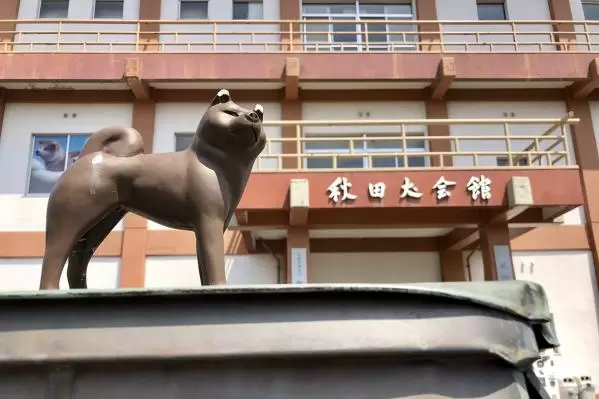
The "Akita Inu Museum," located in Odate City, Akita Prefecture, is a facility dedicated to the preservation of Akita dogs and the promotion of their charm. The muse...