See a Namahage performance up close
The calls and movements are striking, bringing the tradition to life.
AI Summary
This is an AI-generated summary. Please check the official information for opening hours, fees, and closed days.
Experience Namahage culture up close through live demonstrations and exhibits.
The Oga Shinzan Folklore Museum offers an immersive introduction to Oga’s traditional Namahage ritual. Watch a performance in a recreated traditional farmhouse, then visit the adjoining Namahage Museum to learn more about the culture behind it. The performance can be intense, but you can enjoy the visit even without prior knowledge.
The calls and movements are striking, bringing the tradition to life.
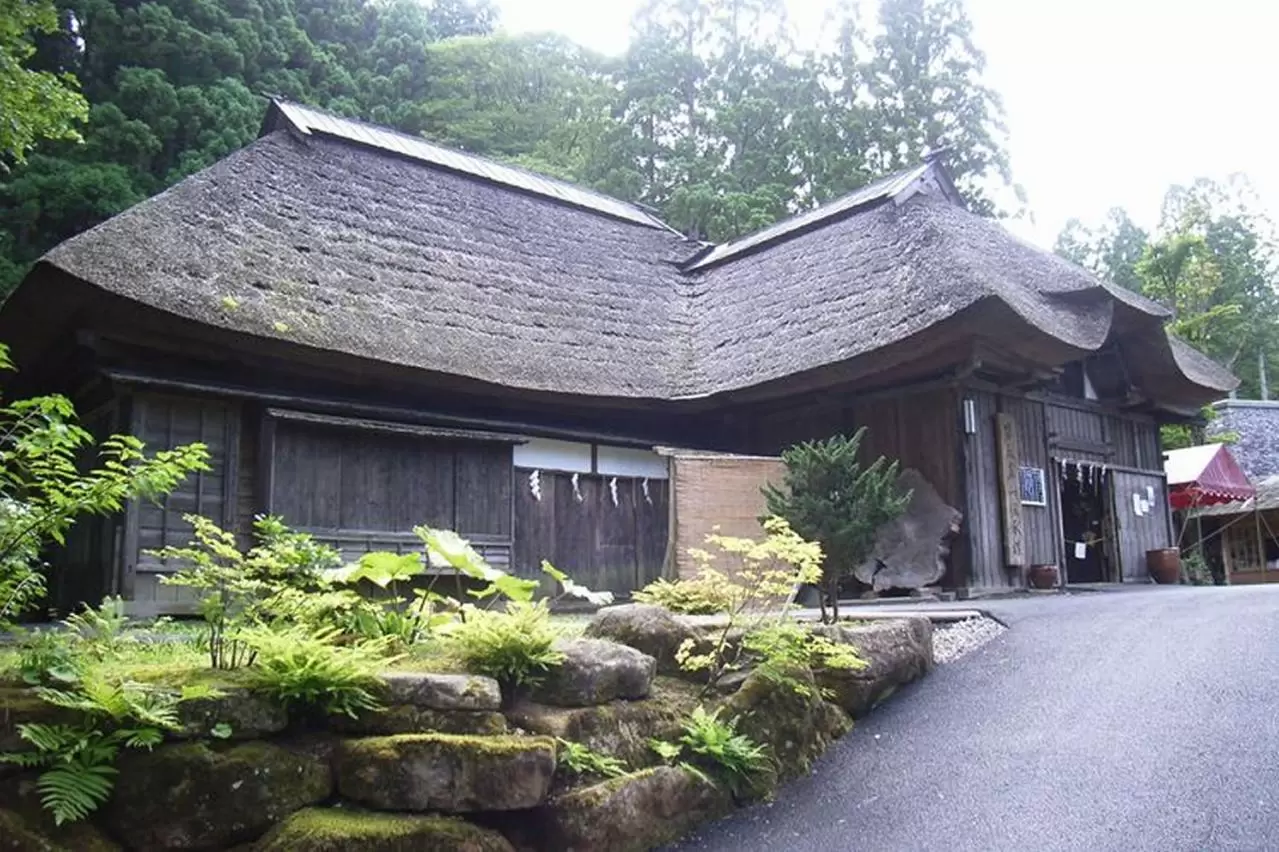
The recreated farmhouse, complete with a sunken hearth, evokes daily life in the past.
Masks and costume displays help provide a broader understanding of the culture.
Travel from Oga Station by bus or car, visit the Folklore Museum and Namahage Museum, then explore nearby sights.
Oga Shinzan Folklore Museum is a facility on the Oga Peninsula in Akita Prefecture where visitors can experience the “Namahage” culture in a vivid, immersive way. Together with the adjacent Namahage Museum, it offers a deeper understanding of the traditional Oga no Namahage event, a National Important Intangible Folk Cultural Property included in UNESCO’s Intangible Cultural Heritage of “Raiho-shin, ritual visits of deities in mask and costume.”
The building recreates a traditional house from the Oga region known as a “magariya,” an L-shaped farmhouse with the main house connected to a stable. With its thatched roof and irori hearth, it creates an authentic space that evokes the life of old farm households. The “Namahage customs learning course” is held in this irori room.
The program begins with an explanation of the New Year’s Eve Namahage ritual passed down in the Shinzan area. Next comes a faithful reenactment of the original ceremony, which is usually seen only by local residents. The Namahage of the Shinzan area wear hornless masks and visit homes in pairs. Before entering, a role called “sakidachi” asks the household head for permission to come inside, and upon receiving the signal, they burst in with a thunderous “Whoa!”
Their movements follow strict long-standing customs. Once inside, they stamp the floor seven times with their feet and then begin walking around the room. Shouting, “Is there any lazy person here?” and “Is there any crying child here?”, they stomp across the tatami and search the household. The host calms the unruly Namahage and serves them sake and food, but even before taking a seat, they are required to stamp their feet five times. After the exchange with the host ends, they pray for a good harvest in the coming year, the family’s health and safety, and the healthy growth of children, and before leaving they stamp their feet three times. This “7-5-3” foot-stamping pattern is a unique Shinzan-area custom and a symbolic act of wishing for happiness.
During the performance, powerful shouts and dramatic movements continue throughout, and the straw that falls from the costumes is said to ward off evil (it is acceptable to take home straw that falls naturally). Visitors can experience the intensity and ritual up close and come to understand Namahage not merely as a frightening figure, but as a visiting deity with its original meaning.
At the neighboring Namahage Museum, visitors can learn about the history of this event and its regional variations through diverse masks, costumes, video materials, and more from across the Oga region. Shinzan Shrine is also nearby, and many visitors tour the surrounding area together. Free parking is available, making this an essential highlight of any Oga sightseeing trip.
The "Namahage Museum" is a facility located in Oga City, Akita Prefecture, focusing on "Namahage of Oga," which has been registered as a UNESCO Intangible Cultural H...
The Akita Museum of Art, designed by the renowned architect Tadao Ando, features a tranquil and simple space. Inside the museum, various works by different artists a...
Kakunodate is a picturesque town located in Senboku City, Akita Prefecture, where beautiful streets from the Edo period still remain. Known as the "Little Kyoto of M...
Unsho-ji is a historic temple located in Akita Prefecture's Oga City, cherished by many since its founding in 1624. However, recent attention has shifted from its hi...
Oga Aquarium GAO is the only aquarium in Akita Prefecture, situated in a breathtaking location overlooking the Sea of Japan. The aquarium features around 10,000 mari...
Hachibodai is a breathtaking spot where you can enjoy a panoramic view of the magnificent scenery from the highlands of the Oga Peninsula at an elevation of 180 mete...
Tamagawa Onsen is one of Japan's premier hot springs, located in the mountainous area of Senboku City, Akita Prefecture. This onsen boasts two "number one" features....