Blue stream and primeval forest
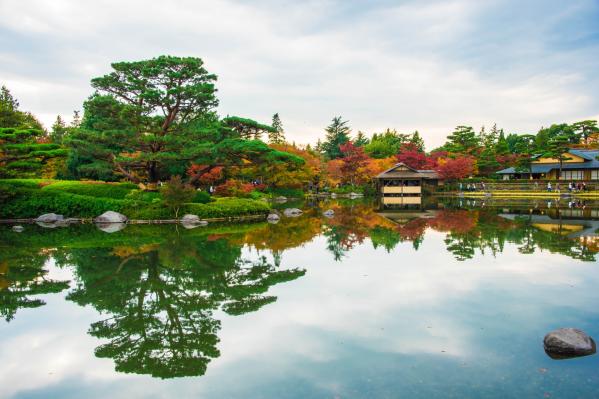
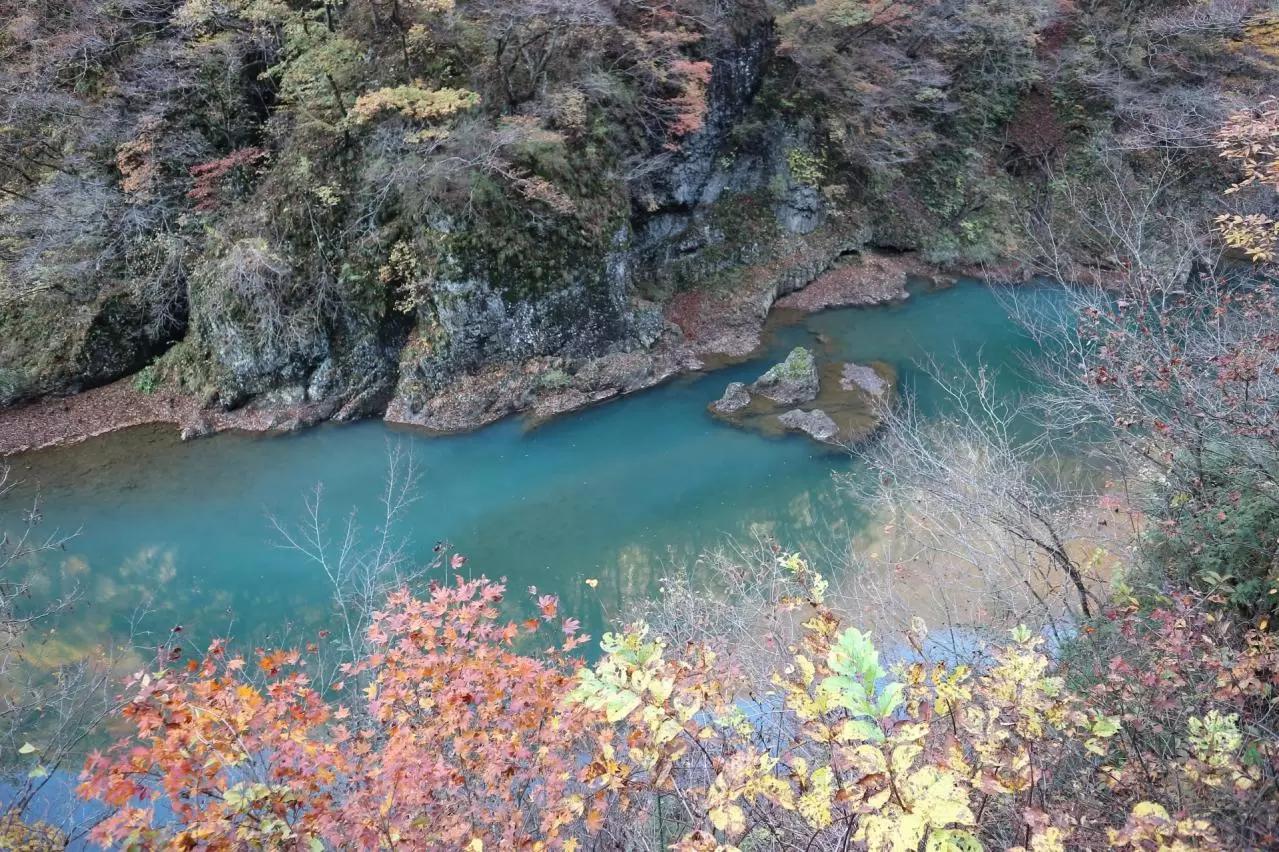
Emerald-green water and lush forest create a beautiful natural scene.
AI Summary
This is an AI-generated summary. Please check the official information for opening hours, fees, and closed days.
This well-maintained gorge trail is easy to explore and especially beautiful during fresh green season and autumn foliage. Check seasonal access before visiting, as parts of the trail close in winter.
Dakigaeri Gorge is a scenic spot along the middle reaches of the Tama River, between Kakunodate and Lake Tazawa. Follow the trail to enjoy the blue stream, suspension bridges, and Mikaeri Falls. The gorge is particularly striking in spring and autumn, but parts of the route close in winter. Paths can be slippery, so wear comfortable walking shoes with good grip.
Emerald-green water and lush forest create a beautiful natural scene.
A popular waterfall and one of the gorge’s main highlights.
Take in the scenery as you cross Kami-no-Iwahashi Bridge and Seigan Bridge.
Combine your visit with Kakunodate and walk the trail there and back to see the waterfalls and bridges.
Dakigaeri Gorge is a beautiful gorge stretching about 10 km along the middle reaches of the Tamagawa River in Senboku City, Akita Prefecture. Because it lies midway on the route connecting Kakunodate and Lake Tazawa, it is easy to access and is beloved by many visitors for its abundant nature and scenic beauty.
The name of the gorge is said to come from the fact that the path was once extremely narrow, requiring people to embrace one another while passing by, and it came to be called “Dakigaeri,” meaning “to turn while holding someone.”
A famous spot for fresh greenery and autumn leaves
Dakigaeri Gorge is especially known for its spectacular scenery in the seasons of fresh greenery (mid-June to late August) and autumn foliage (early October to early November), and its landscape beauty is so remarkable that it has been called the “Yabakei of Tohoku.”
From spring to early summer, the clear blue stream and vivid green foliage create a striking contrast, while in autumn the entire gorge is dyed red and yellow, forming a picture-like landscape. During the foliage season, the “Dakigaeri Autumn Leaves Festival” is also held, attracting crowds with performing arts presentations and tea ceremonies.
How to enjoy the gorge: walking trail and scenic spots
Along the gorge is the well-maintained “Dakigaeri Gorge Walking Trail,” which is about 1.5 km one way and takes around 30 to 40 minutes. With few ups and downs, it is an easy walk for everyone from children to adults. Numerous highlights are dotted along the path, offering picture-perfect views wherever you look.
Main highlights
● Dakigaeri Shrine
A shrine standing near the entrance of the walking trail, surrounded by ancient cedars and filled with a solemn atmosphere. It was enshrined in 1673 in gratitude to the water deity who saved the village from a severe drought, and the deity worshiped here is now Mizuhanome no Kami. It is revered for blessings related to rainmaking, water, and sericulture protection.
● Kaminoiwa Bridge
A 80-meter-long red suspension bridge built in 1926 for use by a forest railway. Said to be the oldest suspension bridge in Akita Prefecture, the view of the red bridge, the emerald-green stream, and the primeval forest on both banks makes this one of the most iconic scenic spots in Dakigaeri Gorge.
● Miko-iwa Rock
A giant rock near Kaminoiwa Bridge, with a pine tree growing on top. According to legend, a shrine maiden who visited on a pilgrimage to Yakushi was unable to cross because of rising waters, but was saved by divine protection. In gratitude and devotion, she is said to have become this rock.
● Goza-no-Ishi Rock
A broad, smooth rock that seems to float in the rapids. It was once said to be so wide that several mats could be laid out on it, and its scenery resembles the famous “Nezame no Toko” in the upper reaches of the Kiso River in Shinshu. The sound of the current was once described as “the roar of a beast,” but today, due to the dam’s influence and lower water levels, it is also called “the whisper of an old tiger.”
● Seigan Bridge and the “fragrant smoke”
Continuing onward, another suspension bridge, Seigan Bridge, appears. The surrounding rock walls close in, and the froth of the stream drifts like incense smoke, creating a beautiful scene that forms the heart of this scenic area, also called “the temple.” This bridge was newly built as a replacement for an old road that had collapsed.
● Mikaeri Waterfall
A waterfall about 30 meters high and the highlight of Dakigaeri Gorge. Its cascading flow, resembling a white cloth, is said to look as if a woman is changing her kimono, and because it is so beautiful that people cannot help turning back again and again, it was named “Mikaeri,” meaning “looking back.”
● Iimura Boy Memorial Stone
Near the end of the walking trail is a monument commemorating Iimura Shuji, a boy from Kakunodate Elementary School who fell from a cliff and died in 1935 while trying to save his younger sister. It has been passed down to many people as a symbol of sibling love.
Also featured in the Michelin Green Guide
Because of its natural beauty and high tourism value, Dakigaeri Gorge is also featured in the French Michelin Green Guide Japan. The clarity of the stream, the colors of the primeval forest, and the harmony of the impressive rock walls and waterfall are highly praised by travelers from Japan and abroad.
Notes for visitors
The walking trail is closed every year from late November to late April. Please check the latest access information before your visit.
Some areas are slippery, so comfortable walking shoes such as sneakers or trekking shoes are recommended.
There are few shops or restrooms inside the gorge, so it is best to prepare in advance.
Dakigaeri Gorge is one of Akita Prefecture’s most celebrated scenic spots, revealing different faces in every season. While walking along the well-maintained trail, you can fully enjoy the beautiful scenery created by primeval forests, clear streams, and the gorge itself. Be sure to visit it together with sightseeing at Lake Tazawa and Kakunodate.
Choka Park is located about a 10-minute walk from Akita Station and offers beautiful seasonal landscapes along with the history of the Akita Domain. Originally the s...
"Nittoo Onsen-kyo," located in Senboku City, Akita Prefecture, is a hot spring area with a history of over 350 years. Situated at the foot of Mount Nyuto in Towada-H...
The Akita Port Tower Selion, located at the Michi no Eki (Roadside Station) Akita Port, is a symbol of Akita City. From the observation deck at 100 meters above grou...
Located in Akita Prefecture, Lake Tazawa is known as the deepest lake in Japan, with a depth of 423.4 meters. The surface of the lake changes into a variety of color...
The Akita Museum of Art, designed by the renowned architect Tadao Ando, features a tranquil and simple space. Inside the museum, various works by different artists a...
Tamagawa Onsen is one of Japan's premier hot springs, located in the mountainous area of Senboku City, Akita Prefecture. This onsen boasts two "number one" features....
Oga Shinzan Folklore Museum is located on the Oga Peninsula in Akita Prefecture and is a facility where visitors can experience the traditional "Namahage" culture. T...
The "Akita Inu Museum," located in Odate City, Akita Prefecture, is a facility dedicated to the preservation of Akita dogs and the promotion of their charm. The muse...