Tōshōdaiji
Tōshōdaiji Movies


Basic Information
- Spot Name
- Tōshōdaiji
- Location
- 〒630-8032 13-46 Gojomachi, Nara City
- Access
- 17 minutes by bus from JR Nara Station to Rokujoyama, get off at "Toshodai-ji", which is just a short walk from there. 8 minutes on foot from Kintetsu Nishi-Nokyo Station.
- Parking
- 150 cars
- Business Hours
- 08:30 AM to 05:00 PM (Last admission is at 04:30 PM)
- Regular Holiday
- None
- Fees
- Adults and university students… 1000 yen
High school and junior high school students… 400 yen
Elementary school students… 200 yen - Contact Information
- Phone Number: 0742-33-7900
- Official Website
Map
Detailed Information
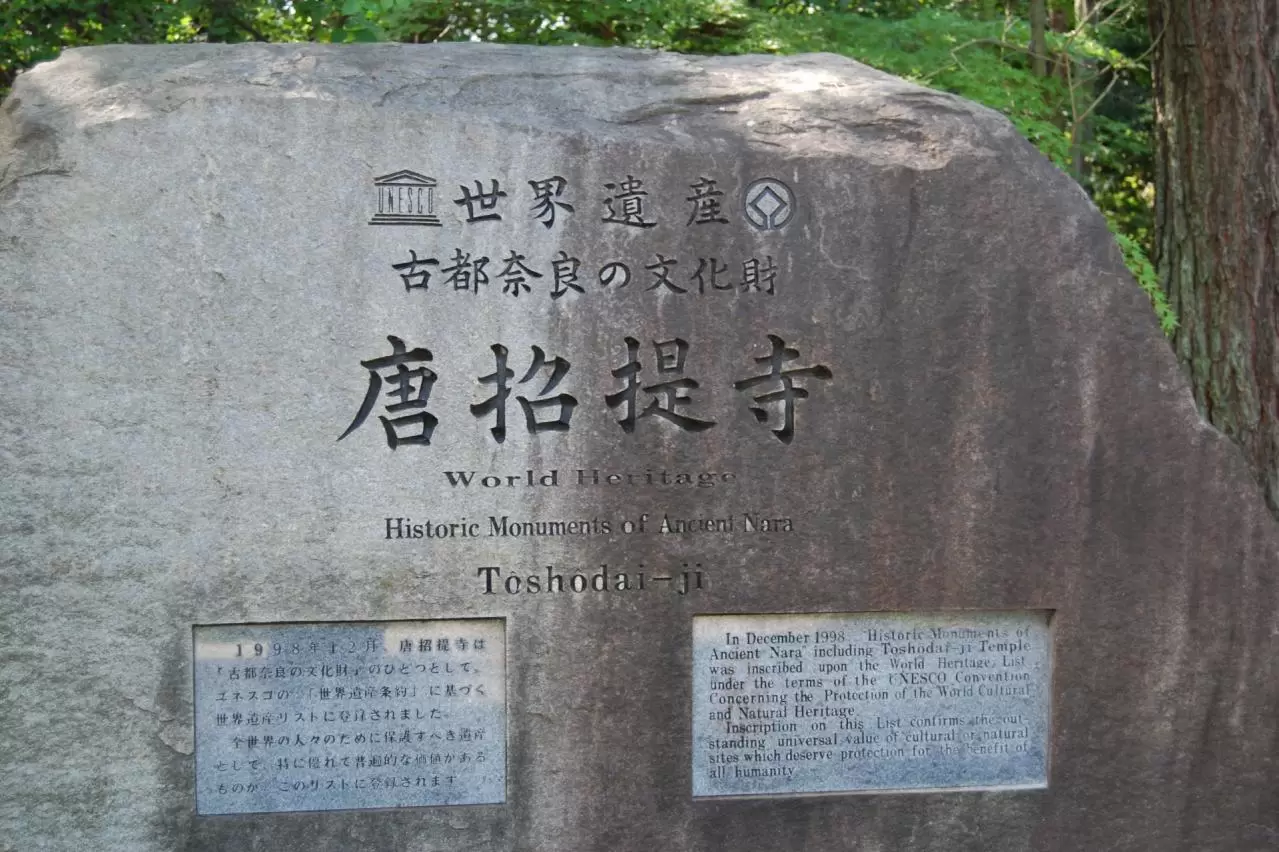
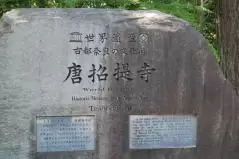
Tōshōdai-ji Temple is located in Nara City, Nara Prefecture, and was founded in the Nara period by the Chinese Buddhist master Ganjin Wajo. Known as the head temple of the Risshū sect, it is a venerable temple that has played an extremely important role in the history of Japanese Buddhism. It was also registered in 1998 as one of the component properties of the UNESCO World Heritage Site “Historic Monuments of Ancient Nara,” and continues to attract many worshippers and tourists today.
The founding of Tōshōdai-ji dates back to 759, the third year of the Tenpyō-Hōji era. Ganjin Wajo endured repeated failures and hardships in his attempts to travel from Tang China to Japan, and eventually lost his sight, but succeeded in arriving in Japan in 745 on his sixth voyage. At the time, Japan had no monk authorized to properly confer the Buddhist precepts, so Ganjin’s arrival had great significance for the Buddhist world. After spending about five years at Tōdai-ji Temple, he was granted the former estate of Prince Shinnabe by the imperial court and established a private temple called “Tōritsu Shōdai” as a training monastery for studying the precepts, which became the beginning of Tōshōdai-ji.
The temple at the time of its founding was relatively simple, consisting of buildings such as the lecture hall, scripture repository, and treasure repository. After Ganjin’s death, however, his disciples, including Nyohō, worked to improve the temple compound, and the Main Hall was completed in the latter half of the 8th century. Thereafter, the temple was further developed and came to be known as “Tōshōdai-ji.”
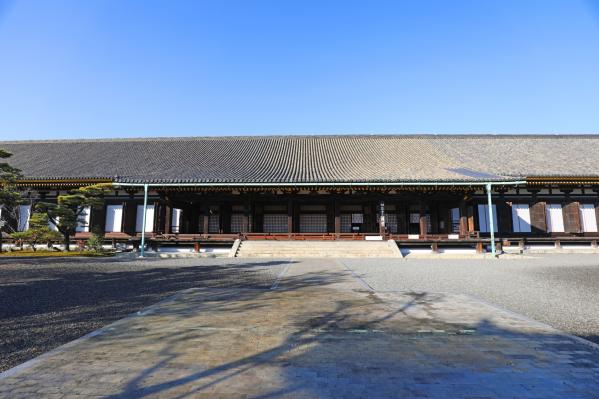
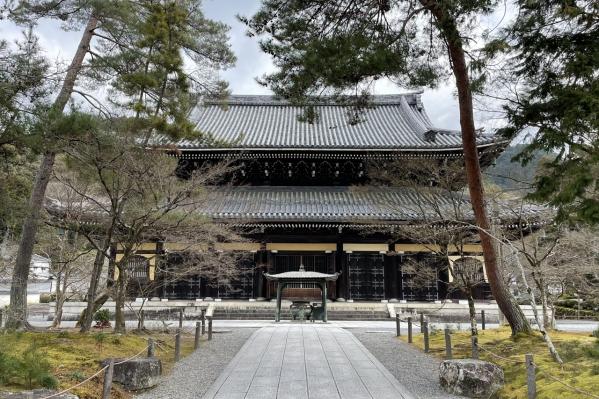
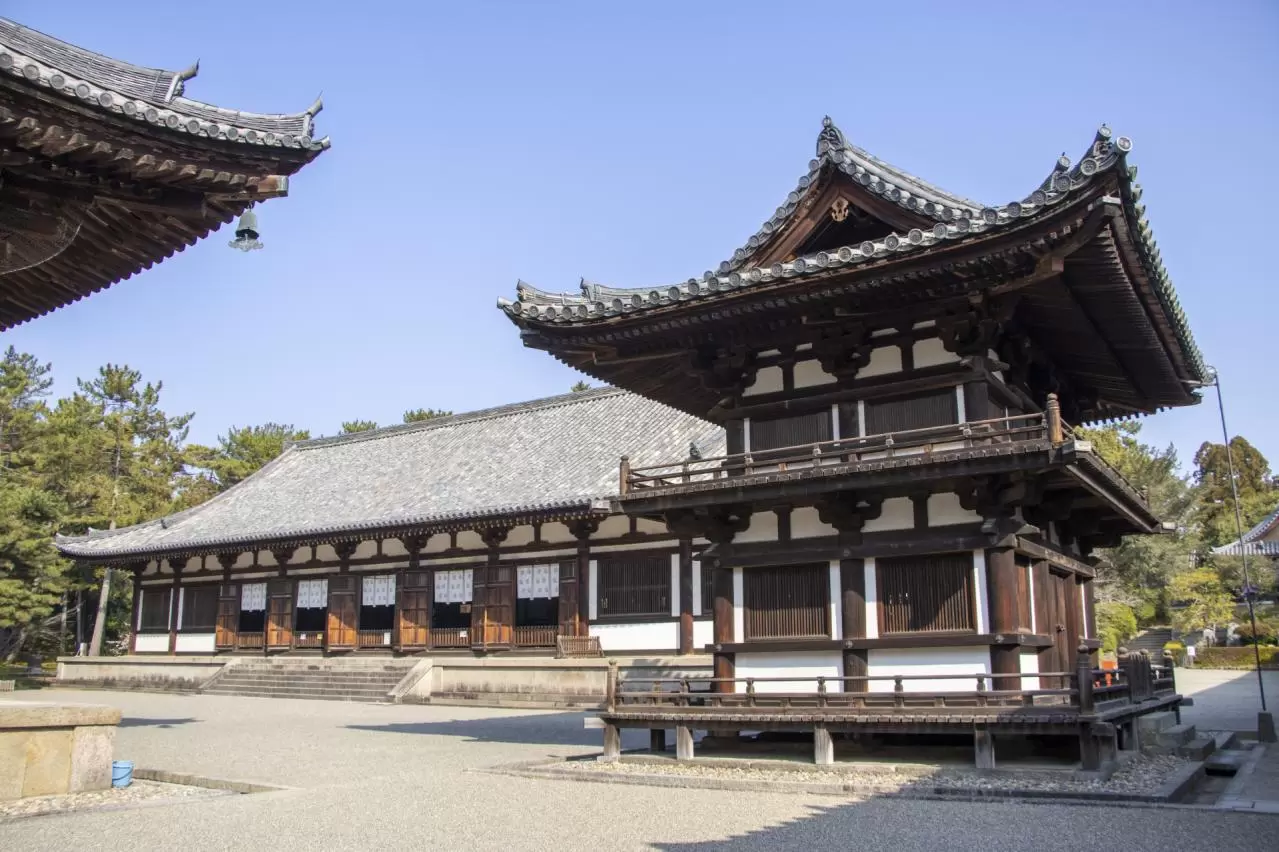
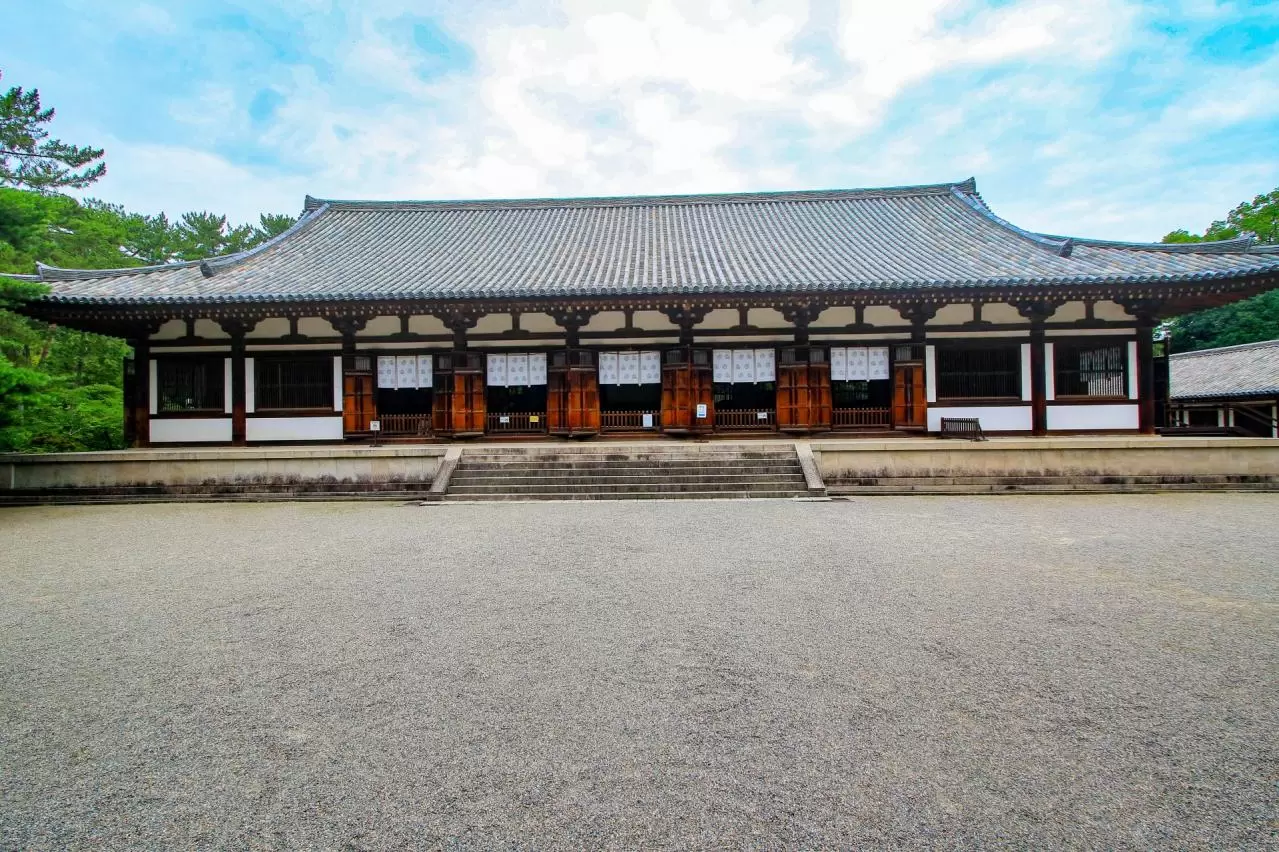
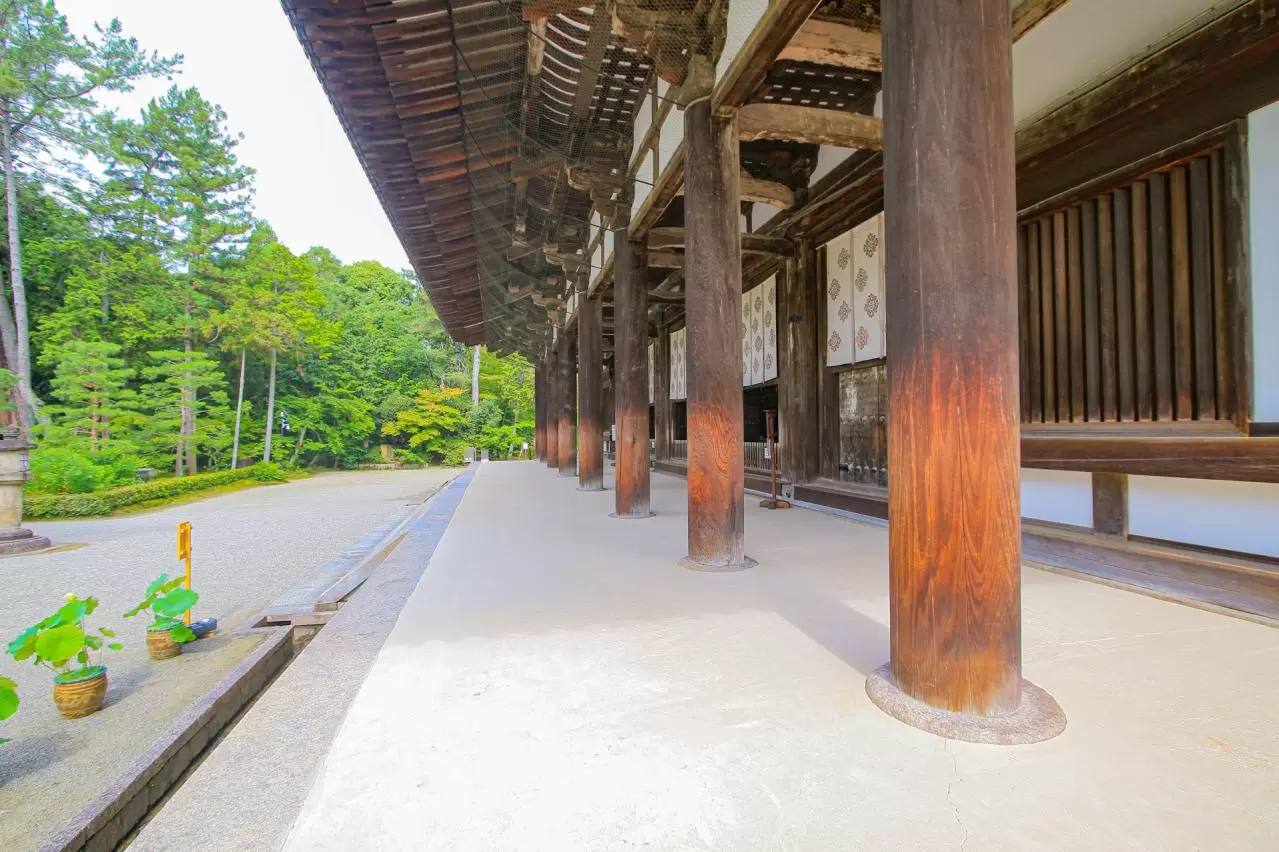
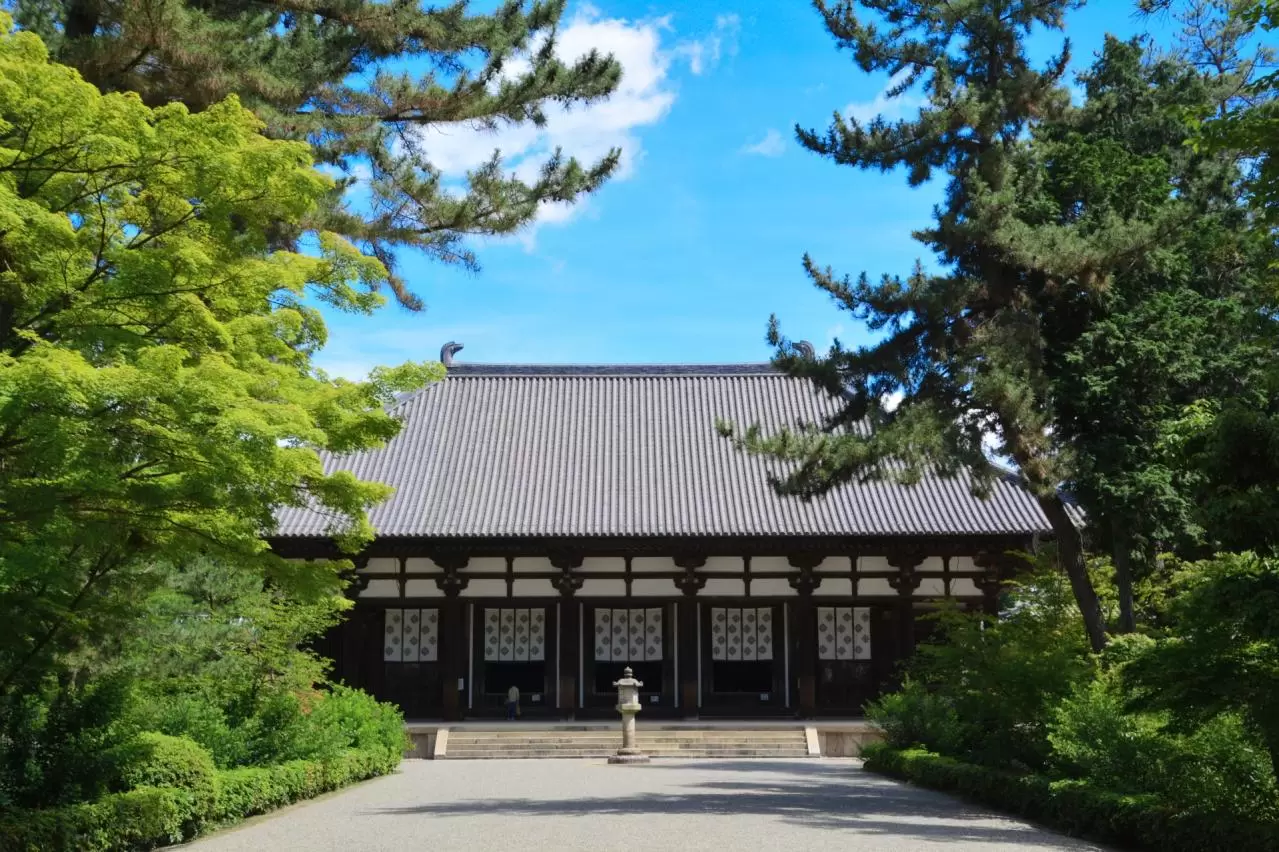
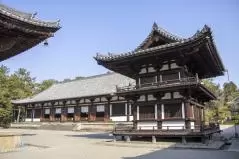
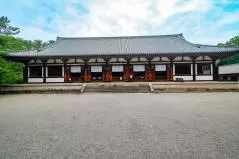
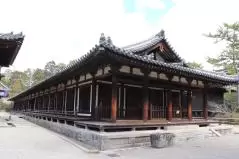
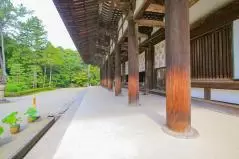
Today, Tōshōdai-ji still preserves many precious structures that convey the architectural style of the Nara period. In particular, the Main Hall, a National Treasure, is the only surviving hall of its kind originally built in the Nara period, and is highly valued as a representative example of Tenpyō-period architecture. With its imposing hip-and-gable roof and tiled roofing, it houses sacred Buddhist statues designated as National Treasures, including the principal seated statue of Rushana Buddha, as well as images of Yakushi Nyorai and Senju Kannon, creating a solemn atmosphere. The Main Hall underwent major restoration work in 2009 and now more faithfully conveys its original appearance.
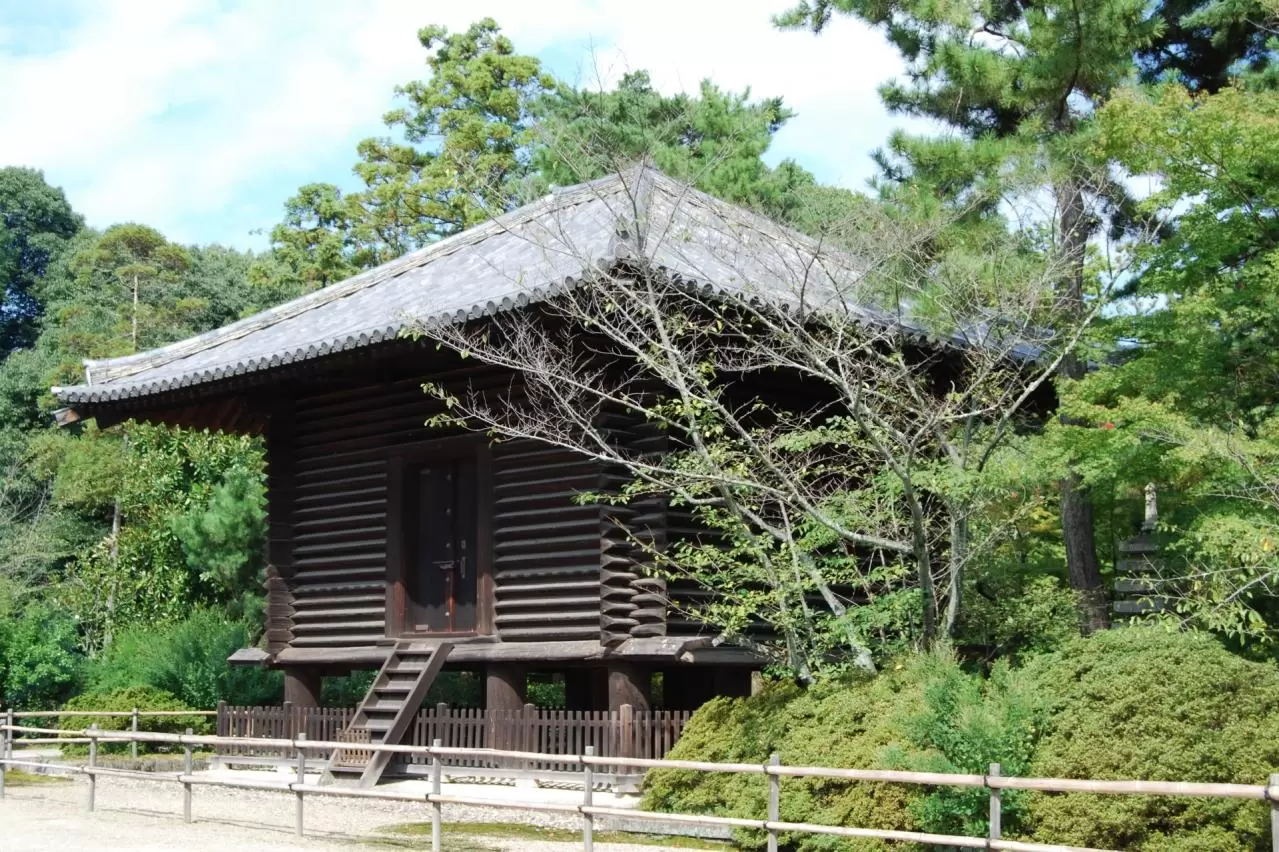
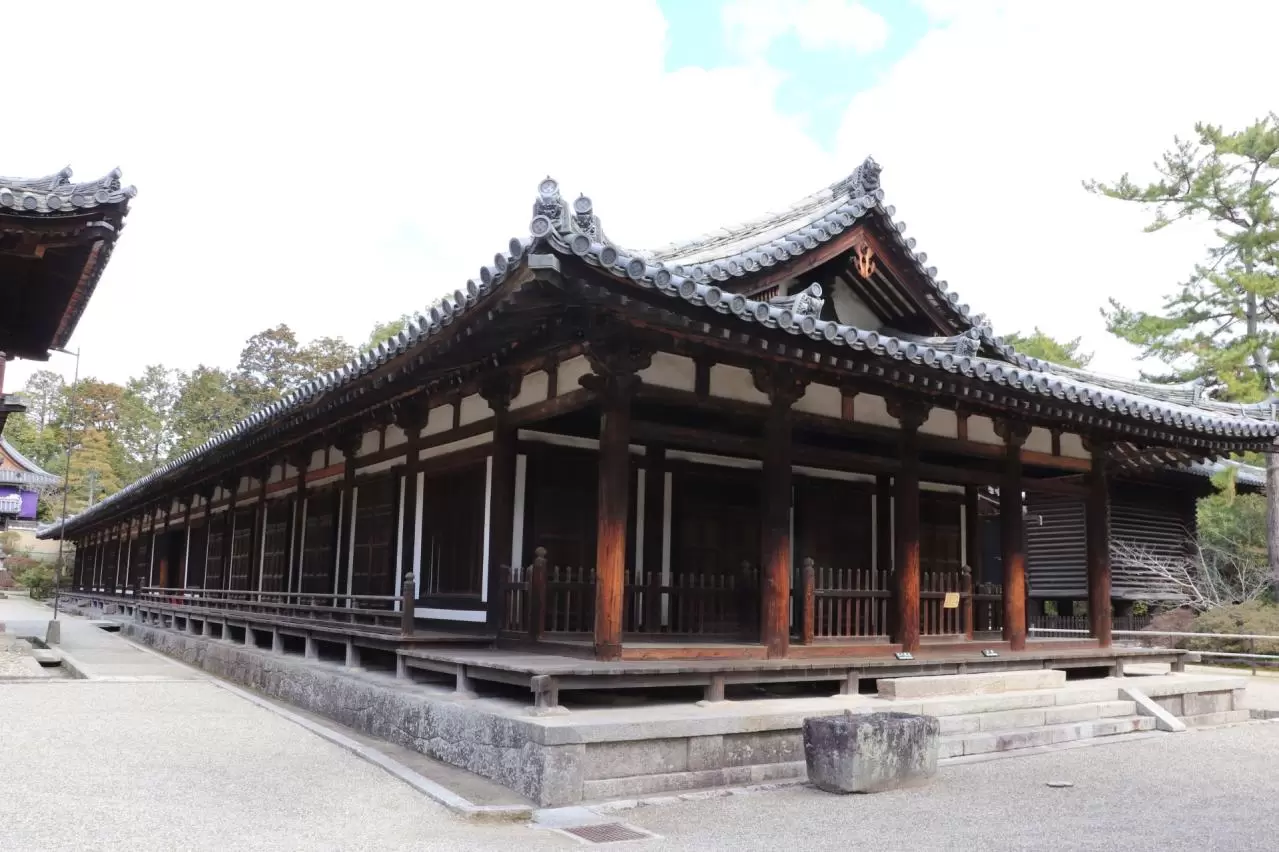
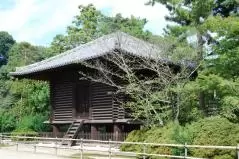
The Lecture Hall is also designated a National Treasure. It was originally relocated from a building of the former Heijō Palace and remains a valuable structure that preserves the memory of Nara-period palace architecture. In addition, the scripture and treasure repositories were built in the ancient azekura style, and the scripture repository in particular is regarded as one of the oldest surviving azekura-style buildings. The Drum Tower, built in the Kamakura period, is also designated a National Treasure, and inside it is enshrined the Kinkisharito pagoda containing sacred Buddhist relics.
Tōshōdai-ji is home not only to buildings but also to many cultural properties such as Buddhist statues. Among them, the seated statue of Ganjin Wajo is designated a National Treasure, and its realistic yet graceful expression reveals the high level of sculptural craftsmanship of the Nara period. These cultural properties are precious heritage that bring the brilliance of Tenpyō culture down to the present day.
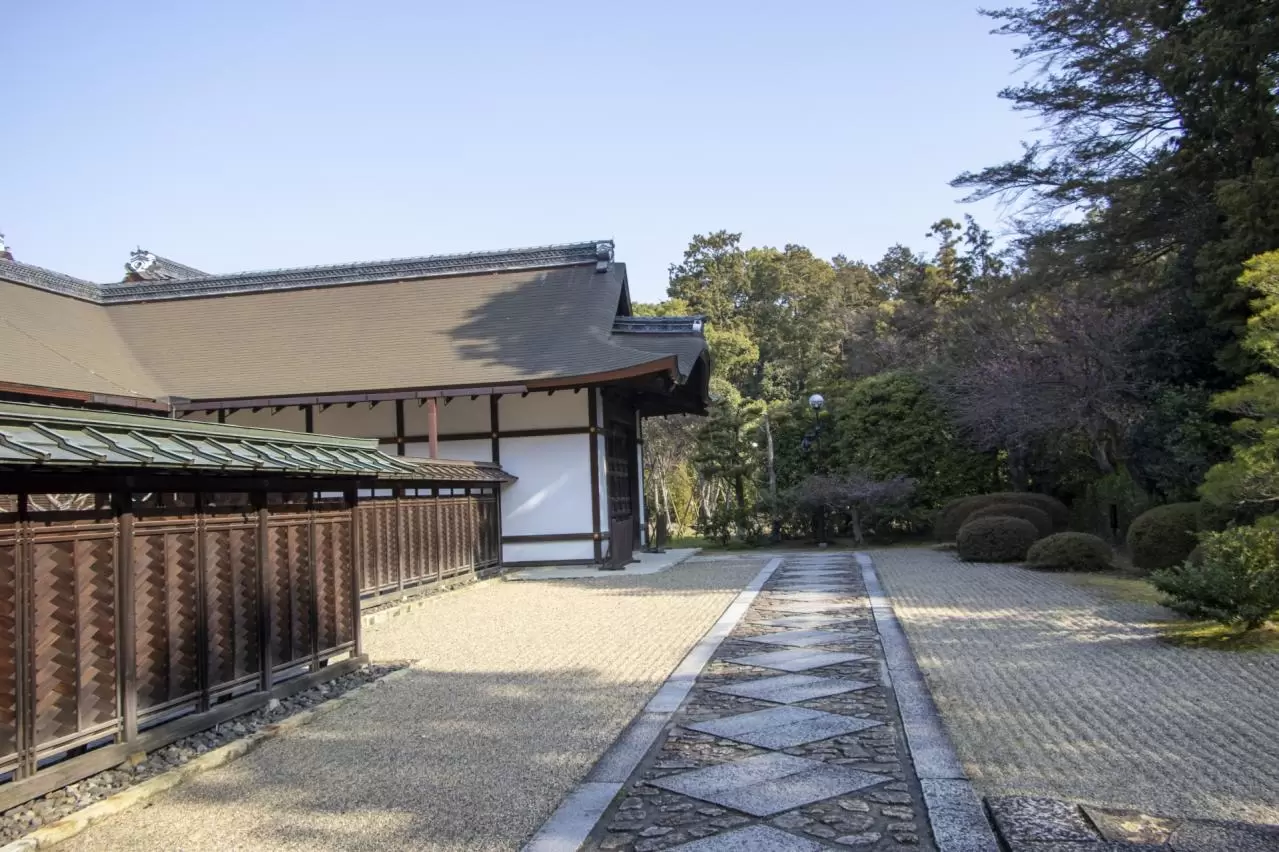
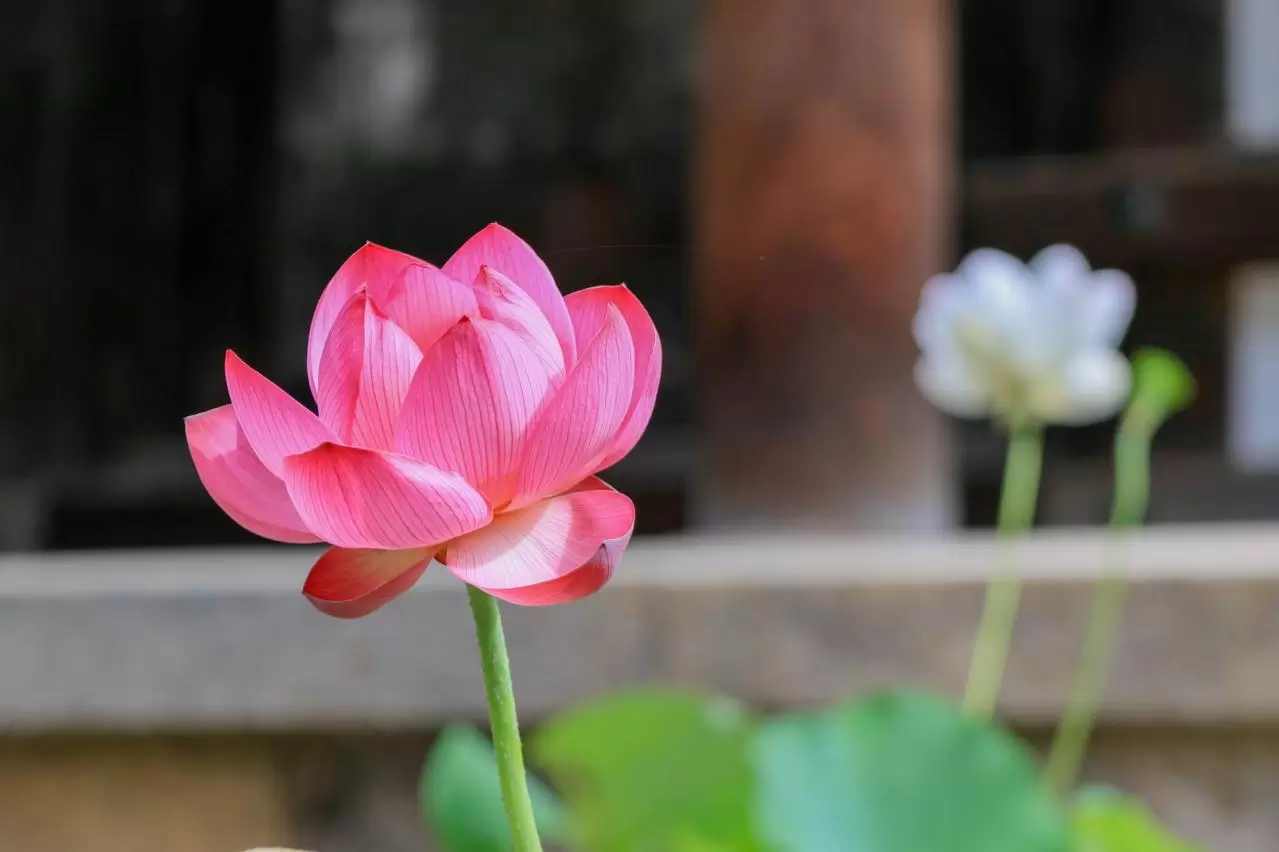
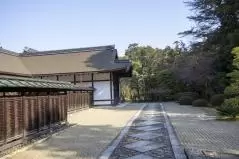
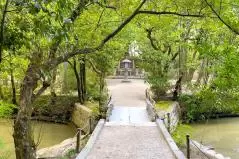
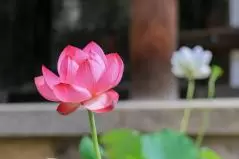
The temple grounds are enveloped in a quiet and serene atmosphere, and the natural beauty of the changing seasons is one of its highlights. The lotus flowers that bloom from June to August are especially beautiful and captivate many visitors. In spring, the rare flower “keika,” which was gifted from Yangzhou, China, comes into full bloom, and special public viewing events are held, allowing visitors to enjoy a different charm in each season.
In this way, Tōshōdai-ji was founded through Ganjin Wajo’s strong conviction and efforts, and it served as an important center for transmitting the correct Buddhist precepts to Japan. At the same time, it is a treasure trove of cultural properties that convey the architecture and Buddhist art of the Nara period to the present day. Although it has undergone numerous repairs and reconstructions over its long history, it still strongly retains the atmosphere of its founding era and is cherished by many as a precious legacy of Japanese culture.
Nara Tourist Attractions
View List
Isuien Neiraku Art Museum
Isui-en is a representative Japanese garden in Nara, designated as a national scenic spot. It features two distinct gardens: the "前園" (Maezono) created during the ...

Heijo Palace Ruins
The Heijo Palace Site is the center of Heijo-kyo, which was relocated from Fujiwara-kyo in 710, and it was registered as a UNESCO World Heritage Site as "Cultural Pr...

Kasukadai Shrine
Kasuga-taisha Shrine was established in the second year of Jingo-Keiun (768) and the current shrine buildings were completed in the early Heian period in 794. It flo...

Nara National Museum
The Nara National Museum is a historic museum located within Nara Park, adjacent to world heritage sites such as Todai-ji Temple and Kofuku-ji Temple. Established in...


Horyu-ji Temple
Hōryū-ji is a temple founded by Prince Shōtoku in the 14th year of Suiko (606 AD), and it is currently registered as a UNESCO World Heritage Site. Established as Oka...

Todai-ji Temple
Todai-ji is one of Japan's most renowned temples, founded during the Nara period in the capital of that era, Heijo-kyo, as a kokubunji (provincial temple). The most ...