Kasukadai Shrine
Kasukadai Shrine Movies


Basic Information
- Spot Name
- Kasukadai Shrine
- Location
- 〒630-8212 160 Kasugano-cho, Nara City
- Access
- From Nara Station on the JR Yamato Line and Kintetsu Nara Line, take the Nara Kotsu Bus (bound for Kasuga Taisha Honden) for approximately 11 to 15 minutes. Get off at "Kasuga Taisha Honden," which is just a short walk away.
- Parking
- Approximately 100 vehicles.
- Business Hours
- Headquarters Worship Opening Hours: 06:30 AM - 05:30 PM (November to February: 07:00 AM - 05:00 PM)
National Treasure Hall: 10:00 AM - 05:00 PM (Admission until 04:30 PM)
Manyo Botanical Garden: 09:00 AM - 04:30 PM (December to February: 09:00 AM - 04:00 PM) - Regular Holiday
- National Treasure Hall: Closed for exhibition changes three times a year (for 2-3 days each). Manyo Botanical Garden: Closed on Mondays in January, February, and December.
- Fees
- [Special Worship at the Main Shrine] 500 yen
[National Treasure Hall] General 500 yen, University and High School Students 300 yen, Junior High and Elementary School Students 200 yen
[Manyo Botanical Garden] General 500 yen, Children 250 yen - Contact Information
- Phone Number:0742-22-7788
- Official Website
Map
Detailed Information
Kasuga Taisha is a shrine located in Nara City, Nara Prefecture, and is the head shrine of the approximately 3,000 Kasuga shrines found throughout Japan. It is a venerable shrine founded to pray for the prosperity and peace of Japan’s ancient state, and it continues to attract the devotion of many people today.
■ Foundation and History
The shrine buildings of Kasuga Taisha are said to have been erected in 768 CE (Jingo-keiun 2), though its origins date back to the early Nara period. It is said to have begun when Take-mikazuchi-no-mikoto was enshrined from Kashima in Ibaraki Prefecture to Mount Mikasa in prayer for the protection of Heijokyo and the prosperity of the nation.
Later, by imperial decree of Empress Shōtoku, shrine buildings were constructed at the present location, and in addition to Take-mikazuchi-no-mikoto, four deities were enshrined: Futsunushi-no-mikoto, Amenokoyane-no-mikoto, and Himegami.
During the Heian period, “Kasuga pilgrimages” by members of the imperial family and aristocracy became popular, and the practice of rebuilding the shrine every 20 years, known as “shikinen zōtai,” began, forming the magnificent complex seen today. From the medieval period onward, worship spread to warriors and common people as well, leading to the construction of many branch shrines throughout the country.
■ Features of the Shrine Buildings and Grounds
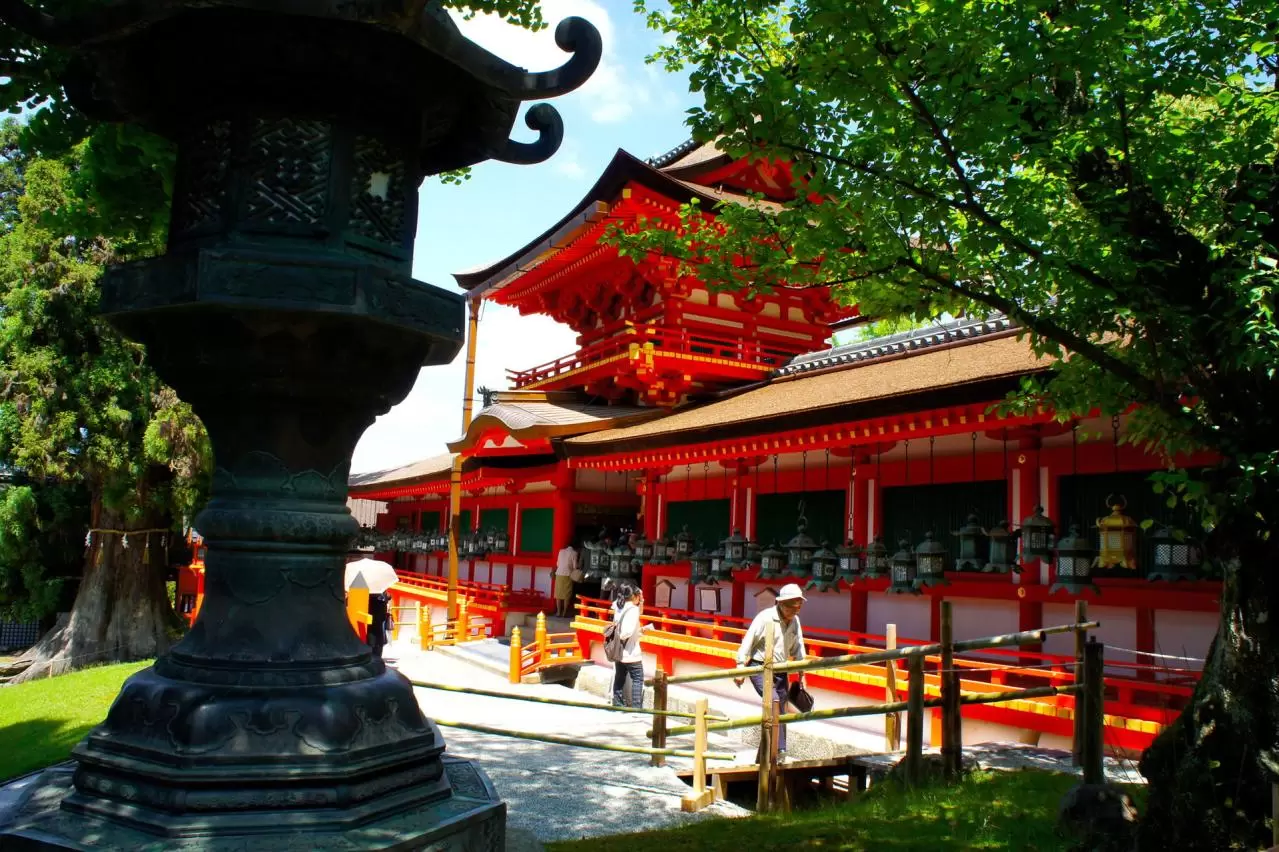
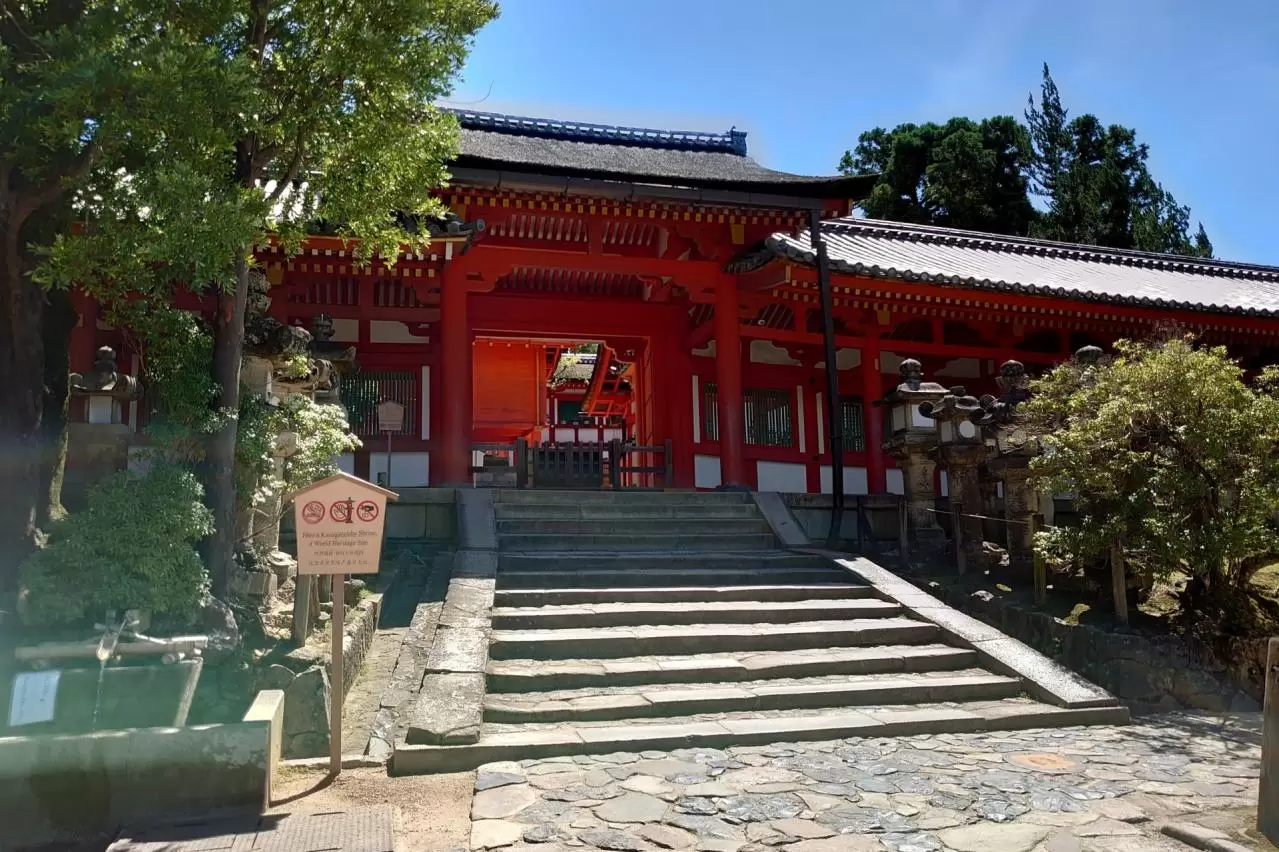
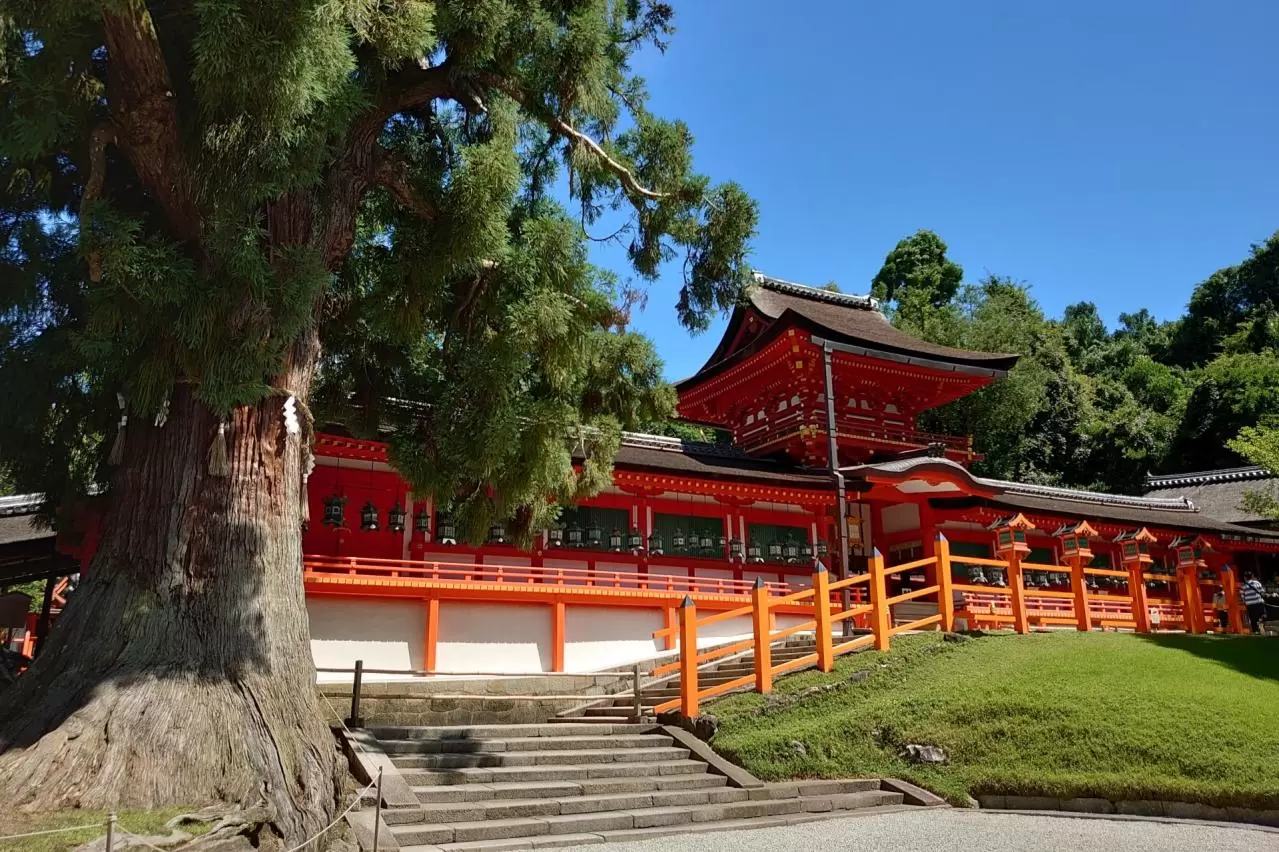
Kasuga Taisha is characterized by its vivid vermilion-lacquered shrine buildings, which blend beautifully with the surrounding natural environment. The layout of the shrine has remained almost unchanged since its founding, preserving the traditional form of ancient Japanese shrine architecture.
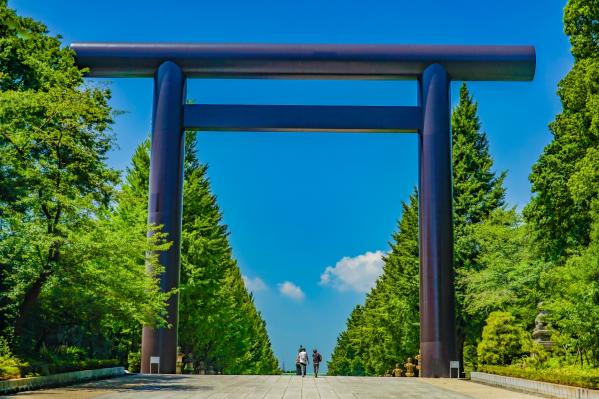
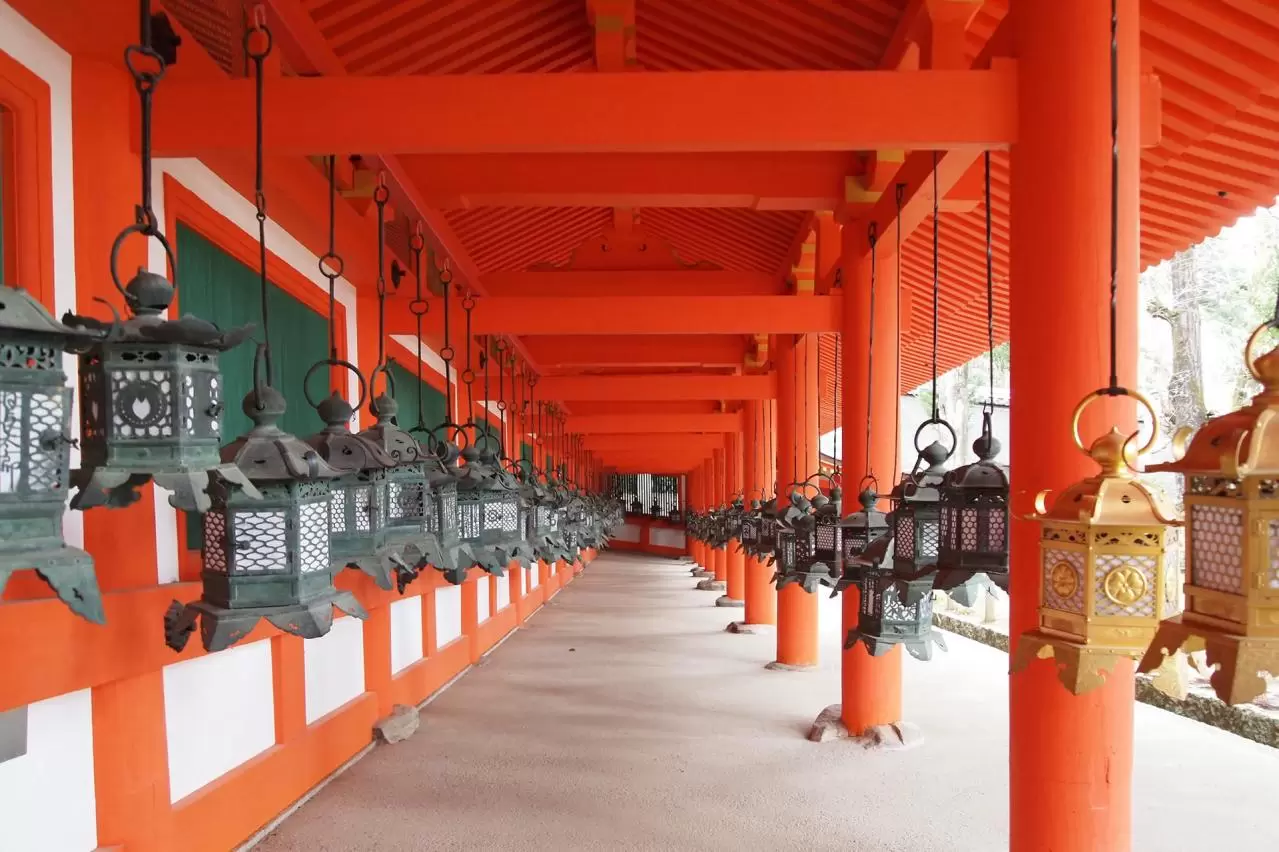
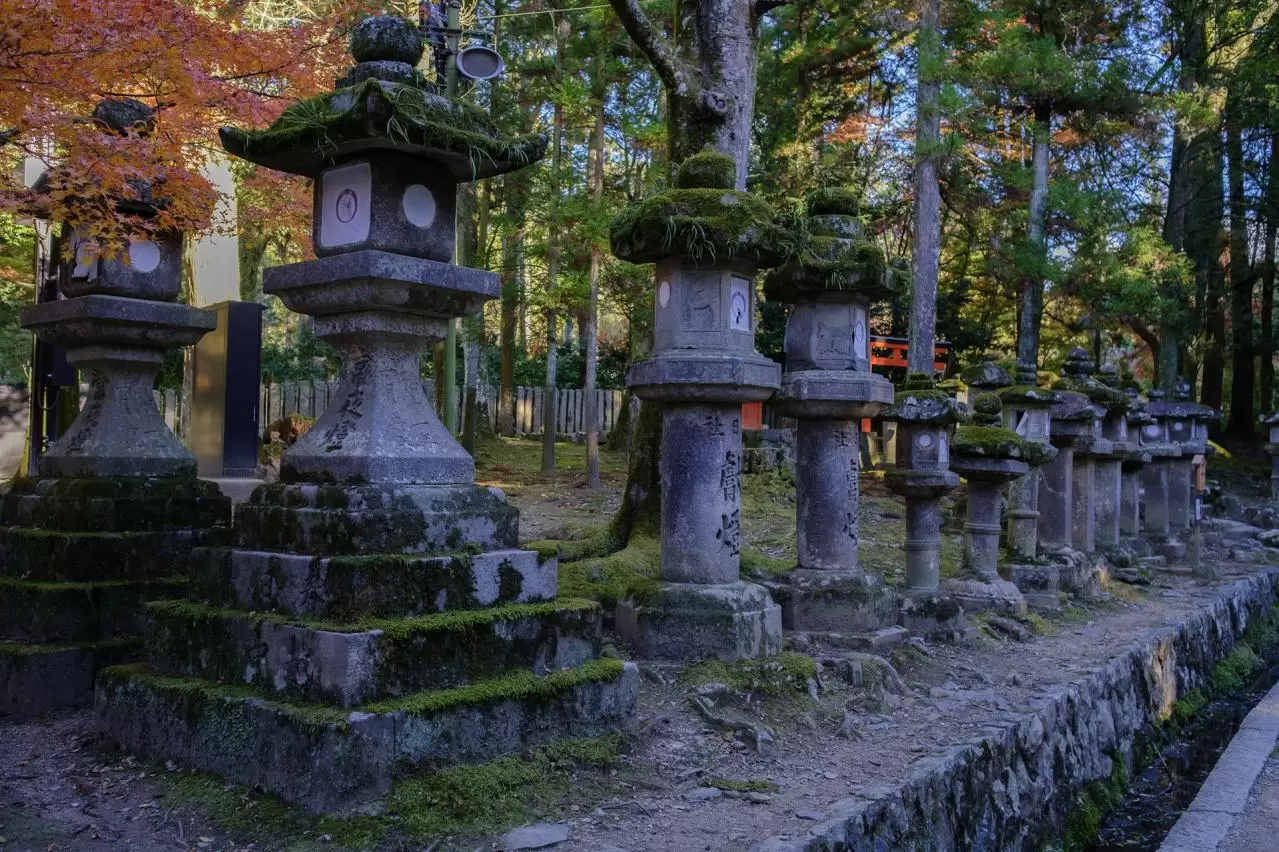
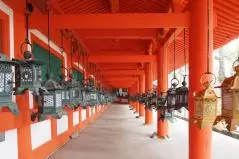
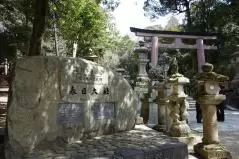
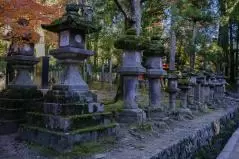
Within the grounds stand approximately 3,000 stone lanterns and hanging lanterns (about 2,000 stone lanterns and 1,000 hanging lanterns), donated not only by aristocrats and warriors but also by common people, reflecting a long history of deep faith. Along the approach stands the Ichino-torii gate, an Important Cultural Property, beyond which unfolds a fantastical landscape lined with lanterns.
■ Annual Events and Faith
At Kasuga Taisha, around 2,200 religious rites are held each year. The most famous is “Mantoro,” held every February for Setsubun and on August 14 and 15. During this event, all the lanterns in the grounds are lit, creating a mystical and enchanting scene.
Also notable is the “Kasuga Festival,” held on March 13, which has a history of over 1,200 years and is one of Japan’s three great imperial festivals. A messenger from the Imperial Court is received, and prayers are offered for the peace of the nation and its people. The “Kasuga Wakamiya Onmatsuri” is another famous traditional festival.
■ Natural Environment and World Heritage
Behind Kasuga Taisha lie Mount Mikasa and the Kasugayama Primeval Forest, which have long been protected as sacred grounds where hunting and logging were forbidden. As a result, ancient natural landscapes remain intact, and the area has been designated a Special Natural Monument of Japan.
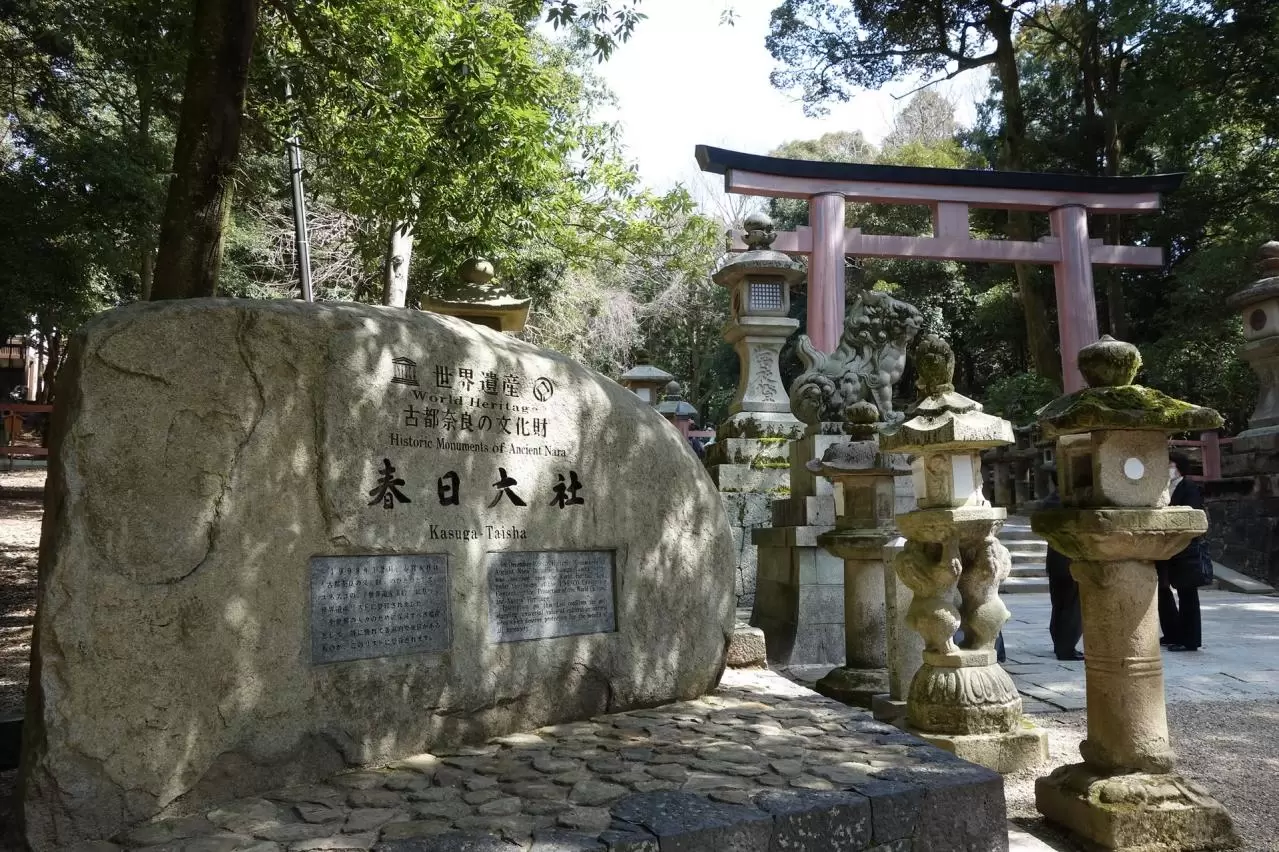
In 1998, Kasuga Taisha and the Kasugayama Primeval Forest were inscribed as part of the UNESCO World Heritage Site “Historic Monuments of Ancient Nara,” and their historical and cultural value has been internationally recognized.
■ Cultural Properties and Highlights
The shrine’s “Kokuhōden” museum houses and displays about 3,000 cultural properties, including National Treasures and Important Cultural Properties, and is often called the “Shosoin of the Heian period.” Visitors can view precious artifacts such as sacred treasures, armor, and swords from the Heian period.
Because Kasuga Taisha enshrines the tutelary deity of the Fujiwara clan, it is also known as a famous place for wisteria. Especially from late April to early May, wisteria blooms throughout the grounds, and the renowned “Suzuri-no-Fuji,” a wisteria vine over 700 years old, is particularly famous. The adjacent Manyo Botanical Garden allows visitors to enjoy about 300 species of plants along with poems from the Manyoshu.
■ Summary
Kasuga Taisha is a historic shrine whose shrine buildings were constructed in the Nara period to pray for the peace and stability of the nation, with its origins tracing back to an even earlier enshrinement of deities. Throughout its long history, it has drawn the devotion of people ranging from the imperial family and aristocracy to commoners. With its beautiful vermilion shrine buildings, numerous lanterns, rich natural surroundings, and many traditional events and cultural treasures, it is one of Japan’s most representative shrines. Even today, its history and faith continue to be passed down through the generations.
Nara Tourist Attractions
View List

Todai-ji Temple
Todai-ji is one of Japan's most renowned temples, founded during the Nara period in the capital of that era, Heijo-kyo, as a kokubunji (provincial temple). The most ...


Heijo Palace Ruins
The Heijo Palace Site is the center of Heijo-kyo, which was relocated from Fujiwara-kyo in 710, and it was registered as a UNESCO World Heritage Site as "Cultural Pr...

Isuien Neiraku Art Museum
Isui-en is a representative Japanese garden in Nara, designated as a national scenic spot. It features two distinct gardens: the "前園" (Maezono) created during the ...

Tōshōdaiji
Tōshōdai-ji is a temple founded by the Tang dynasty monk Jianzhen in the Nara period, established in 759 (the 3rd year of Tenpyō Hōji) at the former residence of Pri...

Nara National Museum
The Nara National Museum is a historic museum located within Nara Park, adjacent to world heritage sites such as Todai-ji Temple and Kofuku-ji Temple. Established in...

Horyu-ji Temple
Hōryū-ji is a temple founded by Prince Shōtoku in the 14th year of Suiko (606 AD), and it is currently registered as a UNESCO World Heritage Site. Established as Oka...