Kōfuku-ji
Kōfuku-ji Movies


Basic Information
- Spot Name
- Kōfuku-ji
- Location
- 〒630-8213 48 Noborioji-cho, Nara City, Nara Prefecture, Japan
- Access
- JR Nara Station, get off at "Kenchou-mae" on the city loop bus, just a short walk away.
Kintetsu Nara Station, 5-minute walk. - Parking
- 46 standard cars
- Business Hours
- 9:00 AM to 5:00 PM (Last admission is at 4:45 PM)
- Regular Holiday
- Open year-round.
- Fees
- 【Kōfukuji National Treasure Hall】 University students and above: 700 yen, Junior high and high school students: 600 yen, Elementary school students: 300 yen
【Chūkendō】 University students and above: 500 yen, Junior high and high school students: 300 yen, Elementary school students: 100 yen - Contact Information
- Phone Number:0742-22-7755
- Official Website
Map
Detailed Information
Kofuku-ji is the head temple of the Hossō school, located in Nara City, Nara Prefecture, and has a long history spanning ancient, medieval, early modern, and modern Japan. It is also registered as part of the UNESCO World Heritage Site “Historic Monuments of Ancient Nara,” and is widely known as one of Nara’s most representative cultural heritage sites.
The origins of Kofuku-ji date back to Yamashina-dera, founded in 669, the eighth year of the reign of Emperor Tenchi, when Fujiwara no Kamatari fell gravely ill and his wife, Kagami no Ōkimi, built the temple in prayer for his recovery. The temple was erected in Yamashina, Yamashiro Province (present-day Yamashina in Kyoto), and enshrined statues such as the Shaka Sanzon and the Four Heavenly Kings. Later, after the Jinshin War in 672, when the capital returned to Asuka, the temple was relocated and renamed Umayasaka-dera.
Then in 710, with the transfer of the capital to Heijō-kyō, the temple was moved to its present site in Nara under the plan of Fujiwara no Fuhito and was named Kofuku-ji. From that point on, Kofuku-ji developed greatly as the family temple of the Fujiwara clan, becoming one of the leading temples in the Nara period and one of the “Seven Great Temples of Nanto” in the Heian period.
During the Heian period, backed by the immense power of the Fujiwara clan, the temple’s influence expanded further, and it became a central center of syncretism between Shinto and Buddhism, operated in close association with Kasuga-sha (present-day Kasuga Taisha). It also possessed many warrior monks and wielded such political and military influence that it at times presented petitions to the imperial court by force, exerting strong dominance over Yamato Province. In the Kamakura and Muromachi periods, it is especially notable that no shugo was appointed to Yamato Province, and Kofuku-ji effectively fulfilled that role itself.
However, Kofuku-ji suffered repeated disasters. In particular, during the burning of Nanto in 1180 by Taira no Shigehira, most of its main halls and pagodas were destroyed. Reconstruction advanced during the Kamakura period, and leading groups of Buddhist sculptors such as the Kei school, En school, and In school competed to create Buddhist statues, producing outstanding works of Buddhist art that survive today. Later, in the great fire of 1717 during the Edo period, many of the temple buildings—especially the central area—were lost, but reconstruction continued afterward.
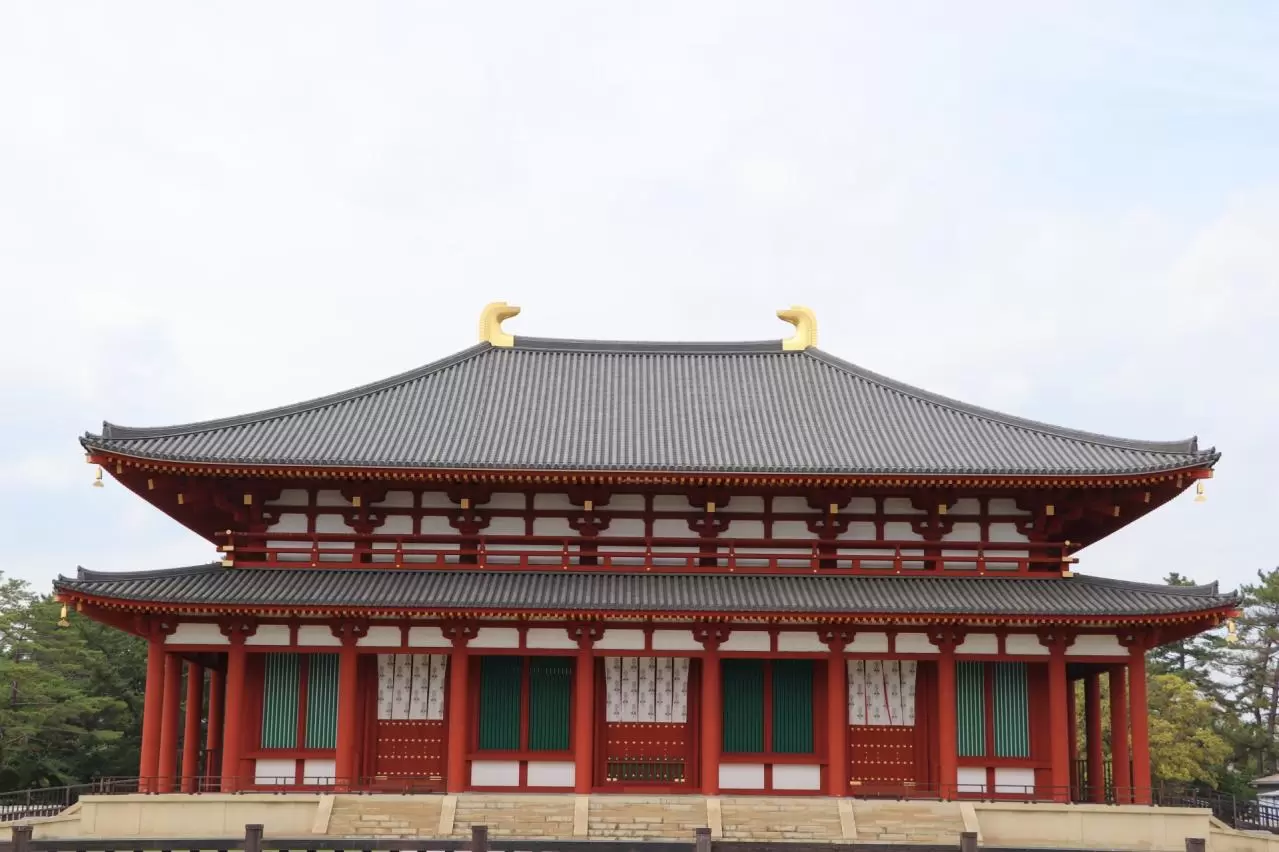
In modern times, Kofuku-ji faced severe hardship due to the Meiji government’s policy of separation of Shinto and Buddhism and the anti-Buddhist movement, losing much of its precincts and temple lands and suffering a period of decline. However, through the efforts of the monks and related parties, restoration progressed, and in 1881 the temple name was officially restored. Thereafter, conservation and repair of the temple halls and Buddhist statues continued from the perspective of cultural property protection, bringing the temple to the present day. In 2018, the Central Golden Hall was reconstructed for the first time in about 300 years, based on the scale of the original building.
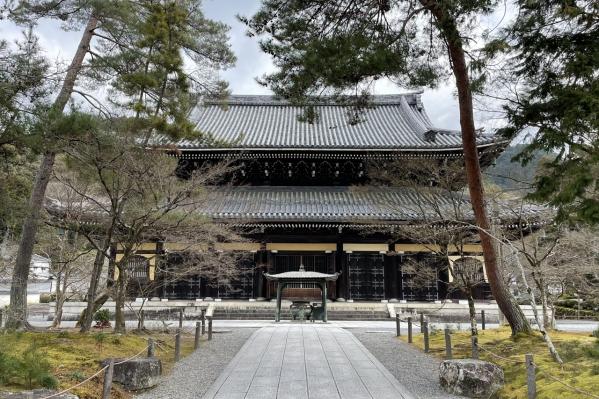
The current temple grounds cover approximately 80,000 square meters, with many halls and towers scattered across an open space without surrounding walls. Major structures include the five-story pagoda, rebuilt around 1426 in the Muromachi period (a National Treasure), the Northern Octagonal Hall, rebuilt in the Kamakura period (a National Treasure), the Eastern Golden Hall, rebuilt in the Ōei era (a National Treasure), and the Southern Octagonal Hall, rebuilt in the Edo period (an Important Cultural Property). These buildings are all precious cultural assets that convey the architectural styles of their respective eras.
Another major attraction of Kofuku-ji is the large number of Buddhist statues and artworks housed in the National Treasure Museum. Especially famous is the Ashura statue, a masterpiece of the Tenpyō period, known as one of the eight guardian deities’ standing figures. In addition, many other precious cultural properties representing Japanese Buddhist art are preserved here, including dry-lacquer Buddhist statues and outstanding Kamakura-period sculptures.
In this way, Kofuku-ji has a history as the political and religious center of the Fujiwara clan’s family temple, and it has repeatedly rebuilt itself while overcoming numerous disasters and social changes. Today, it remains an important presence closely connected with the city of Nara, conveying its history and culture to the present.
Nara Tourist Attractions
View List
Nara National Museum
The Nara National Museum is a historic museum located within Nara Park, adjacent to world heritage sites such as Todai-ji Temple and Kofuku-ji Temple. Established in...

Heijo Palace Ruins
The Heijo Palace Site is the center of Heijo-kyo, which was relocated from Fujiwara-kyo in 710, and it was registered as a UNESCO World Heritage Site as "Cultural Pr...

Horyu-ji Temple
Hōryū-ji is a temple founded by Prince Shōtoku in the 14th year of Suiko (606 AD), and it is currently registered as a UNESCO World Heritage Site. Established as Oka...

Kasukadai Shrine
Kasuga-taisha Shrine was established in the second year of Jingo-Keiun (768) and the current shrine buildings were completed in the early Heian period in 794. It flo...

Todai-ji Temple
Todai-ji is one of Japan's most renowned temples, founded during the Nara period in the capital of that era, Heijo-kyo, as a kokubunji (provincial temple). The most ...


Isuien Neiraku Art Museum
Isui-en is a representative Japanese garden in Nara, designated as a national scenic spot. It features two distinct gardens: the "前園" (Maezono) created during the ...

Tōshōdaiji
Tōshōdai-ji is a temple founded by the Tang dynasty monk Jianzhen in the Nara period, established in 759 (the 3rd year of Tenpyō Hōji) at the former residence of Pri...