Otsuka International Museum of Art
Otsuka International Museum of Art Movies


![[vlog]女3人、四国旅行🌤🌈|徳島|渦潮|大塚国際美術館#vlog#ol #社会人](https://i.ytimg.com/vi/Vq5kVlp2WCw/mqdefault.jpg)


Basic Information
- Spot Name
- Otsuka International Museum of Art
- Location
- 〒772-0053 6-5-1 Tosa Tomiura, Narutacho, Naruto City, Tokushima Prefecture, within Naruto Park
- Access
- From Narutostation on the JR Naruto Line, take the Tokushima Bus bound for Naruto Park for 15 minutes and get off at Otsuka International Museum in front. It takes about 3 minutes by car from Naruto North IC.
- Parking
- 450 cars
- Business Hours
- 9:30 AM to 4:00 PM (last entry at 5:00 PM)
- Regular Holiday
- Closed on Mondays (the following day in case of a holiday) - Continuous closures in January - Other special closures may occur - Open without休 in August.
- Fees
- General: ¥3,300, University students: ¥2,200, Elementary, middle, and high school students: ¥550
- Contact Information
- Phone Number:088-687-3737
- Official Website
Map
Detailed Information
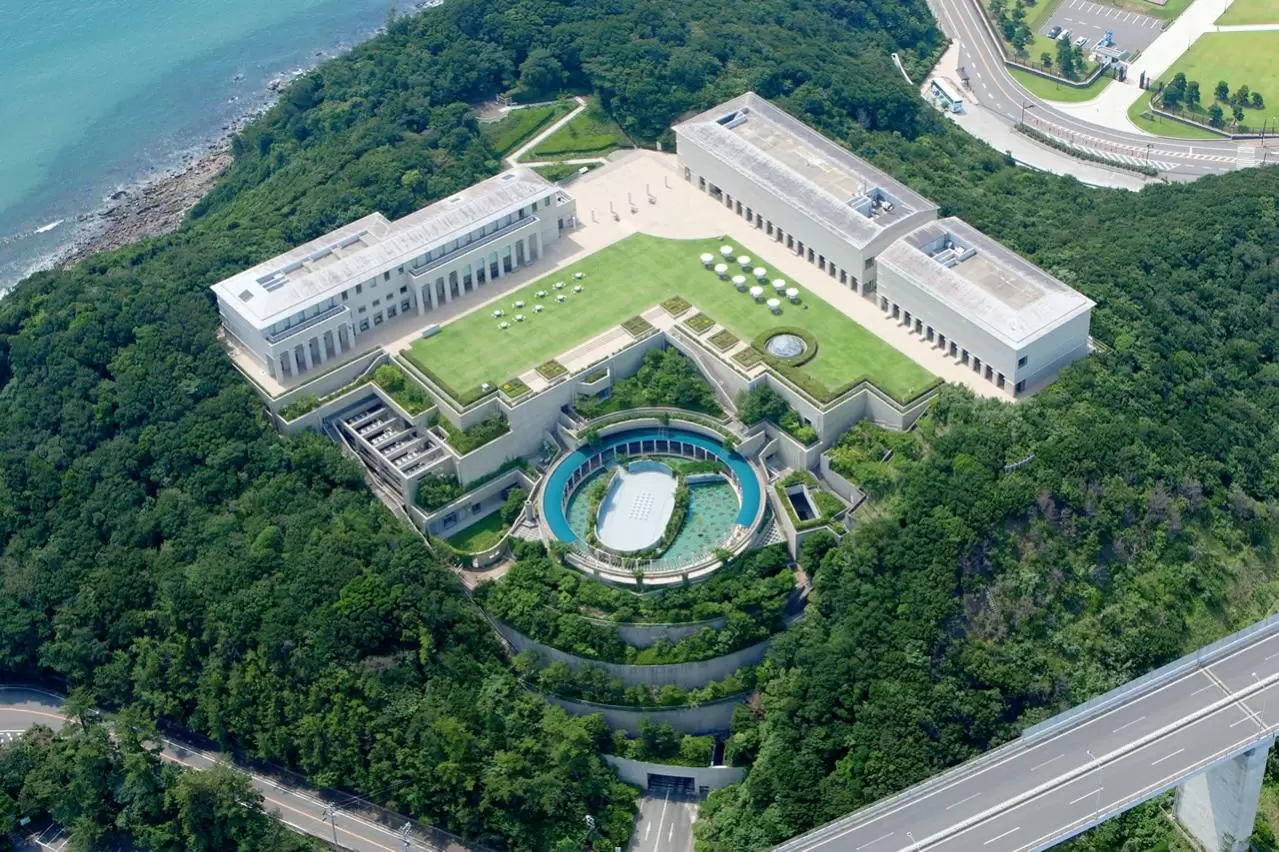
The Otsuka Museum of Art is a ceramic-panel reproduction museum located in Naruto Park in Naruto City, Tokushima Prefecture. It boasts one of the largest permanent exhibition spaces in Japan. The museum opened in 1998 as a commemorative project marking the 75th anniversary of the founding of the Otsuka Group. Inside, approximately 1,000 masterpieces of Western art held by more than 190 museums in 26 countries around the world are reproduced in their original size using special ceramic-panel technology. It is known as a ceramic-panel art museum of unparalleled scale, allowing visitors to view masterpieces from around the world in a single location.
The museum consists of five floors, from three basement levels to two above-ground floors. It has a total floor area of approximately 29,400 square meters, and the exhibition route extends for about four kilometers. The museum is so vast that viewing all the works carefully can take anywhere from half a day to a full day, offering an experience akin to visiting museums around the world while remaining in Japan.
The exhibits encompass the entire history of Western art, from ancient murals through the Renaissance, Baroque, Impressionism, and modern and contemporary art. Visitors can view masterpieces by such leading figures in art history as Leonardo da Vinci, Michelangelo, Raphael, Vermeer, Rembrandt, Monet, Renoir, Van Gogh, Cézanne, Gauguin, Munch, Klimt, and Picasso in chronological order. This makes it possible to naturally learn about the development of Western art while enjoying the collection.
One of the Otsuka Museum of Art’s greatest features is its use of three exhibition approaches: “environmental exhibitions,” “chronological exhibitions,” and “thematic exhibitions.”
In the environmental exhibitions, not only the artworks but also the exhibition spaces themselves—such as chapels and archaeological sites—are reproduced at their original scale. Among the most spectacular is the Sistine Hall, a full-scale reproduction of the Vatican’s Sistine Chapel. Michelangelo’s ceiling frescoes, *The Creation of the World*, and his altar fresco, *The Last Judgment*, are reproduced throughout the chapel, creating an atmosphere so immersive that visitors may feel as if they have traveled to Italy itself. Other spaces, including the mural paintings of ancient Pompeii and the Scrovegni Chapel, have also been recreated, allowing visitors to appreciate artworks together with their architectural settings.
In the chronological exhibitions, works are displayed according to the development of Western art history. Visitors can view the works while understanding their historical backgrounds and the relationships among the artists, making the exhibitions accessible even to beginners and enabling them to study the history of Western art in a systematic way.
In the thematic exhibitions, works from different periods and by different artists are displayed by theme, such as “Madonna and Child” or “Portraits,” allowing visitors to compare them. Seeing how artists expressed the same subject in different ways offers a deeper appreciation of the pleasure of viewing art.
Because all the works are fired onto special ceramic panels, they are highly resistant to fading caused by ultraviolet light, humidity, and the passage of time. They are said to retain their colors for more than 2,000 years. This technology is also highly regarded from the perspective of preserving and documenting cultural assets, and has attracted attention as a means of creating archival records to help protect against the loss of cultural properties caused by disasters, wars, and other events.
The museum offers many attractions unique to the Otsuka Museum of Art. All seven of Van Gogh’s paintings of *Sunflowers* that are scattered around the world are displayed together in their original size, an exceptionally rare undertaking. In addition, a lost version of *Sunflowers* that was once in Japan but was destroyed by fire during World War II has been reproduced on a ceramic panel, allowing visitors to compare Van Gogh’s works side by side.
Leonardo da Vinci’s *The Last Supper* is displayed in both its pre-restoration and post-restoration forms, enabling visitors to compare how the work changed through restoration. The museum also features Picasso’s *Guernica* and a reconstructed display of an altarpiece by El Greco that was scattered around the world as a result of war. The opportunity to appreciate masterpieces from various perspectives is another of the museum’s many attractions.
In 2025, Vermeer’s *The Concert*, known as one of the greatest unsolved art thefts in history, was newly reproduced on a ceramic panel and put on display. As a result, visitors can now see 11 of Vermeer’s works at the museum. Since only around 35 of his works are believed to survive, the museum offers a rare opportunity to view such a substantial collection of Vermeer’s paintings while in Japan.
The museum also features *Large Water Lilies*, displayed outdoors in connection with Monet’s wish that his works be viewed in natural light. Surrounded by a pond filled with water lilies, the exhibition space takes on a different appearance with each season and offers an atmosphere reminiscent of Monet’s garden in Giverny, France. At the adjacent café-restaurant, visitors can enjoy meals and sweets while admiring the beautiful garden.
Photography is permitted inside the museum as long as flash and tripods are not used, and the opportunity to take commemorative photos alongside famous masterpieces is another reason for its popularity. Free scheduled guided tours led by art volunteers and paid audio guides are also available, allowing visitors to learn more about the highlights and background of the works. Re-entry is permitted on the same day, so visitors can spend a leisurely full day at the museum, dine at one of its restaurants, or combine their visit with nearby attractions such as Naruto Park and sightseeing cruises to see the whirlpools.
The museum shop offers a wide selection of stationery, miscellaneous goods, sweets, and limited-edition merchandise inspired by famous paintings, making them popular souvenirs.
The Otsuka Museum of Art is a one-of-a-kind museum that reproduces approximately 1,000 masterpieces from around the world as full-size ceramic panels, allowing visitors to experience the history of Western art all at once. From the powerful environmental exhibitions, including the Sistine Hall, to all seven of Van Gogh’s *Sunflowers* and its extensive collection of Vermeer reproductions, the museum offers many experiences found nowhere else. It is one of Japan’s leading museums and is enjoyable not only for art enthusiasts but also for those visiting an art museum for the first time.
Tokushima Tourist Attractions
View List
Daichibanfudashoryozenji
The first temple on the Shikoku pilgrimage, Ryozenji Temple, was founded about 1300 years ago by the monk Gyoki, upon the imperial request of Emperor Shomu. It becam...

Ooboke Kiyotaki Line
The Oboke Gorge sightseeing cruise offers a scenic tour through the deep valleys and strange rock formations of the Yoshino River. During the approximately 30-minute...

Awa Odori Hall
The Awa Odori Hall is a facility where you can enjoy Tokushima's renowned Awa Odori dance throughout the year. In the Awa Odori Hall, you can not only watch performa...

Naruto Whirlpools
The Naruto Whirlpools are one of the three great tidal currents in the world, occurring in the Naruto Strait. These whirlpools can be observed between Naruto City an...

Astamaland Tokushima
Astamland Tokushima is a large park designed to cultivate children's interest in science through play and hands-on experiences. Within the park, there is a "Children...

Miwa Town Udattsu no Machinami
Wakimachi Udatsu Townscape is a precious historic district that features about 430 meters of buildings from the mid-Edo period to the early Showa period. Blessed wit...

Tokushima Prefectural Uzunomichi
The Tokushima Prefectural Uzunomichi is a sea walkway installed on the piers of the Ohnaruto Bridge. It is situated 45 meters above the sea and features a 450-meter-...

Iya Kazura Bridge
The Kazurabashi Bridge in Iya is a stunning tourist spot that harbors the tragic tale of the Heike clan, standing in the hidden region of Iya. This suspension bridge...