Miwa Town Udattsu no Machinami
Miwa Town Udattsu no Machinami Movies


Basic Information
- Spot Name
- Miwa Town Udattsu no Machinami
- Location
- Minami-machi, Wakimachi, Mima City
- Access
- Take the JR Tokushima Line to "Anabuki Station" → about a 10-minute drive.
From "Wakimachi IC" on the Tokushima Expressway → about a 10-minute drive. - Parking
- Roadside Station "Ailand Udatsu"
- Business Hours
- Open for visits.
- Contact Information
- Phone Number:0883-53-8599
- Official Website
Map
Detailed Information
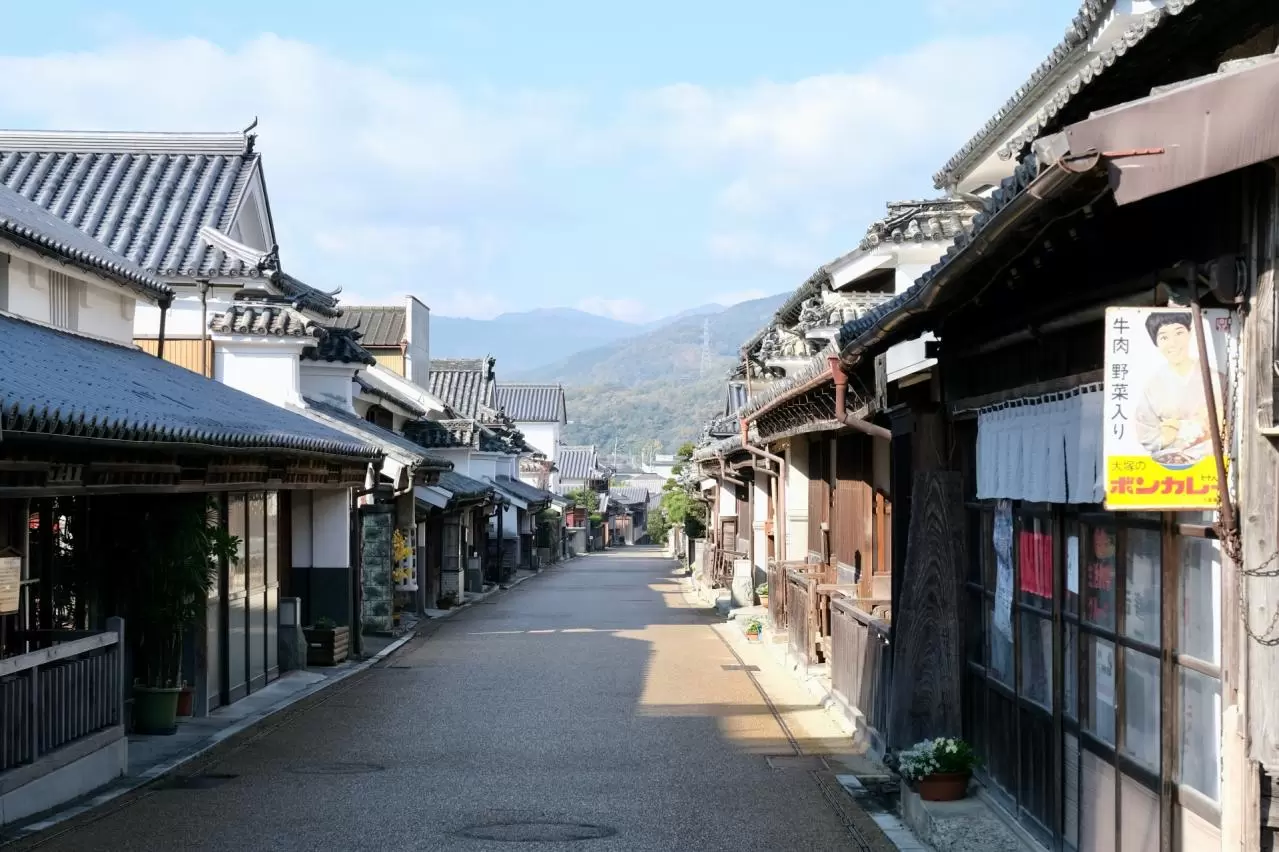
Waki-cho Udatsu Street is a historic townscape located in Waki-cho, Mima City, Tokushima Prefecture. Traditional buildings constructed from the mid-Edo period to the early Showa period line the street for approximately 430 meters, making it one of Tokushima’s premier historical tourist attractions. The town developed as an important transportation hub, benefiting from boat transport on the Yoshino River, and flourished greatly during the Edo period as a distribution center for Awa indigo. In 1988, it was designated by the national government as an Important Preservation District for Groups of Traditional Buildings, and it still retains strong traces of its former prosperity.
Waki-cho first developed as a castle town around Waki Castle and later prospered as a key transportation center where the water routes of the Yoshino River intersected with the Muya Kaido and Sanuki Kaido highways. From the mid-Edo period onward, in particular, the town grew substantially as a distribution center for Awa indigo, and many indigo merchants conducted business there. It is said that more than 100 indigo merchants once stood side by side along the streets. Magnificent merchant houses belonging to wealthy traders lined the town, and many still convey the prosperity of that era today.
The most distinctive feature of the townscape is the fireproof walls known as “udatsu.” These are tiled and plastered wing walls installed at both ends of traditional townhouses to prevent fires from spreading to neighboring buildings. Although they were originally constructed as fire-prevention facilities, their installation required considerable expense, and they gradually became symbols of wealth, social status, and success. They are said to be the origin of the Japanese expressions “udatsu ga agaru” (“one’s udatsu rises,” meaning to prosper) and “udatsu ga agaranai” (“one’s udatsu does not rise,” meaning to remain unsuccessful). Some are particularly elaborate, featuring ridge-end tiles decorated with family crests, offering a glimpse into the prosperity of the wealthy merchants of the time.
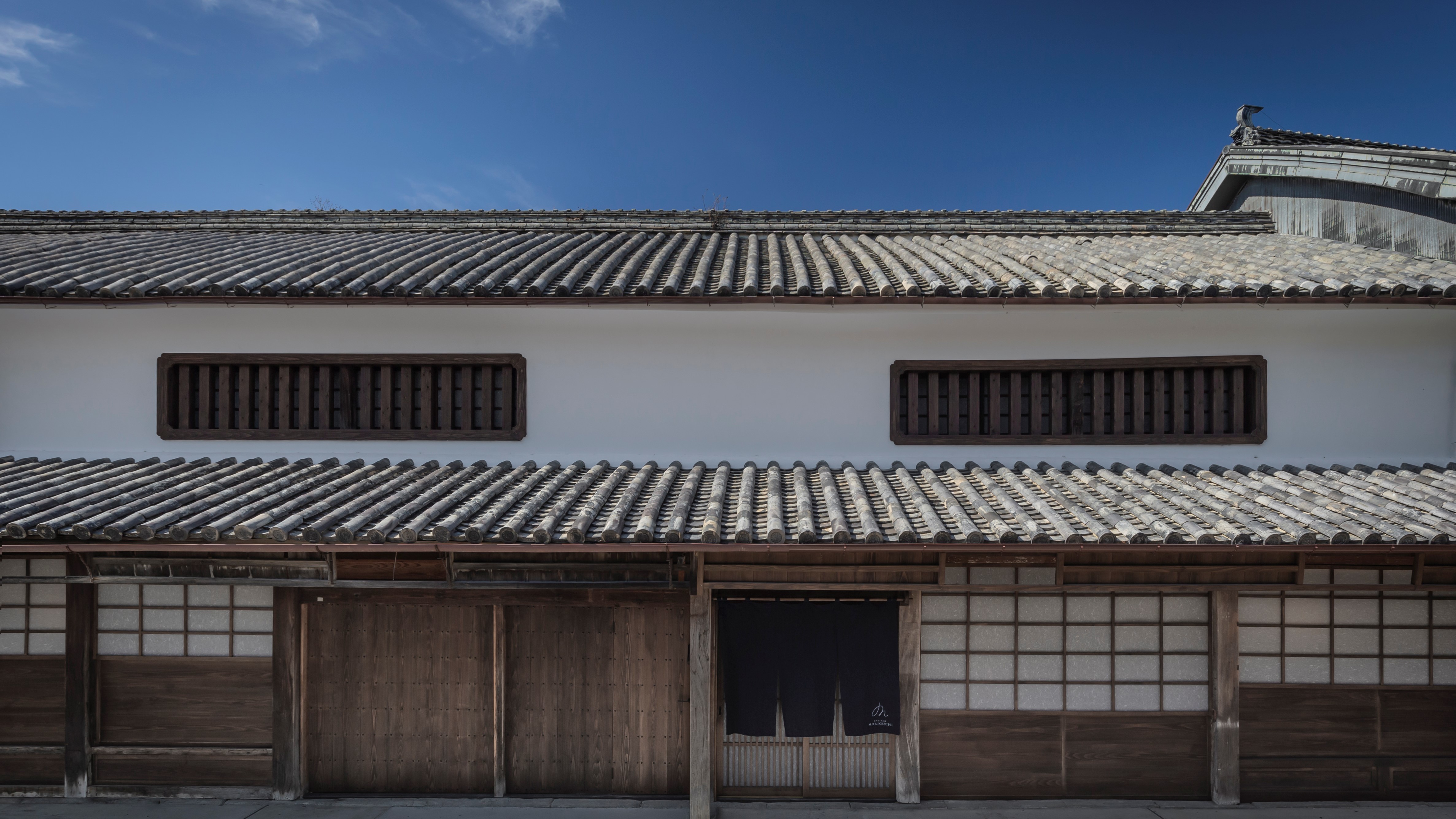
Approximately 85 traditional buildings constructed from the mid-Edo period to the early Showa period remain within the current preservation district. Visitors can see traditional Japanese townhouse features up close, including white-plastered walls, lattice doors, mushiko windows, shitomi shutters, and storehouses. Simply walking through the streets can make visitors feel as if they have traveled back in time from the Edo period to the Meiji period, making the area popular with many tourists and photography enthusiasts.
One of the townscape’s most representative buildings is the Yoshida Residence, known by the indigo merchant name “Sanao.” It was the estate of the wealthy Yoshida family, which began its business in 1792. Five buildings remain on the approximately 2,000-square-meter grounds, including the main house, indigo storehouses, and a storehouse formerly used for pawned goods, all constructed from the mid- to late Edo period. The residence is now open to the public as a designated cultural property of Mima City. With approximately 25 rooms, including the main house, a bookkeeping office, and formal reception rooms, it offers insight into the lifestyle and business activities of wealthy merchants of the time.
The Mima City Tourism Exchange Center is a popular starting point for exploring the town. Housed in a renovated traditional residence, the center provides tourist information and a rest area, as well as indigo-dyeing experiences using natural indigo and dining featuring local ingredients. The surrounding area also offers opportunities to experience Waki-cho’s unique culture and traditional crafts, including Ai-gura, which sells local specialties and indigo-dyed products; Mirai Kobo, where visitors can observe and try making Mima Japanese umbrellas; and workshops that produce and sell bamboo dolls depicting Awa Odori dancers.
The townscape also has a different character during the day and at night. In daylight, the white walls and tiled roofs stand out against the blue sky, creating a landscape rich in historic charm. In the evening, when lantern-style streetlights are lit, the town is enveloped in a fantastical and peaceful atmosphere. Strolling through the quiet streets after dusk is popular because it allows visitors to enjoy a charm quite different from that of the daytime.
By using a volunteer guide service available by reservation, visitors can learn more about the history of the indigo merchants, the features of the buildings, and episodes associated with the udatsu. Exploring the town while deepening one’s understanding of its history and architecture makes for an even more rewarding experience.
Waki-cho Udatsu Street is a rare historic landscape in Japan, where the merchant culture that flourished through Awa indigo harmonizes with beautiful townhouse architecture passed down since the Edo period. Walking along the white-plastered streets lined with udatsu allows visitors to sense the prosperity and way of life of the wealthy merchants of the time. With its history, architecture, traditional culture, craft experiences, and local cuisine, it is one of Tokushima Prefecture’s premier historical tourist attractions.
#Townscape/Bikan Historical Quarter #Cultural assets/historic sites
Tokushima Tourist Attractions
View List
Naruto Whirlpools
The Naruto Whirlpools are one of the three great tidal currents in the world, occurring in the Naruto Strait. These whirlpools can be observed between Naruto City an...

Iya Kazura Bridge
The Kazurabashi Bridge in Iya is a stunning tourist spot that harbors the tragic tale of the Heike clan, standing in the hidden region of Iya. This suspension bridge...

Awa Odori Hall
The Awa Odori Hall is a facility where you can enjoy Tokushima's renowned Awa Odori dance throughout the year. In the Awa Odori Hall, you can not only watch performa...

Astamaland Tokushima
Astamland Tokushima is a large park designed to cultivate children's interest in science through play and hands-on experiences. Within the park, there is a "Children...

Tokushima Prefectural Uzunomichi
The Tokushima Prefectural Uzunomichi is a sea walkway installed on the piers of the Ohnaruto Bridge. It is situated 45 meters above the sea and features a 450-meter-...

Ooboke Kiyotaki Line
The Oboke Gorge sightseeing cruise offers a scenic tour through the deep valleys and strange rock formations of the Yoshino River. During the approximately 30-minute...

Otsuka International Museum of Art
The Otsuka Museum of Art is a museum that reproduces approximately 1,000 masterpieces from 26 countries around the world on ceramic plates in their actual size using...

Daichibanfudashoryozenji
The first temple on the Shikoku pilgrimage, Ryozenji Temple, was founded about 1300 years ago by the monk Gyoki, upon the imperial request of Emperor Shomu. It becam...