One of Japan’s three unusual bridges
This striking suspension bridge is known for its unusual construction and local legends.
AI Summary
This is an AI-generated summary. Please check the official information for opening hours, fees, and closed days.
This iconic Iya Valley landmark combines a remote mountain atmosphere with a touch of thrill.
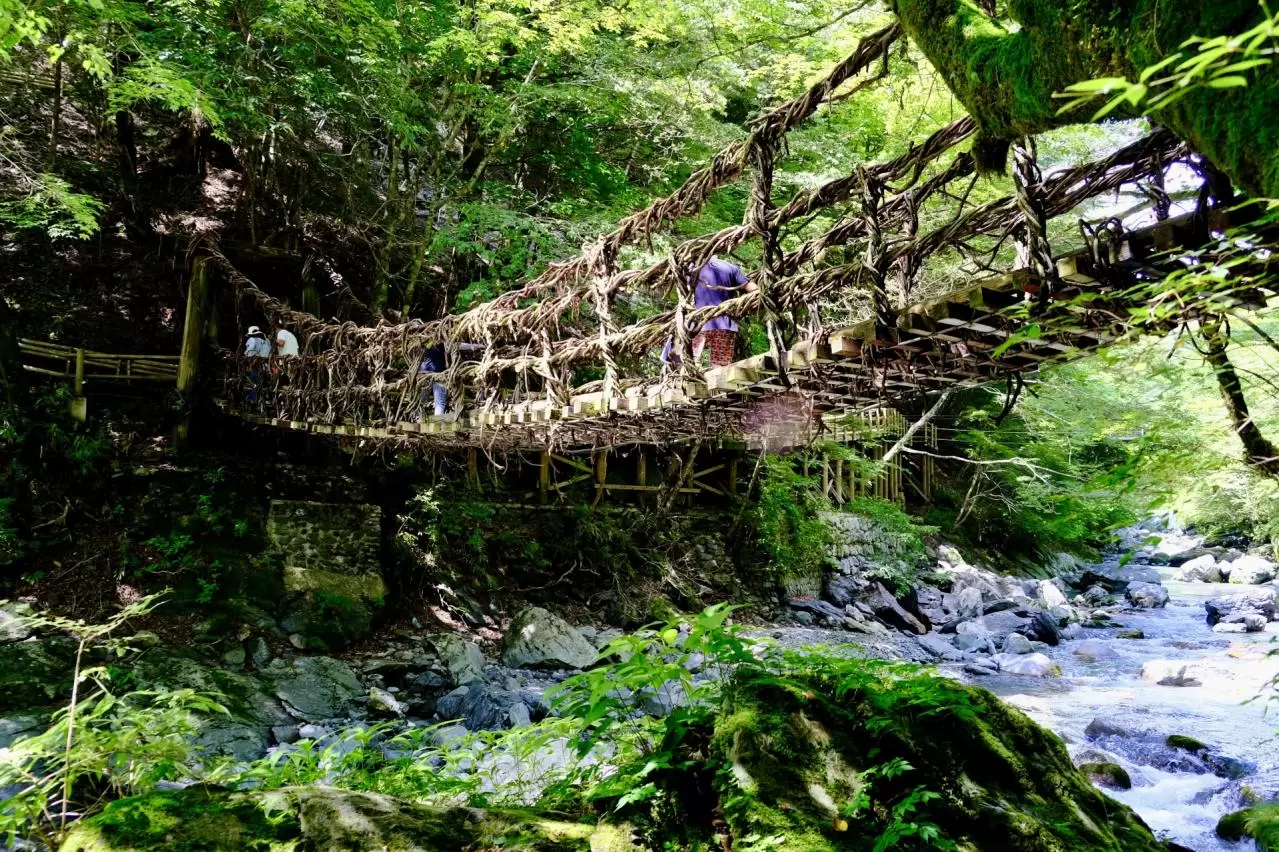
Spanning the Iya Valley, a gorge associated with legends of the Heike clan, this suspension bridge is designated an Important Tangible Folk Cultural Property of Japan. Gaps in the floor reveal the valley below, and the bridge sways gently as you cross. It offers a memorable mix of scenery and history, but take care if you feel unsure on your feet.
This striking suspension bridge is known for its unusual construction and local legends.
Gaps in the bridge floor and its gentle sway make even a short crossing memorable.
The surrounding gorge changes with the seasons and makes a rewarding setting for photos.
After crossing Iya Kazurabashi Bridge, take a short walk around the gorge and nearby waterfalls to enjoy more of the area’s distinctive scenery.
◆ Nationally Designated Important Tangible Folk Cultural Property ◆
The Kazurabashi Bridge in the secluded Iya region holds a sad tale of the Heike clan. Made from shirokuchi kazura vines weighing about 6 tons, it is 45 meters long, 2 meters wide, and 14 meters above the water. In the past, it was the only means of transportation in this deep mountain gorge area. The bridge is rebuilt every three years.
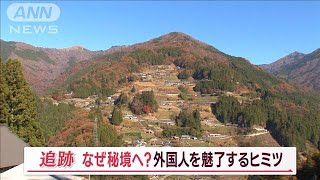
The Iya region, embraced by the steep mountains of Shikoku, is said to be a hidden settlement where Taira no Koresada and Emperor Antoku, who fled after losing the Battle of Yashima, settled in hopes of restoring the Heike clan. Because it remained cut off from outside access until modern times, the ways of life and distinctive customs from the medieval period have been preserved in a form close to the original.
Spanning the Iya River flowing through this region is the Kazurabashi Bridge, designated as a nationally important tangible folk cultural property. This bridge, woven together from shirokuchi kazura vines gathered in the harsh winter mountains and fields, allows you to see the valley floor through gaps in the bridge deck, and combined with the sway of the 45-meter suspension bridge, offers visitors just the right amount of thrill.
There are various theories about the origin of Kazurabashi Bridge, which is counted among Japan’s Three Most Unusual Bridges. Some say it was built so that it could be cut down in order to escape pursuing enemies, while others say it was built by Kobo Daishi during his travels around Shikoku to help villagers in need.
The graceful sight of Kazurabashi Bridge, resting its weight on ancient trees on both banks and casting its reflection on the clear waters of the Iya River, evokes the lives of ancestors long ago, creates a beautiful landscape in harmony with nature, and continues to captivate countless visitors with its powerful individuality.
◎ Iya Kazurabashi Bridge Light-Up
The bridge is illuminated every day from 19:00 to 21:30 (crossing is not permitted).
The Kazurabashi Bridge lit up in the darkness of night is truly fantastical.
◎ The Heike-legendary “Biwa Falls” is right nearby.
About 50 meters to the left immediately after crossing the Iya Kazurabashi Bridge, you will find a waterfall with a drop of about 40 meters.
The first temple on the Shikoku pilgrimage, Ryozenji Temple, was founded about 1300 years ago by the monk Gyoki, upon the imperial request of Emperor Shomu. It becam...
The Tokushima Prefectural Uzunomichi is a sea walkway installed on the piers of the Ohnaruto Bridge. It is situated 45 meters above the sea and features a 450-meter-...
The Otsuka Museum of Art is a museum that reproduces approximately 1,000 masterpieces from 26 countries around the world on ceramic plates in their actual size using...
The Oboke Gorge sightseeing cruise offers a scenic tour through the deep valleys and strange rock formations of the Yoshino River. During the approximately 30-minute...
The Awa Odori Hall is a facility where you can enjoy Tokushima's renowned Awa Odori dance throughout the year. In the Awa Odori Hall, you can not only watch performa...
Wakimachi Udatsu Townscape is a precious historic district that features about 430 meters of buildings from the mid-Edo period to the early Showa period. Blessed wit...
The Naruto Whirlpools are one of the three great tidal currents in the world, occurring in the Naruto Strait. These whirlpools can be observed between Naruto City an...
Astamland Tokushima is a large park designed to cultivate children's interest in science through play and hands-on experiences. Within the park, there is a "Children...