Ikuta Shrine
Ikuta Shrine Movies


Basic Information
- Spot Name
- Ikuta Shrine
- Location
- 〒650-0011 1-2-1 Shimoyamate-dori, Chuo Ward, Kobe City, Hyogo Prefecture
- Access
- 10 minutes on foot from JR Sannomiya Station and private railway Sannomiya Station to the north. Approximately 5 minutes from Hanshin Expressway Route 3 Kobe Line "Ikutagawa IC" or "Kyobashi IC."
- Parking
- Parking available
- Business Hours
- 7:00 AM to sunset
- Regular Holiday
- Open all year round.
- Fees
- Free
- Contact Information
- Phone Number: 078-321-3851
- Official Website
Map
Detailed Information
Ikuta Shrine is a venerable shrine located in Chuo Ward, Kobe, Hyogo Prefecture, and boasts a history of more than 1,800 years. Though situated in the heart of Kobe’s Sannomiya district, it is surrounded by rich natural beauty and a solemn atmosphere, and is known as one of Kobe’s leading power spots, attracting many worshippers. The name “Kobe” is said to originate from the “kanbe,” or 44 households, that were assigned to serve the shrine in 806, and Ikuta Shrine is regarded as one of the origins of that place name.
The enshrined deity is Wakahirume-no-Mikoto, a fresh and radiant sun goddess said to be the harmonious spirit, or younger sister deity, of Amaterasu Omikami, the sun goddess. This deity is believed to possess the power to nurture all living things, and is revered for blessings ranging from matchmaking and successful romance to safe childbirth and long life. In particular, due to its power of “binding,” the shrine is widely known nationwide as a power spot for love and is beloved by many visitors.
The shrine is said to have been founded in 201 CE, when Empress Jingū received a divine oracle and established it. Originally it was enshrined at a different location, but it was moved to its present site in 799. Later, the area of Ikuta no Mori became a historic stage for events such as the Genpei War. Despite facing numerous hardships over the years, including war damage, flooding, and the Great Hanshin-Awaji Earthquake, the shrine has been rebuilt each time, and is therefore worshipped as a “shrine of revival,” a symbol of rebirth and victory.
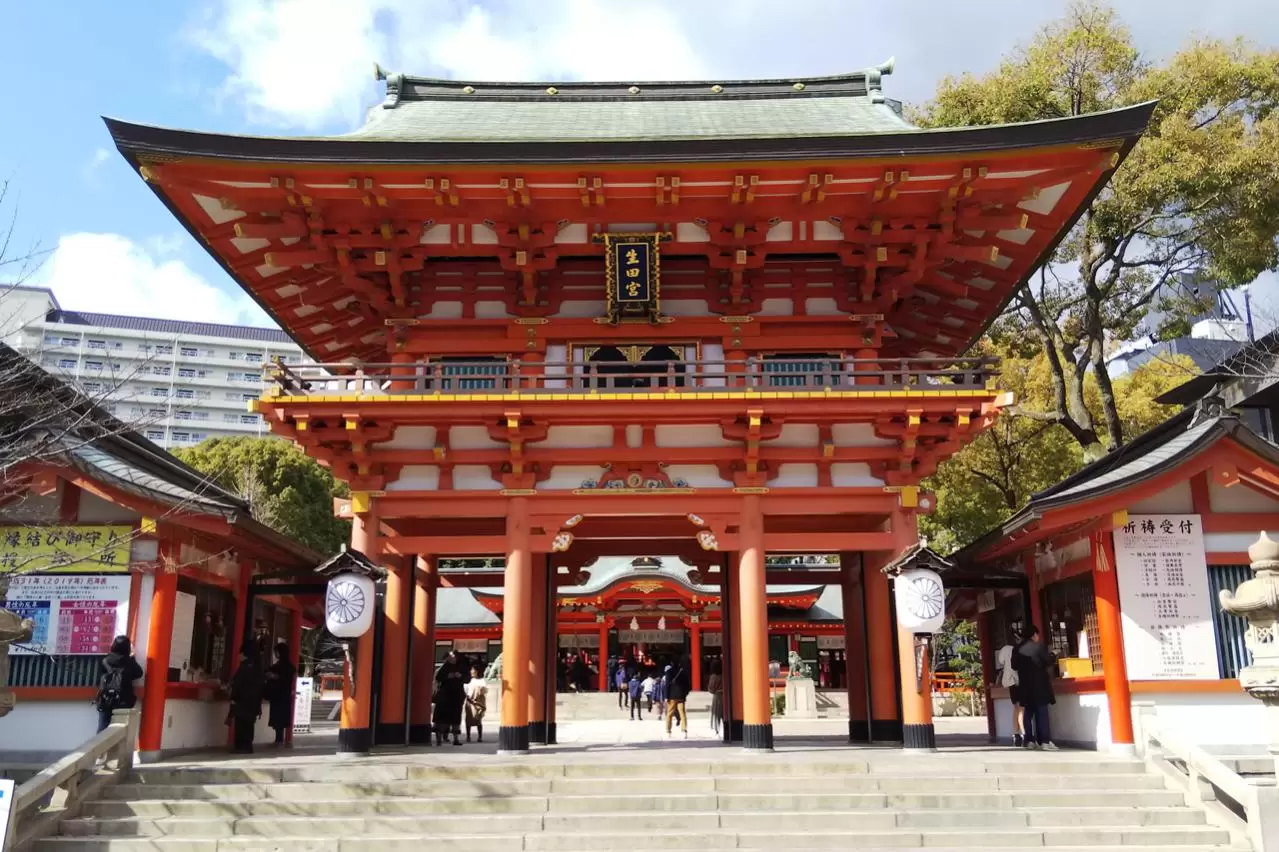
There are many highlights within the grounds. The bright vermilion Romon gate standing at the entrance is an iconic structure that welcomes worshippers, and every New Year’s Day the opening ritual with taiko drums is performed to announce the arrival of the new year. The shrine buildings, which enshrine the principal deity, consist of the honden and haiden, and their beautiful vermilion-and-gold architecture leaves a strong impression. The powerful komainu guardian dogs stationed in front of the haiden are also a notable sight.
To the north of the grounds spreads Ikuta no Mori. This historic site once served as a battlefield during the Genpei War, and today it remains a sacred space lined with trees hundreds of years old. Within the forest is Karyusen, where the popular mizu-mikuji fortune slips reveal their writing when dipped in water. Known as a fortune-telling charm for love luck, it is enjoyed by many visitors. There is also Ikutamori Saza Jinja, which enshrines deities associated with safe childbirth and growth, and many worshippers visit both sites together.
In addition, there are numerous subsidiary shrines scattered throughout the grounds, including Oami Shrine, which is said to grant blessings for maritime safety and traffic safety; Matsuo Shrine, dedicated to the god of sake; and the vermilion torii gates of Inari Shrine, each believed to bestow different blessings.
The shrine’s amulets and offerings are also very popular, especially matchmaking charms, bracelets, and pink heart-shaped ema plaques. Beautifully designed goshuin stamps, as well as limited-edition goshuin tied to seasons and special events, are also among the pleasures of visiting.
Furthermore, Ikuta Shrine is associated with a legend that it is the birthplace of kamaboko fish cake, said to have originated when Empress Jingū grilled minced fish here and ate it. In this way, Ikuta Shrine is a place where history, faith, and culture are richly layered together.
Located in the center of the city yet offering a sense of nature and history, Ikuta Shrine is a special place not only for those praying for romantic fulfillment, but also for many people who are marking milestones in life or beginning a new chapter.
Hyogo Tourist Attractions
View List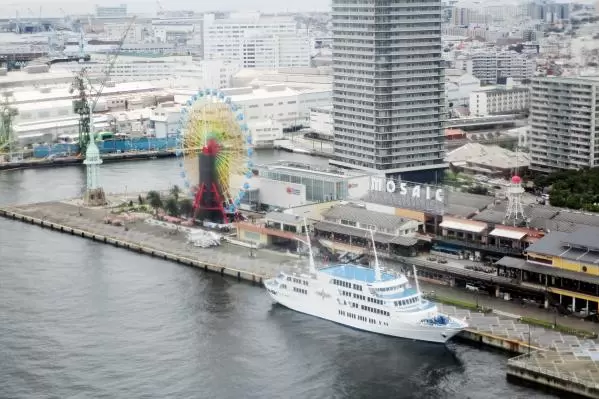
Kobe Harborland
Kobe Harborland is located just a short distance from Kobe Station and was developed on the site of a former national railway freight station, creating a vibrant com...

Arima Onsen
Arima Onsen is one of Japan's three ancient hot springs and three famous springs, located at the northern foot of Mount Rokko. Historically, it is known for being fa...
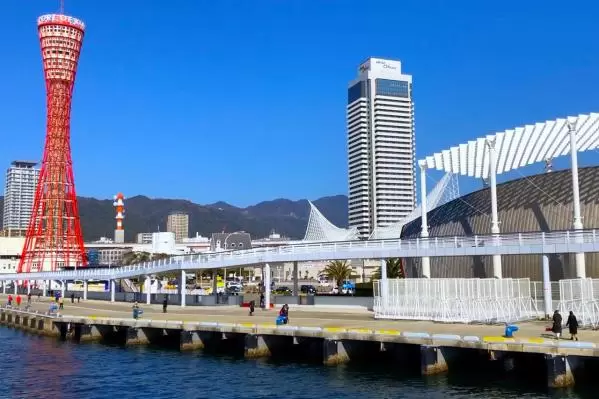
Meriken Park
Kobe's iconic tourist spot, Meriken Park, is a beautiful park that stretches along the coastline and offers a variety of activities and attractive landmarks for visi...

Akashi Kaikyō Bridge
The Akashi Kaikyō Bridge, connecting Honshu and Awaji Island, spans a total length of 3,911 meters, making it the world's longest suspension bridge, affectionately k...
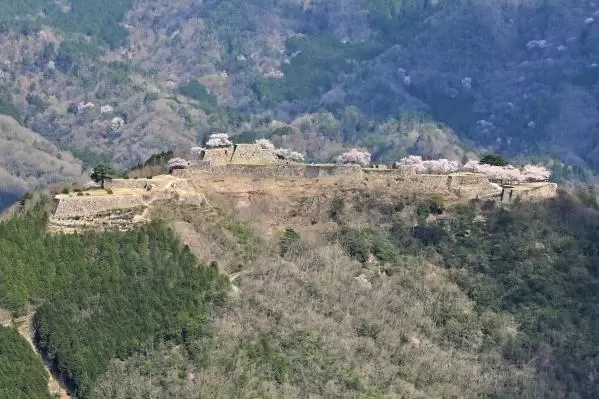
Takeda Castle
Takeda Castle Ruins, located at an elevation of 353.7 meters, is a mountain castle believed to have been built by the Tajima governor, Sōzen Yamana, during the Kakyō...
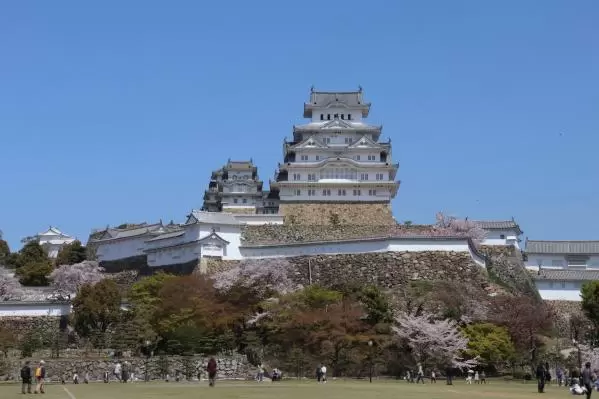
Himeji Castle
Himeji Castle, commonly known as "Shirasagijo" or "White Heron Castle," is recognized as a national treasure and a World Heritage site, symbolizing Japan's pride. It...
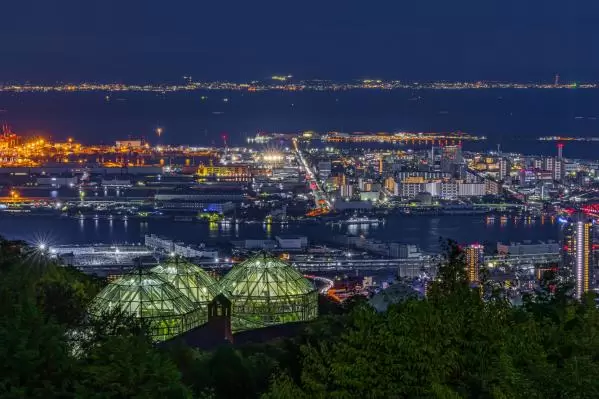
Kobe Nunobiki Herb Garden Ropeway
Kobe Nunobiki Herb Garden / Ropeway is a resort facility that offers a panoramic view of the city of Kobe. You can enjoy a 10-minute aerial stroll on the ropeway whi...
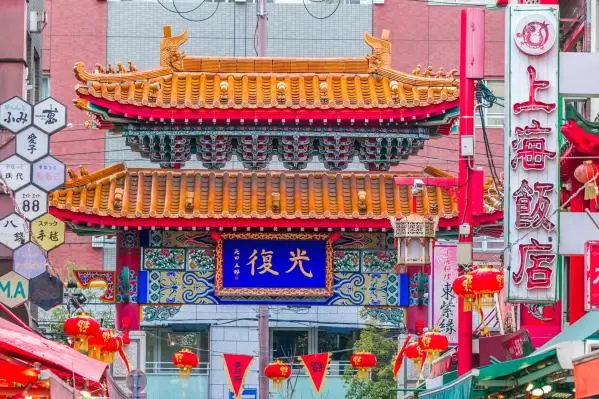
Nankinmachi
Nankinmachi, located in Motomachi, Kobe, is one of Japan's three major Chinatowns, alongside Yokohama and Nagasaki. This historic area has been thriving since the op...