Beppu Jigoku Meguri (Hell Tour)
The "Beppu Jigoku Meguri" tour includes visits to seven hells: Umi Jigoku (Sea Hell), Oniishibozu Jigoku (Demon’s Head Hell), Kamado Jigoku (Cooking Pot Hell), Oniyama Jigoku (Demon Mountain Hell), Shiraike Jigoku (White Pond Hell), Chinoike Jigoku (Blood Pond Hell), and Tatsumaki Jigoku (Tornado Hell). Each of these hells has its own unique scenery and characteristics, and some are designated as national scenic spots.
This tour allows you to enjoy Beppu's history and nature simultaneously. You can learn about the historical background while visiting the hot springs and fully savoring the charm of the Beppu Onsen area. The local specialty, jigoku mushi (jigoku steam cooking), is also highly recommended, featuring delicious dishes cooked with steam.
Beppu Jigoku Meguri offers a rare opportunity to see hot spring sources nearing 100 degrees Celsius, allowing visitors to experience the fascinating landscape and history of Beppu Onsen. Be sure to visit when you are in Beppu Onsen; you will surely be captivated by its charm.
Beppu Jigoku Meguri (Hell Tour) Movies


Basic Information
- Spot Name
- Beppu Jigoku Meguri (Hell Tour)
- Location
- 〒874-0045 559-1 Tekkawacho, Beppu City, Oita Prefecture (Umi Jigoku)
- Access
- Access information for Umi Jigoku:
■ By Car
From the Higashi-Kyushu Expressway (Beppu IC), turn right and drive straight for about 3 km on Prefectural Road 11 towards the Kinosaki Onsen area, taking approximately 5 minutes.
■ By Bus
- From JR Beppu Station West Exit, take Kamenoi Bus No. 2, 5, 24, or 41 to Kinosaki, which takes about 20 minutes. Get off at the bus stop: Umi Jigoku-mae or Kinosaki. It is a 1-minute walk from there.
- To get from Kinosaki to Chinoike Jigoku, take bus No. 16 and get off at Chinoike Jigoku-mae.
■ Highway Bus (Beppu to Fukuoka, Beppu to Nagasaki)
Get off at "Kinosaki-guchi," which is just a short walk away. - Parking
- Parking available.
- Business Hours
- 8:00 AM to 5:00 PM
- Regular Holiday
- None
- Contact Information
- Phone Number:0977-66-1577
- Official Website
Map
Detailed Information
The Beppu Hells Tour is a sightseeing course that takes visitors around seven distinctive “hells” scattered throughout the Kannawa and Kamegawa districts of Beppu City, Oita Prefecture. Here, “hells” does not refer to hot springs for bathing, but to springs and tourist facilities where high-temperature water, steam, and thermal mud erupt from underground, allowing visitors to observe these phenomena. Visitors can enjoy a variety of landscapes created by volcanic activity, including pools in mysterious shades of blue, red, and white; geysers that shoot boiling water into the air at regular intervals; and thermal mud that bubbles and gurgles as it rises from the ground.
Beppu is one of Japan’s leading hot-spring destinations. Beneath the city, groundwater heated by volcanic activity centered around Mount Tsurumi and Mount Garan emerges abundantly as hot springs in various locations. In particular, steam, boiling water, and thermal mud have been erupting in the Kannawa and Kamegawa districts for more than a thousand years. These phenomena are also described in the *Bungo Province Topography*, compiled during the Nara period, and the area is said to have been a place that people could not easily approach at the time.
Because the intense steam and heat made the area seem like a forbidden and feared place that people could not approach, such hot-spring vents came to be called “hells.” Even today, hot-spring vents in the Kannawa district are referred to as hells. From the Meiji period onward, the individual hells were gradually developed as tourist attractions, and by the Taisho period they had become widely known as representative sights of Beppu tourism. A major feature of the Beppu Hells Tour is that these natural phenomena, once feared by local people, have been transformed into valuable tourism resources.
The present-day Beppu Hells Tour consists of seven sites: Umi Jigoku, Oniishibozu Jigoku, Kamado Jigoku, Oniyama Jigoku, Shiraike Jigoku, Chinoike Jigoku, and Tatsumaki Jigoku. Each has different water temperatures, water qualities, colors, and eruption patterns, so no two landscapes are alike. Four of them—Umi Jigoku, Chinoike Jigoku, Tatsumaki Jigoku, and Shiraike Jigoku—were designated National Places of Scenic Beauty on July 23, 2009, under the name “The Hells of Beppu.” They are recognized for their unique and diverse colors and forms, as well as their high scenic and academic value as notable natural springs.
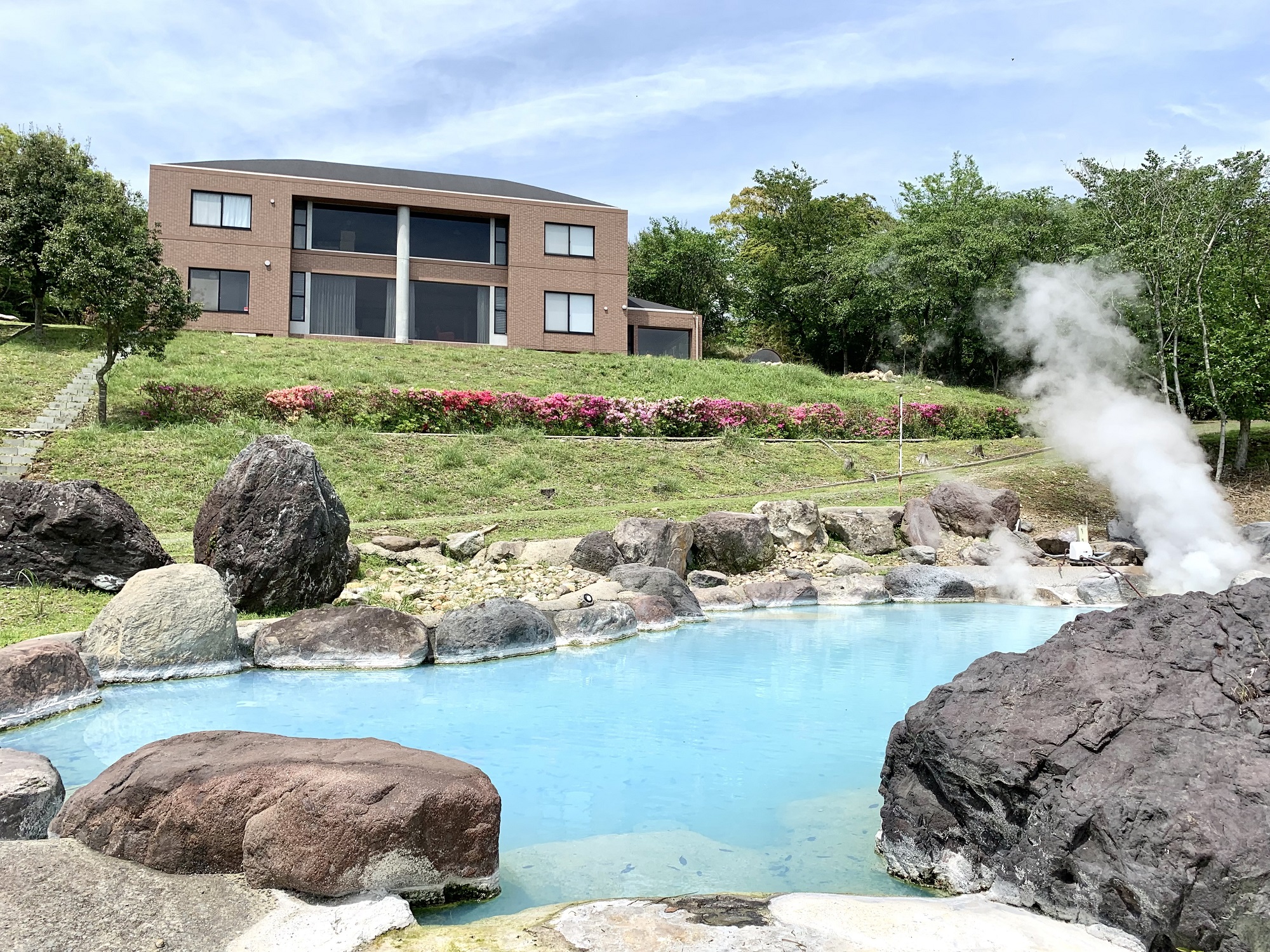
The most representative of the seven is Umi Jigoku, known for its vast blue pool. The vivid cobalt-blue water covering the pool is as beautiful as the sea, just as its name suggests. However, despite its cool-looking appearance, the spring temperature reaches approximately 98°C, making bathing impossible. It is said to have been formed by an eruption of Mount Tsurumi about 1,200 years ago and is considered to correspond to the “Kuberi no Yu” mentioned in the *Bungo Province Topography*.
The blue color of Umi Jigoku is produced by iron sulfate dissolved in the hot-spring water. The grounds have also been landscaped as a garden, where seasonal plants, white steam, and the cobalt-blue pool create a beautiful scene. Taking advantage of the heat from the hot springs, the site also cultivates giant Amazonian water lilies and tropical water lilies. The best time to see the flowers varies depending on the season and time of day, but the combination of the blue pool and vividly colored flowers is another highlight. The grounds also feature a footbath, shops, and exhibition rooms, allowing visitors to stroll, take a break, and browse for local specialties.
At Oniishibozu Jigoku, located near Umi Jigoku, gray thermal mud continuously bubbles and swells. The name comes from the site’s location, Oniishi, and the way the rounded mounds of mud resemble the shaved heads of Buddhist monks. In contrast to the vivid colors of Umi Jigoku, the distinctive scenery here is created by gray mud and white steam. The shapes and sizes of the bubbles change from moment to moment, creating the mysterious impression that the earth is breathing. A footbath is also available, providing a place to rest during a walk around the grounds.
Kamado Jigoku is a hell where visitors can compare several pools of hot water with different colors and properties within a single facility. The site is divided into areas numbered from 1st Chome to 6th Chome, offering a variety of hot-spring phenomena, including bluish-white pools, reddish-brown thermal mud, and vigorously erupting steam. The water temperature is approximately 98°C. The name is said to derive from the fact that, during the grand festival of the local guardian deity, Hachiman Kamado Shrine, rice offerings were traditionally cooked using steam erupting from the hells.
At Kamado Jigoku, demonstrations are held at intervals using a phenomenon in which water vapor from the surrounding air adheres to particles in the smoke, making the white steam appear denser. Because visitors can observe a process similar to the way clouds form in the sky at close range, the demonstration offers an easy-to-understand introduction to the mysteries of hot springs. The site also has various hands-on areas, including a footbath, a throat steam bath, steam baths for the hands and feet, and drinkable hot-spring water.
The drinkable hot spring has an extremely high temperature of approximately 80°C, so visitors must follow the instructions provided on-site and take great care when trying it. Depending on a person’s constitution or health condition, drinking hot-spring water may not be advisable. At the shop, visitors may also be able to enjoy eggs and pudding prepared using the “hell-steaming” method. In this way, the site offers more than views of hot springs; it also provides an experience of Beppu’s hot-spring culture and its use of heat and steam.
Oniyama Jigoku is also known as “Crocodile Hell.” In 1923, it became the first place in Japan to begin raising crocodiles using heat from hot springs, which reach approximately 99°C. Numerous crocodiles, including members of the crocodile and alligator families, are kept on the grounds, allowing visitors to observe their large jaws and powerful bodies up close.
Crocodile feeding demonstrations may also be held at designated times. Crocodiles that normally remain motionless near the water move powerfully toward their food, creating an impressive spectacle. Since the schedule may change, visitors who wish to see a feeding should check in advance. In the exhibition room and a building modeled after a traditional Malaysian house, visitors can also see specimens of large crocodiles that were once kept at the site. This hell conveys Beppu’s unique history of using hot-spring heat to raise animals.
Shiraike Jigoku is characterized by a bluish-white pool surrounded by a tranquil Japanese-style garden. The hot water is colorless and transparent immediately after erupting from underground, but as it flows into the pool and its temperature and pressure decrease, it naturally changes to a bluish-white color. With a spring temperature of approximately 95°C, the site offers a quiet beauty created by the pool’s pale color, the surrounding greenery, and the rising steam.
The grounds also use hot-spring heat to raise large fish and other species native to tropical regions. Visitors can observe this effort to use geothermal heat in the care of living organisms. The site offers two contrasting attractions at once: a Japanese-style landscape centered on a bluish-white pool and the raising of tropical fish using hot-spring heat.
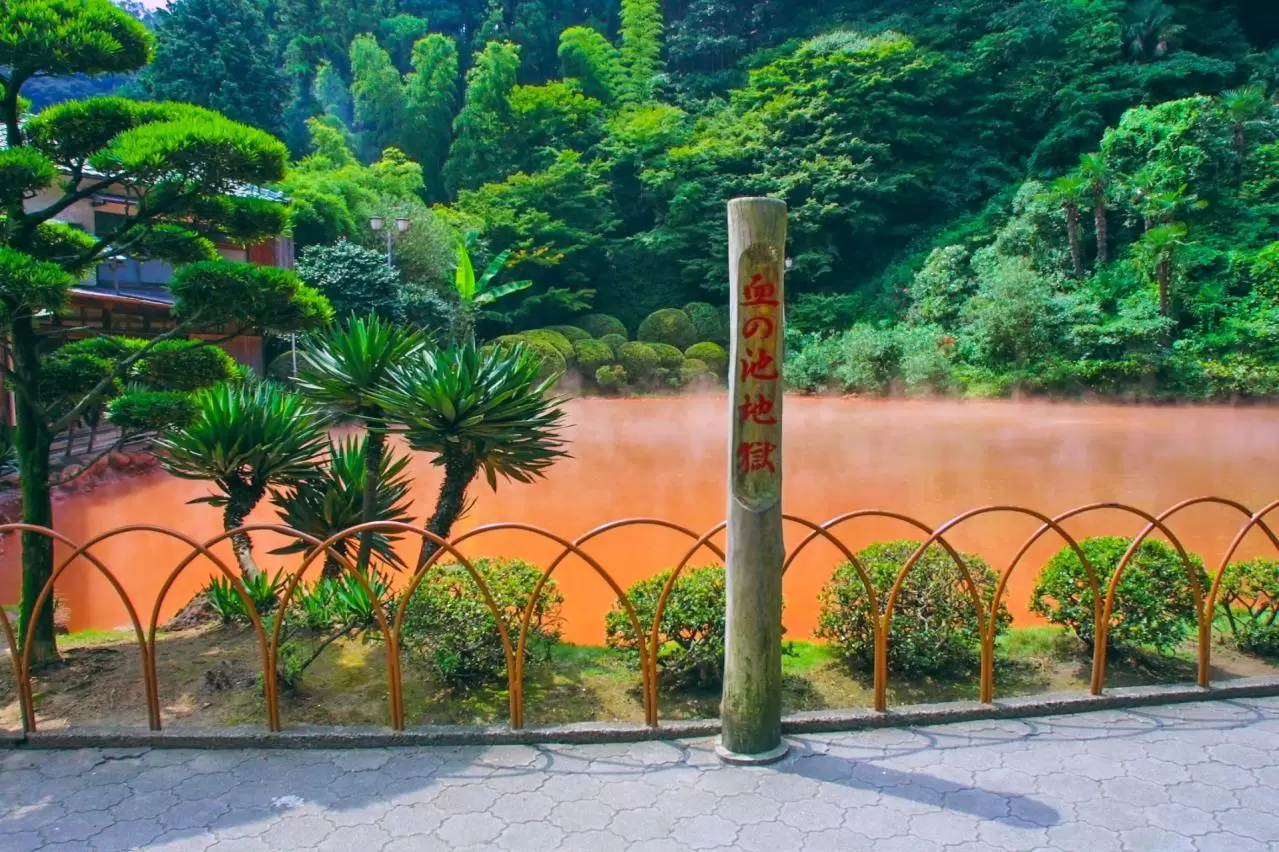
Located in the Kamegawa district, a short distance from the Kannawa district, Chinoike Jigoku is considered Japan’s oldest natural hell, with reddish-brown thermal mud spread across its surface. It was known in ancient times and is described as “Akayusen” in the *Bungo Province Topography*. The pool is stained red by high-temperature acidic mud containing iron oxide and other substances, and even the steam may sometimes appear reddish. The spring temperature is approximately 78°C.
The scene created by the fiery red pool and white steam, together with the blue Umi Jigoku, symbolizes the Beppu Hells Tour. The red clay produced at Chinoike Jigoku has been used since ancient times, and a product known as “Chinoike Ointment,” made from this clay, remains well known today. The grounds include viewpoints from which the pool can be seen from above, as well as a footbath and shops, allowing visitors to observe the red hell from different perspectives. The way the color appears changes depending on the weather, the angle of the sunlight, and the amount of steam, so the site can leave a different impression depending on the time of day.
Tatsumaki Jigoku, located near Chinoike Jigoku, is a geyser designated a Natural Monument by Beppu City. At regular intervals, it powerfully shoots high-temperature water and steam into the air. Its temperature is approximately 105°C including the steam, while the underground hot water is believed to reach approximately 150°C. Compared with geysers around the world, it is known for its relatively short intervals between eruptions, allowing visitors to sense up close the tremendous heat and pressure stored underground.
For safety, a roof has been installed above the vent, but the geyser is officially said to have the power to shoot as high as approximately 30 meters. Since visitors may have to wait for an eruption, checking the sign and lamp at the entrance can help them plan their visit efficiently. When the red lamp above the entrance sign is lit, it indicates that an eruption is taking place or is about to occur. The sudden eruption of boiling water and steam from an apparently quiet state is spectacular, allowing visitors to experience the energy stored deep within the earth.
The seven hells are broadly divided between two areas. Umi Jigoku, Oniishibozu Jigoku, Kamado Jigoku, Oniyama Jigoku, and Shiraike Jigoku are located in the Kannawa district and are relatively close together, making them convenient to visit on foot. Chinoike Jigoku and Tatsumaki Jigoku, on the other hand, are located in the Kamegawa district, some distance from Kannawa. Those wishing to visit all seven will therefore find it convenient to use a local bus, car, or taxi.
Regular sightseeing buses that visit the seven hells are also available, but operating days, departure times, and routes may change, so visitors should check in advance. A combination ticket allowing entry to multiple hells is also available, but prices and conditions of use may change. Checking the latest official information is recommended.
A complete tour of the seven hells generally takes approximately two and a half to three and a half hours, including travel and sightseeing, depending on transportation and crowd levels. More time will be needed if visitors wait for an eruption at Tatsumaki Jigoku or take time to observe each site carefully. Those who also wish to enjoy footbaths, shops, and a stroll through the streets of Kannawa Onsen should set aside at least half a day for a more relaxed visit.
The Hells Tour offers more than beautiful scenery; visitors can experience it with all five senses through sounds, smells, and heat. The sound of rising steam, the popping of thermal mud, the distinctive scent of hot springs, and the heat drifting through the air are attractions that cannot be fully conveyed through photographs alone. Umi Jigoku, Chinoike Jigoku, Oniishibozu Jigoku, and Kamado Jigoku all have footbaths, allowing visitors to rest their feet during the tour while experiencing the benefits of the hot-spring waters. Since the availability and use of towels vary by facility, bringing a towel in advance is convenient.
In Kannawa Onsen, visitors can also enjoy *jigoku-mushi*, a traditional cooking method in which vegetables, meat, fish, eggs, and other ingredients are steamed using high-temperature volcanic steam. This method brings out the natural flavors of the ingredients and symbolizes Beppu’s culture of using hot-spring energy in everyday life. Facilities and shops offering hell-steamed cuisine can be found not only within the grounds of the seven hells but also around Kannawa Onsen. Enjoying this cuisine during or after the Hells Tour allows visitors to experience both hot springs as a visual spectacle and hot-spring culture as food.
The pools and vents at each hell are extremely hot, with temperatures reaching nearly 100°C in some places. Since these are not hot springs for bathing, it is important to follow on-site instructions and remain on designated walkways and outside safety barriers. Families with children should take particular care to prevent them from approaching the steam and boiling water too closely.
The Beppu Hells Tour is more than a sightseeing course featuring vividly colored hot-spring landscapes. It is also an opportunity to learn about Beppu’s volcanic activity, hot-spring culture, use of geothermal energy, and more than a thousand years of local history. Each of the seven hells has its own appeal, from the refreshing blue pool and fiery red thermal mud to the erupting geyser and constantly bubbling gray mud. When visiting Beppu Onsen, travelers should not only bathe in the hot springs but also experience up close the power of the earth that creates this abundant hot-spring region.
Oita Tourist Attractions
View List
Kyushu Natural Animal Park African Safari
Kyushu Natural Animal Park African Safari is the only safari park in Kyushu, spread across a vast grassland of 1.15 million square meters. Here, wildlife lives freel...
Takasaki Mountain Natural Zoo
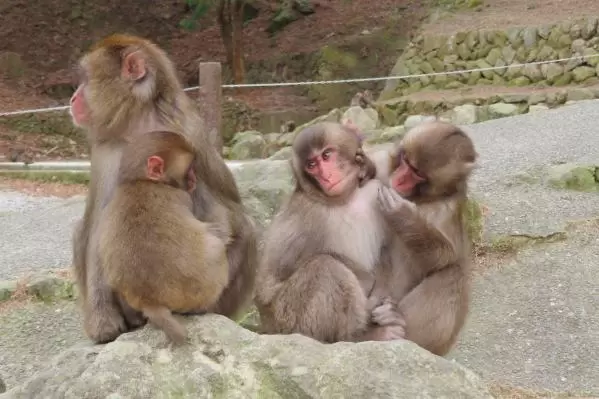
Located at the foot of Mount Takasaki, which stands at an elevation of 628 meters between Oita City and Beppu City, Takasaki Monkey Park is one of Japan's premier na...
Kokono'e "Yume" Ootsurihashi
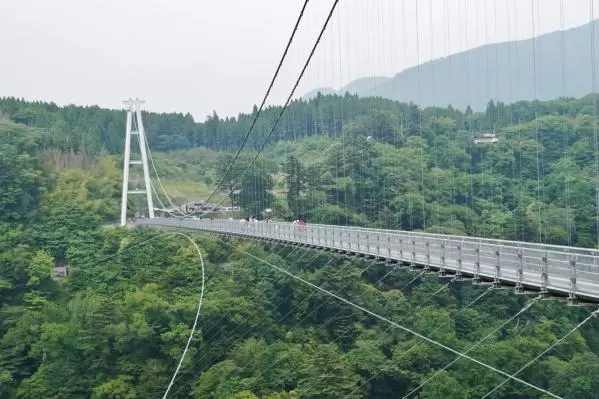
The Kuju "Dream" Suspension Bridge, located in Kuju Town, Oita Prefecture, boasts the highest walkway-only suspension bridge in Japan. With an elevation of 777 meter...
Usajingu Shrine
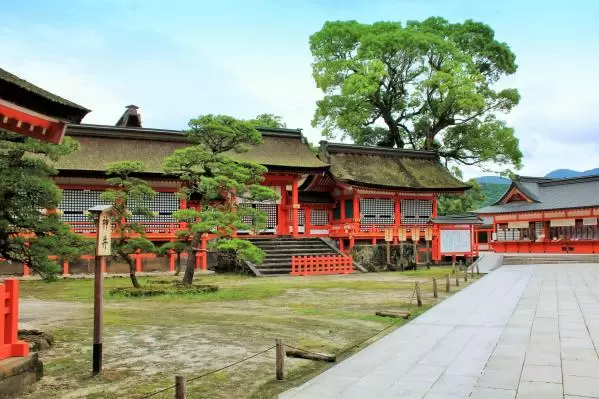
Usa Jingu is a famous shrine recognized as the head shrine of the approximately 40,000 Hachiman shrines across Japan. It was founded in 725 when the main hall dedica...
Kijima Kogen Park
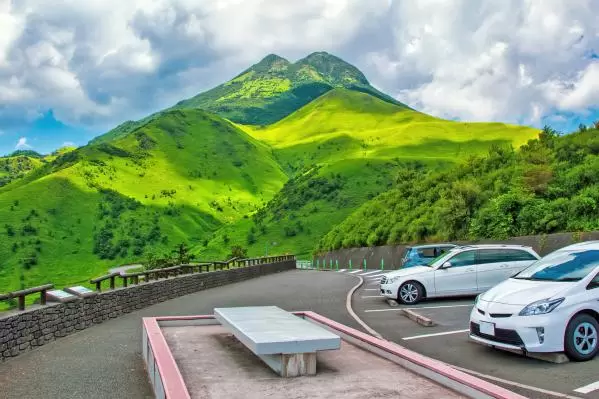
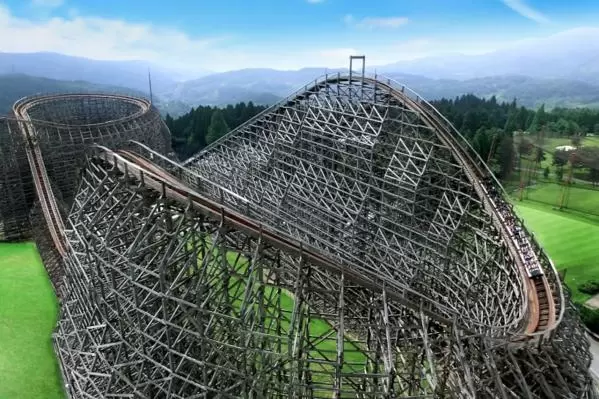
Joujima Kogen Park is a resort spot located near the boundary of Beppu City and Yufu City in Oita Prefecture. It features Japan's first wooden roller coaster, "Jupit...
Oita Marine Palace Aquarium "Umitemago"
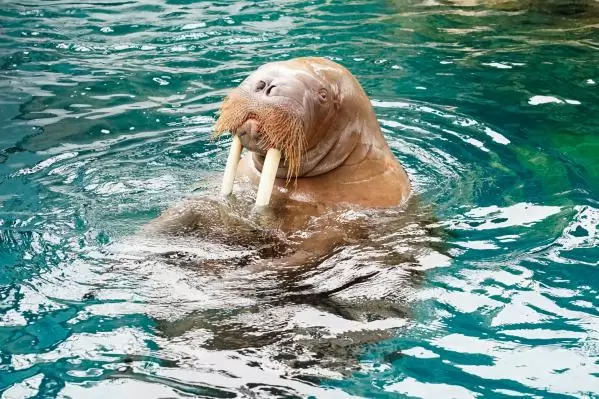
Oita Marine Palace Aquarium "Umitamago," located midway between Oita City and Beppu City, is a modern aquarium set against the stunning backdrop of Beppu Bay. The tw...