Takasaki Mountain Natural Zoo
Takasaki Mountain Natural Zoo Movies


Basic Information
- Spot Name
- Takasaki Mountain Natural Zoo
- Location
- 〒870-0802 3098-1 Kanazaki, Oita City, Oita Prefecture, Japan
- Access
- About 25 minutes by car from Oita Station on the JR Nippo Main Line.
About 25 minutes by car from Beppu IC on the Oita Expressway. - Parking
- Available
- Business Hours
- 9:00 AM to 5:00 PM (Last admission at 4:30 PM)
- Fees
- Adults (high school students and above) 520 yen, children 260 yen. *Free for children under elementary school age.
- Contact Information
- Phone Number:097-532-5010
- Official Website
Map
Detailed Information
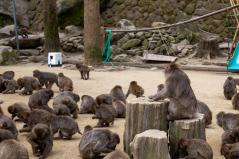
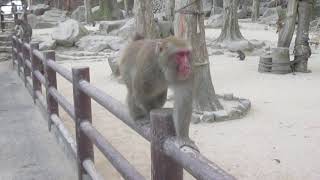
Takasakiyama Natural Zoological Garden is a nature zoo located at the foot of 628-meter-high Mount Takasaki, on the western edge of Oita City near the border with Beppu City. It stands along the Beppudaikoku National Route 10 facing Beppu Bay, with the Oita Marine Palace Aquarium “Umitamago” across the road. Unlike a conventional zoo, where animals are displayed in enclosures or cages, its greatest appeal is the opportunity to observe wild Japanese macaques living on Mount Takasaki as they come down from the mountain to the “Monkey Gathering Place” just a short distance away.
Mount Takasaki belongs to Oita City and covers approximately 330 hectares. Its bell-shaped slopes are covered with natural forests of trees such as mukunoki and camphor. Despite its proximity to an urban area, the mountain retains a rich natural environment. The Mount Takasaki area is part of the Setonaikai National Park and has been designated as a Special Protection Zone, where the natural environment is strictly conserved.
The Japanese macaques of Mount Takasaki and their habitat were designated a National Natural Monument on November 14, 1953, as a precious example of wildlife and a natural environment in which wild Japanese macaques live near an urban area. The protection afforded by this designation applies not only to the monkeys but also to their habitat, including the forests that support their lives. The fact that a large troop of Japanese macaques maintains a natural social life on a mountain so close to human settlements is also of great academic value.
Records of the monkeys of Mount Takasaki date back a long way. Their presence is mentioned in the Edo-period document *Hofu Kikisho*, written around 1698. However, the monkeys often appeared on nearby farmland and caused damage by eating crops. In 1952, Oita City Mayor Tamotsu Ueda began an initiative to gather the monkeys in one location, thereby reducing agricultural damage while also making use of them as a tourism resource.
At first, apples were prepared and conch shells were blown in an attempt to attract the monkeys, but the effort was not very successful. Later, following a suggestion from Reverend Onishi of the Manjuji Temple Annex at the foot of Mount Takasaki, the food was changed to sweet potatoes. The wary monkeys gradually began eating them. This successful feeding program led to the opening of Takasakiyama Natural Zoological Garden in March 1953.
When the zoo first opened, the troop appearing at the Monkey Gathering Place was Troop A, consisting of approximately 220 monkeys. As the population grew, Troop A split in August 1959, giving rise to Troop B. Then, in March 1964, Troop A split again, creating Troop C. For some time, all three troops—A, B, and C—appeared at the gathering place, but Troop A was last seen on June 1, 2002. Today, visitors can mainly observe Troops B and C.
The number of monkeys on Mount Takasaki changes every year due to births, deaths, and individuals leaving their troops. The population was once described as approximately 1,000 or 900 monkeys. However, according to a population survey released by Oita City for fiscal 2025, 514 monkeys in Troop B and 246 in Troop C appeared at the gathering place, for a total of 760 confirmed monkeys. Since they are wild animals, their population may continue to fluctuate.
Troop C generally tends to appear at the gathering place in the morning, while Troop B usually appears in the afternoon. However, the monkeys are not kept or managed by people; they live freely on Mount Takasaki as wild animals. Therefore, they do not always appear at a fixed time and may temporarily disappear from the gathering place. It is advisable to check the official website for the day’s sighting status before visiting.
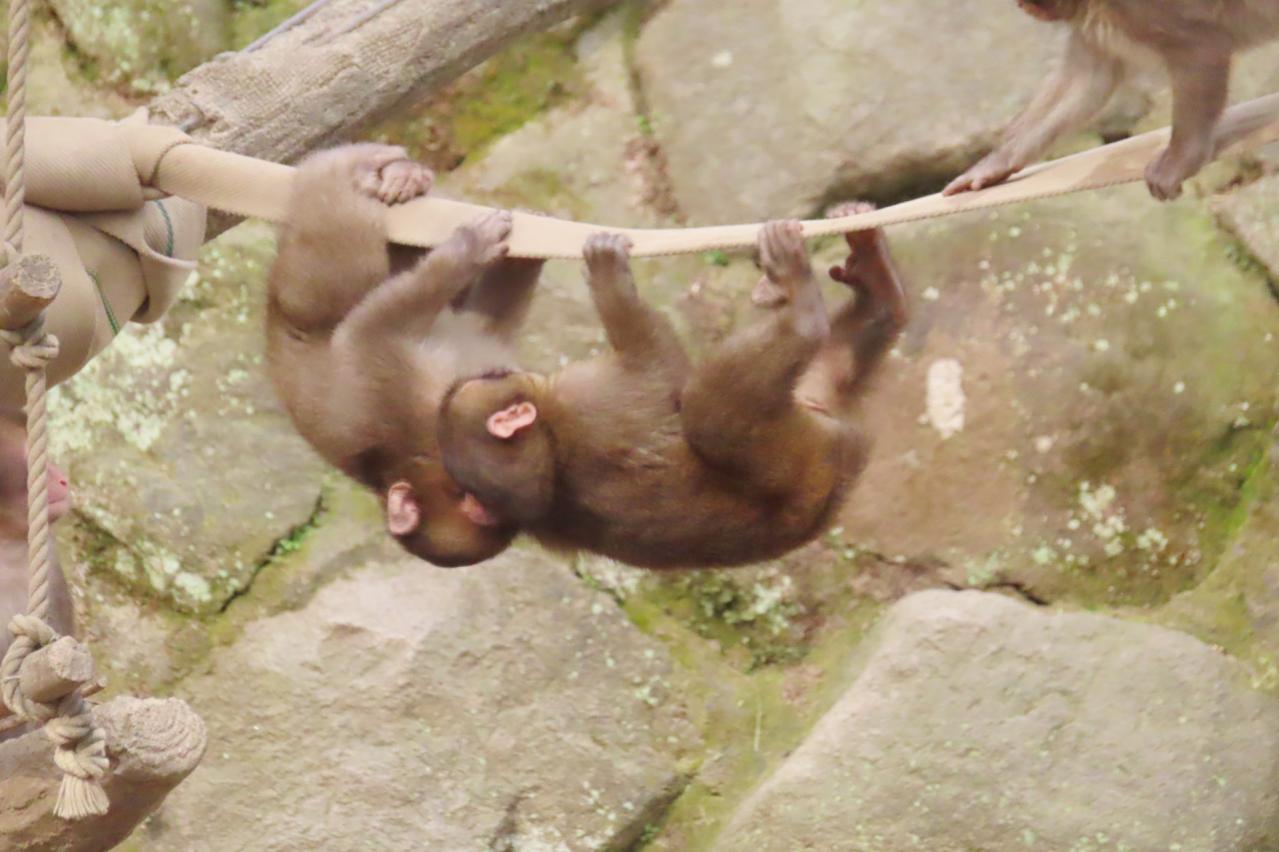
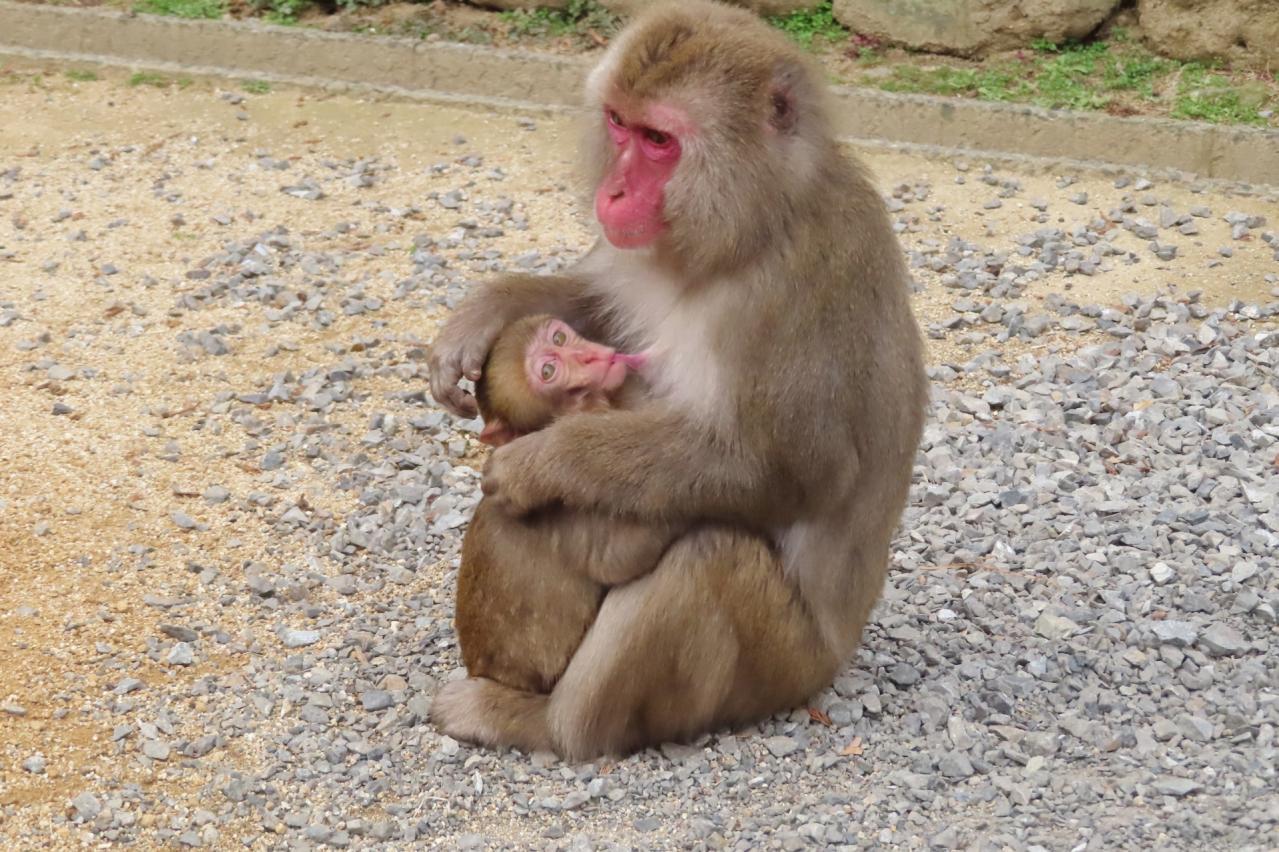
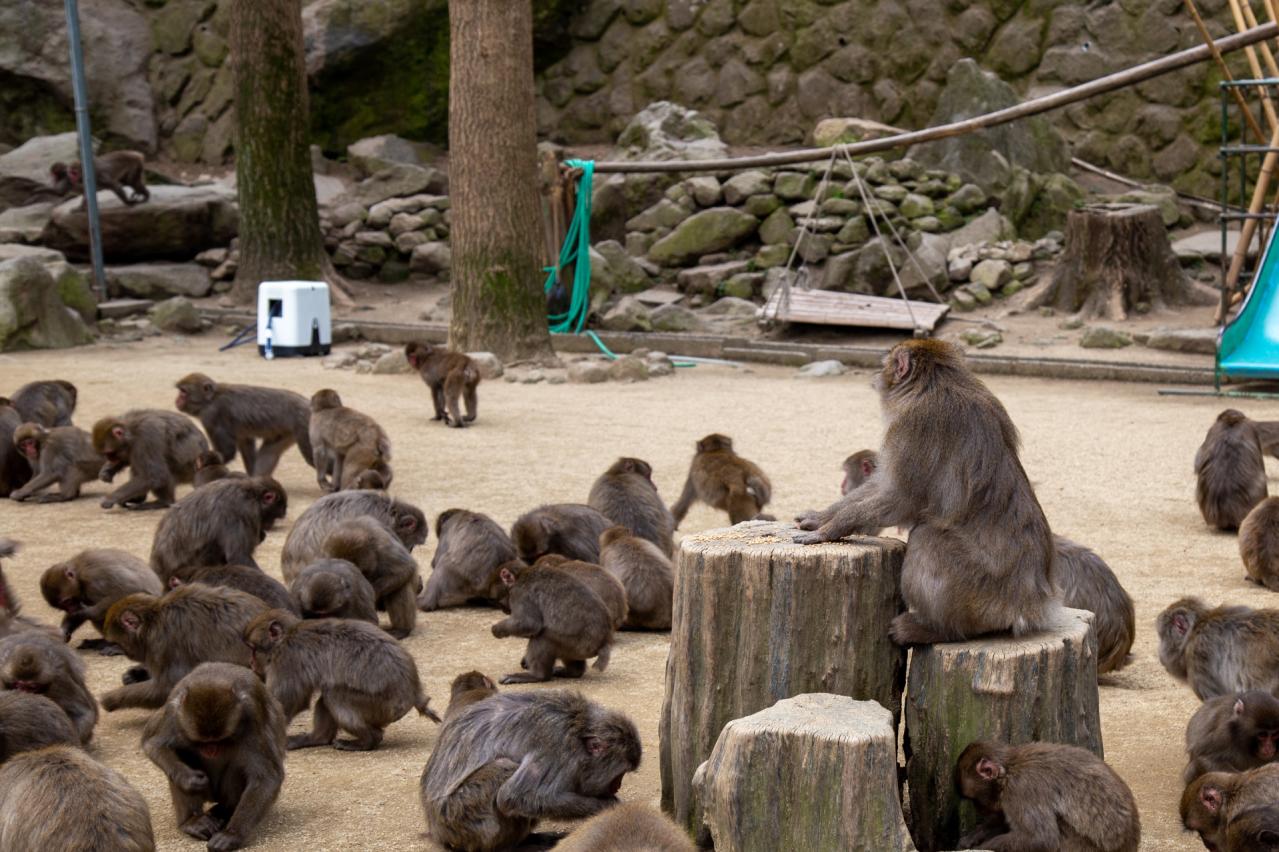
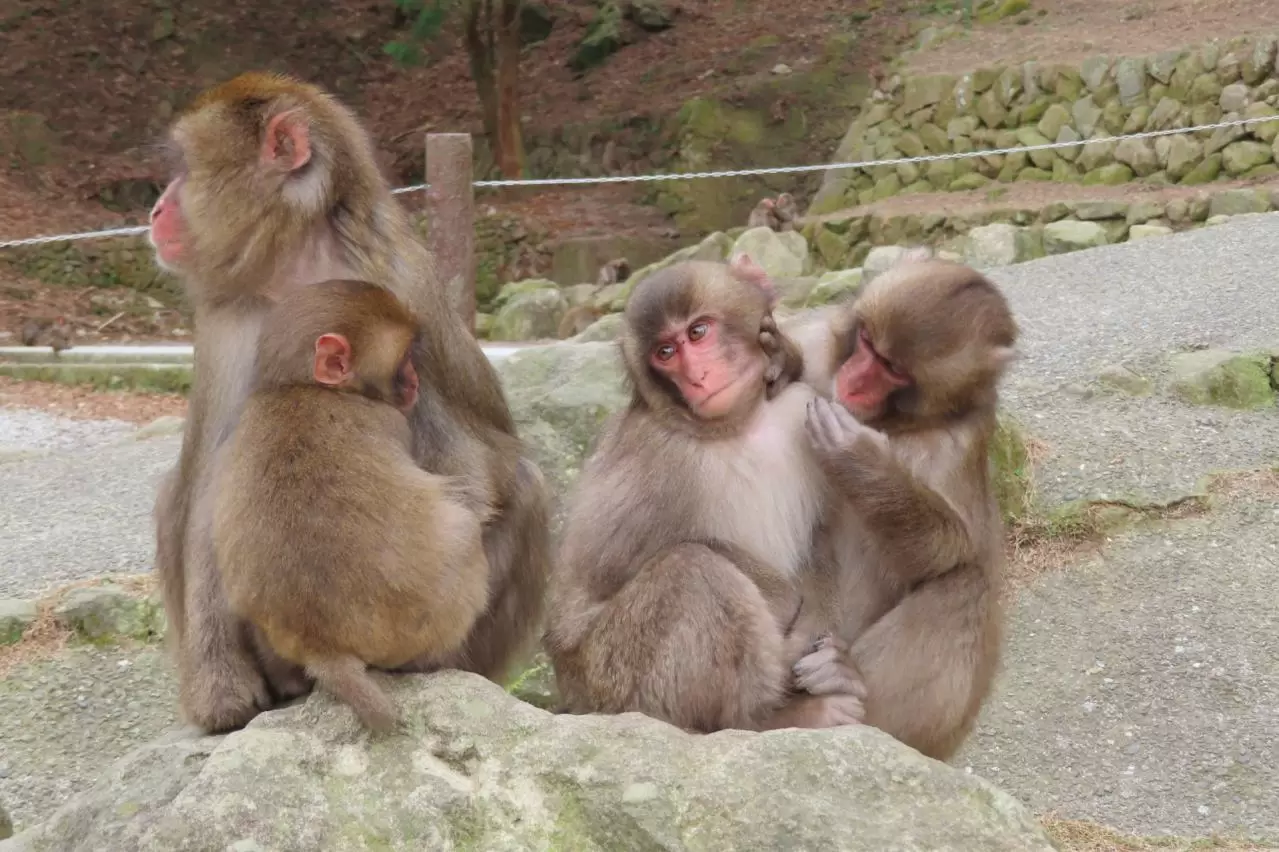
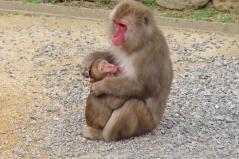
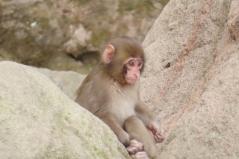
At the Monkey Gathering Place, visitors can watch Japanese macaques walk right in front of them, sit on the ground grooming one another, or snuggle together with their young. Because there are no cages separating people from the monkeys, the close distance can be surprising. Visitors may also see curious young monkeys chasing one another or relaxing in sunny spots—behaviors that can be observed precisely because the monkeys live in an environment close to nature.
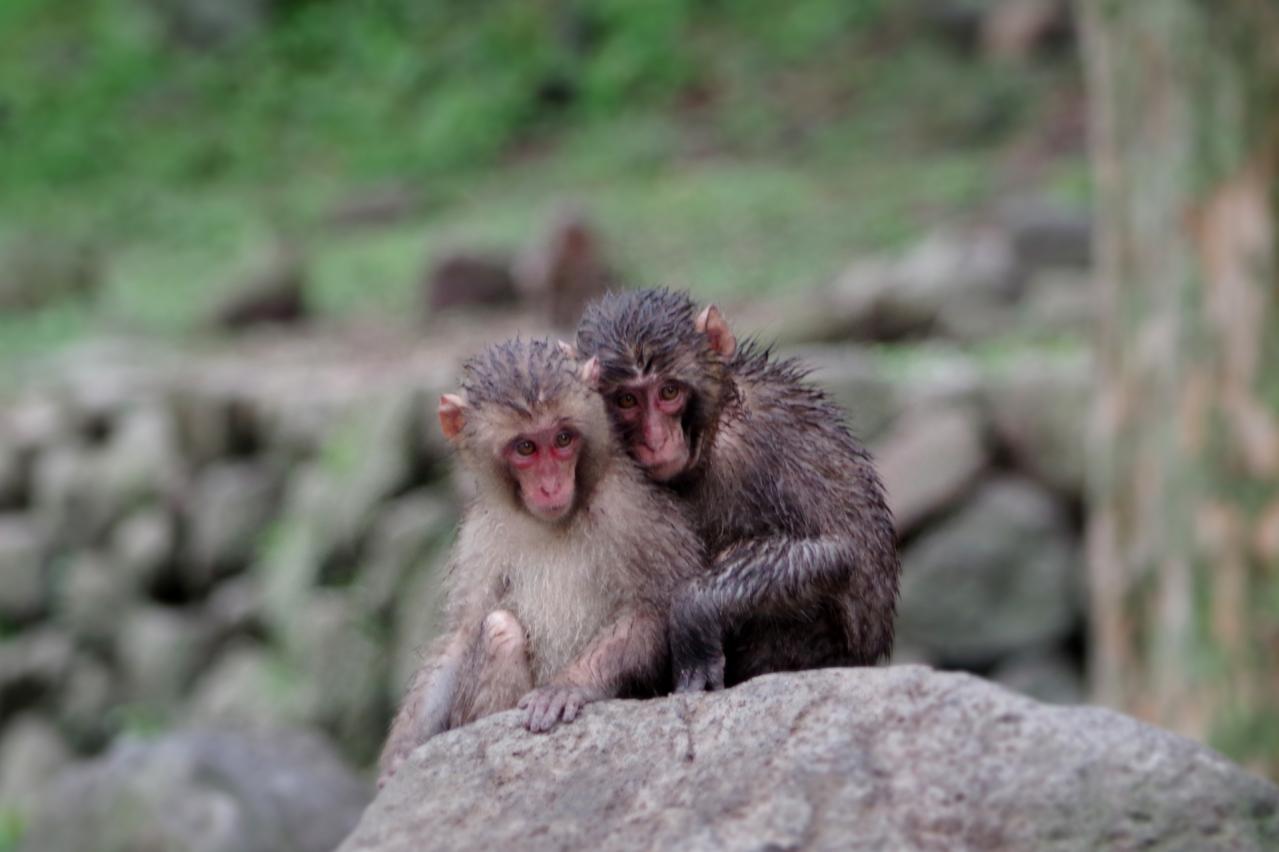
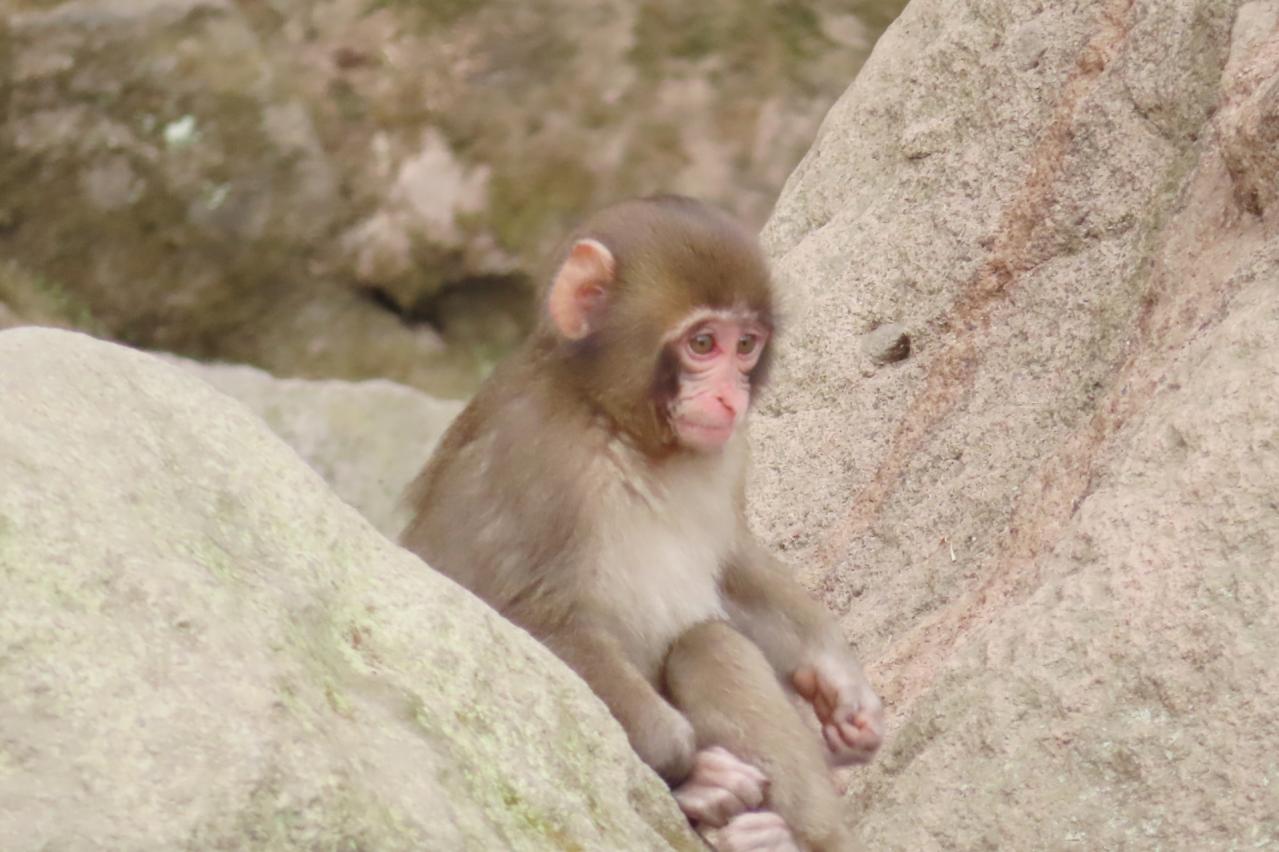
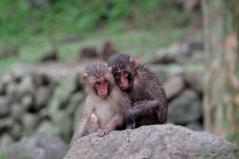
On cold winter days, visitors may see “monkey dumplings,” in which the monkeys huddle together to keep warm. From spring through summer, baby monkeys are born, and visitors are especially drawn to the sight of tiny infants clinging to their mothers’ bellies or slightly older youngsters beginning to play. However, monkey behavior is affected by the temperature, weather, and condition of the troops, so the same scenes cannot be guaranteed every time.
Grooming is not merely a way for the monkeys to keep clean. It is also an important form of communication that helps ease tension between troop members and reaffirm bonds between parents and offspring or between close companions. By observing the distances between monkeys, where they sit, and the order in which they take food, visitors can gain insight into the complex social relationships and hierarchy within the troops.
Throughout the grounds, staff use microphones to provide easy-to-understand explanations of Japanese macaque ecology and behavior, troop hierarchies, and events that have occurred that day. Staff members can distinguish many of the monkeys by their faces, body shapes, fur colors, and mannerisms, and introduce their names, personalities, and family relationships. Observing the monkeys while listening to these explanations reveals that each individual has a different personality and background, making the animals feel more familiar and approachable.
One of the major highlights is the regular feeding. Wheat is generally scattered every 30 minutes, at the top and bottom of each hour. When staff scatter the wheat, many monkeys gather from the surrounding area, sometimes rushing energetically past visitors’ feet. Watching them skillfully pick up the tiny grains and quickly carry them to their mouths demonstrates both their speed and their dexterity.
Sweet potatoes are also usually provided twice a day. The sight of the monkeys all racing at once to obtain the limited number of potatoes is known as the “sweet potato scramble.” Watching monkeys that had been relaxing peacefully suddenly spring into action is an impressive spectacle and one of Mount Takasaki’s signature attractions. However, sweet potato feeding may be held only once a day depending on the season, and the time and frequency may change according to the movements of the troops and the conditions on the day.
When observing the monkeys, visitors must remember that they are wild animals and follow the zoo’s rules. Do not touch the monkeys, stare directly into their eyes, or approach them suddenly. Making loud noises near the monkeys or teasing them is also dangerous. In particular, prolonged eye contact may be interpreted as hostility and could provoke a threatening response.
Food may not be brought into the zoo. Feeding the monkeys snacks, fruit, juice, or other human food is also prohibited. Human food can negatively affect the monkeys’ health and may encourage them to beg people for food. Even when visitors spot a baby monkey, they should not approach too closely. It is important to quietly observe the mother and infant while following the staff’s instructions.
The grounds also feature several fun spots associated with good luck. It is said that couples will enjoy a harmonious relationship if they offer a coin and rub the head of the “Monkey Statue.” A rock formation in the natural surroundings of Mount Takasaki that resembles the profile of a monkey is known as “Saru Iwaishi,” or “Monkey Rock.” According to local lore, finding it will bring happiness.
Particularly popular is the “Monkey Leg Tunnel.” Visitors stand with their legs apart, and it is said that good fortune will come if a monkey naturally passes between them. The more monkeys that pass through, the greater the supposed benefit. The experience is easiest during wheat feeding, when the monkeys move all at once.
Anyone wishing to try the leg tunnel should line up along the fence as instructed by the staff and quietly wait for a monkey to pass between their legs on its own. Visitors must not chase the monkeys, touch them, or force them to change direction. It is important to enjoy the experience while respecting the behavior of these wild animals.
It takes approximately six minutes to walk from the entrance to the Monkey Gathering Place along a tree-lined path. As visitors follow the gently sloping mountain trail, they can enjoy seasonal plants and views of Beppu Bay. Each season offers a different aspect of nature: cherry blossoms and fresh greenery in spring, deep green foliage in summer, colorful leaves in autumn, and crisp, clear air in winter.
For people who find it difficult to walk uphill, the charming monorail known as the “Sarukko Rail” is a convenient option. It connects the area near the entrance with the Monkey Gathering Place, allowing passengers to sit and enjoy seasonal flowers and views of Beppu Bay along the way. Visitors using wheelchairs or strollers should check with the local staff regarding boarding procedures. The zoo also offers free rentals of electric-assist wheelchairs, but reservations are not available, and one may not be available depending on the number of units and current usage.
Because Takasakiyama Natural Zoological Garden is adjacent to “Umitamago,” combining the two facilities makes for an enjoyable sightseeing experience. After observing fish from the Bungo Channel, dolphins, walruses, and other animals at the aquarium, visitors can encounter wild Japanese macaques at Mount Takasaki and enjoy the wildlife of Oita’s sea and mountains in a single day. The facilities share a parking lot, and visitors can also reach them by local bus from Oita Station or Beppu Station.
Takasakiyama Natural Zoological Garden is a place where visitors can not only see wild Japanese macaques up close but also learn about troop society, the bonds between parents and offspring, relationships among companions, and seasonal changes in behavior. Because the monkeys live freely on Mount Takasaki, their numbers and activities vary depending on the day and time of each visit. This unpredictability is precisely what makes Mount Takasaki so special. Amidst rich nature and views of Beppu Bay, visitors can take their time observing the lives of these distinctive monkeys, making this one of Oita Prefecture’s leading nature tourism attractions.
Oita Tourist Attractions
View List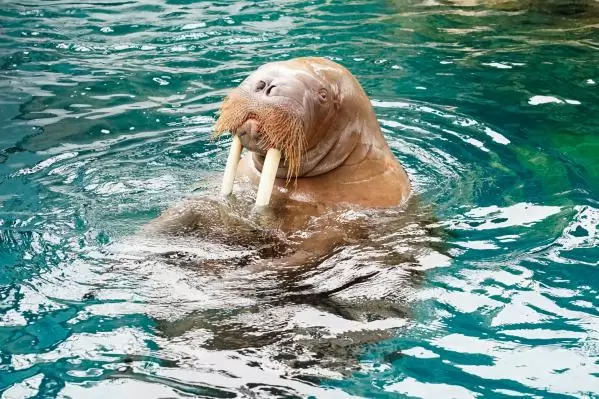
Oita Marine Palace Aquarium "Umitemago"
Oita Marine Palace Aquarium "Umitamago," located midway between Oita City and Beppu City, is a modern aquarium set against the stunning backdrop of Beppu Bay. The tw...
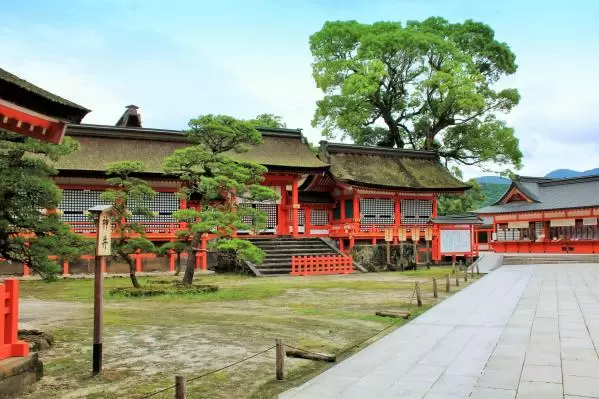
Usajingu Shrine
Usa Jingu is a famous shrine recognized as the head shrine of the approximately 40,000 Hachiman shrines across Japan. It was founded in 725 when the main hall dedica...
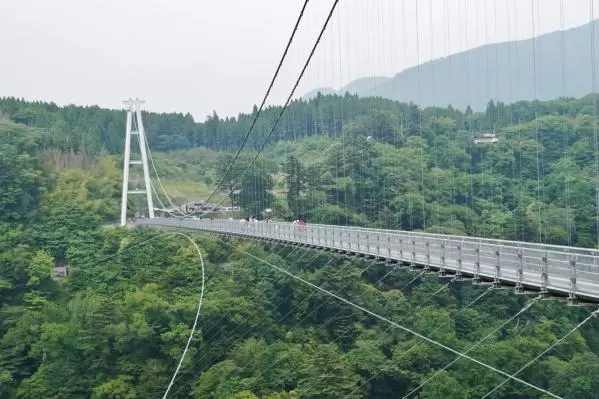
Kokono'e "Yume" Ootsurihashi
The Kuju "Dream" Suspension Bridge, located in Kuju Town, Oita Prefecture, boasts the highest walkway-only suspension bridge in Japan. With an elevation of 777 meter...
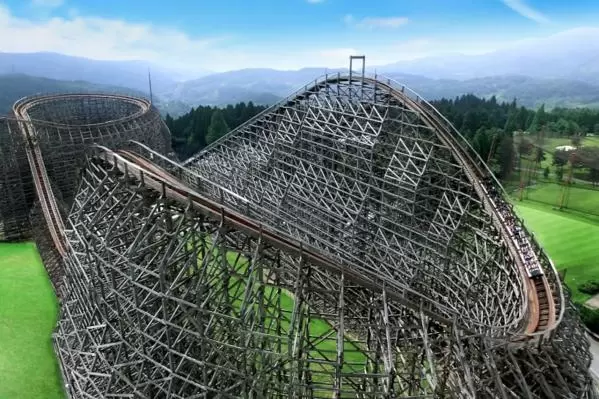
Kijima Kogen Park
Joujima Kogen Park is a resort spot located near the boundary of Beppu City and Yufu City in Oita Prefecture. It features Japan's first wooden roller coaster, "Jupit...
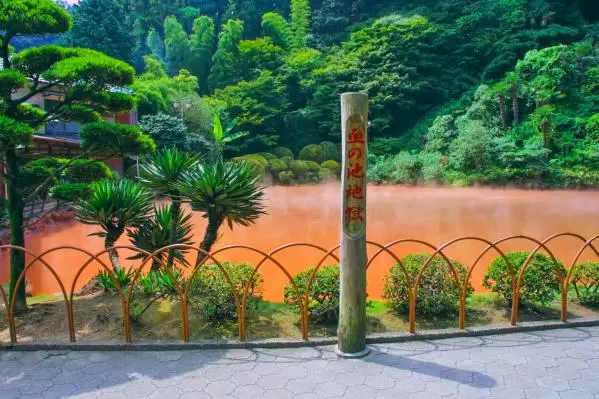
Beppu Jigoku Meguri (Hell Tour)
Beppu Jigoku Meguri is an attractive spot where visitors can closely observe the natural hot springs in Beppu Onsen, Oita Prefecture. Here, hot water and steaming mu...
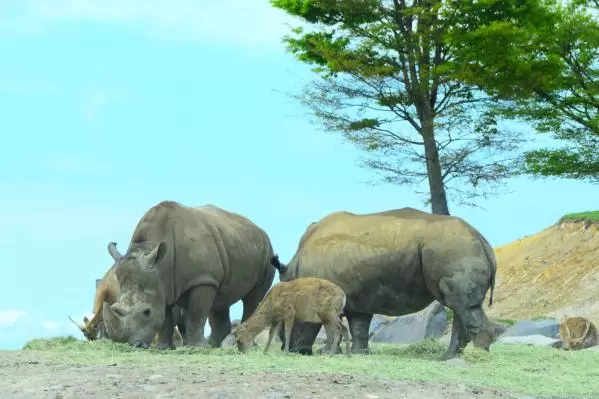
Kyushu Natural Animal Park African Safari
Kyushu Natural Animal Park African Safari is the only safari park in Kyushu, spread across a vast grassland of 1.15 million square meters. Here, wildlife lives freel...