Usajingu Shrine
Usajingu Shrine Movies


Basic Information
- Spot Name
- Usajingu Shrine
- Location
- 〒872-0102 2859 Minamiusa, Usa City, Oita Prefecture, Japan
- Access
- From Usa Station on the JR Nippo Main Line, take the Oita Kotsu Bus bound for Nakatsu for 9 minutes and get off at Usa Hachiman. It is a short walk from there. Approximately 15 minutes by car from Usa IC.
- Parking
- 500 spaces
- Business Hours
- 5:30 AM to 9:00 PM (closing time; from October to March, it is from 6:00 AM)
- Regular Holiday
- None
- Contact Information
- Phone Number:0978-37-0001
- Official Website
Map
Detailed Information
Usa Jingu, located in Minami-Usa, Usa City, Oita Prefecture, is the head shrine of all Hachiman shrines in Japan. Of the approximately 110,000 shrines across the country, around 40,600 are said to enshrine Hachiman Okami, making them the most numerous type of shrine. As the center of Hachiman worship, Usa Jingu has a history spanning approximately 1,300 years and has long been revered by the Imperial Family as the “Second Imperial Mausoleum,” next in importance to the Grand Shrines of Ise. Even today, it is one of Oita Prefecture’s most representative shrines, attracting many worshippers from throughout Japan.
According to the shrine’s traditional accounts, in 571, during the reign of Emperor Kinmei, the divine spirit of Emperor Ojin is said to have first appeared in the Usa area as Hachiman Okami. Later, in 725, a sanctuary was built on the present-day Mount Ogura, and Hachiman Okami was enshrined in the First Sanctuary. This is regarded as the founding of Usa Jingu. In 2025, the shrine marked the major milestone of 1,300 years since the enshrinement of Hachiman Okami, and various commemorative ceremonies were held alongside the Imperial Festival, which takes place once every ten years.
At the Upper Shrine, three deities are enshrined: Hachiman Okami, Hime Okami, and Empress Jingu. Hachiman Okami in the First Sanctuary is the divine spirit of Emperor Ojin, the 15th emperor of Japan. Emperor Ojin is traditionally known as a ruler who introduced continental culture and industries and promoted the development of a new nation. Hachiman Okami is worshipped for a wide range of divine blessings, including protection from misfortune, good fortune, household safety, traffic safety, victory, and the fulfillment of prayers.
The Second Sanctuary enshrines Hime Okami. At Usa Jingu, Hime Okami is a collective name for three goddesses: Tagitsuhime-no-Mikoto, Ichikishimahime-no-Mikoto, and T akirihime-no-Mikoto. Revered as the tutelary deity of the land who protected the Usa area even before the appearance of Hachiman Okami, Hime Okami was enshrined in the Second Sanctuary in 733 following a divine oracle.
The history of Usa Jingu explains that the descent of Hime Okami to Usa Island in the age of the gods is recorded in the *Nihon Shoki*. Like the Kinai region and Izumo, the Usa area is considered to have developed at an early date and to have cultivated its own distinctive religious traditions.
The Third Sanctuary enshrines Empress Jingu, the mother of Emperor Ojin. The Third Sanctuary was established in 823 following a divine oracle. As a mother goddess, Empress Jingu is worshipped as a guardian of safe childbirth, child-rearing, and education. At Usa Jingu, Hachiman Okami, Hime Okami, and Empress Jingu are enshrined in three separate sanctuaries and are deeply revered for their divine power as the “Three Sanctuaries, One Virtue.”
An essential part of the history of Usa Jingu is its connection with the construction of the Great Buddha at Todai-ji Temple during the Nara period. When Emperor Shomu ordered the Great Buddha to be built at Todai-ji in Nara, Hachiman Okami is said to have issued a divine oracle promising to assist with its construction. This event was also highly significant in the development of the belief that Hachiman was a deity protecting Buddhism and in the growth of shinbutsu-shugo, the syncretism of Shinto and Buddhism.
Usa Jingu is also known as a shrine that played a major role in the development of Shinto-Buddhist syncretism. In the past, Miroku-ji Temple, a jingū-ji or temple associated with the shrine, stood within the grounds, and religious practices and rituals combining the shrine and temple continued for many years. Although many Buddhist structures disappeared following the separation of Shinto and Buddhism during the Meiji period, this history is still conveyed through religious ceremonies, cultural properties, and historic sites in the surrounding area.
Usa Jingu is also known for the Usa Hachiman Shrine Oracle Incident of 769. Wake no Kiyomaro was dispatched to Usa to verify the authenticity of an oracle stating that peace would prevail throughout the realm if the Buddhist monk Dōkyō were made emperor. Wake no Kiyomaro is said to have returned with an oracle rejecting Dōkyō’s succession to the throne and declaring that the imperial throne should be inherited by a member of the imperial lineage. This event remains in history as an important incident concerning the succession to Japan’s imperial throne and the nature of the nation.
Today, Usa Jingu is one of the imperial festival shrines, known as *chokusai-sha*, to which an imperial envoy is dispatched. There are 16 such shrines throughout Japan, and in Kyushu, only Usa Jingu and Kashii-gu Shrine in Fukuoka Prefecture belong to this group. The Grand Shrines of Ise are treated as being in a special category apart from these 16 shrines.
Once every ten years, Usa Jingu holds a temporary offering ceremony of imperial gifts, known as the Imperial Festival, during which an imperial envoy presents offerings from the emperor. On October 6, 2025, the 258th Temporary Offering Ceremony was solemnly conducted, coinciding with the 1,300th anniversary of the enshrinement of Hachiman Okami.
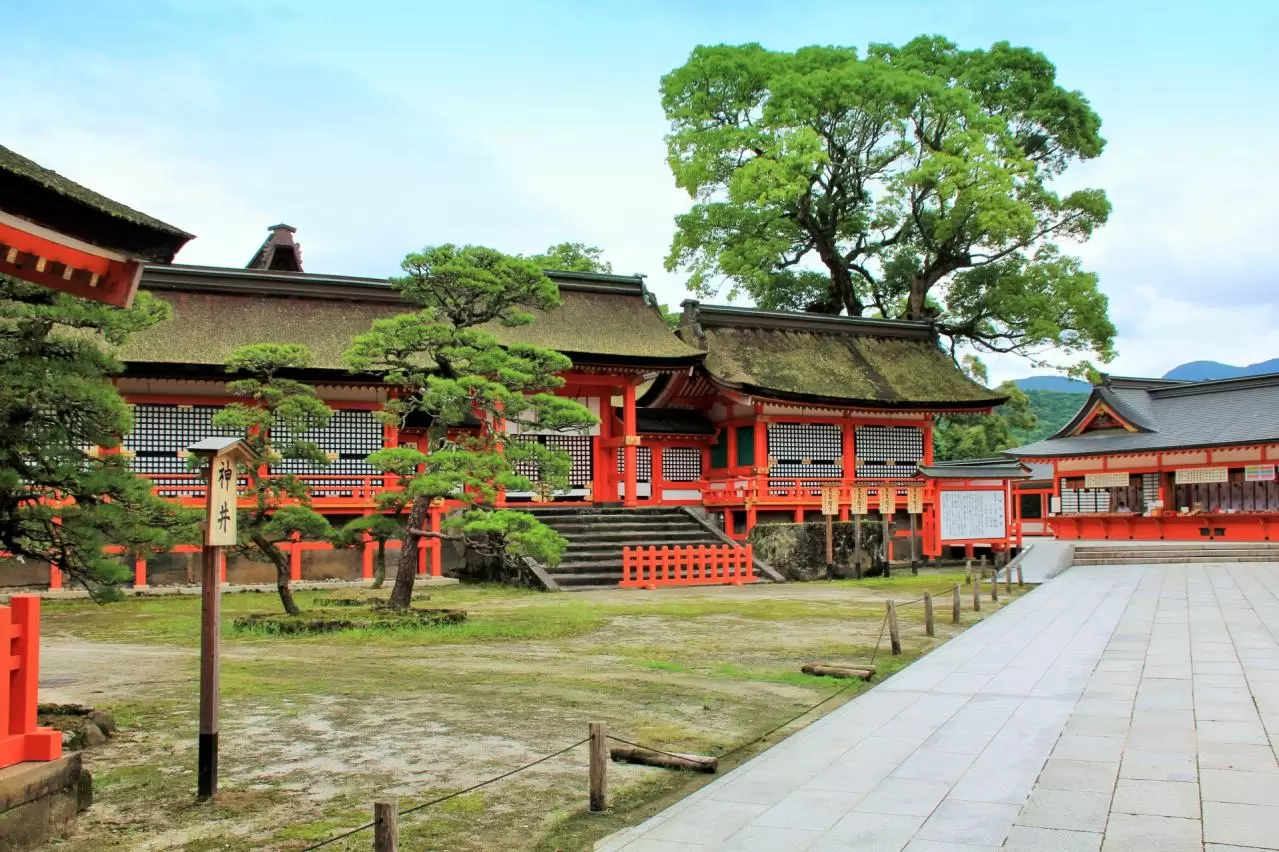
The Upper Shrine, the central area of the shrine grounds, contains three main sanctuary buildings arranged in a row. The present sanctuaries were constructed between 1855 and 1861, at the end of the Edo period, and all three buildings—from the First to the Third Sanctuary—are designated as National Treasures. Their vivid vermilion pillars, white walls, and cypress-bark roofs stand out against the deep green of the surrounding forest, creating a solemn appearance befitting the head shrine of all Hachiman shrines.
The architectural style of the main sanctuaries is called “Hachiman-zukuri.” It has a distinctive structure in which an inner sanctuary and an outer sanctuary, both built in the gabled-roof style, are arranged one behind the other and connected by a section called the *tsukuriaい*. A large gutter is installed in the valley of the roof between the inner and outer sanctuaries. According to tradition, the deity stays in the outer sanctuary at the front during the day and in the inner sanctuary at the rear at night. The main sanctuaries of Usa Jingu are exceptionally valuable in architectural history as classic examples of Hachiman-zukuri that preserve an ancient form.
Normally, the National Treasure sanctuaries cannot be viewed in their entirety from close range because they stand inside the cloisters and the Southern Central Tower Gate. Worshippers pay their respects from in front of the vividly vermilion Southern Central Tower Gate, visiting the First, Second, and Third Sanctuaries in that order. When special viewing opportunities are offered, visitors may sometimes view the main sanctuaries from areas that are ordinarily closed to the public, but the dates and conditions vary and should be checked in advance.
The customary form of worship at Usa Jingu differs from the usual Shinto practice of “two bows, two claps, and one bow.” Here, visitors perform “two bows, four claps, and one bow.” They bow deeply twice before the deity, clap their hands four times at chest height, offer their prayer, and then bow deeply once more. At Usa Jingu, not only worshippers but also the priests serving at ceremonies follow the four-clap ritual. Although no historical document clearly identifies the origin of this practice, it has been handed down to the present day as an ancient custom.
After visiting the Upper Shrine, it has long been customary to visit the Lower Shrine as well. Built in 824, the Lower Shrine enshrines the same three deities as the Upper Shrine: Hachiman Okami, Hime Okami, and Empress Jingu. Before the Meiji period, it was used to prepare the sacred food offered at ceremonies of the Upper Shrine. When the Upper Shrine was being rebuilt, the Lower Shrine also served as a temporary sanctuary for housing the sacred object.
At Usa Jingu, there is a saying: “A visit to the Lower Shrine is essential; otherwise, your pilgrimage is only half complete.” The custom of visiting both the Upper and Lower Shrines has been preserved to this day. If time permits, visiting the Lower Shrine as well as the Upper Shrine offers a deeper appreciation of the religious traditions of Usa Jingu.
The shrine grounds cover approximately 140,000 tsubo, or about 460,000 square meters, and are sometimes described in tourist information as covering approximately 500,000 square meters. Most of the grounds are designated as a National Historic Site, while the shrine forest, where Japanese evergreen oaks grow in dense clusters, is designated as a Natural Monument of Japan. Throughout the extensive grounds are the Upper and Lower Shrines, numerous auxiliary and subsidiary shrines, historic structures, ponds, streams, stone steps, and approach paths.
After crossing the Shimbashi Bridge over the Yorimogi River on the main approach, visitors follow a path surrounded by greenery. The present bridge was built in 1941, and its bright vermilion railings feature the shrine crest, a “three-leafed tomoe” design. Crossing the bridge marks the visitor’s passage into the sacred precinct.
The Kurebashi Bridge on the western approach is a rare wooden covered bridge with a cypress-bark roof. It is approximately 24.7 meters long and 3.5 meters wide, with an elegant karahafu-style roof and a vermilion-painted bridge structure. Designated as a Tangible Cultural Property of Oita Prefecture, the bridge is confirmed through historical documents to have already existed by the Kamakura period.
Kurebashi is an important sacred bridge crossed by the imperial envoy during the Imperial Festival held once every ten years. Its doors are normally closed, and visitors cannot cross it freely. However, it may be opened to the public for a limited period following the completion of preservation and repair work or in conjunction with special events. Since special openings may take place outside the Imperial Festival, visitors who wish to see the bridge should check the latest information.
The shrine grounds also contain a Noh theater and a treasure hall. The Noh theater is sometimes used for kagura and other performances dedicated to the deities, conveying the ritual culture that has been handed down at Usa Jingu. The treasure hall may display cultural properties related to the history of Usa Jingu and Hachiman worship. However, opening days and exhibition periods may be limited, and the displays are subject to change, so visitors should confirm the details in advance.
In front of the Prayer Hall at the Upper Shrine stands a great camphor tree said to be approximately 800 years old. This sacred tree has watched over the holy precinct for many centuries, and its thick trunk and widely spreading branches convey the powerful force of nature. Visitors should follow local instructions when viewing the tree so as not to damage it or its surroundings.
On the stone-paved steps leading toward Wakamiya Shrine are two triangular stones known as the “Married Couple Stones.” They are known as a place for finding a good match. It is said that a single person who steps on both stones with both feet will be blessed with a good relationship, while two people who each step on one of the stones will enjoy a harmonious relationship forever. Although this is a popular spot, visitors should be considerate of other worshippers in the area.
The shrine grounds contain bodies of water such as Hatsusawa Pond, where visitors can enjoy pale pink lotus blossoms during the season. The blooming period and condition of the flowers vary depending on the weather. The harmony of the vermilion shrine buildings, deep green forest, and waterside plants is one of Usa Jingu’s attractions, as is the seasonal scenery, including fresh greenery in spring, lotus blossoms in summer, and trees changing color in autumn.
The Upper Shrine stands on Mount Ogura, and the approach includes slopes and stone steps. To make it easier for people with physical disabilities and older visitors to reach the Upper Shrine, a visitor monorail operates within the grounds. In principle, reservations are not required and the monorail can be used on site, but service is suspended on certain days each month for cleaning and inspections. Visitors planning to use it may wish to inquire in advance. Those wishing to bring a stroller should also confirm the arrangements beforehand.
Wheelchairs are also available for rental by reservation, but the number is limited. Visitors who wish to use one should contact Usa Jingu well in advance.
Usa Jingu is a shrine of great distinction as the head shrine of Hachiman worship, with a history spanning approximately 1,300 years, National Treasure sanctuaries, and deep connections to the syncretism of Shinto and Buddhism and to Japan’s national history. At the same time, it is a nature-rich space of prayer where expansive forests and ponds, sacred trees, and historic bridges exist in harmony. By visiting both the Upper and Lower Shrines and worshipping according to the distinctive practice of “two bows, four claps, and one bow,” visitors can experience the development of Japan’s religious traditions and culture at this historic and cultural landmark representing Oita Prefecture.
Oita Tourist Attractions
View List
Kyushu Natural Animal Park African Safari
Kyushu Natural Animal Park African Safari is the only safari park in Kyushu, spread across a vast grassland of 1.15 million square meters. Here, wildlife lives freel...
Takasaki Mountain Natural Zoo
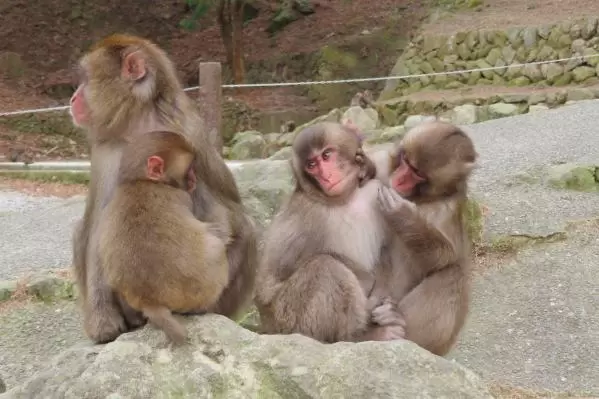
Located at the foot of Mount Takasaki, which stands at an elevation of 628 meters between Oita City and Beppu City, Takasaki Monkey Park is one of Japan's premier na...
Beppu Jigoku Meguri (Hell Tour)
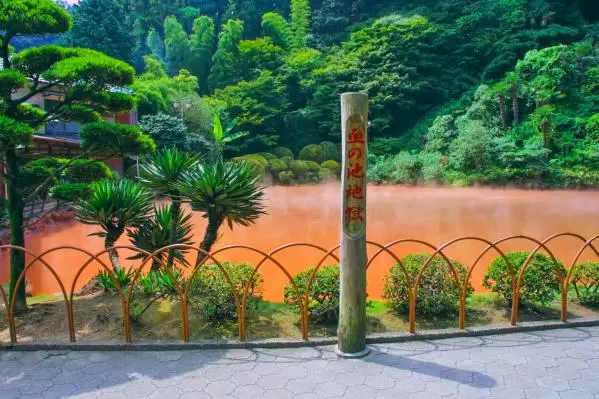
Beppu Jigoku Meguri is an attractive spot where visitors can closely observe the natural hot springs in Beppu Onsen, Oita Prefecture. Here, hot water and steaming mu...
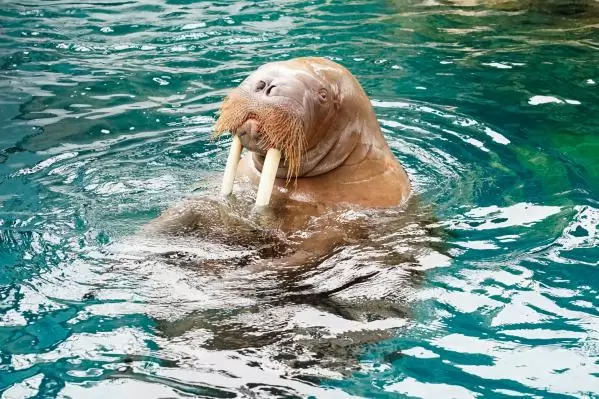
Oita Marine Palace Aquarium "Umitemago"
Oita Marine Palace Aquarium "Umitamago," located midway between Oita City and Beppu City, is a modern aquarium set against the stunning backdrop of Beppu Bay. The tw...
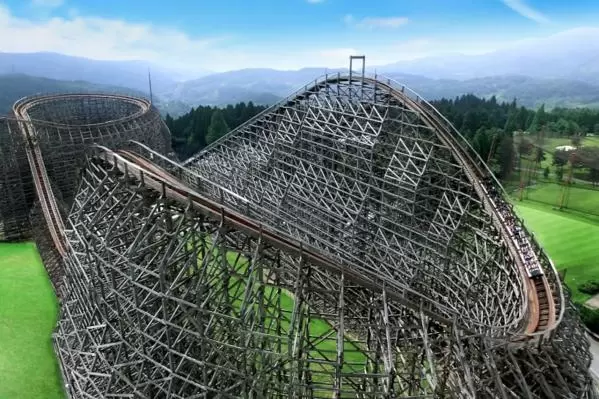
Kijima Kogen Park
Joujima Kogen Park is a resort spot located near the boundary of Beppu City and Yufu City in Oita Prefecture. It features Japan's first wooden roller coaster, "Jupit...
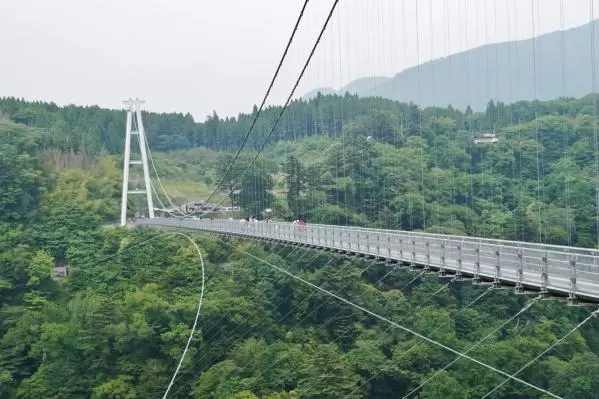
Kokono'e "Yume" Ootsurihashi
The Kuju "Dream" Suspension Bridge, located in Kuju Town, Oita Prefecture, boasts the highest walkway-only suspension bridge in Japan. With an elevation of 777 meter...