Kyushu Natural Animal Park African Safari
In the "Animal Zone," you can closely observe animals in their naturalistic states. The jungle bus experience, where you can feed lions and elephants, is sure to create unforgettable memories and provides an exhilarating thrill. Additionally, in the "Interaction Zone," visitors can directly interact with a variety of animals, providing a delightful experience with cute dogs and cats. There are also restaurants and gift shops, ensuring a fun day for everyone.
African Safari faithfully recreates the natural habitats of the animals, allowing visitors to learn about their genuine ecology while having fun. You can observe wildlife from the jungle bus, making it an enjoyable experience even on rainy days.
Kyushu Natural Animal Park African Safari Movies


Basic Information
- Spot Name
- Kyushu Natural Animal Park African Safari
- Location
- 〒872-0722 2-1755-1 Minahatamachi, Anjuin, Usa City, Oita Prefecture
- Access
- 【By Car】
- About 7 minutes from Beppu Bay Smart IC
- About 15 minutes from Yufudake Smart IC
- About 10 minutes from Hayami IC
- About 20 minutes from Beppu IC
【By Bus】
If you are using a route bus, please take the "Kame no I Bus" on the "Beppu Station West Exit ⇔ Safari Line."
Kame no I Bus fare: Beppu Station West Exit ⇔ Safari (approximately 50 minutes) Adult one-way 800 yen - Parking
- 1,500 vehicles (free parking, large buses allowed)
- Business Hours
- March 1 to October 31: 9:30 AM to 4:30 PM
November 1 to the end of February: 10:00 AM to 4:00 PM - Regular Holiday
- Open year-round.
- Fees
- Adults (high school students and above) 2,600 yen
Children (ages 4 to middle school) 1,500 yen
Annual free passport members Free
*Jungle bus is an additional fee, and group discounts are available. - Contact Information
- Phone Number:0978-48-2331
- Official Website
Map
Detailed Information
Kyushu Natural Animal Park African Safari is one of Japan’s largest safari-style zoos, spread across the magnificent natural surroundings of Ajimu, Usa City, Oita Prefecture. Making use of its vast grounds, which cover approximately 1.15 million square meters, the park is home to a diverse range of animals from around the world, including lions, elephants, giraffes, zebras, rhinoceroses, tigers, and cheetahs. Known as one of Kyushu’s leading safari parks, it is especially popular for the excitement of observing animals at close range and seeing them active in environments that closely resemble their natural habitats.
The park is primarily divided into the Safari Zone, where visitors observe large animals from vehicles, and the Animal Interaction Zone, where visitors can walk around and enjoy observing and interacting with animals. Rather than simply viewing animals from outside an enclosure, as in a typical zoo, visitors enter the animals’ living areas in vehicles. Animals may cross directly in front of the vehicle or approach it closely, creating an immersive experience that feels like taking part in a safari tour through the wilderness of another country.
In the Safari Zone, six types of environments—mountains, grasslands, rocky areas, woodlands, waterside areas, and sandy areas—are combined to recreate habitats similar to the regions where the animals naturally live. The park does not merely display the animals; it creates spaces where they can readily demonstrate their natural abilities and behaviors. Visitors can carefully observe the different activities of various species, such as animals that form herds and move across grasslands, mountain animals that move gracefully over rocky terrain, and animals that spend time near the water.
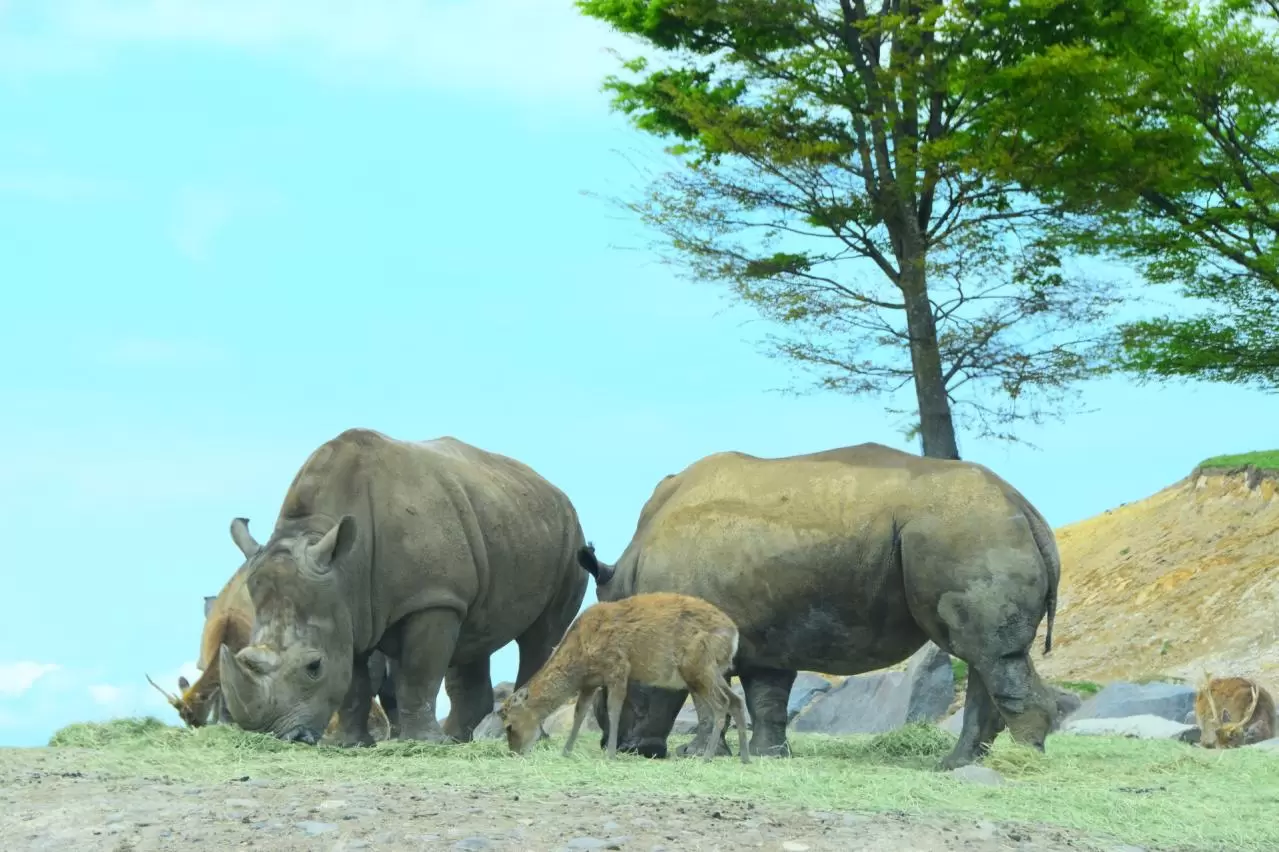
For example, the enclosure for mouflon, which inhabit mountainous regions, features steep rocky mountains designed to allow visitors to see the animals moving across the rocks. On the expansive grasslands, reticulated giraffes, Grant’s zebras, and white rhinoceroses can be seen strolling leisurely or spending time together. The majestic presence of carnivores such as lions, Bengal tigers, and cheetahs is another highlight. Since the behaviors visitors can observe vary depending on the animals’ health, the season, weather, and time of day, part of the fun is looking for expressions and movements that can only be seen at that particular moment.
There are two main ways to tour the Safari Zone: by private car or by Jungle Bus. Traveling by private car allows families and groups to explore the park at their own pace in a private space. It is easy to stop and observe animals that catch your attention and is also convenient for families with small children. Watching a large animal walk right beside the car you normally drive is a special experience unlike anything found on an ordinary drive.
The Jungle Bus, meanwhile, is a wildlife observation bus known for its unique exterior designs modeled after various animals. Visitors observe the animals through large windows that offer a broad view of the surroundings while listening to explanations from staff as the bus travels around the Safari Zone. The ride usually lasts approximately 50 minutes, although the duration may vary slightly depending on the animals’ movements and other conditions. Because visitors can observe the animals while learning about their characteristics and behavior, the experience is enjoyable and educational for both children and adults.
The greatest attraction of the Jungle Bus is the opportunity to feed the animals directly from inside the bus using special tools. Visitors can feed not only herbivores but also animals such as lions and elephants. As the animals approach to receive food, visitors can observe their physical features—including their large mouths, sharp teeth, and long trunks—from an astonishingly close distance. The moment a lion takes food through the wire mesh or an elephant skillfully extends its trunk is particularly thrilling. Visitors can even sense the animals’ breathing and hear the sounds they make while eating, creating an unforgettable experience for adults as well as children.
The Jungle Bus has a roof, so visitors can usually enjoy the safari experience even on rainy days. However, the number of services and operating conditions may change depending on the weather and crowd levels. The bus is also designed so that outside air can enter through the windows, and temperatures inside the park, which is located in a mountainous area, can become quite low in winter. Since it may also be windy, it is advisable to bring warm clothing such as a heavy jacket and gloves.
A Jungle Bus ticket is required separately from the park admission fee, and tickets are generally sold on a first-come, first-served basis at the park on the day of the visit. Depending on the season, online reservations may be available for some weekday afternoon departures, so it is a good idea to check the latest information on the official website in advance. During busy periods, such as weekends and tourist seasons, tickets may sell out early in the day. Those who wish to ride the bus are advised to arrive early and check ticket availability upon entering the park. However, arriving early does not guarantee that a seat will be available.
When touring the Safari Zone by private car, visitors must strictly follow the safety rules. Never leave the vehicle inside the zone, keep all windows completely closed, and lock the doors. All antennas must be retracted, and the child safety locks should be used when children are in the vehicle. Even in the event of a breakdown or emergency, do not leave the vehicle; sound the horn to alert park staff.
Animals may approach or touch the vehicle, so visitors concerned about possible contact with their car may prefer to use the Jungle Bus. Open cars and vehicles with soft convertible roofs cannot enter the Safari Zone, so visitors using such vehicles must switch to the Jungle Bus. Inside the park, it is important to avoid sudden acceleration and hard braking that could startle the animals, and to drive according to staff instructions and the facility’s rules.
In the walk-through Animal Interaction Zone, visitors can encounter animals from a different distance than in the Safari Zone. One of the most popular areas is the Kangaroo Interaction Forest. Visitors can enter the space where kangaroos live and observe them up close as they lie down and rest or hop lightly around. Depending on the day’s instructions and the animals’ condition, visitors may also be able to observe or interact with the kangaroos.
Visitors can also see a variety of distinctive animals, including miniature horses, rabbits, guinea pigs, squirrel monkeys, and capybaras. Depending on the species and the activities scheduled for the day, visitors may be able to enjoy animal interaction or feeding experiences. However, not all animals can be touched. Public viewing hours and activities may be changed or canceled depending on the animals’ condition, the weather, rest periods, and other factors, so visitors should follow the information provided at the park.
Observing small animals up close can also provide an opportunity to learn about the warmth of living creatures and the proper way to interact with animals. It is important to enjoy the experience while respecting each animal’s personality and condition, without startling it or forcing physical contact.
At the Dog Salon and Cat Salon, visitors can spend a relaxing time interacting with adorable dogs and cats by paying a separate admission fee. However, usage conditions such as age restrictions and the requirement that children be accompanied by a parent or guardian apply. During busy periods, admissions may close earlier than the usual closing time, so visitors who wish to use these facilities should check their operating status on the day of their visit.
The park also has restaurants and snack areas, allowing visitors to enjoy themselves throughout the day with time for meals and breaks. In addition to restaurants offering menus suitable for both children and adults, there are shops serving curry, hot dogs, noodles, rice bowls, soft-serve ice cream, and other items. However, the available shops, menus, and business hours may change depending on the season.
The souvenir shops sell animal plush toys, Jungle Bus toys, original merchandise, and famous confectionery from Oita Prefecture. Visitors can choose products featuring their favorite animals from the safari and enjoy looking for souvenirs to remember the trip or give to family and friends.
At Kyushu Natural Animal Park African Safari, particular importance is placed on recreating natural habitats and presenting animals in ways that allow them to express their natural behaviors. As a result, visitors can learn not only what the animals look like but also about the environments in which they live, how they move, and why they form groups. Another important feature of the park is that, alongside its exciting experiences, it offers opportunities to think about animals and the natural environment.
With a Safari Zone where visitors can experience the power of large animals amid expansive natural surroundings and an Animal Interaction Zone where they can observe animals at close range, Kyushu Natural Animal Park African Safari is one of Oita Prefecture’s leading tourist and leisure destinations. It is ideal not only for family trips but also for outings with friends or couples. Since the animals’ behavior and expressions change depending on the season, weather, and time of day, every visit offers new discoveries and moving experiences.
Oita Tourist Attractions
View List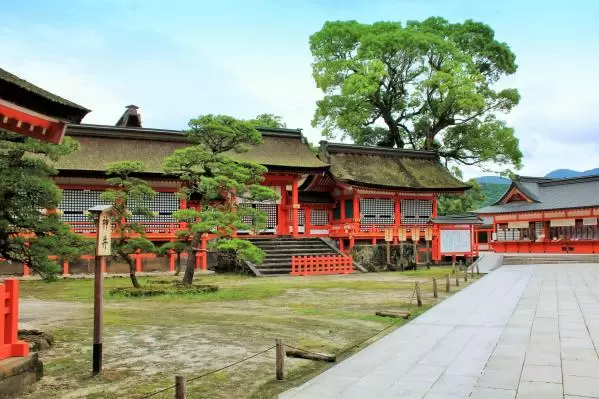
Usajingu Shrine
Usa Jingu is a famous shrine recognized as the head shrine of the approximately 40,000 Hachiman shrines across Japan. It was founded in 725 when the main hall dedica...
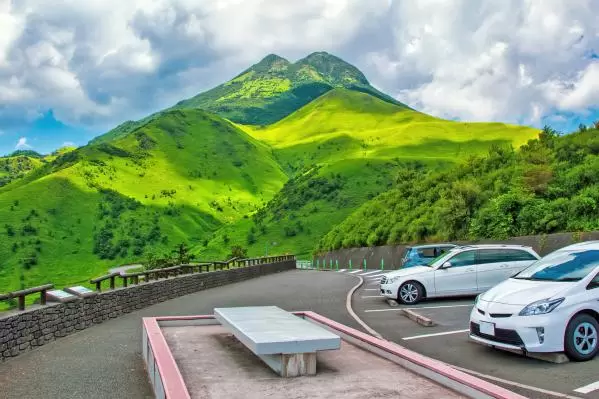
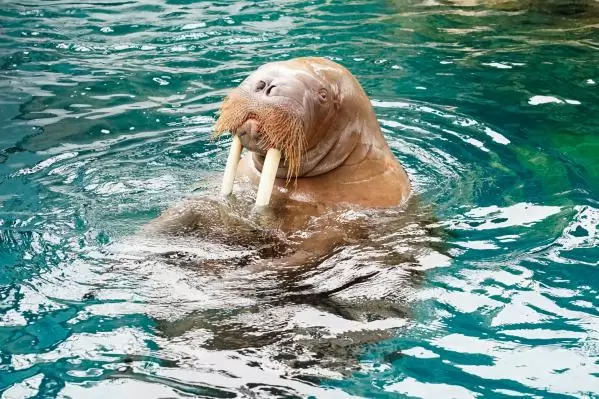
Oita Marine Palace Aquarium "Umitemago"
Oita Marine Palace Aquarium "Umitamago," located midway between Oita City and Beppu City, is a modern aquarium set against the stunning backdrop of Beppu Bay. The tw...
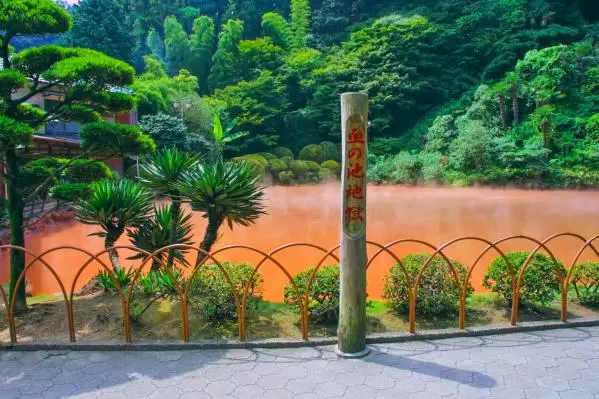
Beppu Jigoku Meguri (Hell Tour)
Beppu Jigoku Meguri is an attractive spot where visitors can closely observe the natural hot springs in Beppu Onsen, Oita Prefecture. Here, hot water and steaming mu...
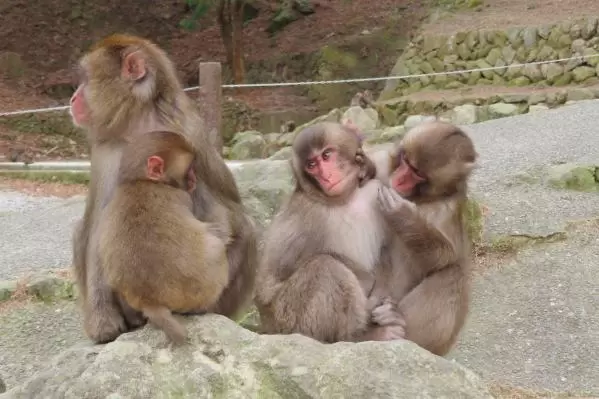
Takasaki Mountain Natural Zoo
Located at the foot of Mount Takasaki, which stands at an elevation of 628 meters between Oita City and Beppu City, Takasaki Monkey Park is one of Japan's premier na...
Kijima Kogen Park
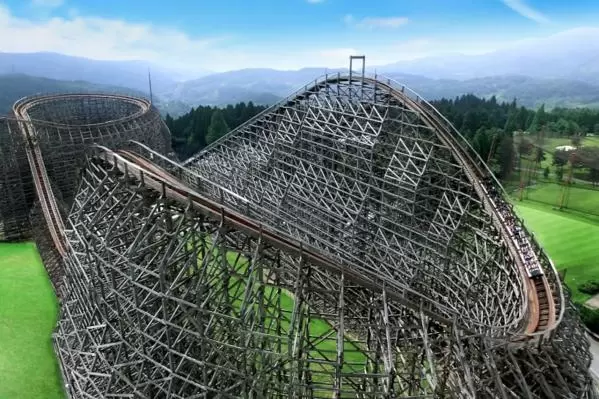
Joujima Kogen Park is a resort spot located near the boundary of Beppu City and Yufu City in Oita Prefecture. It features Japan's first wooden roller coaster, "Jupit...
Kokono'e "Yume" Ootsurihashi
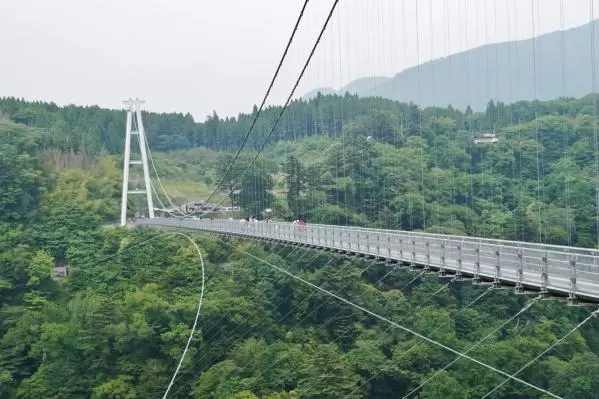
The Kuju "Dream" Suspension Bridge, located in Kuju Town, Oita Prefecture, boasts the highest walkway-only suspension bridge in Japan. With an elevation of 777 meter...