Oita Marine Palace Aquarium "Umitemago"
Oita Marine Palace Aquarium "Umitemago" Movies
![2025.2[大分県]うみたまごへ往く](https://i.ytimg.com/vi/ooAWR7CaVN8/mqdefault.jpg)


![vol.102[二人旅]大分マリーンパレス水族館うみたまごうみたまごに行ってきました〜 #大分 #水族館 #うみたまご](https://i.ytimg.com/vi/FAqmXVFDADQ/mqdefault.jpg)


Basic Information
- Spot Name
- Oita Marine Palace Aquarium "Umitemago"
- Location
- 〒870-0100 Takasakiyama Shik coastline, Oita City, Oita Prefecture
- Access
- Take a bus from JR Oita Station to Beppu on Oita Kotsu, which takes about 20 minutes and get off at Takasakiyama. It's approximately a 25-minute drive from Beppu IC on the Oita Expressway.
- Parking
- Parking available.
- Business Hours
- 9:00 AM to 5:30 PM (closing at 6:00 PM), from November to February open until 4:30 PM (closing at 5:00 PM), with limited night hours available.
- Regular Holiday
- Approximately 2 days per year (for maintenance).
- Fees
- Adults: 2,600 yen, Children: 1,300 yen, Toddlers: 850 yen
- Contact Information
- Phone Number:097-534-1010
- Official Website
Map
Detailed Information
Oita Marine Palace Aquarium “Umitamago” is one of Oita Prefecture’s leading aquariums, located along National Route 10, which connects Oita City and Beppu City. Set in an excellent location overlooking Beppu Bay, the aquarium allows visitors to observe a wide variety of marine life while enjoying expansive views of the sea and sky. Takasakiyama, known for its wild Japanese macaques, is located across the road, making it possible to visit both Umitamago and Takasakiyama Natural Zoological Garden together.
The current facility opened on April 1, 2004. The building was designed to harmonize with the scenery of Beppu Bay and is officially described as having architecture inspired by “a gigantic blue ship.” The aquarium is primarily arranged across the first and second floors, with the entrance on the second floor. Instead of requiring visitors to follow a fixed, one-way route, it uses an open-layout system that allows guests to freely explore the exhibits that interest them.
The exhibits are organized by theme, including fish from the Bungo Channel, creatures living in Oita Prefecture’s rivers, fish with remarkable abilities, coral reef ecosystems, and marine mammals such as dolphins and walruses. A distinctive feature of the aquarium is that visitors can do more than simply look at the animals: through explanations and performances, they can also enjoy learning about how the creatures feed, how their bodies function, and how they live in the natural world.
One of Umitamago’s signature exhibits is the “Great Circulation Tank,” which holds 1,250 tons of water. The tank contains approximately 1,500 fish representing about 90 species found in the Bungo Channel, including large fish such as sharks and rays. The number of species and individual animals may vary depending on the transportation of animals into and out of the aquarium, breeding, health conditions, and other factors.
At the center of the tank is an artificial-rock island, around which seawater flows. The complex rocky environment provides suitable conditions for large and small fish to live together in the same tank. The view changes significantly depending on where visitors look from: they can take in entire schools of fish or watch sharks and rays approach.
The circulation-style tank, featuring an artificial-rock island at its center with seawater flowing around it, is said to have been first created in the world by the aquarium during the former Marine Palace era. This concept has been carried over into the current Great Circulation Tank, creating a varied underwater landscape where fish of many different species and sizes coexist.
During the “Great Circulation Tank Fish Commentary,” visitors can observe the fish feeding while listening to explanations from staff members. Swimming styles and feeding techniques differ from species to species, allowing guests to discover individual characteristics that may be difficult to notice during ordinary viewing. On Saturdays and Sundays, divers conduct feeding demonstrations inside the tank. However, the dates, times, and content of these demonstrations may change.
The “Coral Reef Large Tank” on the first floor features corals inhabiting the seas of southern Oita Prefecture, along with the colorful fish that live in the same waters. Umitamago states that it was the first aquarium in Japan to successfully breed corals from southern Oita under artificial lighting. The vivid scenery created by the corals and fish conveys the remarkable diversity of the natural environment in the Bungo Channel.
During the “Coral Live Show,” divers enter the tank to feed the fish and film the corals with an underwater camera. While watching enlarged footage from the camera, visitors can learn about the shapes and ecology of corals and their relationships with fish. They can also understand that corals are animals rather than plants, and that they play an important role by providing habitats for a wide variety of marine life.
The “Art Corner,” which focuses on the beauty of the colors and shapes of marine creatures, is another highlight. In tanks that make effective use of lighting, visitors can admire translucent jellyfish drifting slowly through the water, fish with a metallic sheen, and creatures with distinctive outlines and patterns.
Jellyfish move softly as they are carried by the currents, creating different impressions depending on the color and angle of the lighting. This area allows visitors to appreciate the colors and forms that fish and jellyfish have developed through a long process of evolution, much like viewing works of art. In the Wonder Zone, visitors can also see creatures with unusual ecological characteristics and special exhibit tanks whose contents change with the seasons.
The “Fish Production” program, which introduces the abilities of fish, is another attraction unique to Umitamago. Through performances such as acrobatics by striped beakfish and porcupinefish, an electric-discharge experiment with an electric eel, and a water-shooting experiment in which archerfish spray water, the program introduces the amazing abilities of fish. Watching the demonstrations makes it enjoyable to learn that fish possess learning abilities and special skills that differ by species.
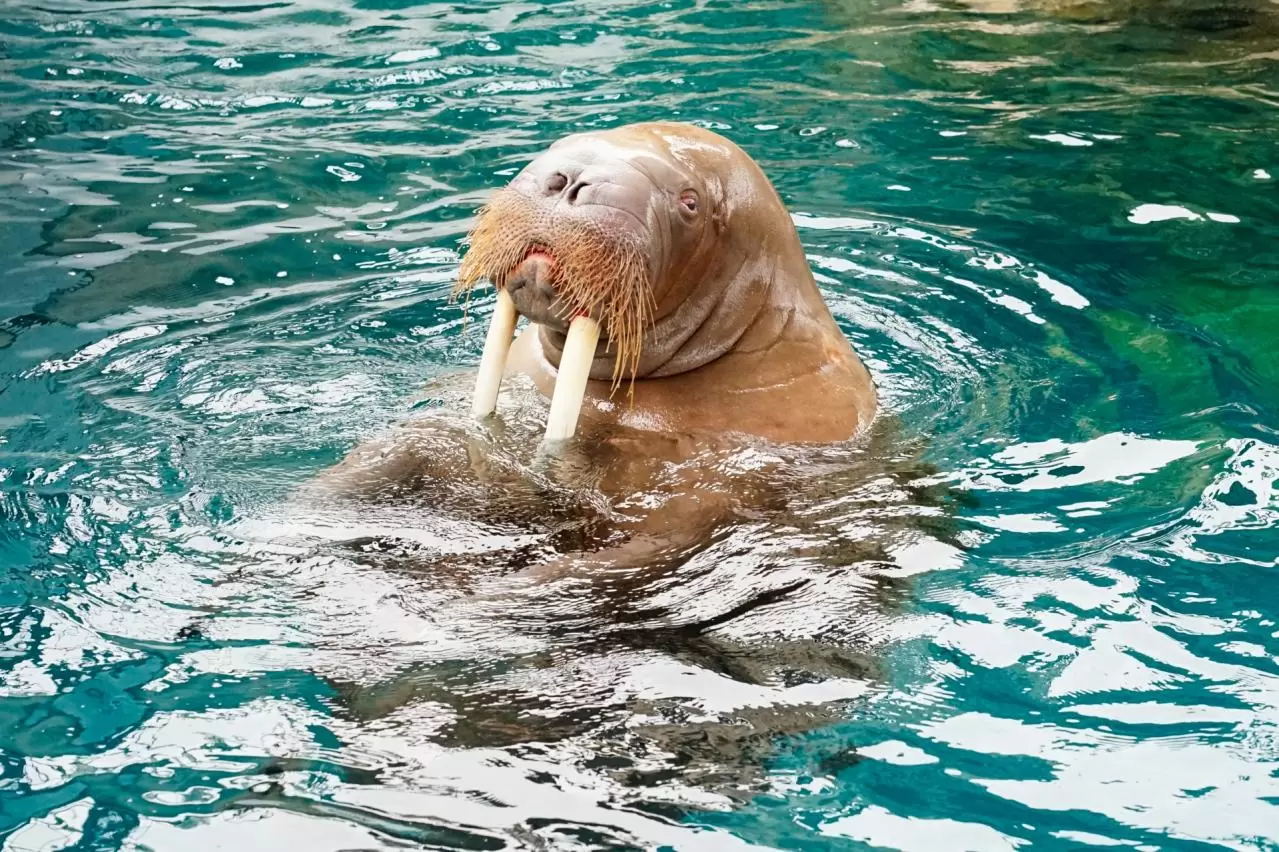
At the “Umitama Performance,” held in the outdoor performance area, animals including walruses appear. Walruses are especially appealing because of the contrast between their enormous bodies, which can weigh several hundred kilograms, and their charming expressions and comical movements. Through their well-coordinated interactions with trainers, visitors can experience the walruses’ strength, dexterity, and high intelligence up close.
During the interaction session after the performance, visitors may be able to touch a walrus directly. This is a unique Umitamago experience that allows guests to appreciate the animal’s immense size and the texture of its skin at close range. However, the program may be changed or canceled depending on the animal’s health and the operating conditions on the day. Visitors should follow the instructions of the staff while on site.
The “Dolphin Performance” is a popular program in which the audience sits close to the pool, allowing visitors to experience the dolphins’ speed and the power of their jumps up close. Guests can watch the dolphins burst out of the water after forcefully kicking against the surface and attempt a variety of movements through communication with their trainers.
During summer, the dolphins may splash large amounts of water toward the audience, and visitors seated near the front may get wet. Those who do not want to get wet should check the seating information and, if necessary, prepare towels, a change of clothes, or a raincoat. The period and content of the water-splashing performance may change depending on the weather and the animals’ condition.
The outdoor area “Asobeach” is an interactive facility symbolizing Umitamago, based on the concept of “playing with animals × playing with art.” It underwent an expanded renovation in April 2025. Along with the enlargement of the grounds, the renovation added a “Rock Pool,” where animals can swim and rest freely; an art playground called “Jellyfish Ground”; covered dining and rest areas; and an accessible “Everyone’s Restroom.”
At Asobeach, visitors may encounter bottlenose dolphins, Pacific white-sided dolphins, Pacific short-finned pilot whales, South American fur seals, Magellanic penguins, harbor seals, and other animals. However, the animals on display may change depending on the season, their health, the weather, and animal-care considerations. Not all animals are visible in the same locations at all times.
At the Rock Pool, visitors may be able to watch penguins and fur seals swimming freely or diving into the water from the rocks at close range. They may also see harbor seals relaxing on the rocks. Part of the pool is shallow enough for visitors to enter, creating the sensation of sharing the same space as the animals.
However, Asobeach is not intended to be a place where visitors can freely touch the animals. Guests must not approach or chase the animals forcibly and may interact with them only when instructed to do so by staff and while following their directions. Calmly observing the animals as they exercise freely or take naps is also an important part of the experience.
At “Asobeach Friends Live,” the animals and program content are deliberately not fixed in advance, allowing a variety of programs to take place. One example is the “Whale Performance,” which features a collaboration between short-finned pilot whales and Pacific white-sided dolphins.
Other examples of program content include a fur seal walk, fur seals diving into the Rock Pool, and harbor seal feeding. What visitors will see is a surprise on the day, and the content may be changed or canceled depending on the animals’ health and other conditions. Interaction with a particular animal is not necessarily available at all times, so visitors should check the information provided on the day.
The touching areas, where visitors can learn through contact with living creatures, are especially popular with children. In the indoor “Fish Touching Pool,” guests can observe and gently touch creatures such as starfish and sea cucumbers. Feeling the hardness, softness, and temperature of the animals with their own hands enables visitors to learn characteristics that cannot be understood through photographs and videos alone.
There is also an outdoor pool where visitors can interact with rays. Because the dorsal side of a ray is delicate, guests must follow the on-site instructions and handle the animals in a way that does not place stress on them, such as gently touching the underside. It is important to wash one’s hands before and after touching the animals and never to lift or press them forcefully.
On some days, paid feeding experiences with fish and rays are also available. During ray feeding, visitors use special tools such as tongs and can safely observe the moment a ray takes its food from close range. At the Fish Touching Pool, some programs allow guests to place food on their hands and experience fish approaching them.
The content, fees, operating times, and age requirements for these experiences may change. Those who wish to participate should check the event information on the day of their visit. Paid programs may have limited capacity or require advance reservations.
The views of Beppu Bay, visible from both inside and outside the aquarium, are another major attraction of Umitamago. In the open scenery, where the blue sea and sky seem to merge, visitors can enjoy watching dolphins and other marine mammals. After exploring the underwater world in the aquarium’s tanks, looking out at the real Beppu Bay stretching before them can deepen their interest in the natural environment where these animals live.
The facility also has shops, a food court, cafés, and other amenities where visitors can enjoy meals, take breaks, and choose souvenirs. During busy periods such as Golden Week, summer vacation, and the Obon holidays, opening hours may be extended and limited-time events may be held.
Regular shows and events, however, may also be changed or canceled depending on the animals’ health, the weather, crowd conditions, and other factors. Show times may vary by season and on special operating days, so visitors are advised to check the official website for the day’s opening hours and show schedule before visiting.
By public transportation, the journey takes approximately 15 minutes by local bus from JR Beppu Station, about 10 minutes from Beppu Kitahama, and around 25 minutes from JR Oita Station. Getting off at “Takasakiyama Natural Zoological Garden-mae” allows visitors to walk to the aquarium. Bus schedules and boarding locations may change, so it is advisable to check the latest information from Oita Kotsu before traveling.
Visitors arriving by car can use the shared parking facilities for Takasakiyama and Umitamago. According to the official website, Parking Lots 1 through 4 provide a total of 800 spaces. Parking fees and available hours may change, so visitors should check the latest information before their visit.
Oita Marine Palace Aquarium “Umitamago” offers a wide range of attractions, including a Great Circulation Tank recreating the sea of the Bungo Channel, beautiful coral and jellyfish exhibits, demonstrations introducing the abilities of fish, powerful walrus and dolphin performances, and Asobeach, where visitors can experience sharing space with animals.
The aquarium’s greatest appeal is that visitors do not merely observe the creatures from a distance. They can watch them up close, interact with them in appropriate ways, and learn about their behavior and individual personalities. It is one of Oita Prefecture’s leading tourist attractions, offering children and adults alike the opportunity to spend an entire day enjoying marine life and the natural beauty of Beppu Bay.
Oita Tourist Attractions
View List
Takasaki Mountain Natural Zoo
Located at the foot of Mount Takasaki, which stands at an elevation of 628 meters between Oita City and Beppu City, Takasaki Monkey Park is one of Japan's premier na...

Kijima Kogen Park
Joujima Kogen Park is a resort spot located near the boundary of Beppu City and Yufu City in Oita Prefecture. It features Japan's first wooden roller coaster, "Jupit...
Kyushu Natural Animal Park African Safari
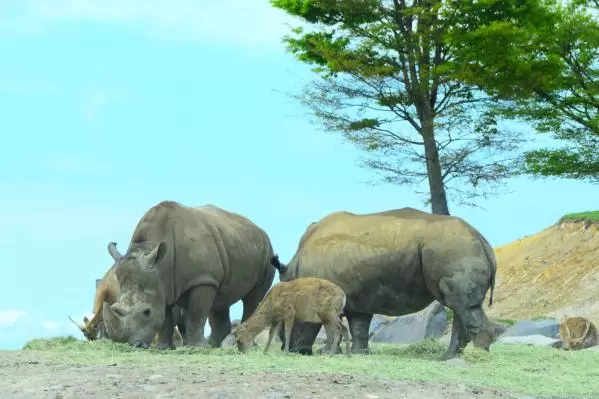
Kyushu Natural Animal Park African Safari is the only safari park in Kyushu, spread across a vast grassland of 1.15 million square meters. Here, wildlife lives freel...
Kokono'e "Yume" Ootsurihashi
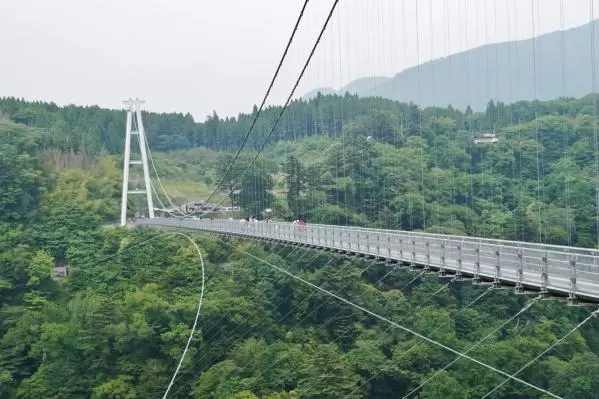
The Kuju "Dream" Suspension Bridge, located in Kuju Town, Oita Prefecture, boasts the highest walkway-only suspension bridge in Japan. With an elevation of 777 meter...

Usajingu Shrine
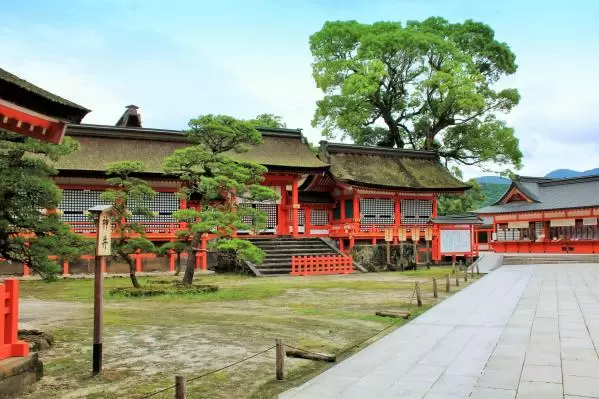
Usa Jingu is a famous shrine recognized as the head shrine of the approximately 40,000 Hachiman shrines across Japan. It was founded in 725 when the main hall dedica...
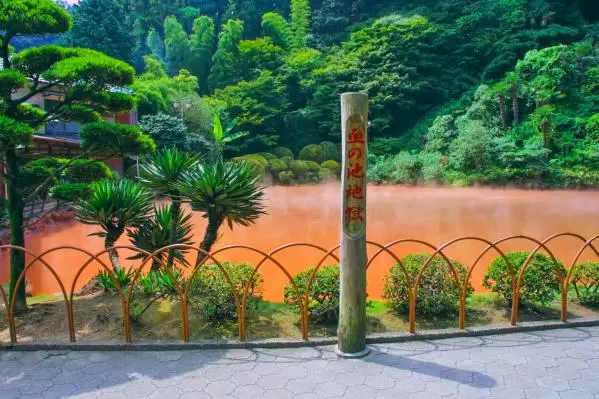
Beppu Jigoku Meguri (Hell Tour)
Beppu Jigoku Meguri is an attractive spot where visitors can closely observe the natural hot springs in Beppu Onsen, Oita Prefecture. Here, hot water and steaming mu...