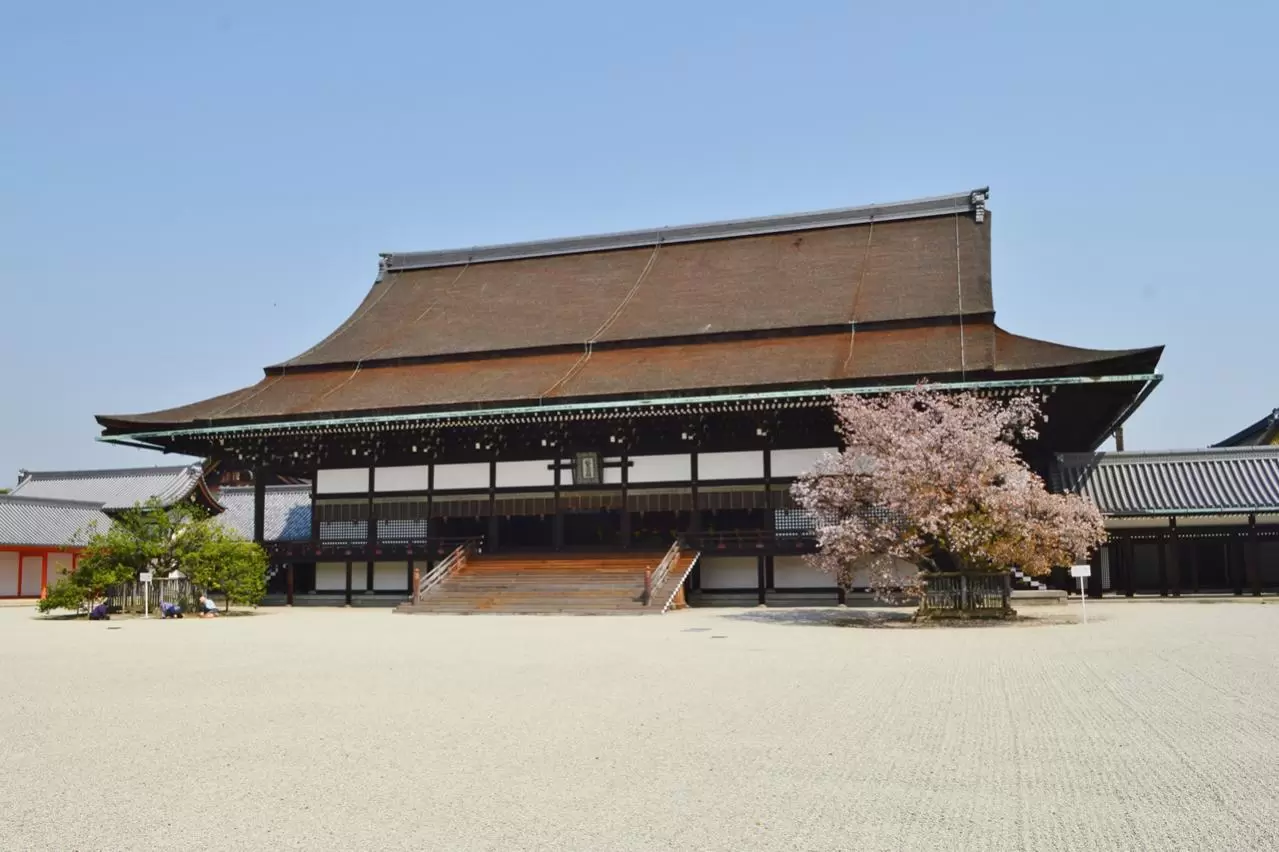
Kyoto Imperial Palace
Originally established in 794 when Emperor Kammu moved the capital to Heian-kyo (modern-day Kyoto), it served as the residence of the emperor for nearly 1,000 years until the Meiji Restoration. Historical buildings, including the Shishinden (the Hall of State), have been preserved, and important rituals are still held here.
The buildings have suffered from numerous fires, with the last major reconstruction being completed in 1855 during the Ansei era. Notably, the Shishinden is where the enthronement ceremonies of successive emperors took place and reflects the architectural style of the Heian period. Additionally, the grounds feature the Empress's Palace and beautiful gardens, attracting many tourists and researchers throughout the year.
Since 2016, the palace has been open to the public without the need for reservations, allowing visitors to experience Japan's history and culture up close. Thus, the Kyoto Imperial Palace is valued not only for its historical and cultural significance but also serves as an urban green space, beloved by many.
Kyoto Imperial Palace Movies


Basic Information
- Spot Name
- Kyoto Imperial Palace
- Location
- 〒602-8611 3 Kyotogyoen, Kamigyo Ward, Kyoto City, Kyoto Prefecture, Japan
- Access
- Get off at Imadegawa Station on the Karasuma Subway Line and walk for 5 minutes.
Get off at Karasuma Imadegawa on the city bus and walk for 5 minutes.
Get off at Demachiyanagi Station on the Keihan Electric Railway and walk for 20 minutes. - Parking
- Parking available
- Business Hours
- April to August: 9:00 AM - 4:20 PM (Last entry by 5:00 PM)
September and March: 9:00 AM - 3:50 PM (Last entry by 4:30 PM)
October to February: 9:00 AM - 3:20 PM (Last entry by 4:00 PM) - Regular Holiday
- Closed on Mondays (the following day if it's a holiday), during the year-end and New Year period (12/28 to 1/4), and on days when events are held that may cause disruptions.
- Fees
- Free admission.
- Contact Information
- Phone Number:075-211-1215
- Official Website
Map
Detailed Information
Kyoto Imperial Palace is the former Imperial residence, located within the vast Kyoto Gyoen National Garden in central Kyoto. The entire Kyoto Gyoen covers approximately 650,000 square meters, and the Kyoto Imperial Palace occupies about 110,000 square meters at its center. The grounds, measuring about 250 meters east to west and 450 meters north to south, are enclosed by earthen walls called tsuiji-bei and a water channel known as gokosui, creating a tranquil space away from the bustle of the city.
Historical Background
The Transfer of the Capital to Heian-kyō and the Birth of the Imperial Palace (794)
When Emperor Kanmu moved the capital to Heian-kyō, the inner palace, or dairi, was established as the core of the Imperial Palace complex (Daidairi).
The Era of Sato-dairi (After 960)
After the dairi burned down for the first time in 960, successive fires led emperors to use temporary residences built outside Heian Palace, known as sato-dairi, as provisional imperial residences.
Establishment at the Present Location (1331)
In 1331, during the Nanboku-chō period, Emperor Kōgon’s enthronement at Higashinotōin Tsuchimikadodono marked this site as the permanent Imperial residence. Thereafter, it served as the residence of successive emperors for about 500 years, until Emperor Meiji moved to Tokyo in 1869.
Construction in the Edo Period and Late Edo Period (1855)
Throughout the Edo period, repairs and reconstructions were repeatedly carried out with the support of the shogunate, and the current Imperial Palace was rebuilt in 1855 following the architectural style of the Heian period.
Architecture and Main Highlights
Building Overview
Shishinden The main hall standing at the center of the Palace, serving as the stage for the most important ceremonies such as enthronement rituals. In the garden, the Left-Side Cherry Tree and the Right-Side Mandarin Orange Tree are planted, lending the site an elegant appearance.
Seiryo-den The palace building that served as the residence of successive emperors from the mid-Heian period. It is now used for ceremonial purposes, and furnishings remain in rooms such as the Otemizu-no-ma and Asagarei-no-ma, conveying the culture of the imperial court.
Otsunegoten Used as the Emperor’s daily residence and in use until the Imperial Court moved to Tokyo in 1869. Inside, sliding-door paintings and exquisite furnishings are preserved.
Garden Ponds, pine groves, and stone bridges are artfully arranged, allowing visitors to enjoy the beauty of the seasons and a serene atmosphere.
Public Access and Present Use
Although it was once open only during special spring and autumn viewings, it has been open year-round since July 26, 2016. Under the jurisdiction of the Imperial Household Agency, visitors can enter freely without a reservation. It has become a place where tourists and researchers from Japan and abroad can experience Japanese history and culture up close. It is also still used for imperial occasions such as accommodation during official visits by the Emperor and members of the Imperial Family, enthronement-related ceremonies, and tea ceremonies.
Cultural Value and Role
Kyoto Imperial Palace represents the culmination of Japanese culture, conveying the essence of court architecture, decorative arts, and garden aesthetics. The architectural styles and furnishings restored through the reconstruction of the Kansei Palace (1790) and the Ansei Palace (1855) are highly valuable as stage settings that support traditional rituals dating back to the Heian period, and they continue to convey the core of imperial culture today. In addition, Kyoto Gyoen serves as a vast urban green space and a place of relaxation for citizens, offering a rare environment where history, culture, and nature can be experienced all at once.
A visit to Kyoto Imperial Palace allows one to deeply appreciate the essence of Japanese culture: a thousand years of history woven together by politics, culture, and religion; refined aesthetics; and harmony with nature. This space, distilled from traditional beauty and spirituality, will surely bring profound inspiration and insight to all who visit.
Kyoto Tourist Attractions
View List
Heian Shrine
Heian Shrine was established in 1895 to commemorate the 1100th anniversary of the relocation of the capital to Heian-kyo, with Emperor Kanmu as its deity. Located in...

The National Museum of Modern Art, Kyoto
The National Museum of Modern Art, Kyoto, was opened in 1963 in Okazaki Park, Kyoto. This museum covers a wide range of art genres, including Japanese painting, oil ...

Tofuku-ji Temple
Tōfuku-ji is the head temple of the Rinzai sect of Zen Buddhism, founded in 1236 by Kujō Tadayoshi, with its main hall completed in 1255. It is counted among the fiv...

Ginkaku-ji (Silver Pavilion)
Ginkaku-ji, officially known as Jishō-ji, is located in the Sakyo Ward of Kyoto City and is affiliated with the Rinzai school of the Shokoku-ji sect. Originally buil...

Byodo-in Temple
Byodoin Temple is a historic temple located in Uji City, Kyoto Prefecture, renowned for its Hall of Phoenix. Established in 1052 by the regent Fujiwara no Yorimichi,...

Kyoto Tower
Kyoto Tower was built as a "major center for industry, culture, and tourism," with the purpose of "contributing to the development of Kyoto City." Completed in the s...


Kyoto National Museum
The Kyoto National Museum was opened in 1897 as the Imperial Kyoto Museum. Located in Kyoto, this museum houses approximately 14,600 artworks and cultural properties...