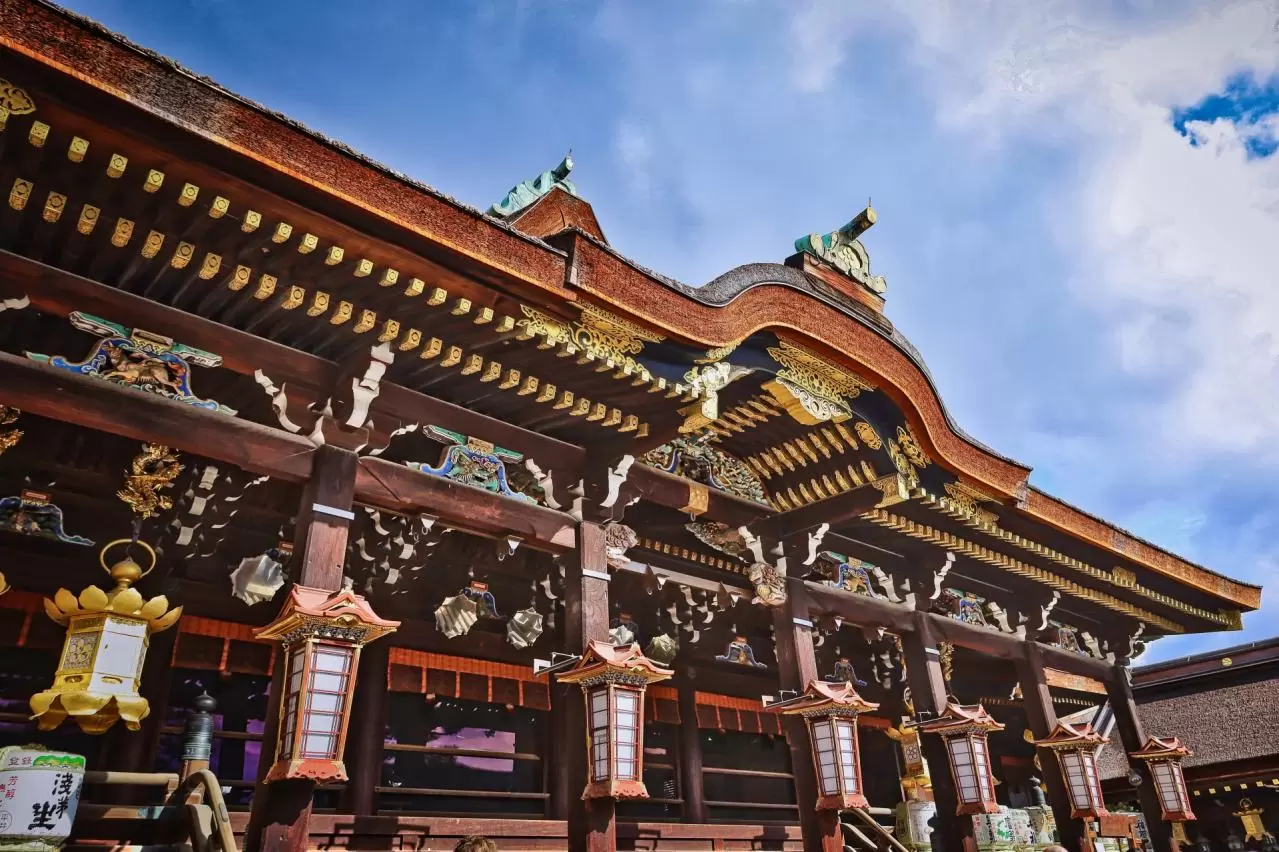
Kitano Tenmangu Shrine
It is particularly known as a place for examination success, and during the plum blossom season from winter to spring, it attracts many worshippers. The plum garden is home to about 1,500 plum trees of 50 different varieties, showcasing their beautiful blossoms. Additionally, the Umehana Festival is held on February 25, featuring outdoor tea ceremonies performed by maiko.
Kitano Tenmangu offers different charms with each season; in early summer, the vibrant green of the fresh leaves beautifully contrasts with the vermilion of Usubashi Bridge, while in autumn, 350 maple trees turn brilliant shades. The exquisite combination of natural beauty, historic architecture, and sacred atmosphere makes it a site worth visiting throughout the year.
Moreover, the shrine houses national treasures and a wealth of cultural properties, providing plenty of attractions for those interested in history and culture.
Basic Information
- Spot Name
- Kitano Tenmangu Shrine
- Location
- 〒602-8386 Bakucho, Kamigyo-ku, Kyoto City, Kyoto Prefecture, Japan
- Access
- A short walk from the Kitano Tenmangu-mae bus stop on the city bus. Approximately a 5-minute walk from Kitano Hakubai-cho Station on the Keifuku Electric Railroad Kitano Line.
- Parking
- Parking available
- Business Hours
- Opening hours: 6:30 AM to 5:00 PM.
- Regular Holiday
- Open every day.
- Fees
- [Sanctuary] Free, [Treasure Hall] General admission 1,000 yen, Junior and Senior High School students 500 yen, Children 250 yen, Preschoolers Free
*Ume Garden (usually open from early February to late March): Adults 1,000 yen, Children 500 yen
*Maple Garden (usually open from late October to early December): Adults 1,000 yen, Children 500 yen - Contact Information
- Phone Number: 075-461-0005
- Official Website
Map
Kitano Tenmangu Shrine Movies


![[京都観光]京都一の梅の名所「北野天満宮」に行ってきました2023年2月下旬](https://i.ytimg.com/vi/0pysWxdFbZ0/mqdefault.jpg)
Kyoto Tourist Attractions
View List
Kyoto National Museum
The Kyoto National Museum was opened in 1897 as the Imperial Kyoto Museum. Located in Kyoto, this museum houses approximately 14,600 artworks and cultural properties...

Sanjusangen-do Temple
Sanjusangendo, officially known as Rengeoin, is a Tendai Buddhist temple located in Kyoto. Rebuilt during the Kamakura period, this temple boasts a main hall that is...

Byodo-in Temple
Byodoin Temple is a historic temple located in Uji City, Kyoto Prefecture, renowned for its Hall of Phoenix. Established in 1052 by the regent Fujiwara no Yorimichi,...

To-ji Temple
Toji Temple (official name: Kyo-o Gokokuj), is the only existing structure from the Heian-kyo period and is registered as a UNESCO World Heritage Site. Founded two y...

Heian Shrine
Heian Shrine was established in 1895 to commemorate the 1100th anniversary of the relocation of the capital to Heian-kyo, with Emperor Kanmu as its deity. Located in...

Kenninji Temple
Kennin-ji Temple, founded in 1202 by the Zen master Eisai, is the oldest Zen temple in Kyoto and serves as the head temple of the Kennin-ji branch of the Rinzai sect...

Nijo Castle
Nijo Castle, originally built as a retreat for the Shogun, can be described as a place condensed with Japan’s history and culture. Constructed in 1603 by the first S...

Kyoto Railway Museum
The Kyoto Railway Museum, opened in 2016, is one of the largest railway museums in Japan, designed to be a fun and educational facility with the theme of "see, touch...