Meet the iconic Aomori-ken
Yoshitomo Nara’s enormous dog sculpture is one of the museum’s signature sights.
AI Summary
This is an AI-generated summary. Please check the official information for opening hours, fees, and closed days.
With architecture inspired by Jomon design and celebrated works by Yoshitomo Nara and Marc Chagall, this museum is a rewarding stop for art lovers.
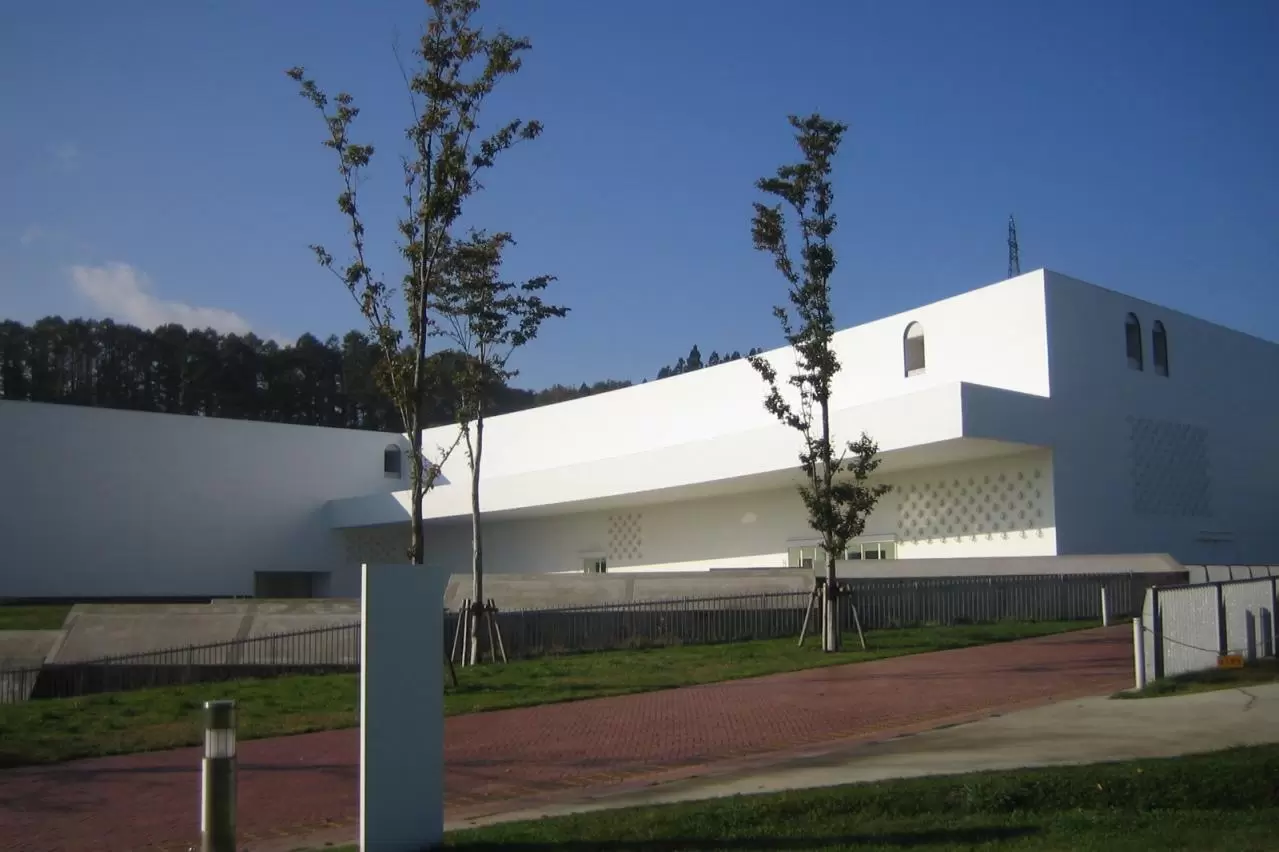
Aomori Museum of Art stands out for its striking white exterior and distinctive architecture. Highlights include Yoshitomo Nara’s “Aomori-ken” and Chagall’s “Aleko,” alongside works by artists connected to Aomori. It pairs well with a visit to the neighboring Sannai-Maruyama Archaeological Site.
Yoshitomo Nara’s enormous dog sculpture is one of the museum’s signature sights.
The huge “Aleko” murals make for an impressive, immersive experience.
The design evokes Jomon forms, making the building itself part of the visit.
Visit the Sannai-Maruyama Archaeological Site first, then take your time exploring the museum’s art and architecture.
Aomori Museum of Art, which opened in 2006, is a museum that continues to promote art and culture against the backdrop of Aomori Prefecture’s rich natural environment and Jomon culture. It is located right next to the Sannai-Maruyama Site, one of the component properties of the UNESCO World Cultural Heritage site “Jomon Prehistoric Sites in Northern Japan,” and can be reached on foot in about five minutes.
Architectural and Design Features
The building was designed by the innovative architect Jun Aoki. Inspired by the Sannai-Maruyama Site, an excavation site from the Jomon period, its distinctive design combines Jomon and modern elements, featuring cuts in the ground reminiscent of excavation trenches and striking pure white walls. While the building has a geometric and bold composition, it also conveys a quiet harmony with nature, with aesthetic attention paid throughout the museum.
The interior design was created by art director Atsuki Kikuchi, and the symbol mark uses a pattern combining a “tree” and “a” (the initial of Aomori). This expresses the idea that “blue trees gather to become a forest,” symbolizing the growth of an “art forest.”
Exhibitions and Highlights
The museum mainly exhibits works by artists from Aomori Prefecture or those connected to the region. Among them, the following exhibitions are especially noteworthy:
◆ Yoshitomo Nara, Aomori-ken
The giant white dog sculpture Aomori-ken by internationally acclaimed contemporary artist Yoshitomo Nara stands about 8.5 meters tall and is a symbolic presence at the museum. It is installed in a dedicated exhibition space called the “Octagon Hall,” where natural light streams in through an octagonal opening in the ceiling. The dog’s gentle expression has made it beloved by many visitors.
◆ Chagall, Backdrops for the Ballet Aleko
Another major highlight is the stage backdrops for the ballet Aleko by French master Marc Chagall. Aleko is a ballet based on Pushkin’s narrative poem The Gypsies, and of the four backdrop paintings Chagall created, the museum permanently houses and displays the first, second, and fourth acts. The remaining third act is on long-term loan from the Philadelphia Museum of Art in the United States, currently scheduled through March 2027.
As a result, all four stage backdrops are now displayed together, making this a rare opportunity even on a global scale. Each backdrop is enormous, measuring approximately 9 meters high and 15 meters wide, and is dramatically presented in the museum’s central “Aleko Hall,” a vast space measuring 21 meters by 21 meters and 19 meters high. The richly colored and fantastical works overwhelm viewers and draw them into Chagall’s world.
◆ Artists with Connections to Aomori
In addition, visitors can view works by artists from or associated with Aomori, including:
Shiko Munakata: an artist known for his woodblock prints, powerful in expression and deeply spiritual in character.
Tooru Narita: an artist renowned for kaiju design and special effects art.
Shuji Terayama: an avant-garde artist who left behind theater, poetry, and film works.
The museum also displays a wide range of holdings, including modern and contemporary Japanese paintings, Western-style paintings, and contemporary art, allowing visitors to experience the diversity of Aomori’s artistic landscape.
Cafe and Museum Shop
Inside the museum is a charming café called “4 Cats,” where visitors can enjoy lunches and desserts made with ingredients from Aomori Prefecture. The menu is designed like a picture book, creating an experience that can be enjoyed by both children and adults. In the bright and spacious setting, it is a relaxing place to take a break between art appreciations.
The museum shop offers original art goods and stylish souvenirs that evoke the spirit of Aomori. The shop can be entered without a museum admission ticket, making it easy to stop by casually.
Role as a Comprehensive Arts Facility
Aomori Museum of Art is more than a place to exhibit artworks; it also actively promotes performing arts such as theater, music, and dance, as well as educational outreach activities. Drawing on Aomori’s unique artistic climate and the energy symbolized by the Jomon period, it continues to share new culture with audiences in Japan and abroad as a comprehensive arts facility.
"The Nebuta House Wa Rasse" in Aomori City is a facility where visitors can experience the charm of the Nebuta Festival throughout the year. Opened in 2011 and locat...
Yasushi Center, also known as the kitchen of Hachinohe citizens, features about 60 specialty shops lined up along a length of 170 meters. It offers a rich variety of...
Sukayu Onsen is a traditional hot spring area with a history of about 300 years, located on the slopes of Mount Hakkoda. It is particularly famous for its large mixe...
Juuni Lake is located in the western part of the Shirakami Mountains and consists of a group of 33 lakes and ponds. It is believed to have originated from a landslid...
The Hakkoda Ropeway is a stunning spot to enjoy the magnificent nature of the Hakkoda Mountains. Since its opening in October 1968, it continues to attract visitors ...
Tsuru-no-Mai Bridge in Aomori Prefecture is a 300-meter-long, the longest wooden triple-arch bridge in Japan. It spans the beautiful Tsugaru Fujimi Lake, reflecting ...
Ogonzaki Furofushi Onsen is a hot spring inn located at the scenic Ogonzaki in Fukura Town, Aomori Prefecture, at the foot of the World Heritage Site, Shirakami-Sanc...