Japan’s longest wooden triple-arch bridge
The 300-meter bridge is an attraction in its own right, showcasing the beauty of traditional wooden construction.

AI Summary
This is an AI-generated summary. Please check the official information for opening hours, fees, and closed days.
This elegant wooden bridge, the longest of its kind in Japan, offers picturesque views of the lake and Mount Iwaki—but check crossing conditions before you visit.
Spanning Tsugaru Fujimi Lake for 300 meters, Tsuru no Mai Bridge is known for its warm wooden structure and graceful arches, with Mount Iwaki as a backdrop. Sunset views and the mountain reflected in the water are especially popular. The bridge is free to enjoy, but weather and construction can affect conditions, so check ahead of your visit.
The 300-meter bridge is an attraction in its own right, showcasing the beauty of traditional wooden construction.
The lake and surrounding mountain scenery are especially striking on clear days.
Sunsets and evening illuminations create a different atmosphere from the daytime views.
After seeing the bridge, take a relaxed walk around the nearby park and nature facilities for an easy half-day outing.
Tsurunomai Bridge is a 300-meter-long wooden three-arch drum bridge spanning Tsugaru Fujimi Lake in Tsuruta Town, Kitatsugaru District, Aomori Prefecture, and is Japan’s longest wooden bridge of its kind. Completed on July 8, 1994, it was built using Hiba wood from Aomori Prefecture and traditional Japanese wooden construction techniques. Its gracefully arched form and the warmth of the wood blend beautifully together, making it widely beloved as a symbol of Tsuruta Town.
Origin of the Name and Its Symbolism
The name “Tsurunomai Bridge” was inspired by the image of cranes dancing in the sky. The scenery of Mount Iwaki rising in the background, combined with the bridge’s elegant curves, creates the impression of cranes spreading their wings. In addition, the bridge’s structure is associated with the phrase “nagai ki no hashi” (a long wooden bridge), which is a play on words suggesting “a bridge for longevity,” and it is also known as a power spot believed to bring longevity and good fortune. There is a local saying that crossing the bridge will help one live a long life, and many tourists and worshippers visit it for that reason.
History of Tsugaru Fujimi Lake and Maeseki Reservoir
The lake on which Tsurunomai Bridge stands is officially called Maeseki O-Tameike, but is affectionately known as Tsugaru Fujimi Lake. It was created in 1660 by order of Tsugaru Domain lord Tsugaru Nobumasa as an irrigation reservoir. After enduring repeated natural disasters and undergoing many years of renovations, it took on its present form in 1960.
With a water storage capacity of about 11 million tons and an area of 281 hectares, it is one of the largest artificial lakes in Aomori Prefecture and plays an important role in supporting agriculture in the western Tsugaru region.
Spectacular Views and Photo Spots
The scenery viewed from Tsurunomai Bridge offers different charms in each of the four seasons. On clear, windless days in particular, Mount Iwaki is reflected on the lake surface, creating the “Tsugaru Upside-Down Mt. Fuji,” which attracts many photography enthusiasts.
At dusk, the sky and lake are dyed in vivid shades of orange and red, creating a magical atmosphere. The bridge is also known as a filming location for a JR East commercial for “Otona no Kyujitsu Club” featuring actress Sayuri Yoshinaga, which helped it gain nationwide popularity.
Night Views and Tourist Facilities
After sunset, the lights installed on the bridge’s railings automatically turn on, softly illuminating the bridge with an arch of gentle light until 9:00 p.m. The atmosphere is fantastical, like fireflies dancing in the air, offering a charm quite different from that of daytime.
In winter, snow removal is carried out, and the bridge remains passable except during severe weather such as blizzards. Free Wi-Fi is also available around the bridge, meeting the needs of modern travelers.
Nearby Attractions
Around Tsurunomai Bridge, visitors can enjoy the following facilities that offer both nature and culture:
◉ Fujimi Lake Park
A relaxing park where visitors can enjoy nature, featuring a picnic area, playground equipment, boat and fishing experiences, and barbecue facilities (reservation required). It is popular with families.
◉ Tancho Crane Nature Park
A pair of red-crowned cranes is kept here, and admission is free from 9:00 a.m. to 4:00 p.m. Since cranes are said to mate for life, the park is also known as a power spot for matchmaking and love fulfillment. *It may be closed depending on weather and season.
◉ Tsurunosato Furusato Museum
A local history museum housed in an old folk house, where visitors can learn about the history and culture of Tsuruta Town. It is open from 9:00 a.m. to 4:00 p.m. (closed from November to March), and admission is free.
◉ Tourist and Specialty Goods Facility “Kokoni mo Aruja”
A tourist information center that opened in 2020, offering local specialty products and tourist information. Visitors can discover the unique flavors and attractions of Tsuruta Town.
Visitor Information
Tsurunomai Bridge was closed to traffic from September 1, 2023, to March 31, 2024, due to large-scale renovation work. If you plan to visit, it is recommended that you check the latest information in advance on the Tsuruta Town Tourism Association website or the town’s official website.
Local Legend and Towada Shrine
A tragic love story has long been passed down at Tsugaru Fujimi Lake: that of a castle lord who once ruled Tsuruta and a town maiden named Shirakami-hime. It is said that after the lord married another woman, Shirakami-hime, in despair, threw herself into the lake, and her spirit appeared as a white dragon to torment him.
Towada Shrine, located on the lakeshore, was built to appease her spirit. Today, it is widely worshipped as a deity of love and matchmaking.
Tsurunomai Bridge is one of Aomori Prefecture’s most spectacular sights, and a truly unique bridge where the beauty of wooden architecture and nature come together in perfect harmony. As a power spot for prayers for longevity, matchmaking, and seasonal scenery, it offers visitors a deeply enriching experience. It is a sightseeing destination recommended for everyone, from families and couples to photography enthusiasts.
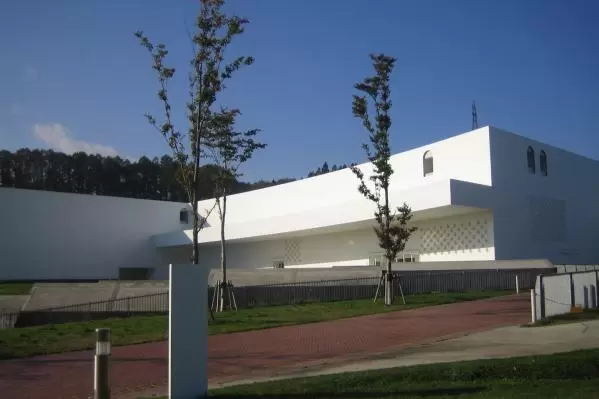
The Aomori Museum of Art features a design that merges Jomon and modern styles with its pure white exterior. Designed by architect Jun Aoki, it draws inspiration fro...
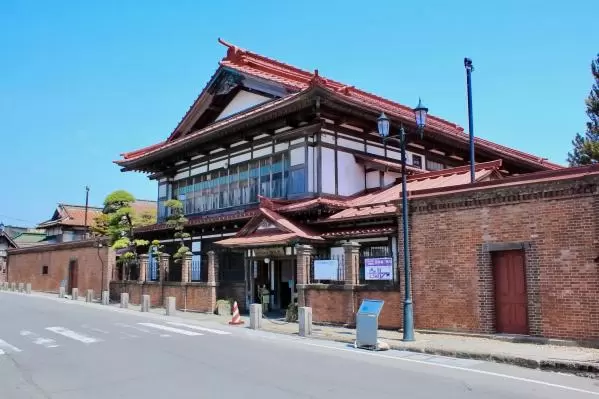
The Dazai Osamu Memorial Hall "Shayokan" is the birthplace of the renowned author Dazai Osamu. It is a magnificent residence built by his father, Tsushima Gen'emon, ...
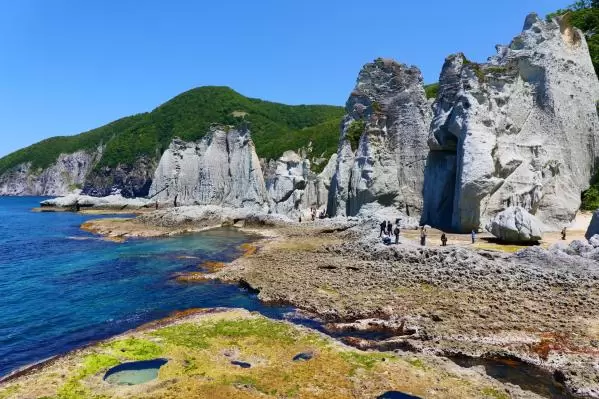
On the west coast of the Shimokita Peninsula, in Sai Village, lies a breathtaking spot known as "Fukue Cape." A series of white-green odd-shaped rocks stretch for ab...
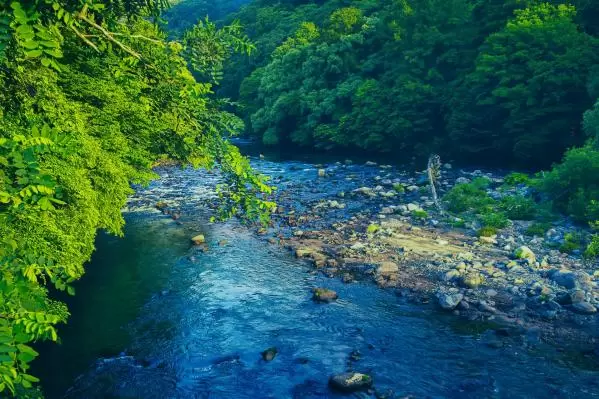
The Oirase Stream is a two-star tourist attraction in the Michelin Green Guide, featuring a breathtaking 14 km stretch of stream. Everywhere you walk, you are captiv...
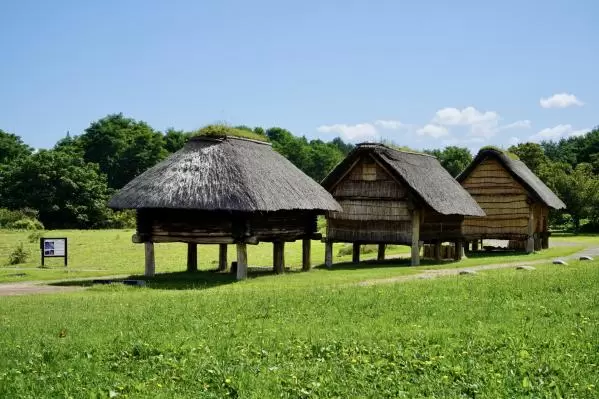
The Sannai-Maruyama Site is located in Aomori Prefecture and is designated as a national special historic site as one of Japan's largest Jomon period settlement site...
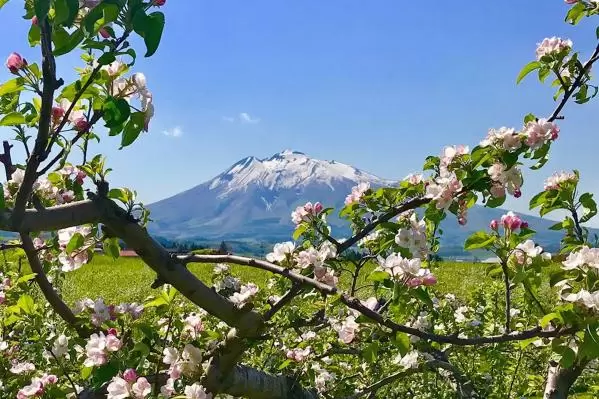
Hirosaki City Apple Park spans approximately 9.7 hectares and features 80 varieties of apple trees with a total of 2,300 trees. From early August to mid-November, vi...
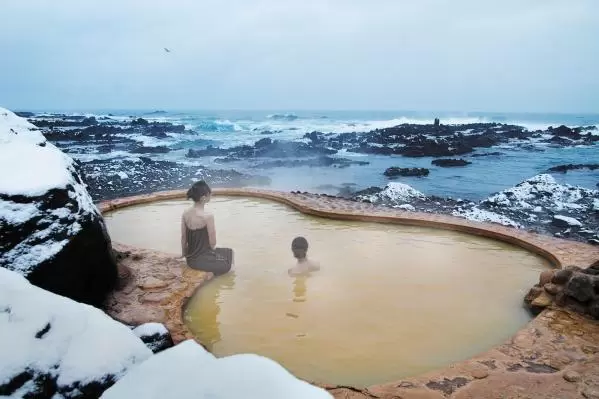
Ogonzaki Furofushi Onsen is a hot spring inn located at the scenic Ogonzaki in Fukura Town, Aomori Prefecture, at the foot of the World Heritage Site, Shirakami-Sanc...