A bath built entirely of hiba cypress
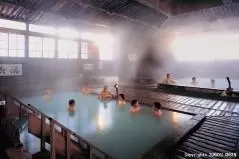
The open, column-free space and the scent of the wood make a lasting impression.




AI Summary
This is an AI-generated summary. Please check the official information for opening hours, fees, and closed days.
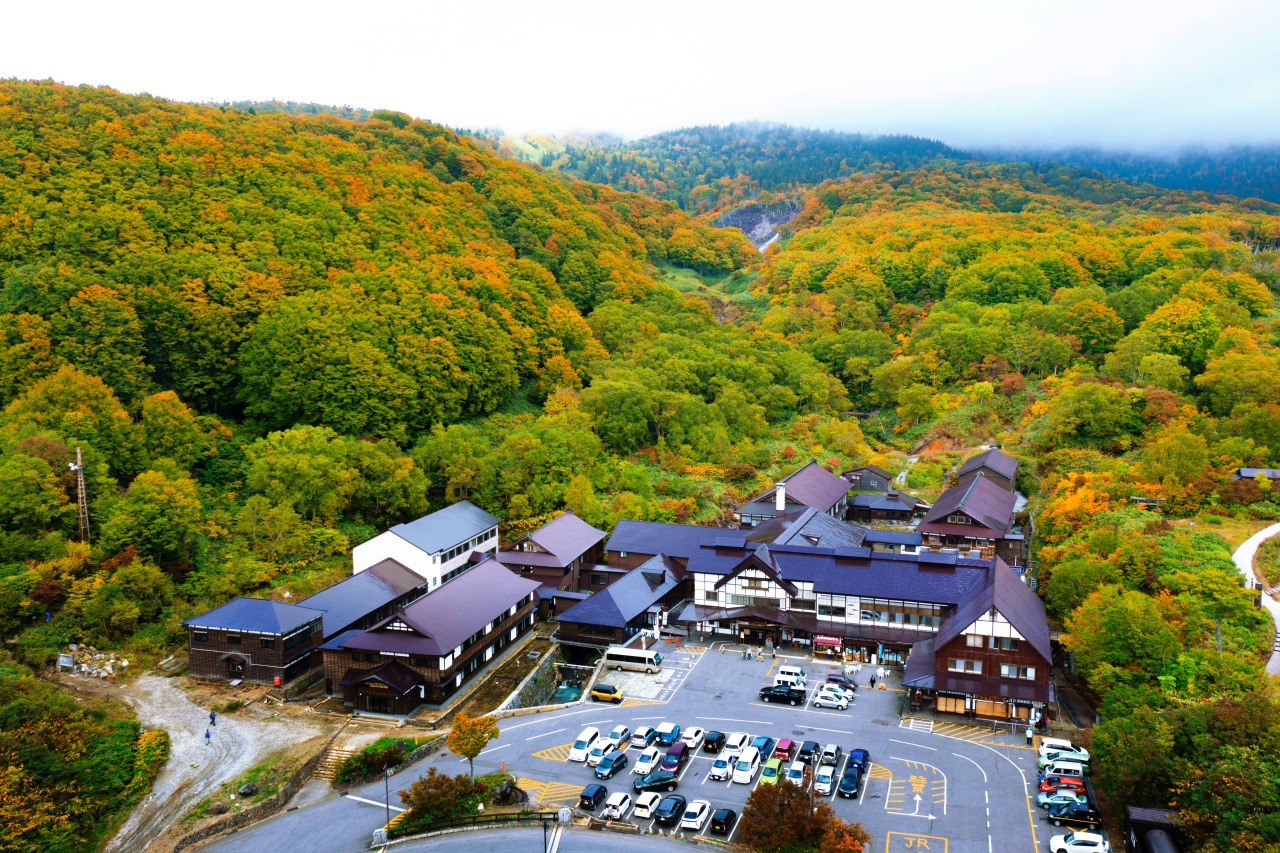
Set amid the natural beauty of the Hakkoda Mountains, this hot spring destination is known for its traditional therapeutic bathing culture and famous Thousand-Person Bath.
Sukayu Onsen is a historic hot spring resort on the slopes of the Hakkoda Mountains. Its signature bath, the spacious Hiba Thousand-Person Bath, is built entirely of hiba cypress, and the atmosphere of traditional therapeutic bathing remains strong. The water is highly acidic; if mixed bathing is a concern, consider using a bathing garment or one of the gender-separated baths.
The open, column-free space and the scent of the wood make a lasting impression.
Beyond a brief sightseeing stop, it also suits a quiet, restorative stay.
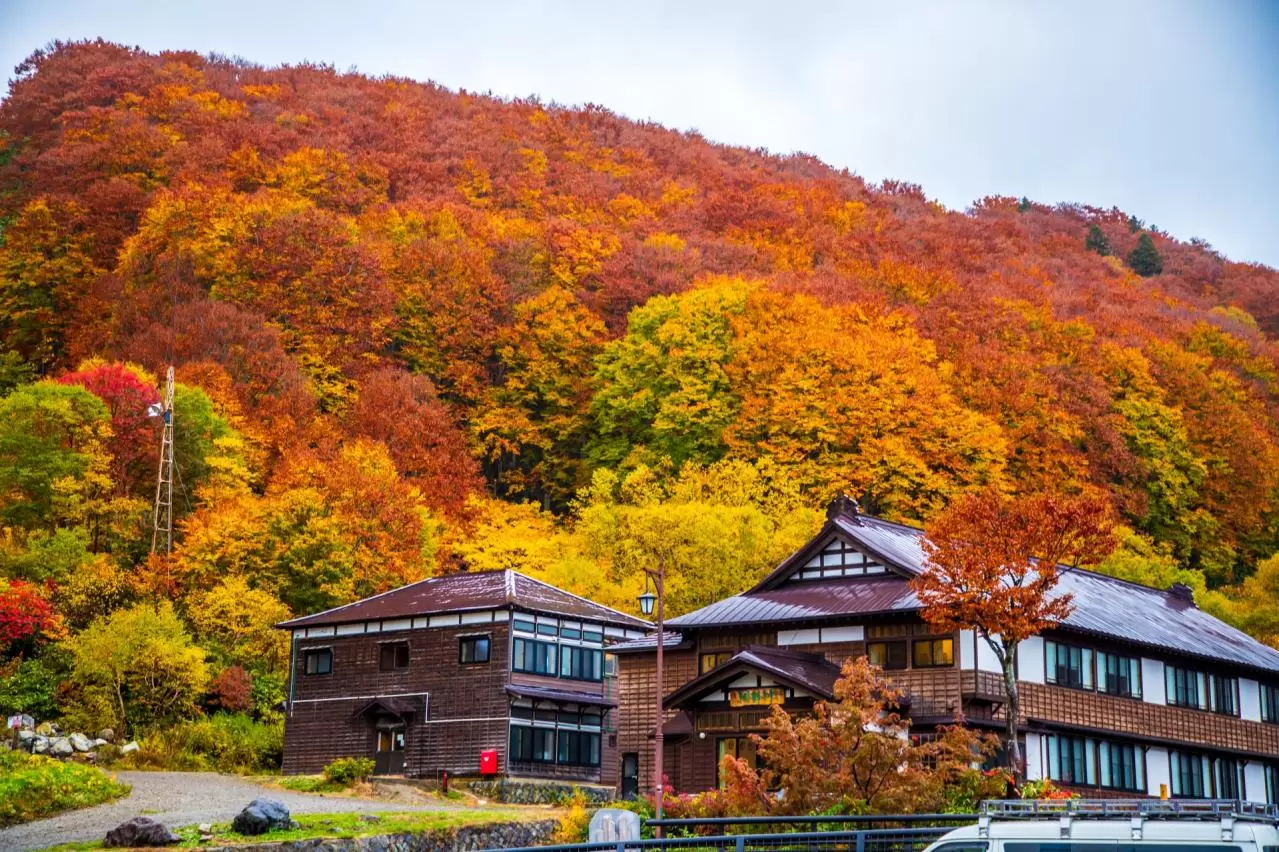
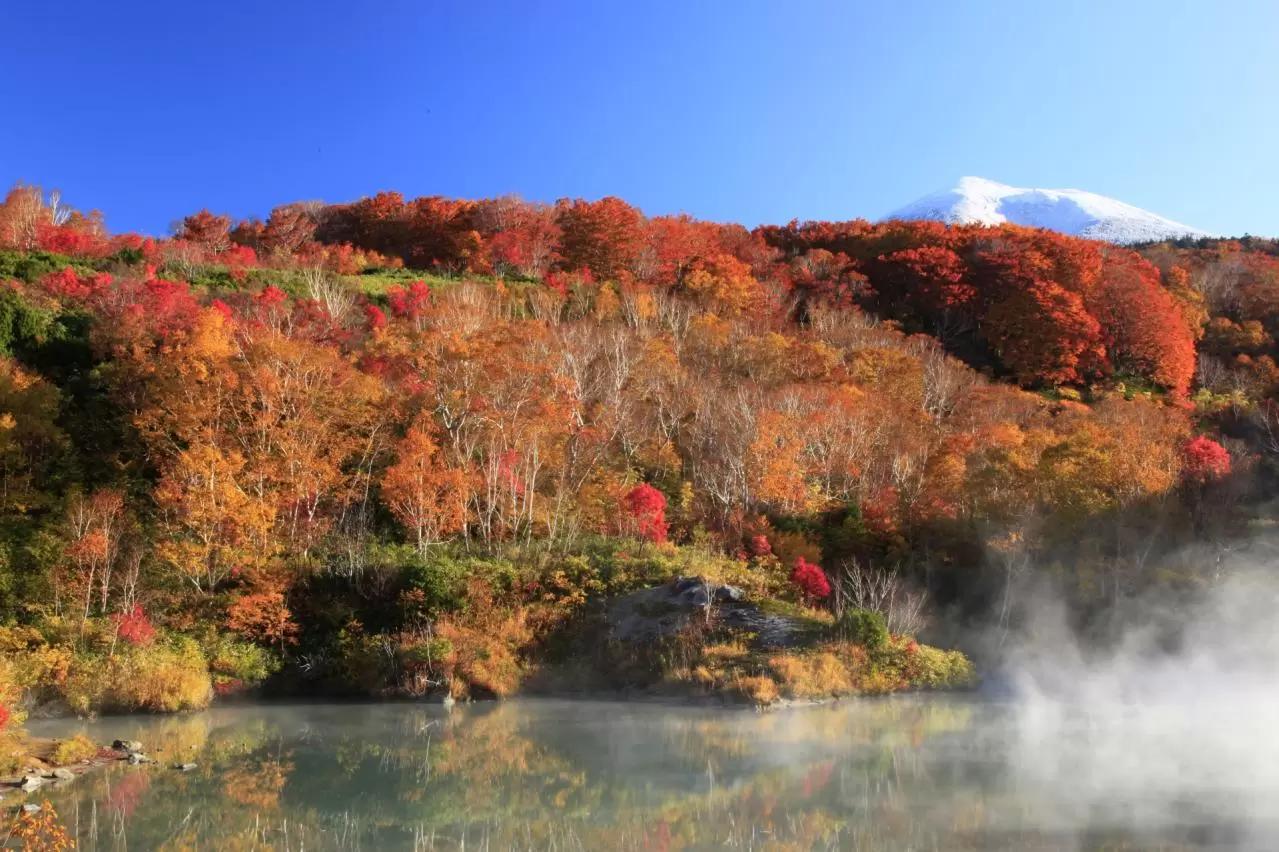
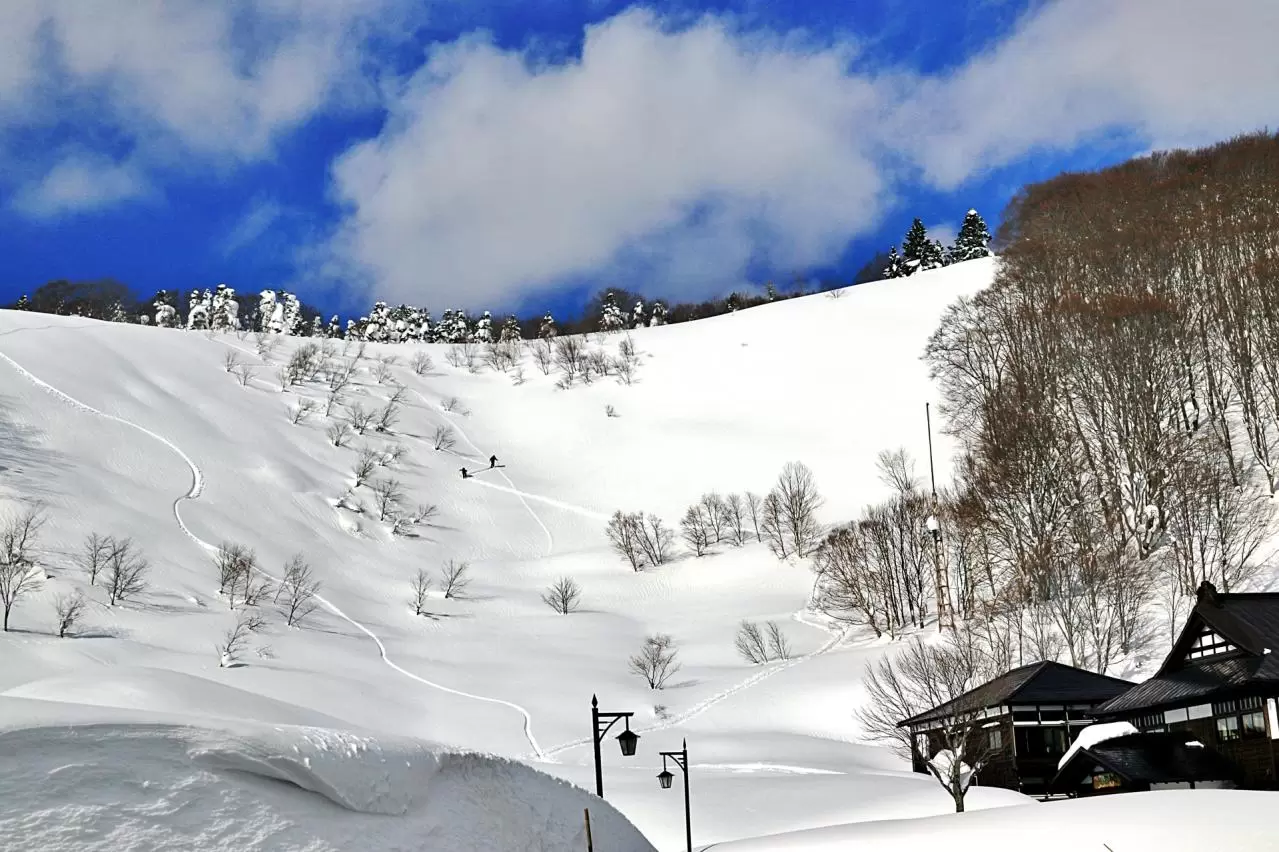
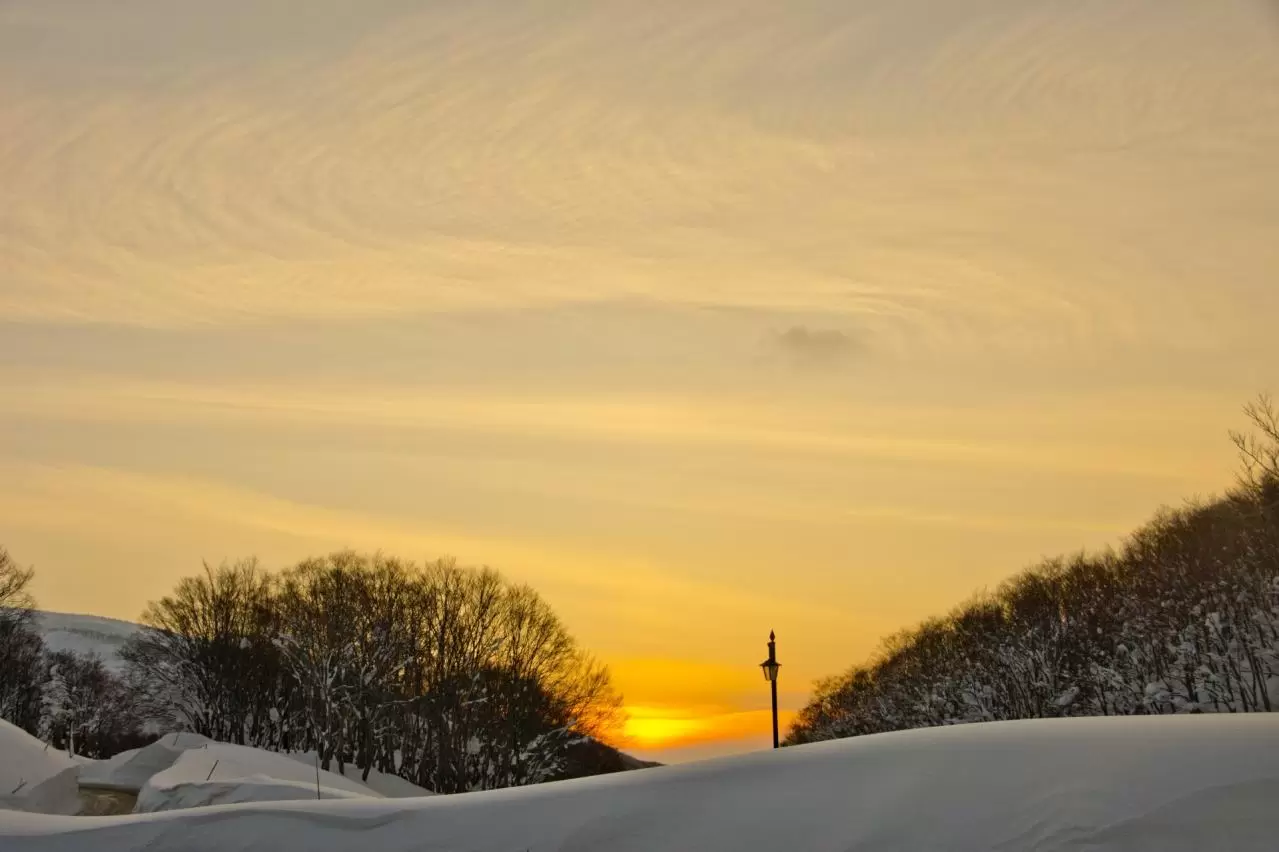
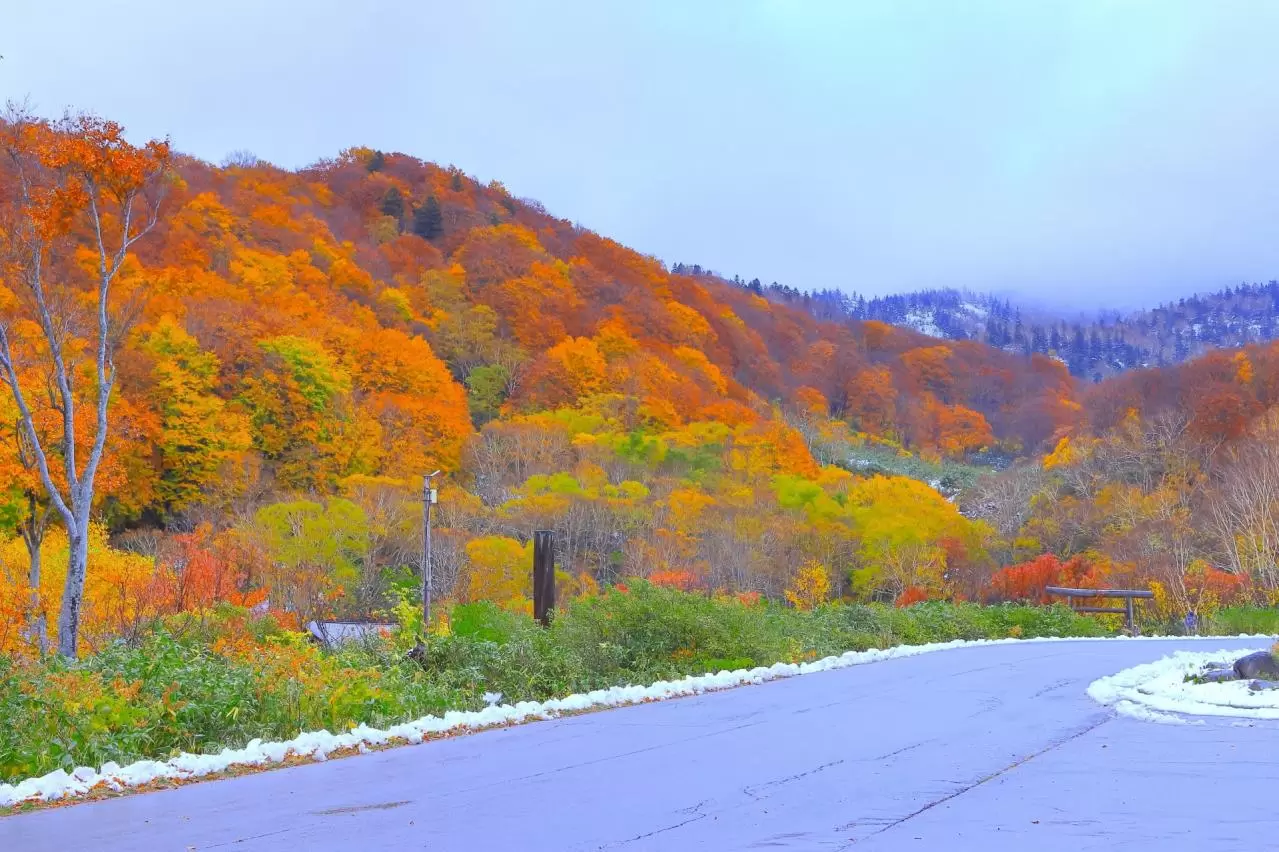
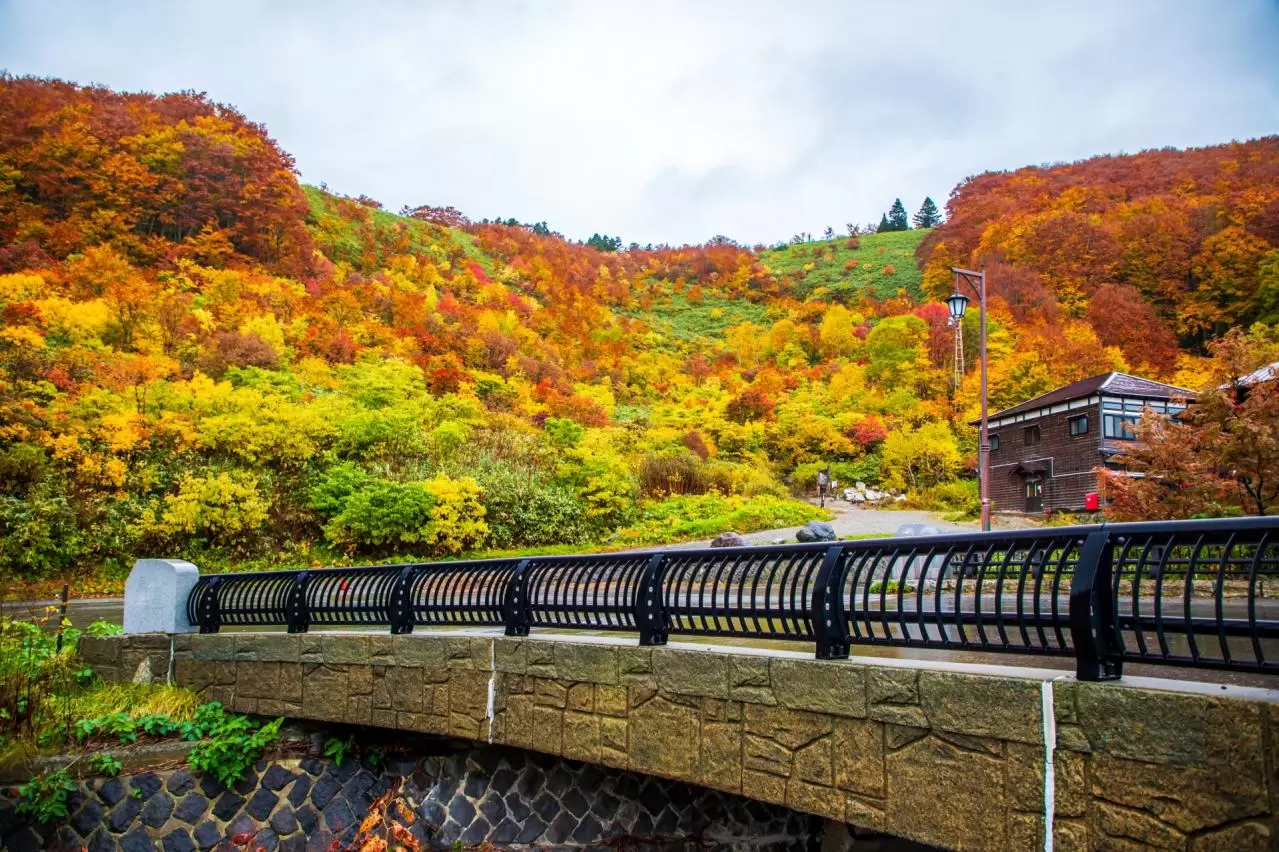
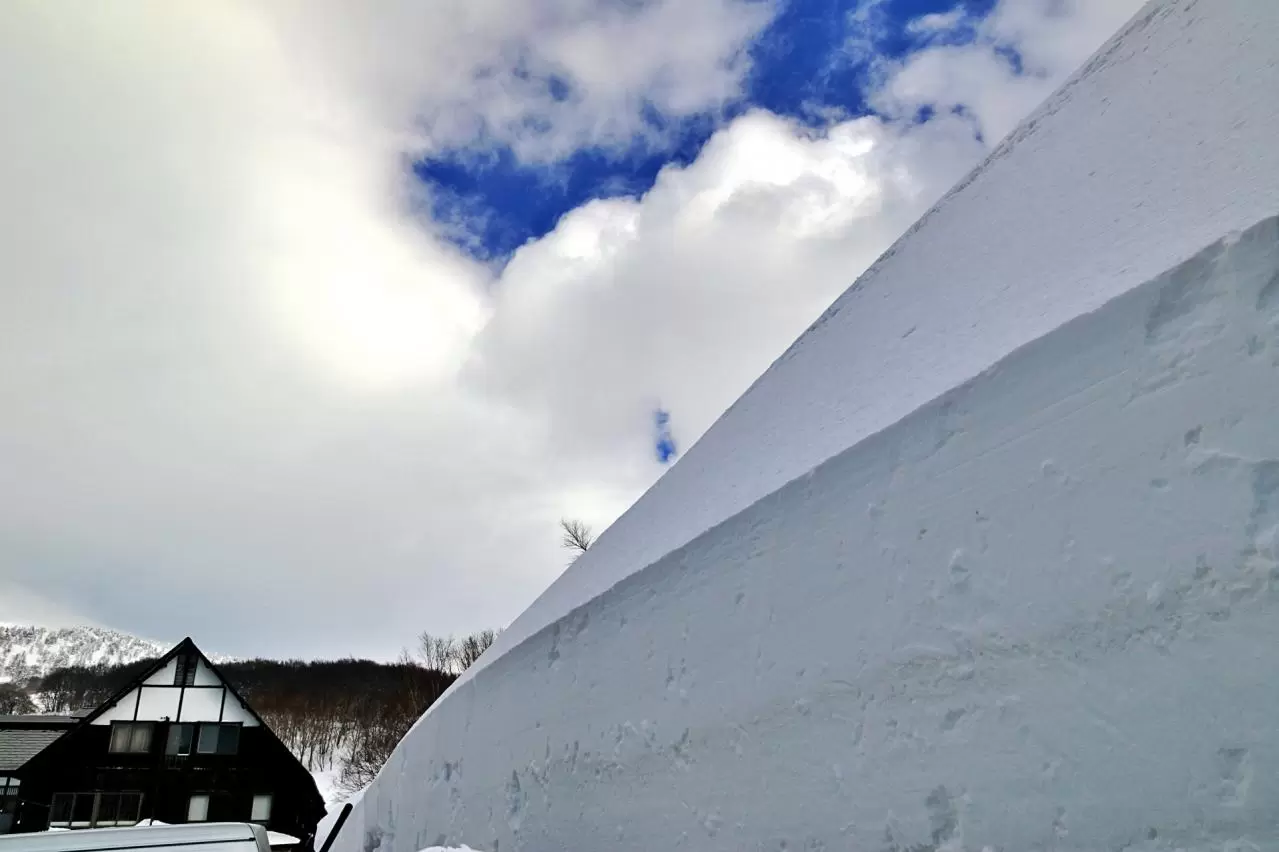
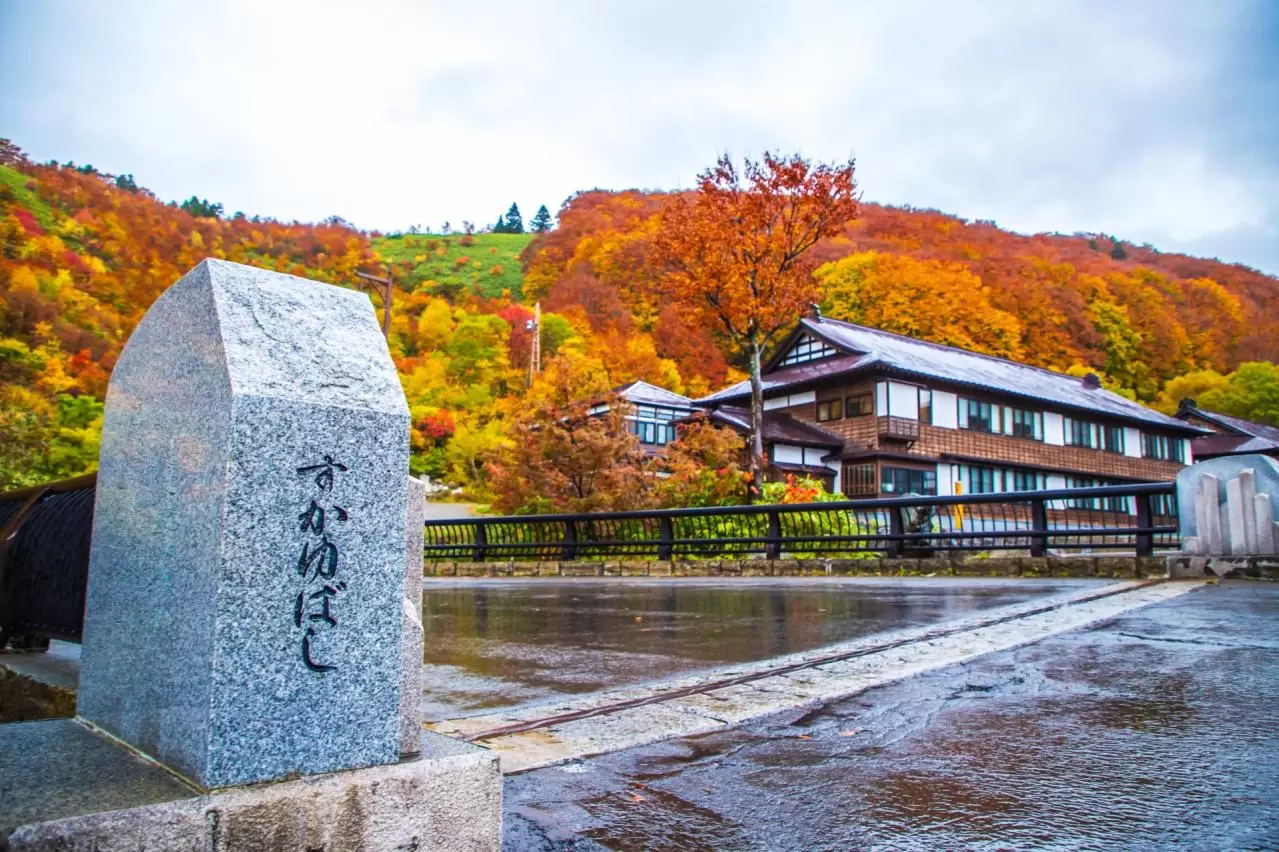
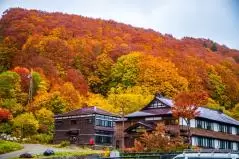
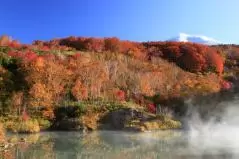
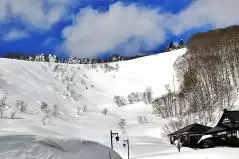
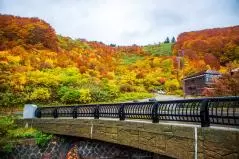
Seasonal highlights include autumn colors and winter snow scenery.
Focus on a soak, then take in the surrounding natural scenery if you have time.
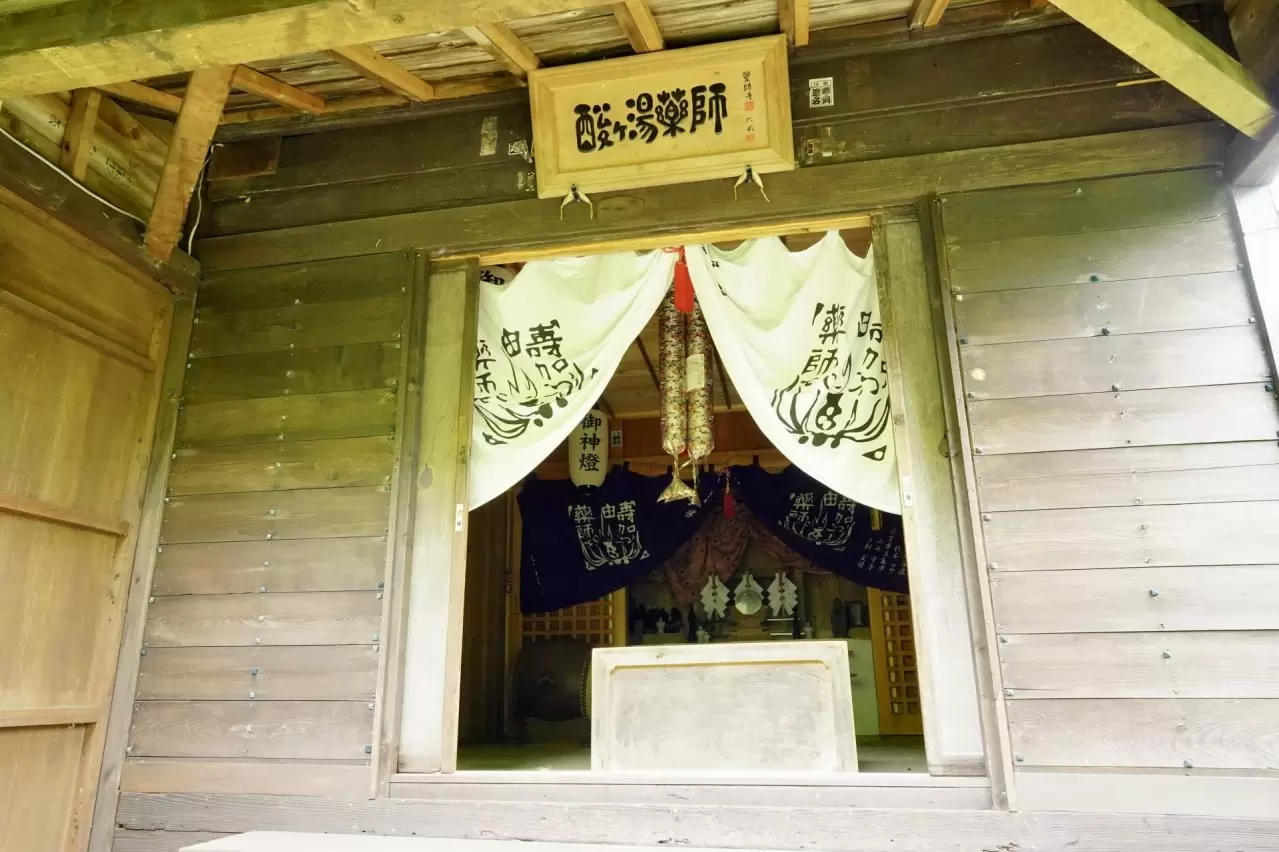
Sukayu Onsen is a historic hot spring resort with a history of about 300 years, located in Aomori City, Aomori Prefecture, on the western foot of Mount Hakkoda at an elevation of about 925 meters. Known for its rich natural surroundings and highly regarded therapeutic bathing benefits, it has long been loved by many medicinal bath visitors. In 1954, it was designated the first National Hot Spring Resort, earning high acclaim nationwide.
The Hiba Sen-nin Buro and the Appeal of the Hot Springs
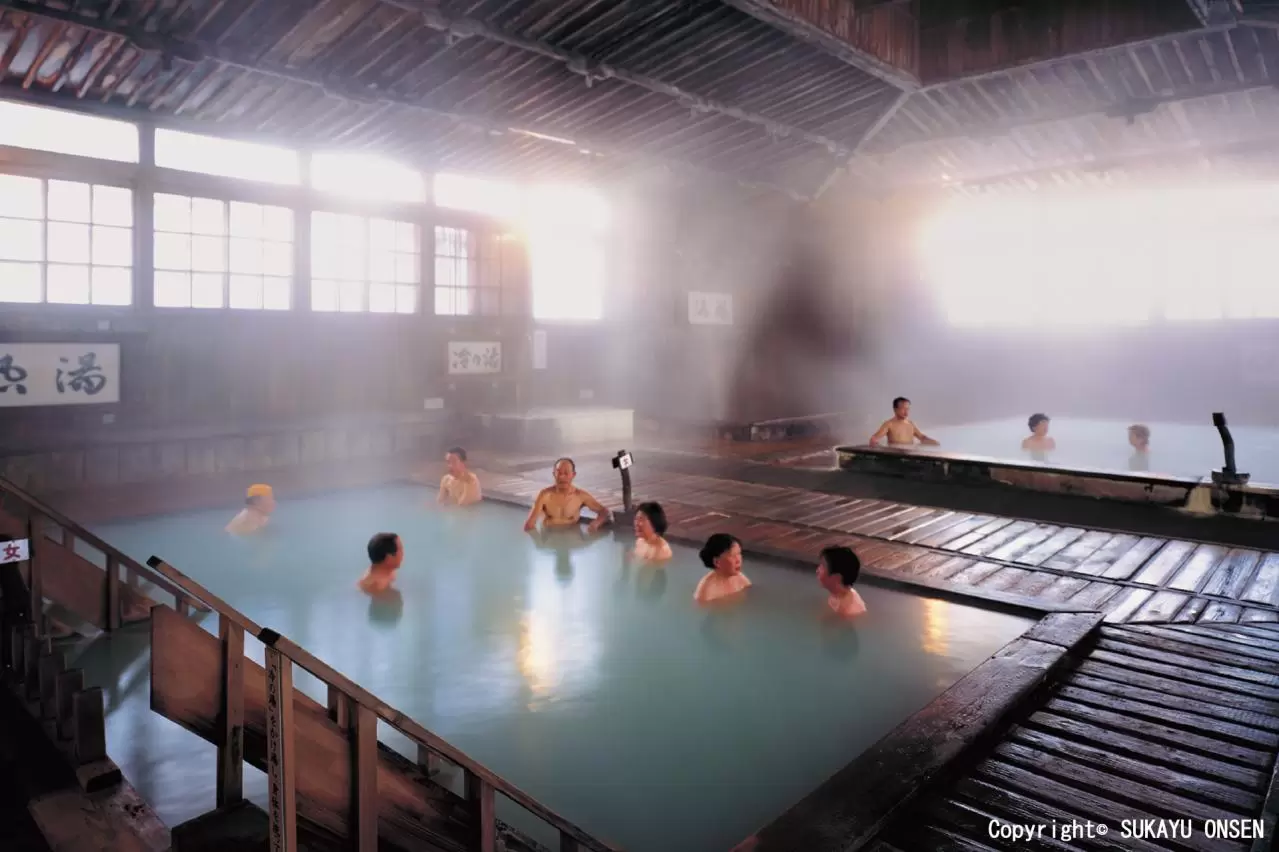
The symbol of Sukayu Onsen is the large bathhouse known as the “Hiba Sen-nin Buro” (“Bath for a Thousand People”). Built using an abundance of Hiba wood from Aomori Prefecture, this bathhouse boasts a floor space of about 160 tatami mats (approximately 260 m²) and a ceiling height of about 5 meters. Its open, pillar-free structure is one of its defining features. The grand scale and the space filled with the scent of wood leave a strong impression on visitors.
Inside the bathhouse are four different bathtubs with varying temperatures and characteristics: “Netsu no Yu” (hot bath), “Rei no Yu” (cool bath), “Shiburobun no Yu,” and “Yutaki.” Guests can enjoy the strongly acidic sulfur spring in a variety of bathing styles. The spring water is acidic, sulfur-containing, and has a pH of around 2. It is believed to be effective for a wide range of conditions, including neuralgia, joint pain, muscle pain, sensitivity to cold, fatigue recovery, skin diseases, and gastrointestinal disorders.
The fragrance and steam rising from the all-Hiba bathhouse bring warmth and comfort unique to natural materials, offering a special experience that soothes both body and mind.
Mixed Bathing and Consideration for Women
The Hiba Sen-nin Buro is a mixed bathing facility, but the changing rooms are separated for men and women, and bathing wear may also be worn. Bathing wear can be purchased or rented at the shop inside the building, allowing even those who are uncomfortable with mixed bathing to bathe with peace of mind.
In addition, the hours from 8:00 p.m. to 9:00 p.m. every day and from 8:00 a.m. to 9:00 a.m. the following morning are reserved exclusively for women. For those unfamiliar with mixed bathing or who value privacy, separate indoor baths for men and women are also available in a different building.
Therapeutic Bathing Culture and Accommodation
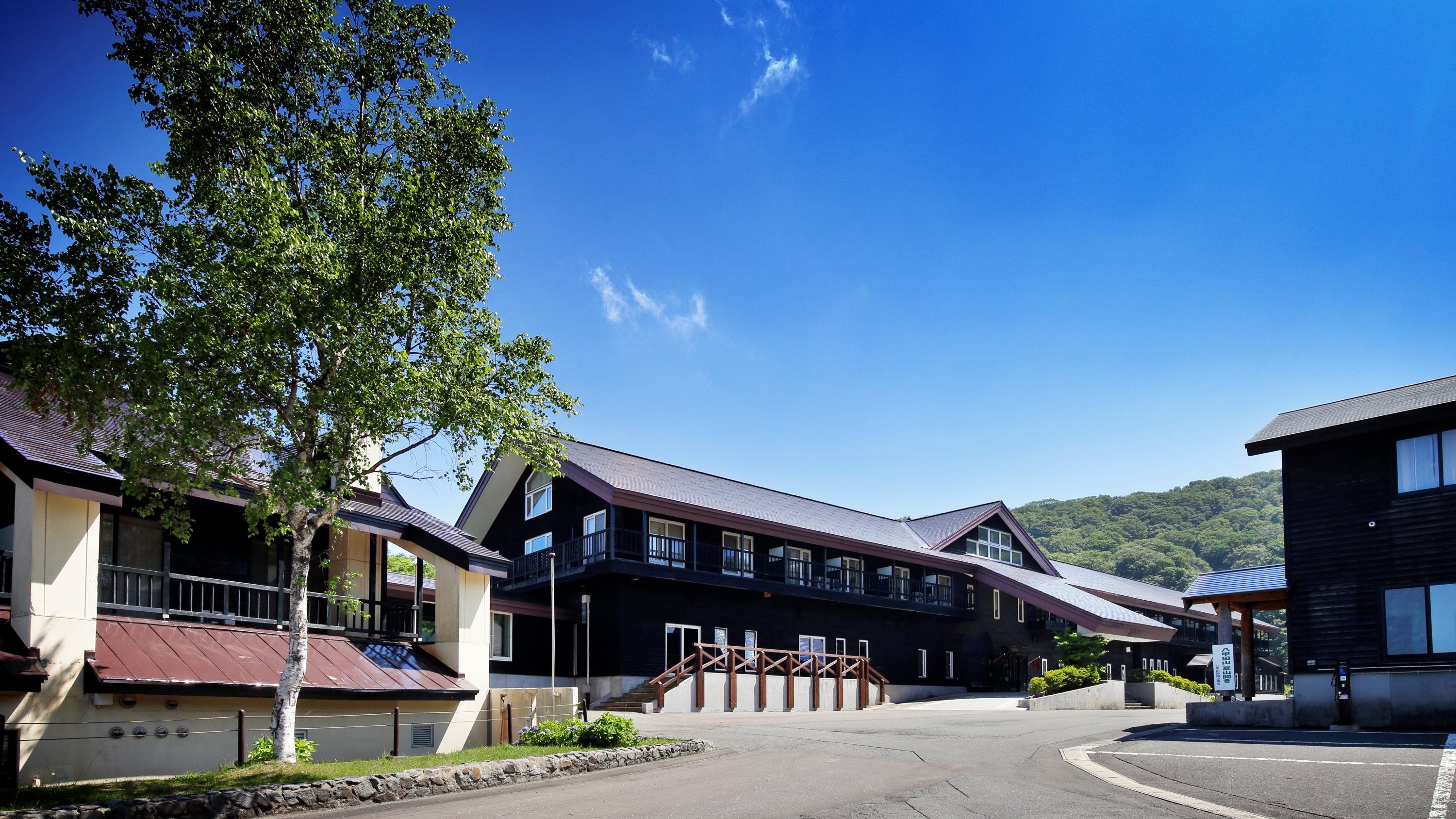
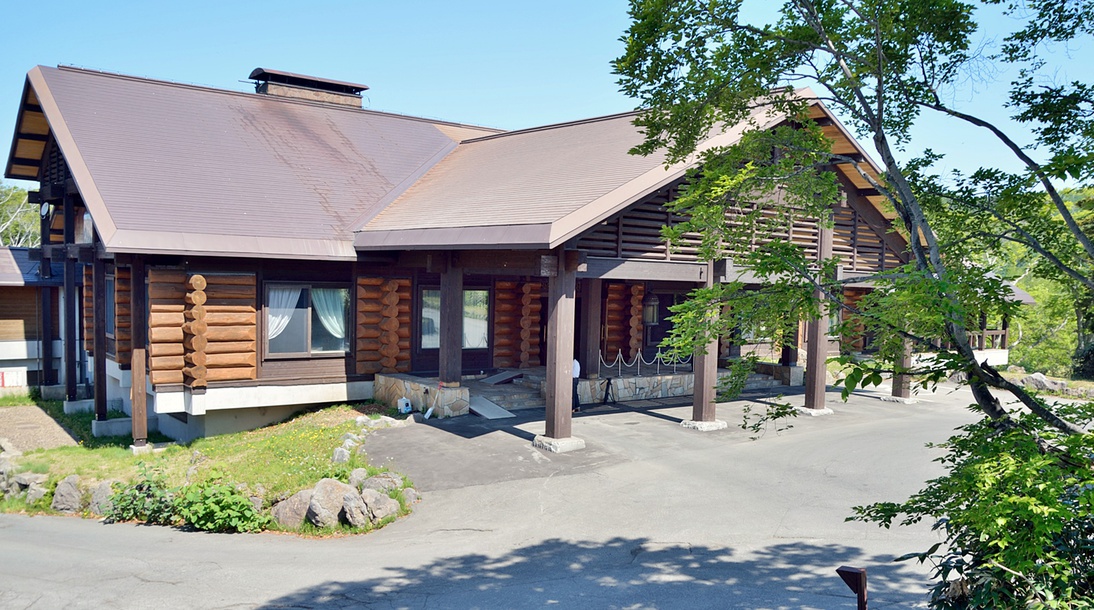
Sukayu Onsen is also known as an inn that preserves the “toji” (hot spring疗养) culture that has continued since the Edo period. Accommodation is divided into two styles: the ryokan building and the toji building, allowing guests to choose according to the purpose of their stay.
Ryokan Building (Building I / No. 7)
The Japanese-style rooms, ranging from 6 to 8 tatami mats, feature an engawa veranda and alcove, allowing guests to relax in a calm atmosphere. In Building I, dinner can also be served in the room, making it ideal for those who wish to value private time.
Toji Building
These simply furnished rooms are suitable for long-term stays. The washrooms and toilets are shared, but there is a fully equipped cooking area, with gas stoves, cooking utensils, microwaves, and more available for use. Guests can experience the traditional style of toji by preparing their own meals and restoring their physical and mental well-being at their own pace.
In either building, guests can freely choose between plans with meals or room-only stays, making it possible to tailor their visit to their budget and travel style.
History and Origin of the Name
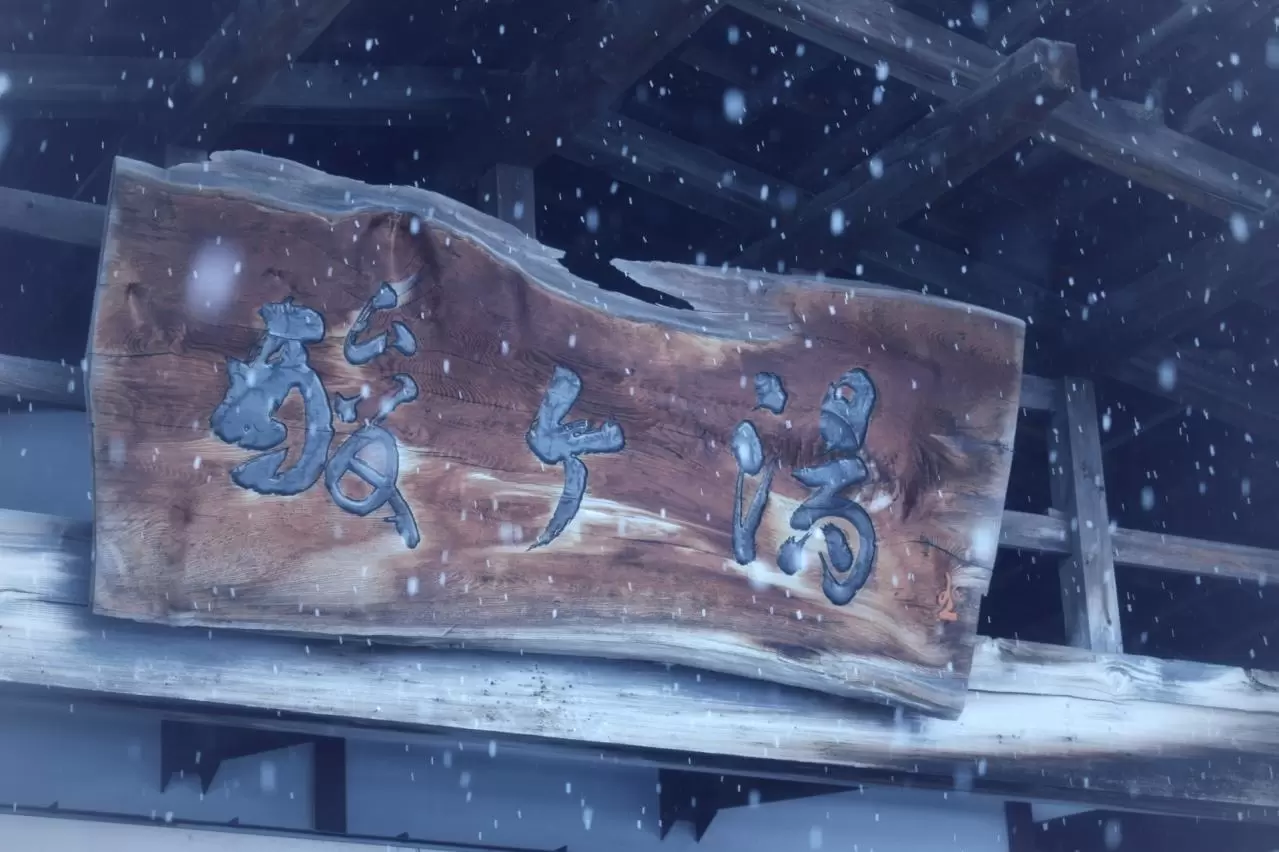
Sukayu Onsen opened in the mid-Edo period and was originally called “Shikayu” because wild deer were seen soaking in the hot water to heal their injuries. Later, as the spring water was found to be strongly acidic, it was renamed “Sukayu,” and that name remains today.
As the name suggests, the waters of Sukayu are strongly acidic, with a pH of around 2, and have a high sterilizing effect. They are believed to be effective for skin conditions, atopic dermatitis, gastrointestinal disorders, and chronic illnesses.
The facility also has a “Hot Spring Therapy Consultation Room,” where guests can receive free health consultations from a specialist doctor and guidance on proper bathing methods.
Nearby Attractions and Nature
There are many sightseeing spots around Sukayu Onsen where visitors can enjoy nature throughout the four seasons.
Manju Fukashi
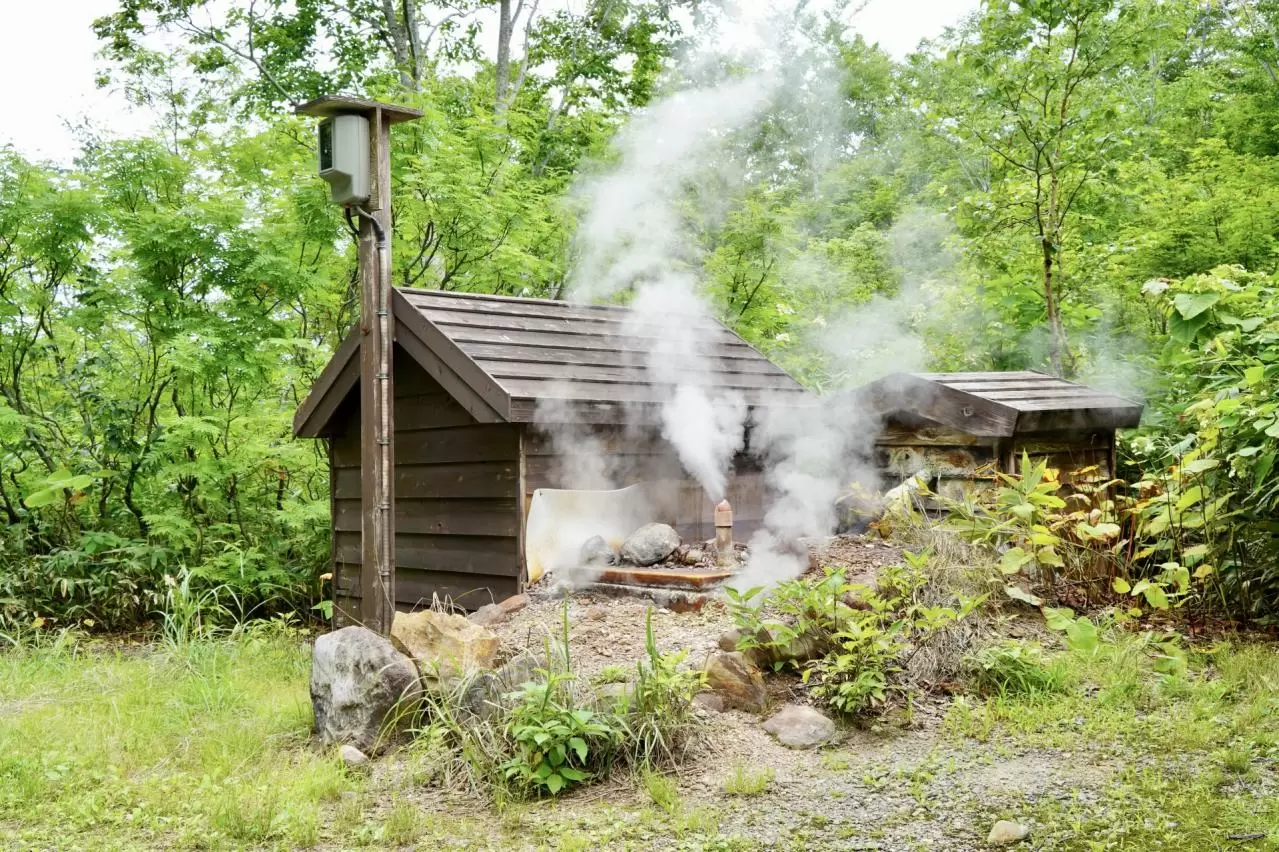
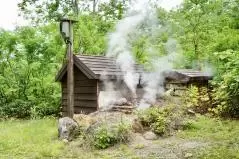
A heat therapy method that uses steam from the hot spring. By sitting on it, you can warm the lower body, and it is said to be effective for stomach and intestinal ailments as well as hemorrhoids.
Jigokunuma
A former explosive crater site where fumaroles still rise amid the smell of sulfur, offering a dramatic natural landscape.
Suiren-numa
From spring to early summer, skunk cabbage blooms here, and in autumn it is also popular as a famous spot for fall foliage.
Jogakura Stream
A gorge where visitors can enjoy magnificent natural beauty, making it an ideal spot for strolls and photography.
Hakkoda’s Snow Monsters and Skiing
During the winter season (early December to early May), ski tours are held that allow visitors to glide while admiring the famous “snow monsters” of Mount Hakkoda, offering a magical snowy landscape.
Sukayu Onsen is a precious hot spring destination that carries the tradition of therapeutic bathing into the modern era, and it is a special place where visitors can heal body and mind in harmony with magnificent nature. Bathing in the Sen-nin Buro surrounded by the scent of Hiba wood, along with the ever-changing scenery of the surrounding area through the seasons, brings deep comfort and inspiration to all who visit.
It is suitable not only for short stays as sightseeing, but also for long-term stays aimed at maintaining health and refreshing oneself, making it truly one of the places that represent Japan’s hot spring culture.
Hirosaki Park is a vast park located in the center of Hirosaki City, Aomori Prefecture, centered around Hirosaki Castle. It is the northernmost castle tower in Japan...
The Aomori Museum of Art features a design that merges Jomon and modern styles with its pure white exterior. Designed by architect Jun Aoki, it draws inspiration fro...
Juuni Lake is located in the western part of the Shirakami Mountains and consists of a group of 33 lakes and ponds. It is believed to have originated from a landslid...
The Sannai-Maruyama Site is located in Aomori Prefecture and is designated as a national special historic site as one of Japan's largest Jomon period settlement site...
When it comes to Senbon Torii (thousand torii gates), Fushimi Inari Taisha in Kyoto is famous among international visitors. However, in recent years, Takayama Inari ...
Tsugaru Han Neputa Village is a facility where you can fully experience Tsugaru culture, including the attractions of the Hirosaki Neputa Festival. It features impre...
Towada Art Center is the centerpiece of the "Arts Towada" project, located on the city's symbolic road, the Government Street. This museum envisions the entire stree...