Ryugujo Observatory
Ryugujo Observatory Movies


Basic Information
- Spot Name
- Ryugujo Observatory
- Location
- Shimoji Kima, Miyakojima City, Okinawa Prefecture
- Access
- About a 25-minute drive from Miyako Airport.
- Parking
- Parking available
- Business Hours
- Open 24 hours
- Regular Holiday
- None
Map
Detailed Information
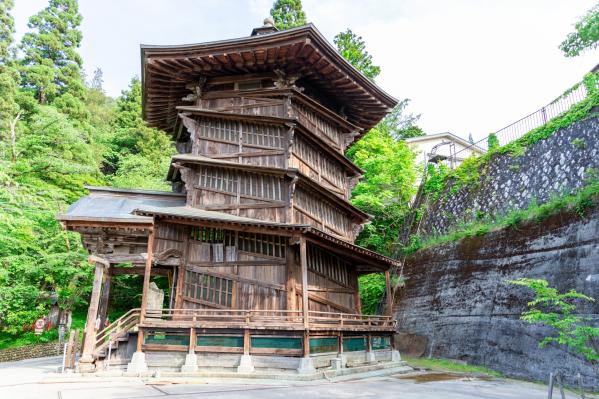
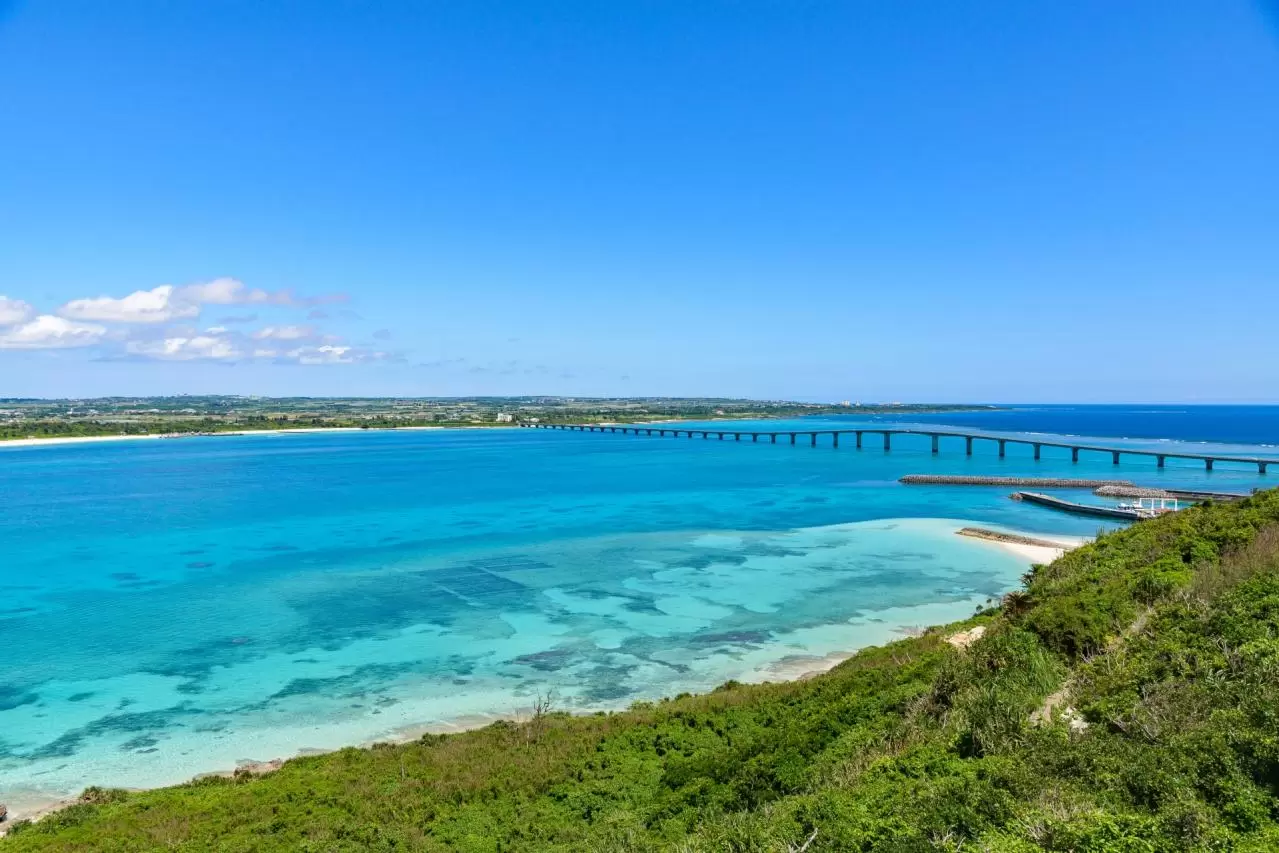
Ryugujo Observatory is a popular sightseeing spot on Kurima Island in Miyakojima City, Okinawa, where visitors can enjoy sweeping views of the sea. Built on a hilltop, the three-story observatory is designed to resemble Ryugujo, the underwater palace that appears in Japanese folktales. From here, visitors can see Yonaha Maehama Beach, Kurima Bridge, Irabu Island, and other landmarks across the water. The scenery created by the white sandy beaches and blue sea captivates everyone who visits. Unlike the view from the shore, the observatory offers the chance to look down from above at the colors of the sea and the locations of the surrounding islands, which is one of its greatest attractions.
Kurima Island is a small island approximately nine kilometers in circumference, located southwest of Miyako Island. Since it is connected to Miyako Island by Kurima Bridge, visitors can reach it by car without taking a boat. Villages and cultivated fields stretch across the island, allowing visitors to experience the beautiful sea and the everyday lives of the local people up close. Ryugujo Observatory stands on the eastern side of the island and is one of the main places to stop when exploring Kurima Island. After crossing the bridge and entering the island, looking back at the sea from the observatory makes the relationship between Miyako Island and Kurima Island easier to understand.
The observatory is an eye-catching building with an orange roof. Its exterior, modeled after Ryugujo, has a playful quality that evokes the world of fairy tales and heightens the sense of adventure from the moment you arrive. In addition to photographing the building itself, visitors can appreciate the site more fully by climbing the stairs and enjoying the views. As you move upward, compare the scenery from each level. The view gradually changes from one that includes the surrounding trees and buildings to a broad panorama of the sea. Stop wherever you find a view you like and take time to enjoy the scenery.
Directly ahead on the sea-facing side is Yonaha Maehama Beach, one of Miyako Island’s most famous beaches. The white sandy beach stretching along the opposite shore highlights the blue of the sea, forming a bright band between the water and the green land. When standing on the beach and looking out to sea, you can appreciate the clarity of the water and the movement of the waves up close. From the observatory, however, you can view the shape of the beach extending along the opposite shore and the overlapping colors of the white sand and blue water. It is a scene that shows how the same sea can make a different impression depending on where you view it from.
One of the most striking features of the sea below is its gradient, which shifts from pale blue to vivid blue. Information provided by the local tourism association describes the beautiful colors of the sea as being created by sandy areas on the seabed and “coral reefs.” Rather than appearing as one uniform shade of blue, lighter and darker areas overlap, making it look as though patterns have been drawn beneath the surface. Because the observatory offers a wide view from above, visitors can enjoy these differences in color as one expansive landscape—a feature unique to Ryugujo Observatory.
When looking out over the sea, do not focus only on the distant horizon; also pay attention to the water closer to you. The scenery is constantly changing, even if only slightly, as small waves catch the light and the brightness shifts when clouds pass overhead. On clear days, you can enjoy the vivid contrast between the sea and sky. On cloudier days, the differences between areas touched by sunlight and those in shadow can be especially striking. Even after taking photographs, pause for a while and notice the changing expressions of the sea that cannot be captured in a single still image. Spending time watching the water while feeling the sea breeze is another pleasure to enjoy here.
Kurima Bridge, visible from the observatory, is also an important part of the scenery. Connecting Miyako Island and Kurima Island, the bridge is 1,690 meters long and opened in March 1995. Looking at the bridge stretching far across the sea gives visitors a real sense of the connection between the islands. When crossing the bridge, the sea appears close beside the car windows; from the observatory, it becomes part of a broad landscape surrounding the bridge. Comparing the scenery seen while traveling with the panorama after arriving is another enjoyable aspect of visiting Kurima Island. Viewing the bridge together with the coastline makes the vastness of the sea even more impressive.
The view of Irabu Island is another highlight of the observatory. As your gaze moves from Yonaha Maehama Beach on the opposite shore, along Kurima Bridge crossing the sea, and toward the distant outline of the island, the panorama gains a sense of depth. Do not focus only on the colors of the sea; take time to observe the contours of the islands and the succession of landforms as well. Keep in mind, however, that the appearance of distant sights varies depending on the weather and atmospheric conditions. On some days they may be clearly visible, while on others they may appear hazy. Take your time to appreciate the particular view before you that day and look for the scene you like best.
When you turn your gaze away from the sea, you can look across the villages and cultivated fields of Kurima Island. In contrast to the open panorama over the water, the inland view conveys a sense of everyday life. Looking at the houses, fields, and connected roads reveals that Kurima Island is not only a tourist destination surrounded by beautiful seas, but also a place where people live and practice agriculture. Visitors’ attention naturally tends to be drawn to photographs of the sea, but taking time to view the inland side can deepen your understanding of the place you have visited. The opportunity to see both the sea and the land is another attraction of this hilltop observatory.
For photography, you can enjoy compositions centered on Yonaha Maehama Beach and the sea, or include Kurima Bridge to express the breadth of the landscape. A photograph dominated by the blue sea gives a different impression from one that also includes the sky and greenery, even when taken from the same place. First take in the entire view, then focus your gaze on details that catch your attention; this makes it easier to capture the distinctive features of the scenery. Commemorative photos with the observatory building in the background also make wonderful memories of your visit. In the viewing areas, be considerate of other visitors and take photographs from positions that do not block the stairs or walkways so that everyone can enjoy the site comfortably.
When deciding when to visit, it is best not to choose simply between morning and afternoon, but to also consider the weather and the quality of the light. The color of the sea changes depending on the sunlight, clouds, and condition of the water, so even the same time of day can create a different impression on different days. If your schedule allows, you might enjoy looking at the view again after exploring the area or having a meal, rather than only seeing it immediately after you arrive. Even over a short period, the movement of clouds and changes in light can reveal a different expression of the landscape. Instead of seeking one predetermined perfect moment, take time to savor the view in front of you.
At a hilltop observatory, it is important to be mindful of the sea breeze. Secure hats and light belongings so they do not blow away, and watch your step when going up and down the stairs. On windy days, do not become so absorbed in taking photographs that you lose your balance; enjoy the view from a stable position. During periods of strong sunlight, bringing a drink and sun protection will make your visit more comfortable. Take your time at a relaxed pace, allowing for viewing the exterior of the building and walking around the surrounding area. Comfortable shoes are recommended for the stairs and nearby walks.
According to information from the Miyakojima Tourism Association, the observatory is approximately a 25-minute drive from Miyako Airport. Cross Kurima Bridge, continue through the island, and follow the road to the observatory. There is a parking lot, which also has restrooms. Since there are souvenir shops and restaurants nearby, you can combine time spent enjoying the view with shopping or a meal. Travel times vary depending on road conditions and your starting point, so it is reassuring to allow plenty of time in your schedule. When driving through the village, proceed carefully and watch for pedestrians and other vehicles.
A nearby stop known to many visitors is Farmers’ Restaurant Rakuen no Kajitsu. It is operated by a farming family with fields certified under the Japanese Organic JAS standards and serves dishes and desserts made with ingredients from Kurima Island, Miyako Island, and Okinawa. After admiring the sea from the observatory, visitors can enjoy spending time experiencing the island’s food culture. The fruits and menu items available vary by season, so it is advisable to check the information provided at the time of your visit. Combining sightseeing with a meal or a break allows you to enjoy a leisurely stay on Kurima Island.
Kurima Island is also home to cafés that use island vegetables and fruit, as well as shops selling distinctive miscellaneous goods. On the western side of the island is Nagama Beach, which is known for its sunset views. After observing the relationship between the sea and the islands from the observatory, extend your trip to places that catch your interest and discover Kurima Island from different perspectives. At Ryugujo Observatory, first take in the expanse of Yonaha Maehama Beach and the blue sea, then look toward the bridge and the distant island silhouettes, and finally turn your attention to the villages and fields. Both the beautiful views and the everyday life of the island enrich the time you spend on Kurima Island.
Okinawa Tourist Attractions
View List

Okinawa World (Cultural Kingdom, Gyokusendo)
Okinawa World is a tourist spot where you can enjoy the natural beauty, culture, and history of Okinawa all at once. Among its attractions, the Tamatsukuri Cave, whi...
Onna Village Museum
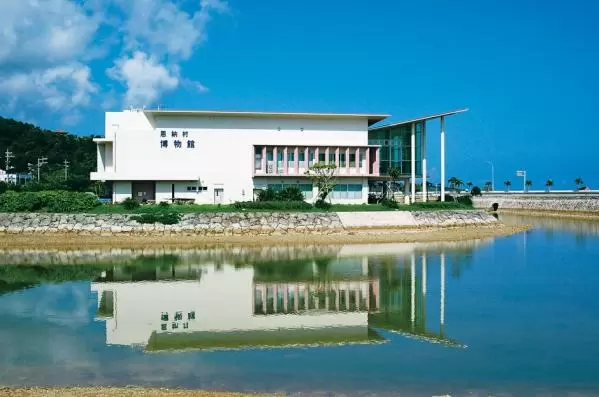
The museum that conveys the unique history, culture, and lifestyle of Onna Village is divided into three zones: the folk exhibition "Life in Onna," the video theater...

Naki-jin Castle Ruins
Nakijin Castle Ruins is a historic site built as the residence of the king of the northern kingdom during the time of the Three Kingdoms of Okinawa. It is located in...
Zakimi Castle
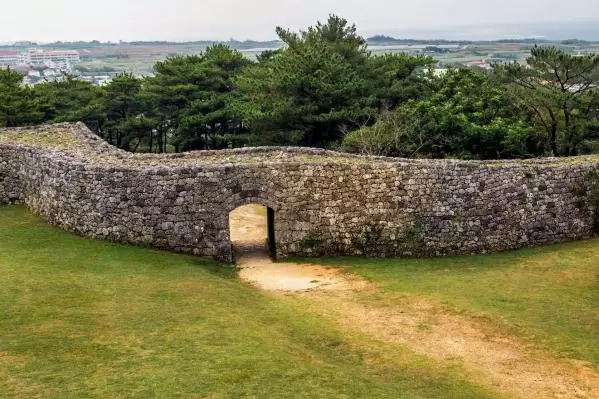
Zakimi Castle, located in Yomitan Village, Okinawa Prefecture, is a castle (gusuku) from the Ryukyu Kingdom era. This castle was built in the 15th century by Gozamar...

Kabira Bay
Kabira Bay is located in the northwest of Ishigaki Island and is one of Okinawa's top scenic spots. It features a beautiful landscape with crystal-clear emerald gree...
Okinawa Zoo & Museum
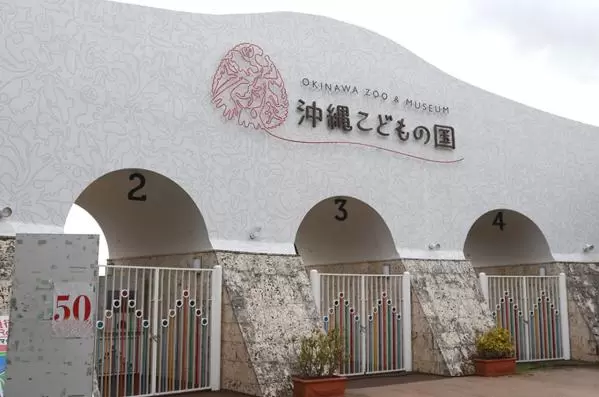
Okinawa Children's Country is a family-oriented leisure facility located in Okinawa City, Okinawa Prefecture. Opened in 1970, this facility features a diverse range ...
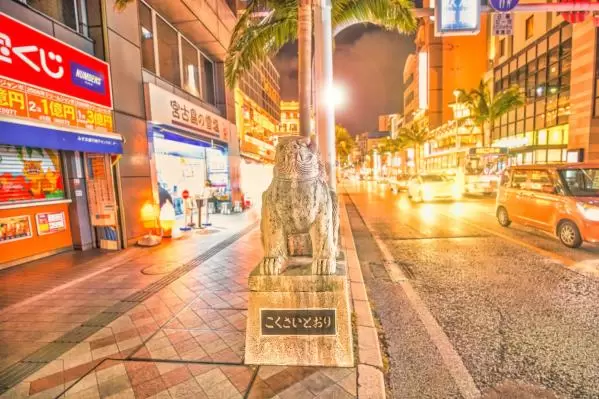
Kokusai Street
Naha's main street, Kokusai Dori, is known as the "Miracle Mile." It has achieved an astonishing revival from being completely burned down during World War II and ha...