Naki-jin Castle Ruins
Naki-jin Castle Ruins Movies


Basic Information
- Spot Name
- Naki-jin Castle Ruins
- Location
- 〒905-0428 5101 Imadomari, Nakijin Village, Kunigami District, Okinawa Prefecture, Japan
- Access
- 27 km by car from Kyoda IC on the Okinawa Expressway via National Routes 58 and 505 towards Nakijin. Approximately 2 hours and 45 minutes from Naha Airport.
- Parking
- Parking available.
- Business Hours
- 8:00 AM to 6:00 PM (Closed, until 7:00 PM from May to August)
- Regular Holiday
- Open year-round.
- Fees
- Adults: 400 yen, Junior high and high school students: 300 yen, Children under elementary school age: free.
- Contact Information
- Phone Number: 0980-56-4400
- Official Website
Map
Detailed Information
Nakijin Castle Ruins, located in Nakijin Village, Kunigami District, Okinawa Prefecture, are the remains of the residence of the King of Hokuzan, which existed before the establishment of the Ryukyu Kingdom. Situated on the Motobu Peninsula in northern Okinawa Island, the site is also known as “Hokuzan Castle.” Built on hills approximately 90–100 meters above sea level, it is characterized by stone walls that curve along the natural contours of the terrain. The walls extend for approximately 1.5 kilometers in total and reach heights of about 3–8 meters, depending on the location. In December 2000, the site was registered as a UNESCO World Cultural Heritage site as part of the “Gusuku Sites and Related Properties of the Kingdom of Ryukyu.” With its magnificent stone walls and sweeping views of the East China Sea, it is one of Okinawa’s most representative historical attractions.
During the Sanzan Period, when Okinawa Island was divided among the three powers of Hokuzan, Chuzan, and Nanzan, Nakijin Castle flourished as the political and military center of Hokuzan. Although the exact date of its construction is unknown, the castle is believed to have begun taking shape around the end of the 13th century and developed into a large-scale fortress during the 14th century. Numerous Chinese ceramics and other artifacts have been excavated, indicating that Hokuzan prospered through overseas trade. The castle was not merely a defensive stronghold but also an important place where goods and culture converged.
In the early 15th century, Hokuzan was defeated by forces from Chuzan led by Sho Hashi and others. The fall of Hokuzan is generally dated to 1416, although some theories place it in 1422. Afterward, a governor was stationed at Nakijin Castle to administer the northern region. The castle is said to have been burned down in 1609 during the invasion of the Ryukyu Kingdom by the Satsuma forces, and its political and military roles gradually declined. When the governor withdrew to Shuri in 1665, the castle ceased to function as a center of administration. Nevertheless, it continued to be carefully preserved as a place of prayer for local residents.
The stone walls of Nakijin Castle were built mainly using hard limestone known as old coral limestone. A deep valley lies to the east of the castle, while steep slopes extend in other directions, providing naturally advantageous defensive terrain. The stone walls follow the contours of the land and were constructed using the nozura-zukuri technique, in which natural stones are skillfully stacked. They continue in gentle curves across the hills. The landscape created by the lush green hills and stone walls is one of the most beautiful and iconic features of the Nakijin Castle Ruins. The castle grounds cover approximately 7.9 hectares and are said to have consisted of ten kuruwa, or enclosed sections, including the outer fortifications. A kuruwa is an area divided by stone walls or similar structures, and each section is thought to have served political, military, residential, or ritual functions.
The Heirōmon Gate, which served as the castle’s main entrance, is one of Nakijin Castle’s most iconic sights. The present gate was restored by the Government of the Ryukyu Islands in 1962. Beyond the gate, paved paths and stairways lead toward the central area of the castle. The main stairway in use today was developed before World War II and allows visitors to proceed to the Umiya, or Great Courtyard, while enjoying the scenery of the ruins. High stone walls rise along the paths, making it easy to imagine the people who once moved through the castle. The site also contains many slopes and stairways, allowing visitors to appreciate how the castle’s builders made effective use of the rugged terrain.
Ūshimi is believed to have been an area where horses were kept and cavalry trained in preparation for battle. Surrounded by high stone walls, it conveys the castle’s military character. Kāzafu is a narrow valley where bedrock is exposed, and its naturally steep and confined terrain is thought to have contributed to the castle’s defenses. In contrast, the Umiya, or Great Courtyard, in the central area was an important open space within the castle, with buildings associated with politics and religious rites believed to have stood around it. In the nearby main enclosure, traces of buildings have been identified, revealing that it served a central function within the castle.
Uuchibaru is a sacred area traditionally believed to have been the living quarters of the court ladies who served the castle. Sites associated with Okinawan traditional beliefs also remain, illustrating that the castle was not only a political center but also a place of prayer. From the northern end of Uuchibaru, visitors can look out over the East China Sea, the landscape of Nakijin Village, and the islands of Iheya and Izena. On exceptionally clear days, Yoron Island can sometimes be seen in the distance. This is one of the most popular viewpoints at the Nakijin Castle Ruins. At the Shigemajo Enclosure, people believed to have been close to the castle lord are thought to have lived, and excavations have uncovered the remains of several buildings. Remains of residences have also been found in the outer sections, indicating that daily life extended both inside and outside the castle.
The surrounding area is home to Kufa Utaki, a sacred site that has long been used as a place of prayer; Miimungusuku, which may have served as an outlying fort; and the Nakijin Village Ruins, where postholes and Chinese ceramics have been discovered. These archaeological sites demonstrate that Nakijin Castle was closely connected with the surrounding settlements and places of worship. When visiting sacred areas such as utaki, it is important to show respect for local religious traditions.
The Nakijin Castle Ruins are also known as one of Okinawa’s finest cherry blossom viewing spots. From around mid-January to early February each year, deep pink Taiwan cherry blossoms come into bloom, creating a beautiful contrast with the stone walls. In years when the Nakijin Gusuku Cherry Blossom Festival is held, the site may become especially lively with nighttime illuminations and other events. Since the blooming period and event details vary from year to year, visitors are advised to check the latest information before their visit.
At the Nakijin Village History and Culture Center, adjacent to the castle ruins, visitors can learn about the history of Hokuzan and local life through excavated artifacts and other exhibits. The Nakijin Village Gusuku Exchange Center, which provides admission services and tourist information, is also located nearby. Learning about the site’s overall layout before exploring makes it easier to understand the characteristics of each enclosure. A visit generally takes about one to one and a half hours. Since the site includes stone-paved and sloping paths, comfortable shoes with good traction are recommended.
From central Naha, the site can generally be reached by car in approximately one and a half to two hours, making it an ideal stop as part of a tour of northern Okinawa, together with attractions such as Okinawa Churaumi Aquarium, the Fukugi Tree-lined Road in Bise, and Kouri Island. Admission fees and opening hours may change, so visitors should check the official information in advance. The Nakijin Castle Ruins offer the chance to experience the stone walls and remains that convey the history of the Kingdom of Hokuzan, magnificent views of the sea, and winter cherry blossoms all in one place. As a World Cultural Heritage site where Ryukyuan history harmonizes with Okinawa’s natural beauty, it leaves a lasting impression on all who visit.
Okinawa Tourist Attractions
View List
Okinawa Churaumi Aquarium
Okinawa's Sea - Experience rich nature and cultural history, as well as interaction with dolphins at the Ocean Expo Park. One of the popular spots in the park is the...
Seifa Utaki
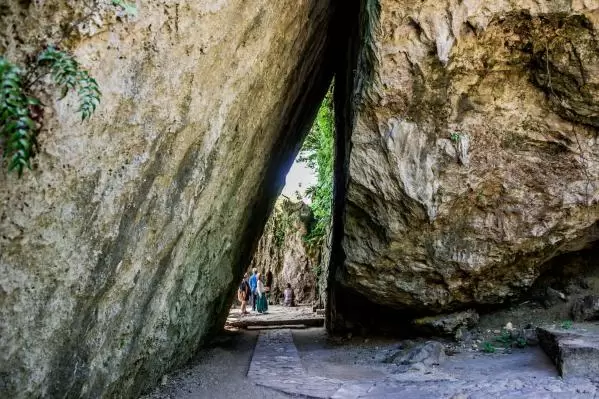
Seifa Utaki is the most sacred site of the Ryukyu Kingdom and was registered as a UNESCO World Heritage Site as part of the "Sites of Japan's Meiji Industrial Revolu...
Okinawa Zoo & Museum
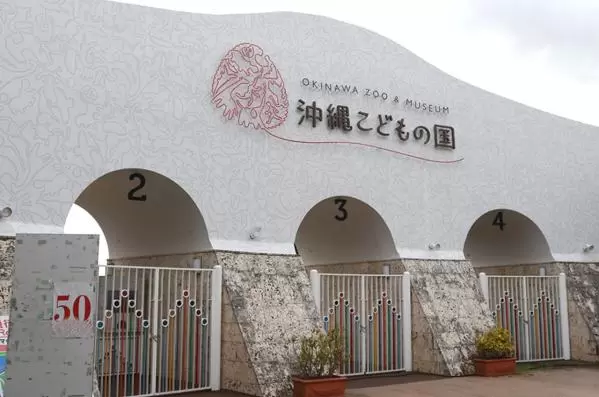
Okinawa Children's Country is a family-oriented leisure facility located in Okinawa City, Okinawa Prefecture. Opened in 1970, this facility features a diverse range ...
Kokusai Street
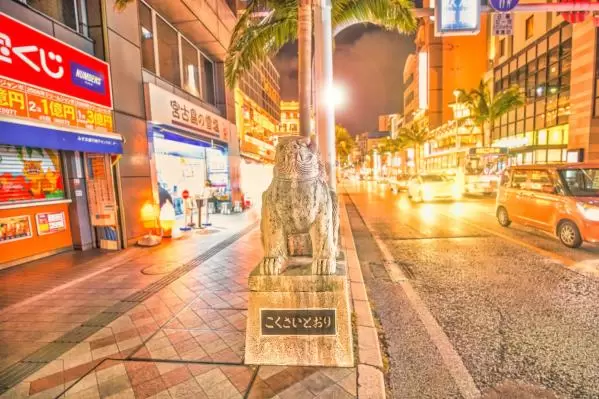
Naha's main street, Kokusai Dori, is known as the "Miracle Mile." It has achieved an astonishing revival from being completely burned down during World War II and ha...

Yonaha Maehama Beach
Yonaha Maehama Beach, located on the eastern side of Miyako Island, features a stunning 7 km stretch of pure white sand and the emerald green waters known as "Miyako...
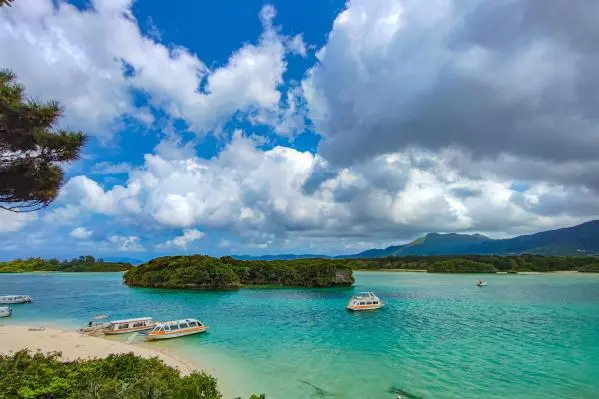
Kabira Bay
Kabira Bay is located in the northwest of Ishigaki Island and is one of Okinawa's top scenic spots. It features a beautiful landscape with crystal-clear emerald gree...

Miha American Village
Mihama American Village is a popular resort town located in central Okinawa. It features colorful buildings and a Ferris wheel that recreate an American street scene...