Okinawa World (Cultural Kingdom, Gyokusendo)
Okinawa World (Cultural Kingdom, Gyokusendo) Movies


Basic Information
- Spot Name
- Okinawa World (Cultural Kingdom, Gyokusendo)
- Location
- 〒901-0616 1336 Maekawa, Tamagusuku, Nanjo City, Okinawa Prefecture
- Access
- Take the city bus, Line 5, and get off at Inari Taisha-mae. It’s a 7-minute walk to the east. About 10 minutes from Naha Airport Expressway "Haneji South IC."
- Parking
- 400 cars
- Business Hours
- 9:00 AM to 5:30 PM (Last admission at 4:00 PM)
- Fees
- Admission ticket: Adults 2,000 yen / Children 1,000 yen
- Contact Information
- Phone Number: 098-949-7421
- Official Website
Map
Detailed Information
Okinawa World (Culture Kingdom and Gyokusendo Cave), located in Maekawa, Tamagusuku, Nanjo City, Okinawa Prefecture, is a large-scale tourism theme park where visitors can experience Okinawa’s nature, history, culture, and traditional performing arts all in one place. One of the leading attractions in southern Okinawa Island, it features a variety of facilities, including Gyokusendo Cave, a vast limestone cave formed over approximately 300,000 years; the Ryukyu Kingdom Castle Town, a recreation of a townscape from the era of the Ryukyu Kingdom; the Habu Museum Park, where visitors can learn about Okinawa’s unique creatures; and the Tropical Fruit Garden, where tropical fruits are cultivated. Visitors can enjoy a wide range of activities, from experiencing traditional Okinawan crafts and watching powerful eisa performances to sampling local cuisine, making the park enjoyable for people of all ages. Many tourists from Japan and abroad visit the park to gain a deeper understanding of Okinawa’s distinctive natural environment and unique culture.
The history of Okinawa World is closely connected with the development of Gyokusendo Cave, the park’s central attraction. In 1967, an expedition team from Ehime University’s Academic Exploration Club conducted a full-scale scientific survey of Gyokusendo, revealing the cave’s size and interior features. It was subsequently opened to the public as a tourist cave in 1972 and developed into one of the leading tourist attractions in southern Okinawa Island. Facilities introducing Okinawa’s traditional culture and natural environment were later added, leading to the development of the present-day Okinawa World. Within the park, visitors can experience both the limestone cave, which evokes the long history of the Earth, and the culture passed down since the era of the Ryukyu Kingdom. For this reason, the park is popular as a place where visitors can enjoy a comprehensive experience of Okinawa’s many attractions.
The greatest highlight of Okinawa World is Gyokusendo, one of Japan’s largest limestone caves. Said to have formed over approximately 300,000 years, Gyokusendo has a total length of about five kilometers, including its main passage and subsidiary passages. A 890-meter section is open to visitors and features a well-maintained walkway, allowing them to experience the cave’s fantastic underground world up close. The cave is said to contain more than one million stalactites, including icicle-like formations hanging from the ceiling, stalagmites growing upward from the ground, and columns connecting the ceiling and floor. Illuminated by carefully arranged lighting, the cave is filled with a mysterious atmosphere and offers a unique landscape unlike anything found above ground.
The stalactites and other formations in Gyokusendo are created when limestone is dissolved by groundwater and the dissolved minerals are deposited again. Rainwater becomes mildly acidic as it absorbs carbon dioxide from the soil, gradually dissolving the limestone underground. When water containing dissolved limestone drips into the cave, the release of carbon dioxide and other processes cause calcium carbonate to precipitate, allowing the formations to grow over long periods of time. Okinawa’s warm climate, abundant rainfall, and active soil microorganisms and plant life create an environment conducive to the growth of stalactites. The formations in Gyokusendo are thought to grow relatively quickly, at a rate of approximately one millimeter every three years. However, the actual growth rate varies depending on the location, amount of water, and environmental conditions. Created through these natural processes, the stalactites and other formations are precious works of nature shaped by the Earth over immense periods of time.
Inside Gyokusendo are numerous points of interest with distinctive names. Among them, Yari Tenjo, or “Spear Ceiling,” is an impressive area where countless slender stalactites hang from the ceiling. Their number is said to be approximately 20,000. The sight resembles a collection of sharp spears and has become one of Gyokusendo’s signature landscapes. Another formation, known as the “Ascending Dragon Bell,” is characterized by its beautiful white surface and distinctive shape, resembling a work of art created by nature over many years. There are also areas where mineral-rich water flows and others where groundwater has collected. The water’s surface and the stalactites illuminated by the lights create a fantastical scene. As visitors proceed along the walkway, different landscapes appear one after another, creating the sensation of exploring an underground world.
The temperature inside Gyokusendo remains relatively stable throughout the year and is less affected by the weather outside. Because the cave contains stairs, sloping paths, and damp areas, visitors are advised to wear comfortable, slip-resistant shoes. Since stalactites are precious natural formations that take an extremely long time to grow, it is important not to touch or damage them. Touring the cave also requires a certain amount of walking, so visitors are advised to allow plenty of time for their visit. Inside the cave, visitors can observe a variety of landscapes created through geological processes and the movement of water, making it an appealing destination for those interested in natural science as well.
Another popular area, alongside Gyokusendo, is the Ryukyu Kingdom Castle Town. Traditional old houses relocated from various parts of Okinawa stand here in rows, recreating a townscape that conveys the lifestyle and culture of the former Ryukyu Kingdom. Visitors can observe Okinawa’s distinctive architectural features up close, including red-tiled roofs, stone walls, and wooden buildings, and enjoy an atmosphere that feels like traveling back in time to old Okinawa. The castle town also contains historic buildings registered as Tangible Cultural Properties of Japan, including the former main residence of the Kyan family and the former main residence of the Taba family. These buildings provide an opportunity to closely examine traditional Okinawan residential architecture. Their structures, roof shapes, and designs intended to promote ventilation reveal how homes developed to suit Okinawa’s climate and way of life.
A major attraction of the Ryukyu Kingdom Castle Town is the opportunity to experience traditional Okinawan crafts firsthand. One representative activity is bingata, a unique Okinawan dyeing technique. Bingata is known for its vivid colors and elaborate patterns featuring flowers, birds, and other natural motifs. During the era of the Ryukyu Kingdom, it was used for clothing worn by royalty and members of the warrior class. Through the hands-on activities, visitors can learn about traditional techniques while creating their own original works. Other activities related to Okinawan craft culture, such as weaving and Ryukyu glassmaking, may also be available. Completed works can be taken home as souvenirs, allowing visitors to feel closer to Okinawan culture. Since the activities, duration, and fees vary depending on the program, checking the details in advance is recommended.
One of the most popular events at Okinawa World is the Super Eisa Show. Eisa is a traditional Okinawan performing art closely associated with Obon, when people honor the spirits of their ancestors. It is characterized by powerful dancing accompanied by the beating of drums and has been passed down throughout Okinawa. The Super Eisa Show presents energetic performances based on traditional eisa, featuring vigorous drumbeats, perfectly synchronized dancing, and colorful costumes. The performers’ dynamic presentation conveys the appeal of the traditional culture that the people of Okinawa have cherished over generations. The performance lasts approximately 30 minutes, and showtimes are scheduled in advance. Visitors are advised to check the timetable after entering the park so they do not miss it.
The Habu Museum Park, where visitors can learn about creatures unique to Okinawa, is another representative facility at Okinawa World. The habu is a venomous snake native to Okinawa and the Nansei Islands and has long been closely connected with local life and culture. Exhibits at the park explain the habu’s ecology, characteristics, venom, and relationship with humans. The park also presents a Habu and Mongoose Show, in which visitors can enjoy humorous explanations about the habu’s ecology and characteristics. In the past, confrontations between habu and mongooses were staged as tourist spectacles in Okinawa, but animals are not made to fight one another in the current show. The show lasts approximately 20 minutes and provides an entertaining way to learn about the relationship between Okinawa’s natural environment and its wildlife.
The Tropical Fruit Garden cultivates approximately 50 varieties of tropical fruit trees, taking advantage of Okinawa’s warm climate. Visitors can observe tropical plants such as pineapples, bananas, and papayas growing up close. Since flowering and fruiting seasons vary by species, the garden offers different sights depending on the time of year. Tropical fruits are often seen only as harvested produce in supermarkets, but here visitors can learn what the fruits look like as they grow on trees, as well as observe the shapes of their leaves and their growth patterns. However, not every fruit is in season throughout the year, and the fruits and plants visible may vary depending on the season and cultivation conditions. This area is also recommended for those interested in Okinawan agriculture and subtropical natural environments.
Okinawa World also offers a wide range of Okinawan cuisine and shopping opportunities. The park’s dining facilities serve local dishes such as Okinawa soba and taco rice, along with meals and light snacks made using regional ingredients. Souvenir shops carry chinsuko cookies, sweets made with purple sweet potatoes, brown sugar, products featuring shikuwasa citrus, and traditional Okinawan crafts. The park also includes facilities related to alcohol production, where visitors can learn about Okinawa’s drinking culture and discover products made with local ingredients. Experiencing Okinawan culture through food and shopping is another unique pleasure offered by this theme park.
Okinawa World is approximately a 30-minute drive from Naha Airport. It is conveniently located as a base for sightseeing in southern Okinawa Island, and nearby attractions include Gangala Valley and Sefa Utaki, both of which offer opportunities to experience nature and history. Because there are many things to see within the park, visitors should allow at least two to three hours to tour Gyokusendo, stroll through the castle town, and watch the shows. Those who also wish to enjoy hands-on activities and meals should plan to spend approximately half a day. In particular, the Super Eisa Show, the Habu and Mongoose Show, and craft workshops have scheduled times, so visitors are encouraged to check the timetable on the official website in advance and plan their route efficiently. Admission fees, opening hours, and activity details may change, so it is important to confirm the latest information before visiting.
Okinawa World (Culture Kingdom and Gyokusendo Cave) is an appealing tourism theme park where visitors can experience Okinawa’s magnificent nature, long history, and unique culture all in one place. Its many attractions include the mysterious underground world of Gyokusendo, formed over approximately 300,000 years; traditional old houses that retain traces of the era of the Ryukyu Kingdom; vividly colored crafts; powerful eisa performances; and plants and animals unique to Okinawa. In addition to enjoying the beauty of nature, visitors can deepen their understanding of the culture and way of life developed by the people of Okinawa. The park is recommended not only for family trips and outings with friends, but also for anyone interested in history, nature, or traditional culture, and is one of the leading tourist attractions in southern Okinawa Island.
#Waterfalls, valleys, limestone caves #Cultural assets/historic sites #park
Okinawa Tourist Attractions
View List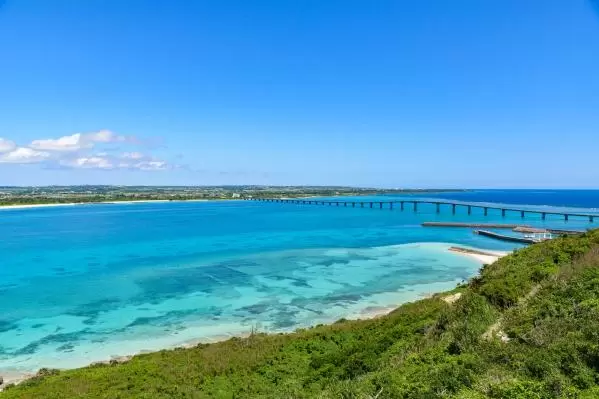
Ryugujo Observatory
The three-story observatory designed to resemble the Dragon Palace is located on a hill in Kurima Island. In front of it is Maehama Beach, and to the left and right,...
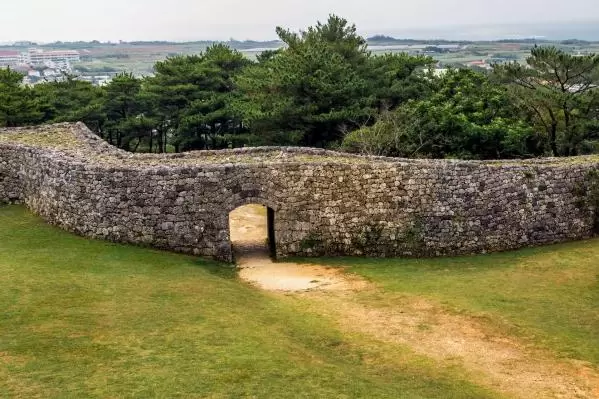
Zakimi Castle
Zakimi Castle, located in Yomitan Village, Okinawa Prefecture, is a castle (gusuku) from the Ryukyu Kingdom era. This castle was built in the 15th century by Gozamar...
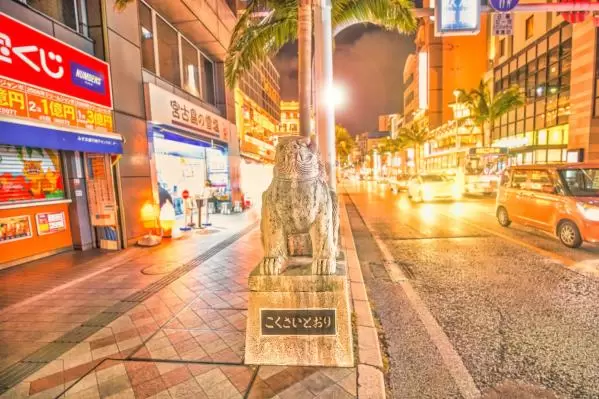
Kokusai Street
Naha's main street, Kokusai Dori, is known as the "Miracle Mile." It has achieved an astonishing revival from being completely burned down during World War II and ha...
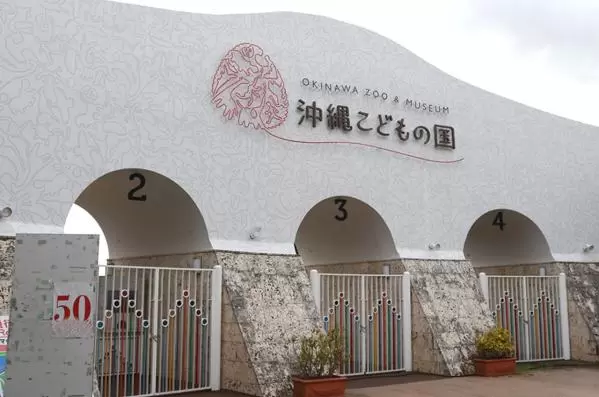
Okinawa Zoo & Museum
Okinawa Children's Country is a family-oriented leisure facility located in Okinawa City, Okinawa Prefecture. Opened in 1970, this facility features a diverse range ...
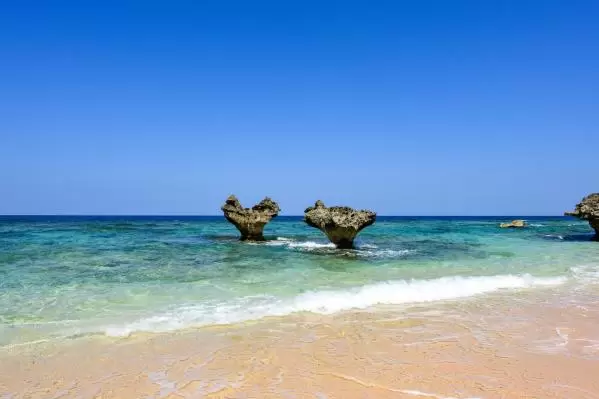
Kourijima / Teenuhama / Tokeihama
Kouri Island is a beautiful small island located in the northern part of Okinawa mainland, surrounded by emerald green waters. The Kouri Ohashi Bridge opened in 2005...
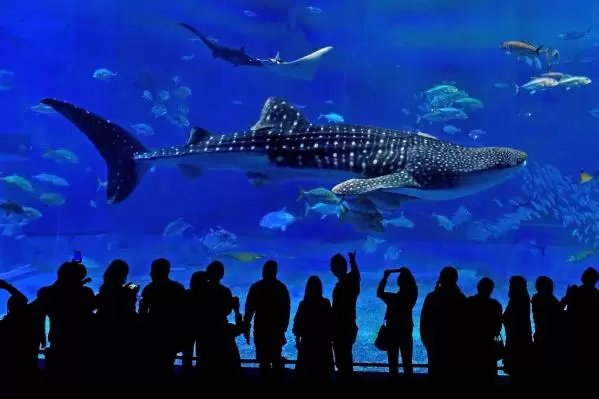
Okinawa Churaumi Aquarium
Okinawa's Sea - Experience rich nature and cultural history, as well as interaction with dolphins at the Ocean Expo Park. One of the popular spots in the park is the...
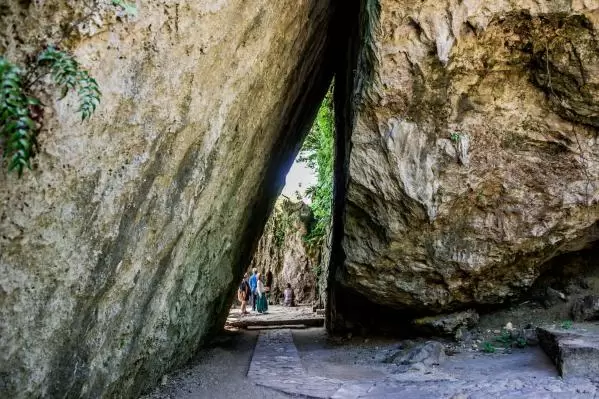
Seifa Utaki
Seifa Utaki is the most sacred site of the Ryukyu Kingdom and was registered as a UNESCO World Heritage Site as part of the "Sites of Japan's Meiji Industrial Revolu...
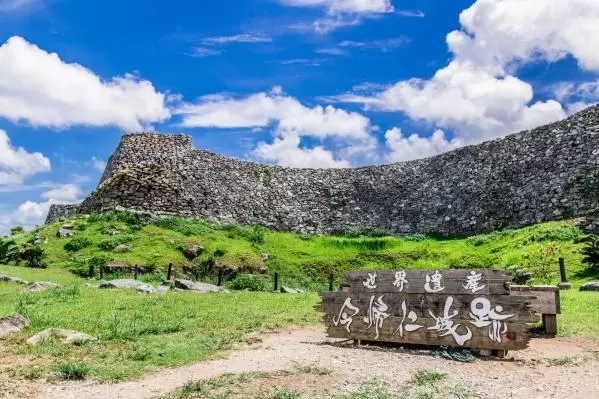
Naki-jin Castle Ruins
Nakijin Castle Ruins is a historic site built as the residence of the king of the northern kingdom during the time of the Three Kingdoms of Okinawa. It is located in...