Mainland Japan’s northernmost point
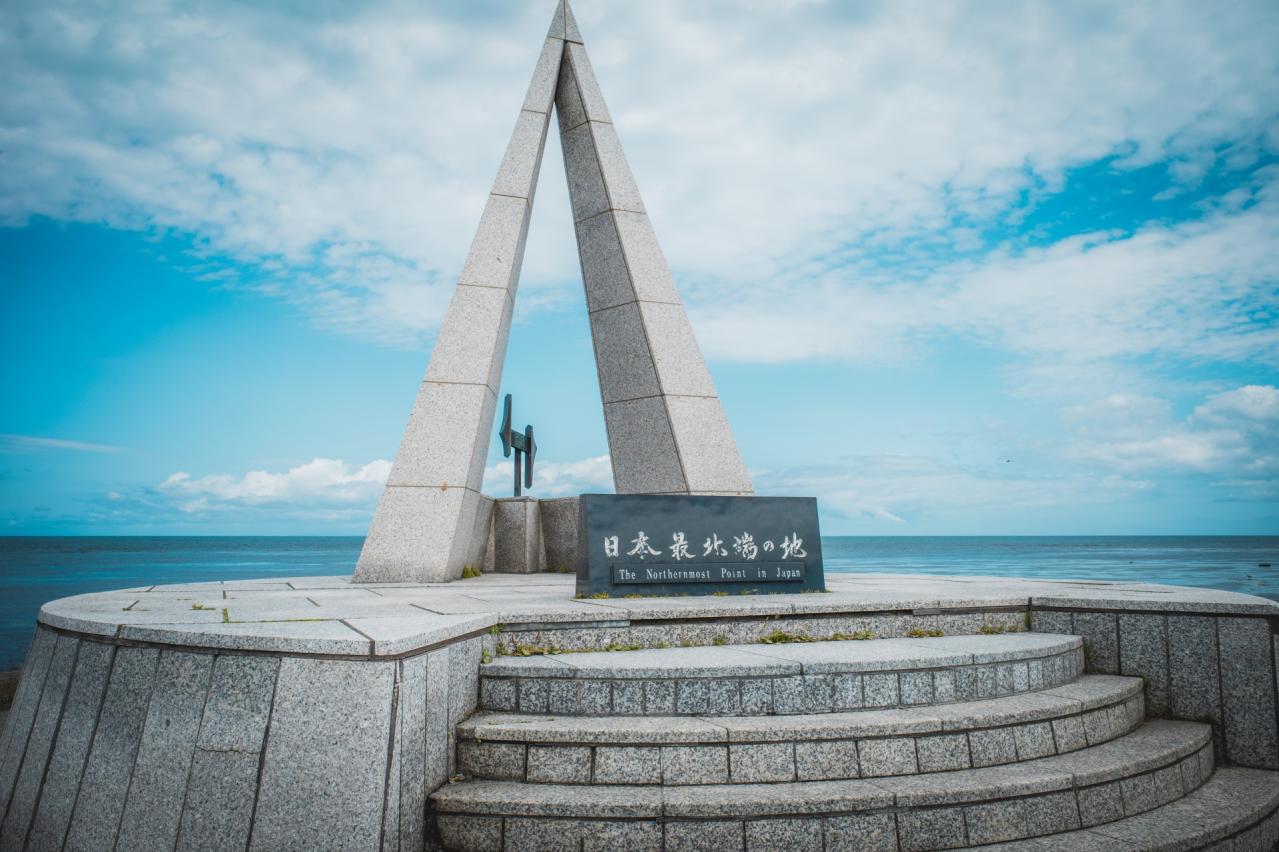
The monument gives you a tangible sense of reaching the far north and makes a memorable travel keepsake.
AI Summary
This is an AI-generated summary. Please check the official information for opening hours, fees, and closed days.
A scenic cape where you can experience the northernmost point of mainland Japan and explore its history.
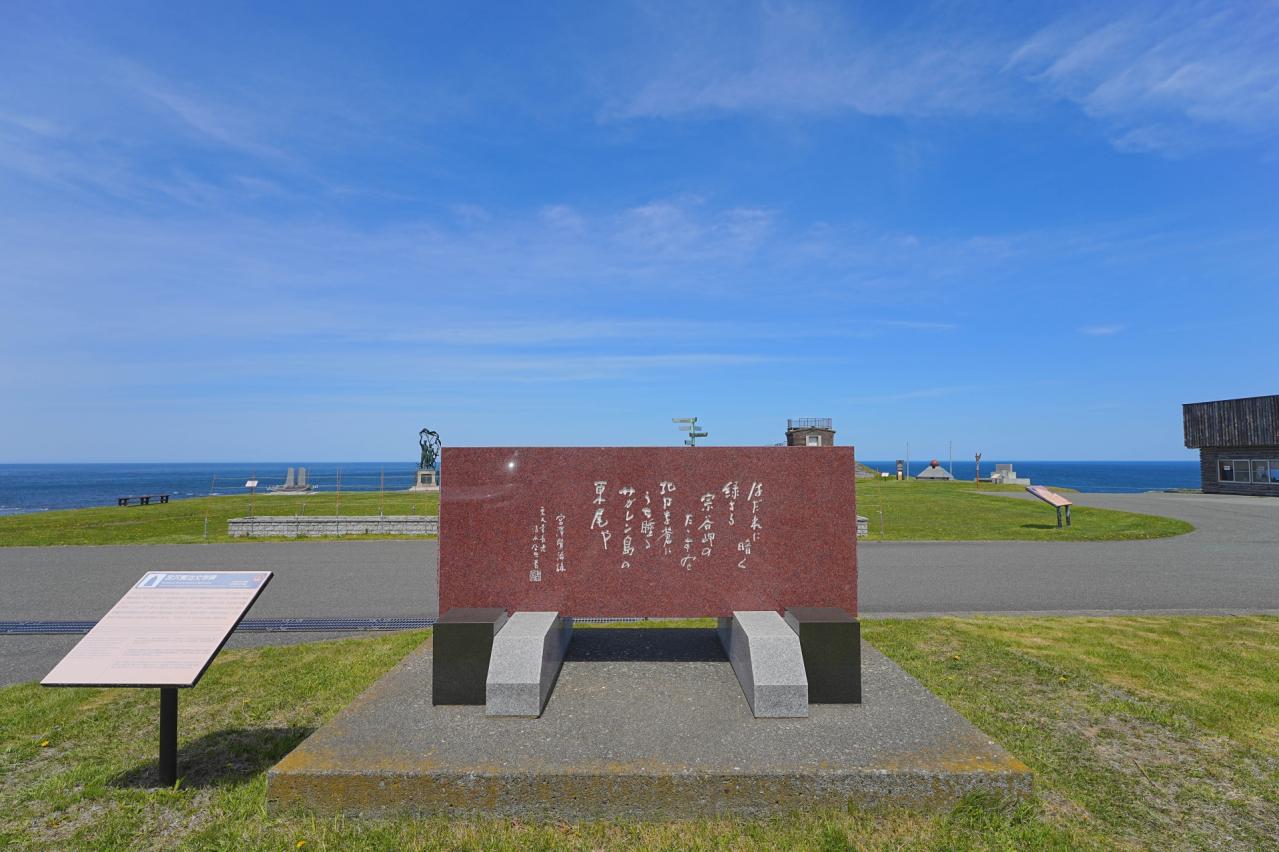
Soya Cape lies at the northernmost tip of Hokkaido. On clear days, you can see Sakhalin, while the northernmost-point monument and statue of Mamiya Rinzō make memorable photo stops. Along with its sweeping natural scenery, the area offers a glimpse into the history of peace and borders.
The monument gives you a tangible sense of reaching the far north and makes a memorable travel keepsake.
When conditions are clear, you may sense another country beyond the sea.
The statue of Mamiya Rinzō and sites related to peace add historical interest beyond the scenery.
Head from central Wakkanai to Soya Cape, visit the northernmost-point monument and enjoy the sea views, then explore the historical monuments nearby.
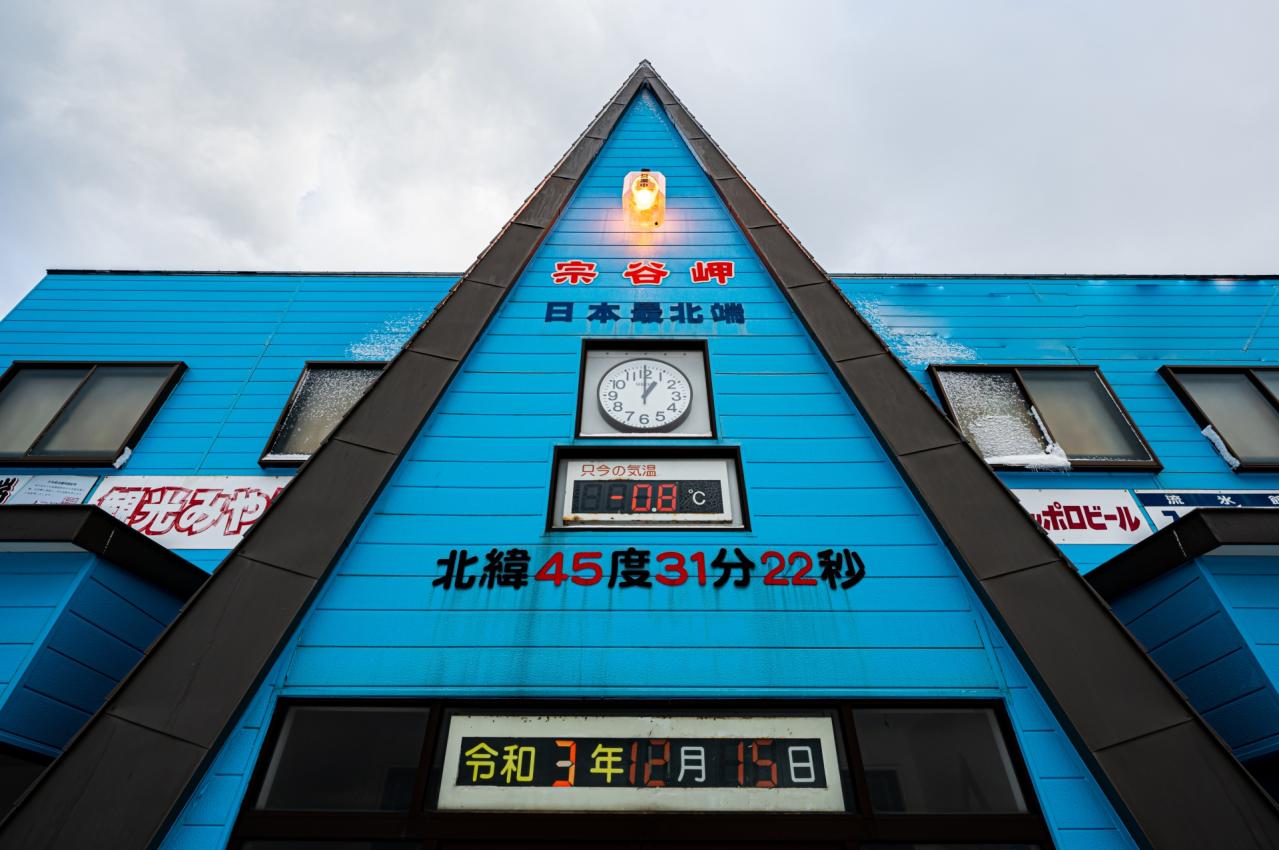
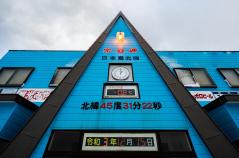
Cape Soya is a cape located at the northernmost tip of Hokkaido’s main island, at 45°31′22″ north latitude. Situated about 30 kilometers northeast of central Wakkanai, it is known as the “land’s end” of mainland Japan. On a clear day, visitors can see Sakhalin, a Russian territory, just 43 kilometers beyond the cape, creating a landscape filled with an exotic atmosphere.
“The Monument at Japan’s Northernmost Point”
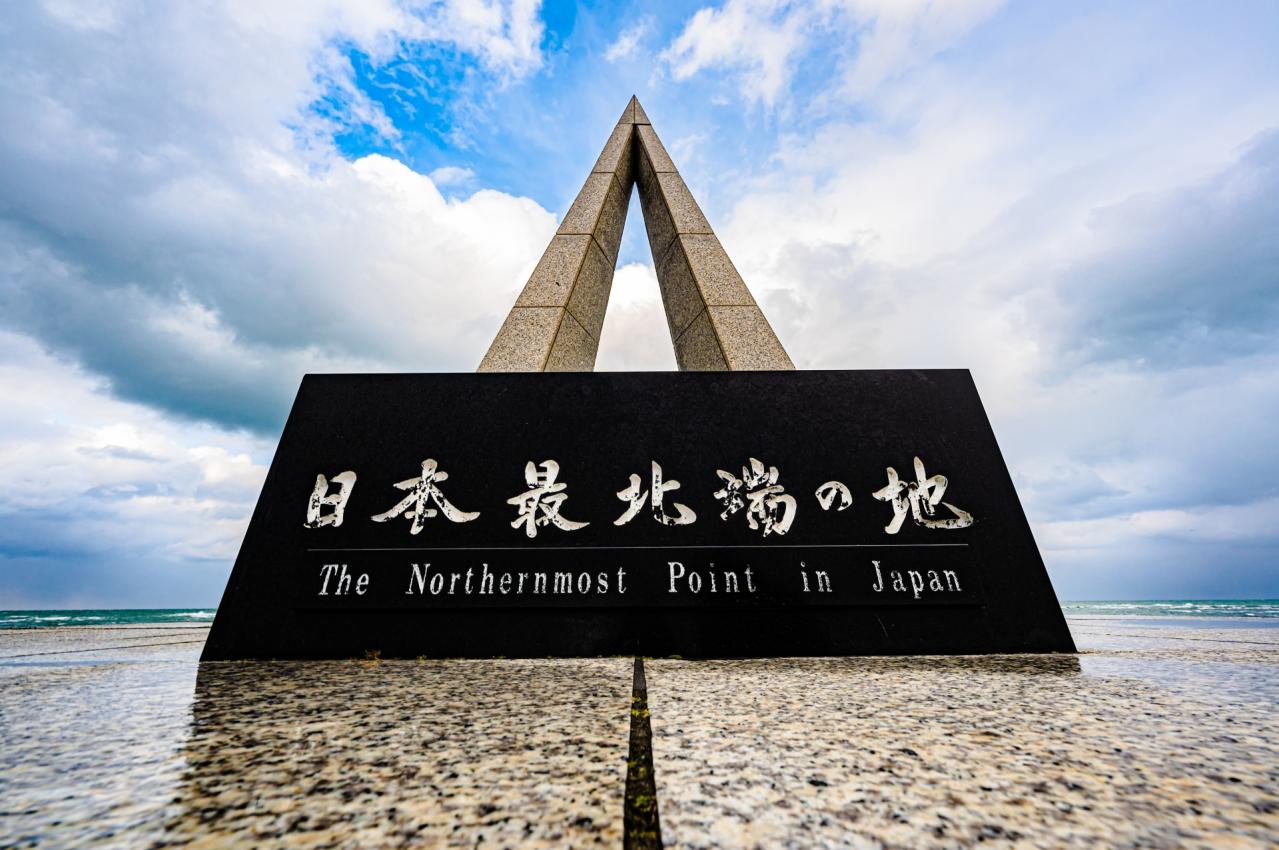
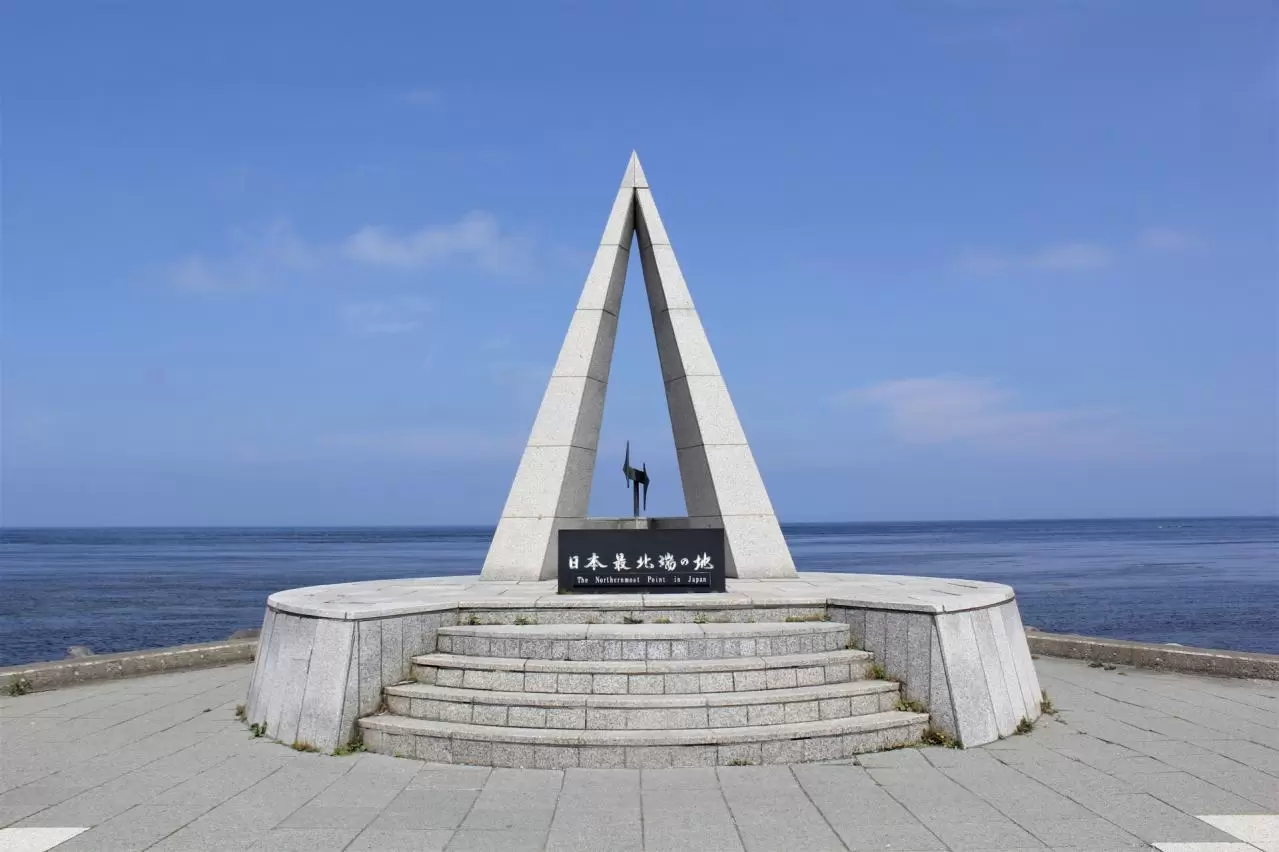
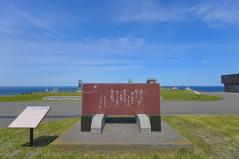
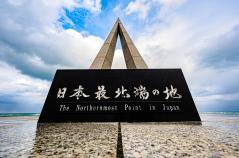
One of the symbols of Cape Soya is the “Monument at the Northernmost Point of Mainland Japan.” This monument is a triangular pyramid-shaped structure inspired by one of the spokes of the North Star, with the letter “N” for north engraved in its center. The circular base symbolizes peace and harmony, and it is also a very popular spot for commemorative photos.
As a souvenir of their visit, many tourists purchase a “Certificate of Arrival at Japan’s Northernmost Point,” which bears the date and time, sold at nearby souvenir shops.
The Statue of Rinzo Mamiya and Historical Monuments
Near the monument stands a statue of Rinzo Mamiya, the explorer who discovered the Mamiya Strait between Sakhalin and the Eurasian continent during the Edo period. Honoring his achievements, this statue is one of the symbols of Cape Soya and holds great historical significance.
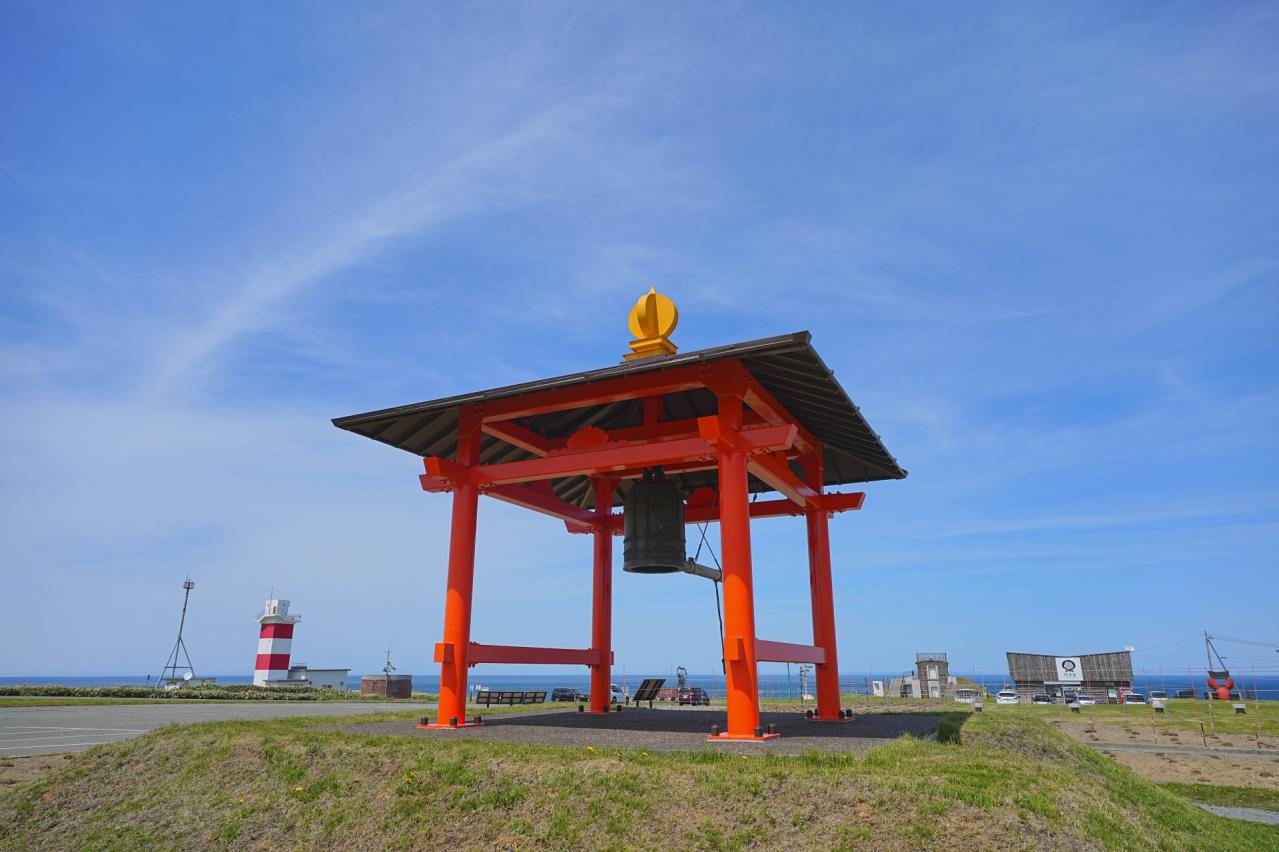
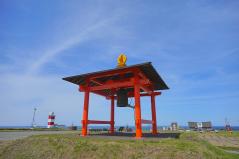
In addition, throughout the Cape Soya area, there are monuments such as the former Naval Lookout Tower and the Tower of Prayer, which convey the history of war and borders to the present day. At Cape Soya Park, visitors can see a variety of facilities imbued with a wish for peace.
The Soya Hills and Natural Attractions
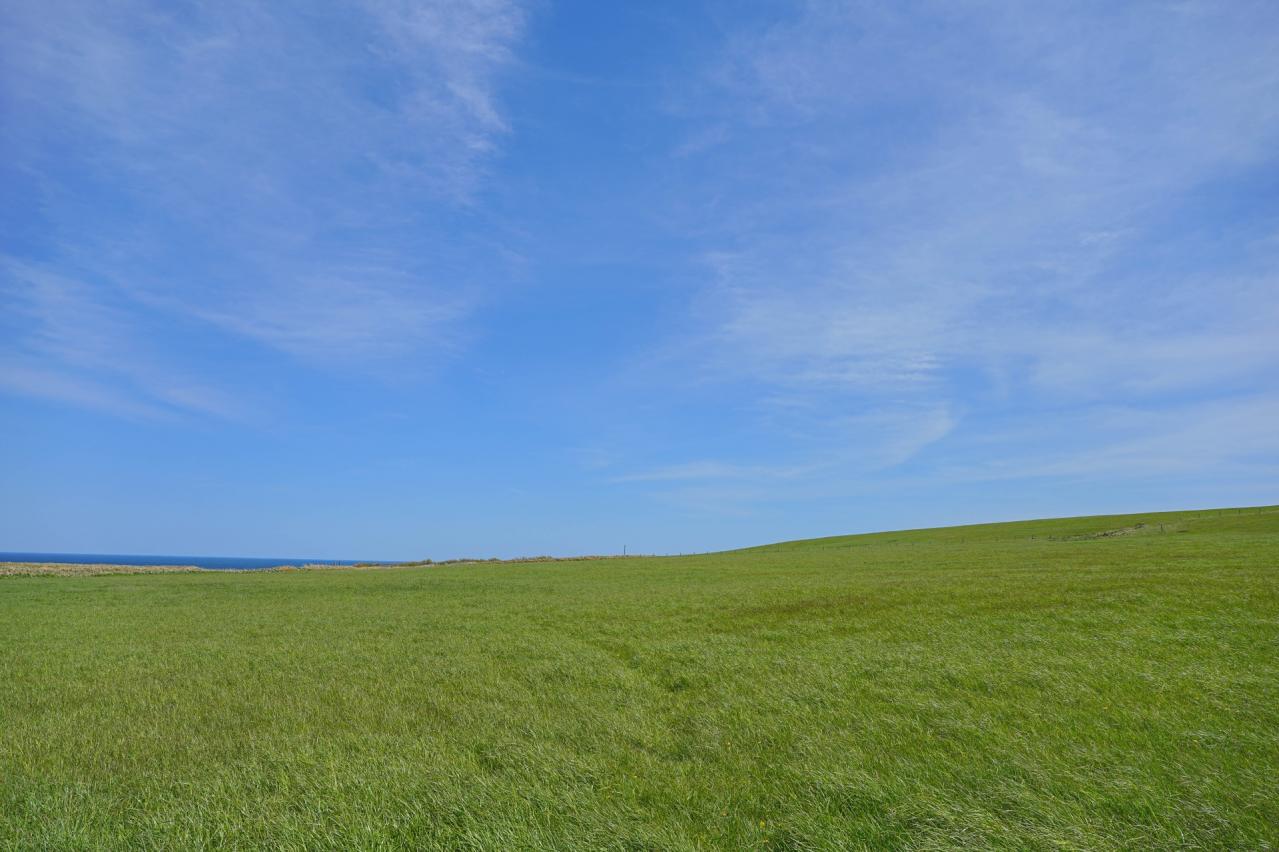
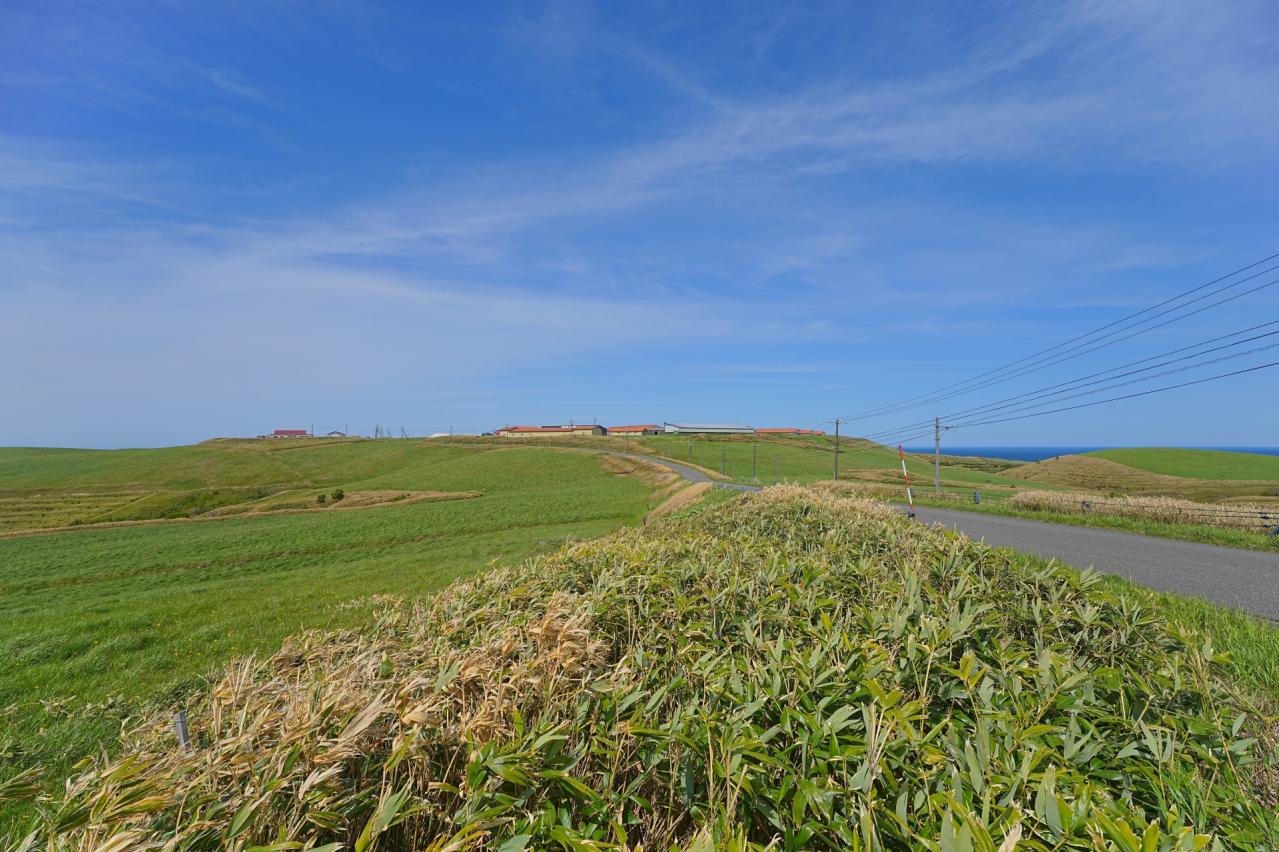
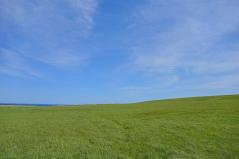
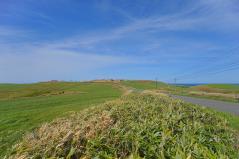
Stretching behind Cape Soya, the Soya Hills are a beautiful hilly region characterized by periglacial landforms formed during the Ice Age about 10,000 years ago. This landscape was designated a Hokkaido Heritage site in 2004.
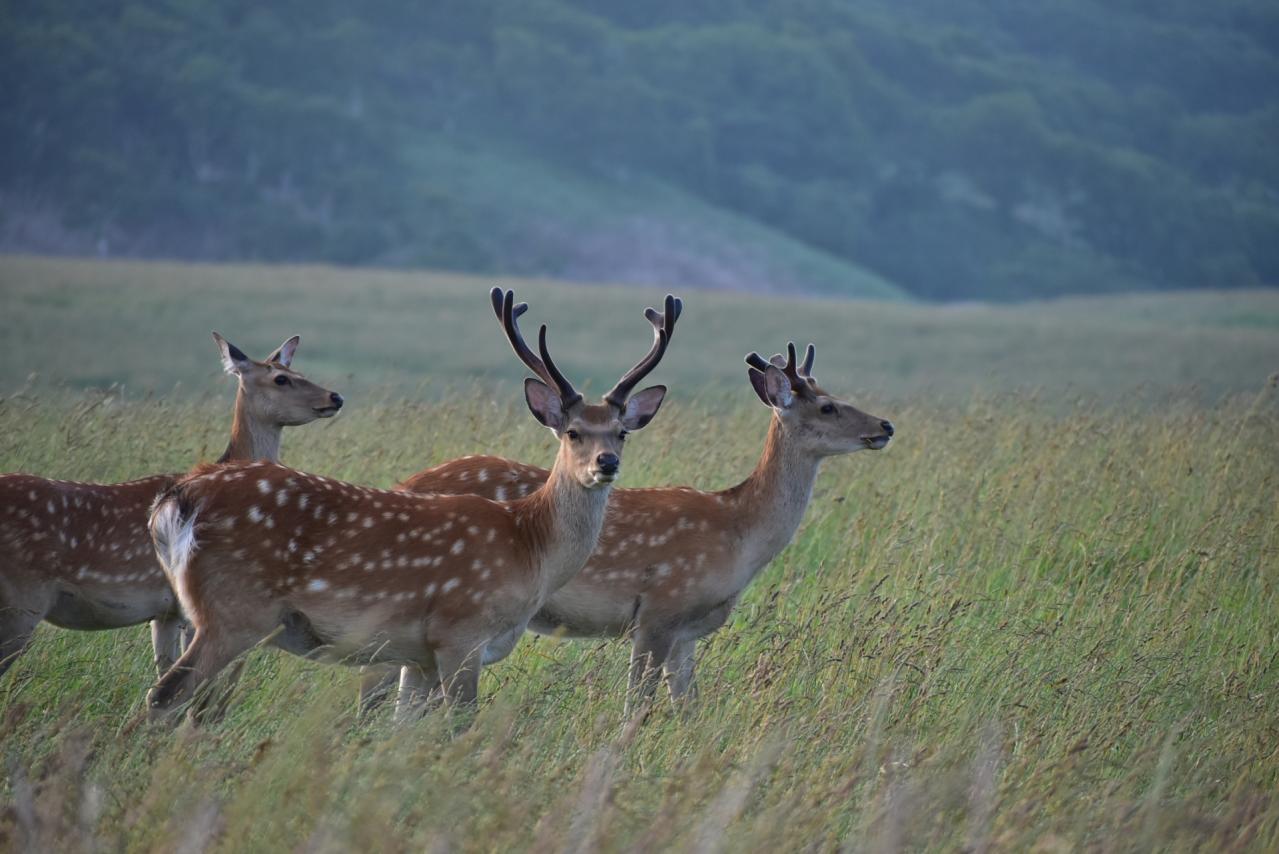
The hills feature gentle undulations and are also known as a treasure trove of nature, where many alpine plants bloom in summer. Even in summer, temperatures average around a cool 20°C, and you may need a jacket at night. This cool climate nurtures the rare vegetation unique to Soya.
The Seasons of Cape Soya and Tourism
Cape Soya is a tourist destination that can be visited year-round, but it is especially popular in summer, when the mild climate and clear air make it possible to see Sakhalin in the distance.
In winter, however, it is wrapped in severe cold, offering a season in which visitors can feel the quietness and grandeur of nature. Drift ice occasionally reaches the area around Cape Soya, providing a dramatic sight for those who visit. In recent years, more travelers have been coming in search of the crisp winter scenery.
The Appeal of Wakkanai and the Surrounding Area
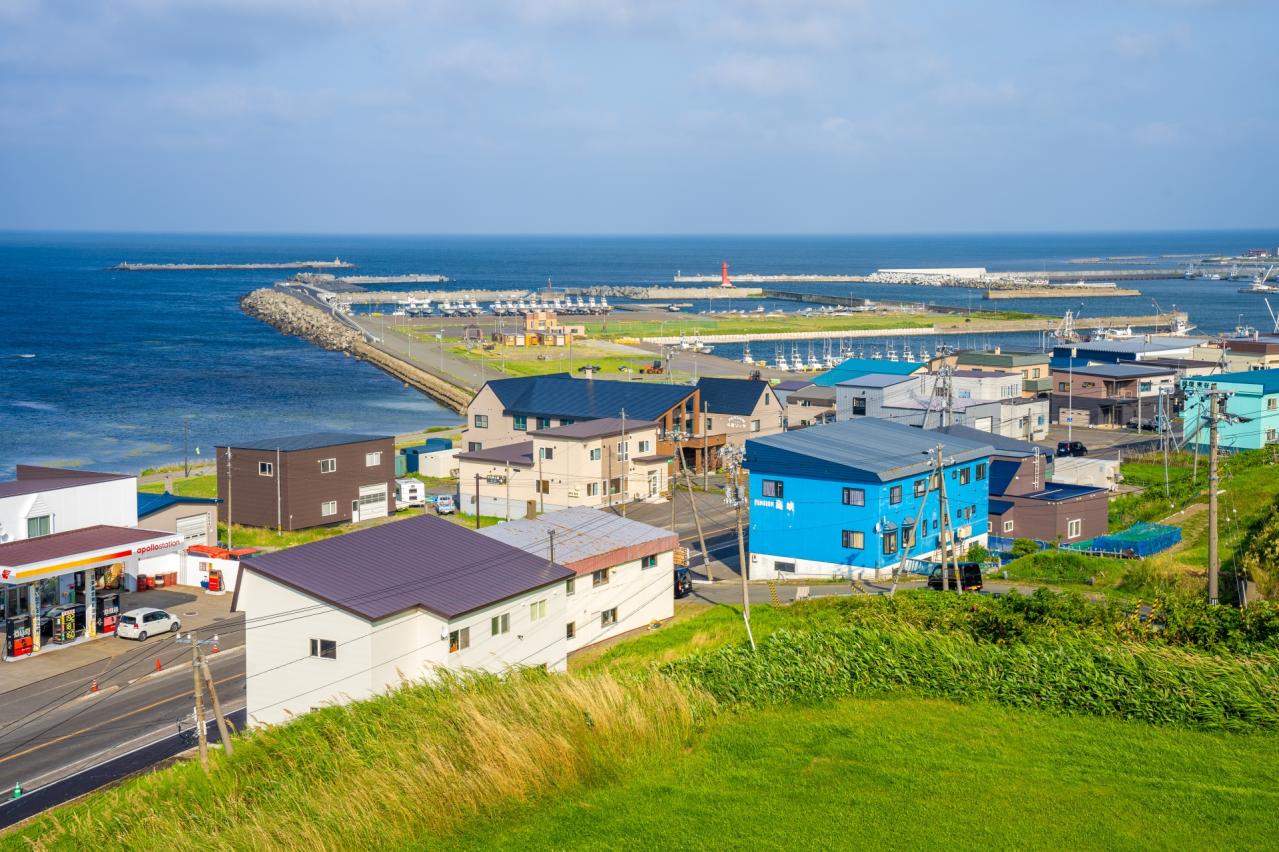
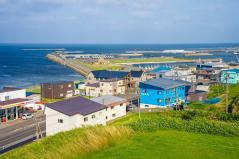
Wakkanai City, home to Cape Soya, was once known as a city symbolizing friendship between Japan and Russia. Even today, traces of that history remain. Blessed with rich fishing grounds, the region yields abundant fresh seafood, offering visitors a delightful culinary experience.
In the surrounding area, including Rishiri Island and Rebun Island, visitors can enjoy birdwatching, nature experiences, and seasonal flowers, allowing them to feel Hokkaido’s vast natural beauty up close.
Kanemori Red Brick Warehouses are an iconic tourist destination in Hakodate, established in 1887 by the first owner, Kumashiro Watanabe. This historic warehouse was ...
"The Shirogane Blue Pond" is a representative tourist spot of Biei, possessing a beauty that feels like another world. This pond is an artificial lake created during...
The Sapporo Clock Tower is a historic building that was constructed in 1878 as a drill hall for the former Sapporo Agricultural College. In 1881, a tower clock manuf...
Farm Tomita is known for its breathtaking expanse of lavender that captivates visitors with its vibrant colors. The vast grounds feature various flower fields, allow...
Otaru Canal was created to assist the logistics of Otaru Port, which was an important gateway for the development of Hokkaido. Completed in 1923, this canal is speci...
Nijo Market in Sapporo boasts a history of over 125 years, beginning in the early Meiji era when fishermen from Ishikari Bay started selling fresh fish. Serving as t...
The "Sapporo Hitsujigaoka Observation Hill," accessible in just 30 minutes from downtown Sapporo, is a picturesque spot where you can forget the hustle and bustle of...
Kushiro Wetland is Japan's largest wetland, spreading over 28,788 hectares in eastern Hokkaido, with 7,863 hectares designated as a Ramsar site. It is home to endang...
![往復10時間の、日本最北端を目指す旅!(春の北海道旅1)[とくちゃん、いいモノ探し]](https://i.ytimg.com/vi/BDCDmqjHV30/mqdefault.jpg)