A glimpse of port-town history
Take a stroll and get a feel for the canal’s role in supporting Hokkaido’s development.
AI Summary
This is an AI-generated summary. Please check the official information for opening hours, fees, and closed days.
A classic spot for a stroll, with historic port-town scenery and atmospheric lights after dark.
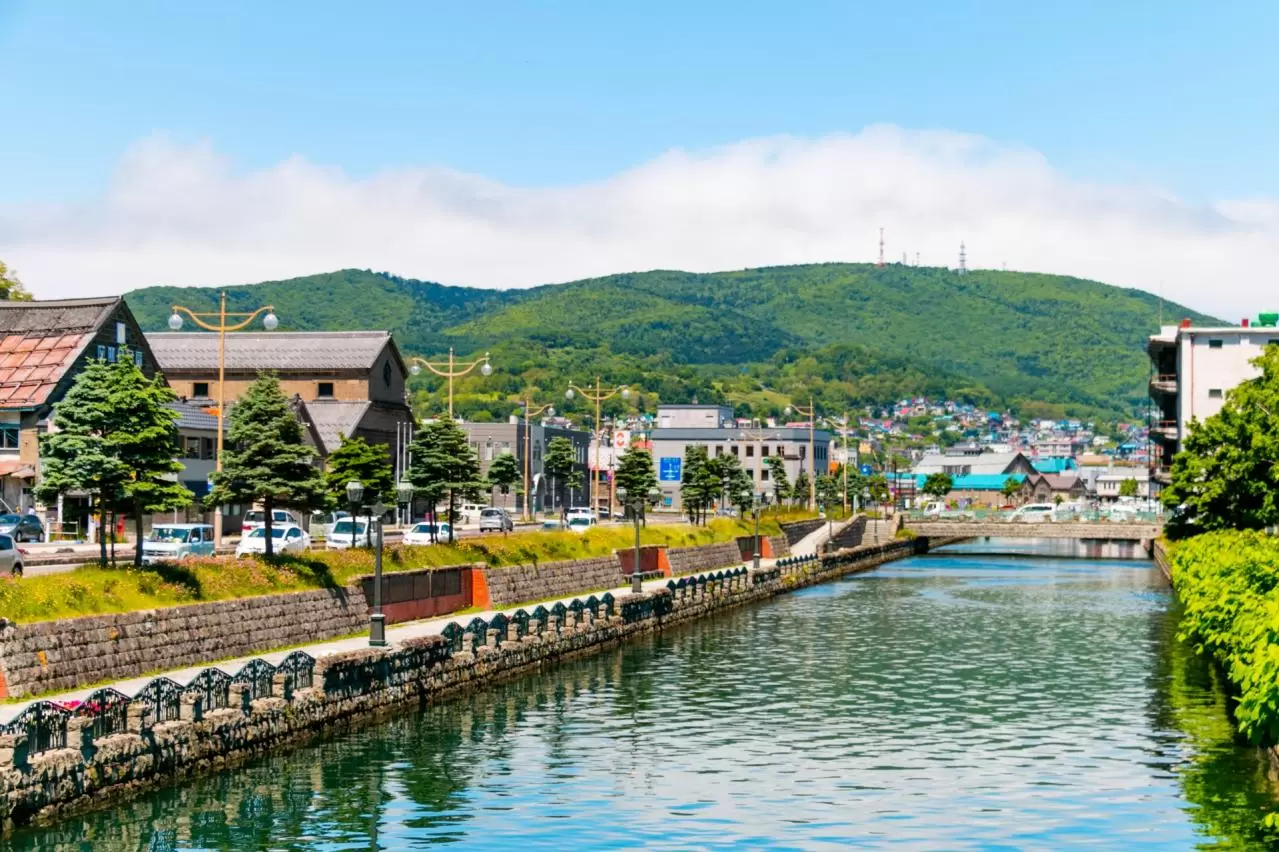
Once used to support cargo transport through Otaru Port, the canal is now known for its stone warehouses and gas lamps. It is within walking distance of JR Otaru Station. Enjoy a relaxed walk by day or see the lights come on in the evening; allow plenty of time to explore at your own pace.
Take a stroll and get a feel for the canal’s role in supporting Hokkaido’s development.
Gas lamps and illuminated warehouses create a different atmosphere from daytime.
Browse shops and restaurants housed in former warehouses during your walk.
Walk from Otaru Station along the canal, enjoy the gas lamps and warehouses at dusk, then take a break at a nearby café or restaurant.
Otaru Port developed as the gateway to Hokkaido’s pioneering development. At that time, large ships anchored offshore, and cargo was unloaded using barges; however, as the volume of goods handled increased, there arose a need to make transport operations more efficient. Otaru Canal was created by reclaiming land from the sea in order to extend the distance barges could come alongside.
Completed in 1923, Otaru Canal is characterized by its gentle curve rather than a straight line, because it was built by reclaiming the coastal waters rather than by excavating inland.
However, as times changed and the postwar era began, its role came to an end with the improvement of the port’s wharves and quays.
In 1986, after more than a decade of debate over landfill, part of the canal was reclaimed, half of its width was converted into a road, and it was transformed into its present form with a promenade and small parks.
The canal is 1,140 meters long. Its width is 20 meters along the Roadside Port Line, while the northern section, known as the North Canal, remains 40 meters wide as it was originally.
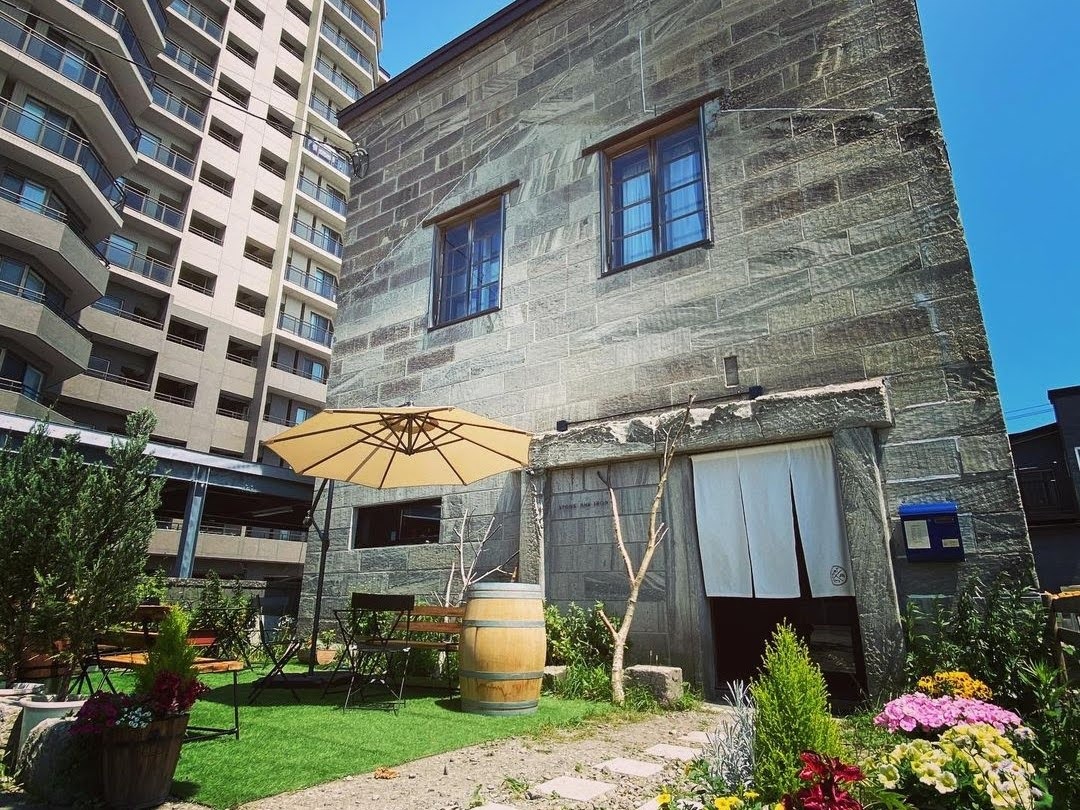
Sixty-three gas lamps line the promenade, and the stone warehouses along the canal remain as they were in those days, now repurposed as restaurants and other facilities.
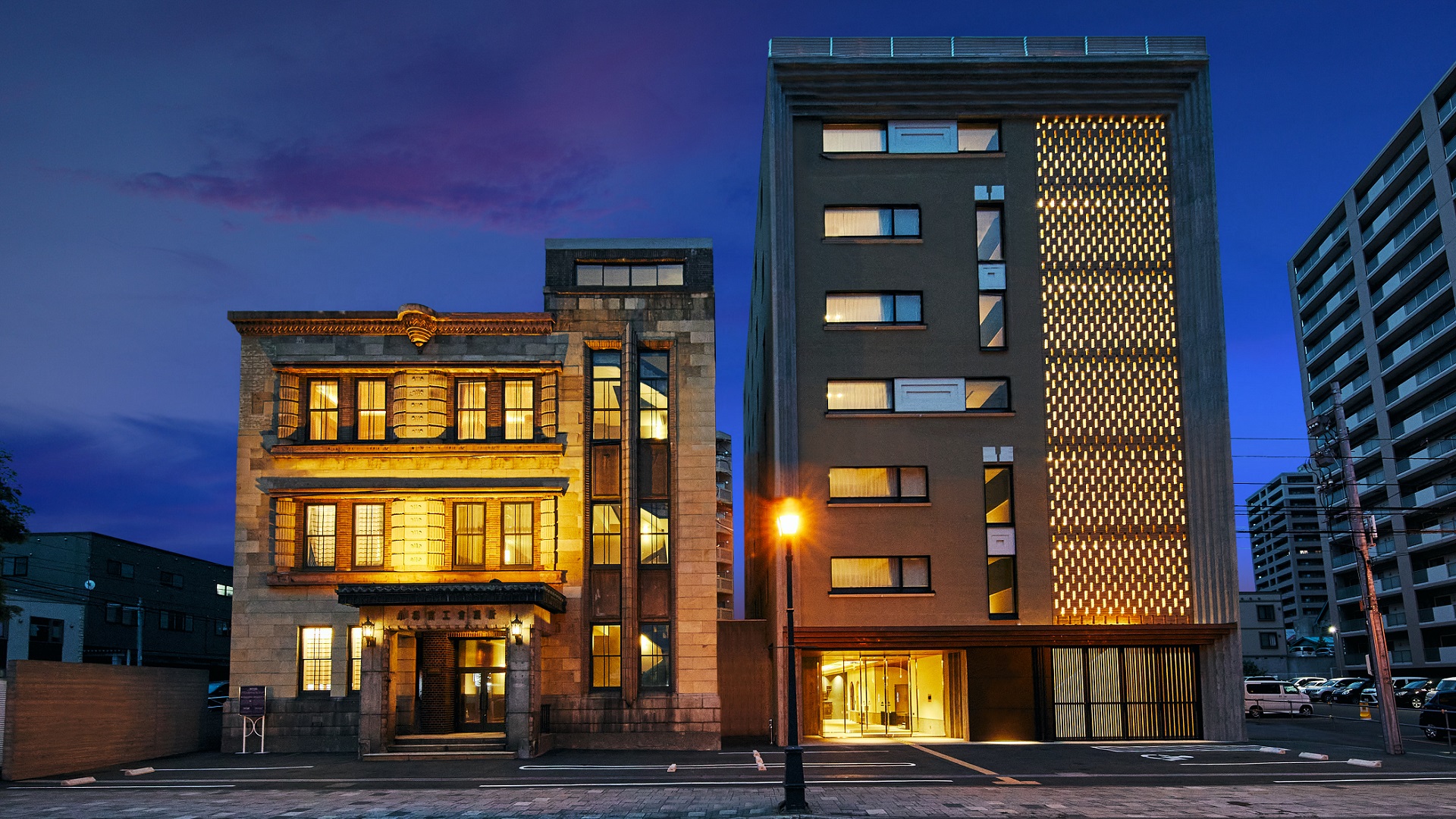
At dusk, the gas lamps are lit and the stone warehouses are illuminated, creating an atmosphere different from that of daytime.
"Shiroi Koibito Park" is located in Sapporo and is a chocolate entertainment facility that can be enjoyed by both adults and children. Visitors can observe the produ...
Noboribetsu Onsen is well-known for its abundant hot water and diverse mineral springs, making it extremely popular in Japan. It is particularly referred to as the "...
Odori Park is a special park spanning approximately 1.5 km and 7.8 hectares in the center of Sapporo, the capital of Hokkaido. Established in 1871 as a firebreak, it...
Kanemori Red Brick Warehouses are an iconic tourist destination in Hakodate, established in 1887 by the first owner, Kumashiro Watanabe. This historic warehouse was ...
The Sapporo Clock Tower is a historic building that was constructed in 1878 as a drill hall for the former Sapporo Agricultural College. In 1881, a tower clock manuf...
Asahiyama Zoo in Asahikawa City is a representative tourist spot in Hokkaido, which opened in 1967. Known as the northernmost zoo in Japan, it is famous for many inn...
Otaru Sakaimachi Street is the main street for sightseeing in Otaru, located just a 5-minute walk from Otaru Canal. Lined with historical buildings constructed from ...
Mount Moiwa, easily accessible from the center of Sapporo at an elevation of 531 meters, is a popular spot where visitors can reach the summit via a combination of a...