National Ainu Museum
Explore Ainu history and ways of seeing the world through exhibits and films.
AI Summary
This is an AI-generated summary. Please check the official information for opening hours, fees, and closed days.
Upopoy is a cultural center in Shiraoi where you can see, learn about, and experience Ainu culture.
Set amid nature on the shore of Lake Poroto, Upopoy is dedicated to the revival and sharing of Ainu culture. Learn about Ainu history and daily life at the museum, and explore performances, music, crafts, and food experiences. It’s a good choice for travelers who want to deepen their cultural understanding, not just sightsee.
Explore Ainu history and ways of seeing the world through exhibits and films.
Experience live Ainu arts, including traditional dance and music played on the mukkuri and tonkori.
Get closer to Ainu culture through its cuisine and crafts.
Start at the museum for an overview, then explore the park for activities and performances, and finish with a meal or a stop at the shop.
Upopoy (Symbolic Space for Ethnic Harmony) is a national center located on the shores of Lake Poroto in Shiraoi, Hokkaido, dedicated to the revitalization and development of Ainu culture. “Upopoy” means “singing together in a large group” in the Ainu language, symbolizing the Ainu spirit of connecting people and sharing culture through song and dance.
Background and Philosophy
The establishment of Upopoy is based on recommendations made by the Council of Experts on the Promotion of Ainu Policy, set up by the Cabinet Secretariat in 2009. Under the recognition that the Ainu are the indigenous people of Japan, it was positioned as the “keystone” of Ainu policy, aimed at reviving and creating Ainu culture, and as a symbol of ethnic diversity and coexistence.
Today, Ainu culture faces challenges such as a declining number of tradition bearers and the risk of losing the Ainu language and traditional crafts. Upopoy also plays an important role as a base for passing these cultures on to future generations.
Main Facilities and Highlights
Through a variety of facilities and hands-on programs, Upopoy is a space where visitors can “learn about,” “experience,” and “feel” Ainu culture.
National Ainu Museum
Opened in July 2020 as Japan’s first national museum dedicated to the indigenous Ainu, the museum allows visitors to learn about Ainu history, culture, and lifestyle through archaeological materials, videos, models, and more. Its exhibits incorporate domestic and international perspectives to encourage a multifaceted understanding.
National Ainu Park
This experiential field museum lets visitors see, hear, and touch Ainu culture firsthand. The park features performances of the Ainu ancient ritual dance, designated as an Important Intangible Folk Cultural Property, as well as traditional performing arts registered as UNESCO Intangible Cultural Heritage. Visitors can also enjoy performances on traditional instruments such as the mukkuri (mouth harp) and the tonkori.
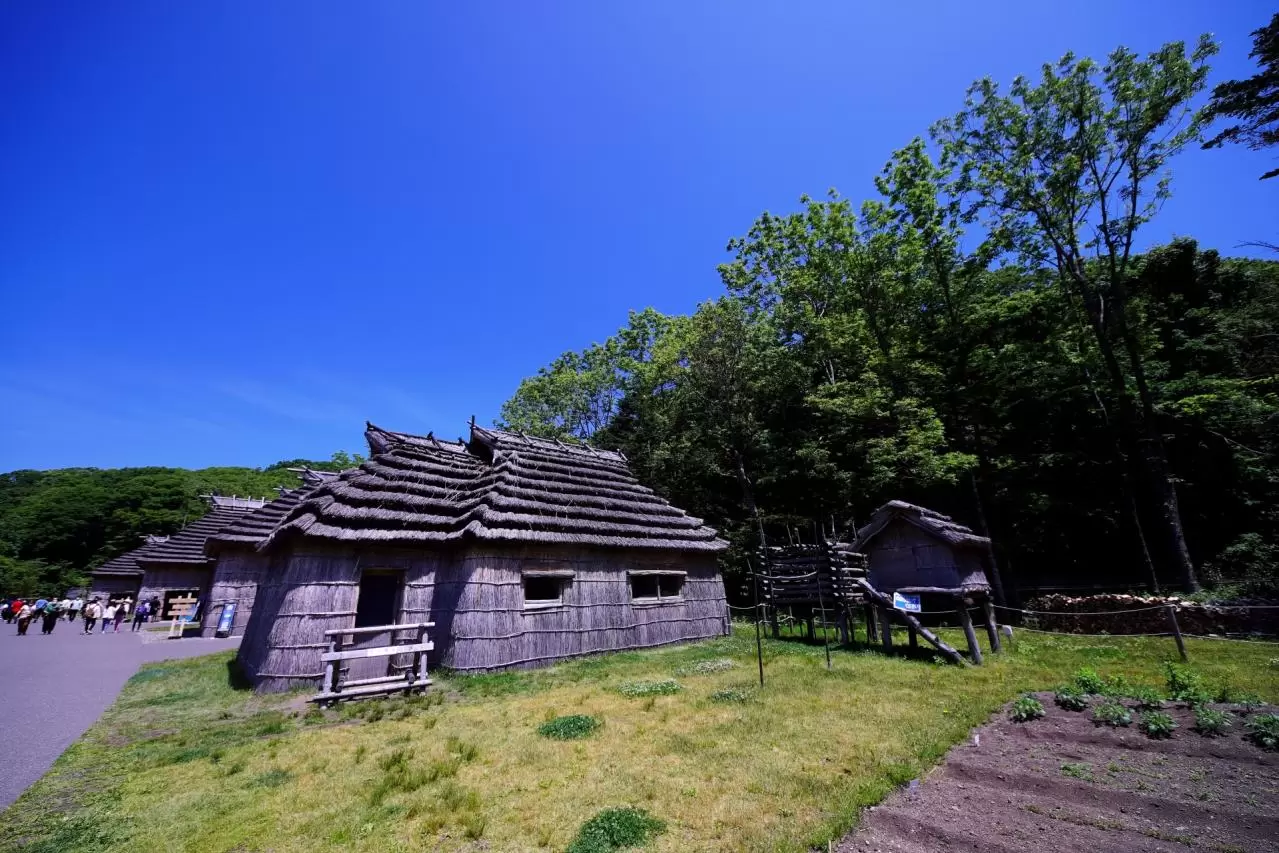
In the area that recreates an ancient settlement (kotan), visitors can see exhibits of hunting tools and observe the construction of traditional houses known as cise. There are also plenty of hands-on programs for children, making it ideal for independent study projects.
Poroto Kitchen
This is a special experience program held for only two groups per day. Through cooking traditional Ainu dishes, participants can learn about the depth of Ainu food culture and the wisdom of living in harmony with nature.
Kamuy Symphony / Kamuy Yukar
At night, the spectacular “Kamuy Symphony” is presented with mesmerizing visuals, sound, and lighting. It dynamically expresses stories of kamuy (deities) handed down among the Ainu, using immersive effects such as projection mapping on the floor and other surfaces to create a vivid storytelling experience. In addition, visitors can enjoy “Kamuy Yukar,” which presents two stories through short films.
Dining and Souvenirs
There are three dining facilities in the park where visitors can enjoy Ainu cuisine.
At Cafe Rimse, popular menu items include set meals combining Ainu dishes such as ohaw (a hearty soup) and rataskep (vegetable salad). Ohaw is also considered by some to be the origin of Ishikari nabe, and is characterized by its simple, gentle flavor seasoned with animal fat and salt.
At Hinna Hinna Kitchen En, visitors can enjoy light meals such as venison skewers.
The museum shop offers Ainu crafts, books, original goods, and more.
Social Significance and the Future
Upopoy is more than just a tourist facility. It serves as a place to protect and pass on Ainu culture, to widely convey its dignity and value, and to symbolize the building of a society in which all people respect one another and live together.
Otaru Canal was created to assist the logistics of Otaru Port, which was an important gateway for the development of Hokkaido. Completed in 1923, this canal is speci...
Asahiyama Zoo in Asahikawa City is a representative tourist spot in Hokkaido, which opened in 1967. Known as the northernmost zoo in Japan, it is famous for many inn...
Kanemori Red Brick Warehouses are an iconic tourist destination in Hakodate, established in 1887 by the first owner, Kumashiro Watanabe. This historic warehouse was ...
Kushiro Wetland is Japan's largest wetland, spreading over 28,788 hectares in eastern Hokkaido, with 7,863 hectares designated as a Ramsar site. It is home to endang...
Otaru Sakaimachi Street is the main street for sightseeing in Otaru, located just a 5-minute walk from Otaru Canal. Lined with historical buildings constructed from ...
Cape Kamui is a beautiful tourist spot located in the northwest part of the Shakotan Peninsula in Hokkaido, offering a breathtaking view of the Sea of Japan from a h...
The "Sapporo Hitsujigaoka Observation Hill," accessible in just 30 minutes from downtown Sapporo, is a picturesque spot where you can forget the hustle and bustle of...
Noboribetsu Onsen is well-known for its abundant hot water and diverse mineral springs, making it extremely popular in Japan. It is particularly referred to as the "...