Japan’s only prison museum
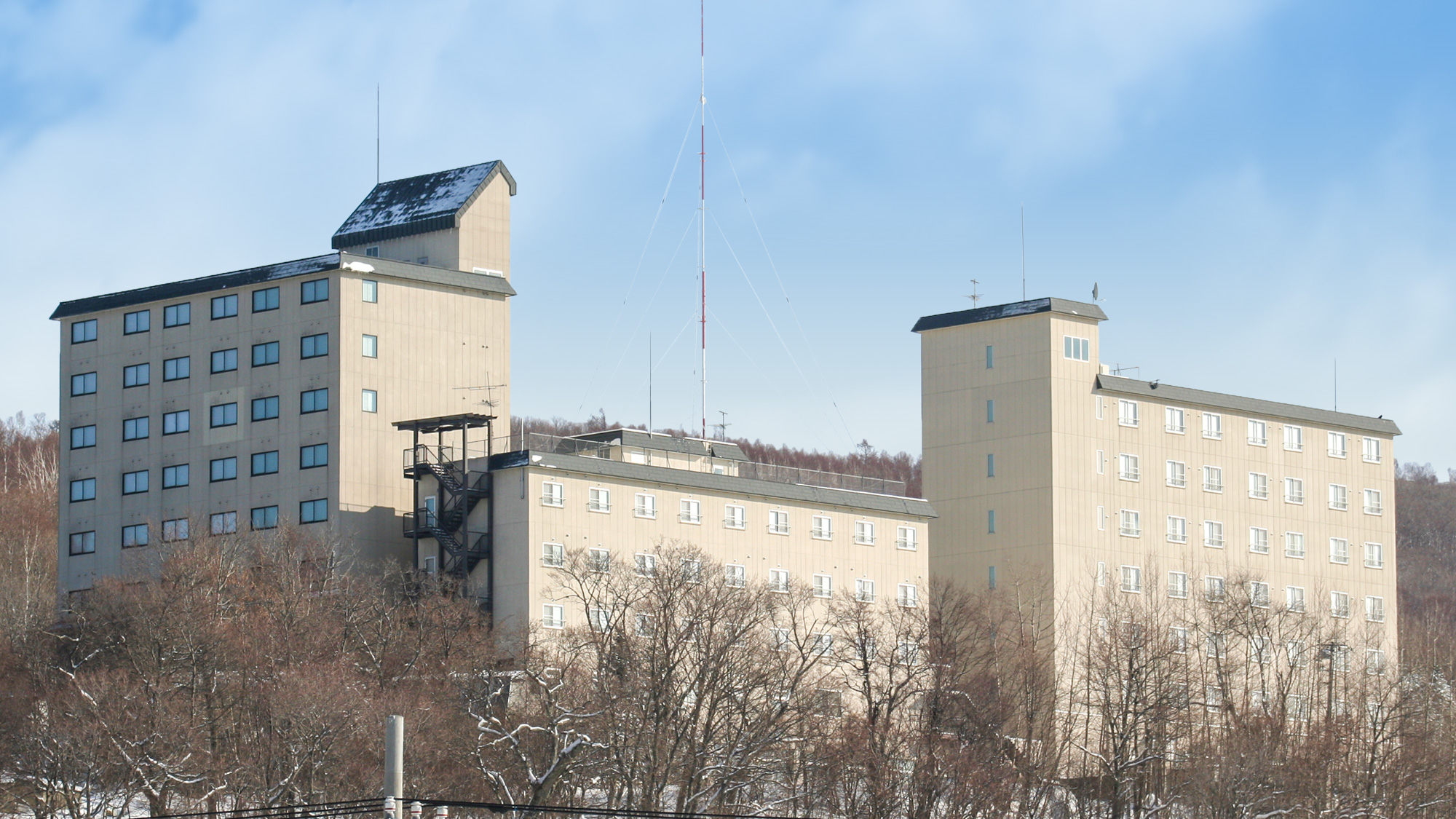
Buildings from the former Abashiri Prison have been relocated and preserved, offering a sense of what the site was like in the past.
AI Summary
This is an AI-generated summary. Please check the official information for opening hours, fees, and closed days.
Japan’s only prison museum, with impressive historic architecture and plenty to explore for history enthusiasts.
This open-air museum preserves buildings relocated from the former Abashiri Prison, where you can see wooden structures from the Meiji and Taisho periods and learn about prison history. Some cellblocks can be entered, and the Prison Cafeteria offers a hands-on dining experience. Its subject matter is sobering, but the site is memorable for anyone interested in history or architecture.
Buildings from the former Abashiri Prison have been relocated and preserved, offering a sense of what the site was like in the past.
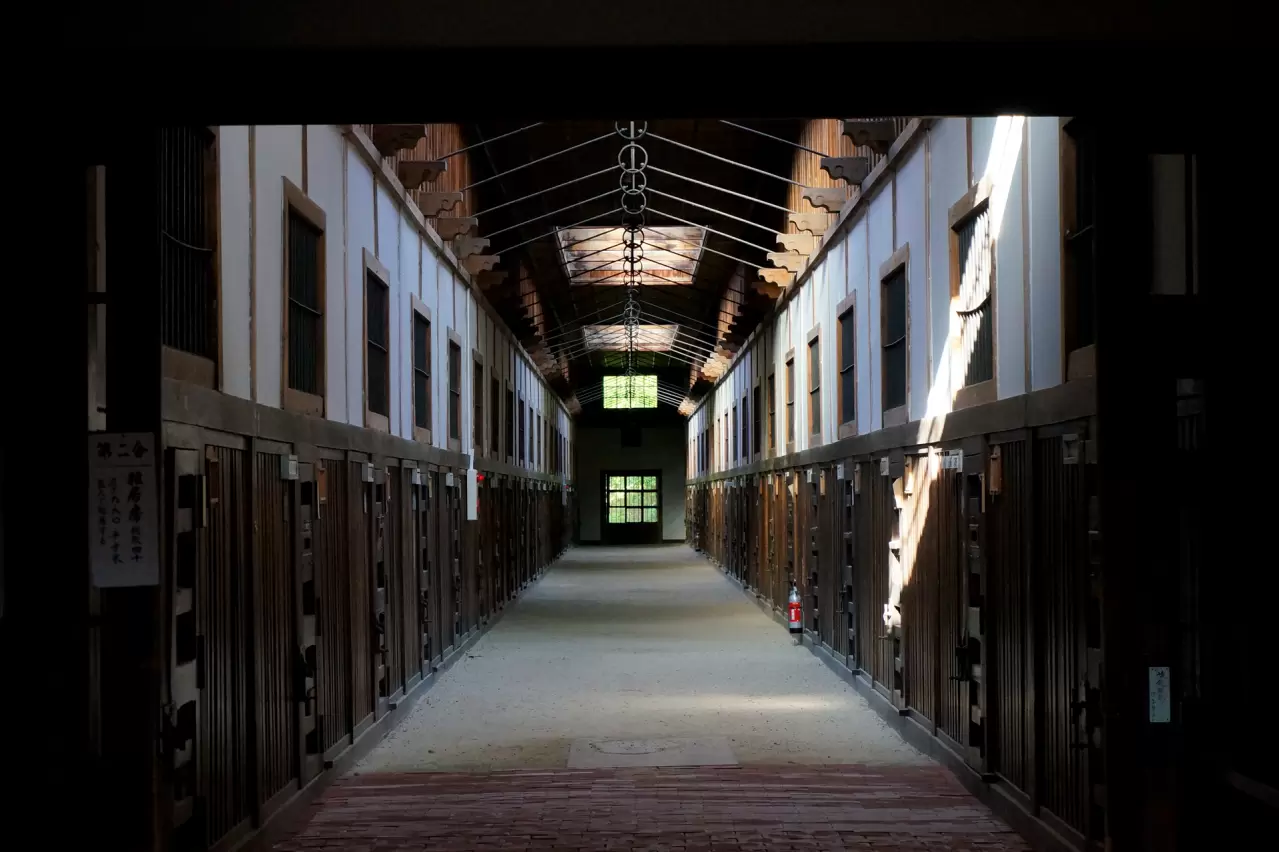
See its distinctive radial layout and 226 cells; visitors can enter some areas.
Explore the exhibits at the Prison History Museum, then try the “prison experience meal” at the Prison Cafeteria.
Pair the museum with sightseeing in Abashiri or around Mount Tento and allow about half a day to explore at a relaxed pace.
Museum Abashiri Prison is Japan’s only authentic prison museum, located in Abashiri City in eastern Hokkaido. It is an open-air historical museum that has relocated, preserved, and opened to the public the buildings of the former Abashiri Prison, which were actually used during the Meiji era. Situated on the slope of Mount Tentozan within Abashiri Quasi-National Park, it is blessed with a scenic setting. Spanning an area roughly equivalent to 3.5 Tokyo Domes, it is a valuable facility where visitors can learn about prison history amid magnificent natural surroundings.
Historic wooden buildings of great value
The museum grounds include two buildings comprising eight structures designated as Important Cultural Properties of Japan, as well as six structures registered as Tangible Cultural Properties. All of these are wooden buildings dating from the Meiji through Taisho periods, and they have been faithfully restored and preserved as closely as possible to their original form when they were actually used at the former Abashiri Prison.
Among the highlights is the “Cell Block and Central Guardhouse,” regarded as one of the world’s oldest surviving wooden penal buildings. Its distinctive design features five cell blocks extending radially from a central guardhouse, allowing all corridors to be overseen from the center. This was devised to efficiently monitor inmates’ movements and is the only surviving example of its kind in Japan. The cell block contains 226 cells in total, and some exhibits allow visitors to enter and experience the prisoners’ living quarters firsthand.
A variety of facilities and buildings to explore
In addition to the cell block, the museum preserves and exhibits a range of other historic buildings.
Administration Building
This building housed the prison’s management offices and is notable for its beautiful light blue and gray exterior.
Prayer Hall
A lecture hall incorporating a Japanese-Western hybrid architectural style, this sacred space was where pastors and monks delivered sermons encouraging inmates’ rehabilitation.
Former Abashiri Prison Futamigaoka Branch Prison
Designed with self-sufficiency in mind, this facility was used for labor such as agriculture and forestry by inmates.
Visitors can also tour the interiors of these buildings, gaining a deeper understanding of daily life and labor in the prison.
Learning the history of prisoners through video and exhibits
At the “Prison History Museum,” the lives and labor of prisoners from the Meiji period to the early Showa period are presented through photographs, documents, and models. A major highlight is the three-screen theater, which vividly recreates the harsh labor prisoners endured, such as road construction in the frigid climate of Hokkaido, leaving a strong impression on visitors.
“Experience Prison Meals” at the Prison Cafeteria
At the on-site “Prison Cafeteria,” visitors can enjoy an “experience prison meal” recreated based on the meals currently served to inmates at Abashiri Prison. The menu has been adapted to be more approachable for tourists, but it remains a popular way to gain valuable insight into actual prison भोजन. Many visitors are surprised to find it “delicious.”
Souvenirs and hands-on experiences
The museum also includes a museum shop and a local products shop, offering a wide selection of unique original goods inspired by the prison, as well as specialty products from Abashiri and Hokkaido.
In addition, workshops are available by advance reservation for groups of four or more. Examples include hands-on programs such as brick-making experiences and mini-straw-sandal strap making, offering a fun way to learn about prison culture.
Education and community engagement
Museum Abashiri Prison is committed to becoming a “universal museum” by improving barrier-free access and information accessibility. It also works closely with the local community and is actively used not only as a tourist attraction but also as a place for historical education and welfare learning.
Museum Abashiri Prison is an extremely valuable cultural facility where visitors can learn from multiple perspectives about architecture, history, prison culture, and the way human life has been shaped. It is not merely a sightseeing spot, but also a place of learning where one can encounter a part of Japan’s modern history and social structure.
Asahiyama Zoo in Asahikawa City is a representative tourist spot in Hokkaido, which opened in 1967. Known as the northernmost zoo in Japan, it is famous for many inn...
Upopoy (the Symbolic Space for Ethnic Harmony) is a national center aimed at the revival and development of Ainu culture, surrounded by the rich nature of Lake Porot...
Farm Tomita is known for its breathtaking expanse of lavender that captivates visitors with its vibrant colors. The vast grounds feature various flower fields, allow...
"The Shirogane Blue Pond" is a representative tourist spot of Biei, possessing a beauty that feels like another world. This pond is an artificial lake created during...
Shiretoko Goko consists of five enchanting lakes surrounded by primeval forests, captivating the hearts of visitors with its tranquility and abundant nature. The lak...
Kushiro Wetland is Japan's largest wetland, spreading over 28,788 hectares in eastern Hokkaido, with 7,863 hectares designated as a Ramsar site. It is home to endang...
Goryokaku Park is a national special historic site known as the location of the end of the Boshin War. It is where the old shogunate troops led by Takeaki Enomoto an...
Otaru Sakaimachi Street is the main street for sightseeing in Otaru, located just a 5-minute walk from Otaru Canal. Lined with historical buildings constructed from ...